

car store


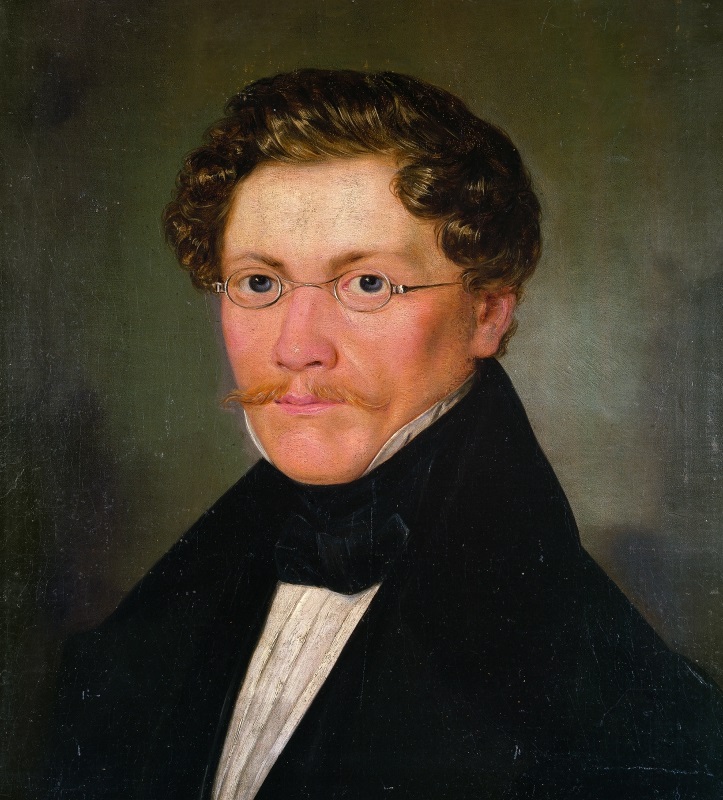
Carl Spitzweg was a German romanticist painter, especially of genre subjects. He is considered to be one of the most important artists of the Biedermeier era.


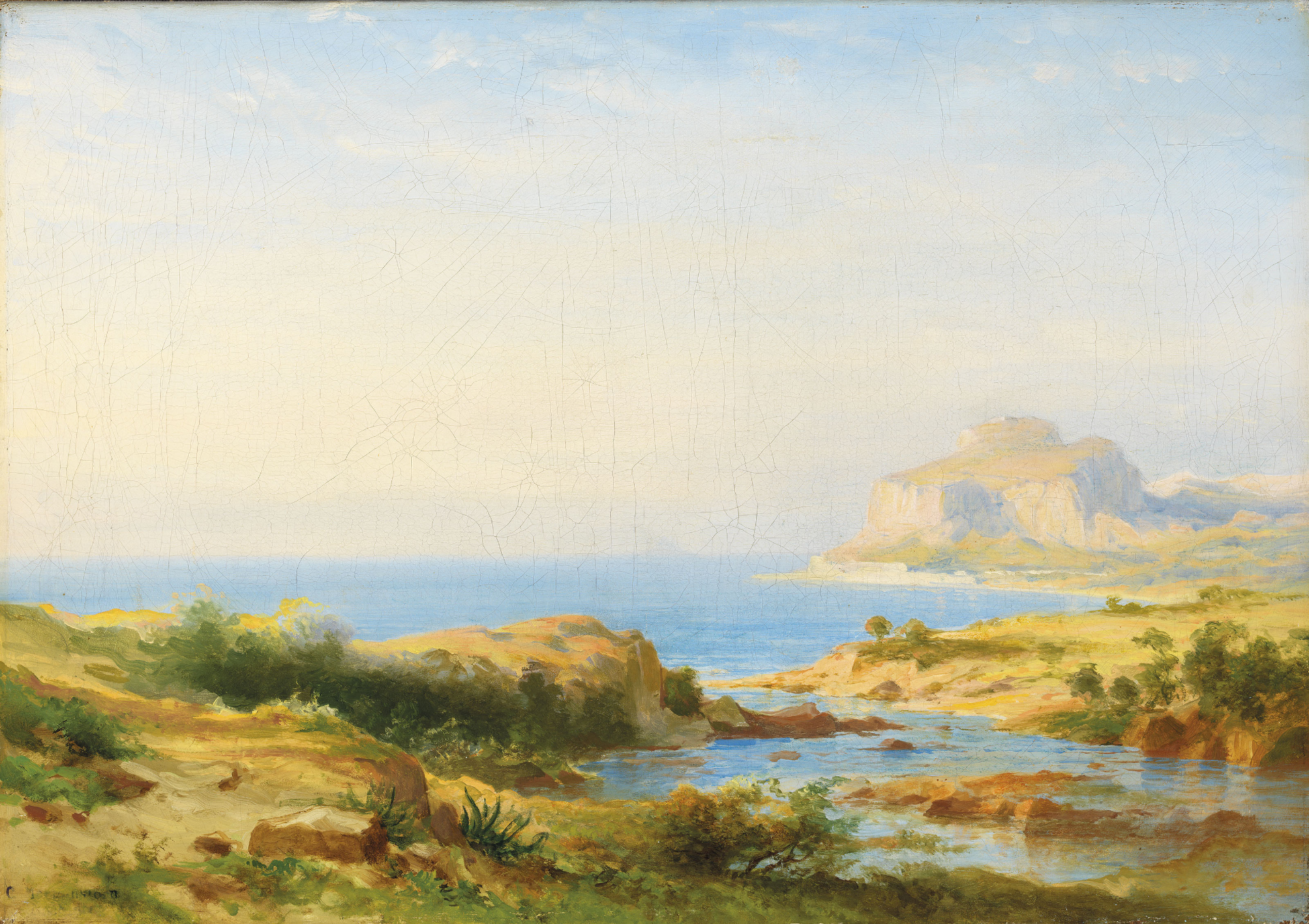
Carl Morgenstern was a German landscape painter of the Romantic period. His father, Johann Friedrich Morgenstern, was an architectural and landscape painter, and Carl received painting and drawing lessons from him at a young age.
At the age of 21 Carl went to Munich and became a pupil of the landscape painter Carl Rottmann. After a three-year stay in Italy, he returned to Frankfurt am Main, where he established himself as an artist and was later appointed professor.
His paintings from the early period mainly show landscapes, which surprise with special light effects and earned him the nickname "Italianist". Despite his desire for artistic innovation, he later devoted himself mainly to repeating popular motifs in order to satisfy his patrons.
Some of his most important works are views of Frankfurt am Main and the city's surroundings, as well as landscapes from the Taunus and along the Rhine.



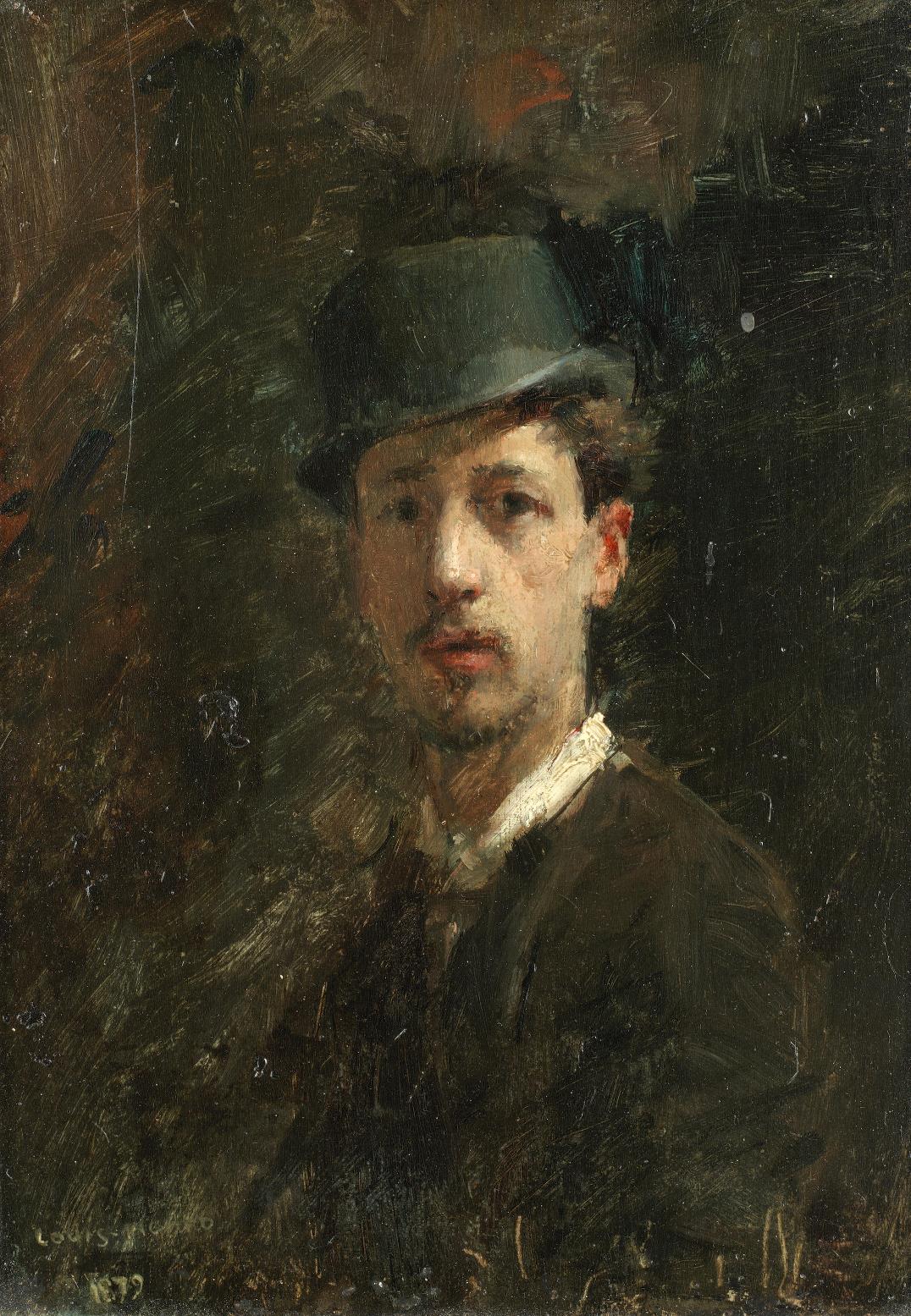
Louis Picard was a French symbolist painter.
He studied in Paris at the École des Beaux-Arts and is known mainly for his portraits of women.
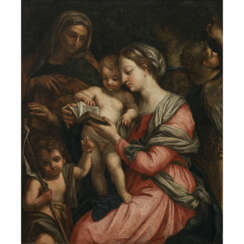

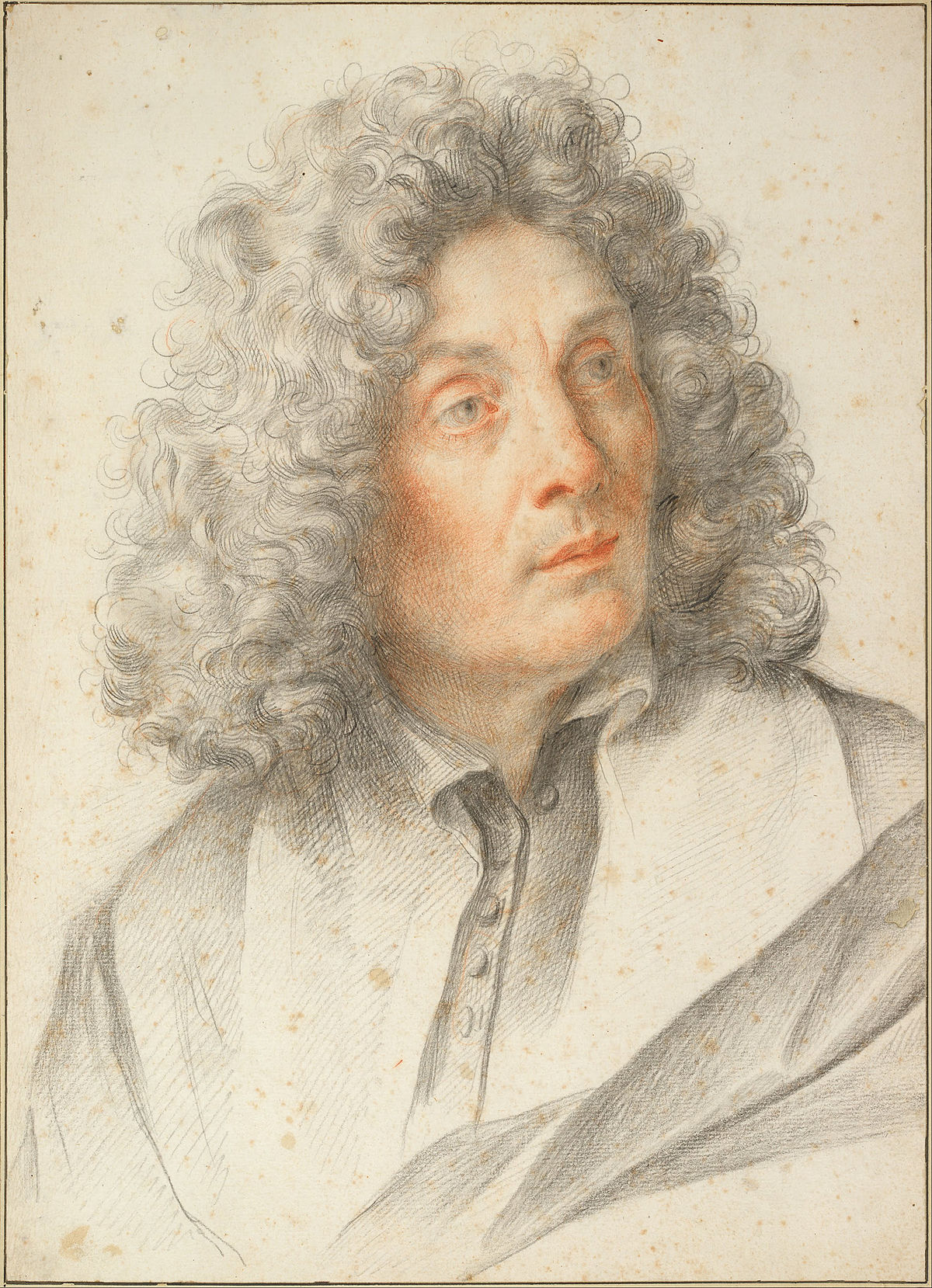
Carlo Maratta, an Italian painter, was a prominent figure in the Roman school of art during the late 17th century. Known for his classical approach to Baroque painting, Carlo Maratta's works were deeply influenced by the styles of Raphael and Andrea Sacchi, blending classical grandeur with Baroque expressivity. His training under Sacchi and subsequent exposure to Pietro da Cortona's coloristic style significantly shaped his artistic development.
Carlo Maratta's career flourished with a series of public and official commissions, making him a leading painter in Rome, especially after Bernini's death in 1682. His portfolio includes religious paintings, altarpieces, portraits, and fresco cycles, with a notable emphasis on paintings of the Madonna and Child, which reinterpreted High Renaissance motifs. His work was highly esteemed across Europe, influencing not only Italian art but also attracting the attention of English visitors on the Grand Tour.
One of Carlo Maratta's significant contributions to the art world was his involvement in painting restoration towards the end of his career, including works by Raphael and Carracci. This phase underscored his deep connection to the classical art tradition. Maratta passed away in Rome in 1713, leaving behind a legacy that continued to be celebrated in art history.
For art enthusiasts, collectors, and experts, Carlo Maratta's work offers a window into the transition between the Baroque and the emerging Rococo style, embodying a blend of dynamism and classical restraint. His paintings, many of which remain in situ in Roman churches, offer a testament to his enduring influence on Baroque classicism.
To stay updated on exhibitions and insights into Carlo Maratta's works, art aficionados are encouraged to subscribe for updates, ensuring access to the latest research and opportunities to view his celebrated works in museums and galleries around the world.

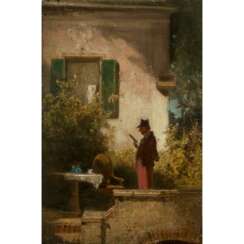

Carl Spitzweg was a German romanticist painter, especially of genre subjects. He is considered to be one of the most important artists of the Biedermeier era.
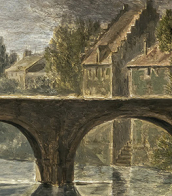
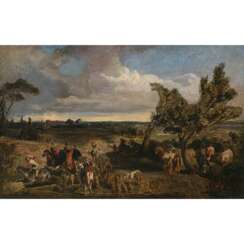

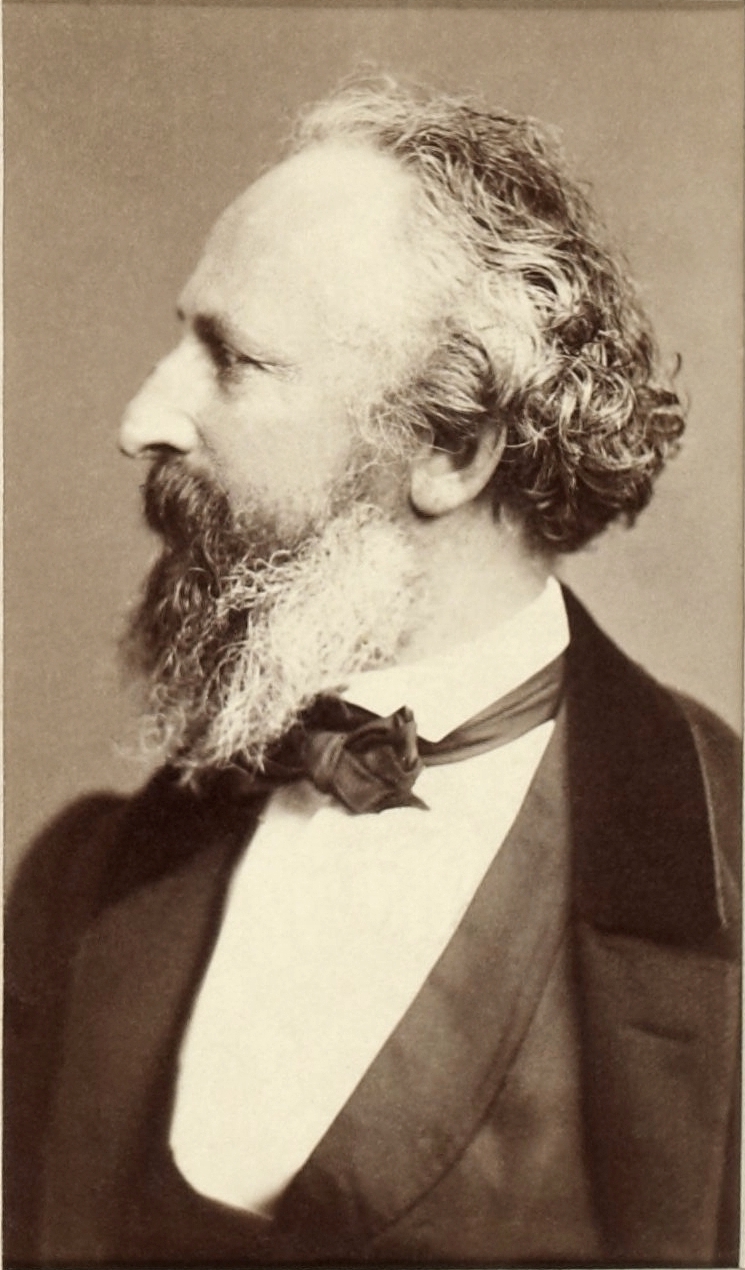
Carl Constantin Heinrich Steffeck was a German painter of the second half of the nineteenth century. He is known as a painter, graphic artist, animalist and portraitist.
Carl Steffeck was particularly famous for his depictions of horses and dogs. He studied art in Berlin, Paris and Italy. Returning to Germany, the artist painted scenes of hunting and animals, sometimes turning to the historical genre. His large historical canvas "Albrecht Achilles in the struggle with Nuremberg for the standard" in 1864 acquired the National Gallery of Berlin. From the 1850s, Steffeck began teaching, earned the title of professor at the Berlin Academy of Arts and became rector of the Königsberg Academy of Arts in 1880.
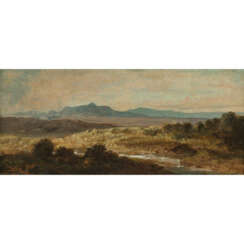

Carl Spitzweg was a German romanticist painter, especially of genre subjects. He is considered to be one of the most important artists of the Biedermeier era.


Carl Spitzweg was a German romanticist painter, especially of genre subjects. He is considered to be one of the most important artists of the Biedermeier era.


Carl Spitzweg was a German romanticist painter, especially of genre subjects. He is considered to be one of the most important artists of the Biedermeier era.


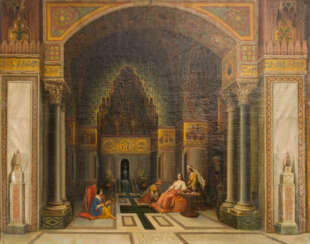

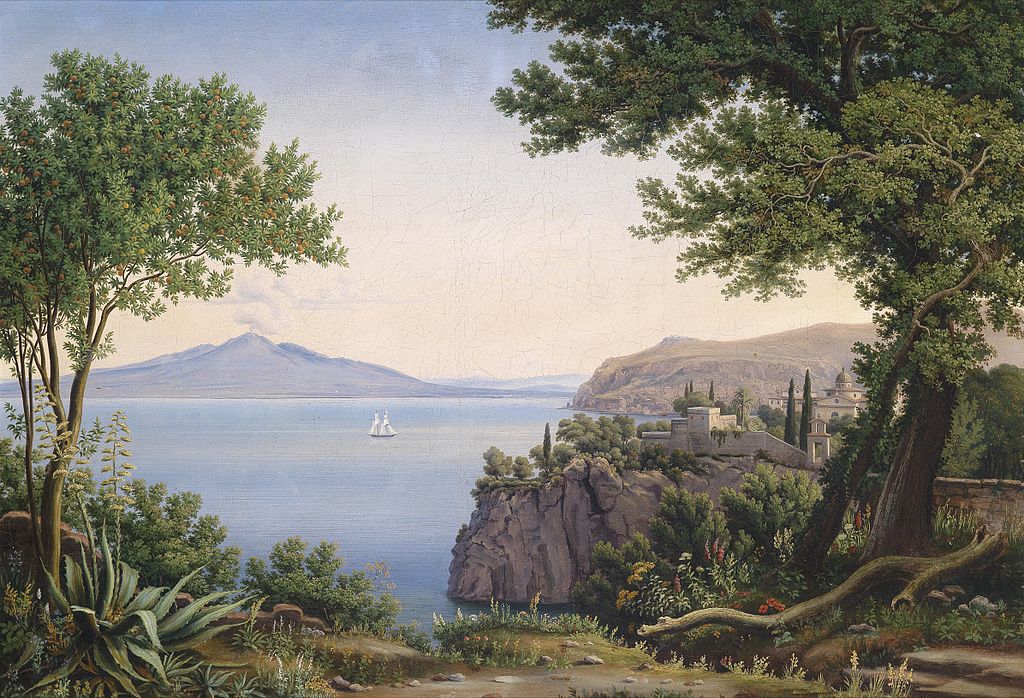
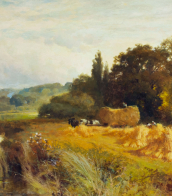
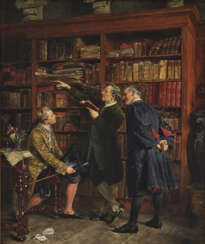

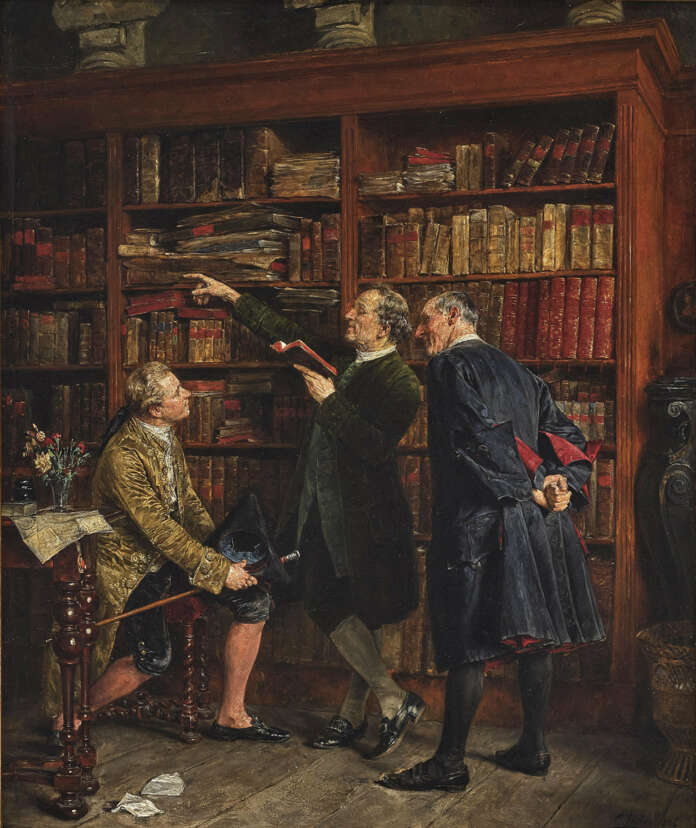
Carl Wilhelm Anton Seiler was a German genre painter.
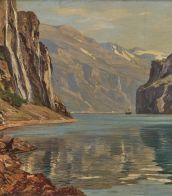
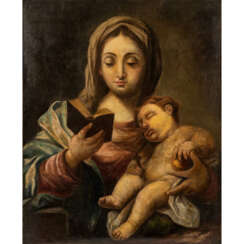

Carlo Maratta, an Italian painter, was a prominent figure in the Roman school of art during the late 17th century. Known for his classical approach to Baroque painting, Carlo Maratta's works were deeply influenced by the styles of Raphael and Andrea Sacchi, blending classical grandeur with Baroque expressivity. His training under Sacchi and subsequent exposure to Pietro da Cortona's coloristic style significantly shaped his artistic development.
Carlo Maratta's career flourished with a series of public and official commissions, making him a leading painter in Rome, especially after Bernini's death in 1682. His portfolio includes religious paintings, altarpieces, portraits, and fresco cycles, with a notable emphasis on paintings of the Madonna and Child, which reinterpreted High Renaissance motifs. His work was highly esteemed across Europe, influencing not only Italian art but also attracting the attention of English visitors on the Grand Tour.
One of Carlo Maratta's significant contributions to the art world was his involvement in painting restoration towards the end of his career, including works by Raphael and Carracci. This phase underscored his deep connection to the classical art tradition. Maratta passed away in Rome in 1713, leaving behind a legacy that continued to be celebrated in art history.
For art enthusiasts, collectors, and experts, Carlo Maratta's work offers a window into the transition between the Baroque and the emerging Rococo style, embodying a blend of dynamism and classical restraint. His paintings, many of which remain in situ in Roman churches, offer a testament to his enduring influence on Baroque classicism.
To stay updated on exhibitions and insights into Carlo Maratta's works, art aficionados are encouraged to subscribe for updates, ensuring access to the latest research and opportunities to view his celebrated works in museums and galleries around the world.
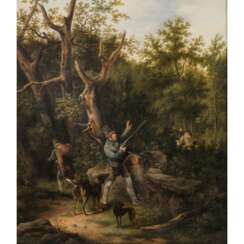

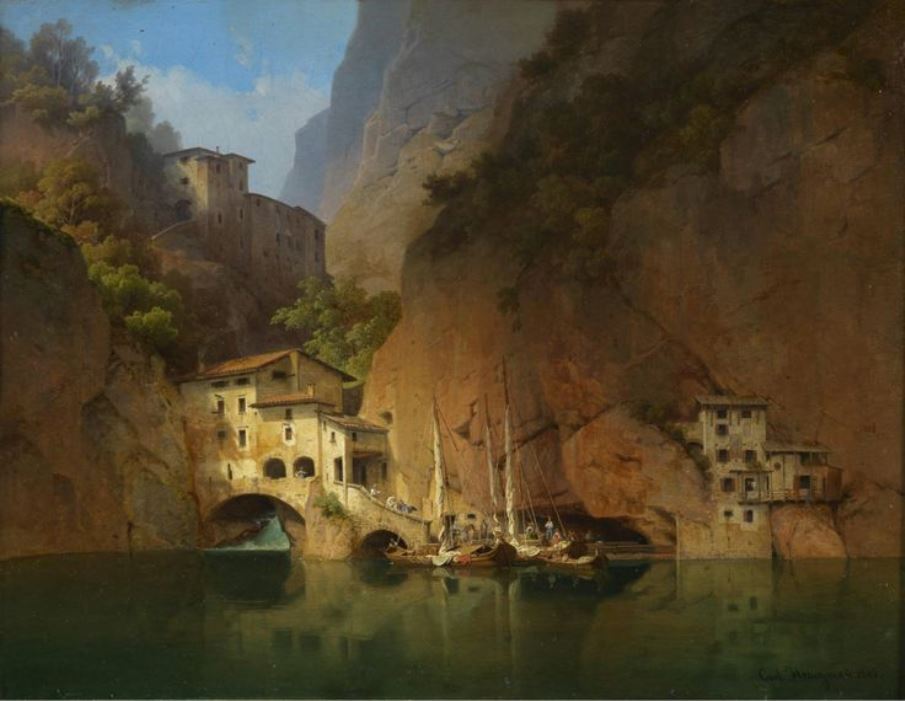
Carl Friedrich Heinzmann was a German landscape painter, porcelain artist, lithographer, and printmaker. He worked for the Nymphenburg Porcelain Manufactory and mostly painted serene and peaceful landscapes. Heinzmann also left lithographs and oil paintings, many of which describe war scenes.


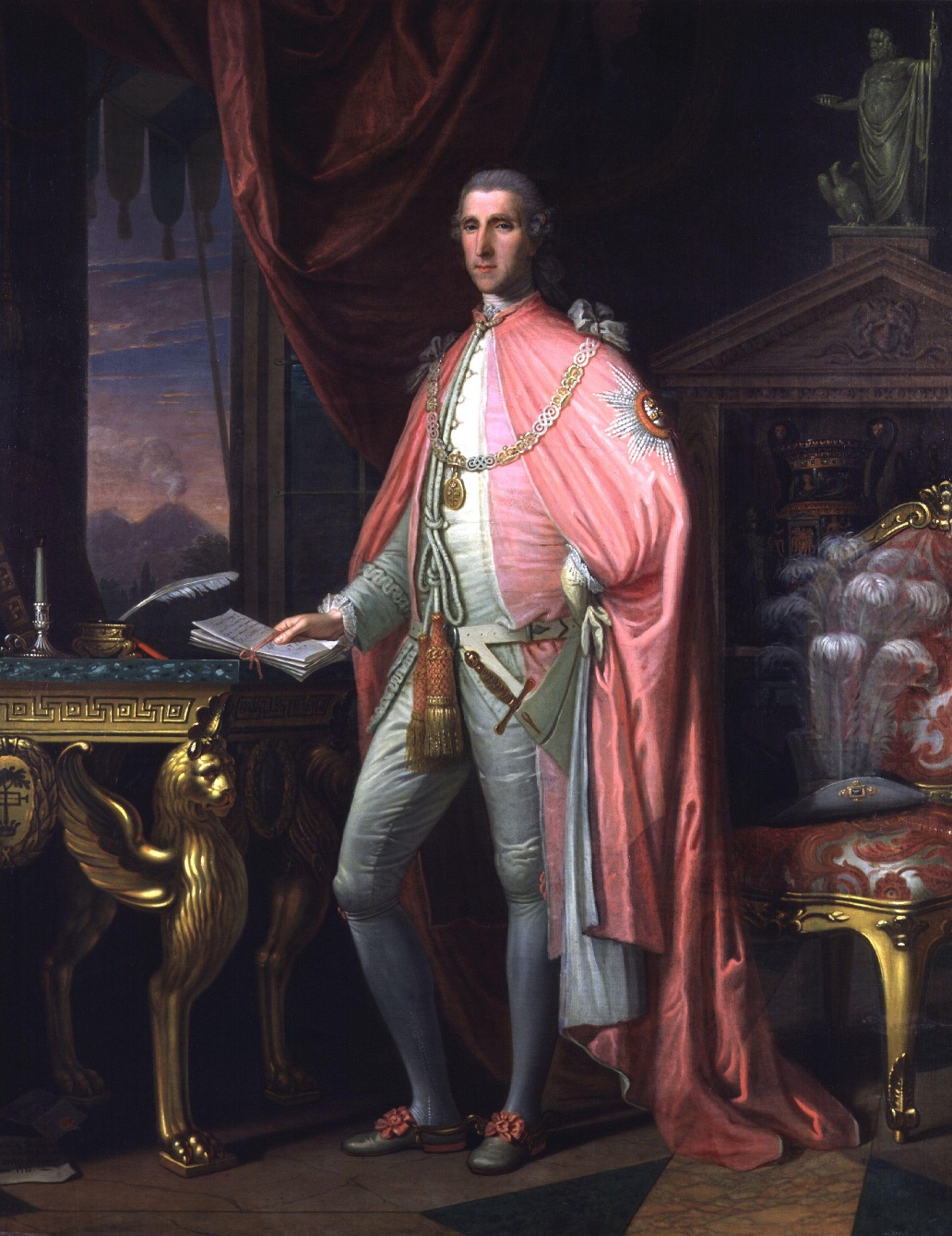
Sir William Douglas Hamilton was a British diplomat, archaeologist and volcanologist, a famous collector, and a Fellow of the Royal Society of London.
He served as British Ambassador to the Kingdom of Naples from 1764 to 1800, but most importantly, he was a passionate researcher of history, art and natural sciences and was a member of the Society of Dilettantes, established for the purpose of studying ancient art.
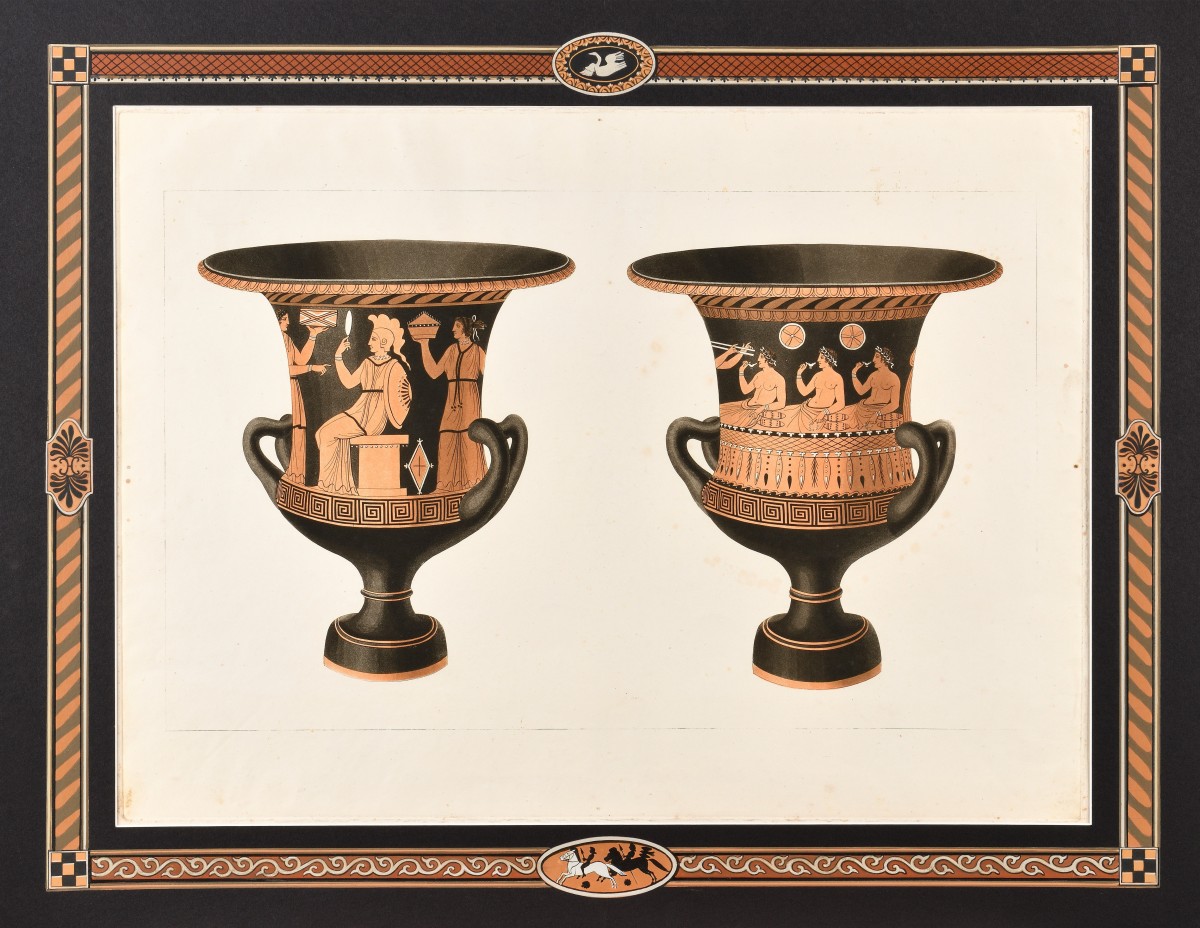
In Naples, Hamilton amassed a unique collection of antique vases and published an illustrated book about them. In parallel, Sir Hamilton studied the volcanoes Vesuvius and Etna, local volcanic and seismic activity, and the causes of earthquakes in the Neapolitan territory. As a corresponding member of the Royal Society, he sent the results of his research to London. His publications were very valuable for the time.
Pierre-François Hugues d'Hancarville, better known as Baron d'Hancarville, was an art historian, writer, and adventurer who lived most of his life in Italy.
To advance from the merchant class to high society, he studied mathematics, physics, history, literature, ancient languages, and English, Italian, and German. Traveling in Europe, he presented himself as an aristocrat under various names. Under the name Baron d'Hancarville, he was known as a connoisseur and art dealer, which is apparently why he was approached by Sir William Hamilton (1731-1803), who was ambassador to the British embassy in Naples and had amassed a large collection of ancient vases. Before selling this collection to the British Museum in 1772, Hamilton asked d'Hancarville for help in creating a complete catalog of it in descriptions and illustrations. The baron also wrote a detailed essay.
This catalog, entitled The Complete Collection of Antiquities from the Cabinet of Sir William Hamilton, is itself a neoclassical masterpiece in French and English. Antique vases have never before been depicted with such precision and aestheticism.
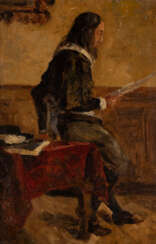

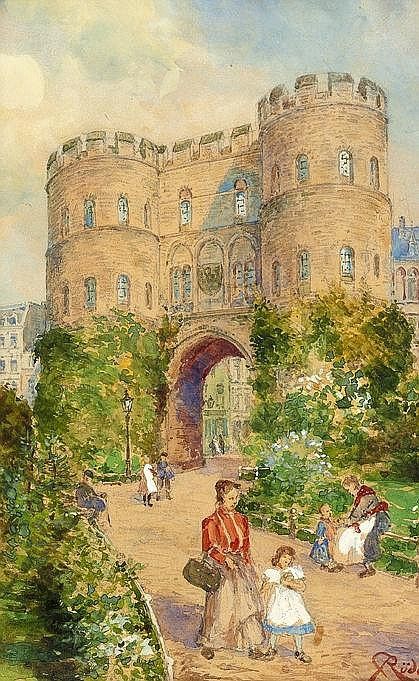


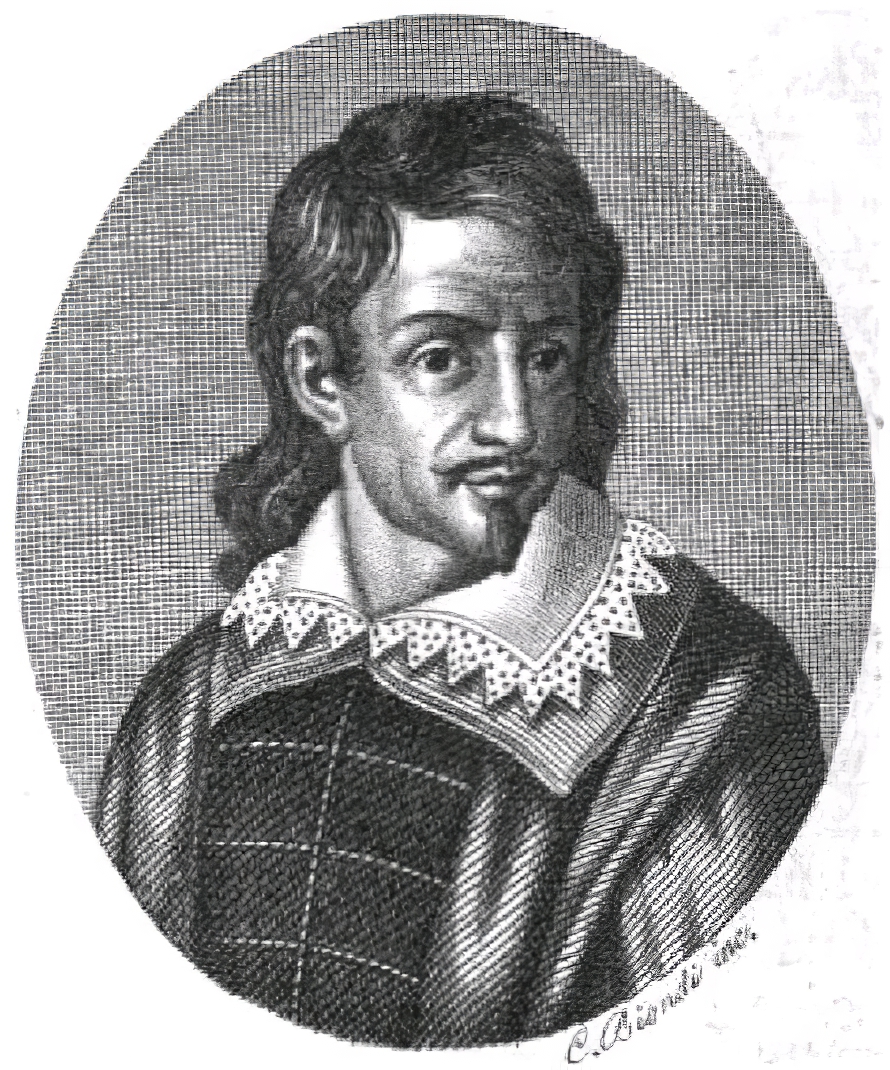
Andrea Vaccaro was an Italian Baroque painter and one of the greatest representatives of 17th-century Neapolitan painting.
Andrea Vaccaro was very successful and appreciated in his lifetime. He and his workshop produced many works for the local nobility, as well as for export to Spanish religious orders and wealthy patrons. Initially he was influenced by Caravaggio, particularly in his light and naturalistic depiction of his figures.
From 1630 to 1660 he also drew inspiration from the work of artists such as Guido Reni, Antonis van Dyck and Pietro Novelli. His shadowbrism became more illuminated and less harsh under the influence of more balanced sources.
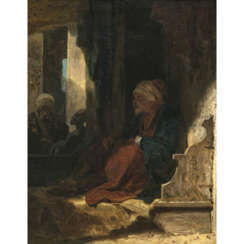

Carl Spitzweg was a German romanticist painter, especially of genre subjects. He is considered to be one of the most important artists of the Biedermeier era.
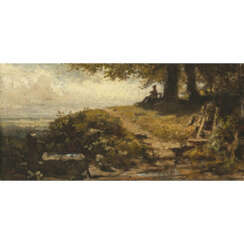

Carl Spitzweg was a German romanticist painter, especially of genre subjects. He is considered to be one of the most important artists of the Biedermeier era.


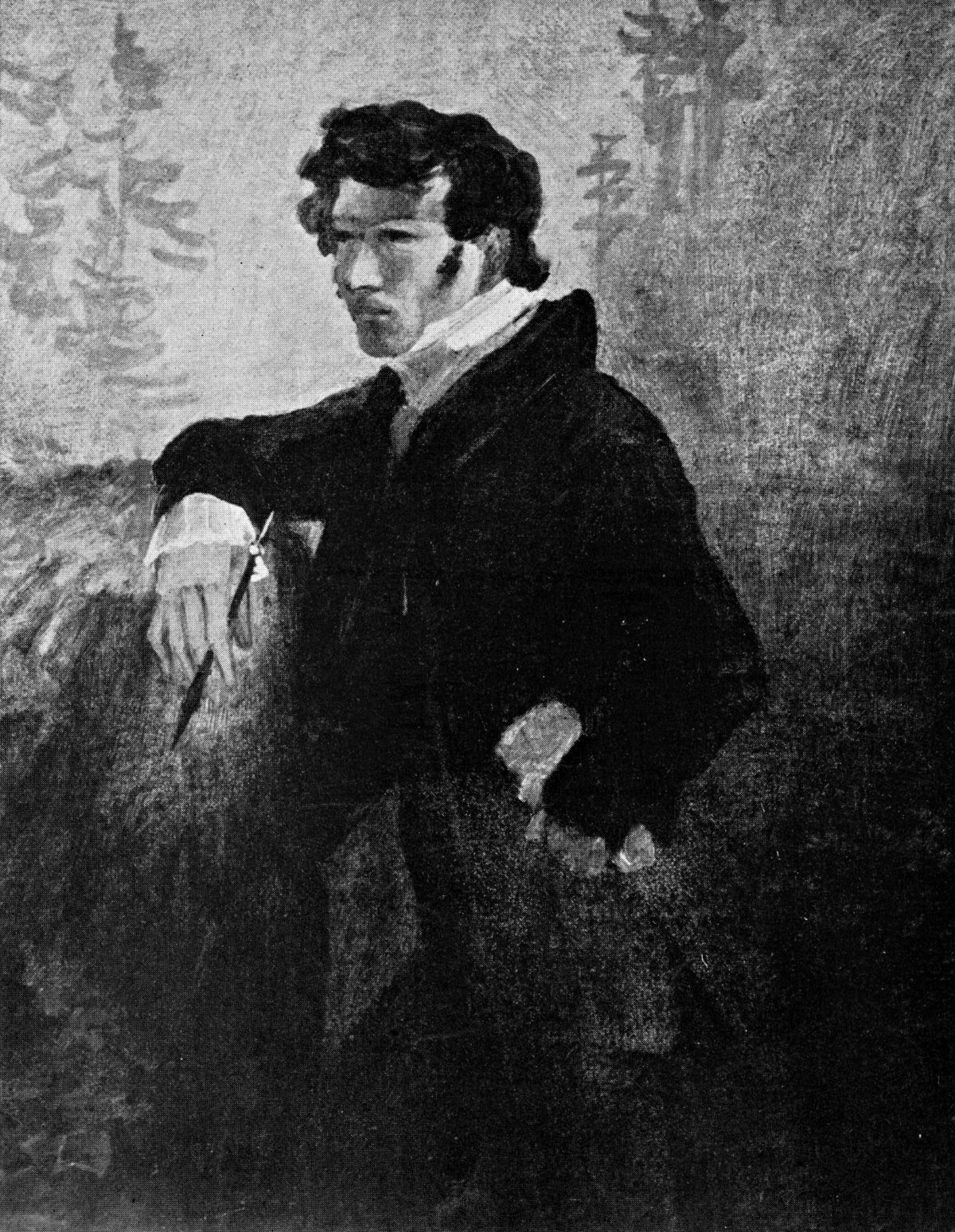
Carl Eduard Ferdinand Blechen was a German landscape painter, recognized for his pivotal role in the Romantic movement. Blechen transitioned from a banking job to pursue art, studying at the Berlin Academy and embarking on inspirational journeys to Italy and Dresden. His work, characterized by its vivid landscapes and emotional depth, reflected a new direction in painting, deeply influenced by his travels.
Notably, Carl Blechen's contributions to art were not limited to his creations; he was a respected educator, shaping the next generation of artists as a Professor of Landscape Painting at the Berlin Academy. Despite his professional success, Blechen battled with mental illness, which ultimately affected his career and led to his early death in 1840.
Carl Blechen's artworks, including "The Interior of the Palm House on the Pfaueninsel Near Potsdam," resonate with the Romantic ideals of natural beauty and emotional expression. While many of his pieces are in private collections, his legacy endures, influencing not only landscape painting but also the broader art historical narrative.
For art collectors and enthusiasts, Carl Blechen's work offers a window into the Romantic era's soul, capturing the transient beauty of nature and the human experience. His life story, marked by both brilliance and struggle, adds a poignant layer to his artistic achievements.
For those interested in the intersection of art, culture, and history, particularly in the Romantic period, staying informed about Carl Blechen's contributions and related art events can be enriching. Signing up for updates on new product sales and auction events related to Blechen's work is an excellent way to stay connected with this influential artist's enduring legacy.
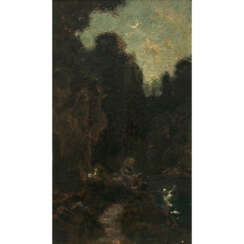

Carl Spitzweg was a German romanticist painter, especially of genre subjects. He is considered to be one of the most important artists of the Biedermeier era.
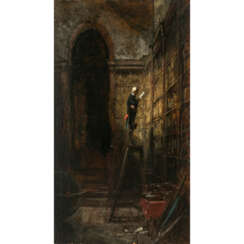

Carl Spitzweg was a German romanticist painter, especially of genre subjects. He is considered to be one of the most important artists of the Biedermeier era.


Carl Spitzweg was a German romanticist painter, especially of genre subjects. He is considered to be one of the most important artists of the Biedermeier era.






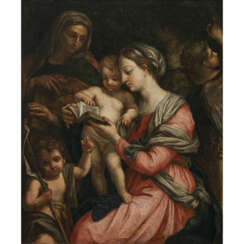

Carlo Maratta, an Italian painter, was a prominent figure in the Roman school of art during the late 17th century. Known for his classical approach to Baroque painting, Carlo Maratta's works were deeply influenced by the styles of Raphael and Andrea Sacchi, blending classical grandeur with Baroque expressivity. His training under Sacchi and subsequent exposure to Pietro da Cortona's coloristic style significantly shaped his artistic development.
Carlo Maratta's career flourished with a series of public and official commissions, making him a leading painter in Rome, especially after Bernini's death in 1682. His portfolio includes religious paintings, altarpieces, portraits, and fresco cycles, with a notable emphasis on paintings of the Madonna and Child, which reinterpreted High Renaissance motifs. His work was highly esteemed across Europe, influencing not only Italian art but also attracting the attention of English visitors on the Grand Tour.
One of Carlo Maratta's significant contributions to the art world was his involvement in painting restoration towards the end of his career, including works by Raphael and Carracci. This phase underscored his deep connection to the classical art tradition. Maratta passed away in Rome in 1713, leaving behind a legacy that continued to be celebrated in art history.
For art enthusiasts, collectors, and experts, Carlo Maratta's work offers a window into the transition between the Baroque and the emerging Rococo style, embodying a blend of dynamism and classical restraint. His paintings, many of which remain in situ in Roman churches, offer a testament to his enduring influence on Baroque classicism.
To stay updated on exhibitions and insights into Carlo Maratta's works, art aficionados are encouraged to subscribe for updates, ensuring access to the latest research and opportunities to view his celebrated works in museums and galleries around the world.

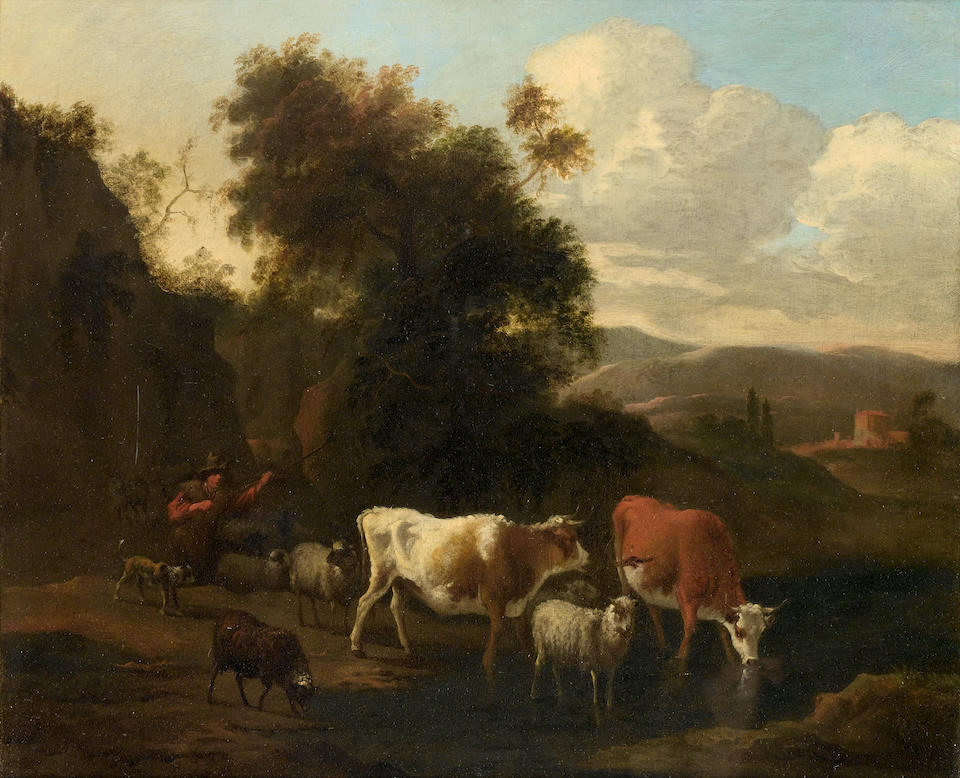
Michiel Carree of Karé was a Dutch painter and decorator of the Golden Age.
Carree was a famous landscape painter: King Frederick of Prussia invited him to Berlin and appointed him court painter. After the king's death, he returned to Holland and was mainly engaged in decorating the palaces of the noble townspeople. Carrée often depicted livestock in his landscapes, and these paintings can now be seen in the Rotterdam Museum.
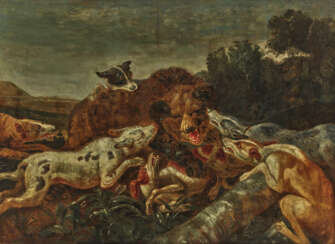

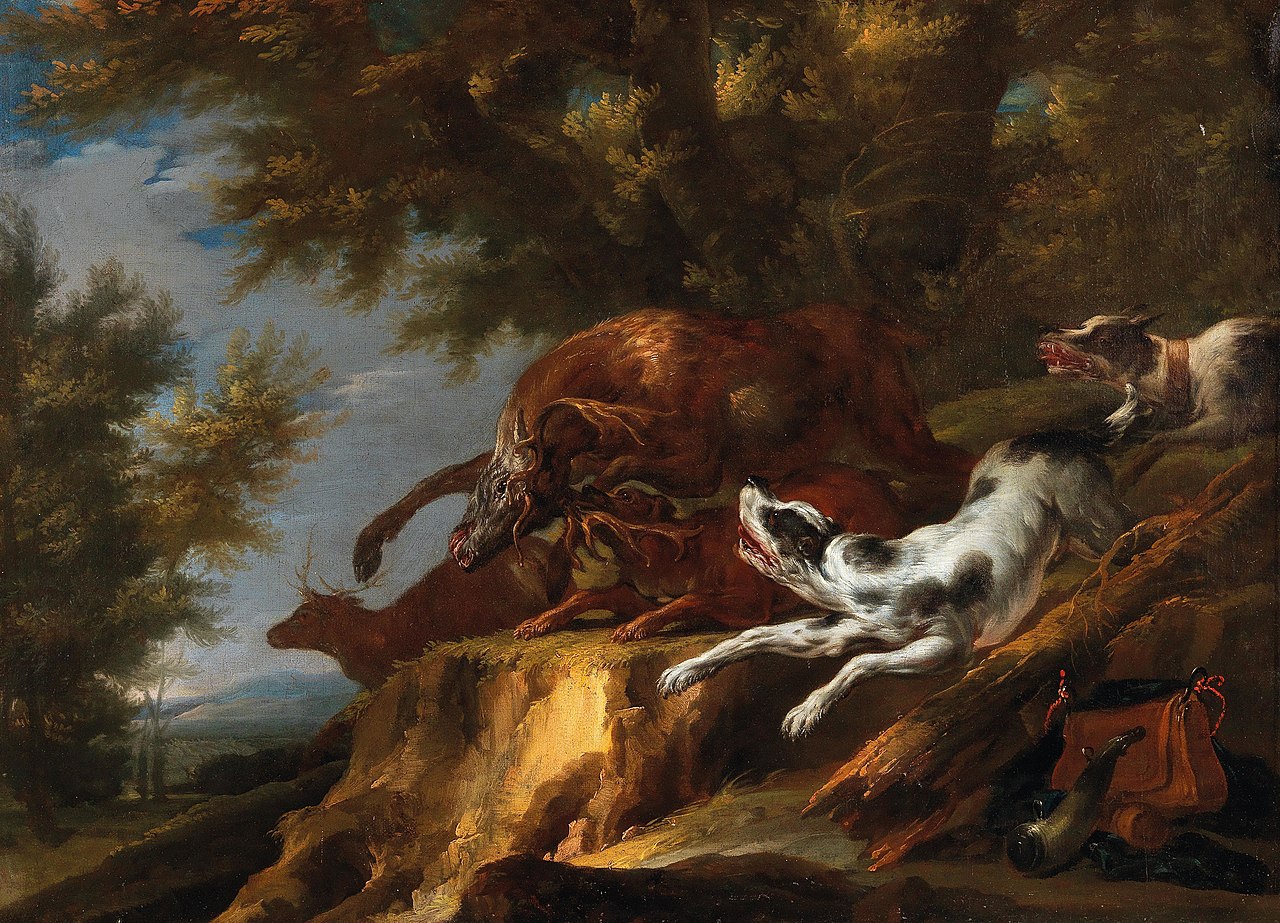
Carl Borromäus Andreas Ruthart was a German painter who spent most of his career in Italy. During the last years of his life, he was referred to as Frà Andrea. He considered himself to be a follower of Peter Paul Rubens.