carl bösse


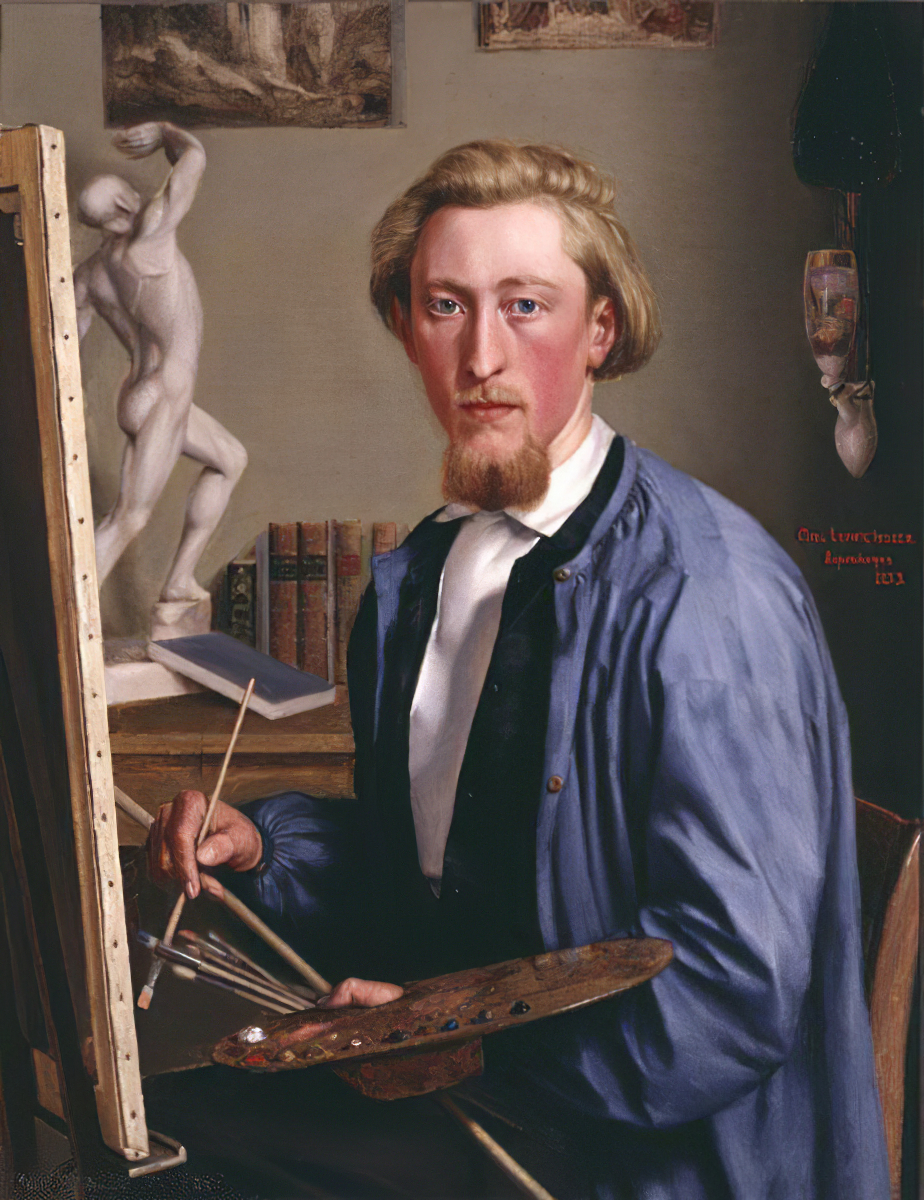
Carl Ludwig Jessen is a German painter. He was known for his paintings on the everyday life of peasants in North Friesland. He studied painting at the Royal Danish Academy of Fine Arts in Copenhagen under Wilhelm Marstrand.
Carl Ludwig Jessen's work occupies a central place in Danish and North German art history. His paintings depict the traditions and everyday life of the North German community with a distinctly naturalistic precision.

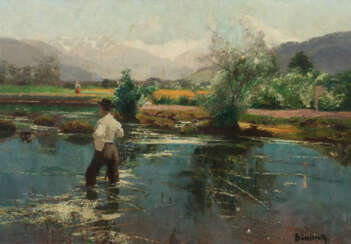

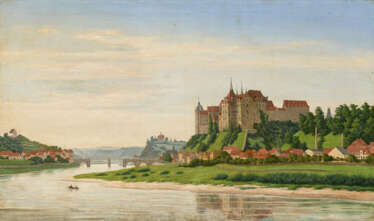

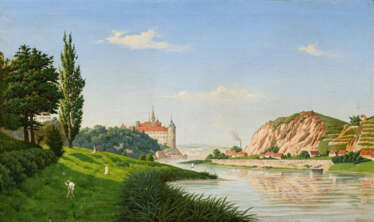

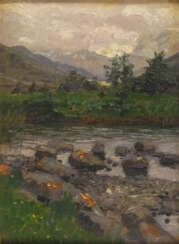

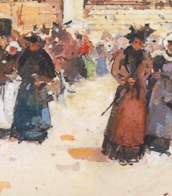





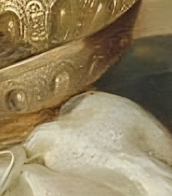


Gottlieb Carl Albert Bössenroth was a German landscape painter. He worked in Munich, Dachau, Eckernförde and Berlin.
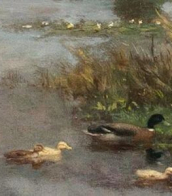


Gottlieb Carl Albert Bössenroth was a German landscape painter. He worked in Munich, Dachau, Eckernförde and Berlin.
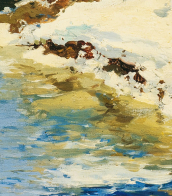
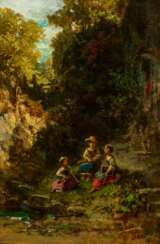

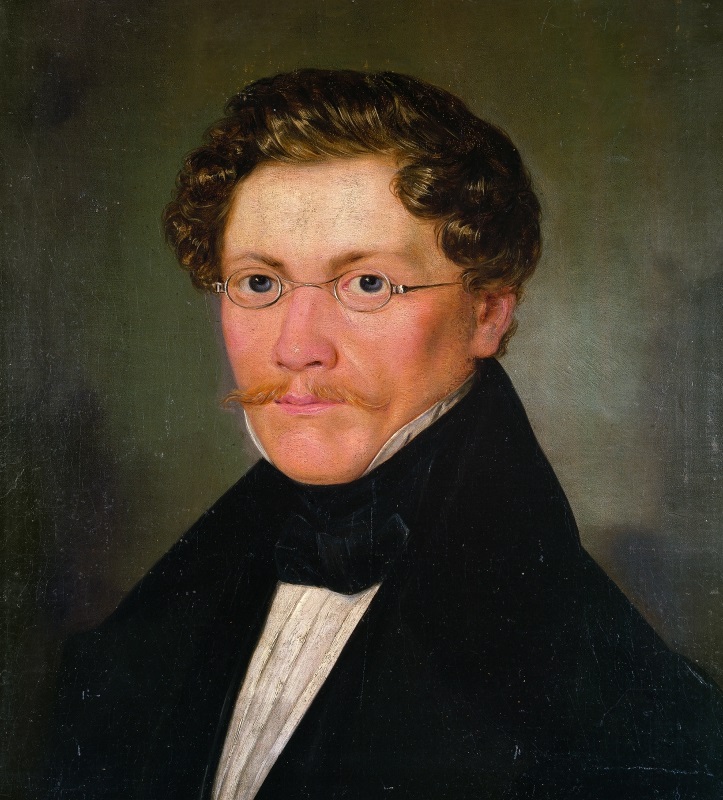
Carl Spitzweg was a German romanticist painter, especially of genre subjects. He is considered to be one of the most important artists of the Biedermeier era.
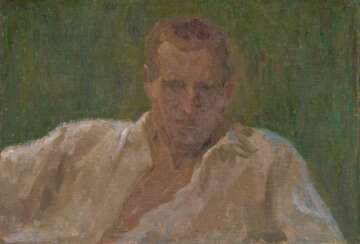

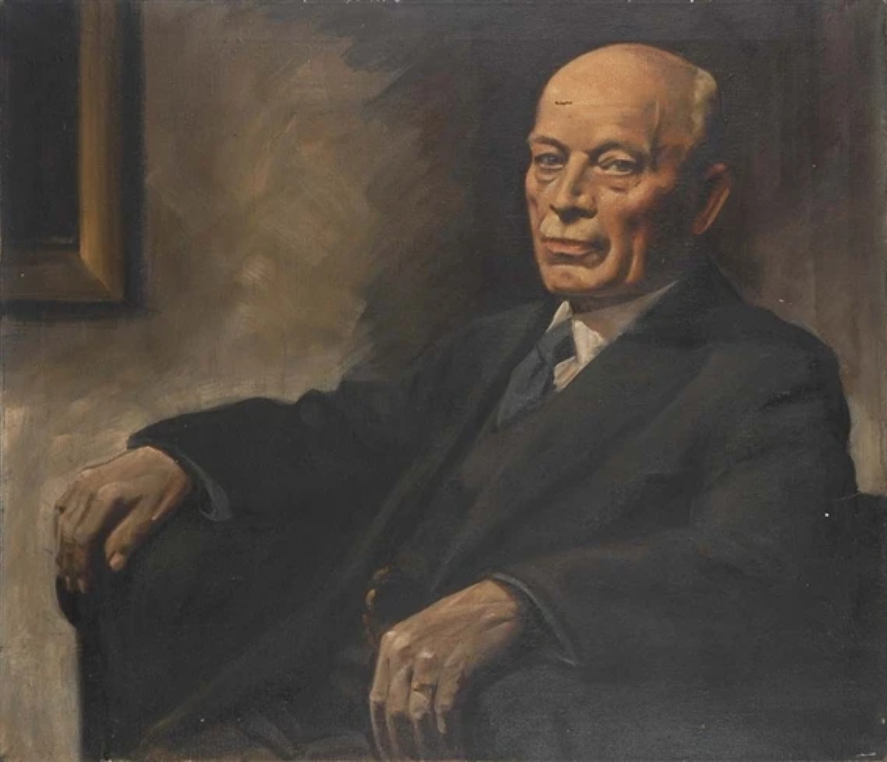
Carl Ludwig Noah Bantzer was a painter, professor and art critic; associated with the Willingshausen Artists' Colony.


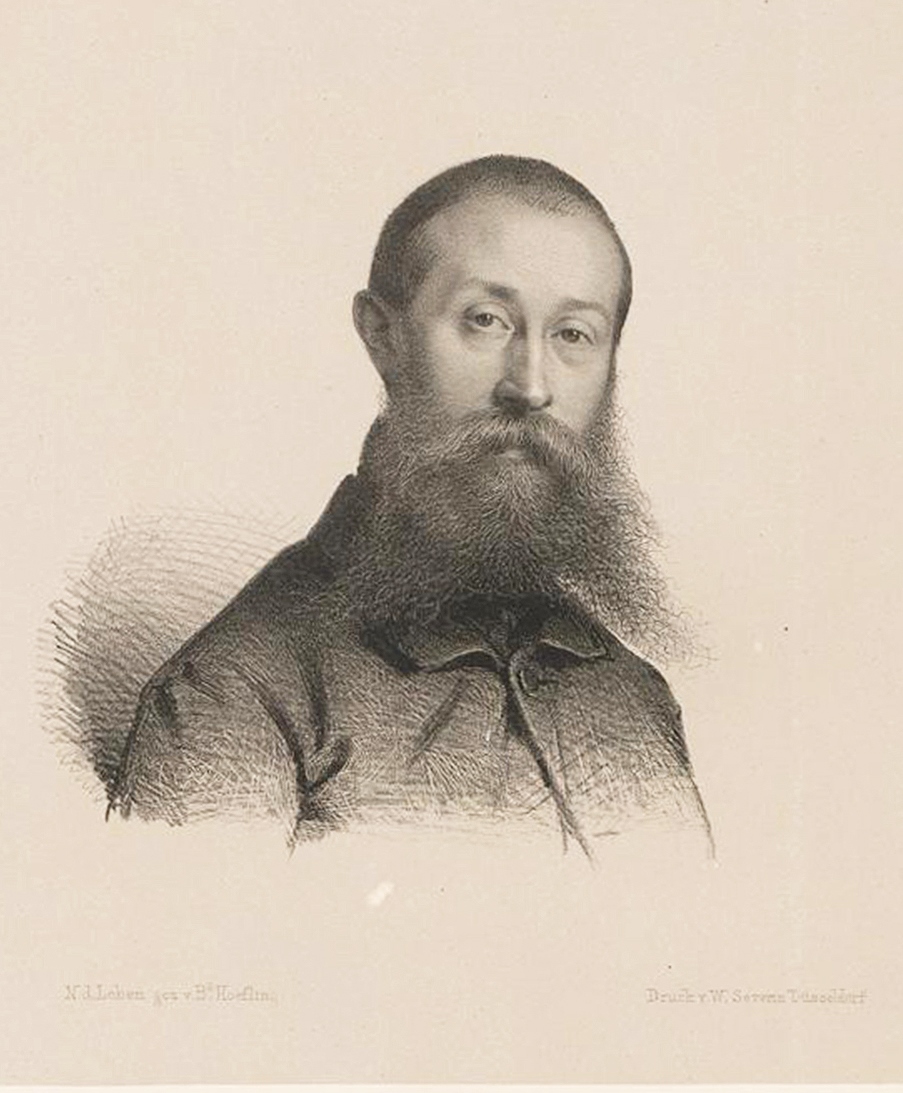
Carl Hilgers was a 19th century German landscape painter.
Carl Hilgers liked to paint winter landscapes shrouded in mist, often of locations around Düsseldorf. The paintings have a romantic character which is enhanced by occasional figures.


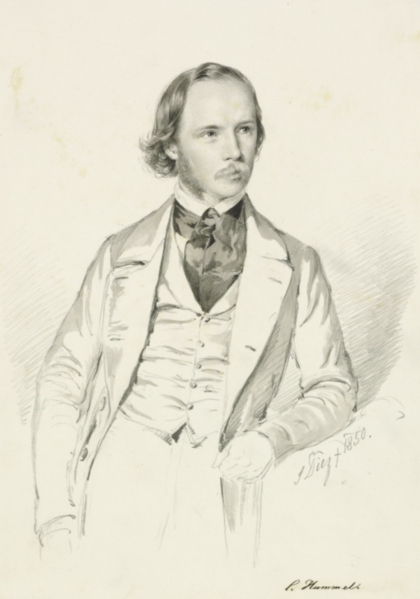
Carl Maria Nicolaus Hummel was a distinguished German landscape painter and etcher, renowned for his delicate representations of the natural world. Born in Weimar in 1821, Hummel embarked on his artistic journey under the guidance of Friedrich Preller at the Fürstliche freie Zeichenschule Weimar starting in 1841. His rich legacy is shaped by extensive travels across Europe, capturing the essence of each locale with a keen eye for detail and mood.
Hummel's artistry is marked by his adept use of light and texture, which brings scenes to life with a vibrancy that transcends time. His works, such as the serene "Valley of the Mills, near Amalfi" and the contemplative "Sky Study (Sunset)", showcase his skill in marrying color and form to reflect both the tranquility and the dramatic interplay of natural landscapes.
For art collectors and connoisseurs, Hummel's paintings are a testament to the romantic spirit of 19th-century art. His paintings are prominently featured in prestigious institutions across Northern Europe, including the Musée de la Vie Romantique in Paris. Each piece serves as a window into the historical and cultural narratives of the time, making them invaluable additions to any collection.
Renowned for his meticulous approach and the emotional depth of his work, Hummel's contributions to the world of art continue to inspire and captivate audiences. His ability to capture the sublime beauty of nature makes his work an enduring treasure in the landscape genre of the 19th century.
Stay informed about the latest exhibitions and auction events featuring Carl Maria Nicolaus Hummel's work. Sign up now for exclusive updates tailored for collectors and art history enthusiasts. Your subscription ensures you never miss an opportunity to add a piece of history to your collection.
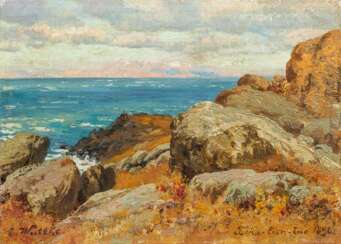

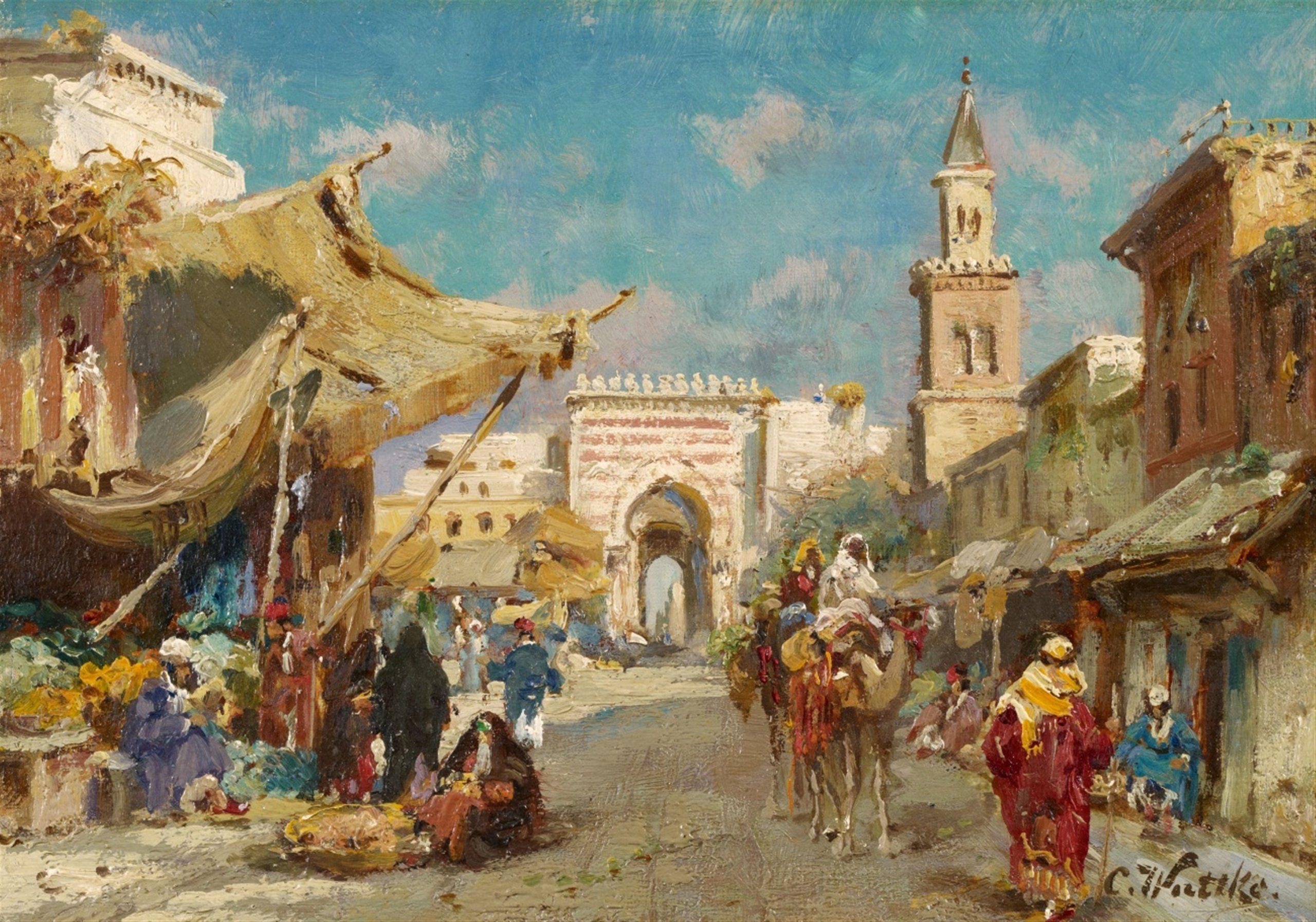
Carl Wuttke was a German painter of the last quarter of the nineteenth and first quarter of the twentieth centuries. He is known as a landscape and architectural painter.
Carl Wuttke traveled extensively, visiting Italy, Spain, Norway, Africa, the United States, China and Japan. He created many paintings, including paintings for German Emperor Wilhelm II. Wuttke, although he specialized in landscape, also painted genre scenes. His vivid colors and style make him one of the forerunners of Impressionism
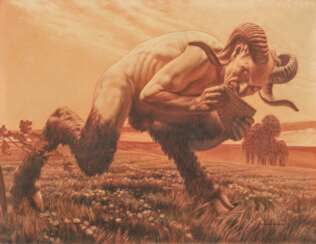

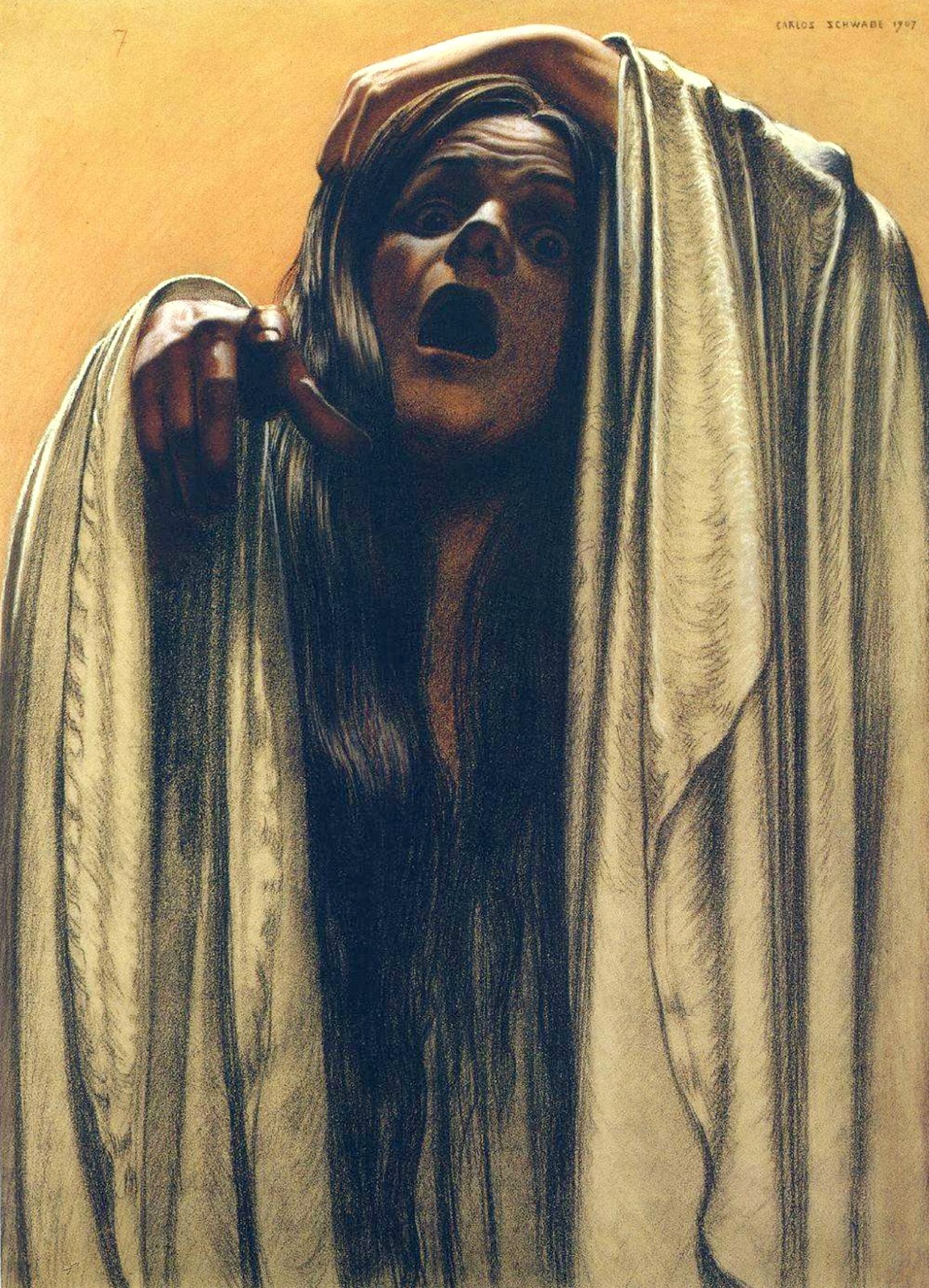
Carlos Schwabe (born Émile Martin Charles Schwab) was a Swiss Symbolist painter and printmaker.


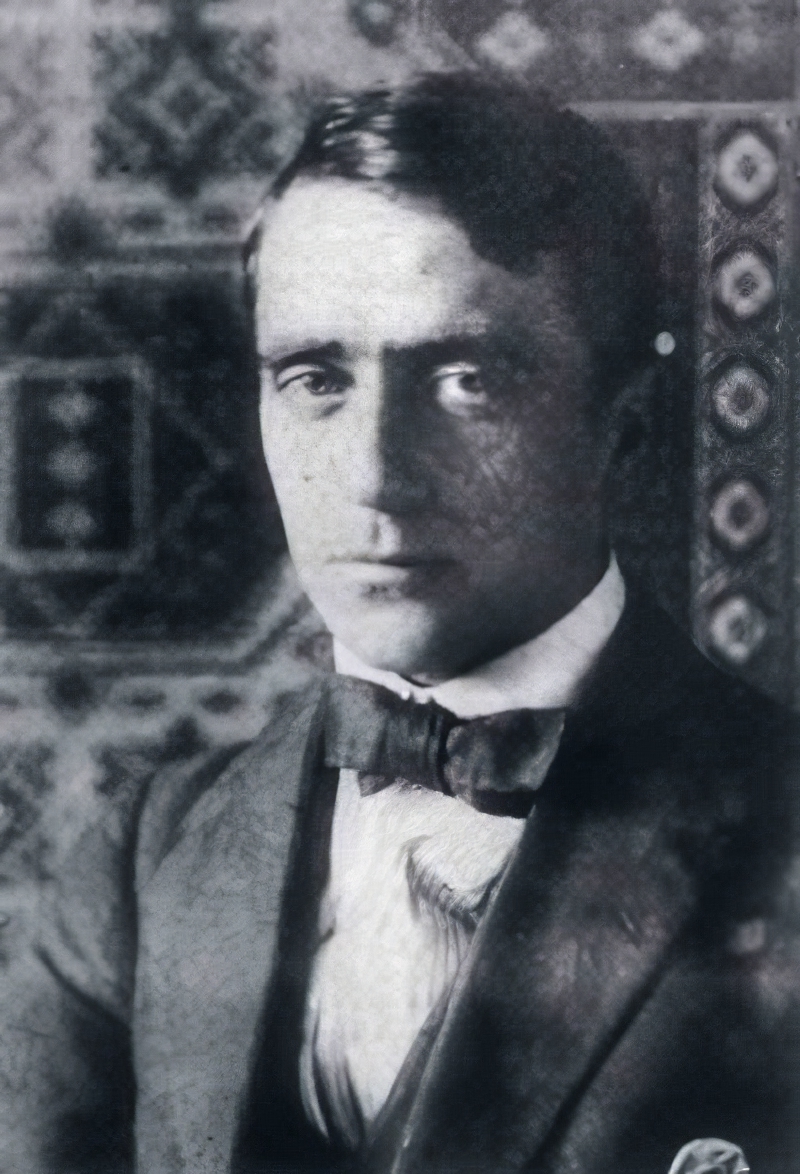
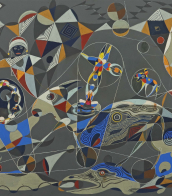
Carlo Mense was a German artist of the twentieth century. He is known as a painter and graphic artist, a representative of Rhenish Expressionism and New Materialism.
Mense was a member of artists' associations such as the Cologne Secession, Gereon Club, Young Rhine, and November. He actively participated in Expressionist exhibitions. Creating graphic works for the magazines "Action" and "Sturm", he became known for his artistic style. In 1937, the Nazis destroyed 37 of his works, categorizing them as "degenerate art." Mense left a significant mark on twentieth-century German painting with his expressive and evocative works.


Carlo Mense was a German artist of the twentieth century. He is known as a painter and graphic artist, a representative of Rhenish Expressionism and New Materialism.
Mense was a member of artists' associations such as the Cologne Secession, Gereon Club, Young Rhine, and November. He actively participated in Expressionist exhibitions. Creating graphic works for the magazines "Action" and "Sturm", he became known for his artistic style. In 1937, the Nazis destroyed 37 of his works, categorizing them as "degenerate art." Mense left a significant mark on twentieth-century German painting with his expressive and evocative works.
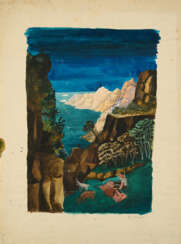

Carlo Mense was a German artist of the twentieth century. He is known as a painter and graphic artist, a representative of Rhenish Expressionism and New Materialism.
Mense was a member of artists' associations such as the Cologne Secession, Gereon Club, Young Rhine, and November. He actively participated in Expressionist exhibitions. Creating graphic works for the magazines "Action" and "Sturm", he became known for his artistic style. In 1937, the Nazis destroyed 37 of his works, categorizing them as "degenerate art." Mense left a significant mark on twentieth-century German painting with his expressive and evocative works.
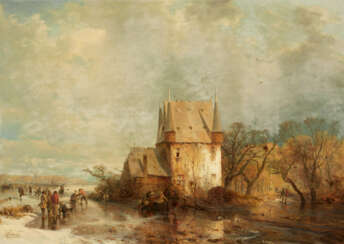

Carl Hilgers was a 19th century German landscape painter.
Carl Hilgers liked to paint winter landscapes shrouded in mist, often of locations around Düsseldorf. The paintings have a romantic character which is enhanced by occasional figures.
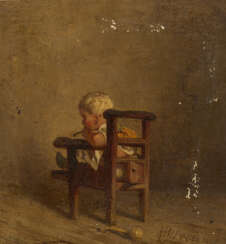

Carl Hilgers was a 19th century German landscape painter.
Carl Hilgers liked to paint winter landscapes shrouded in mist, often of locations around Düsseldorf. The paintings have a romantic character which is enhanced by occasional figures.
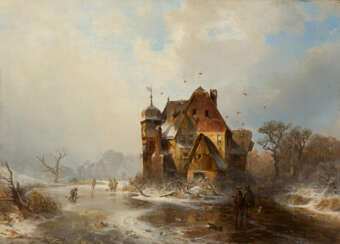

Carl Hilgers was a 19th century German landscape painter.
Carl Hilgers liked to paint winter landscapes shrouded in mist, often of locations around Düsseldorf. The paintings have a romantic character which is enhanced by occasional figures.


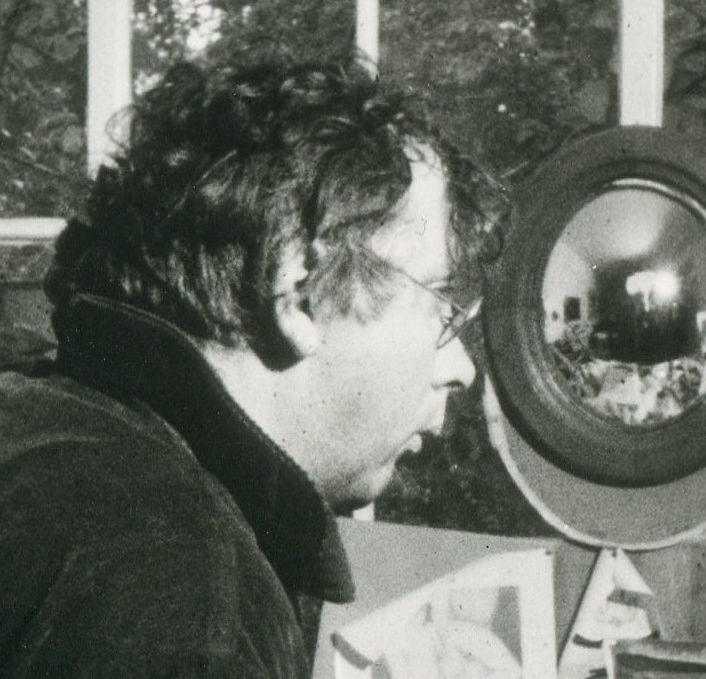
Horst Janssen was a German graphic artist, printmaker, poster and illustrator. He created many drawings, etchings, woodcuts, lithographs, and woodcuts.
There is a museum dedicated to his legacy in Horst Janssen's hometown of Oldenburg. His works are represented internationally in major museums.


Carl Hilgers was a 19th century German landscape painter.
Carl Hilgers liked to paint winter landscapes shrouded in mist, often of locations around Düsseldorf. The paintings have a romantic character which is enhanced by occasional figures.
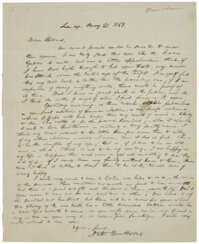

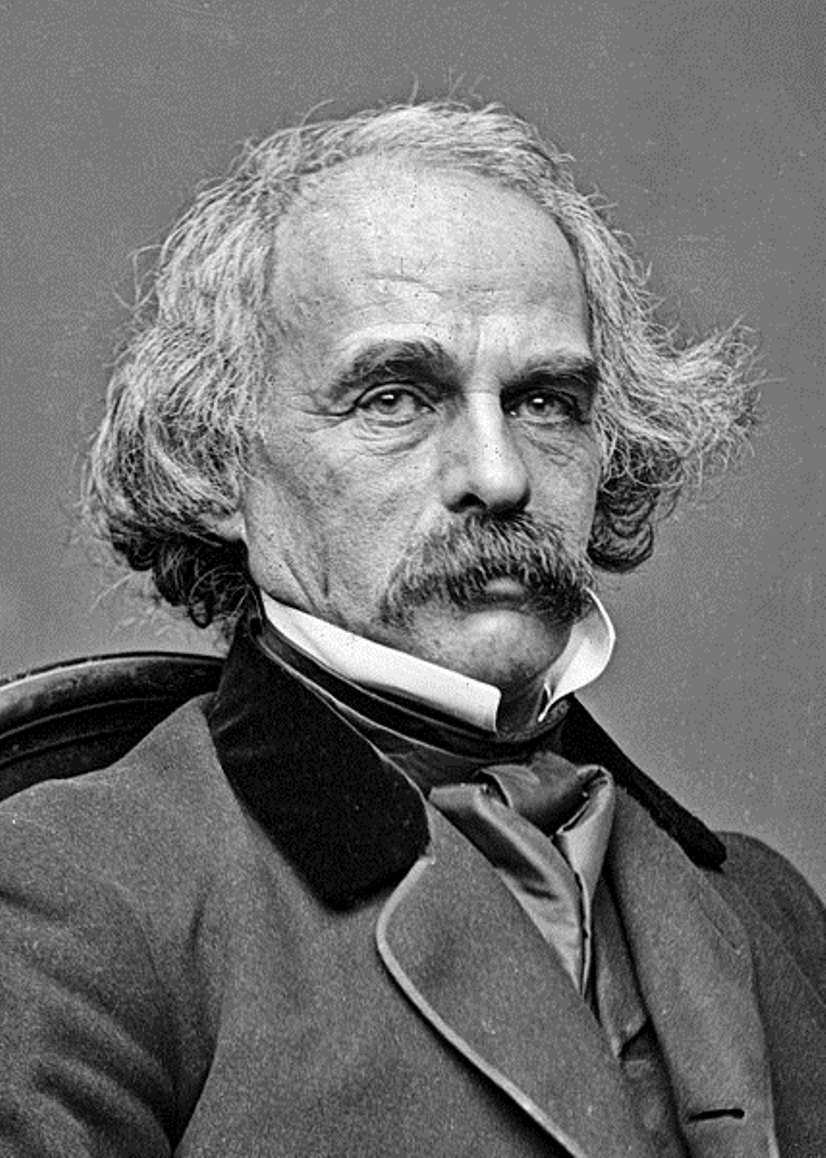
Nathaniel Hawthorne is an American writer and author.
Hawthorne is a recognized short story writer and a master of allegorical and symbolic narrative. One of the first fiction writers in American literature, he is best known for his works The Scarlet Letter (1850) and The House of Seven Gables (1851). Hawthorne's artistic works are considered part of the American Romantic movement and, in particular, of so-called dark Romanticism, a popular mid-19th-century fascination with the irrational, the demonic, and the grotesque.




![[SÉGUR, Sophie Rostopchine, comtesse de (1799-1874)] ROSTOPCHINE, Fédor (1763-1826)](/assets/image/picture_3807263/4cda2/67c77c5a1eb7df2fb8f13b4c1b0478a61710234000jpg__fix_374_244.jpeg)
![[SÉGUR, Sophie Rostopchine, comtesse de (1799-1874)] ROSTOPCHINE, Fédor (1763-1826)](https://veryimportantlot.com/assets/image/picture_3807263/4cda2/67c77c5a1eb7df2fb8f13b4c1b0478a61710234000jpg__fix_374_244.jpeg)