collot


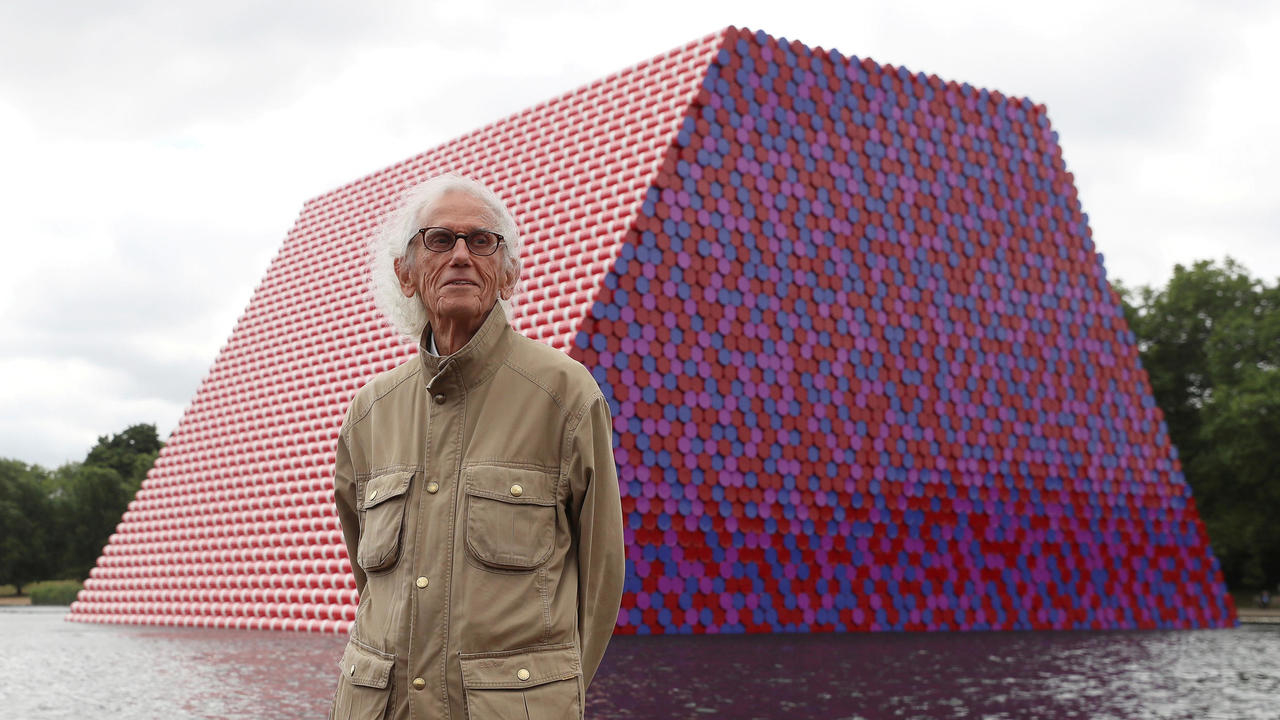
Christo Yavashev is a Bulgarian-born American sculptor and artist who, with his wife Jeanne-Claude de Guillebon, became famous for his work, in which he «packaged» objects ranging from a typewriter and a car to the Reichstag building and an entire seashore.

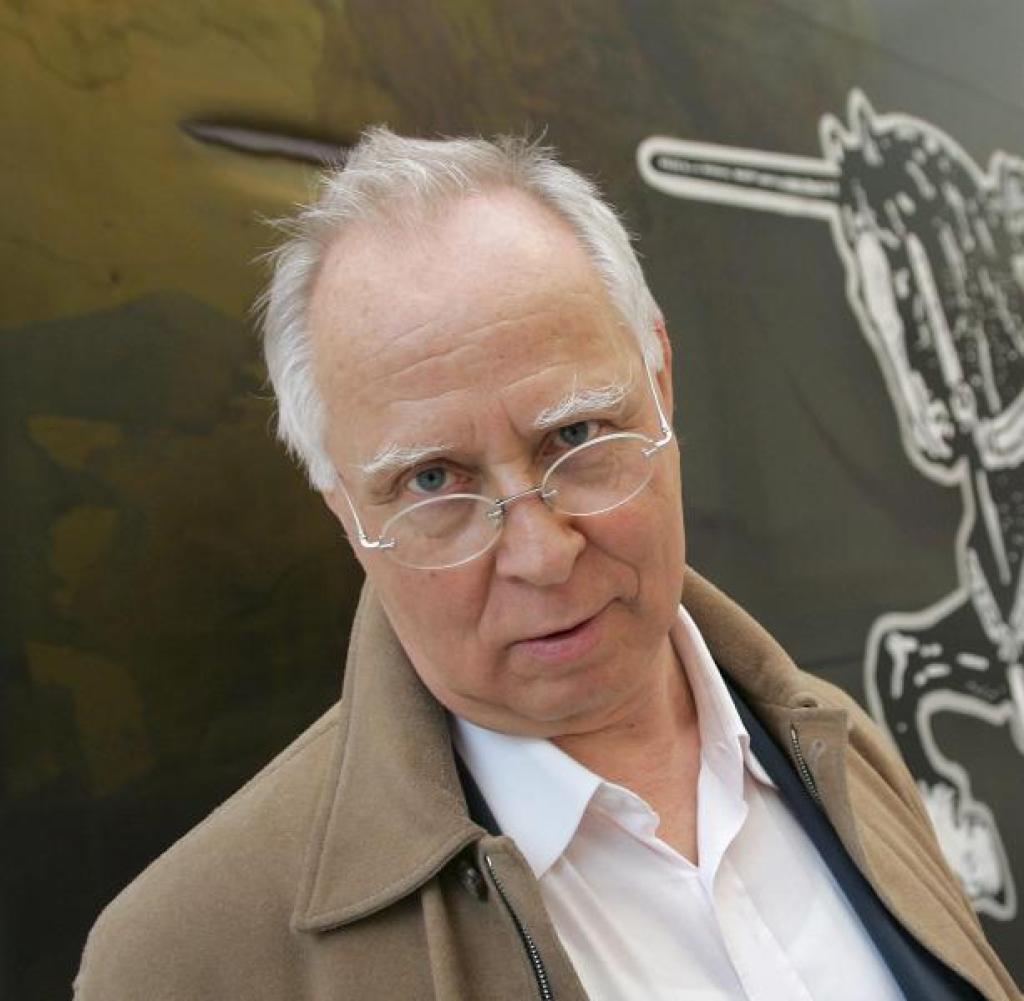
Sigmar Polke was a German painter and photographer.
Polke experimented with a wide range of styles, subject matters and materials. In the 1970s, he concentrated on photography, returning to paint in the 1980s, when he produced abstract works created by chance through chemical reactions between paint and other products. In the last 20 years of his life, he produced paintings focused on historical events and perceptions of them.

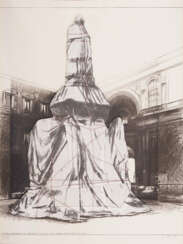

Christo Yavashev is a Bulgarian-born American sculptor and artist who, with his wife Jeanne-Claude de Guillebon, became famous for his work, in which he «packaged» objects ranging from a typewriter and a car to the Reichstag building and an entire seashore.
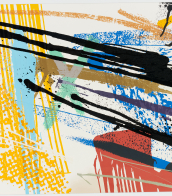


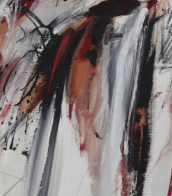


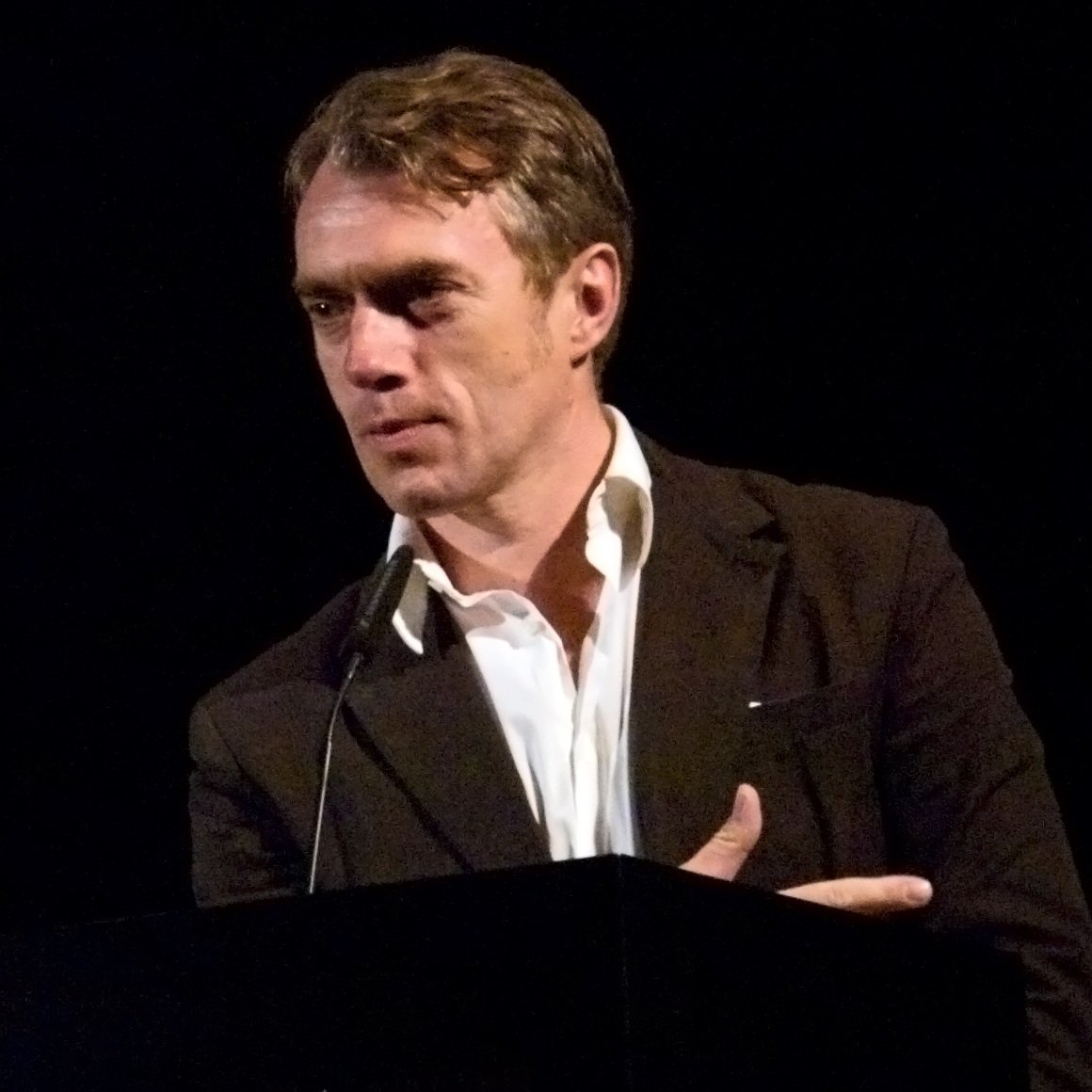
Neo Rauch is a German artist whose paintings mine the intersection of his personal history with the politics of industrial alienation. His work reflects the influence of socialist realism, and owes a debt to Surrealists Giorgio de Chirico and René Magritte, although Rauch hesitates to align himself with surrealism. He studied at the Hochschule für Grafik und Buchkunst Leipzig, and he lives in Markkleeberg near Leipzig, Germany and works as the principal artist of the New Leipzig School. The artist is represented by Galerie EIGEN + ART Leipzig/Berlin and David Zwirner, New York.
Rauch's paintings suggest a narrative intent but, as art historian Charlotte Mullins explains, closer scrutiny immediately presents the viewer with enigmas: "Architectural elements peter out; men in uniform from throughout history intimidate men and women from other centuries; great struggles occur but their reason is never apparent; styles change at a whim."
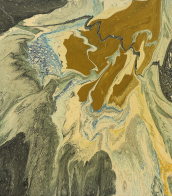


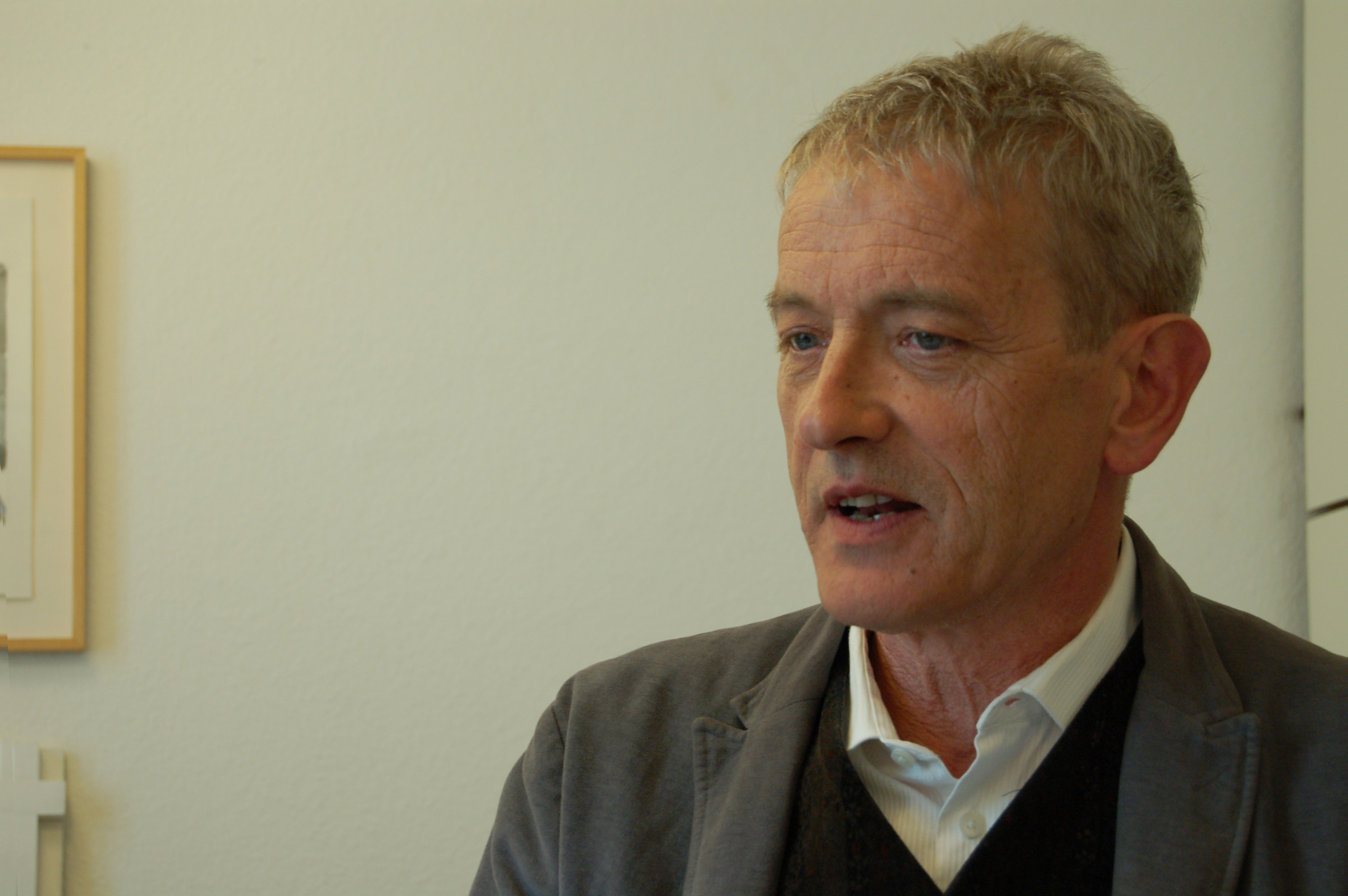
Thomas Huber is a Swiss contemporary artist renowned for his ability to weave metaphysical narratives and architectural elements into his figurative paintings. Thomas Huber has cultivated a unique artistic language that explores the relationship between space, reality, and perception through a blend of surreal scenarios and precise perspective.
Thomas Huber's work is characterized by its introspective quality, often described as "paintings about paintings," reflecting on the nature of art itself. His style, marked by clean lines and a cool, detached aesthetic, uses architecture and space to question the boundaries between illusion and reality. This approach has led to a body of work that is both ironic and timeless, inviting viewers into a fantasy world constructed from complex symbols and contradictory elements.
Throughout his career, Huber has received numerous accolades, including the prestigious Prix Meret Oppenheim in 2013 and the Art Prize of the Heitland Foundation in 2005. His works are part of significant collections in both Germany and France, and he has been featured in solo and group exhibitions worldwide.
One of Thomas Huber's recent exhibitions, "Lago Maggiore" at MASI Lugano, showcases a series of large-scale paintings and watercolors inspired by the breathtaking views of Lake Maggiore. This body of work represents a pictorial homecoming for Huber, reflecting a shift in his artistic focus towards nature and the landscapes of his youth. The exhibition not only highlights Huber's transition from architectural to natural themes but also maintains his signature exploration of the imaginary and real through meticulous composition and atmospheric depth.
For collectors and experts in art and antiques, Thomas Huber's oeuvre offers a rich exploration of the intersections between art, architecture, and the metaphysical. His ability to challenge and redefine perceptions of reality through his work makes him a significant figure in contemporary art.
To discover more about Thomas Huber's work and to stay updated on new sales and auction events related to his art, signing up for updates is highly recommended. This subscription is a valuable resource for anyone interested in the evolving landscape of contemporary art and the unique contributions of Thomas Huber.
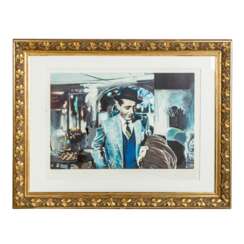

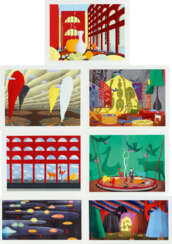

Thomas Huber is a Swiss contemporary artist renowned for his ability to weave metaphysical narratives and architectural elements into his figurative paintings. Thomas Huber has cultivated a unique artistic language that explores the relationship between space, reality, and perception through a blend of surreal scenarios and precise perspective.
Thomas Huber's work is characterized by its introspective quality, often described as "paintings about paintings," reflecting on the nature of art itself. His style, marked by clean lines and a cool, detached aesthetic, uses architecture and space to question the boundaries between illusion and reality. This approach has led to a body of work that is both ironic and timeless, inviting viewers into a fantasy world constructed from complex symbols and contradictory elements.
Throughout his career, Huber has received numerous accolades, including the prestigious Prix Meret Oppenheim in 2013 and the Art Prize of the Heitland Foundation in 2005. His works are part of significant collections in both Germany and France, and he has been featured in solo and group exhibitions worldwide.
One of Thomas Huber's recent exhibitions, "Lago Maggiore" at MASI Lugano, showcases a series of large-scale paintings and watercolors inspired by the breathtaking views of Lake Maggiore. This body of work represents a pictorial homecoming for Huber, reflecting a shift in his artistic focus towards nature and the landscapes of his youth. The exhibition not only highlights Huber's transition from architectural to natural themes but also maintains his signature exploration of the imaginary and real through meticulous composition and atmospheric depth.
For collectors and experts in art and antiques, Thomas Huber's oeuvre offers a rich exploration of the intersections between art, architecture, and the metaphysical. His ability to challenge and redefine perceptions of reality through his work makes him a significant figure in contemporary art.
To discover more about Thomas Huber's work and to stay updated on new sales and auction events related to his art, signing up for updates is highly recommended. This subscription is a valuable resource for anyone interested in the evolving landscape of contemporary art and the unique contributions of Thomas Huber.


.jfif)
Cy Twombly, birth name Edwin Parker Twombly, was an American artist renowned for his contributions to painting, sculpture, and photography. Embracing a unique blend of classical references and graffiti-like elements, Twombly's work stands out in the art world for its distinctive, emotive scribbles and use of historical and literary themes. His art, often categorized within the realms of Abstract Expressionism and minimalism, diverges significantly in its lyrical sensitivity and intellectual depth, making it a subject of fascination and study among art collectors and experts.
Twombly's career, which spanned over six decades, was marked by a relentless pursuit of innovation and an intimate engagement with the materials of his art. His paintings, characterized by their gestural brushstrokes and cryptic symbols, evoke a range of emotions and ideas, bridging the gap between the personal and the universal. Notable works such as "Fifty Days at Iliam" displayed at the Philadelphia Museum of Art, and his series inspired by the seasons, showcase his ability to transform classical narratives into contemporary masterpieces. These pieces not only reflect Twombly's profound understanding of history and literature but also his capacity to reinterpret them within a modern context.
Furthermore, Twombly's sculptures, often overlooked next to his paintings, provide a tangible connection to the ancient world through their use of classical forms and unconventional materials. His work in this medium further emphasizes his fascination with the past, while simultaneously asserting the relevance of historical themes in contemporary art.
For collectors and experts in art and antiques, Cy Twombly's oeuvre represents an intriguing blend of poetic grace and intellectual rigor. His works, found in major museums and galleries worldwide, continue to inspire and challenge audiences with their enigmatic beauty and depth.
To stay informed about new product sales and auction events related to Cy Twombly's work, we invite you to sign up for updates. This subscription is an excellent opportunity for enthusiasts and collectors to remain connected to the evolving market of Twombly's art.







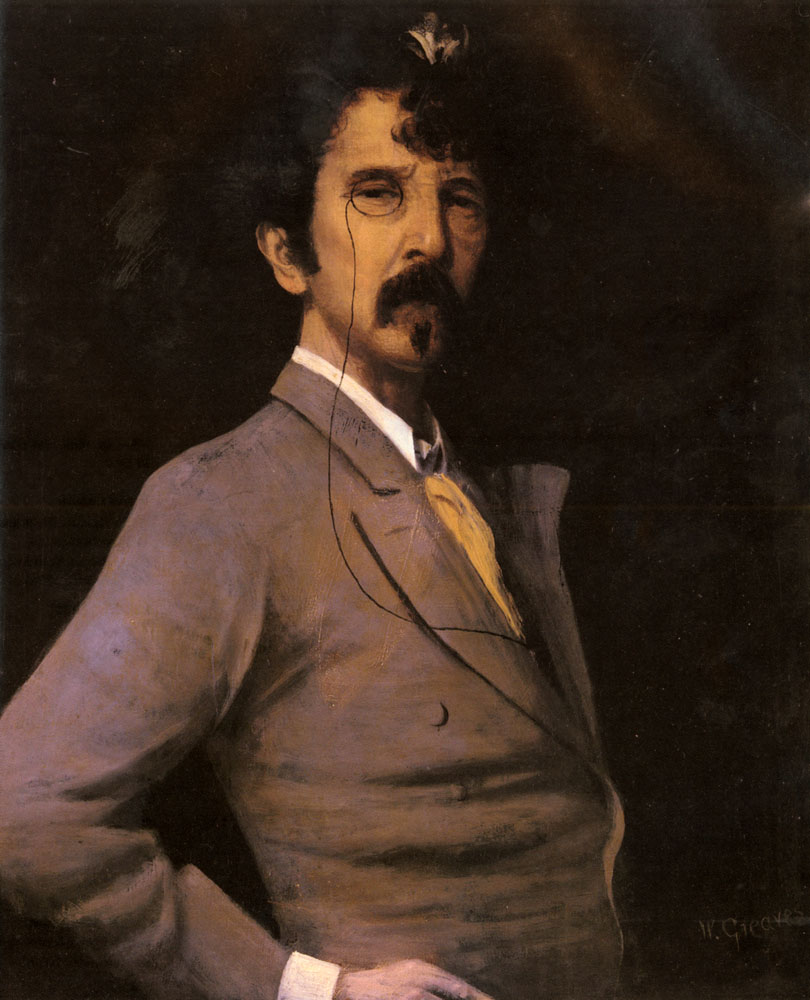
James Abbott McNeill Whistler was an American painter and printmaker, renowned for his role in the Aesthetic Movement and his advocacy of "art for art's sake." Born on July 11, 1834, in Lowell, Massachusetts, Whistler spent significant parts of his career in London and Paris, integrating modern French painting styles into his work.
Whistler's works often depicted nocturnal scenes of London and stylistically advanced portraits. His famous painting, Arrangement in Grey and Black No. 1, commonly known as Whistler's Mother, is a prime example of his skilled use of color and form to evoke emotion and atmosphere. This painting became iconic, influencing both peers and the wider culture, akin to works like Munch's The Scream.
Another notable work, Nocturne in Black and Gold: The Falling Rocket, stirred controversy and legal disputes due to its abstract quality, challenging conventional notions of art at the time. Whistler's influence extended beyond paintings, impacting interior design, furniture, and the overall aesthetic of visual arts through his detailed attention to harmony and composition.
For more detailed insights into James McNeill Whistler's life and work, you can visit comprehensive resources such as the Encyclopaedia Britannica or the Metropolitan Museum of Art's Heilbrunn Timeline of Art History.
If you're intrigued by the innovative techniques and enduring influence of James Abbott McNeill Whistler, consider subscribing to our updates. Stay informed about new sales, exhibitions, and auction events related to Whistler's works. Dive deeper into the world of art and discover pieces that celebrate the spirit of Aestheticism and artistic independence. Sign up today to enhance your collection and knowledge of one of the most visionary artists of the 19th century.
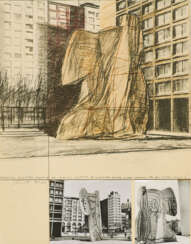

Christo Yavashev is a Bulgarian-born American sculptor and artist who, with his wife Jeanne-Claude de Guillebon, became famous for his work, in which he «packaged» objects ranging from a typewriter and a car to the Reichstag building and an entire seashore.



Cy Twombly, birth name Edwin Parker Twombly, was an American artist renowned for his contributions to painting, sculpture, and photography. Embracing a unique blend of classical references and graffiti-like elements, Twombly's work stands out in the art world for its distinctive, emotive scribbles and use of historical and literary themes. His art, often categorized within the realms of Abstract Expressionism and minimalism, diverges significantly in its lyrical sensitivity and intellectual depth, making it a subject of fascination and study among art collectors and experts.
Twombly's career, which spanned over six decades, was marked by a relentless pursuit of innovation and an intimate engagement with the materials of his art. His paintings, characterized by their gestural brushstrokes and cryptic symbols, evoke a range of emotions and ideas, bridging the gap between the personal and the universal. Notable works such as "Fifty Days at Iliam" displayed at the Philadelphia Museum of Art, and his series inspired by the seasons, showcase his ability to transform classical narratives into contemporary masterpieces. These pieces not only reflect Twombly's profound understanding of history and literature but also his capacity to reinterpret them within a modern context.
Furthermore, Twombly's sculptures, often overlooked next to his paintings, provide a tangible connection to the ancient world through their use of classical forms and unconventional materials. His work in this medium further emphasizes his fascination with the past, while simultaneously asserting the relevance of historical themes in contemporary art.
For collectors and experts in art and antiques, Cy Twombly's oeuvre represents an intriguing blend of poetic grace and intellectual rigor. His works, found in major museums and galleries worldwide, continue to inspire and challenge audiences with their enigmatic beauty and depth.
To stay informed about new product sales and auction events related to Cy Twombly's work, we invite you to sign up for updates. This subscription is an excellent opportunity for enthusiasts and collectors to remain connected to the evolving market of Twombly's art.
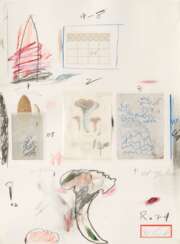

Cy Twombly, birth name Edwin Parker Twombly, was an American artist renowned for his contributions to painting, sculpture, and photography. Embracing a unique blend of classical references and graffiti-like elements, Twombly's work stands out in the art world for its distinctive, emotive scribbles and use of historical and literary themes. His art, often categorized within the realms of Abstract Expressionism and minimalism, diverges significantly in its lyrical sensitivity and intellectual depth, making it a subject of fascination and study among art collectors and experts.
Twombly's career, which spanned over six decades, was marked by a relentless pursuit of innovation and an intimate engagement with the materials of his art. His paintings, characterized by their gestural brushstrokes and cryptic symbols, evoke a range of emotions and ideas, bridging the gap between the personal and the universal. Notable works such as "Fifty Days at Iliam" displayed at the Philadelphia Museum of Art, and his series inspired by the seasons, showcase his ability to transform classical narratives into contemporary masterpieces. These pieces not only reflect Twombly's profound understanding of history and literature but also his capacity to reinterpret them within a modern context.
Furthermore, Twombly's sculptures, often overlooked next to his paintings, provide a tangible connection to the ancient world through their use of classical forms and unconventional materials. His work in this medium further emphasizes his fascination with the past, while simultaneously asserting the relevance of historical themes in contemporary art.
For collectors and experts in art and antiques, Cy Twombly's oeuvre represents an intriguing blend of poetic grace and intellectual rigor. His works, found in major museums and galleries worldwide, continue to inspire and challenge audiences with their enigmatic beauty and depth.
To stay informed about new product sales and auction events related to Cy Twombly's work, we invite you to sign up for updates. This subscription is an excellent opportunity for enthusiasts and collectors to remain connected to the evolving market of Twombly's art.


Cy Twombly, birth name Edwin Parker Twombly, was an American artist renowned for his contributions to painting, sculpture, and photography. Embracing a unique blend of classical references and graffiti-like elements, Twombly's work stands out in the art world for its distinctive, emotive scribbles and use of historical and literary themes. His art, often categorized within the realms of Abstract Expressionism and minimalism, diverges significantly in its lyrical sensitivity and intellectual depth, making it a subject of fascination and study among art collectors and experts.
Twombly's career, which spanned over six decades, was marked by a relentless pursuit of innovation and an intimate engagement with the materials of his art. His paintings, characterized by their gestural brushstrokes and cryptic symbols, evoke a range of emotions and ideas, bridging the gap between the personal and the universal. Notable works such as "Fifty Days at Iliam" displayed at the Philadelphia Museum of Art, and his series inspired by the seasons, showcase his ability to transform classical narratives into contemporary masterpieces. These pieces not only reflect Twombly's profound understanding of history and literature but also his capacity to reinterpret them within a modern context.
Furthermore, Twombly's sculptures, often overlooked next to his paintings, provide a tangible connection to the ancient world through their use of classical forms and unconventional materials. His work in this medium further emphasizes his fascination with the past, while simultaneously asserting the relevance of historical themes in contemporary art.
For collectors and experts in art and antiques, Cy Twombly's oeuvre represents an intriguing blend of poetic grace and intellectual rigor. His works, found in major museums and galleries worldwide, continue to inspire and challenge audiences with their enigmatic beauty and depth.
To stay informed about new product sales and auction events related to Cy Twombly's work, we invite you to sign up for updates. This subscription is an excellent opportunity for enthusiasts and collectors to remain connected to the evolving market of Twombly's art.
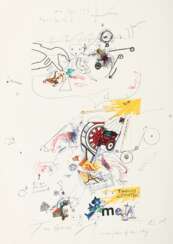

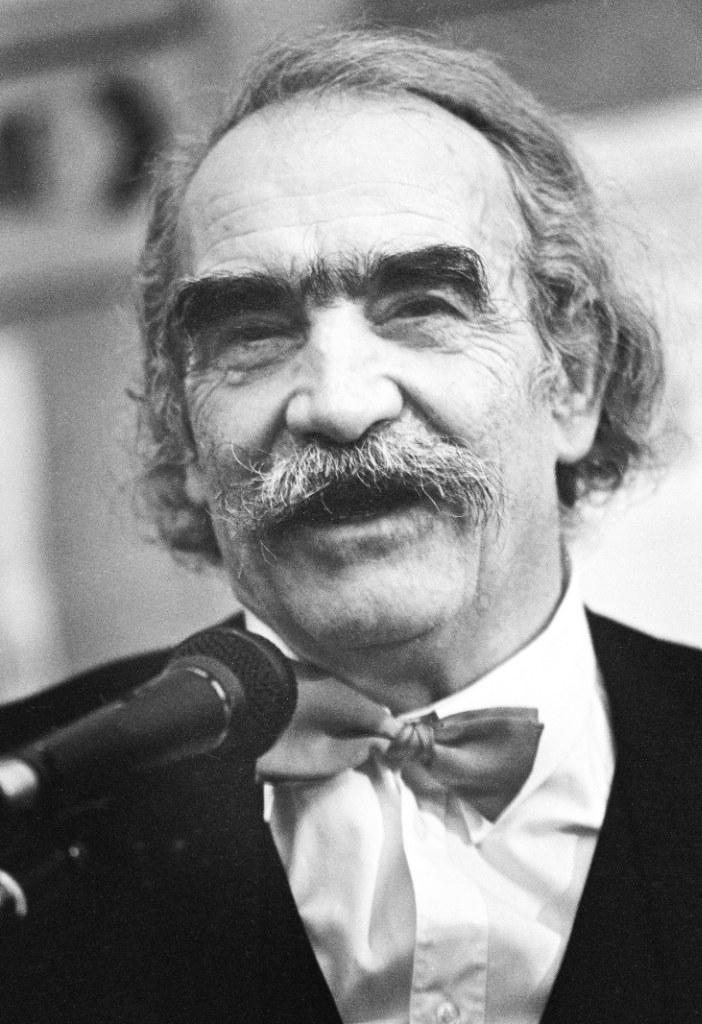
Jean Tinguely, a Swiss sculptor born in Fribourg, Switzerland, in 1925, carved a unique niche in art history with his kinetic sculptures, integrating movement and self-destruction into his works. Notably, his pieces extend the Dada tradition into the latter part of the 20th century, satirizing automation and the technological overproduction of material goods. Tinguely's innovative approach is exemplified in his Metamatic drawing machines, allowing viewers to create abstract images automatically, and his spectacular self-destroying sculpture "Homage to New York" at MoMA in 1960, showcasing his flair for blending performance and art.
His artistry evolved through collaboration with other artists, including his wife Niki de Saint Phalle, leading to vibrant, large-scale projects like the colorful "Stravinsky Fountain" near the Centre Pompidou in Paris. Tinguely's works, characterized by their use of scrap metal and mechanical parts, not only challenge the conventional boundaries of art but also engage with themes of destruction, renewal, and the intersection of art and life. His significant contributions to kinetic art and his involvement with the Nouveau Réalisme group highlight his pioneering role in post-war European art.
Tinguely's legacy is preserved in the Museum Tinguely in Basel, dedicated to his life and work, ensuring his innovative spirit continues to inspire. His works, such as "Méta-Harmonie" and the "Carnival Fountain" in Basel, remain influential, blending artistic exploration with mechanical invention.
For art collectors and experts, Tinguely's creations represent not only significant artistic achievements but also compelling investments, as his works continue to command high prices at auctions, reflecting their enduring appeal and historical importance.
To stay updated on sales and auction events featuring Jean Tinguely's art, sign up for updates. This subscription will ensure you're informed about new opportunities to explore and acquire pieces by this visionary artist, bringing the dynamic energy of kinetic art into your collection.


Jean Tinguely, a Swiss sculptor born in Fribourg, Switzerland, in 1925, carved a unique niche in art history with his kinetic sculptures, integrating movement and self-destruction into his works. Notably, his pieces extend the Dada tradition into the latter part of the 20th century, satirizing automation and the technological overproduction of material goods. Tinguely's innovative approach is exemplified in his Metamatic drawing machines, allowing viewers to create abstract images automatically, and his spectacular self-destroying sculpture "Homage to New York" at MoMA in 1960, showcasing his flair for blending performance and art.
His artistry evolved through collaboration with other artists, including his wife Niki de Saint Phalle, leading to vibrant, large-scale projects like the colorful "Stravinsky Fountain" near the Centre Pompidou in Paris. Tinguely's works, characterized by their use of scrap metal and mechanical parts, not only challenge the conventional boundaries of art but also engage with themes of destruction, renewal, and the intersection of art and life. His significant contributions to kinetic art and his involvement with the Nouveau Réalisme group highlight his pioneering role in post-war European art.
Tinguely's legacy is preserved in the Museum Tinguely in Basel, dedicated to his life and work, ensuring his innovative spirit continues to inspire. His works, such as "Méta-Harmonie" and the "Carnival Fountain" in Basel, remain influential, blending artistic exploration with mechanical invention.
For art collectors and experts, Tinguely's creations represent not only significant artistic achievements but also compelling investments, as his works continue to command high prices at auctions, reflecting their enduring appeal and historical importance.
To stay updated on sales and auction events featuring Jean Tinguely's art, sign up for updates. This subscription will ensure you're informed about new opportunities to explore and acquire pieces by this visionary artist, bringing the dynamic energy of kinetic art into your collection.


Christo Yavashev is a Bulgarian-born American sculptor and artist who, with his wife Jeanne-Claude de Guillebon, became famous for his work, in which he «packaged» objects ranging from a typewriter and a car to the Reichstag building and an entire seashore.
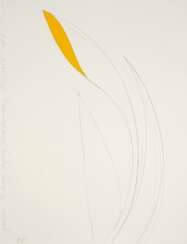

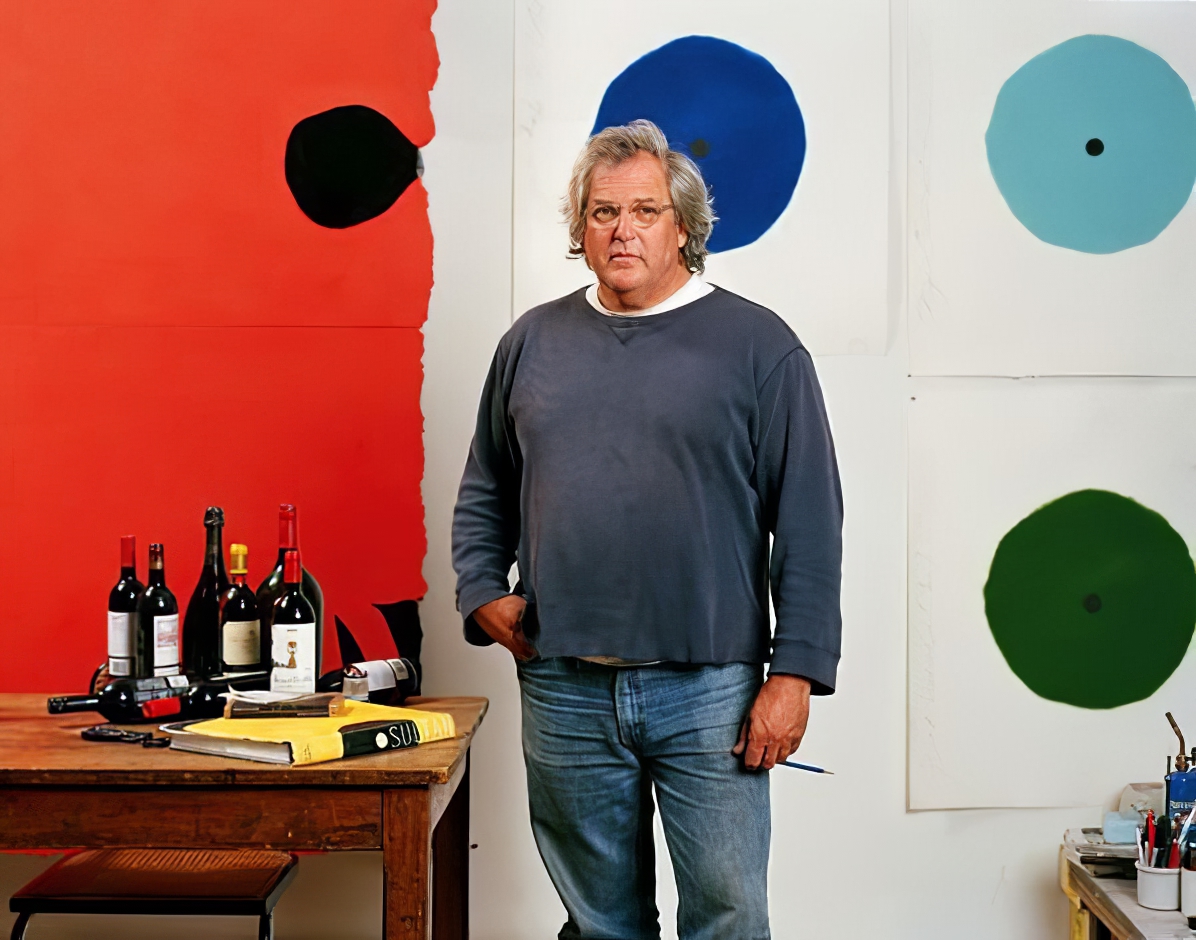
Donald K. Sultan is an American painter, sculptor, and printmaker, particularly well-known for large-scale still life paintings and the use of industrial materials such as tar, enamel, spackle and vinyl tiles. He has been exhibiting internationally in prominent museums and galleries, and his works are included in important museum collections all over the globe. Sultan is the recipient of numerous honors and awards for his artistic achievements.


Christo Yavashev is a Bulgarian-born American sculptor and artist who, with his wife Jeanne-Claude de Guillebon, became famous for his work, in which he «packaged» objects ranging from a typewriter and a car to the Reichstag building and an entire seashore.


Christo Yavashev is a Bulgarian-born American sculptor and artist who, with his wife Jeanne-Claude de Guillebon, became famous for his work, in which he «packaged» objects ranging from a typewriter and a car to the Reichstag building and an entire seashore.
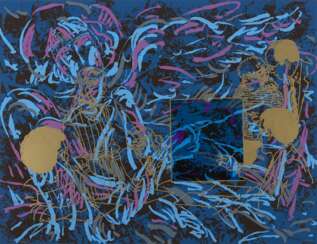

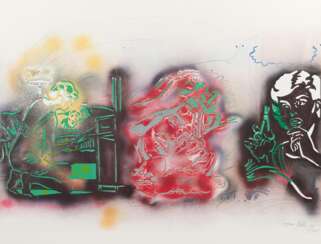

Sigmar Polke was a German painter and photographer.
Polke experimented with a wide range of styles, subject matters and materials. In the 1970s, he concentrated on photography, returning to paint in the 1980s, when he produced abstract works created by chance through chemical reactions between paint and other products. In the last 20 years of his life, he produced paintings focused on historical events and perceptions of them.


Christo Yavashev is a Bulgarian-born American sculptor and artist who, with his wife Jeanne-Claude de Guillebon, became famous for his work, in which he «packaged» objects ranging from a typewriter and a car to the Reichstag building and an entire seashore.


Thomas Huber is a Swiss contemporary artist renowned for his ability to weave metaphysical narratives and architectural elements into his figurative paintings. Thomas Huber has cultivated a unique artistic language that explores the relationship between space, reality, and perception through a blend of surreal scenarios and precise perspective.
Thomas Huber's work is characterized by its introspective quality, often described as "paintings about paintings," reflecting on the nature of art itself. His style, marked by clean lines and a cool, detached aesthetic, uses architecture and space to question the boundaries between illusion and reality. This approach has led to a body of work that is both ironic and timeless, inviting viewers into a fantasy world constructed from complex symbols and contradictory elements.
Throughout his career, Huber has received numerous accolades, including the prestigious Prix Meret Oppenheim in 2013 and the Art Prize of the Heitland Foundation in 2005. His works are part of significant collections in both Germany and France, and he has been featured in solo and group exhibitions worldwide.
One of Thomas Huber's recent exhibitions, "Lago Maggiore" at MASI Lugano, showcases a series of large-scale paintings and watercolors inspired by the breathtaking views of Lake Maggiore. This body of work represents a pictorial homecoming for Huber, reflecting a shift in his artistic focus towards nature and the landscapes of his youth. The exhibition not only highlights Huber's transition from architectural to natural themes but also maintains his signature exploration of the imaginary and real through meticulous composition and atmospheric depth.
For collectors and experts in art and antiques, Thomas Huber's oeuvre offers a rich exploration of the intersections between art, architecture, and the metaphysical. His ability to challenge and redefine perceptions of reality through his work makes him a significant figure in contemporary art.
To discover more about Thomas Huber's work and to stay updated on new sales and auction events related to his art, signing up for updates is highly recommended. This subscription is a valuable resource for anyone interested in the evolving landscape of contemporary art and the unique contributions of Thomas Huber.


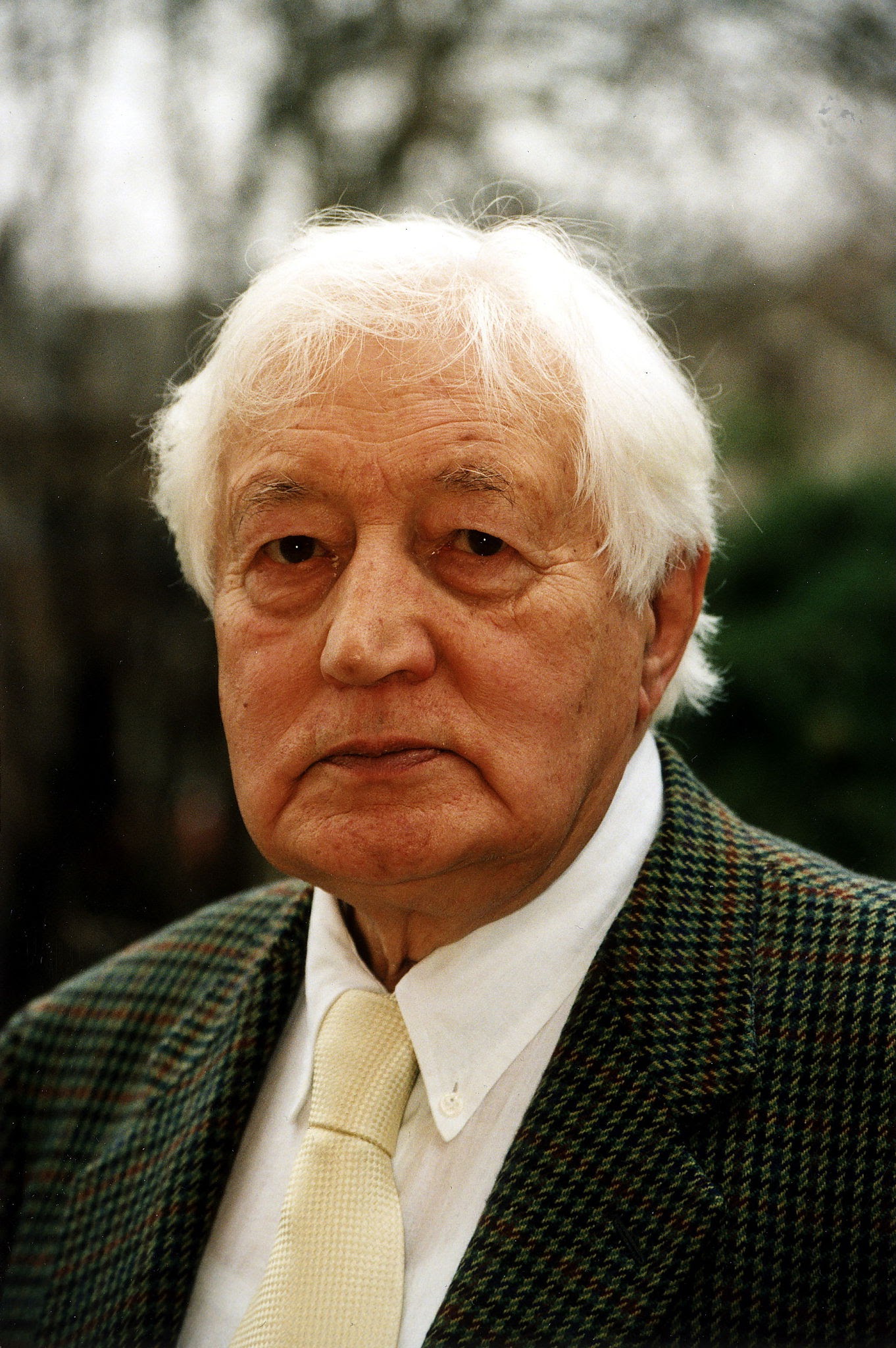
Siegward Sprotte was a German artist, writer and philosopher.
Originally Siegward Sprotte painted figuratively, including portraits of old masters and drawings. Later he devoted himself more to landscape, up to the ideogram and colourful calligraphy.
Sprotte has written many works on the subjects of art, consciousness and modernity, and is the creator of a new paradigm of "eye-to-eye".
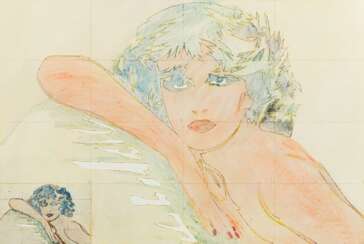

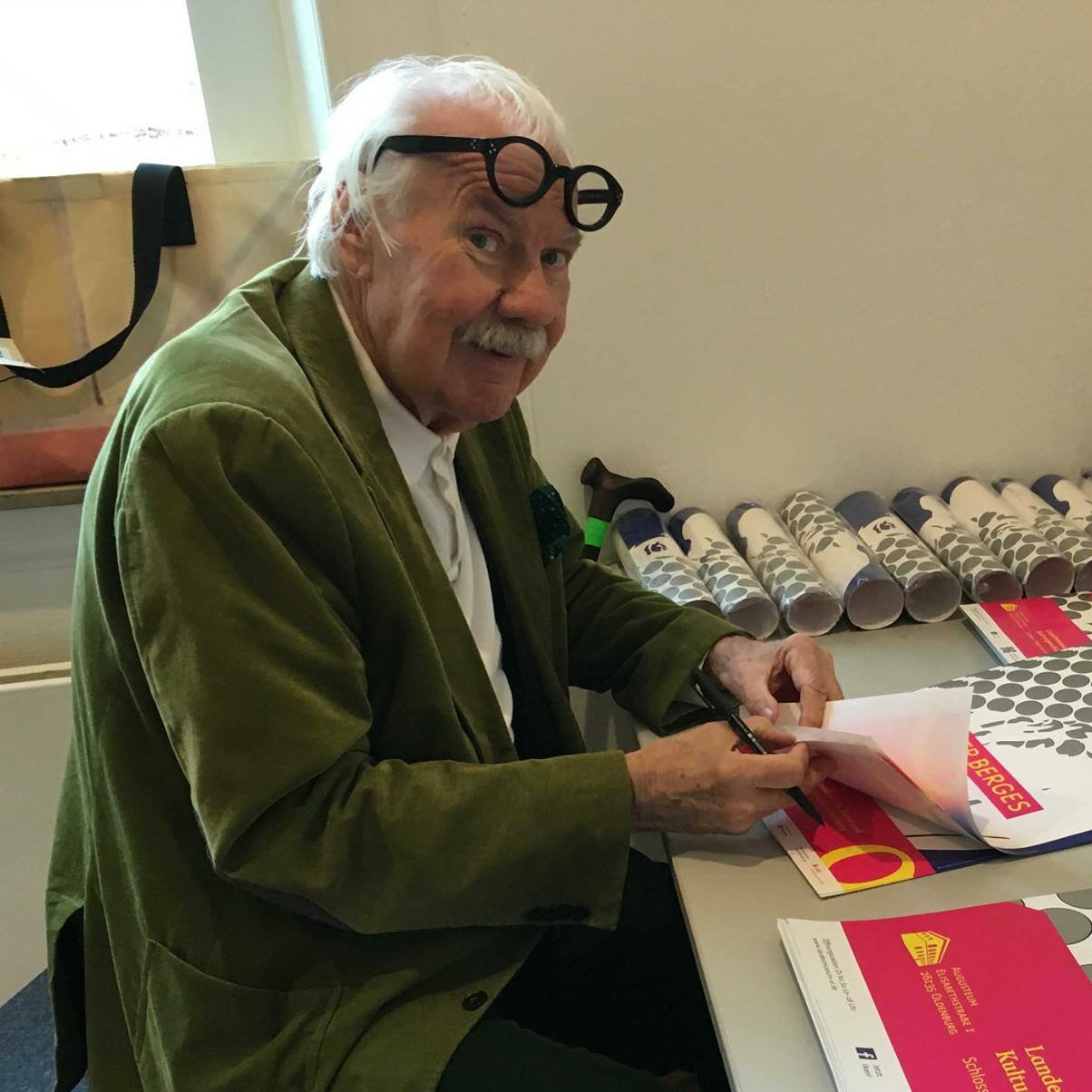
Werner Berges is a contemporary German artist and graphic artist, a representative of Pop Art.
Typical of him are bright colours and sharp outlines, the use of spot painting and the strips that give his works the character of reproductions. The heroes of his paintings are pop and film stars, advertising types of women and photo-models, whose erotic poses and captivating glances Werner Berges emphasizes with a powerful combination of colours, points, stripes and collage. At the core of his drawing is a "graphic framework" that exists independently of the overlay of colours on the canvas. The artist tries to show himself to be completely independent and impartial about what he has created and only signs his work on the back of the canvas.