companies in dallas


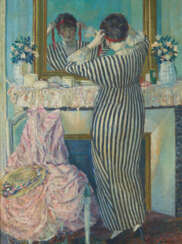

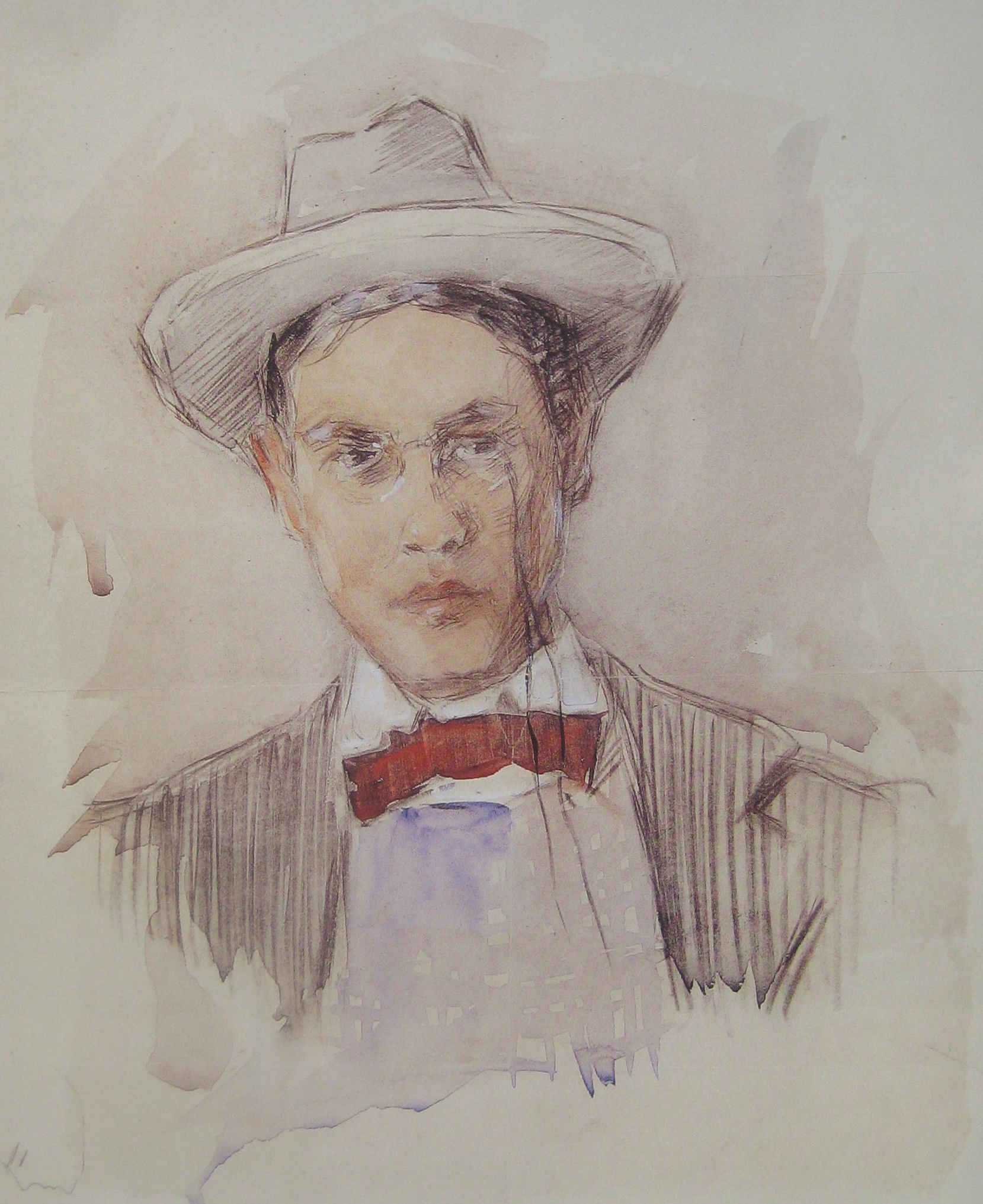
Frederick Carl Frieseke was an American Impressionist painter who spent most of his life as an expatriate in France. An influential member of the Giverny art colony, his paintings often concentrated on various effects of dappled sunlight. He is especially known for painting female subjects, both indoors and out.
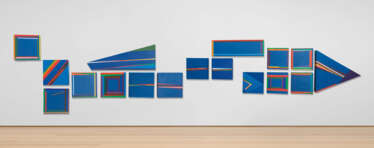

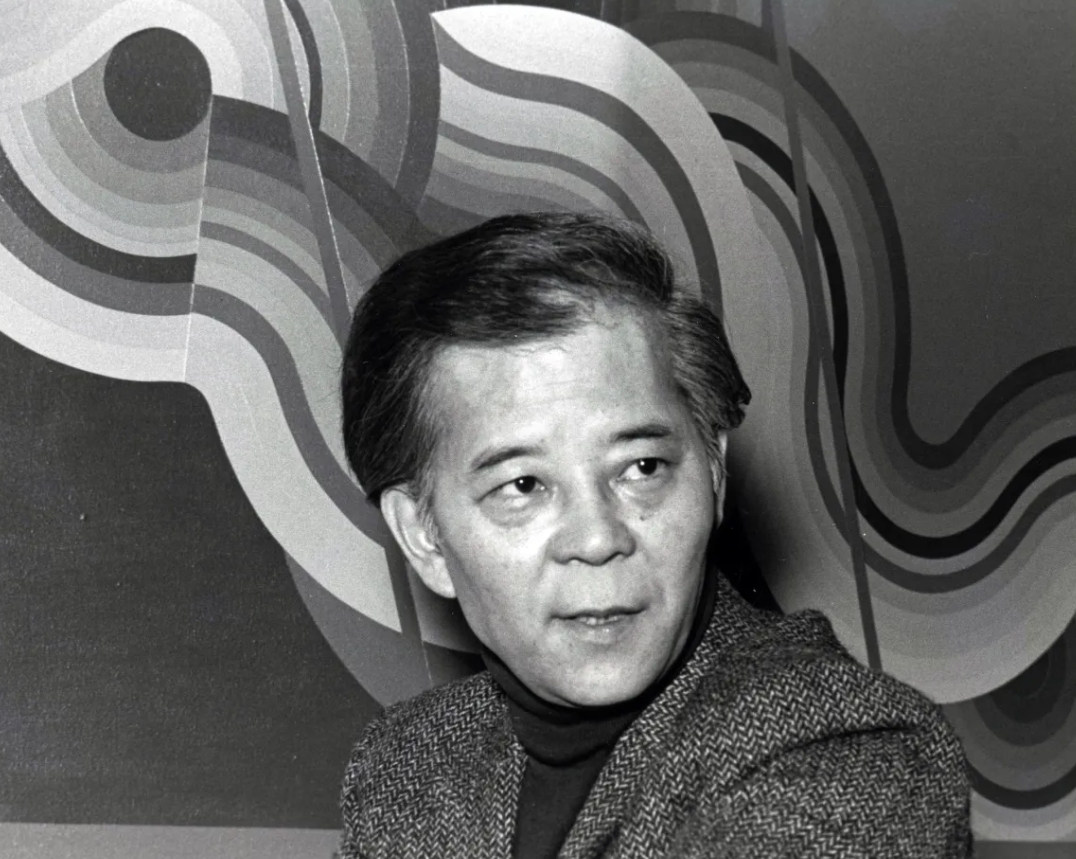
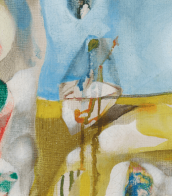
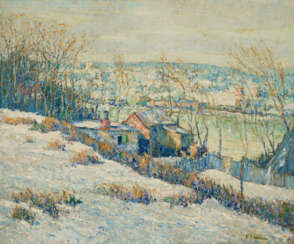

Frederick Carl Frieseke was an American Impressionist painter who spent most of his life as an expatriate in France. An influential member of the Giverny art colony, his paintings often concentrated on various effects of dappled sunlight. He is especially known for painting female subjects, both indoors and out.


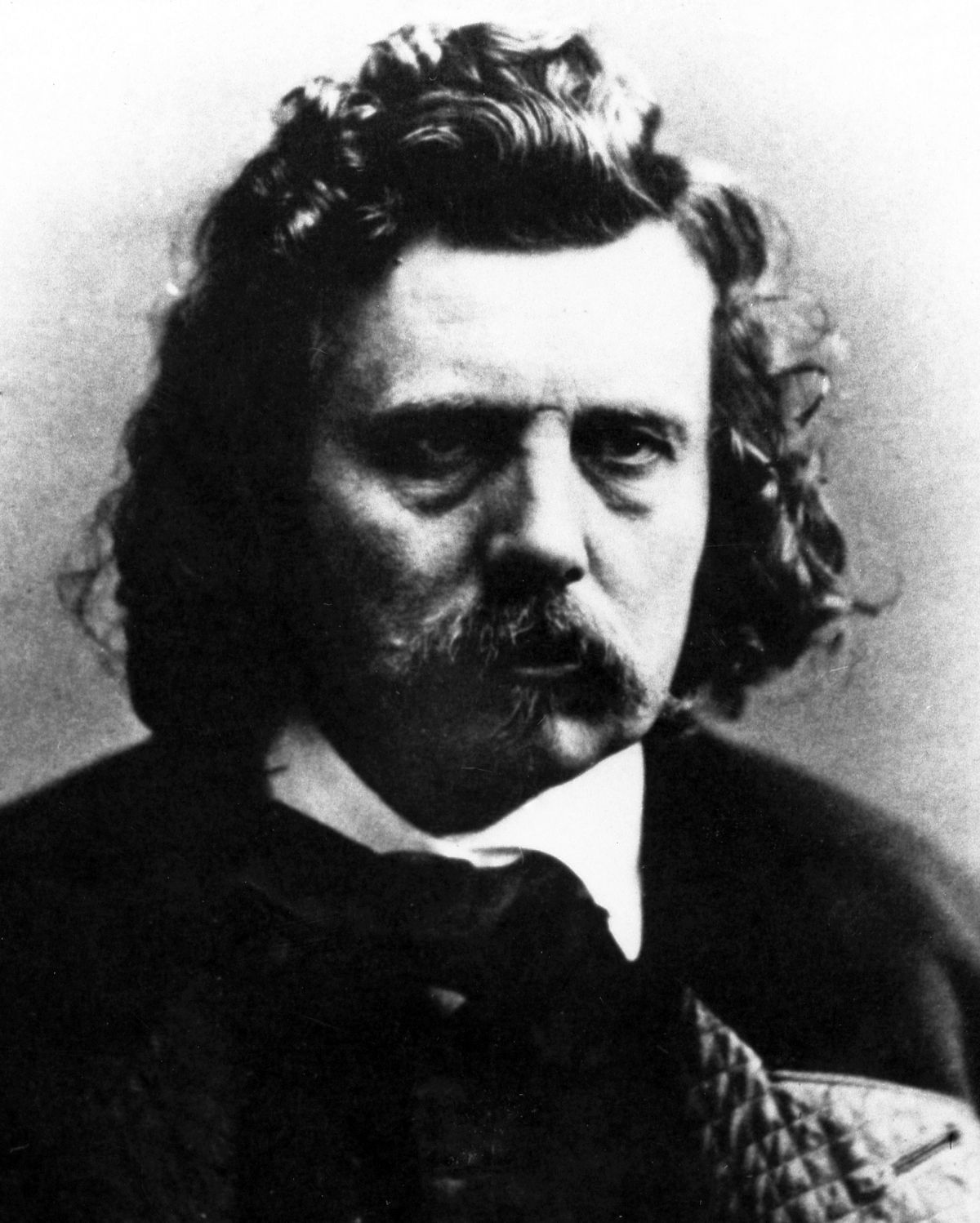
Emanuel Leutze was an American and German painter of the mid-nineteenth century. He is known as a painter who worked in the historical genre and is considered a representative of the Düsseldorf School of painting.
Emanuel Leutze was born in Germany and moved to America at the age of nine. He received his art education in Philadelphia, then, returning to Germany, at the Düsseldorf Academy of Fine Arts. His most famous painting, "Washington Crossing the Delaware," was painted in his native country, with views of the Delaware River taken from Rhenish landscapes. Returning to the United States in 1859, the artist decorated the Washington Capitol with his historical paintings. His work is highly regarded in America for its patriotic orientation.
In Germany, Leutze was one of the founders of the Association of Artists "Malkasten", the Association of German Artists, headed the Union of Mutual Aid of Düsseldorf artists.


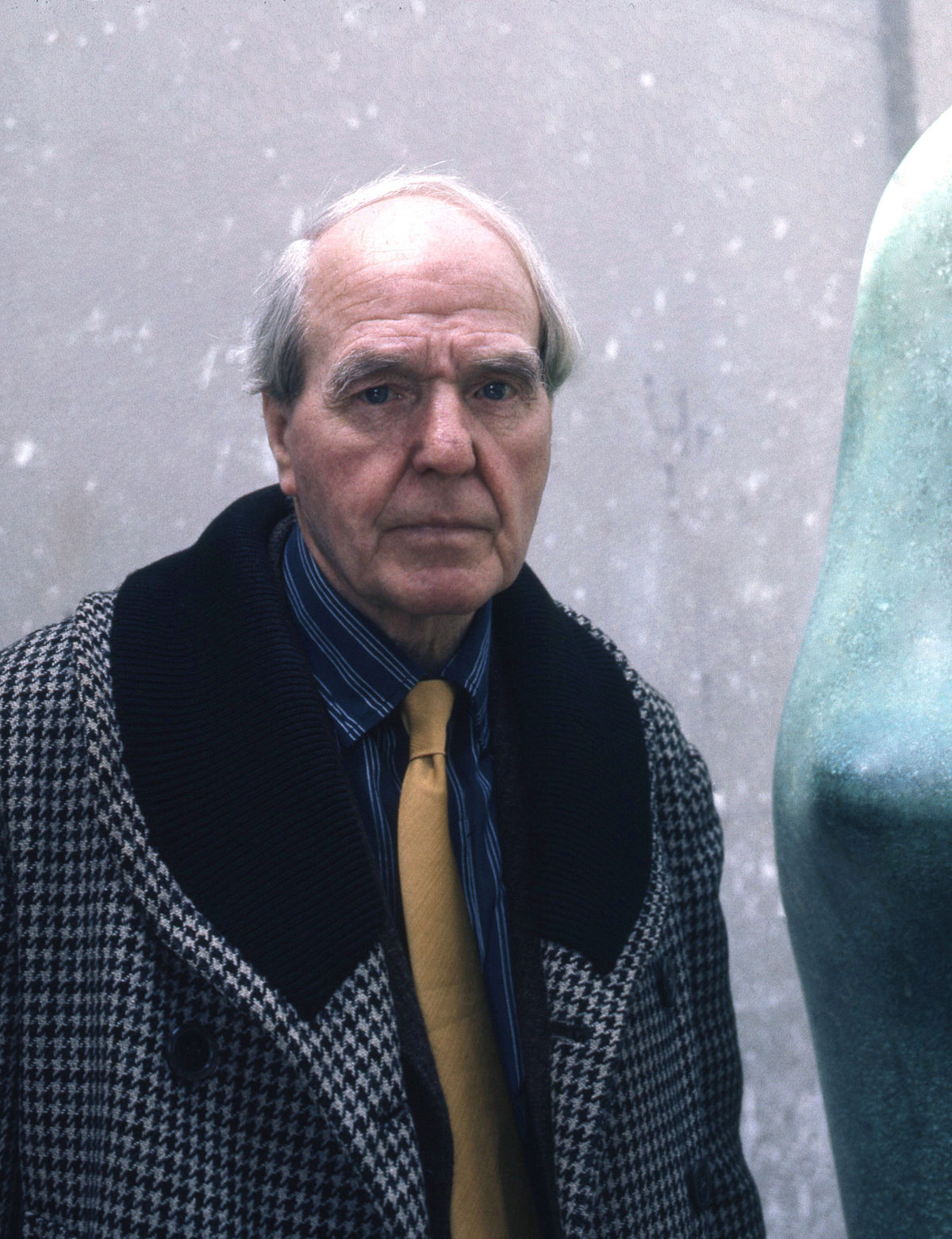
Henry Spencer Moore was an influential English sculptor and artist, renowned for his semi-abstract monumental bronze sculptures that have found homes around the world as public works of art. Born on July 30, 1898, in Castleford, Yorkshire, Moore showed early talent in art, but his journey towards becoming a sculptor was not straightforward. His experiences as a young teacher and a soldier in the First World War, where he was injured in a gas attack, significantly shaped his perspectives and artistic direction.
After the war, Moore pursued his passion for art, winning a scholarship to the Royal College of Art in London, where he began to experiment with modernist influences and direct carving techniques, moving away from the traditional Victorian style. His works, characterized by organic shapes and a blend of abstraction and figuration, were inspired by a wide range of sources, including primitive art, the human body, and the natural world.
Moore's sculptures are celebrated for their unique ability to blend form with space in the landscape, offering viewers a dynamic interaction with his works. His dedication to public art made his sculptures accessible to a wide audience, contributing to his status as one of the 20th century's most significant sculptors. Moore's legacy is preserved through the Henry Moore Foundation, which supports artists and promotes public appreciation of sculpture.
For collectors and experts in art and antiques, Moore's work remains a testament to the power of sculpture to evoke emotion and thought. His contributions to modern art and sculpture continue to inspire and influence artists around the world.
To stay informed about new exhibitions and opportunities to view Henry Spencer Moore's work, sign up for updates. This subscription will ensure you are alerted to new product sales and auction events related to Moore's influential body of work.
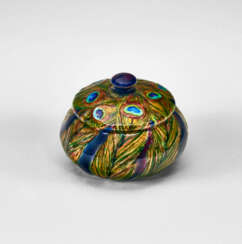

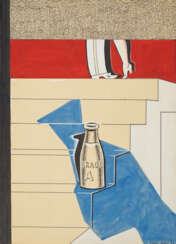

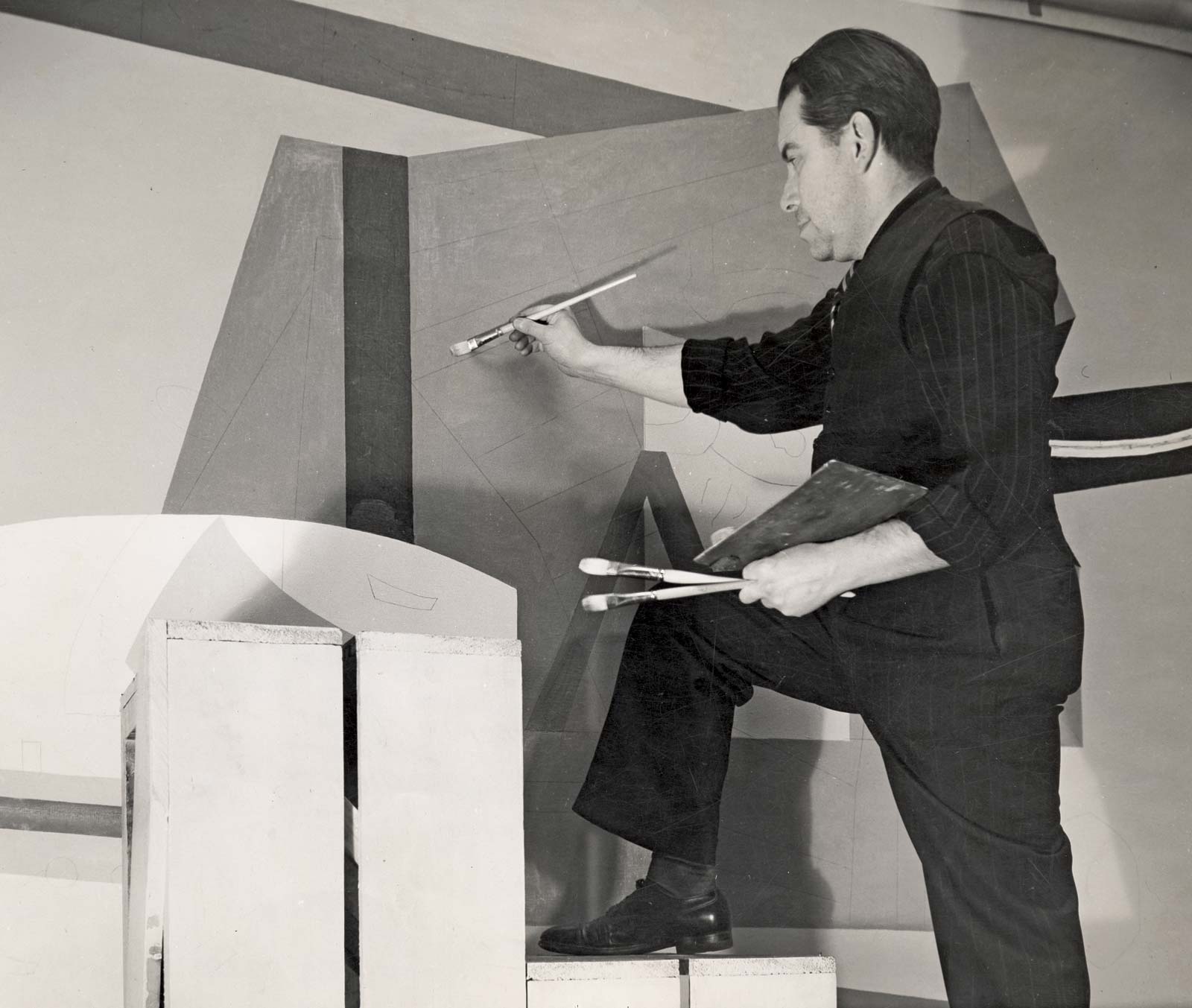
Edward Stuart Davis was an American artist, a representative of Cubism and Pop Art in painting. He was also active in politics; one of Davis's goals was to "reconcile abstract art with Marxism and modern industrial society. Along with his paintings, Davis was also an engraver and member of the Society of American Graphic Artists.
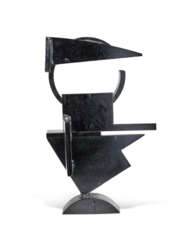

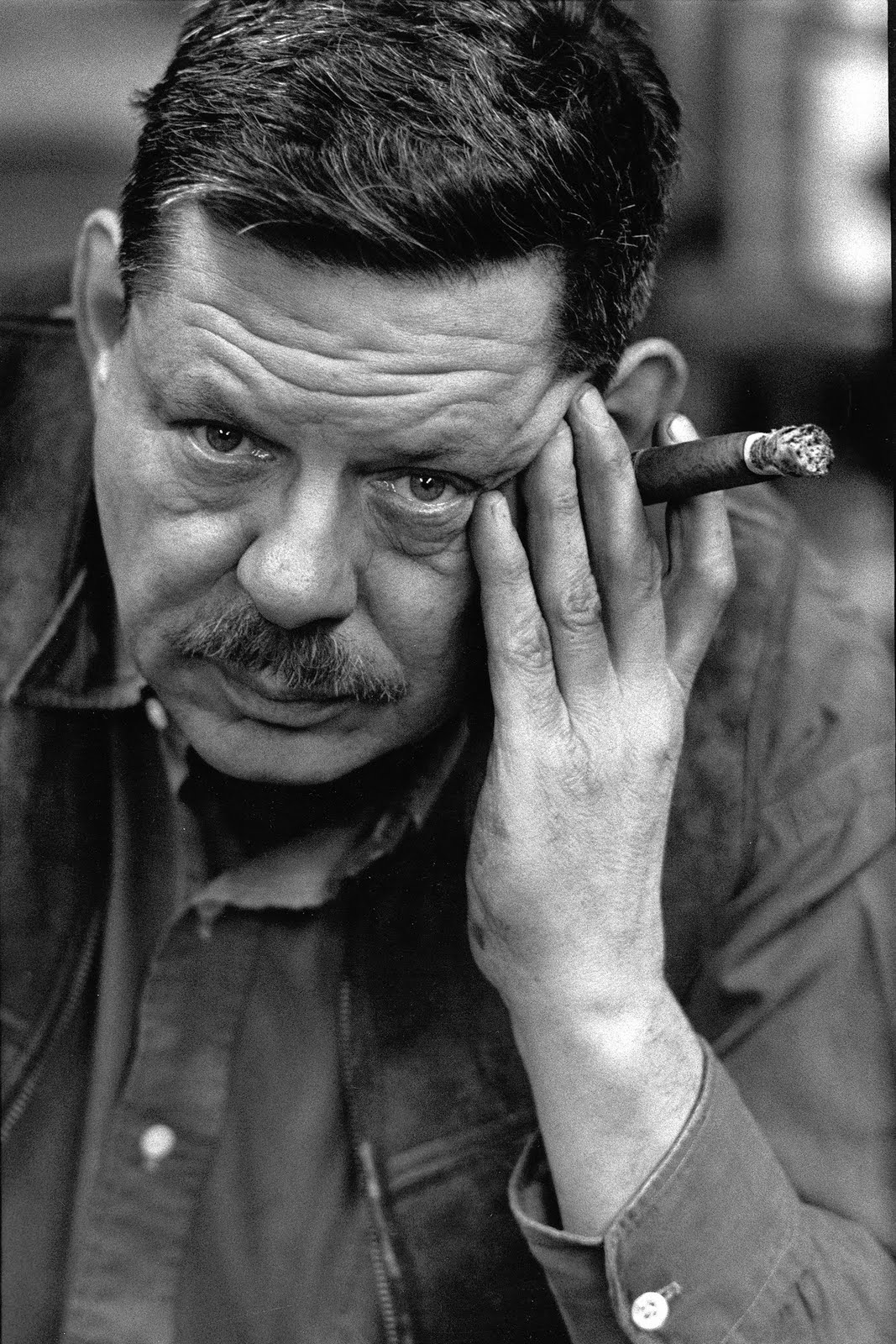
David Roland Smith is an American sculptor and expressionist painter.
Smith became known as the creator of large-scale steel geometric sculptures in an abstract style inspired by the works of Picasso.
But Smith is also a prolific painter-drawer; he drew all his life, making hundreds of drawings a year. His subjects included various figures and landscapes, a series of nudes, and he also drew almost calligraphic signs with egg yolk, Chinese ink and brushes.
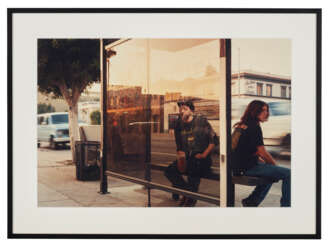

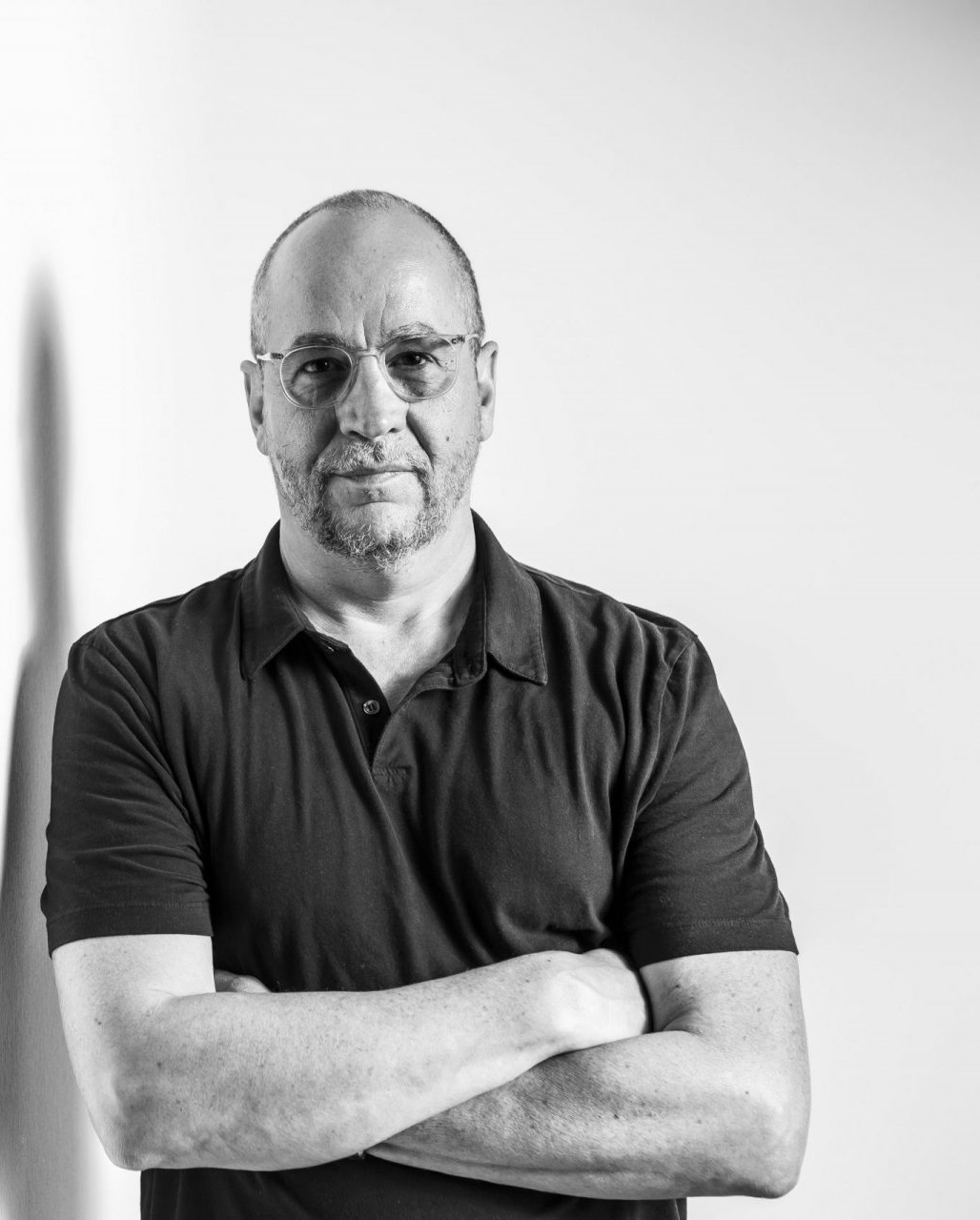
Philip-Lorca diCorcia is an American photographer and artist. He is known for his staged and cinematic photographs that often blur the line between reality and fiction.
DiCorcia's work is characterized by his use of elaborate sets and lighting, which he uses to create images that are both beautiful and unsettling. Many of his photographs feature everyday people in staged settings, and he often uses strangers as his subjects, adding to the sense of mystery and voyeurism in his work.
DiCorcia has been the recipient of numerous awards and his work has been exhibited in galleries and museums around the world. He has also been commissioned to create photographs for a wide range of clients, including fashion magazines and advertising campaigns.
DiCorcia's legacy as an artist and photographer continues to influence new generations of artists. His innovative techniques and approach to photography have helped to redefine the medium and have had a significant impact on contemporary art and culture.