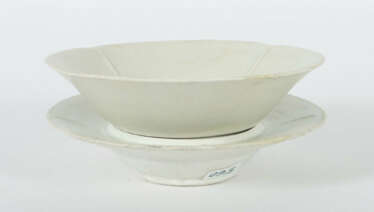
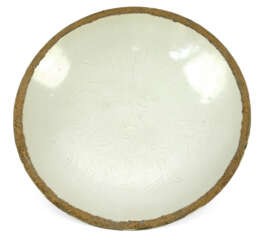
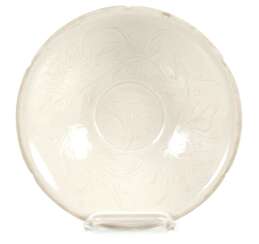
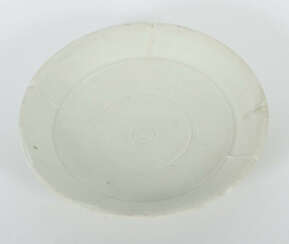
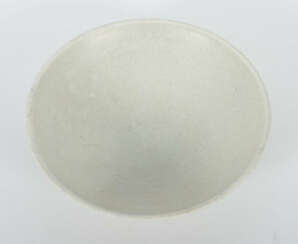
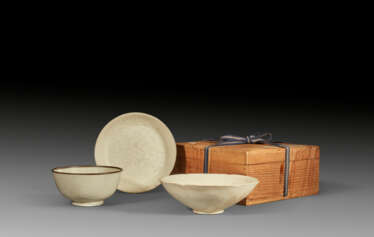
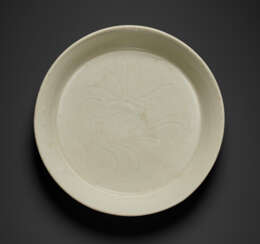
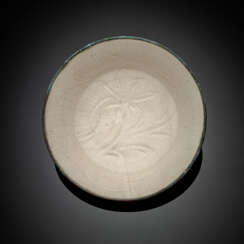
ding ware








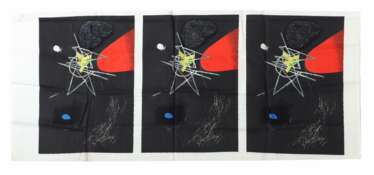

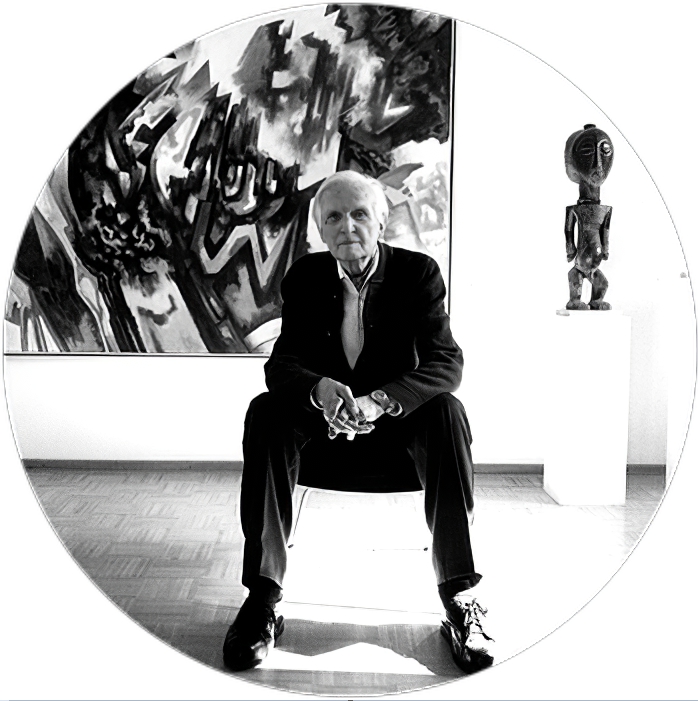
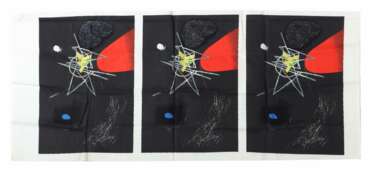
Gerhard Fietz was a German painter, professor and representative of non-objective painting. He is considered an important painter of the second half of the 20th century in Germany.
As a co-founder of the artist group ZEN 49, he opposed traditional representational art and, together with painters such as Willi Baumeister, Fritz Winter and Rupprecht Geiger, developed a style of painting that focused on experimenting with artistic means. Fietz exhibited at numerous national and international exhibitions, including the highly regarded exhibition at the Cercle Volnay in Paris in 1955.



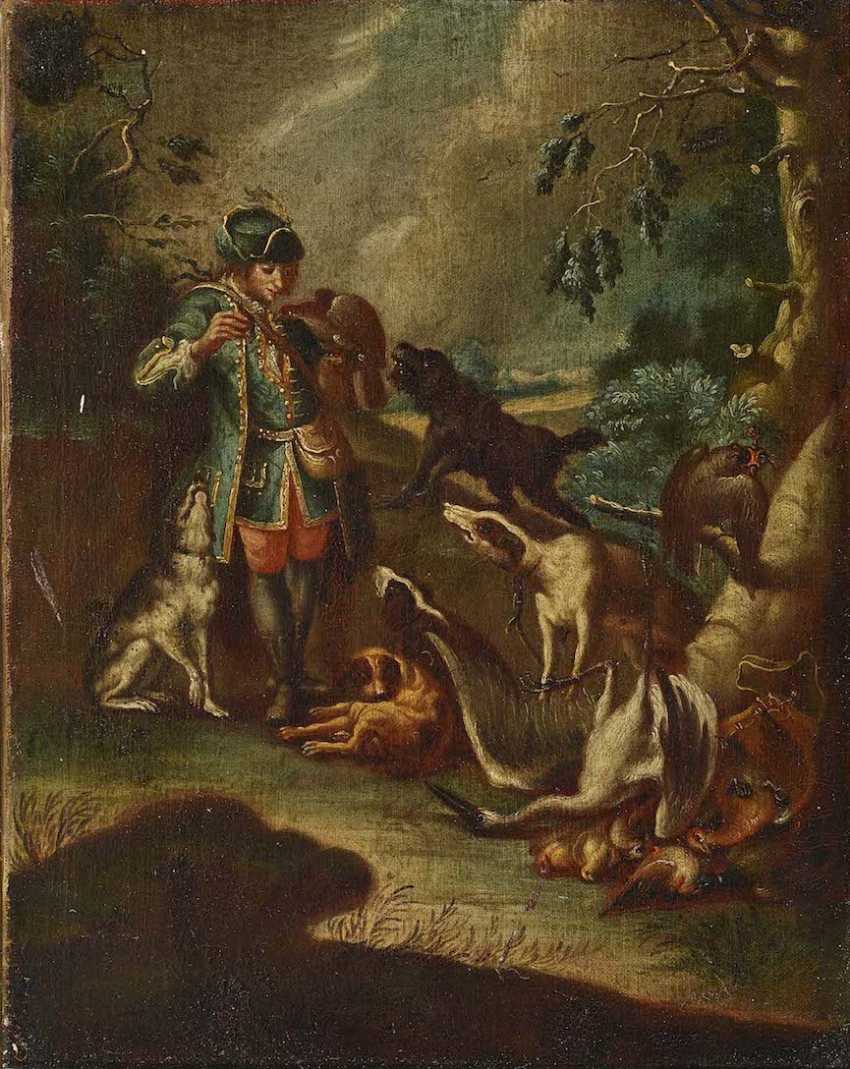
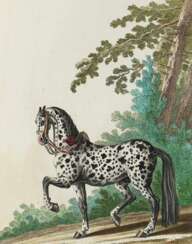
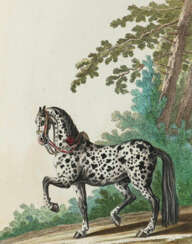
Johann Elias Ridinger was a German painter, engraver, draughtsman and publisher. He is considered one of the most famous German engravers of animals, particularly horses, hounds and hunting scenes.
















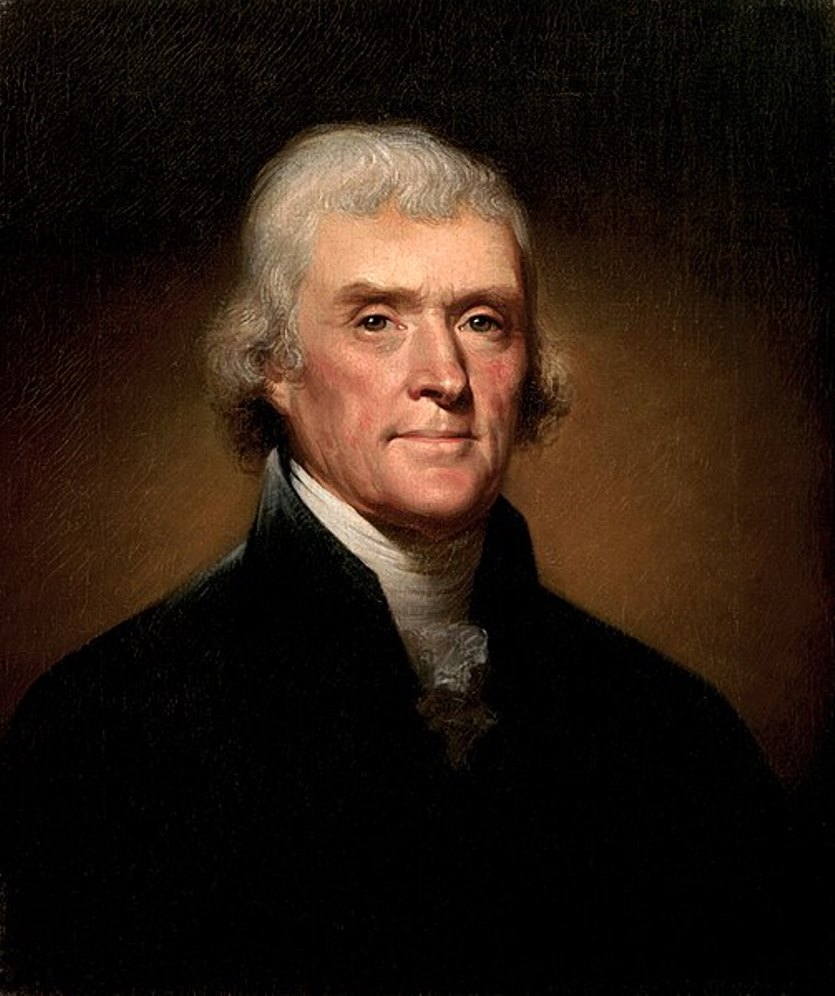
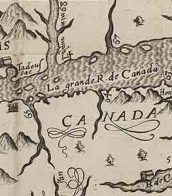
Thomas Jefferson was an American politician and statesman, the third President of the United States (March 4, 1801 - March 4, 1809).
Jefferson was the son of a planter and received a law degree. In 1774, he wrote A Summary of the Rights of British America, which attracted public attention, and he soon gained a reputation as one of the first advocates of American independence from the authority of the British Parliament. In the spring of 1775, the Virginia legislature appointed him a delegate to the Second Conference of the Continental Congress. A year later he was appointed to a committee of five, which also included Adams and Benjamin Franklin, to draft a formal statement of reasons to justify a break with Great Britain. Jefferson thus became one of the authors of the Declaration of Independence. Jefferson succeeded Benjamin Franklin as minister to France in 1785, was secretary of state (1790-1793) under Washington, and vice president (1797-1801) under John Adams.
A Democratic-Republican, Jefferson, who believed that the national government should play a limited role in the lives of citizens, was elected president in 1800. One of the most significant accomplishments of Jefferson's first administration was the purchase of the Louisiana Territory from France for $15 million dollars in 1803 (from the Gulf of Mexico to present-day Canada), effectively doubling the size of the United States. During his second term, Jefferson was focused on trying to keep America out of the Napoleonic Wars in Europe. After his second term as president, he was succeeded by James Madison in 1808.
Upon leaving office, Jefferson retired to his plantation in Virginia, pursued his favorite pastimes, and helped found the University of Virginia. In addition to politics, he is known as a writer, farmer, horticulturist, inventor, book collector, art historian, architect, and scientist. He died at the age of 83 on July 4, 1826, the 50th anniversary of the Declaration of Independence.




Gerhard Fietz was a German painter, professor and representative of non-objective painting. He is considered an important painter of the second half of the 20th century in Germany.
As a co-founder of the artist group ZEN 49, he opposed traditional representational art and, together with painters such as Willi Baumeister, Fritz Winter and Rupprecht Geiger, developed a style of painting that focused on experimenting with artistic means. Fietz exhibited at numerous national and international exhibitions, including the highly regarded exhibition at the Cercle Volnay in Paris in 1955.



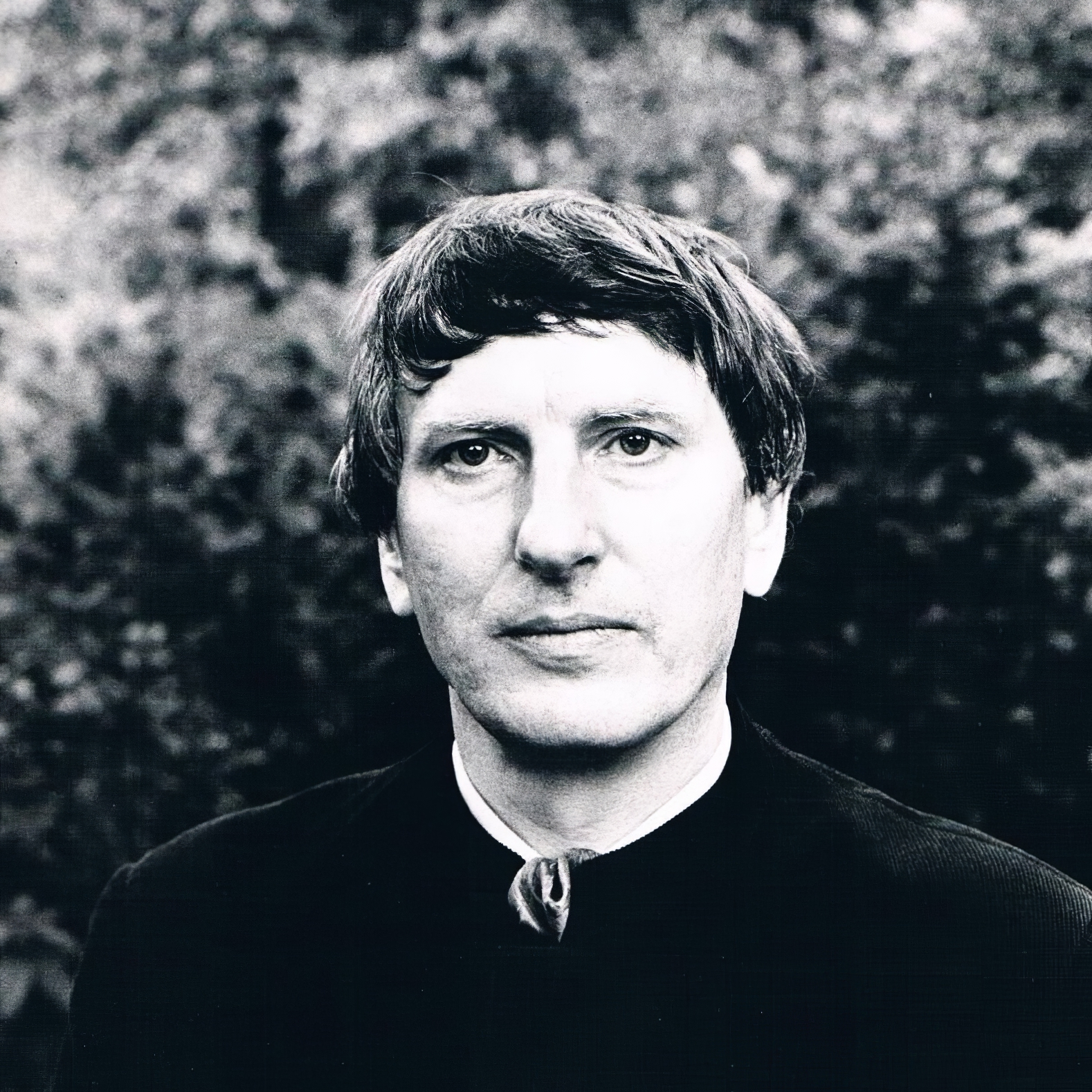
Gerhard Altenbourg is a German painter, sculptor, draughtsman and watercolourist.
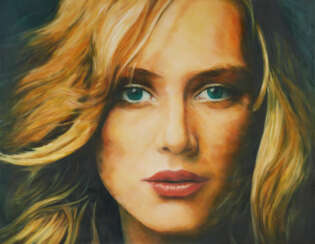

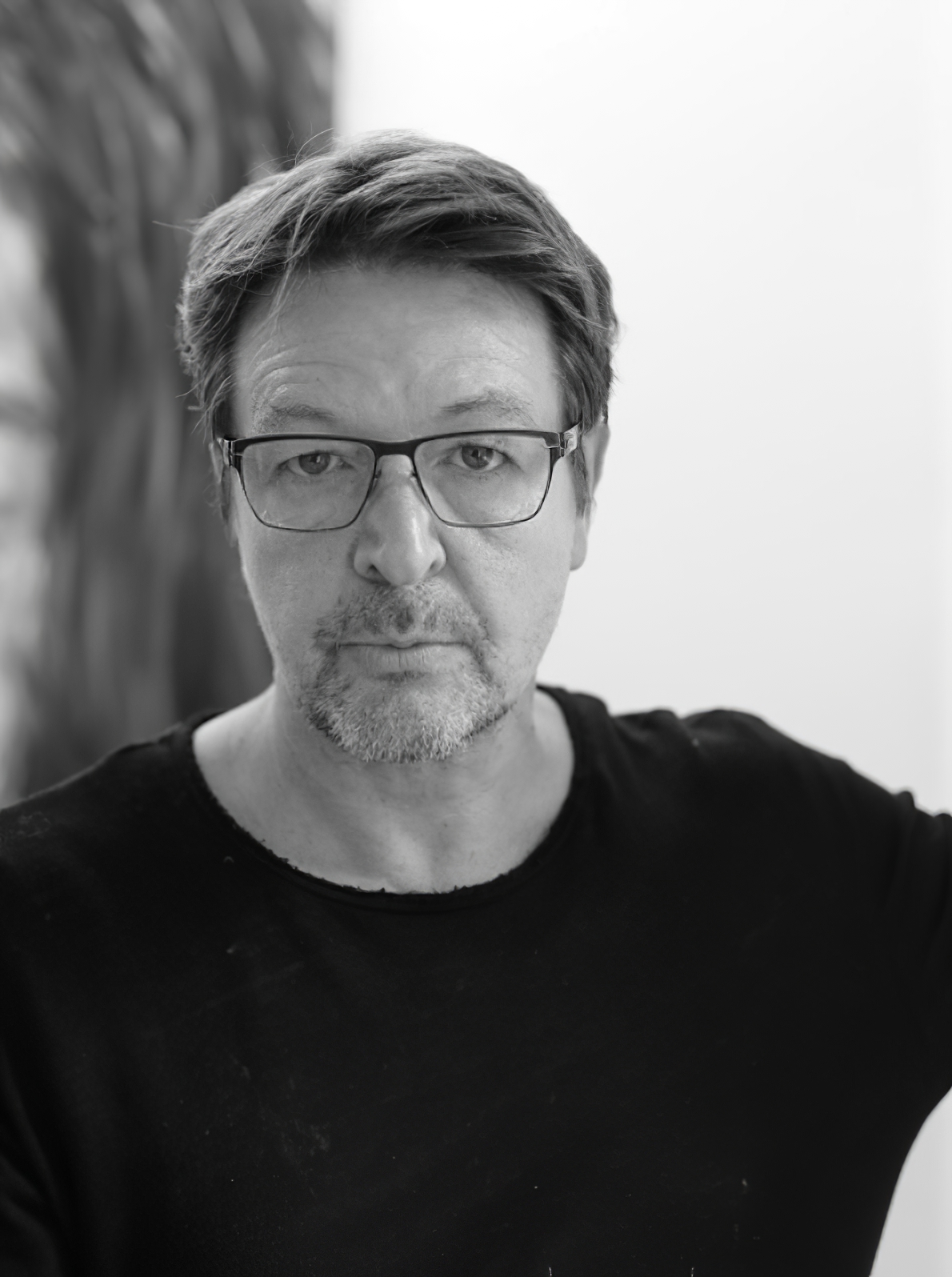
Harding Meyer is a distinguished contemporary artist of Brazilian origin, renowned for his mastery in large-scale photorealistic portraiture. Born in 1964 in Porto Alegre, Brazil, Meyer has made a significant mark in the art world with his unique blend of realism and abstraction. He studied at the Staatliche Akademie der Bildenden Künste in Karlsruhe, Germany, a formative experience that greatly influenced his artistic style.
Harding Meyer's portraits are known for their intimate and tightly cropped depictions of the human face, sourced from a diverse array of visual media including magazines, film, and television. His technique involves a meticulous use of brushes and palette knives, skillfully capturing the essence of his subjects. Harding Meyer's works are particularly notable for replicating the horizontal blurs of television stills and the pixelated textures of digital images, adding a unique dimension to his photorealistic style.
Residing and creating in Karlsruhe, Germany, Harding Meyer continues to push the boundaries of contemporary portraiture. His work is a testament to his commitment to capturing the human essence through a lens of technical precision and artistic innovation.
For collectors and experts in art, Harding Meyer's work offers a fascinating exploration of the human visage, blending traditional portraiture with modern techniques and media influences.
Stay informed about Harding Meyer's latest works and exhibitions by signing up for updates. We offer direct, no-frills information on sales and auctions featuring Meyer's art, ensuring you stay connected to the pulse of contemporary portraiture.