druckgrafik &


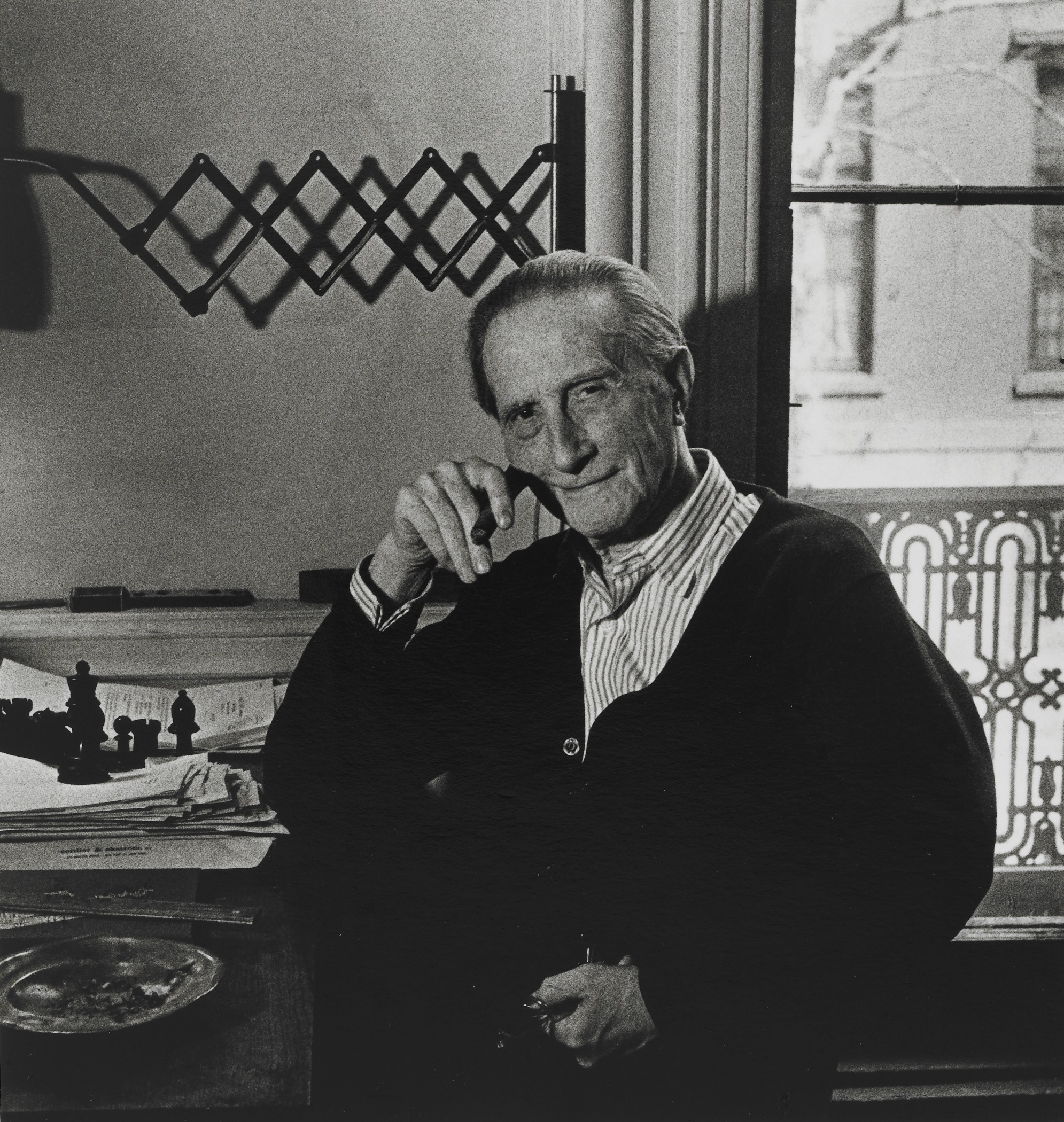
Henri-Robert-Marcel Duchamp, a pioneering French artist, is celebrated for his profound influence on 20th-century art and culture. Duchamp's work transcended traditional mediums, embracing painting, sculpture, and conceptual art, thereby redefining the very nature of artistic creation. His audacious approach to art, marked by intellectualism and wit, challenged conventional perceptions of beauty and utility, making him a central figure in the development of modern and postmodern art.
Duchamp's most notable contributions include his ready-mades—ordinary manufactured objects that he selected and presented as art. This innovative concept questioned the role of the artist and the creation process, exemplified by his famous piece, "Fountain," a porcelain urinal that radically altered the landscape of art by its mere presentation in 1917. His other significant works, like "Nude Descending a Staircase, No. 2," showcased his fascination with movement and mechanization, further cementing his legacy as a visionary.
Duchamp's influence extends beyond his creations, as he played a vital role in shaping the Dada movement and conceptual art. His ideas and artworks continue to inspire artists, collectors, and experts in the fields of art and antiques. Museums and galleries worldwide, including the Philadelphia Museum of Art and the Museum of Modern Art in New York, proudly house his works, attesting to his enduring relevance.
For those keen on exploring the intersections of art, culture, and history, Duchamp offers a rich tapestry of innovation and controversy. Collectors and art enthusiasts are invited to sign up for updates on new product sales and auction events related to Henri-Robert-Marcel Duchamp, ensuring they remain at the forefront of developments in this captivating domain.


Henri-Robert-Marcel Duchamp, a pioneering French artist, is celebrated for his profound influence on 20th-century art and culture. Duchamp's work transcended traditional mediums, embracing painting, sculpture, and conceptual art, thereby redefining the very nature of artistic creation. His audacious approach to art, marked by intellectualism and wit, challenged conventional perceptions of beauty and utility, making him a central figure in the development of modern and postmodern art.
Duchamp's most notable contributions include his ready-mades—ordinary manufactured objects that he selected and presented as art. This innovative concept questioned the role of the artist and the creation process, exemplified by his famous piece, "Fountain," a porcelain urinal that radically altered the landscape of art by its mere presentation in 1917. His other significant works, like "Nude Descending a Staircase, No. 2," showcased his fascination with movement and mechanization, further cementing his legacy as a visionary.
Duchamp's influence extends beyond his creations, as he played a vital role in shaping the Dada movement and conceptual art. His ideas and artworks continue to inspire artists, collectors, and experts in the fields of art and antiques. Museums and galleries worldwide, including the Philadelphia Museum of Art and the Museum of Modern Art in New York, proudly house his works, attesting to his enduring relevance.
For those keen on exploring the intersections of art, culture, and history, Duchamp offers a rich tapestry of innovation and controversy. Collectors and art enthusiasts are invited to sign up for updates on new product sales and auction events related to Henri-Robert-Marcel Duchamp, ensuring they remain at the forefront of developments in this captivating domain.
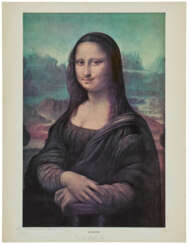

Henri-Robert-Marcel Duchamp, a pioneering French artist, is celebrated for his profound influence on 20th-century art and culture. Duchamp's work transcended traditional mediums, embracing painting, sculpture, and conceptual art, thereby redefining the very nature of artistic creation. His audacious approach to art, marked by intellectualism and wit, challenged conventional perceptions of beauty and utility, making him a central figure in the development of modern and postmodern art.
Duchamp's most notable contributions include his ready-mades—ordinary manufactured objects that he selected and presented as art. This innovative concept questioned the role of the artist and the creation process, exemplified by his famous piece, "Fountain," a porcelain urinal that radically altered the landscape of art by its mere presentation in 1917. His other significant works, like "Nude Descending a Staircase, No. 2," showcased his fascination with movement and mechanization, further cementing his legacy as a visionary.
Duchamp's influence extends beyond his creations, as he played a vital role in shaping the Dada movement and conceptual art. His ideas and artworks continue to inspire artists, collectors, and experts in the fields of art and antiques. Museums and galleries worldwide, including the Philadelphia Museum of Art and the Museum of Modern Art in New York, proudly house his works, attesting to his enduring relevance.
For those keen on exploring the intersections of art, culture, and history, Duchamp offers a rich tapestry of innovation and controversy. Collectors and art enthusiasts are invited to sign up for updates on new product sales and auction events related to Henri-Robert-Marcel Duchamp, ensuring they remain at the forefront of developments in this captivating domain.


Henri-Robert-Marcel Duchamp, a pioneering French artist, is celebrated for his profound influence on 20th-century art and culture. Duchamp's work transcended traditional mediums, embracing painting, sculpture, and conceptual art, thereby redefining the very nature of artistic creation. His audacious approach to art, marked by intellectualism and wit, challenged conventional perceptions of beauty and utility, making him a central figure in the development of modern and postmodern art.
Duchamp's most notable contributions include his ready-mades—ordinary manufactured objects that he selected and presented as art. This innovative concept questioned the role of the artist and the creation process, exemplified by his famous piece, "Fountain," a porcelain urinal that radically altered the landscape of art by its mere presentation in 1917. His other significant works, like "Nude Descending a Staircase, No. 2," showcased his fascination with movement and mechanization, further cementing his legacy as a visionary.
Duchamp's influence extends beyond his creations, as he played a vital role in shaping the Dada movement and conceptual art. His ideas and artworks continue to inspire artists, collectors, and experts in the fields of art and antiques. Museums and galleries worldwide, including the Philadelphia Museum of Art and the Museum of Modern Art in New York, proudly house his works, attesting to his enduring relevance.
For those keen on exploring the intersections of art, culture, and history, Duchamp offers a rich tapestry of innovation and controversy. Collectors and art enthusiasts are invited to sign up for updates on new product sales and auction events related to Henri-Robert-Marcel Duchamp, ensuring they remain at the forefront of developments in this captivating domain.


Henri-Robert-Marcel Duchamp, a pioneering French artist, is celebrated for his profound influence on 20th-century art and culture. Duchamp's work transcended traditional mediums, embracing painting, sculpture, and conceptual art, thereby redefining the very nature of artistic creation. His audacious approach to art, marked by intellectualism and wit, challenged conventional perceptions of beauty and utility, making him a central figure in the development of modern and postmodern art.
Duchamp's most notable contributions include his ready-mades—ordinary manufactured objects that he selected and presented as art. This innovative concept questioned the role of the artist and the creation process, exemplified by his famous piece, "Fountain," a porcelain urinal that radically altered the landscape of art by its mere presentation in 1917. His other significant works, like "Nude Descending a Staircase, No. 2," showcased his fascination with movement and mechanization, further cementing his legacy as a visionary.
Duchamp's influence extends beyond his creations, as he played a vital role in shaping the Dada movement and conceptual art. His ideas and artworks continue to inspire artists, collectors, and experts in the fields of art and antiques. Museums and galleries worldwide, including the Philadelphia Museum of Art and the Museum of Modern Art in New York, proudly house his works, attesting to his enduring relevance.
For those keen on exploring the intersections of art, culture, and history, Duchamp offers a rich tapestry of innovation and controversy. Collectors and art enthusiasts are invited to sign up for updates on new product sales and auction events related to Henri-Robert-Marcel Duchamp, ensuring they remain at the forefront of developments in this captivating domain.


Henri-Robert-Marcel Duchamp, a pioneering French artist, is celebrated for his profound influence on 20th-century art and culture. Duchamp's work transcended traditional mediums, embracing painting, sculpture, and conceptual art, thereby redefining the very nature of artistic creation. His audacious approach to art, marked by intellectualism and wit, challenged conventional perceptions of beauty and utility, making him a central figure in the development of modern and postmodern art.
Duchamp's most notable contributions include his ready-mades—ordinary manufactured objects that he selected and presented as art. This innovative concept questioned the role of the artist and the creation process, exemplified by his famous piece, "Fountain," a porcelain urinal that radically altered the landscape of art by its mere presentation in 1917. His other significant works, like "Nude Descending a Staircase, No. 2," showcased his fascination with movement and mechanization, further cementing his legacy as a visionary.
Duchamp's influence extends beyond his creations, as he played a vital role in shaping the Dada movement and conceptual art. His ideas and artworks continue to inspire artists, collectors, and experts in the fields of art and antiques. Museums and galleries worldwide, including the Philadelphia Museum of Art and the Museum of Modern Art in New York, proudly house his works, attesting to his enduring relevance.
For those keen on exploring the intersections of art, culture, and history, Duchamp offers a rich tapestry of innovation and controversy. Collectors and art enthusiasts are invited to sign up for updates on new product sales and auction events related to Henri-Robert-Marcel Duchamp, ensuring they remain at the forefront of developments in this captivating domain.


Henri-Robert-Marcel Duchamp, a pioneering French artist, is celebrated for his profound influence on 20th-century art and culture. Duchamp's work transcended traditional mediums, embracing painting, sculpture, and conceptual art, thereby redefining the very nature of artistic creation. His audacious approach to art, marked by intellectualism and wit, challenged conventional perceptions of beauty and utility, making him a central figure in the development of modern and postmodern art.
Duchamp's most notable contributions include his ready-mades—ordinary manufactured objects that he selected and presented as art. This innovative concept questioned the role of the artist and the creation process, exemplified by his famous piece, "Fountain," a porcelain urinal that radically altered the landscape of art by its mere presentation in 1917. His other significant works, like "Nude Descending a Staircase, No. 2," showcased his fascination with movement and mechanization, further cementing his legacy as a visionary.
Duchamp's influence extends beyond his creations, as he played a vital role in shaping the Dada movement and conceptual art. His ideas and artworks continue to inspire artists, collectors, and experts in the fields of art and antiques. Museums and galleries worldwide, including the Philadelphia Museum of Art and the Museum of Modern Art in New York, proudly house his works, attesting to his enduring relevance.
For those keen on exploring the intersections of art, culture, and history, Duchamp offers a rich tapestry of innovation and controversy. Collectors and art enthusiasts are invited to sign up for updates on new product sales and auction events related to Henri-Robert-Marcel Duchamp, ensuring they remain at the forefront of developments in this captivating domain.


Henri-Robert-Marcel Duchamp, a pioneering French artist, is celebrated for his profound influence on 20th-century art and culture. Duchamp's work transcended traditional mediums, embracing painting, sculpture, and conceptual art, thereby redefining the very nature of artistic creation. His audacious approach to art, marked by intellectualism and wit, challenged conventional perceptions of beauty and utility, making him a central figure in the development of modern and postmodern art.
Duchamp's most notable contributions include his ready-mades—ordinary manufactured objects that he selected and presented as art. This innovative concept questioned the role of the artist and the creation process, exemplified by his famous piece, "Fountain," a porcelain urinal that radically altered the landscape of art by its mere presentation in 1917. His other significant works, like "Nude Descending a Staircase, No. 2," showcased his fascination with movement and mechanization, further cementing his legacy as a visionary.
Duchamp's influence extends beyond his creations, as he played a vital role in shaping the Dada movement and conceptual art. His ideas and artworks continue to inspire artists, collectors, and experts in the fields of art and antiques. Museums and galleries worldwide, including the Philadelphia Museum of Art and the Museum of Modern Art in New York, proudly house his works, attesting to his enduring relevance.
For those keen on exploring the intersections of art, culture, and history, Duchamp offers a rich tapestry of innovation and controversy. Collectors and art enthusiasts are invited to sign up for updates on new product sales and auction events related to Henri-Robert-Marcel Duchamp, ensuring they remain at the forefront of developments in this captivating domain.


Henri-Robert-Marcel Duchamp, a pioneering French artist, is celebrated for his profound influence on 20th-century art and culture. Duchamp's work transcended traditional mediums, embracing painting, sculpture, and conceptual art, thereby redefining the very nature of artistic creation. His audacious approach to art, marked by intellectualism and wit, challenged conventional perceptions of beauty and utility, making him a central figure in the development of modern and postmodern art.
Duchamp's most notable contributions include his ready-mades—ordinary manufactured objects that he selected and presented as art. This innovative concept questioned the role of the artist and the creation process, exemplified by his famous piece, "Fountain," a porcelain urinal that radically altered the landscape of art by its mere presentation in 1917. His other significant works, like "Nude Descending a Staircase, No. 2," showcased his fascination with movement and mechanization, further cementing his legacy as a visionary.
Duchamp's influence extends beyond his creations, as he played a vital role in shaping the Dada movement and conceptual art. His ideas and artworks continue to inspire artists, collectors, and experts in the fields of art and antiques. Museums and galleries worldwide, including the Philadelphia Museum of Art and the Museum of Modern Art in New York, proudly house his works, attesting to his enduring relevance.
For those keen on exploring the intersections of art, culture, and history, Duchamp offers a rich tapestry of innovation and controversy. Collectors and art enthusiasts are invited to sign up for updates on new product sales and auction events related to Henri-Robert-Marcel Duchamp, ensuring they remain at the forefront of developments in this captivating domain.


Henri-Robert-Marcel Duchamp, a pioneering French artist, is celebrated for his profound influence on 20th-century art and culture. Duchamp's work transcended traditional mediums, embracing painting, sculpture, and conceptual art, thereby redefining the very nature of artistic creation. His audacious approach to art, marked by intellectualism and wit, challenged conventional perceptions of beauty and utility, making him a central figure in the development of modern and postmodern art.
Duchamp's most notable contributions include his ready-mades—ordinary manufactured objects that he selected and presented as art. This innovative concept questioned the role of the artist and the creation process, exemplified by his famous piece, "Fountain," a porcelain urinal that radically altered the landscape of art by its mere presentation in 1917. His other significant works, like "Nude Descending a Staircase, No. 2," showcased his fascination with movement and mechanization, further cementing his legacy as a visionary.
Duchamp's influence extends beyond his creations, as he played a vital role in shaping the Dada movement and conceptual art. His ideas and artworks continue to inspire artists, collectors, and experts in the fields of art and antiques. Museums and galleries worldwide, including the Philadelphia Museum of Art and the Museum of Modern Art in New York, proudly house his works, attesting to his enduring relevance.
For those keen on exploring the intersections of art, culture, and history, Duchamp offers a rich tapestry of innovation and controversy. Collectors and art enthusiasts are invited to sign up for updates on new product sales and auction events related to Henri-Robert-Marcel Duchamp, ensuring they remain at the forefront of developments in this captivating domain.


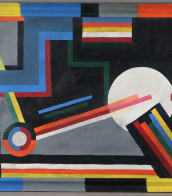
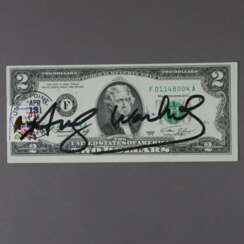

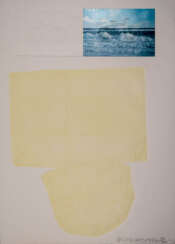







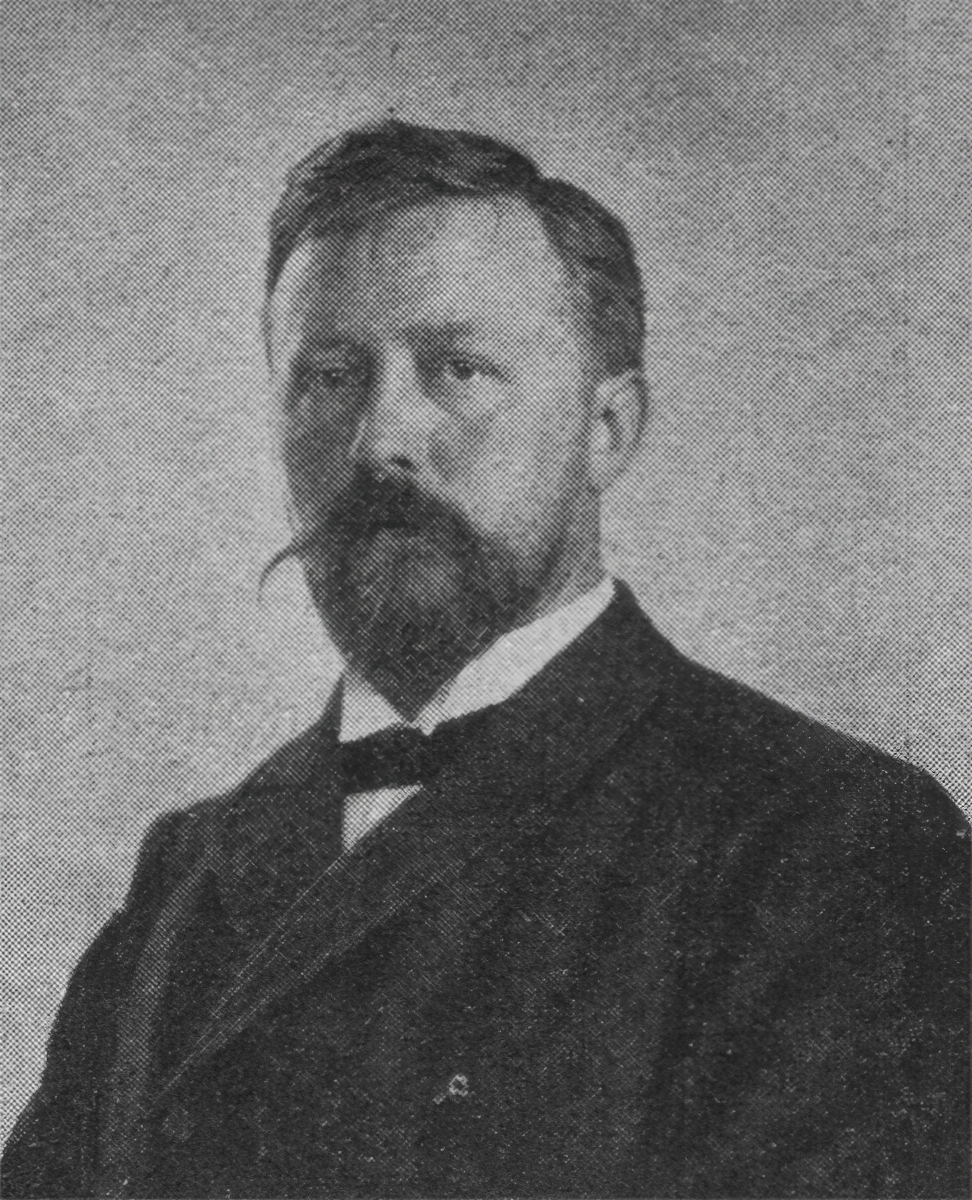
Friedrich Kallmorgen was a German Impressionist painter who specialized in landscapes and cityscapes.
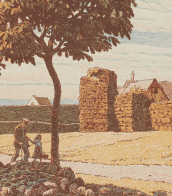
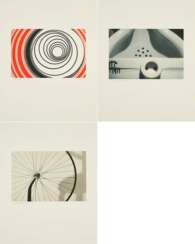

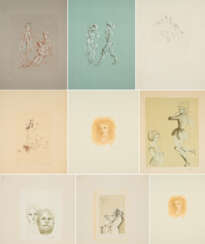

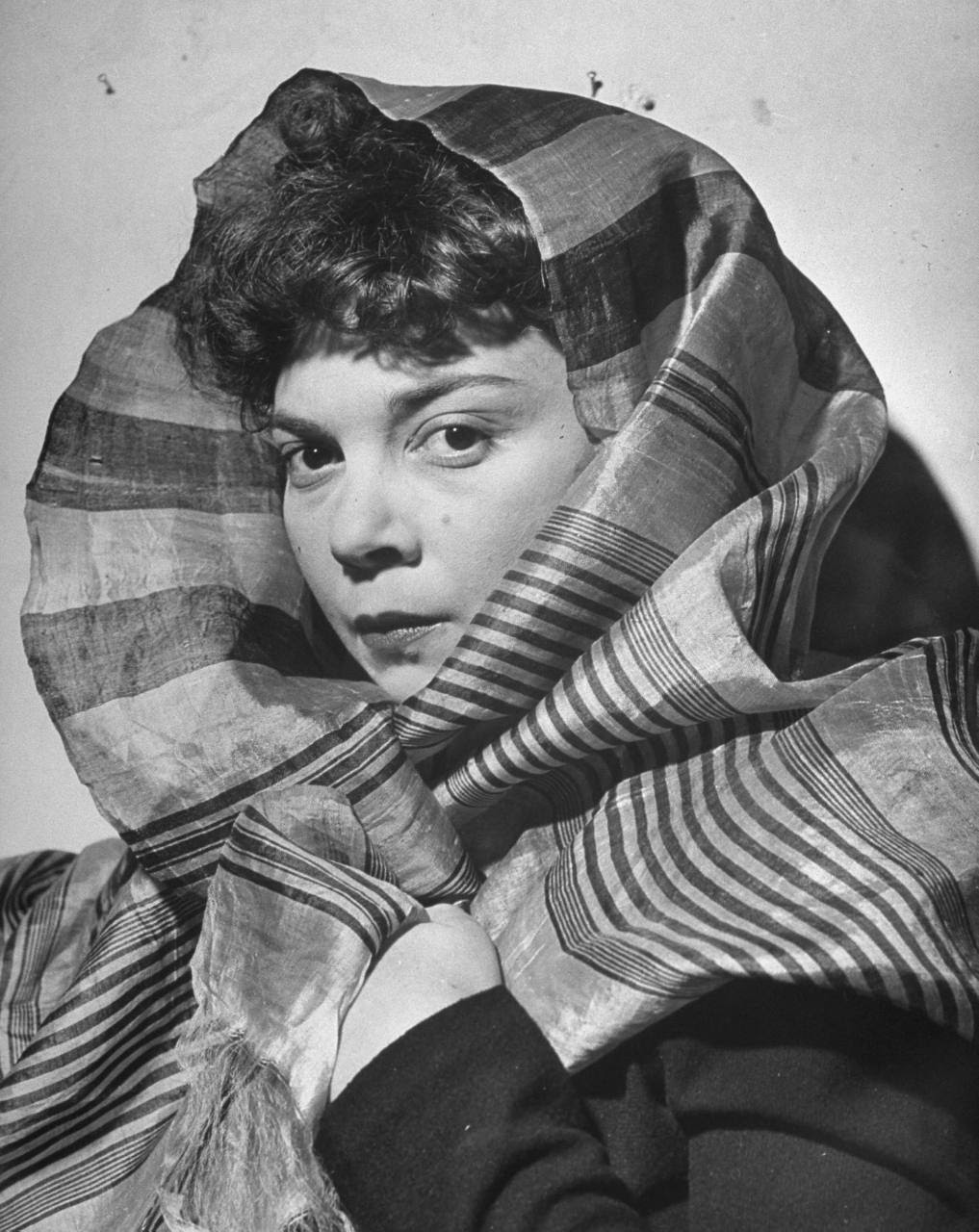
Leonor Fini was an Argentinian born Italian surrealist painter, designer, illustrator, and author, known for her depictions of powerful and erotic women.


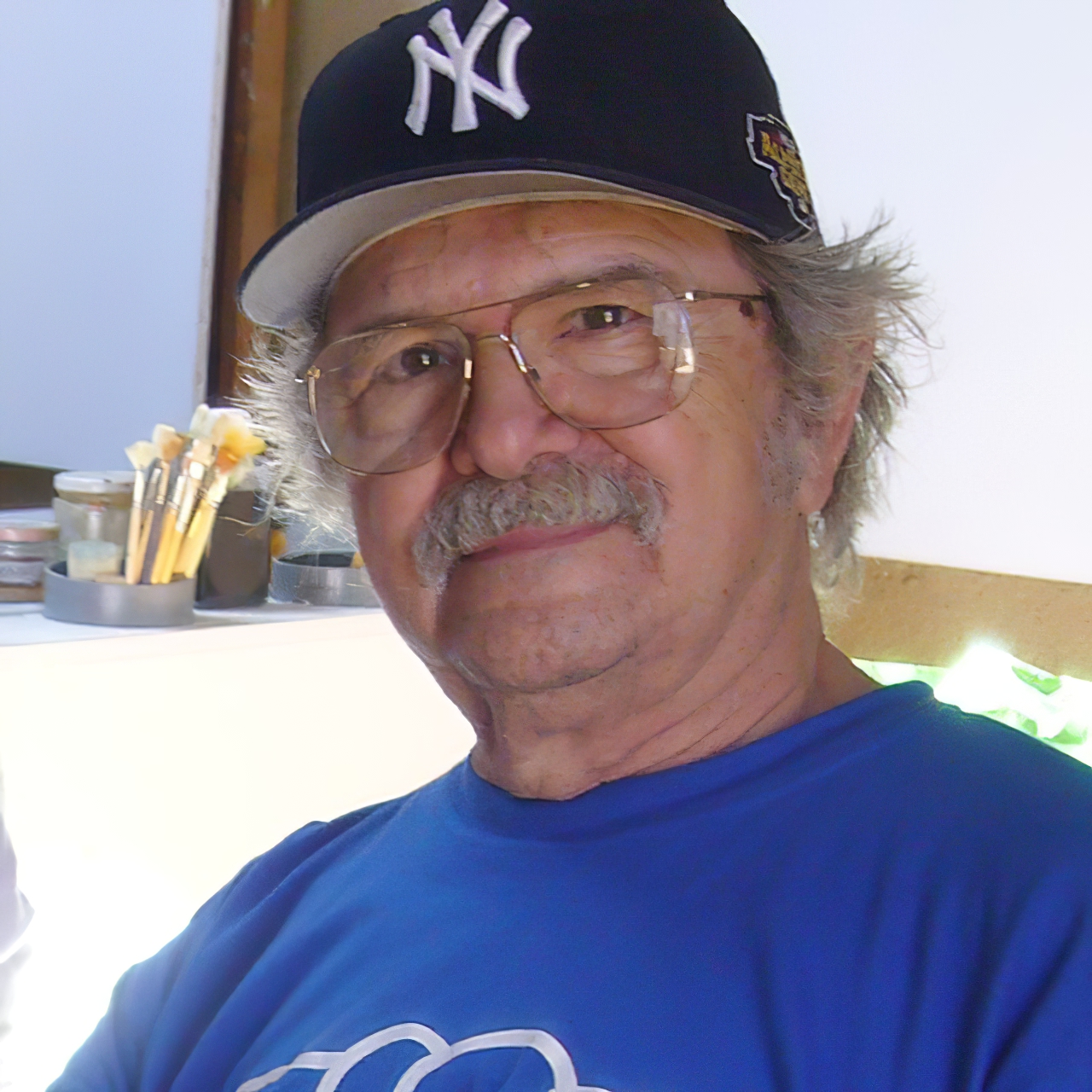
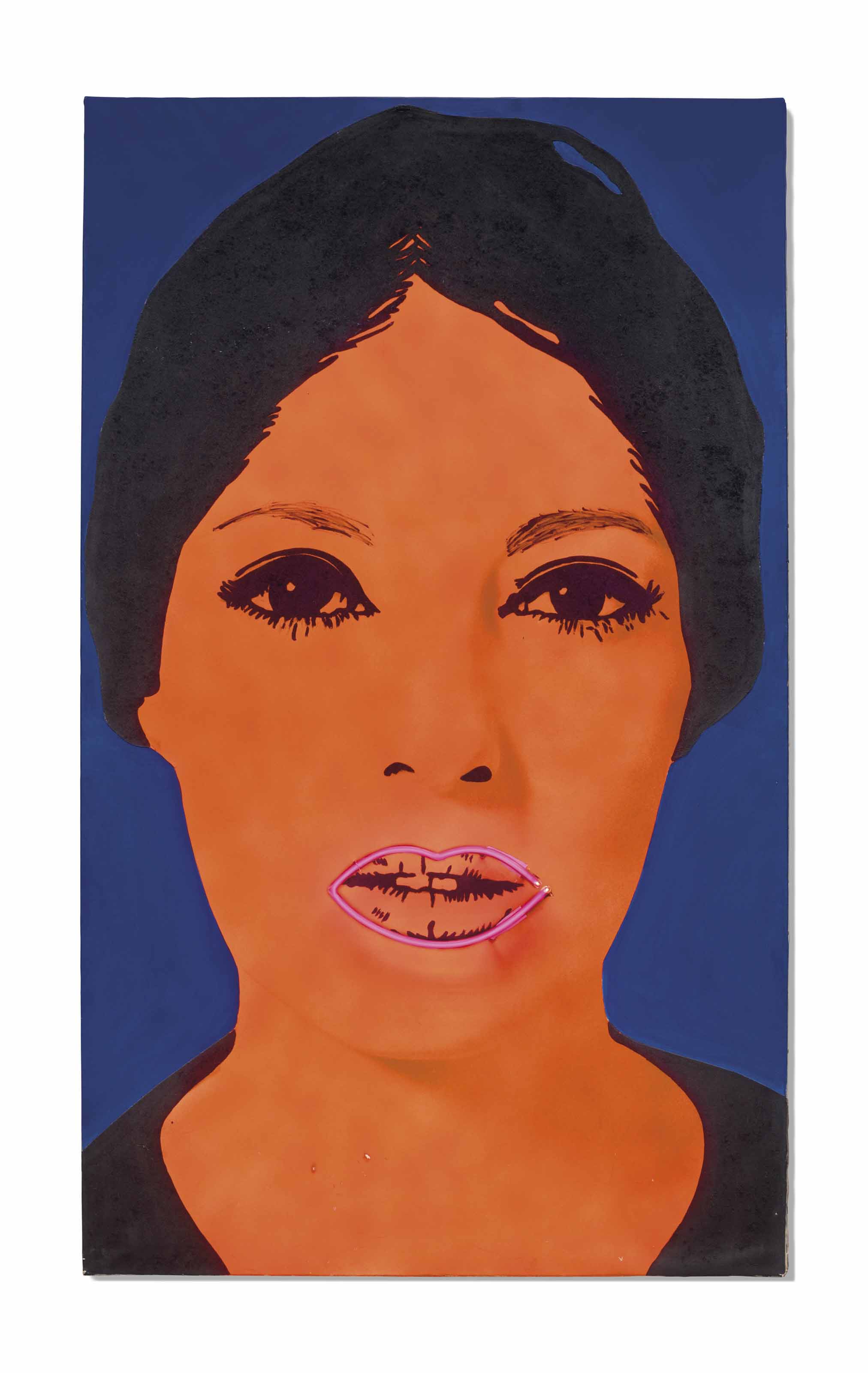
Melvin John Ramos was an American figurative painter, specializing most often in paintings of female nudes, whose work incorporates elements of realist and abstract art.
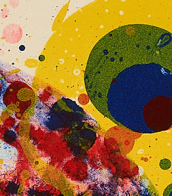


Melvin John Ramos was an American figurative painter, specializing most often in paintings of female nudes, whose work incorporates elements of realist and abstract art.
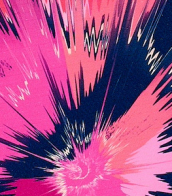
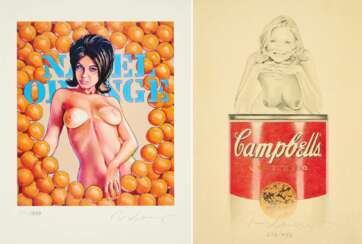

Melvin John Ramos was an American figurative painter, specializing most often in paintings of female nudes, whose work incorporates elements of realist and abstract art.
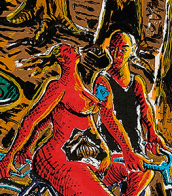
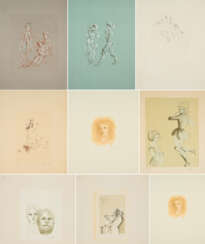

Leonor Fini was an Argentinian born Italian surrealist painter, designer, illustrator, and author, known for her depictions of powerful and erotic women.


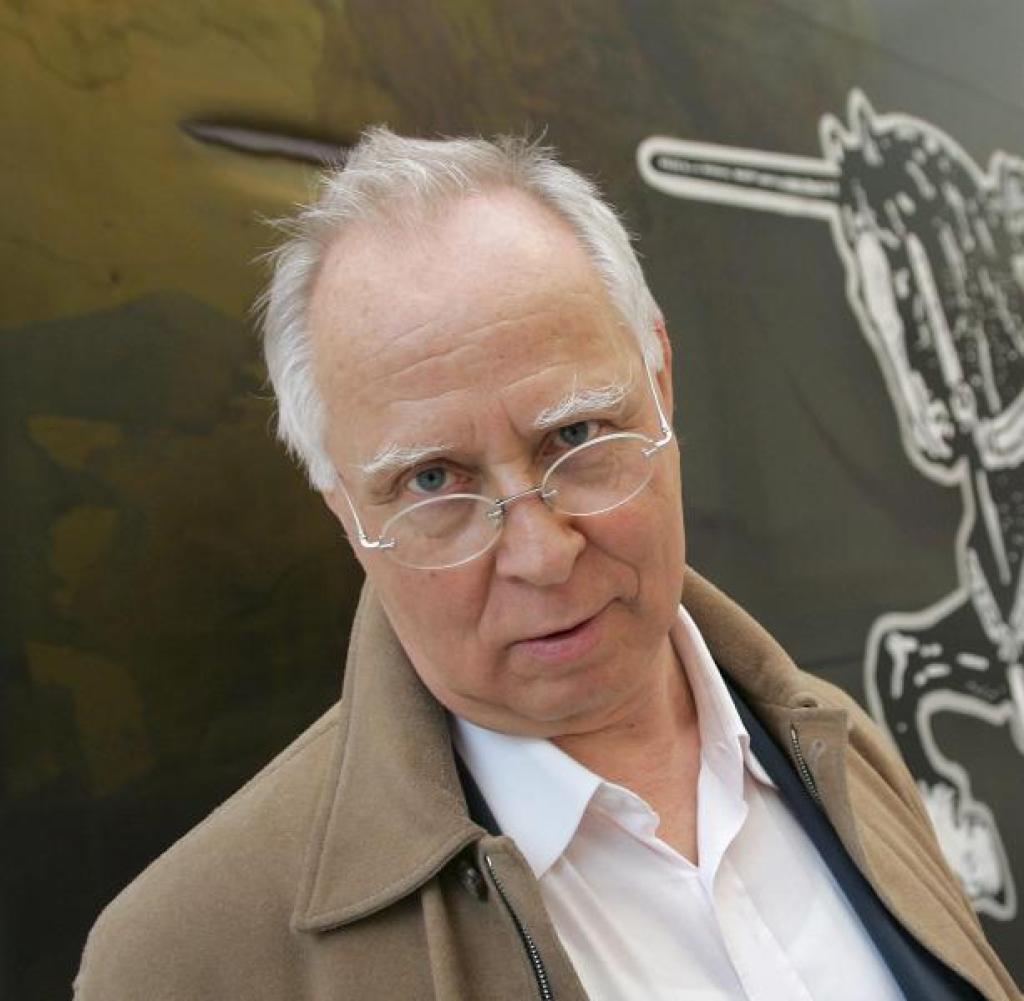
Sigmar Polke was a German painter and photographer.
Polke experimented with a wide range of styles, subject matters and materials. In the 1970s, he concentrated on photography, returning to paint in the 1980s, when he produced abstract works created by chance through chemical reactions between paint and other products. In the last 20 years of his life, he produced paintings focused on historical events and perceptions of them.



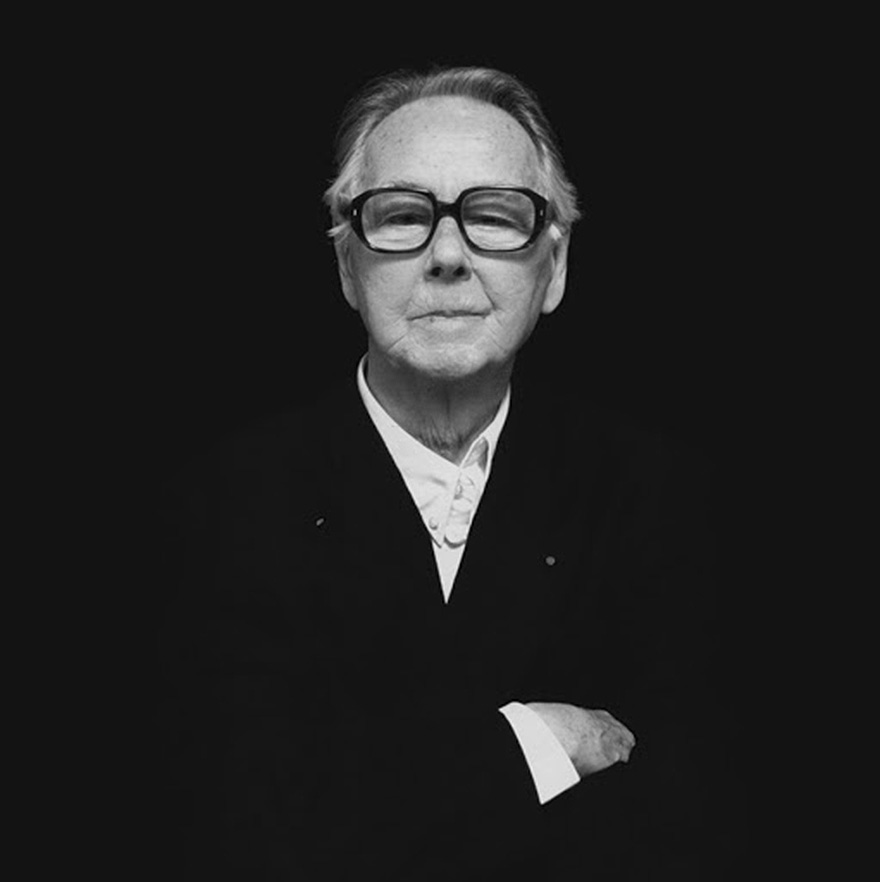
Victor Vasarely, a seminal figure in the Op art movement, was a Hungarian-French artist celebrated for his pioneering contributions to geometric abstract art. Born Győző Vásárhelyi in Pécs, Hungary, in 1906, Vasarely's artistic journey led him to Paris, where he honed a distinctive style marked by optical illusions and kinetic art. By the late 1940s, he had developed his iconic approach, utilizing geometric shapes and a limited color palette to create artworks that seemed to move and vibrate. His work "Zebra," created in 1937, is often cited as one of the earliest examples of Op art, showcasing his fascination with creating the illusion of depth and movement on a flat surface.
Throughout the 1950s and 1960s, Vasarely's exploration into optical effects deepened, leading to significant series like his "Vega" works. These pieces are characterized by their illusionary three-dimensional space, seemingly pushing and pulling the viewer into the canvas. His dedication to optical and geometric abstraction was not just a pursuit of aesthetic innovation but also an exploration of the viewer's perception, making the observer an integral part of the artwork.
Vasarely's influence extended beyond the canvas, impacting architecture, sculpture, and even space exploration. In 1970, he founded the first museum dedicated to his works in Gordes, followed by the establishment of the Fondation Vasarely in Aix-en-Provence in 1976, showcasing his vision of integrating art with the environment. His artworks have found homes in prestigious institutions like the Museum of Modern Art and have been celebrated in exhibitions worldwide.
For collectors and experts in art and antiques, Vasarely's works offer a mesmerizing blend of scientific precision and artistic expression, encapsulating a moment in art history where the boundaries between viewer and artwork blurred. His legacy is a testament to the power of visual perception and the endless possibilities of abstract art.
For those interested in delving deeper into Victor Vasarely's visionary world and perhaps acquiring a piece of this history, signing up for updates on new product sales and auction events related to Vasarely's works is highly recommended. Stay informed and embrace the opportunity to own a part of the optical and geometric abstraction movement that Vasarely so brilliantly pioneered.



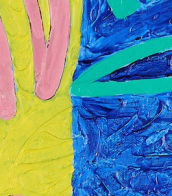


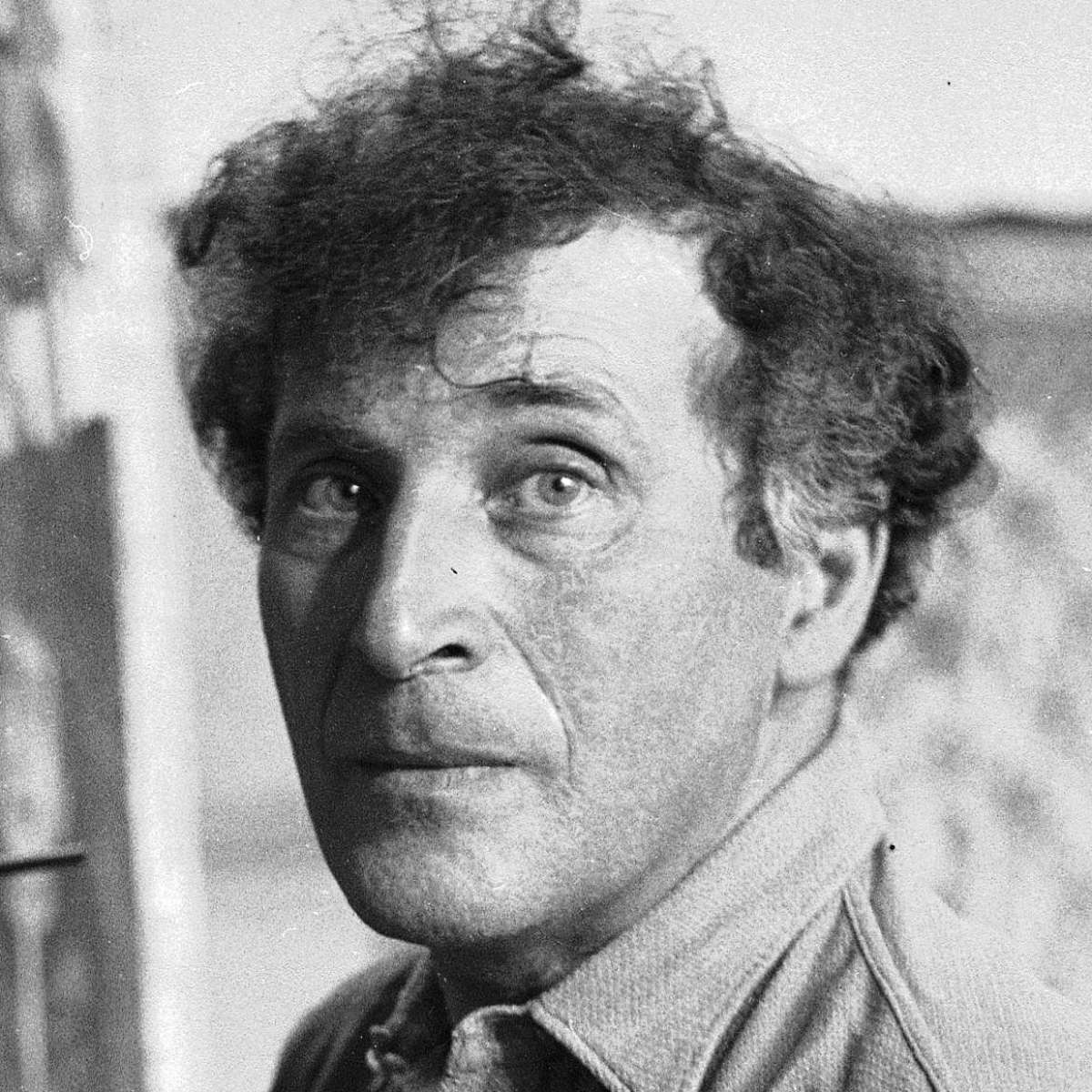
Marc Chagall (Russian: Марк Заха́рович Шага́л), born Moishe Shagal in 1887 near Vitebsk, Belarus (then part of the Russian Empire), was a Belarusian and French artist celebrated for his pivotal role in the avant-garde movement and his unique integration of Eastern European Jewish culture into modern art. His contributions spanned several artistic formats including painting, stained glass, stage sets, ceramics, tapestries, and fine art prints. Chagall's early modernist tendencies were enriched by his experiences across Saint Petersburg, Paris, and Berlin before World War I, leading to a distinctive style that melded Cubism, Symbolism, and Fauvism with his Jewish heritage.
Chagall's work is recognized for its emotional depth, often exploring themes of love, memory, and Jewish folklore through vibrant colors and dreamlike imagery. Notably, art critic Robert Hughes described him as "the quintessential Jewish artist of the twentieth century," a sentiment echoed by art historian Michael J. Lewis who regarded Chagall as a significant figure within European modernism and as the world's preeminent Jewish artist of his time.
Among Chagall's famed contributions are his stained-glass windows for the cathedrals of Reims and Metz, the UN, and the Jerusalem Windows in Israel. His monumental paintings include parts of the ceiling of the Paris Opéra and works that explore biblical themes, a hallmark of his oeuvre that underscores his enduring engagement with spiritual and religious motifs.
For art collectors and antiques experts, Chagall's works are notable not only for their artistic innovation but also for their rich cultural and historical significance. His art is housed in many prestigious museums worldwide, including the Marc Chagall National Museum in Nice, France, which focuses on his works inspired by religion and houses the series of paintings illustrating the biblical message.
For those interested in exploring Chagall's legacy and the vibrant intersection of culture, art, and history his work represents, signing up for updates on new product sales and auction events related to Marc Chagall can provide invaluable insights and opportunities. This is an invitation to engage more deeply with the world of art and culture that Chagall so uniquely encapsulated in his work.


.jpg)
Ernst Heinrich Barlach was a German expressionist sculptor, medallist, printmaker and writer. Although he was a supporter of the war in the years leading to World War I, his participation in the war made him change his position, and he is mostly known for his sculptures protesting against the war. This created many conflicts during the rise of the Nazi Party, when most of his works were confiscated as degenerate art. Stylistically, his literary and artistic work would fall between the categories of twentieth-century Realism and Expressionism.


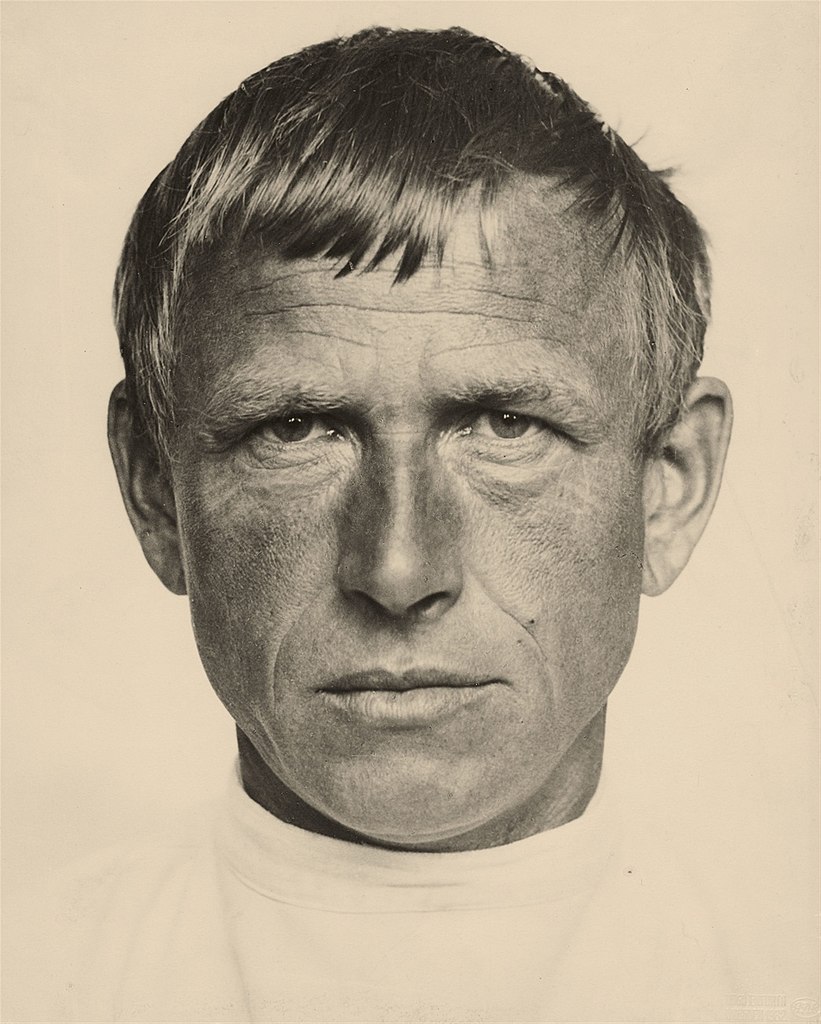
Wilhelm Heinrich Otto Dix was a German artist whose work stands as a stark, unyielding reflection of the societal tumult and trauma of the early 20th century. Born in 1891 in Untermhaus, Germany, Dix's early life was steeped in the arts, his ambition to become an artist nurtured by both familial influence and formal education in Dresden. His experiences as a soldier in World War I deeply influenced his artistic direction, leading him to vividly depict the horrors of war and the decay of the Weimar Republic with a brutal realism that became his signature style.
Dix's association with the Dada movement and the New Objectivity (Neue Sachlichkeit) further honed his critical, often cynical portrayal of post-war society. His works, such as "The Trench" and "War Cripples," expose the visceral aftermath of conflict, while his engagement with the Dadaists imbued his art with a disruptive, confrontational energy against societal norms and the art establishment.
Perhaps most notable is Dix's ability to capture the psychological depth and societal critiques through his portraits and landscapes, which ranged from the grotesque to the surreal. Paintings like "Portrait of the Journalist Sylvia von Harden" and the triptychs "Metropolis" and "War" are emblematic of his keen observation and stark depiction of the era's social and political unrest.
Despite facing significant adversity, including being labeled a degenerate artist by the Nazi regime and facing professional and personal setbacks, Dix's legacy as a painter and printmaker endures. His works are not only historical documents but also profound reflections on humanity, war, and society, resonating with collectors and art experts alike.
For enthusiasts of culture, art, and history, Dix's oeuvre offers an unflinching look into the human condition under the strain of societal and political upheaval. His contributions to painting and printmaking continue to be celebrated in museums and galleries worldwide, underscoring the enduring relevance of his work.
For those interested in exploring the profound depth and historical significance of Otto Dix's work, signing up for updates on new product sales and auction events related to his art can provide invaluable insights. This subscription is a gateway to staying informed about opportunities to engage with the tangible pieces of Dix's enduring legacy.