ergü








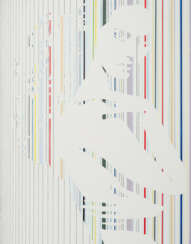

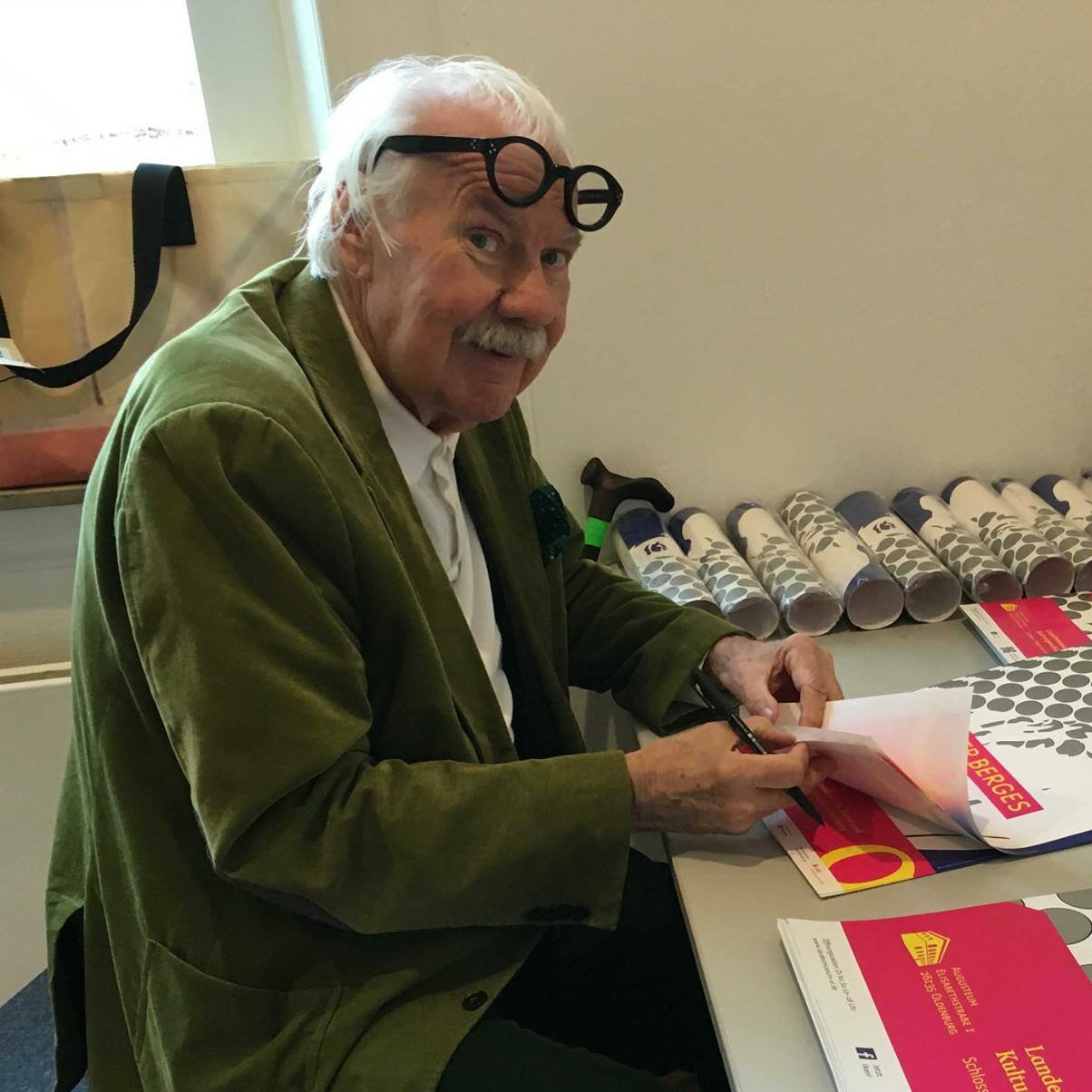
Werner Berges is a contemporary German artist and graphic artist, a representative of Pop Art.
Typical of him are bright colours and sharp outlines, the use of spot painting and the strips that give his works the character of reproductions. The heroes of his paintings are pop and film stars, advertising types of women and photo-models, whose erotic poses and captivating glances Werner Berges emphasizes with a powerful combination of colours, points, stripes and collage. At the core of his drawing is a "graphic framework" that exists independently of the overlay of colours on the canvas. The artist tries to show himself to be completely independent and impartial about what he has created and only signs his work on the back of the canvas.
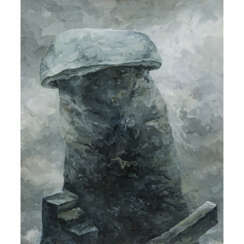

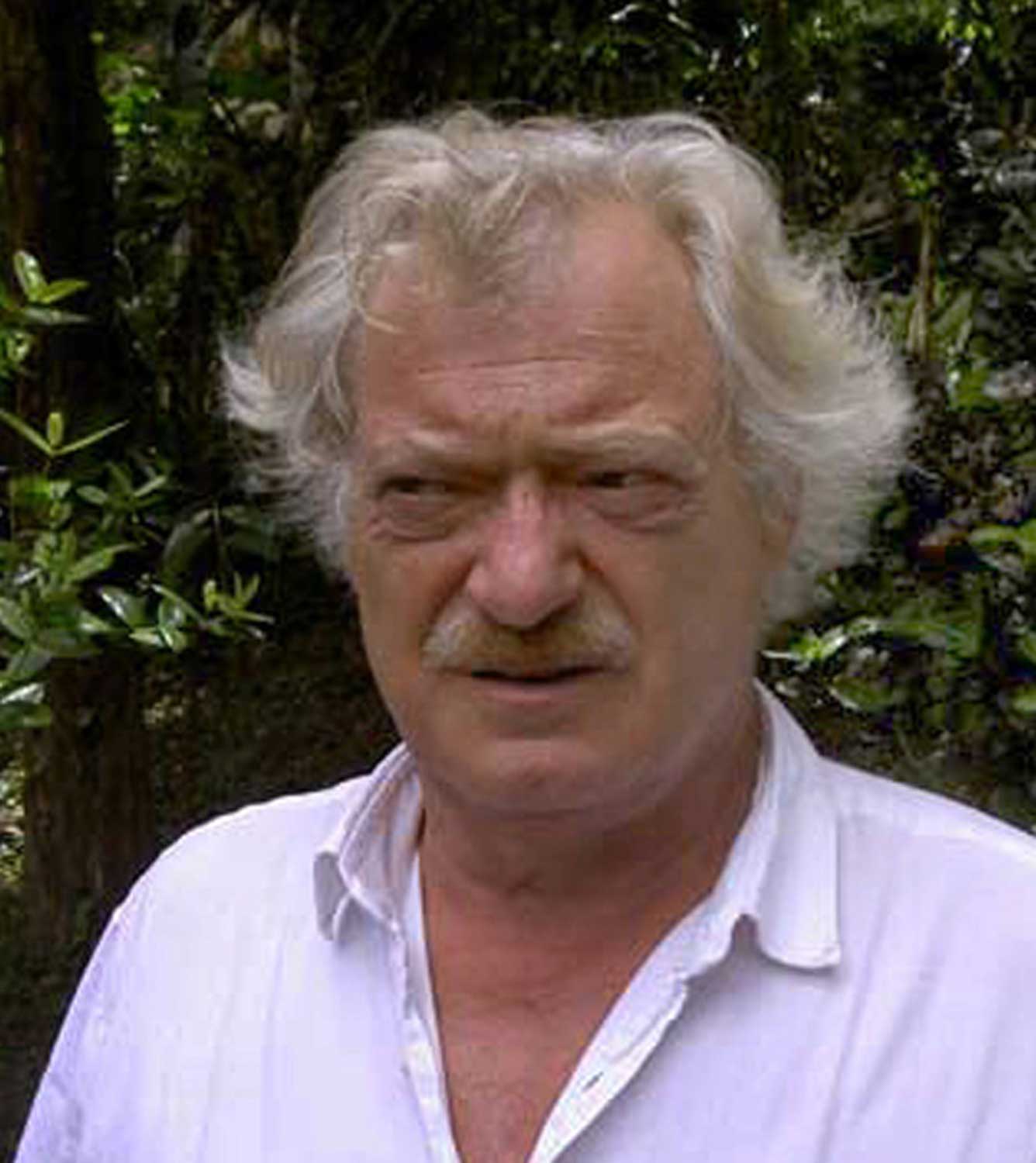
Lambert Maria Wintersberger was a German artist.
With other artists such as Markus Lüpertz, Karl Horst Hödicke, and Bernd Koberling, he helped found the Gallery "Großgörschen 35" in Berlin.
Lambert Maria Wintersberger was the laureate of the Centre Européen d'Actions Artistique Contemporaines in Strasbourg in 1992, and in 2005 and 2006, he was the guest artist at the Majolika Ceramic Factory in Karlsruhe.










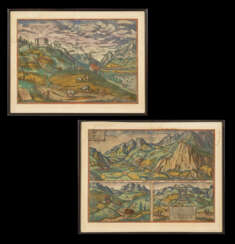

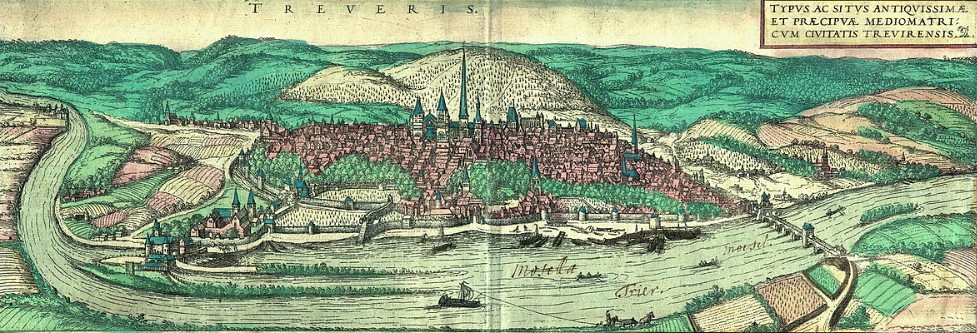
Frans Hogenberg was a Flemish and German painter, engraver, and mapmaker. He is known for portraits and topographical views as well as historical allegories. He also produced scenes of contemporary historical events. Hogenberg was the author of graphic works, engravings of city views and maps of the first four volumes of the six-volume atlas Theatrum Orbis Terrarum (Description and drawings of the most famous cities in the world), published in 1570 by the Flemish geographer Abraham Ortelius. Hogenberg's engravings are an invaluable source of information about urban development in medieval Europe.
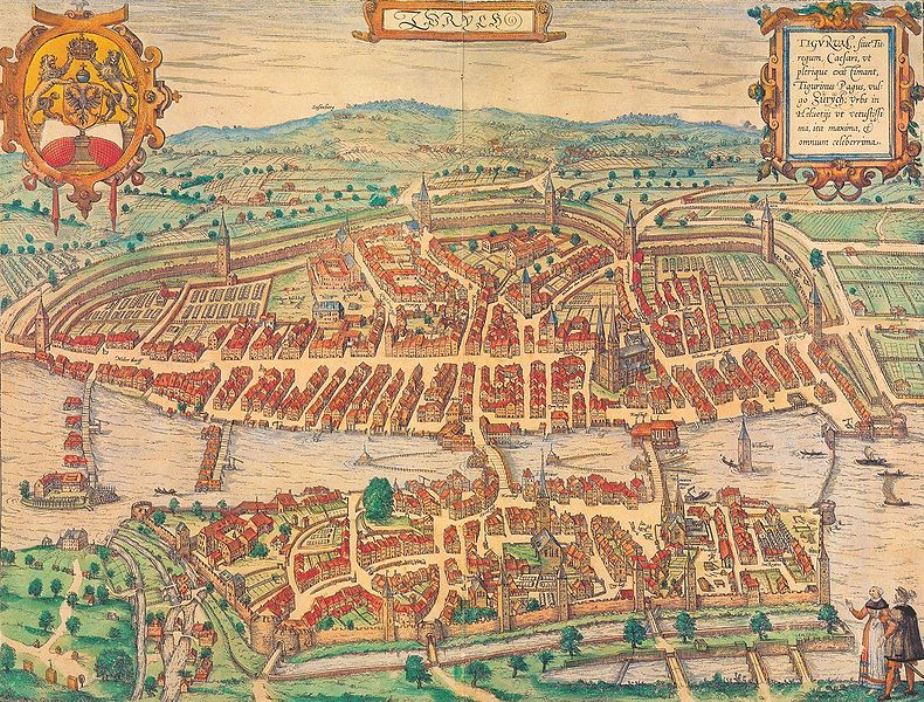
Georg Braun was a German topographical geographer, cartographer and publisher.
Braun was the editor-in-chief of the Civitates orbis terrarum, a groundbreaking atlas of cities, one of the major cartographic achievements of the 16th century. It was the first comprehensive and detailed atlas, with plans of the world's famous cities and bird's-eye views, and became one of the best-selling works of the time.
The book was prepared by Georg Braun in collaboration with the Flemish engraver and cartographer Frans Hoogenberg. Braun, as editor-in-chief, acquired tables, hired artists, and wrote the texts. They drew on existing maps as well as maps based on drawings by the Antwerp artist Joris Hofnagel and his son Jacob. Other authors include Pieter Bruegel the Elder (c. 1525-1569), Jacob van Deventer (c. 1505-1575), and more than a hundred other artists and engravers.


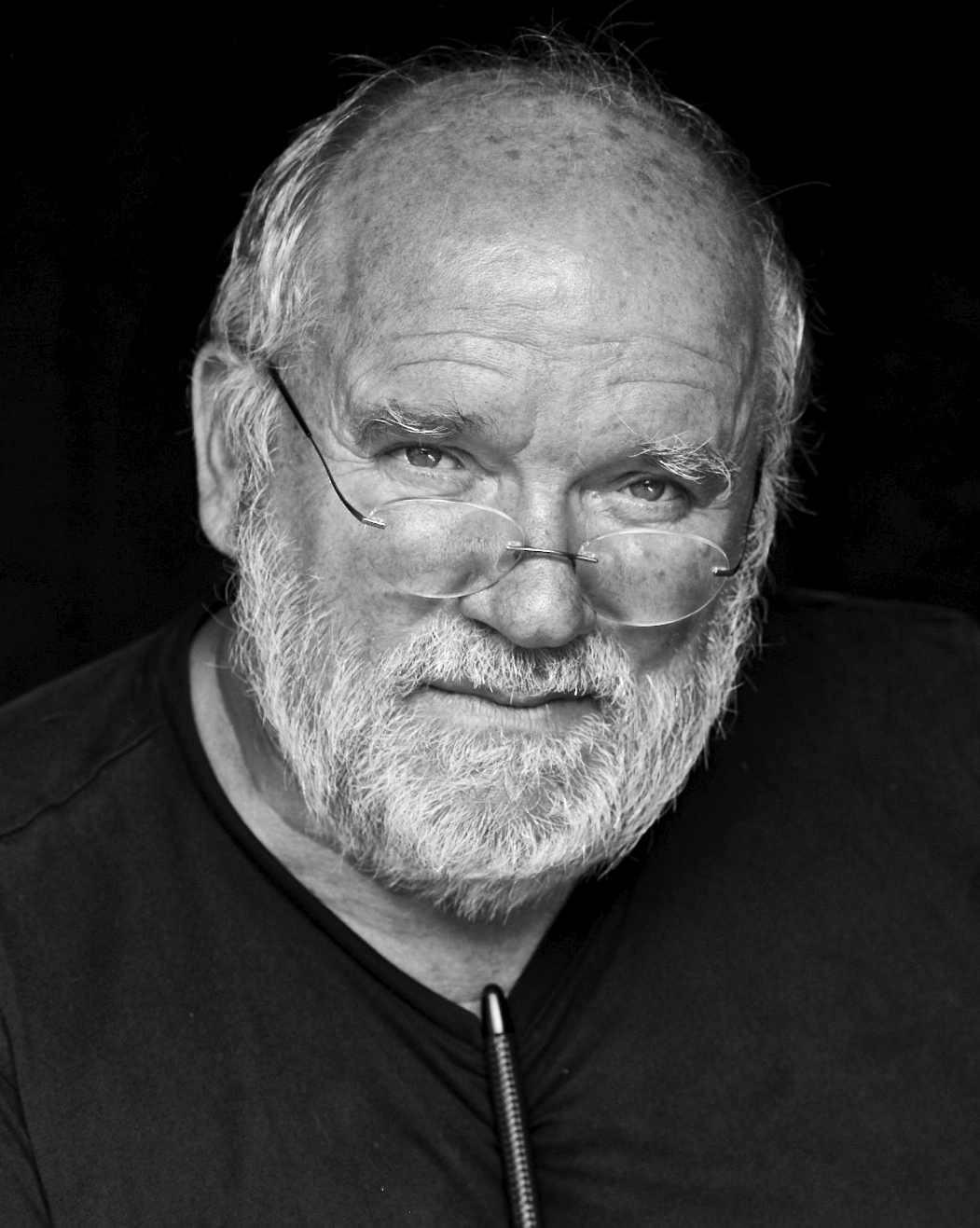
Peter Lindbergh (born Peter Brodbeck) was a German fashion photographer and film director.
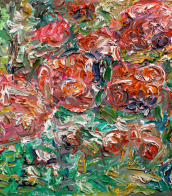








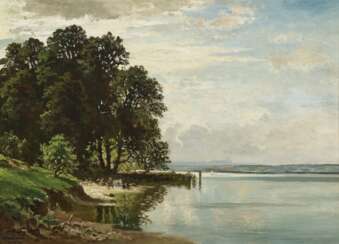

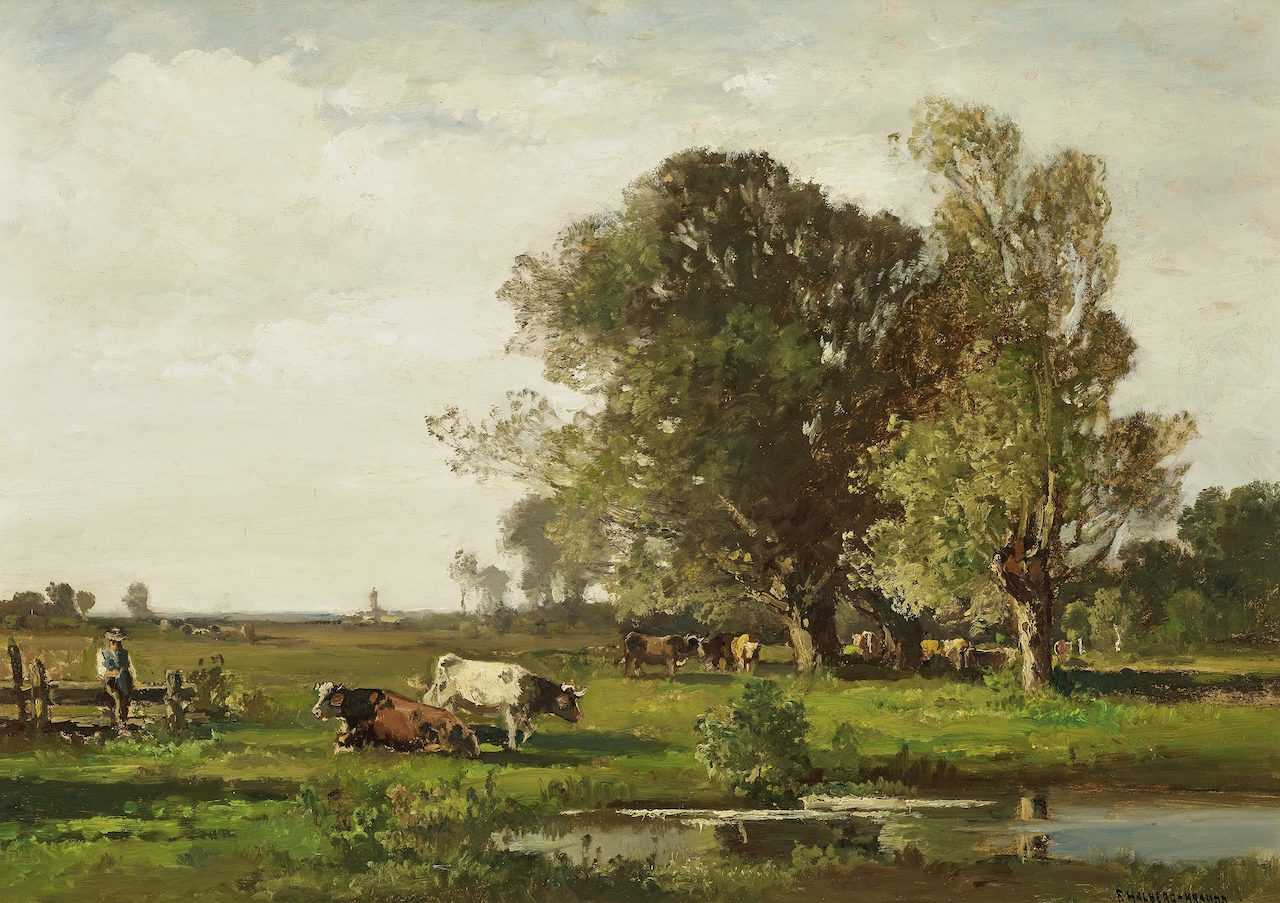
Fritz Halberg-Krauss was a German Impressionist landscape painter and an important representative of the Munich School.