eugen grasse


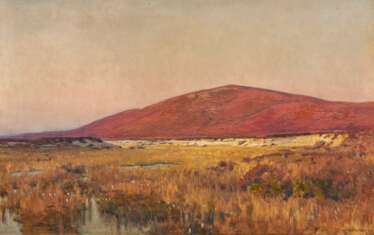

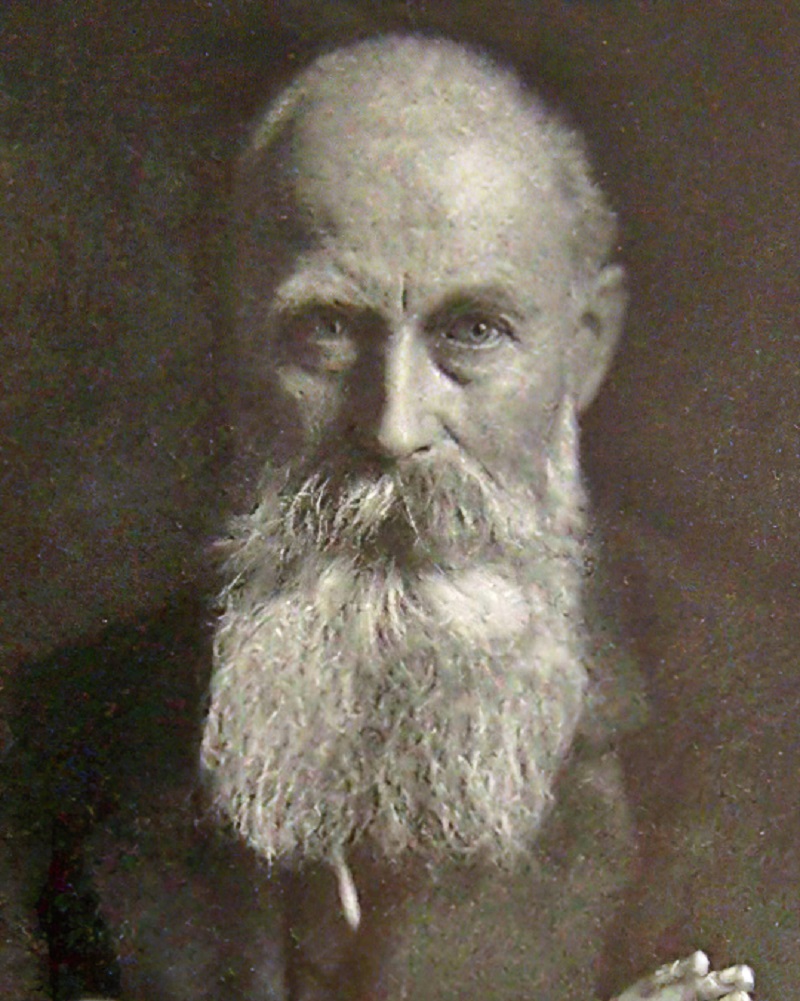
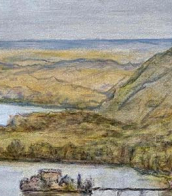
Eugen Felix Prosper Bracht was a German landscape painter.
A late Romanticist painter, Bracht was known for his moody landscapes and coastal scenes in North Germany, and began a sketching trip through Syria, Palestine and Egypt from 1880 to 1881. In 1882, he became a Professor of Landscape Painting at the Prussian Academy of Arts.
Later, Bracht became a representative of German Impressionism.
In 1901, he obtained a teaching position at the Dresden Academy of Fine Arts that he held until 1919.
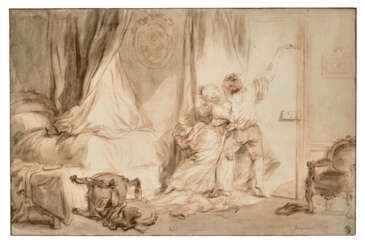

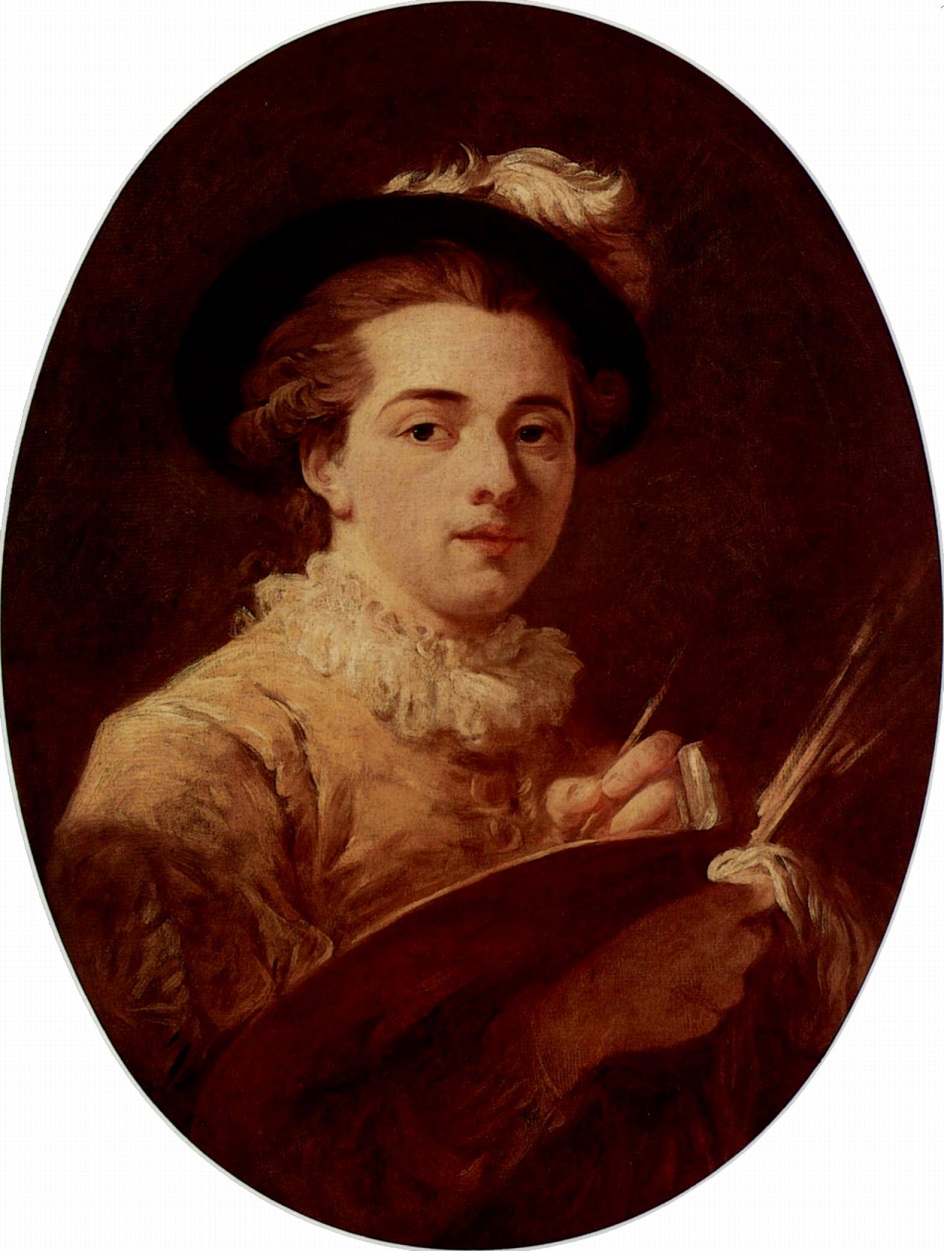
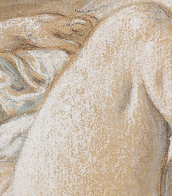
Jean-Honoré Fragonard, a prominent French Rococo painter, left an indelible mark on the art world with his vivacious and hedonistic approach to painting. Born in Grasse, France, in 1732, Fragonard's journey into the art world was marked by his early apprenticeship under François Boucher, whose influence is evident in the young artist's work. Fragonard's talent and skill were recognized early on when he won the prestigious Prix de Rome in 1752, which allowed him to study at the French Academy in Rome.
Jean-Honoré Fragonard's work is characterized by a remarkable facility, exuberance, and a penchant for themes of love and voluptuousness that resonated with the opulent and pleasure-seeking milieu of Louis XV's court. His paintings, such as "The Swing" (Wallace Collection), "Blind Man's Bluff," and "The Bolt," are celebrated for their tender beauty, vibrant color, and the virtuosity of his brushwork. These works encapsulate the essence of Rococo art with their playful themes, intricate compositions, and luminous palette.
Despite the initial success and the king's patronage, which saw his piece "Coresus et Callirhoe" being bought and reproduced at the Gobelins factory, Jean-Honoré Fragonard's career took a turn as the French Revolution upended the social order and the artist's private patrons were guillotined or exiled. This period forced Fragonard to leave Paris, seeking refuge in Grasse. He returned to the capital in the early 19th century, where he died in 1806, almost forgotten. It wasn't until the late 19th and early 20th centuries that Fragonard's work was re-evaluated, cementing his position among the masters of French painting. His influence on the Impressionists, particularly Renoir and his grandniece Berthe Morisot, is undeniable, showcasing his lasting impact on the trajectory of art history.
For collectors and experts in art and antiques, Jean-Honoré Fragonard's oeuvre represents the pinnacle of Rococo art, offering a glimpse into the opulent and sensuous world of 18th-century France. His paintings are not just artistic achievements but are also historical documents that reflect the cultural and social dynamics of his time.
To stay updated on new discoveries, sales, and auction events related to Jean-Honoré Fragonard's works, signing up for updates is recommended. This ensures that enthusiasts and collectors are promptly informed about opportunities to enrich their collections with the exquisite beauty of Fragonard's art.



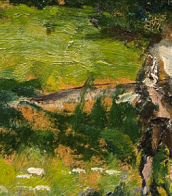


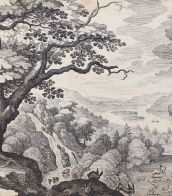


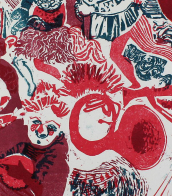








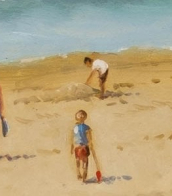

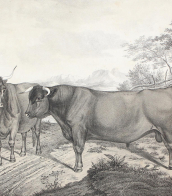
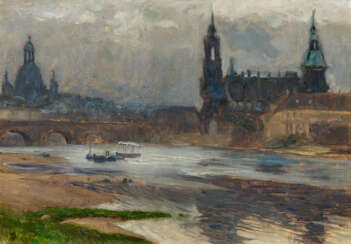

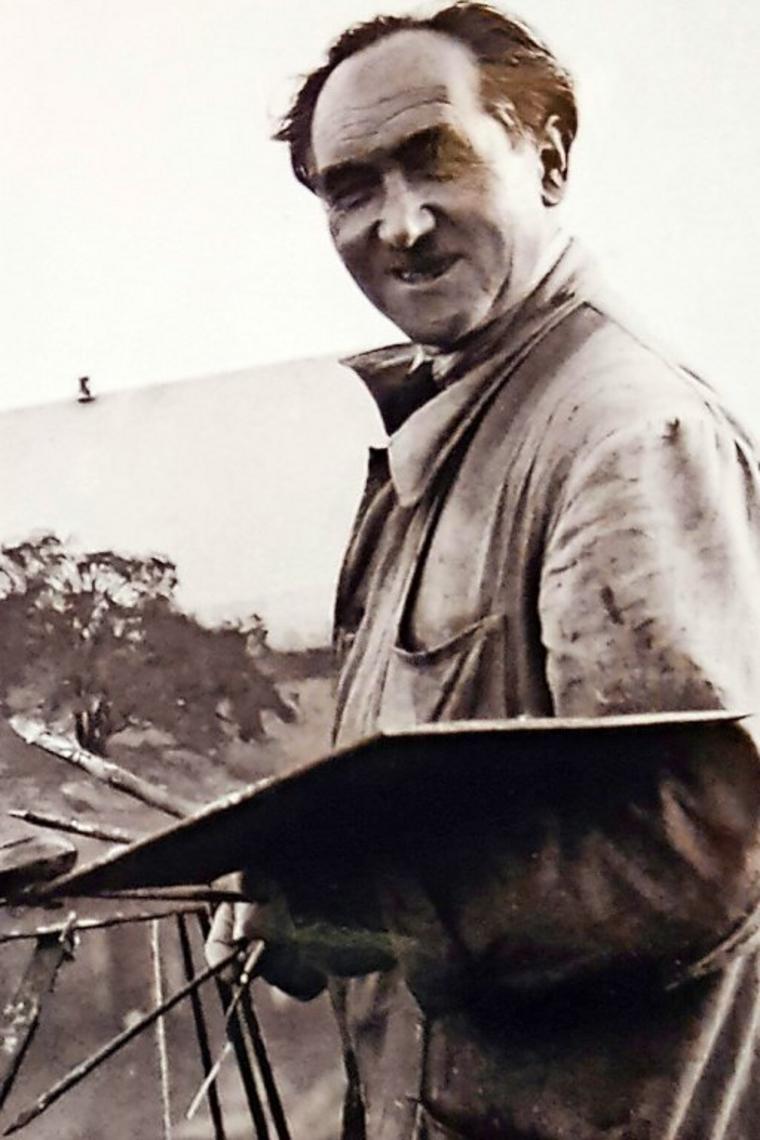
Otto Altenkirch was a German impressionist painter and stage designer. He studied at the Berlin University of the Arts and the Dresden Academy of Fine Arts.
Otto Altenkirch was one of the founders of the Künstlervereinigung Dresden, one of the artists who worked at the Dresden Museum and the Opera House.
For two decades one of his favourite subjects was the linden alley in Rheinsberg. In 1941 and 1943 his works were exhibited in the Große Deutsche Kunstausstellung (exhibition of Nazi-approved art in Munich).
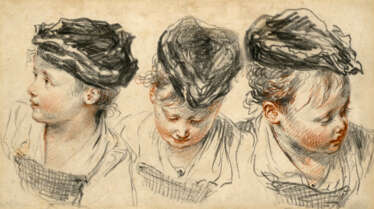

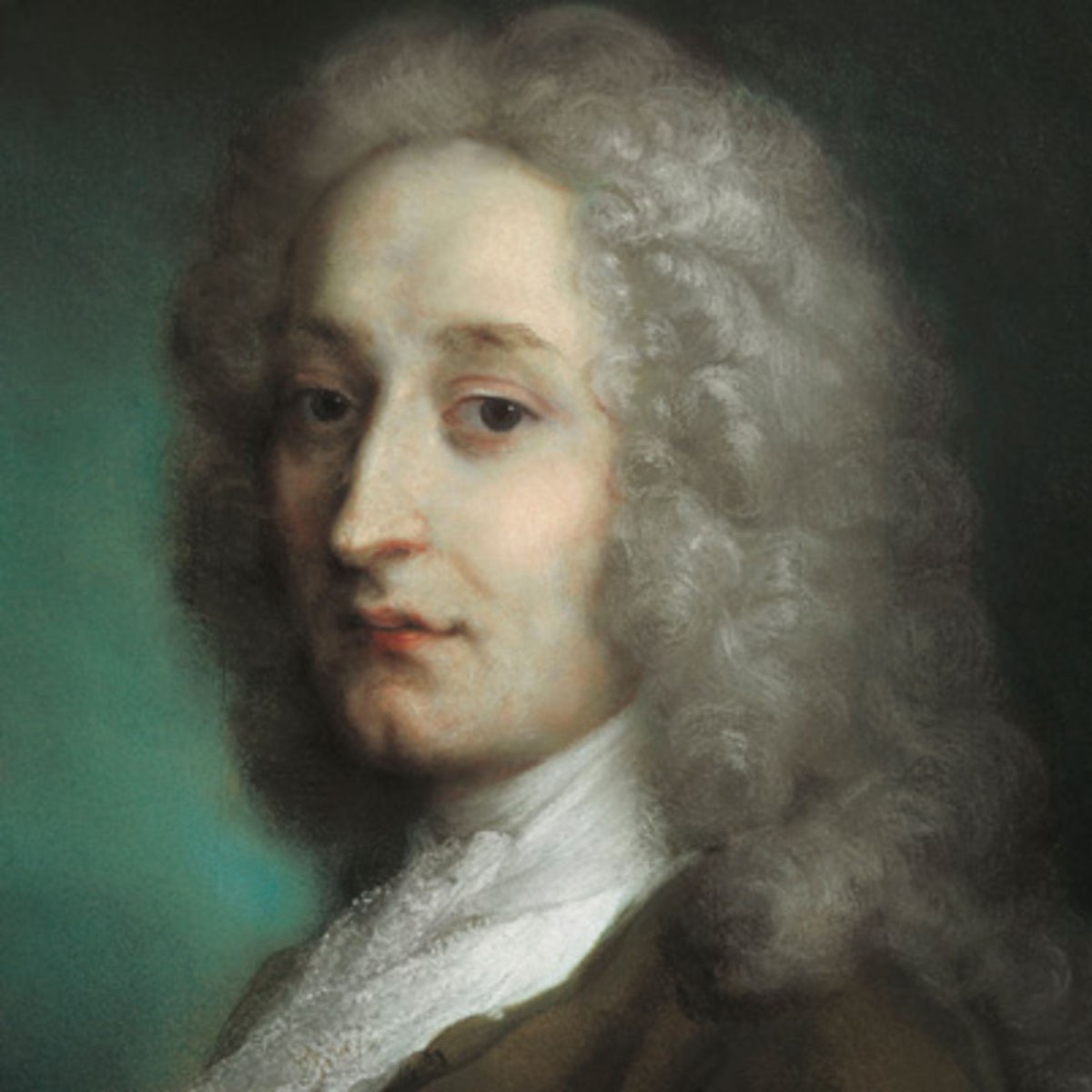
Jean-Antoine Watteau was a French painter and draughtsman whose brief career spurred the revival of interest in colour and movement, as seen in the tradition of Correggio and Rubens. He revitalized the waning Baroque style, shifting it to the less severe, more naturalistic, less formally classical, Rococo. Watteau is credited with inventing the genre of fêtes galantes, scenes of bucolic and idyllic charm, suffused with a theatrical air. Some of his best known subjects were drawn from the world of Italian comedy and ballet.










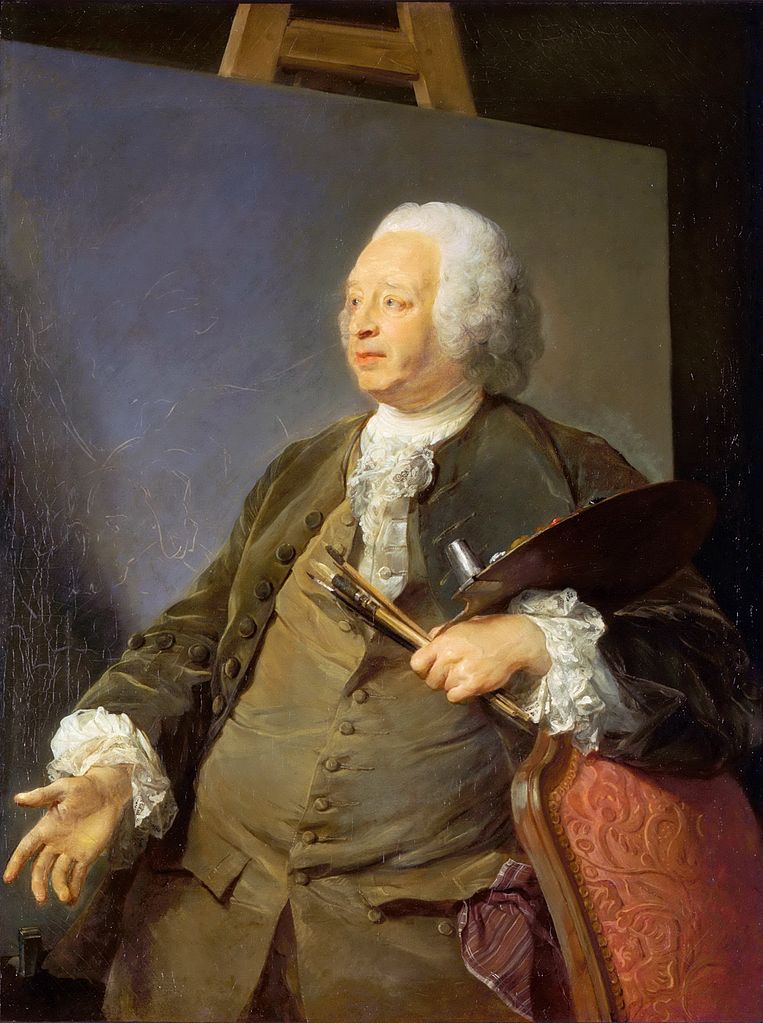
Jean-Baptiste Oudry was a French Rococo painter, engraver, and tapestry designer. He is particularly well known for his naturalistic pictures of animals and his hunt pieces depicting game. His son, Jacques-Charles Oudry, was also a painter.