evil


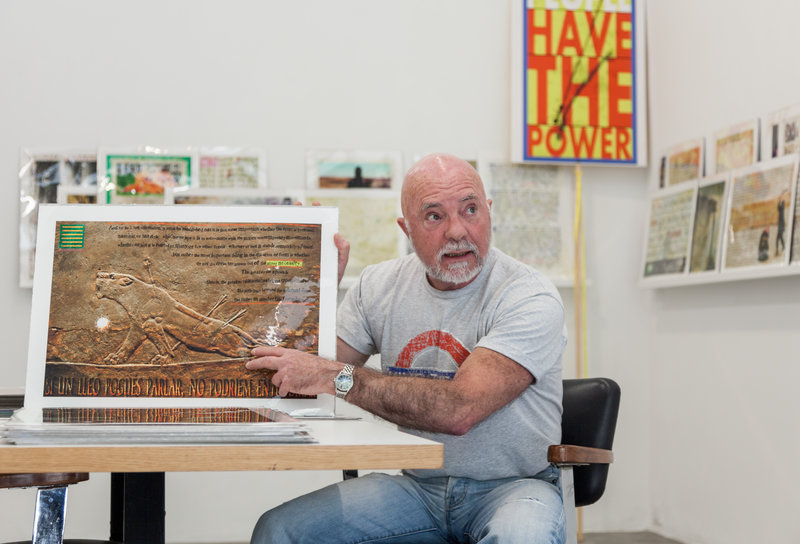
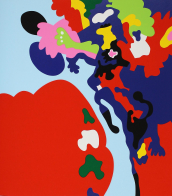
Ferrán Garcia Sevilla is a conceptual artist and one of Spain's most important representatives of the arts.
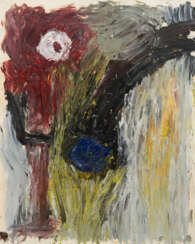

Ferrán Garcia Sevilla is a conceptual artist and one of Spain's most important representatives of the arts.
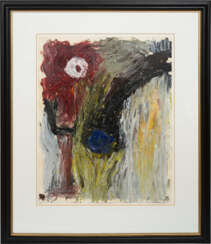

Ferrán Garcia Sevilla is a conceptual artist and one of Spain's most important representatives of the arts.

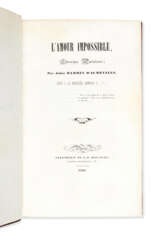

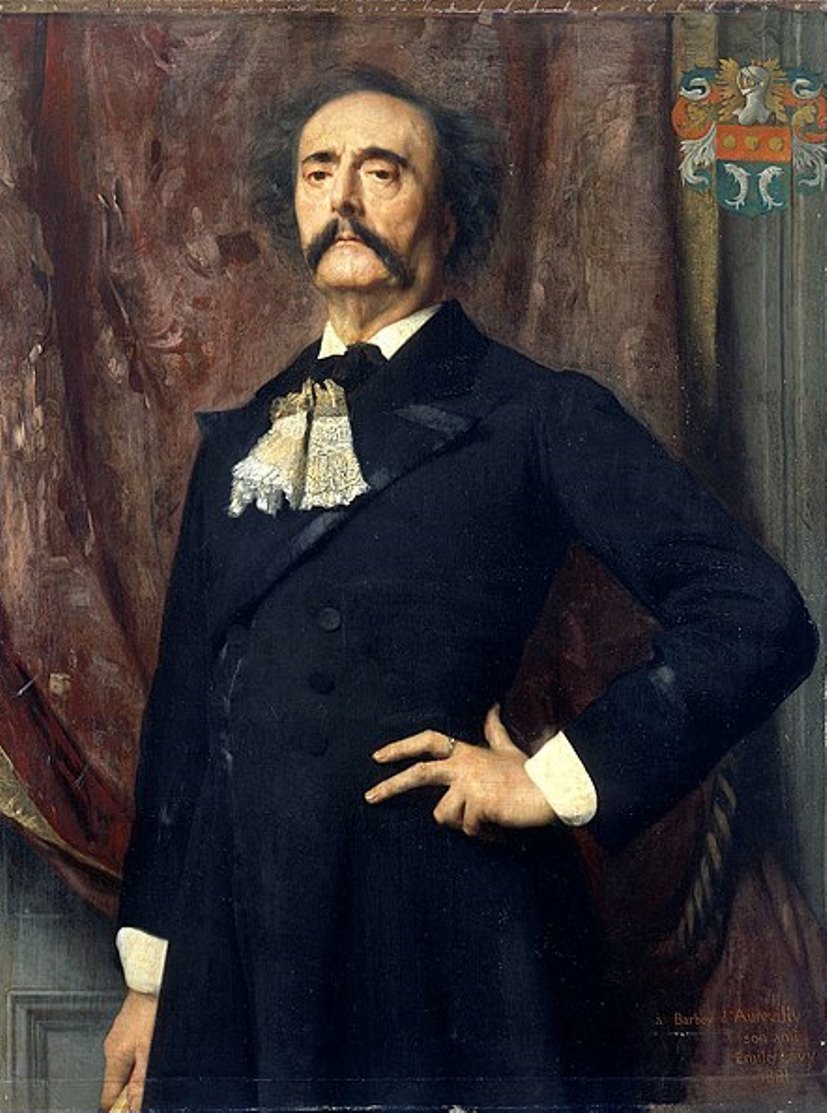
Jules Barbey d'Aurevilly, born Jules Amédée Barbey d'Aurevilly, was a French writer, critic and essayist.
After studying law at the University of Caen, d'Aurevilly gained popularity in 1852 as a literary critic for the Bonapartist newspaper Le Pays, which was influential among the decadents of the late 19th century.
In literature, d'Aurevillys specialized in tales of macabre mysteries that explored ulterior motives and hints of evil, but without the supernatural. He was a decisive influence on writers such as Auguste Villiers de l'Isle-Adam, Henry James, and Marcel Proust.
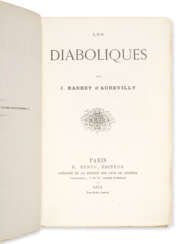

Jules Barbey d'Aurevilly, born Jules Amédée Barbey d'Aurevilly, was a French writer, critic and essayist.
After studying law at the University of Caen, d'Aurevilly gained popularity in 1852 as a literary critic for the Bonapartist newspaper Le Pays, which was influential among the decadents of the late 19th century.
In literature, d'Aurevillys specialized in tales of macabre mysteries that explored ulterior motives and hints of evil, but without the supernatural. He was a decisive influence on writers such as Auguste Villiers de l'Isle-Adam, Henry James, and Marcel Proust.


Jules Barbey d'Aurevilly, born Jules Amédée Barbey d'Aurevilly, was a French writer, critic and essayist.
After studying law at the University of Caen, d'Aurevilly gained popularity in 1852 as a literary critic for the Bonapartist newspaper Le Pays, which was influential among the decadents of the late 19th century.
In literature, d'Aurevillys specialized in tales of macabre mysteries that explored ulterior motives and hints of evil, but without the supernatural. He was a decisive influence on writers such as Auguste Villiers de l'Isle-Adam, Henry James, and Marcel Proust.


Jules Barbey d'Aurevilly, born Jules Amédée Barbey d'Aurevilly, was a French writer, critic and essayist.
After studying law at the University of Caen, d'Aurevilly gained popularity in 1852 as a literary critic for the Bonapartist newspaper Le Pays, which was influential among the decadents of the late 19th century.
In literature, d'Aurevillys specialized in tales of macabre mysteries that explored ulterior motives and hints of evil, but without the supernatural. He was a decisive influence on writers such as Auguste Villiers de l'Isle-Adam, Henry James, and Marcel Proust.
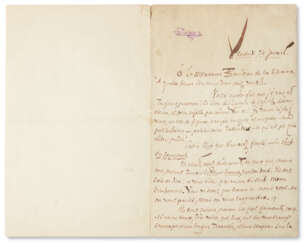

Jules Barbey d'Aurevilly, born Jules Amédée Barbey d'Aurevilly, was a French writer, critic and essayist.
After studying law at the University of Caen, d'Aurevilly gained popularity in 1852 as a literary critic for the Bonapartist newspaper Le Pays, which was influential among the decadents of the late 19th century.
In literature, d'Aurevillys specialized in tales of macabre mysteries that explored ulterior motives and hints of evil, but without the supernatural. He was a decisive influence on writers such as Auguste Villiers de l'Isle-Adam, Henry James, and Marcel Proust.


Jules Barbey d'Aurevilly, born Jules Amédée Barbey d'Aurevilly, was a French writer, critic and essayist.
After studying law at the University of Caen, d'Aurevilly gained popularity in 1852 as a literary critic for the Bonapartist newspaper Le Pays, which was influential among the decadents of the late 19th century.
In literature, d'Aurevillys specialized in tales of macabre mysteries that explored ulterior motives and hints of evil, but without the supernatural. He was a decisive influence on writers such as Auguste Villiers de l'Isle-Adam, Henry James, and Marcel Proust.












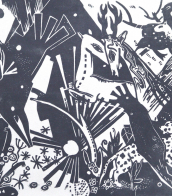



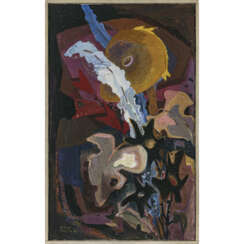

Willi Geiger was a German artist of the twentieth century. He is known as a painter, graphic artist, illustrator, exlibrist and teacher, a representative of Expressionism.
From the beginning of his career, Geiger created illustrations for the works of famous authors. In later years he became interested in portrait painting, painting copies of works by Spanish masters, especially El Greco, Velázquez and Goya. Geiger was one of the first modern graphic designers. His son Ruprecht Geiger also became a renowned painter and sculptor.



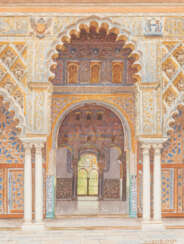

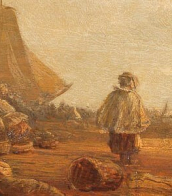




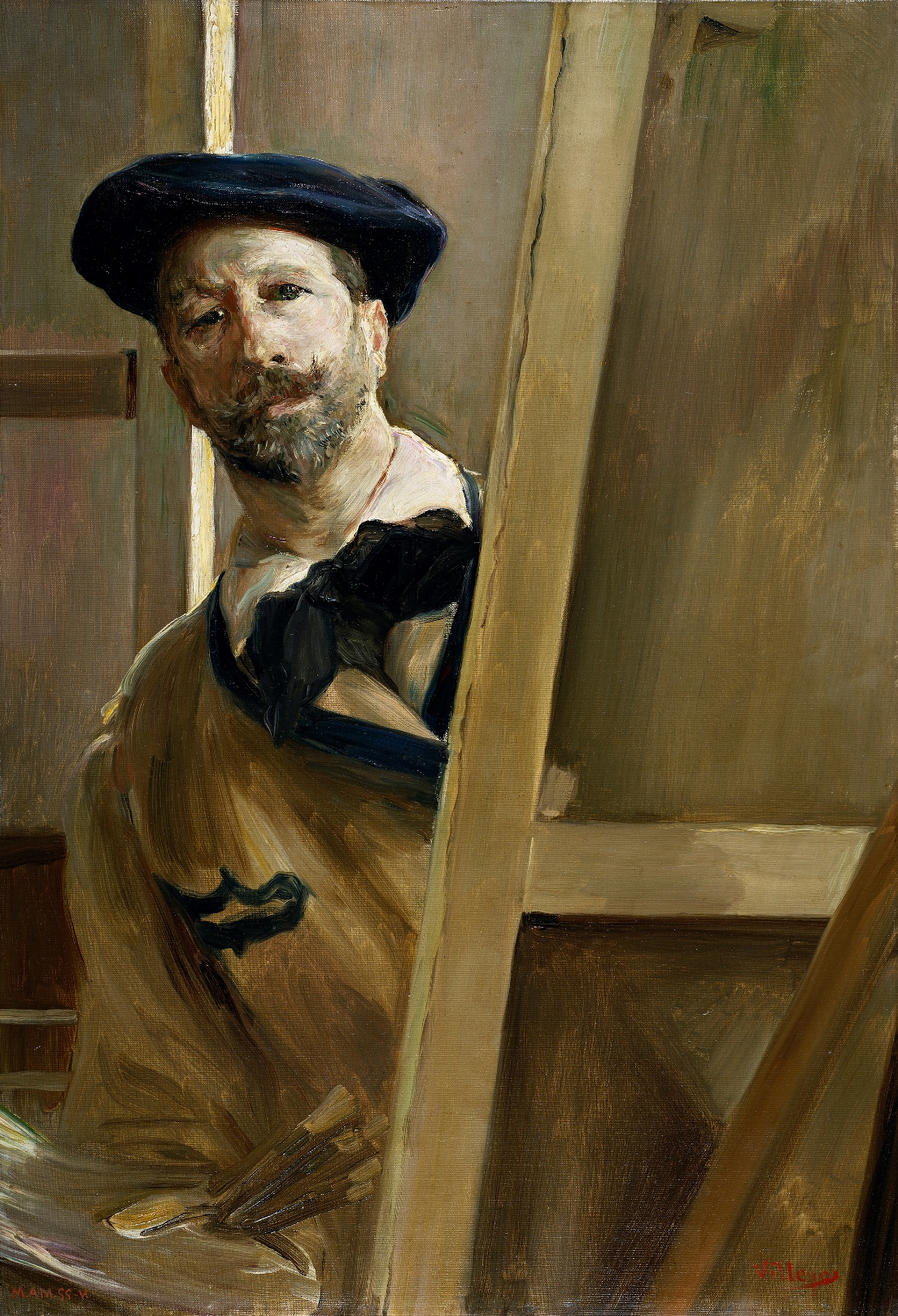
José Villegas Cordero was a Spanish painter, master of costume and genre scenes, who directed the Prado Museum from 1901 to 1918.
He studied at the School of Fine Arts in Seville and became known as a talented genre painter, noting interesting domestic scenes and accurately portraying the characters. Domestic painting at that time was very popular with the public. The artist also deals with the themes of the East, with great skill drawing pictures from sketches he made on a trip to Morocco.
In 1898 Villegas Cordero was appointed director of the Spanish Academy in Rome, and in 1901 he was appointed director of the Museo del Prado, the same museum that had once copied Velázquez's paintings himself while studying his art.