evolution medicine

![[GALILEO GALILEI (1564-1642) and Girolamo SPINELLI (c.1580-1647)]](/assets/image/picture_4734998/a317b/b78ba02793ea9f7c89bc2421c803edfc1752012000jpg__fix_374_244.jpeg)
![[GALILEO GALILEI (1564-1642) and Girolamo SPINELLI (c.1580-1647)]](https://veryimportantlot.com/assets/image/picture_4734998/a317b/b78ba02793ea9f7c89bc2421c803edfc1752012000jpg__fix_374_244.jpeg)
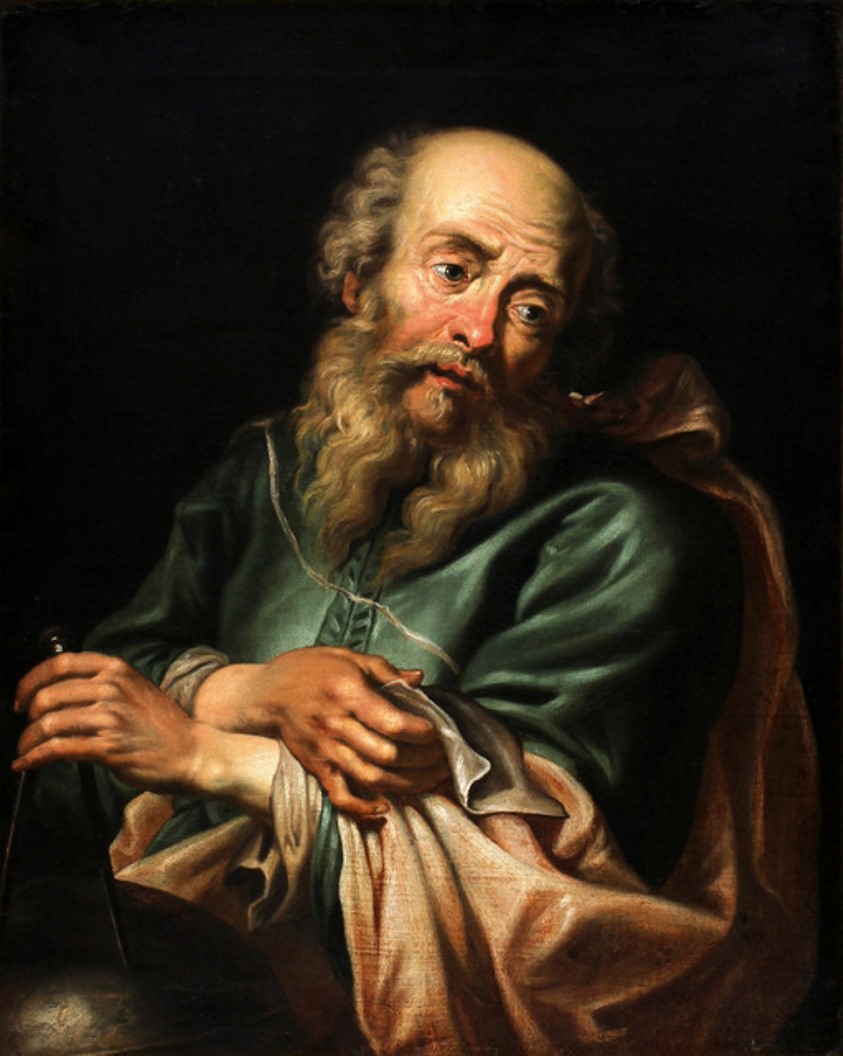
Galileo Galilei was an Italian naturalist, physicist, mechanic, astronomer, philosopher, and mathematician.
Using his own improved telescopes, Galileo Galilei observed the movements of the Moon, Earth's satellites, and the stars, making several breakthrough discoveries in astronomy. He was the first to see craters on the Moon, discovered sunspots and the rings of Saturn, and traced the phases of Venus. Galileo was a consistent and convinced supporter of the teachings of Copernicus and the heliocentric system of the world, for which he was subjected to the trial of the Inquisition.
Galileo is considered the founder of experimental and theoretical physics. He is also one of the founders of the principle of relativity in classical mechanics. Overall, the scientist had such a significant impact on the science of his time that he cannot be overemphasized.
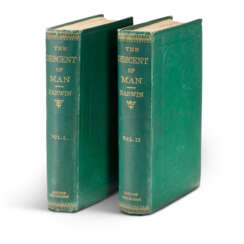

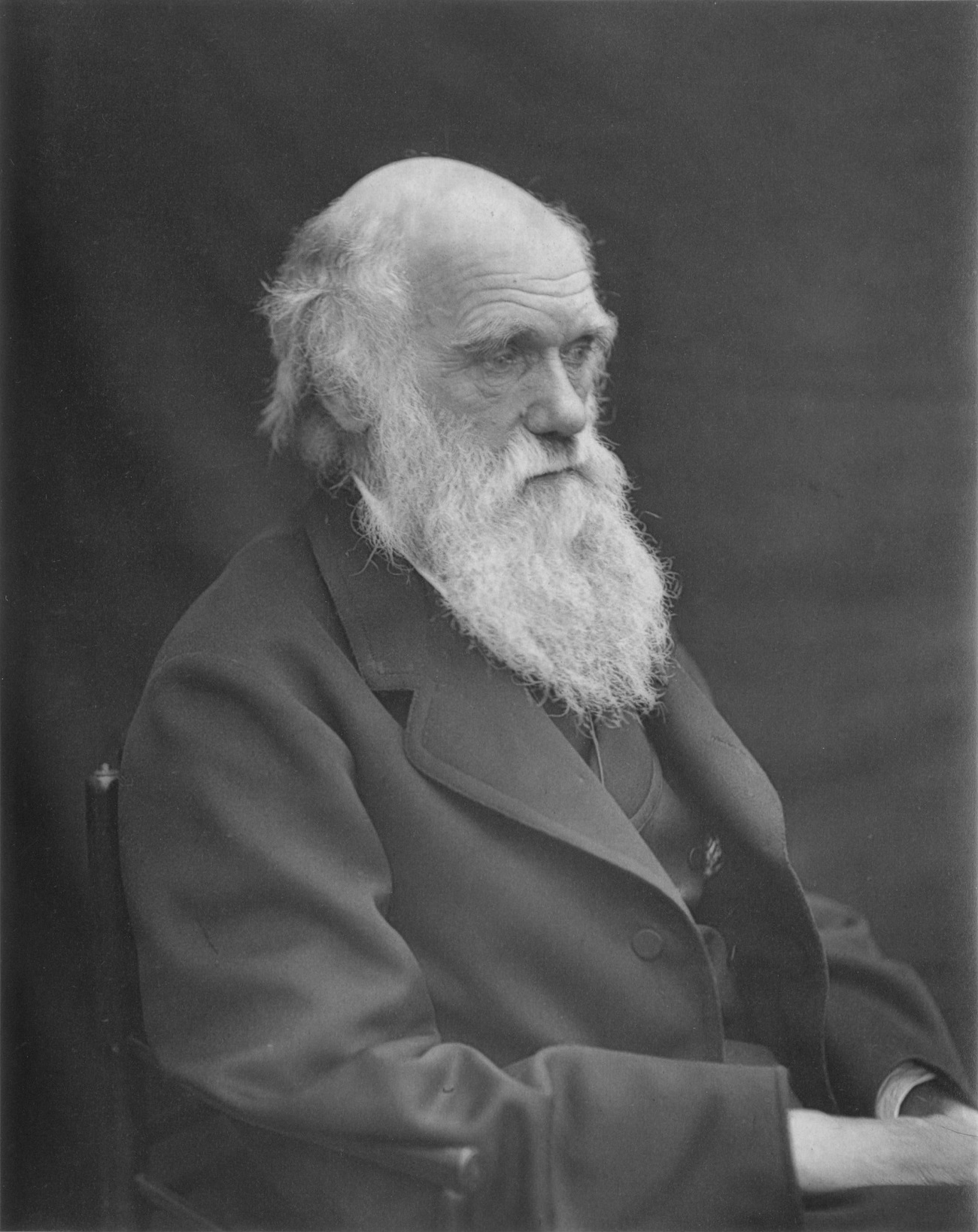
Charles Robert Darwin was an English naturalist, geologist, and biologist, widely known for contributing to the understanding of evolutionary biology. His proposition that all species of life have descended from a common ancestor is now generally accepted and considered a fundamental concept in science. In a joint publication with Alfred Russel Wallace, he introduced his scientific theory that this branching pattern of evolution resulted from a process that he called natural selection, in which the struggle for existence has a similar effect to the artificial selection involved in selective breeding. Darwin has been described as one of the most influential figures in human history, and he was honoured by burial in Westminster Abbey.
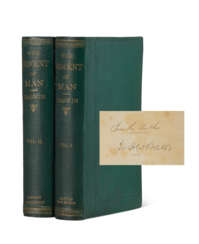

Charles Robert Darwin was an English naturalist, geologist, and biologist, widely known for contributing to the understanding of evolutionary biology. His proposition that all species of life have descended from a common ancestor is now generally accepted and considered a fundamental concept in science. In a joint publication with Alfred Russel Wallace, he introduced his scientific theory that this branching pattern of evolution resulted from a process that he called natural selection, in which the struggle for existence has a similar effect to the artificial selection involved in selective breeding. Darwin has been described as one of the most influential figures in human history, and he was honoured by burial in Westminster Abbey.
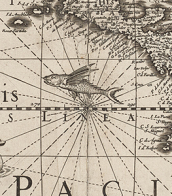
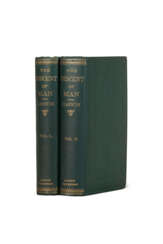

Charles Robert Darwin was an English naturalist, geologist, and biologist, widely known for contributing to the understanding of evolutionary biology. His proposition that all species of life have descended from a common ancestor is now generally accepted and considered a fundamental concept in science. In a joint publication with Alfred Russel Wallace, he introduced his scientific theory that this branching pattern of evolution resulted from a process that he called natural selection, in which the struggle for existence has a similar effect to the artificial selection involved in selective breeding. Darwin has been described as one of the most influential figures in human history, and he was honoured by burial in Westminster Abbey.
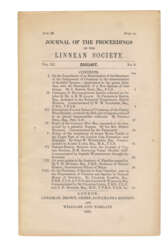

Charles Robert Darwin was an English naturalist, geologist, and biologist, widely known for contributing to the understanding of evolutionary biology. His proposition that all species of life have descended from a common ancestor is now generally accepted and considered a fundamental concept in science. In a joint publication with Alfred Russel Wallace, he introduced his scientific theory that this branching pattern of evolution resulted from a process that he called natural selection, in which the struggle for existence has a similar effect to the artificial selection involved in selective breeding. Darwin has been described as one of the most influential figures in human history, and he was honoured by burial in Westminster Abbey.
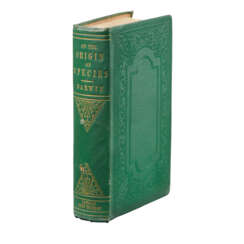

Charles Robert Darwin was an English naturalist, geologist, and biologist, widely known for contributing to the understanding of evolutionary biology. His proposition that all species of life have descended from a common ancestor is now generally accepted and considered a fundamental concept in science. In a joint publication with Alfred Russel Wallace, he introduced his scientific theory that this branching pattern of evolution resulted from a process that he called natural selection, in which the struggle for existence has a similar effect to the artificial selection involved in selective breeding. Darwin has been described as one of the most influential figures in human history, and he was honoured by burial in Westminster Abbey.
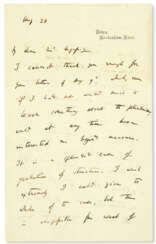

Charles Robert Darwin was an English naturalist, geologist, and biologist, widely known for contributing to the understanding of evolutionary biology. His proposition that all species of life have descended from a common ancestor is now generally accepted and considered a fundamental concept in science. In a joint publication with Alfred Russel Wallace, he introduced his scientific theory that this branching pattern of evolution resulted from a process that he called natural selection, in which the struggle for existence has a similar effect to the artificial selection involved in selective breeding. Darwin has been described as one of the most influential figures in human history, and he was honoured by burial in Westminster Abbey.


Charles Robert Darwin was an English naturalist, geologist, and biologist, widely known for contributing to the understanding of evolutionary biology. His proposition that all species of life have descended from a common ancestor is now generally accepted and considered a fundamental concept in science. In a joint publication with Alfred Russel Wallace, he introduced his scientific theory that this branching pattern of evolution resulted from a process that he called natural selection, in which the struggle for existence has a similar effect to the artificial selection involved in selective breeding. Darwin has been described as one of the most influential figures in human history, and he was honoured by burial in Westminster Abbey.

.jpeg)
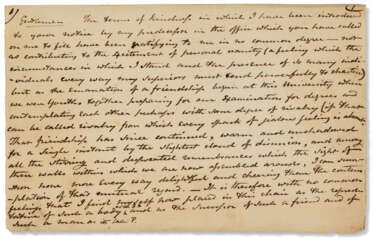
Sir John Frederick William Herschel, 1st Baronet was a British astronomer and son of the Uranus discoverer Wilhelm Herschel. He is credited with the first double star and nebula catalogues of the southern starry sky, which he observed during a five-year stay near Cape Town.




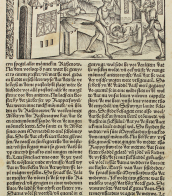
![[AURACH DE ARGENTINA, Georgius]](/assets/image/picture_2278759/9457c/9357016ab787366d84491e0387358db01657663200jpg__fix_374_244.jpeg)
![[AURACH DE ARGENTINA, Georgius]](https://veryimportantlot.com/assets/image/picture_2278759/9457c/9357016ab787366d84491e0387358db01657663200jpg__fix_374_244.jpeg)


Charles Robert Darwin was an English naturalist, geologist, and biologist, widely known for contributing to the understanding of evolutionary biology. His proposition that all species of life have descended from a common ancestor is now generally accepted and considered a fundamental concept in science. In a joint publication with Alfred Russel Wallace, he introduced his scientific theory that this branching pattern of evolution resulted from a process that he called natural selection, in which the struggle for existence has a similar effect to the artificial selection involved in selective breeding. Darwin has been described as one of the most influential figures in human history, and he was honoured by burial in Westminster Abbey.


Charles Robert Darwin was an English naturalist, geologist, and biologist, widely known for contributing to the understanding of evolutionary biology. His proposition that all species of life have descended from a common ancestor is now generally accepted and considered a fundamental concept in science. In a joint publication with Alfred Russel Wallace, he introduced his scientific theory that this branching pattern of evolution resulted from a process that he called natural selection, in which the struggle for existence has a similar effect to the artificial selection involved in selective breeding. Darwin has been described as one of the most influential figures in human history, and he was honoured by burial in Westminster Abbey.
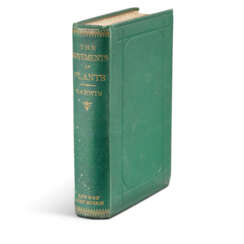

Charles Robert Darwin was an English naturalist, geologist, and biologist, widely known for contributing to the understanding of evolutionary biology. His proposition that all species of life have descended from a common ancestor is now generally accepted and considered a fundamental concept in science. In a joint publication with Alfred Russel Wallace, he introduced his scientific theory that this branching pattern of evolution resulted from a process that he called natural selection, in which the struggle for existence has a similar effect to the artificial selection involved in selective breeding. Darwin has been described as one of the most influential figures in human history, and he was honoured by burial in Westminster Abbey.
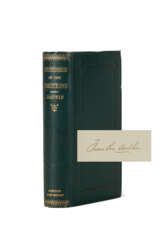

Charles Robert Darwin was an English naturalist, geologist, and biologist, widely known for contributing to the understanding of evolutionary biology. His proposition that all species of life have descended from a common ancestor is now generally accepted and considered a fundamental concept in science. In a joint publication with Alfred Russel Wallace, he introduced his scientific theory that this branching pattern of evolution resulted from a process that he called natural selection, in which the struggle for existence has a similar effect to the artificial selection involved in selective breeding. Darwin has been described as one of the most influential figures in human history, and he was honoured by burial in Westminster Abbey.


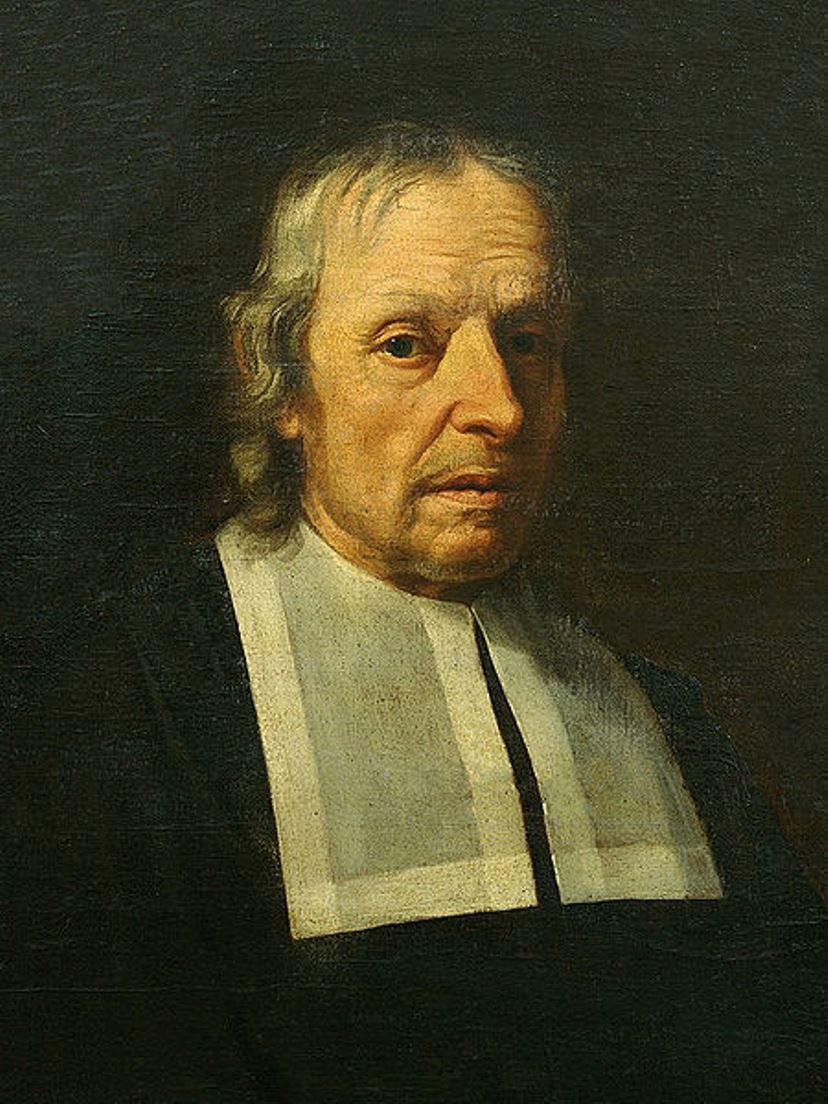
Marcello Malpighi was an Italian biologist, anatomist and physician, professor of logic, theoretical and practical medicine, and a member of the Royal Society of London.
After graduating from the University of Bologna with the degree of Doctor of Medicine and Philosophy, Malpighi soon took up a professorship there, then taught at the universities of Pisa and Messina. At the same time as teaching, he conducted biological research with his microscopes, which was an innovation in those days. In 1661, he identified and described the pulmonary and capillary network connecting small arteries to small veins, one of the most important discoveries in the history of science. He also isolated taste buds and regarded them as nerve endings, described the minute structure of the brain, the optic nerve, and in 1666 was the first to see red blood cells and attribute to them the color of blood. His treatise De polypo cordis (1666) explained the composition of blood and how it coagulates.
During his medical practice, Malpighi studied microscopic sections of the liver, brain, spleen, kidneys, and the bone and deep layers of skin that now bear his name. In his landmark 1673 work on the embryology of the chicken, the scientist concluded that the embryo forms in the egg after fertilization. In 1675-79 he also made extensive comparative studies of the microscopic anatomy of several different plants and saw analogies between plant and animal organisms. The Royal Society of London published two volumes of his botanical and zoological works in 1675 and 1679. His Anatome Plantarum is richly decorated with engravings by Robert White.
After his house was burned and looted by his adversaries, in 1691 Pope Innocent XII invited him to Rome as papal personal physician, which was a great honor.
Malpighi can be considered the first histologist. For almost 40 years he used the microscope to describe the main types of plant and animal structures and thus marked for future generations of biologists the main directions of research in botany, embryology, human anatomy and pathology. The conflict between ancient ideas and modern discoveries continued throughout the seventeenth century. Malpighi was convinced that microscopic anatomy, by showing the minute structure of living things, questioned the value of the old medicine. He laid the anatomical foundation for the subsequent understanding of human physiological exchanges.
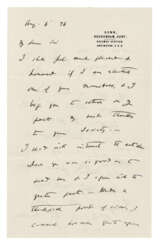

Charles Robert Darwin was an English naturalist, geologist, and biologist, widely known for contributing to the understanding of evolutionary biology. His proposition that all species of life have descended from a common ancestor is now generally accepted and considered a fundamental concept in science. In a joint publication with Alfred Russel Wallace, he introduced his scientific theory that this branching pattern of evolution resulted from a process that he called natural selection, in which the struggle for existence has a similar effect to the artificial selection involved in selective breeding. Darwin has been described as one of the most influential figures in human history, and he was honoured by burial in Westminster Abbey.
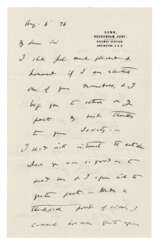

Charles Robert Darwin was an English naturalist, geologist, and biologist, widely known for contributing to the understanding of evolutionary biology. His proposition that all species of life have descended from a common ancestor is now generally accepted and considered a fundamental concept in science. In a joint publication with Alfred Russel Wallace, he introduced his scientific theory that this branching pattern of evolution resulted from a process that he called natural selection, in which the struggle for existence has a similar effect to the artificial selection involved in selective breeding. Darwin has been described as one of the most influential figures in human history, and he was honoured by burial in Westminster Abbey.


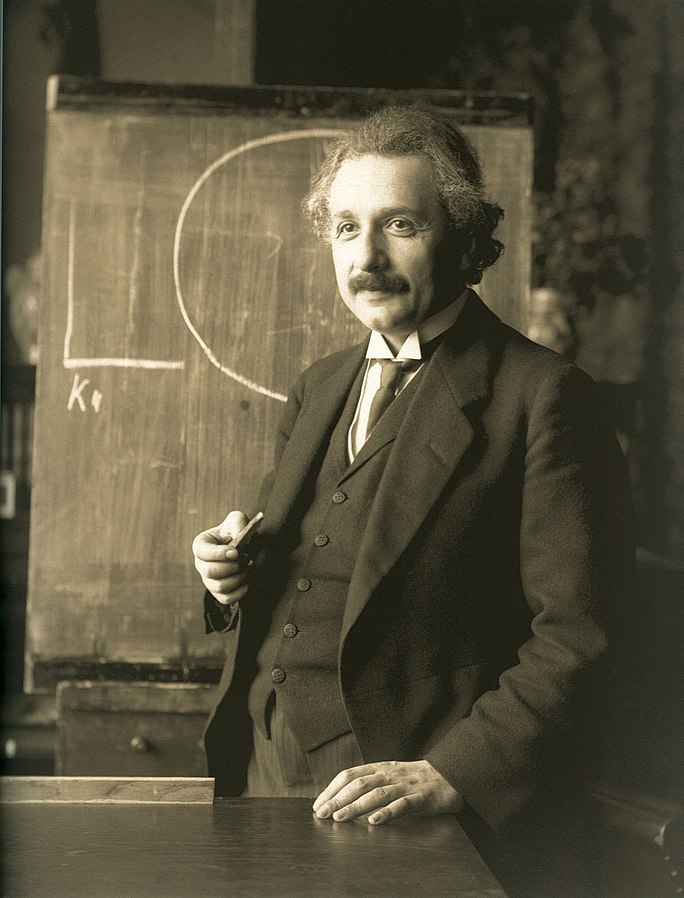
Albert Einstein was a German-born theoretical physicist, widely acknowledged to be one of the greatest and most influential physicists of all time. Einstein is best known for developing the theory of relativity, but he also made important contributions to the development of the theory of quantum mechanics. Relativity and quantum mechanics are together the two pillars of modern physics. His mass–energy equivalence formula E = mc2, which arises from relativity theory, has been dubbed "the world's most famous equation". His work is also known for its influence on the philosophy of science. He received the 1921 Nobel Prize in Physics "for his services to theoretical physics, and especially for his discovery of the law of the photoelectric effect", a pivotal step in the development of quantum theory. His intellectual achievements and originality resulted in "Einstein" becoming synonymous with "genius".
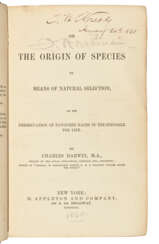

Charles Robert Darwin was an English naturalist, geologist, and biologist, widely known for contributing to the understanding of evolutionary biology. His proposition that all species of life have descended from a common ancestor is now generally accepted and considered a fundamental concept in science. In a joint publication with Alfred Russel Wallace, he introduced his scientific theory that this branching pattern of evolution resulted from a process that he called natural selection, in which the struggle for existence has a similar effect to the artificial selection involved in selective breeding. Darwin has been described as one of the most influential figures in human history, and he was honoured by burial in Westminster Abbey.
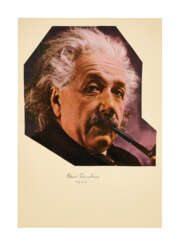

Albert Einstein was a German-born theoretical physicist, widely acknowledged to be one of the greatest and most influential physicists of all time. Einstein is best known for developing the theory of relativity, but he also made important contributions to the development of the theory of quantum mechanics. Relativity and quantum mechanics are together the two pillars of modern physics. His mass–energy equivalence formula E = mc2, which arises from relativity theory, has been dubbed "the world's most famous equation". His work is also known for its influence on the philosophy of science. He received the 1921 Nobel Prize in Physics "for his services to theoretical physics, and especially for his discovery of the law of the photoelectric effect", a pivotal step in the development of quantum theory. His intellectual achievements and originality resulted in "Einstein" becoming synonymous with "genius".
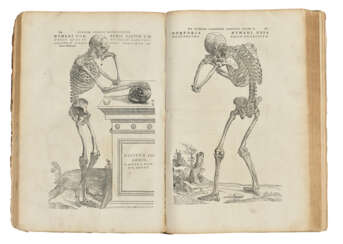

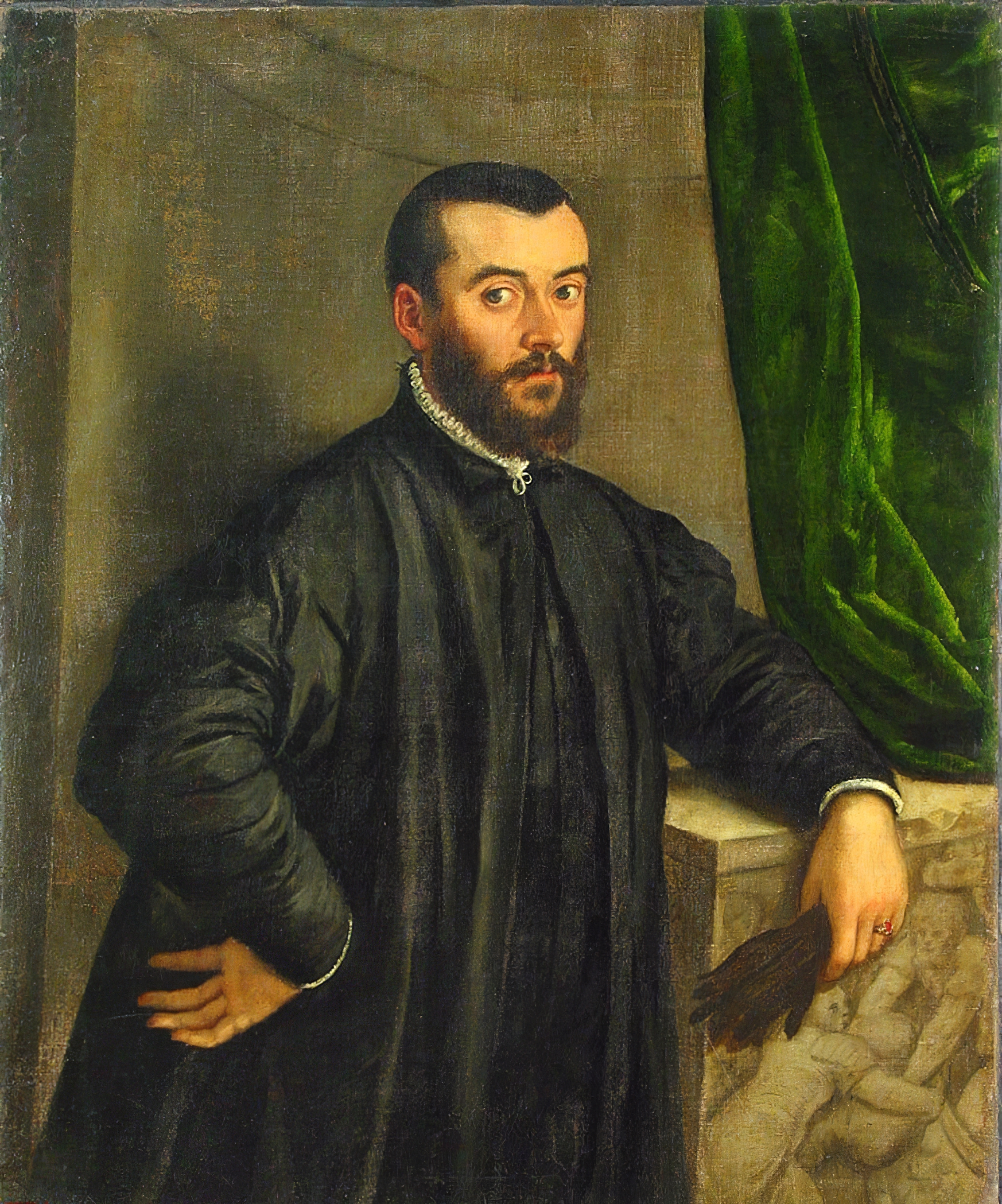
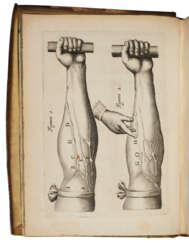
Andreas Vesalius (Dutch: Andries van Wesel) was a Flemish physician, one of the first anatomists of the Renaissance.
Vesalius came from a family of physicians and apothecaries, studied at the Catholic University of Leuven and at the medical school of the University of Paris, where he learned to dissect animals. He also had the opportunity to dissect human cadavers and devoted much time to the study of human bones. He later went to the University of Padua and, after earning his MD degree, was appointed professor of surgery, whose duties included anatomical demonstrations.
Vesalius revolutionized the study of biology and medical practice through his careful description of the anatomy of the human body. Based on observations made by himself, he wrote and illustrated the first complete textbook of anatomy. In 1543 his major work De humani corporis fabrica libri septem ("Seven Books on the Structure of the Human Body"), commonly known as Fabrica, was printed. In this epochal work, Vesalius gave far more extensive and accurate descriptions of the human body than anything that had been done by his predecessors.
In the same year, 1543, the Holy Roman Emperor Charles V appointed him staff physician of his house, and in 1559 Vesalius became physician to the Madrid court of Charles V's son, Philip II.
Vesalius' work made anatomy a scientific discipline with far-reaching implications not only for physiology but for all of biology.

![[NEWTON, Isaac, Sir (1642-1727)]](/assets/image/picture_5109616/1e30c/5d28e844288dbc71121959c3b0b354f51765321200jpg__fix_374_244.jpeg)
![[NEWTON, Isaac, Sir (1642-1727)]](https://veryimportantlot.com/assets/image/picture_5109616/1e30c/5d28e844288dbc71121959c3b0b354f51765321200jpg__fix_374_244.jpeg)
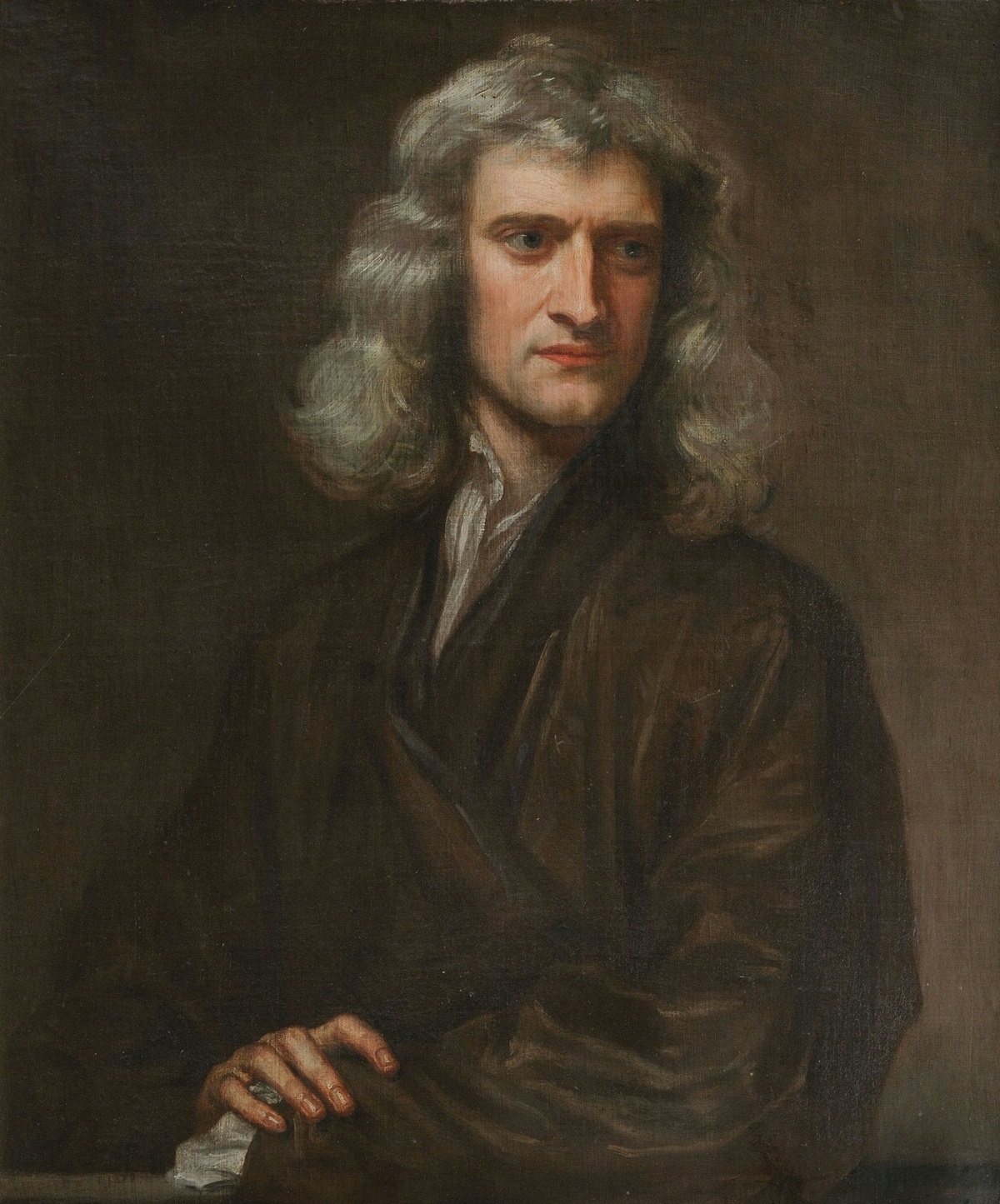
Isaac Newton was an English mathematician, physicist, astronomer, alchemist, theologian, and author (described in his time as a "natural philosopher"), widely recognised as one of the greatest mathematicians and physicists and among the most influential scientists of all time. He was a key figure in the philosophical revolution known as the Enlightenment. His book Philosophiæ Naturalis Principia Mathematica (Mathematical Principles of Natural Philosophy), first published in 1687, established classical mechanics. Newton also made seminal contributions to optics, and shares credit with German mathematician Gottfried Wilhelm Leibniz for developing infinitesimal calculus.
In the Principia, Newton formulated the laws of motion and universal gravitation that formed the dominant scientific viewpoint until it was superseded by the theory of relativity. Newton used his mathematical description of gravity to derive Kepler's laws of planetary motion, account for tides, the trajectories of comets, the precession of the equinoxes and other phenomena, eradicating doubt about the Solar System's heliocentricity. He demonstrated that the motion of objects on Earth and celestial bodies could be accounted for by the same principles. Newton's inference that the Earth is an oblate spheroid was later confirmed by the geodetic measurements of Maupertuis, La Condamine, and others, convincing most European scientists of the superiority of Newtonian mechanics over earlier systems.



Andreas Vesalius (Dutch: Andries van Wesel) was a Flemish physician, one of the first anatomists of the Renaissance.
Vesalius came from a family of physicians and apothecaries, studied at the Catholic University of Leuven and at the medical school of the University of Paris, where he learned to dissect animals. He also had the opportunity to dissect human cadavers and devoted much time to the study of human bones. He later went to the University of Padua and, after earning his MD degree, was appointed professor of surgery, whose duties included anatomical demonstrations.
Vesalius revolutionized the study of biology and medical practice through his careful description of the anatomy of the human body. Based on observations made by himself, he wrote and illustrated the first complete textbook of anatomy. In 1543 his major work De humani corporis fabrica libri septem ("Seven Books on the Structure of the Human Body"), commonly known as Fabrica, was printed. In this epochal work, Vesalius gave far more extensive and accurate descriptions of the human body than anything that had been done by his predecessors.
In the same year, 1543, the Holy Roman Emperor Charles V appointed him staff physician of his house, and in 1559 Vesalius became physician to the Madrid court of Charles V's son, Philip II.
Vesalius' work made anatomy a scientific discipline with far-reaching implications not only for physiology but for all of biology.


Andreas Vesalius (Dutch: Andries van Wesel) was a Flemish physician, one of the first anatomists of the Renaissance.
Vesalius came from a family of physicians and apothecaries, studied at the Catholic University of Leuven and at the medical school of the University of Paris, where he learned to dissect animals. He also had the opportunity to dissect human cadavers and devoted much time to the study of human bones. He later went to the University of Padua and, after earning his MD degree, was appointed professor of surgery, whose duties included anatomical demonstrations.
Vesalius revolutionized the study of biology and medical practice through his careful description of the anatomy of the human body. Based on observations made by himself, he wrote and illustrated the first complete textbook of anatomy. In 1543 his major work De humani corporis fabrica libri septem ("Seven Books on the Structure of the Human Body"), commonly known as Fabrica, was printed. In this epochal work, Vesalius gave far more extensive and accurate descriptions of the human body than anything that had been done by his predecessors.
In the same year, 1543, the Holy Roman Emperor Charles V appointed him staff physician of his house, and in 1559 Vesalius became physician to the Madrid court of Charles V's son, Philip II.
Vesalius' work made anatomy a scientific discipline with far-reaching implications not only for physiology but for all of biology.