feet time


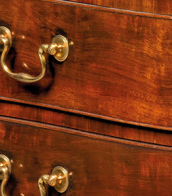









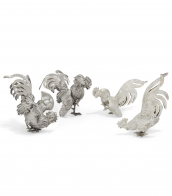





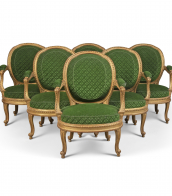


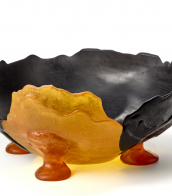





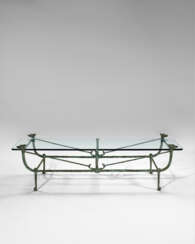


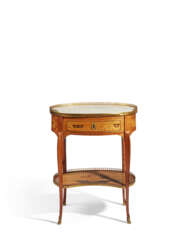
Diego Giacometti was a Swiss sculptor and designer, and the younger brother of the sculptor Alberto Giacometti.



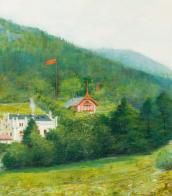






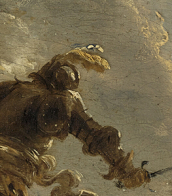
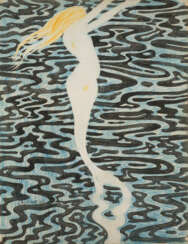

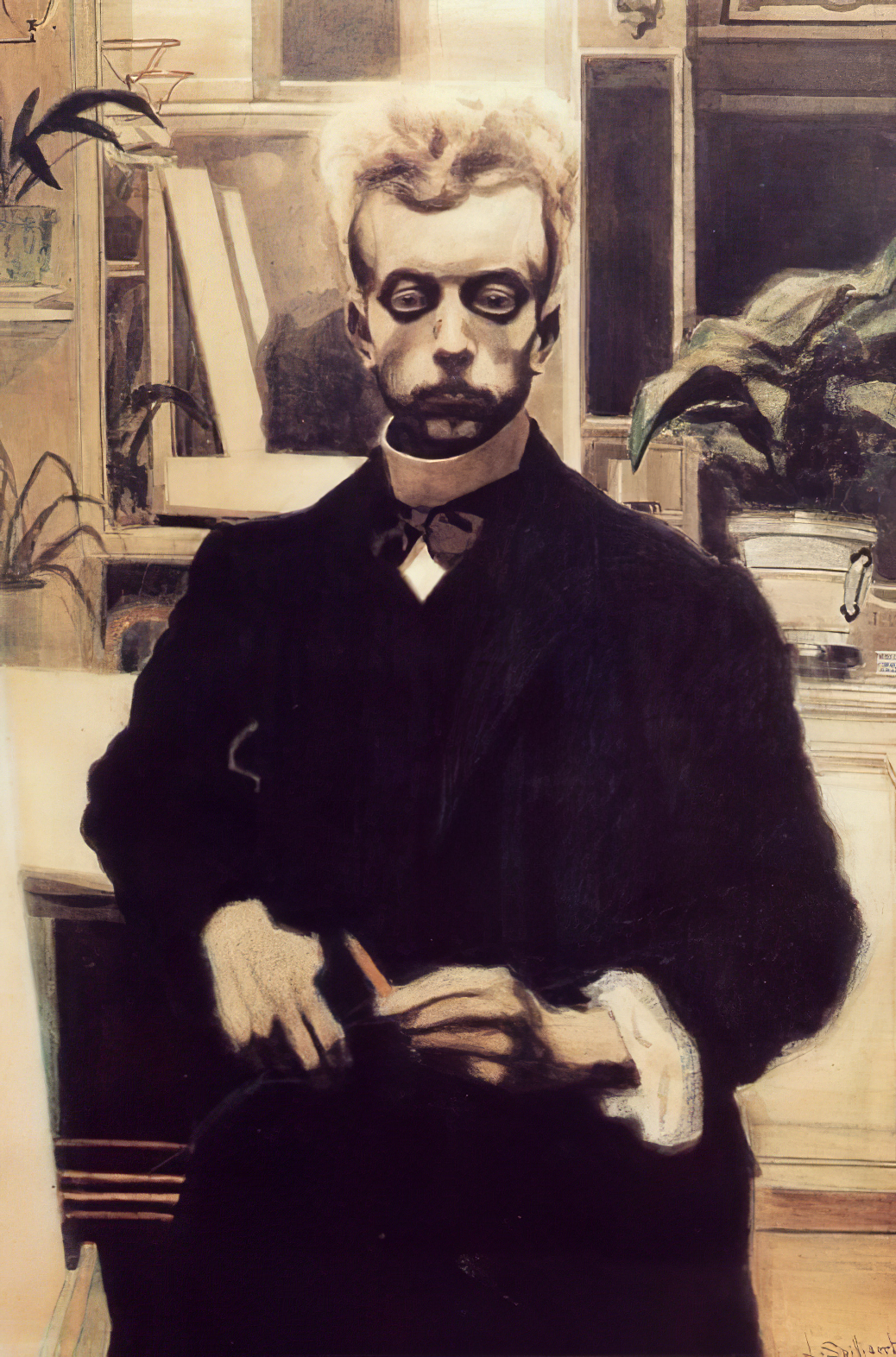
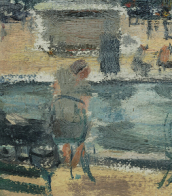
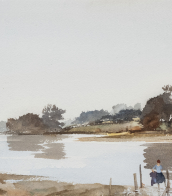
Léon Spilliaert was a Belgian artist. He is known for his unique style of symbolism, with many of his works featuring dream-like landscapes, eerie still lifes, and enigmatic figures.
Spilliaert grew up in a wealthy family, and he initially studied architecture before turning to art. He was largely self-taught, and his work was heavily influenced by the Belgian symbolist movement, as well as the works of artists such as James Ensor and Edvard Munch.
Spilliaert was particularly interested in exploring the mysteries of the human psyche, and many of his works reflect a sense of unease or uncertainty. He often used strong contrasts of light and shadow to create a sense of drama and tension in his works, and his use of color was often muted and subdued.
Despite his success as an artist, Spilliaert was a deeply private individual, and he rarely exhibited his work during his lifetime. He continued to work throughout his life, however, producing a large body of haunting and enigmatic works that continue to captivate audiences today.

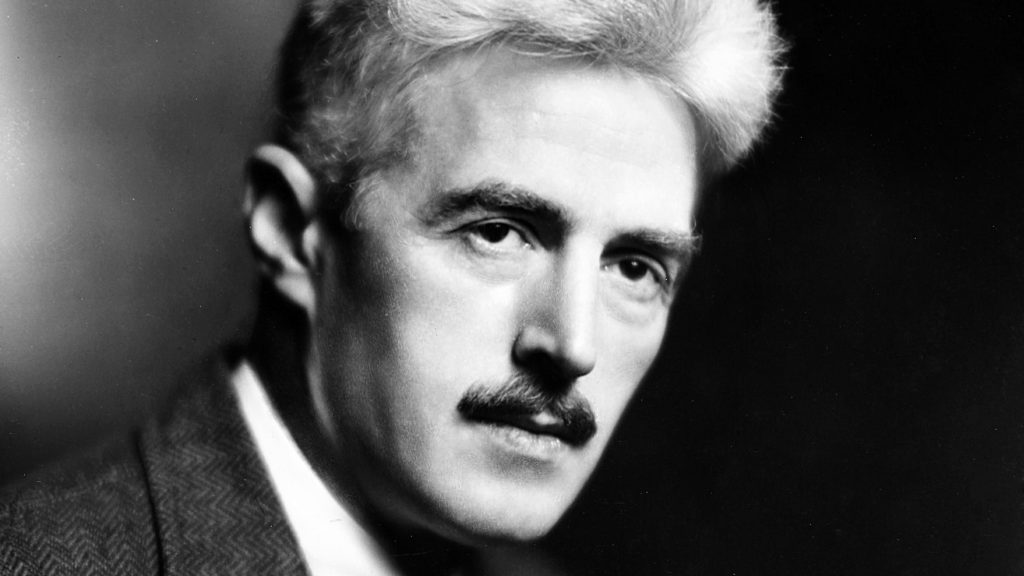






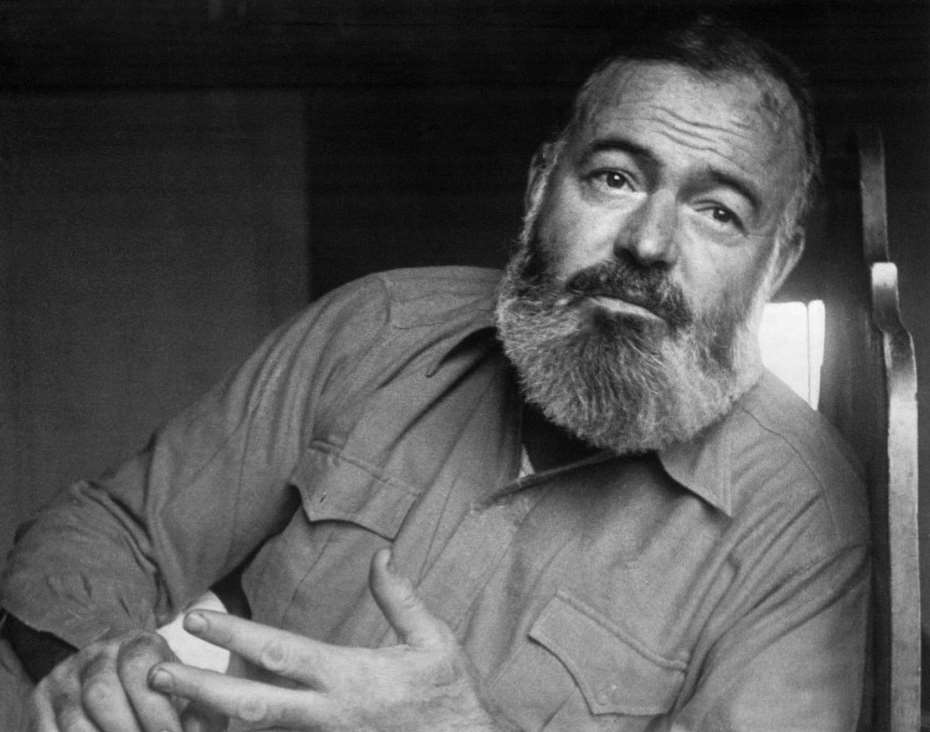



Robert Hill Jackson or Bob Jackson is a Pulitzer Prize-winning American photographer.
Robert attended Southern Methodist University while pursuing a passion for photography. While serving in the National Guard, Jackson became a photographer for an Army general. In 1960, he began working as a photo reporter for the Dallas Times Herald newspaper.
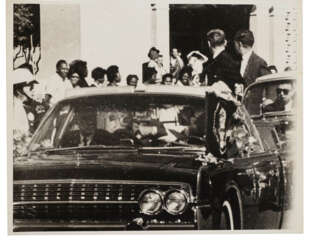
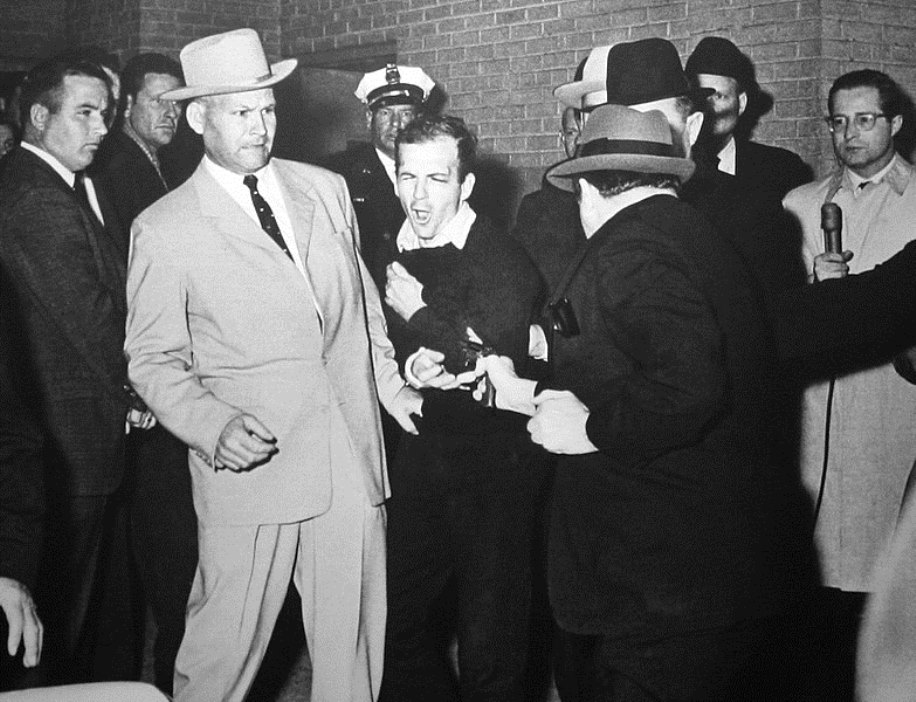
On November 22, 1963, Jackson was assigned to cover President John F. Kennedy's arrival at Love Field and his motorcade through the city. He witnessed Kennedy's assassination, but did not have time to film it. Two days later, however, he was able to photograph the shooting of Lee Harvey Oswald, the accused assassin of President Lee Harvey Oswald, by Jack Ruby in the garage of the Dallas police station. Robert Jackson was awarded the 1964 Pulitzer Prize in Photography for these photographs.



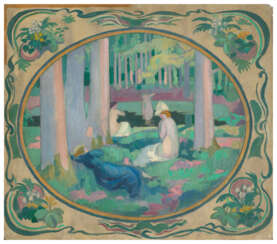

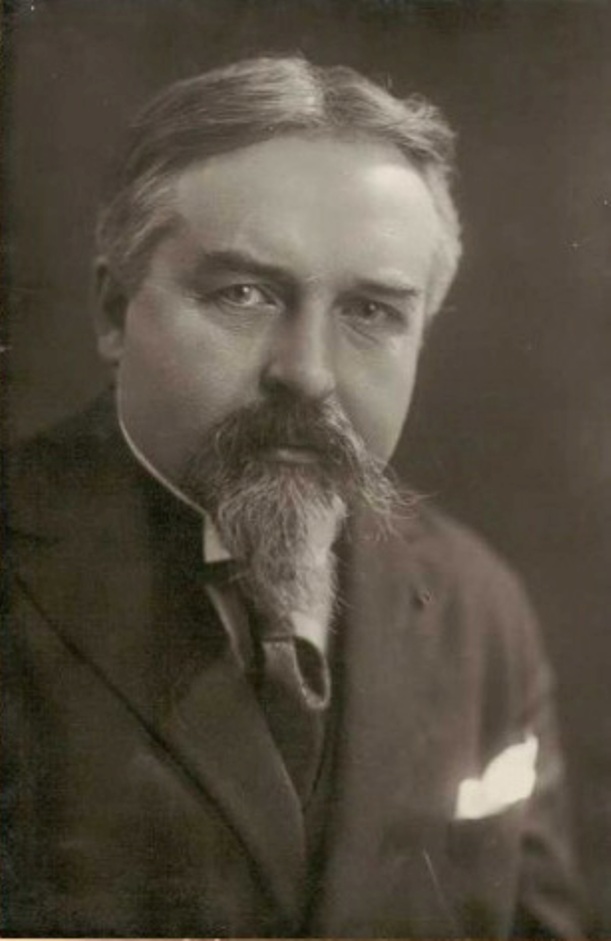
Maurice Denis, a French painter and writer, was an influential figure in the transition from impressionism to modern art. Born on November 25, 1870, in Granville, France, Denis's artistic journey began at the Académie Julian in Paris. Here, he met future collaborators like Paul Sérusier and Pierre Bonnard, with whom he later formed the Nabis group, a collective deriving its name from the Hebrew word "Nabi," meaning "Prophet".
Denis's style evolved from neoimpressionism, influenced by artists like Seurat, to a more decorative and colorful approach under the influence of Gauguin. This shift is evident in works like "Taches du soleil sur la terrace" (1890). He famously stated, "Art is no longer a visual sensation... it is a creation of our spirit," highlighting his belief in art as an idealistic expression, transcending mere imitation of nature.
Denis was also impacted by Japanese art, which influenced his compositions and styles, contributing to his unique and recognizable approach. His philosophy on art, encapsulated in his 1890 essay published in "Art et Critique," emphasized the importance of color and form in creating emotional depth, a notion that laid the groundwork for modernism. He argued that a painting's essence lies in its colors and composition, rather than its subject matter.
Throughout his career, Denis's work evolved towards a more classical approach. His involvement with the Ateliers d'Art Sacré, founded in 1919, demonstrated his interest in religious art and decoration. His notable works include "The Legend of Saint Hubert" (1897) and "The History of Music" for the Théâtre des Champs Elysées (1912-1913).
Tragically, Maurice Denis's life ended on November 13, 1943, when he was struck by a truck during the German occupation of Paris. However, his legacy endures through his contributions to modern art and symbolism, his influence on fellow artists, and his works displayed in various museums and galleries.
For collectors and art experts, Denis's work offers a unique glimpse into the evolution of modern art. His blend of symbolism, color, and form marks a significant shift in art history. To stay updated on new sales and auction events related to Maurice Denis's work, sign up for our newsletter. This subscription will keep you informed about the latest developments in the world of this remarkable artist.
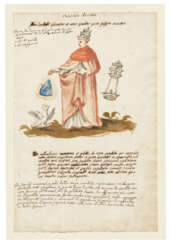

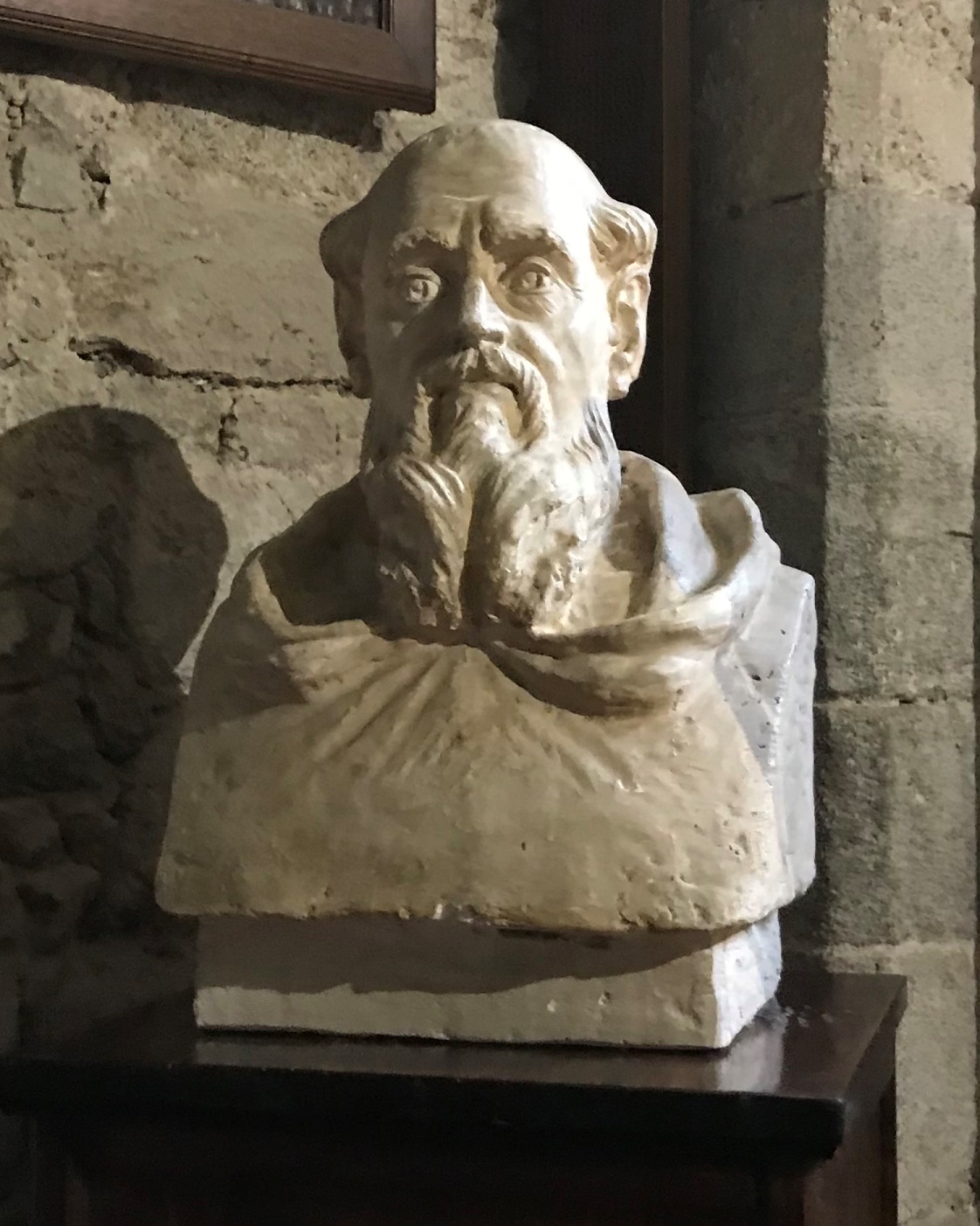
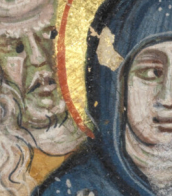
Joachim of Fiore, also known as Joachim de Fiore, and Gioacchino da Fiore, was an Italian mystic, theologian and philosopher of history, a great medieval thinker with a beautiful symbolic imagination.
Fiore was a prolific writer and explored the hidden meaning of the life of the apostles and the scriptures. At the end of the twelfth century Joachim had a high international reputation.
After a pilgrimage to the Holy Land, he became a Cistercian monk and by 1177 had become abbot at Corazzo, Sicily. He retired to the mountains to lead a contemplative life, and in 1196 he founded the Order of San Giovanni in Fiore. In his Book of the Harmony of the New and Old Testaments, Fiore set forth a theory of history and traced correspondences in the Old and New Testaments. In "An Exposition of the Apocalypse" he explored the symbols of the Antichrist, and in "The Ten-String Psalter" he set forth his doctrine of the Holy Trinity. A man of vivid imagination, he was proclaimed a prophet and condemned as a heretic.