for sale by owner cincinnati


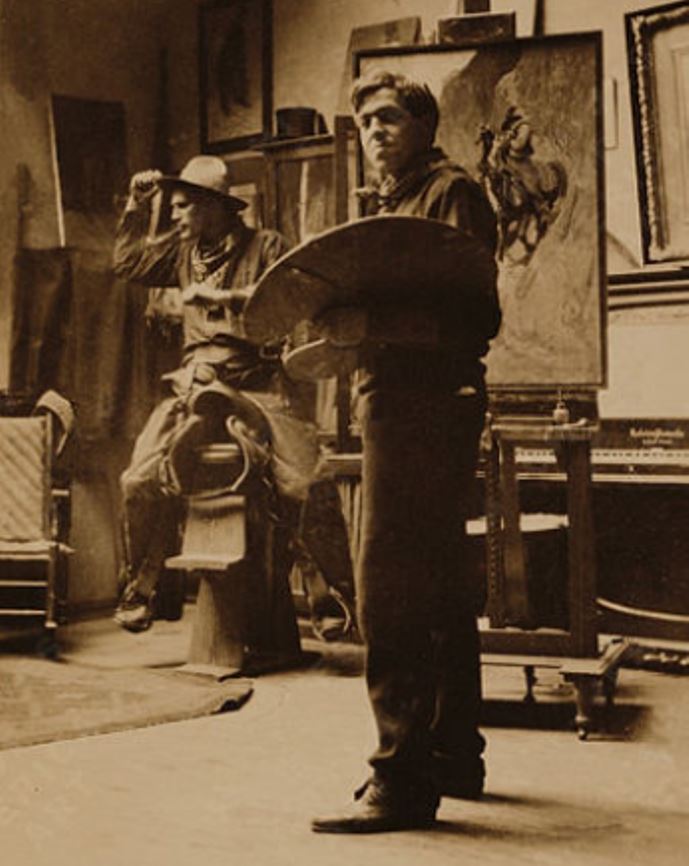
Andrew Newell Wyeth, an American visual artist, is renowned for his mastery in realism and regionalism. Born in 1917 in Chadds Ford, Pennsylvania, Wyeth was primarily a realist painter, deeply influenced by his father, N.C. Wyeth, a notable artist himself. Andrew's artwork, characterized by its clear, razor-sharp technique and a hauntingly eerie atmosphere, often depicted the land and people around him in rural Pennsylvania and Maine.
Wyeth's most celebrated work, Christina's World (1948), is housed in the Museum of Modern Art in New York City. This painting illustrates a woman lying in a field, looking toward a distant farmhouse, an image that has become an icon of American art due to its emotional depth and simplicity of composition. The work encapsulates Wyeth's ability to invoke profound personal and emotional landscapes through the meticulous depiction of physical settings and figures.
Andrew Newell Wyeth continued painting almost up until his death in 2009, leaving behind a vast legacy that has influenced many artists. His works remain highly valued by collectors and are often featured in major museums and galleries worldwide. To stay updated on exhibitions and sales of Andrew Wyeth’s art, sign up for our newsletter—ensuring you're informed about the latest auction events and product sales related to this profound artist.
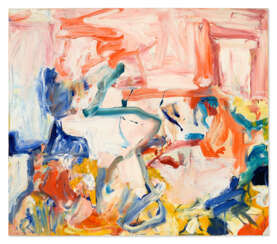

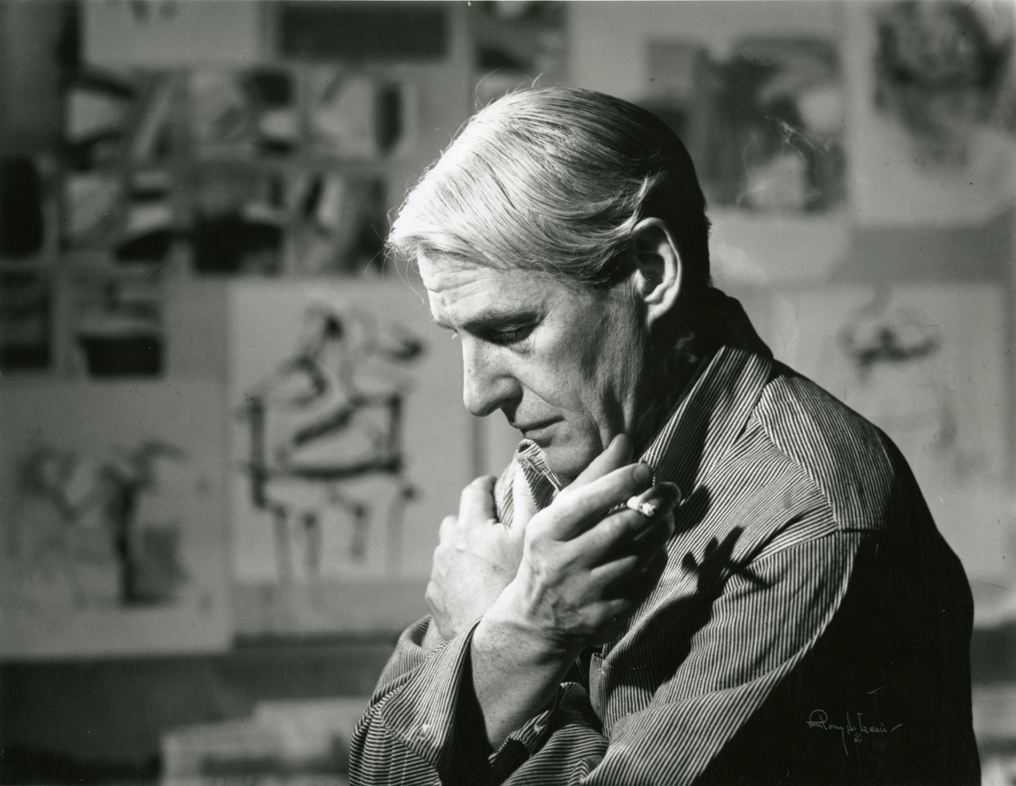
Willem de Kooning was a Dutch-American abstract expressionist painter. Born in Rotterdam, Netherlands, he moved to the United States in 1926, becoming a U.S. citizen in 1962. He was a leading figure in the Abstract Expressionism movement, known for his dramatic and often energetic style. He gained prominence between 1948 and 1953, creating some of his most iconic works, including the Woman series.
De Kooning's paintings combined abstraction with elements of Cubism, Surrealism, and Expressionism. His style evolved over time, with works that ranged from figurative to more abstract pieces. Among his most notable works are "Woman I" (1950-52) and "Excavation" (1950), which reflect his unique approach to painting, characterized by vigorous brushstrokes, bold colors, and complex textures.
Despite his success, de Kooning faced challenges, including personal struggles with alcoholism and deteriorating health due to Alzheimer's disease in his later years. His artwork has had a lasting impact on modern art, and his pieces can be found in major museums and galleries worldwide, such as the Museum of Modern Art (MoMA) and the Smithsonian American Art Museum.
Stay updated on new releases and auction events featuring works by Willem de Kooning by signing up for our exclusive email notifications. Get insider information and never miss a chance to add to your art collection.
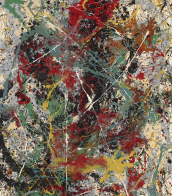
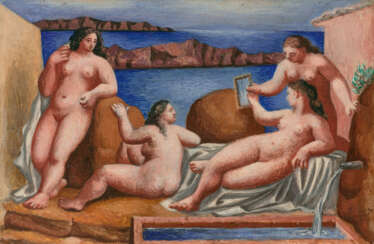

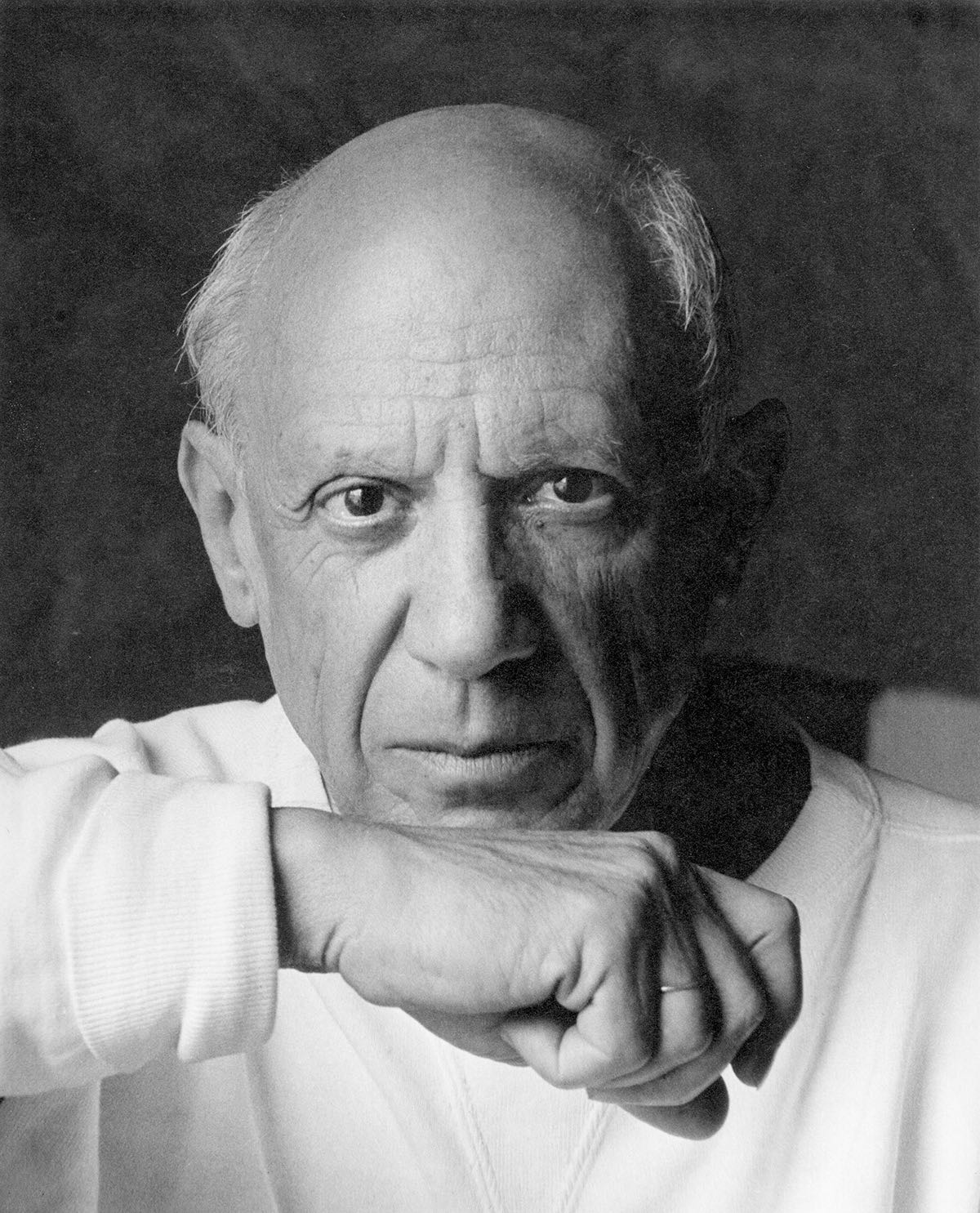
Pablo Ruiz Picasso, a Spanish artist renowned for his revolutionary contributions to the 20th-century art scene, is a figure that resonates profoundly with collectors and art experts. His unique blend of talents in painting, sculpture, printmaking, and ceramic art, infused with his time in France, positioned him as a pivotal character in modern art history.
Picasso's artistic journey was marked by distinct periods, each showcasing his evolving style and genius. His early years were characterized by the Blue Period (1901-1904), followed by the Rose Period (1904-1906), and then the African-influenced Period (1907-1909). Picasso's name is synonymous with Cubism, a movement he co-founded, which significantly altered artistic perspectives and methods. Works like "Les Demoiselles d'Avignon" (1907) and "Guernica" (1937) are emblematic of his cubist legacy, the latter being a poignant anti-war statement that remains influential.
His later years saw a return to more traditional styles, with neoclassical and surrealist influences becoming evident. Works from these phases reflect a deep engagement with mythological themes, as seen in "Faun with Stars" (1955), symbolizing his late-life romance with Jacqueline Roque, his second wife.
Picasso's prolific output and innovative spirit made him a legend in his own time, a status that only grew after his death. His works, housed in major museums and private collections worldwide, continue to captivate and inspire.
As a collector or expert in art and antiques, staying informed about Picasso's works, their auction events, and sales is essential. To stay updated on the latest developments and opportunities related to Pablo Picasso, sign up for our specialized updates. Rest assured, this subscription will focus solely on new product sales and auction events pertaining to Picasso's art, ensuring that you receive only the most relevant and valuable information.
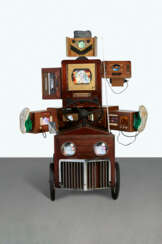

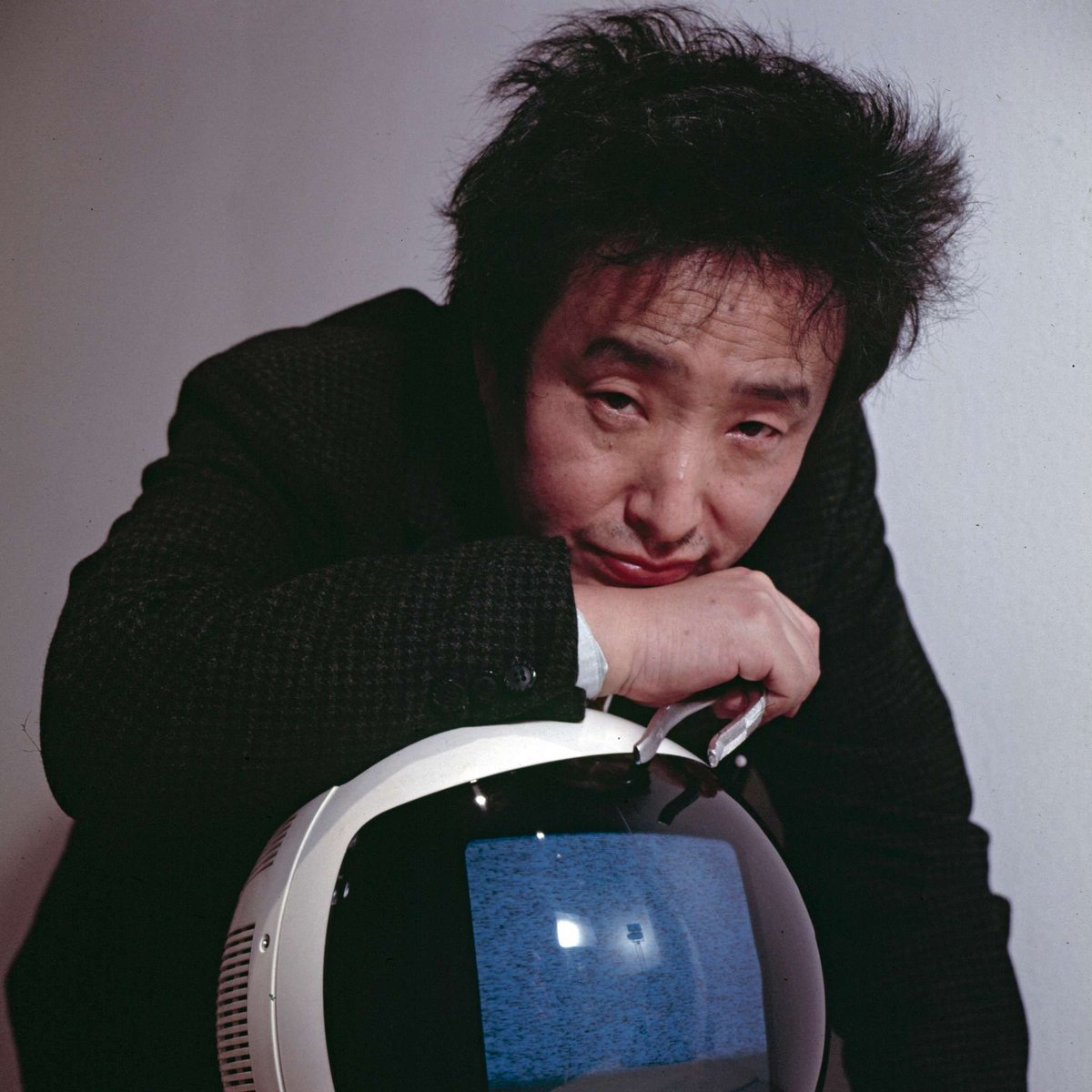
Nam June Paik (Korean: 백남준) was a Korean American artist. He worked with a variety of media and is considered to be the founder of video art. He is credited with the first use (1974) of the term "electronic super highway" to describe the future of telecommunications.
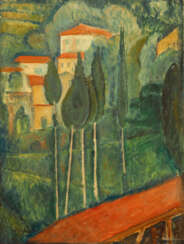

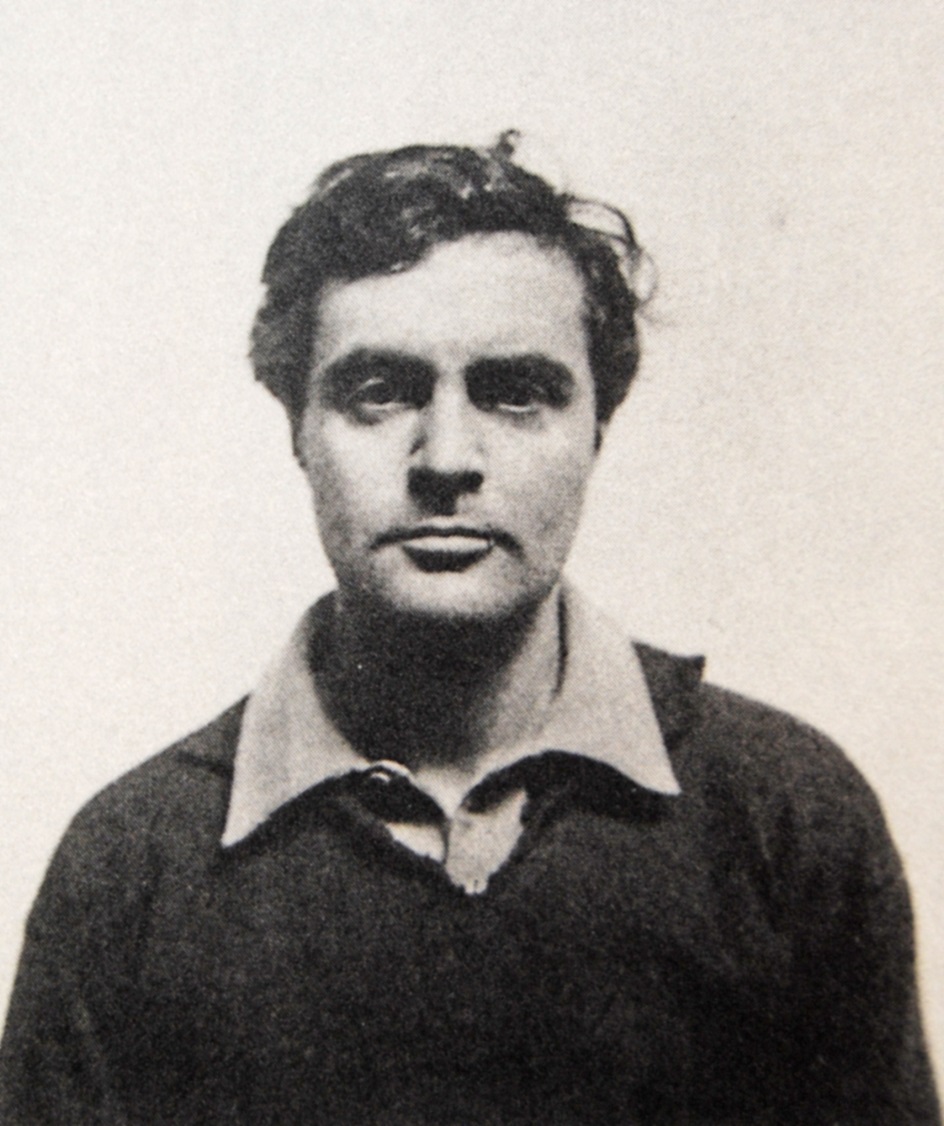
Amedeo Clemente Modigliani was an Italian painter and sculptor celebrated for his significant contributions to the School of Paris. Born into a Sephardic Jewish family in Livorno, Italy, on July 12, 1884, his upbringing in a culturally rich environment laid the foundation for his artistic pursuits. Despite facing health challenges from a young age, Modigliani's passion for art was evident, leading him to abandon traditional schooling in favor of artistic training. His early experiences with illness and his family's fluctuating fortunes deeply influenced his character and outlook on life.
In 1906, Modigliani moved to Paris, the epicenter of the avant-garde, where he mingled with iconic artists like Pablo Picasso and Constantin Brâncuși. This period was crucial for Modigliani as he sought to carve out a unique stylistic identity amid the burgeoning modern art scene. His work, characterized by elongated figures and faces, a modernist simplification of form, and a deeply expressive linearity, did not initially receive the recognition it deserved. Despite this, he remained committed to his art, producing an oeuvre that includes both paintings and sculptures, with a notable focus on portraits and nudes.
Modigliani's style is distinguished by its elegance and emotional depth, with his subjects often portrayed in a state of serene introspection. His works, such as "Jeanne Hébuterne in Red Shawl," "Portrait of Maude Abrantes," "Anna Akhmatova," "Madame Pompadour," "Portrait of Diego Rivera," "Portrait of Beatrice Hastings," and "Portrait of Moise Kisling," showcase his exceptional ability to capture the essence of his subjects with minimal yet impactful lines.
Despite his talent, Modigliani's life was marked by financial instability, health problems, and a struggle for critical recognition. He died of tubercular meningitis on January 24, 1920, in Paris, at the age of 35. Posthumously, Modigliani's work gained the recognition it had lacked during his lifetime, with his paintings and sculptures now commanding high prices and occupying prominent positions in museums and private collections worldwide.
For collectors and art and antiques experts, Modigliani's works offer a glimpse into the soul of an artist who transcended the adversities of his life through the beauty of his art. His contributions to modern art remain invaluable, with his unique approach to form and emotion continuing to inspire and captivate audiences.
If you're interested in staying updated on sales and auction events related to Amedeo Modigliani, we invite you to sign up for updates. This subscription service is tailored for enthusiasts eager to enrich their collections with pieces linked to this remarkable artist, ensuring you're informed of opportunities to acquire works that celebrate Modigliani's legacy.



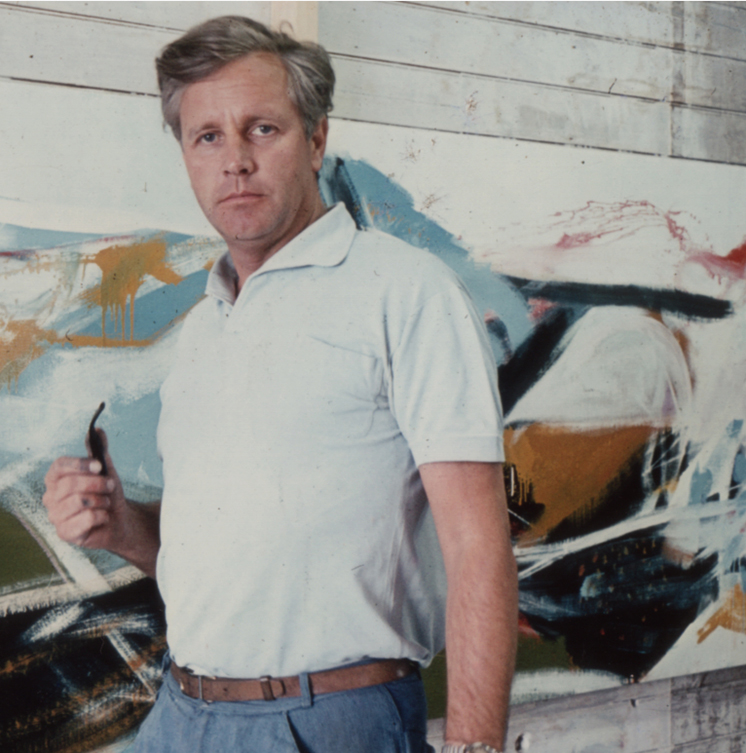
George Peter Lanyon was a British painter of landscapes leaning heavily towards abstraction. Lanyon was one of the most important artists to emerge in post-war Britain. Despite his early death at the age of forty-six he achieved a body of work that is amongst the most original and important reappraisals of modernism in painting to be found anywhere. Combining abstract values with radical ideas about landscape and the figure, Lanyon navigated a course from Constructivism through Abstract Expressionism to a style close to Pop. He also made constructions, pottery and collage.




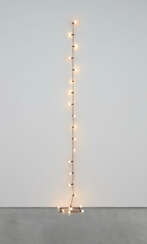

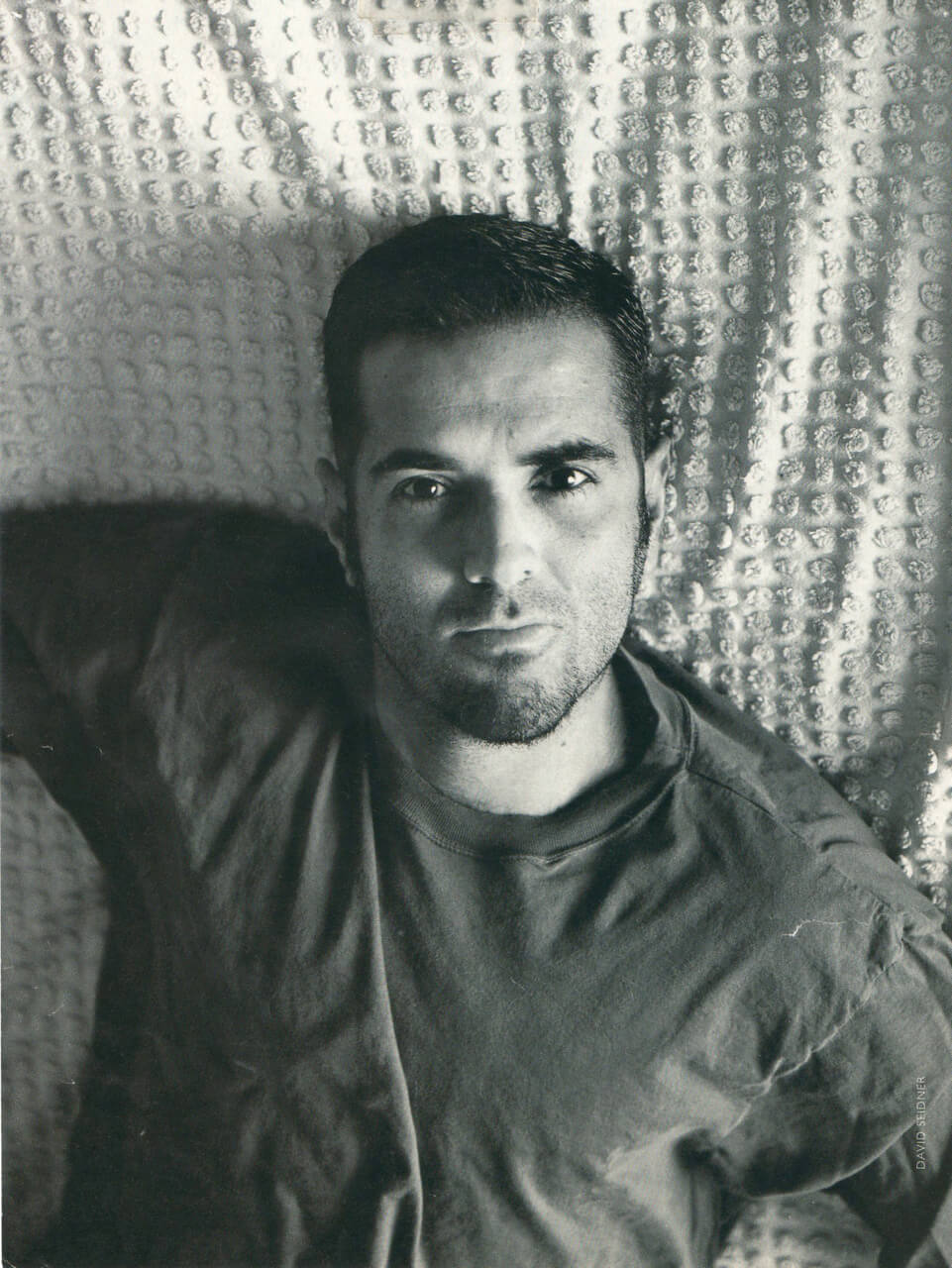
Félix González-Torres was a Cuban-born American visual artist. He lived and worked primarily in New York City between 1979 and 1995 after attending university in Puerto Rico. González-Torres was known for his minimalist installations and sculptures composed of everyday materials such as strings of lightbulbs, clocks, stacks of paper, or packaged hard candies. In 1987, he joined Group Material, a New York-based group of artists whose intention was to work collaboratively, adhering to principles of cultural activism and community education, much of which was influenced by the artist's experience as an openly gay man. González-Torres is known for having made significant contributions to the field of conceptual art in the 1980s and 1990s. His practice continues to influence and be influenced by present-day cultural discourses.
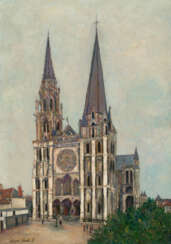

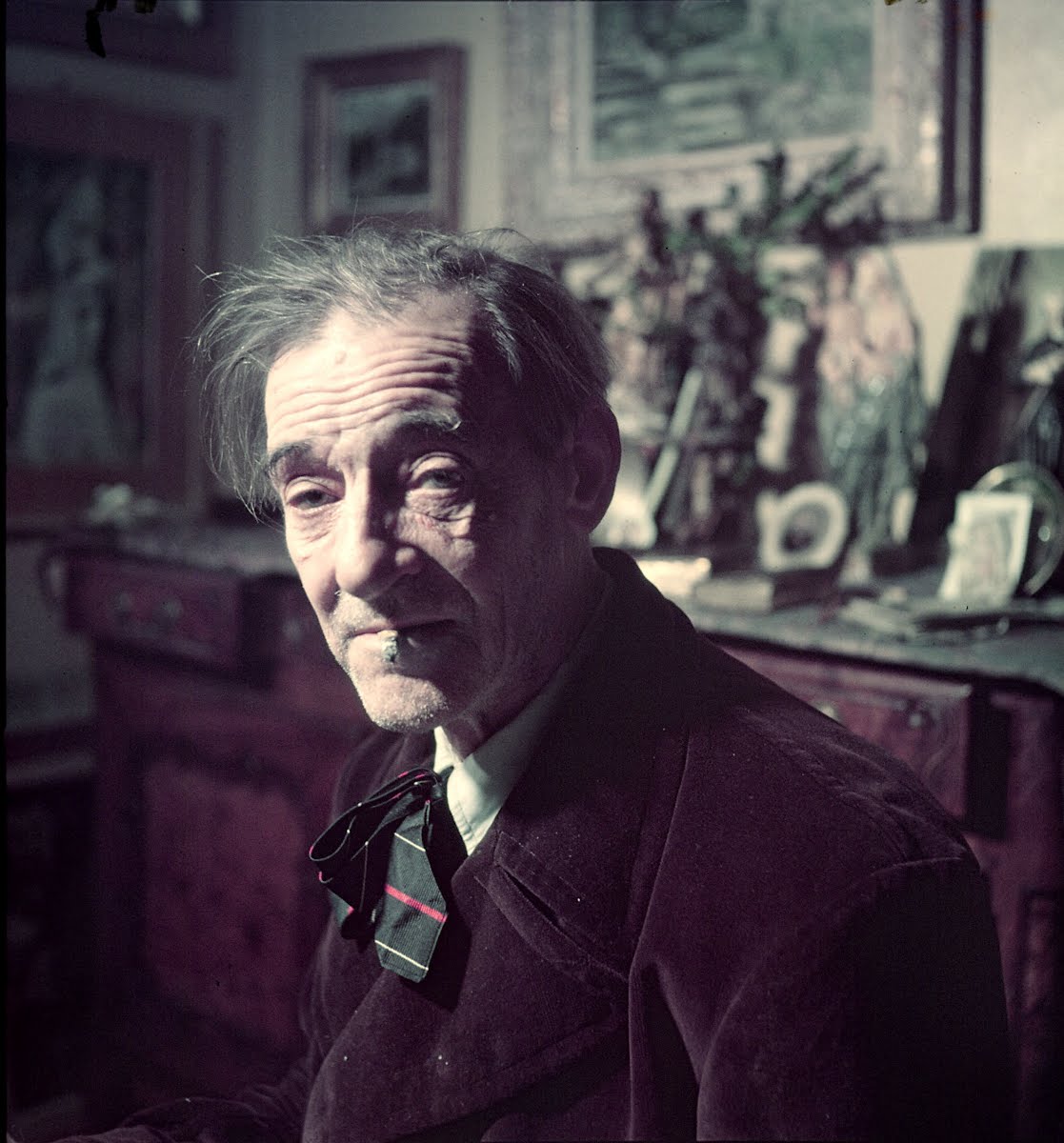
Maurice Utrillo was a French painter, celebrated for his depictions of cityscapes, particularly of the Montmartre district in Paris. His unique approach to painting, characterized by a vivid portrayal of urban landscapes, has captivated art collectors and experts alike. Utrillo's work is notable for its distinct use of color and perspective, offering viewers a glimpse into the picturesque and often serene streets of Montmartre. Despite challenges in his personal life, including struggles with alcoholism, Utrillo's artistry remained undiminished, showcasing his profound connection to the city he often portrayed from memory or postcards, especially in his later years when his health declined.
Utrillo's paintings are a testament to his skill in capturing the essence of Parisian life, with works such as "La Rue Norvins à Montmartre" and "Place du Tertre" highlighting his ability to blend color, light, and architecture into harmonious compositions. His "White Period" is particularly renowned, during which he used white zinc and sometimes plaster to achieve a unique texture and depth in his paintings. This period signifies a pivotal moment in Utrillo's career, marking a departure from Impressionism towards a style that emphasized the structural and geometric aspects of his subjects.
Utrillo's contributions to art extend beyond his innovative techniques and stylistic evolution. His life story, marked by periods of intense struggle and creativity, adds a layer of depth to his works, inviting viewers to explore not only the streets of Montmartre but also the complex landscape of the artist's inner world. His paintings, many of which are now housed in prestigious museums and galleries, continue to attract admiration from around the globe.
For collectors and experts in art and antiques, Maurice Utrillo's works offer a unique investment in the beauty and history of Parisian culture. His ability to capture the spirit of Montmartre, combined with his innovative use of materials and color, makes his paintings a valuable addition to any collection.
If you're passionate about art and wish to stay informed about new product sales and auction events related to Maurice Utrillo, consider signing up for updates. This subscription service is tailored specifically for enthusiasts eager to enhance their collections with works by this remarkable artist, ensuring you're always in the know about opportunities to acquire pieces by Utrillo and related cultural events.
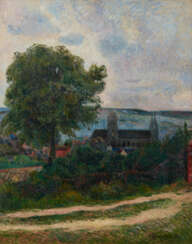


Paul Gauguin, a French artist born in Paris in 1848, is renowned for his significant contributions to Post-Impressionism, Primitivism, and Synthetism. Gauguin's art is distinguished by his experimental use of color and style, which set him apart from the traditional Impressionist movement.
Gauguin's early life was marked by a period in Peru, which influenced his artistic perspective. Initially, he pursued a career in stockbroking but soon turned to art, driven by financial necessity and a growing passion. His artistic journey began under the mentorship of Impressionist artist Camille Pissarro and through exposure to the works of other avant-garde artists.
The hallmark of Gauguin's work is his exploration of non-Western cultures, particularly during his time in Tahiti and the Marquesas Islands. This period saw the creation of some of his most famous works, including "Where Do We Come From? What Are We? Where Are We Going?" His paintings from this era, characterized by vivid colors and Symbolist themes, reflect a fusion of cultural influences and his quest for a "primitive" expression of spiritual and emotional states.
Despite his innovative style, Gauguin struggled with financial difficulties and health issues throughout his life. His work received little recognition during his lifetime, but posthumously, he gained acclaim for influencing modern artists like Pablo Picasso and Henri Matisse.
Today, Gauguin's works are celebrated in galleries and museums worldwide for their unique blend of cultural influences and artistic innovation. His enduring legacy is a testament to his unique vision and the profound impact he had on the art world.
Collectors and experts in art and antiques, stay updated on new product sales and auction events related to Paul Gauguin. Sign up now for exclusive updates and immerse yourself in the world of this visionary artist.


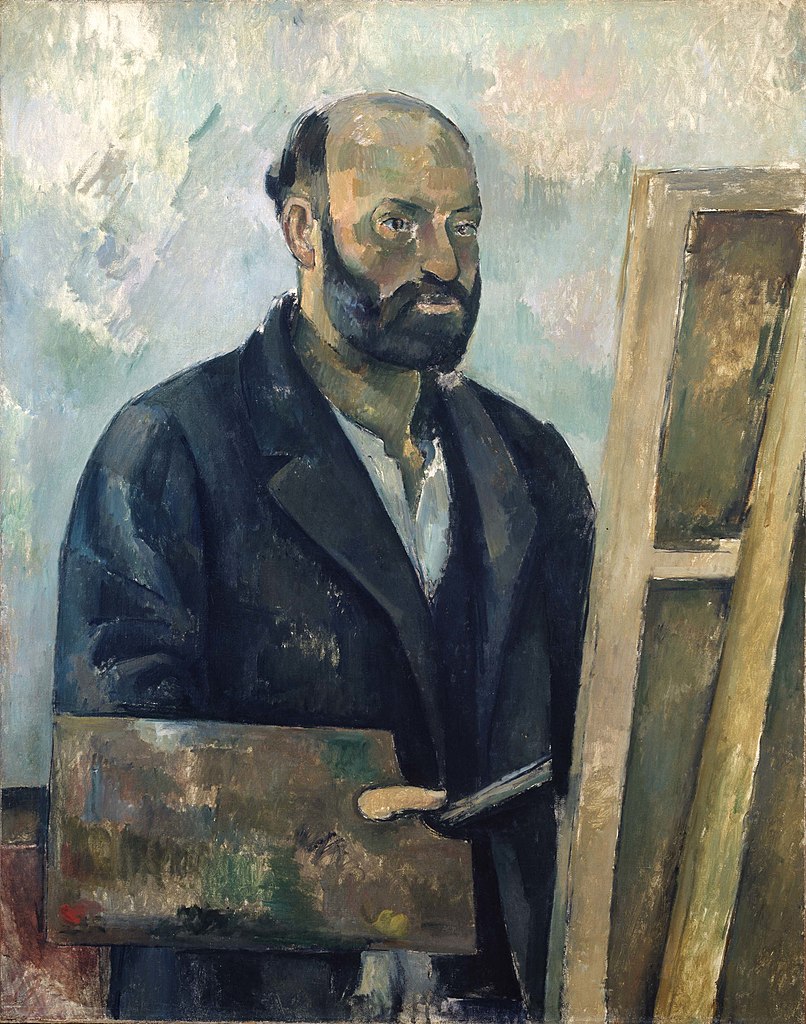
Paul Cézanne, a French Post-Impressionist painter, was pivotal in shaping the transition from 19th-century art to a new, revolutionary approach in the 20th century. His unique and exploratory brushstrokes, utilizing planes of color to form complex fields, made his work instantly recognizable and influential in the development of Cubism.
Cézanne’s early works, influenced by Romanticism and Realism, evolved into a groundbreaking artistic language. He challenged traditional perspective and academic art rules, focusing on objects' structural aspects and art's formal qualities. This approach led to a renewed emphasis on impressionistic color space and modulation principles.
His most notable works, like “Mont Sainte-Victoire,” “The Card Players,” and “The Bathers,” display his mastery in creating depth and dimension through color gradations. These paintings, initially met with skepticism, eventually cemented Cézanne’s reputation as a pioneering artist. His exhibitions, particularly the one-man show by dealer Ambroise Vollard in 1895, played a critical role in his recognition.
Cézanne’s impact on art history is profound, with greats like Henri Matisse and Pablo Picasso acknowledging him as a significant influence. His exploration of geometric forms and innovative use of light and color laid the groundwork for subsequent movements, particularly Cubism.
For collectors and art experts, Cézanne's works are more than just paintings; they are pivotal chapters in the narrative of modern art. His creations, bridging Impressionism and Cubism, continue to inspire and challenge contemporary artists.
To stay updated on new product sales and auction events related to Paul Cézanne, sign up for our updates. This subscription ensures you remain informed about the latest developments in the world of this revolutionary artist.
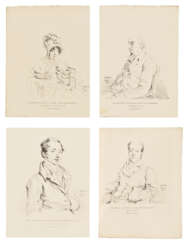

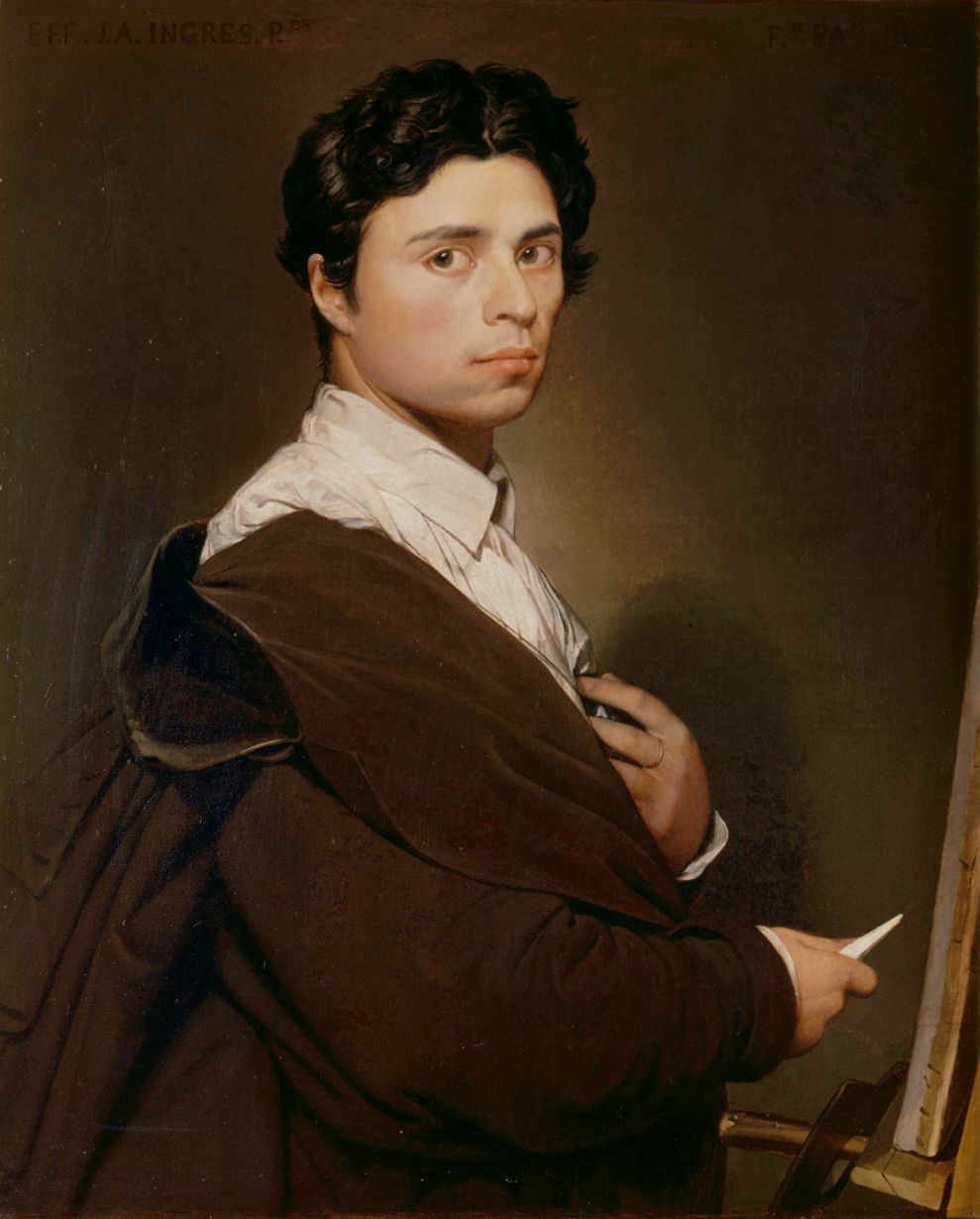
Jean-Auguste-Dominique Ingres, a French Neoclassical painter, carved a niche for himself in the art world with his profound influence from past traditions and his aspiration to uphold academic orthodoxy amidst the burgeoning Romantic style. Born in Montauban, France, on August 29, 1780, Ingres' journey into the realms of art was marked by his early study under Jacques-Louis David, leading to a fully developed style that scarcely changed throughout his life.
Ingres is celebrated for his expressive distortions of form and space, which have positioned him as a crucial precursor to modern art, influencing modernists such as Picasso and Matisse. His oeuvre, renowned for its meticulous precision and sinuous lines, skillfully bridges elements of Neoclassical and Romantic styles. Despite never traveling to the Near East or Africa, Ingres was deeply inspired by the exotic, as evidenced in his detailed and sensuous portrayals of odalisques, contributing to his posthumous recognition among avant-garde circles.
His contributions include significant commissions like "The Vow of Louis XIII," which solidified his position as a leader of the Neoclassical school in France, and "The Turkish Bath," his last major work, showcasing his enduring fascination with the female form and Orientalism. His works, including the iconic "Portrait of Monsieur Bertin" and other masterful portraits, continue to captivate, housed in esteemed collections such as the Musée du Louvre in Paris.
Art collectors and experts appreciate Ingres for his dedication to classical techniques and his innovative approach to composition and form. His legacy, encompassing both his Neoclassical roots and his pioneering forays into early modernism, underscores his unique position in art history.
For updates on exhibitions and auctions featuring works by Jean-Auguste-Dominique Ingres, sign up for our newsletter. Stay informed about new discoveries and opportunities to acquire pieces by this master of Neoclassicism and precursor to modern art.