fowler,










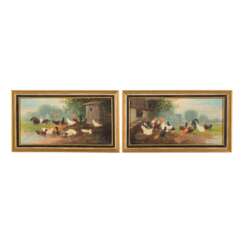

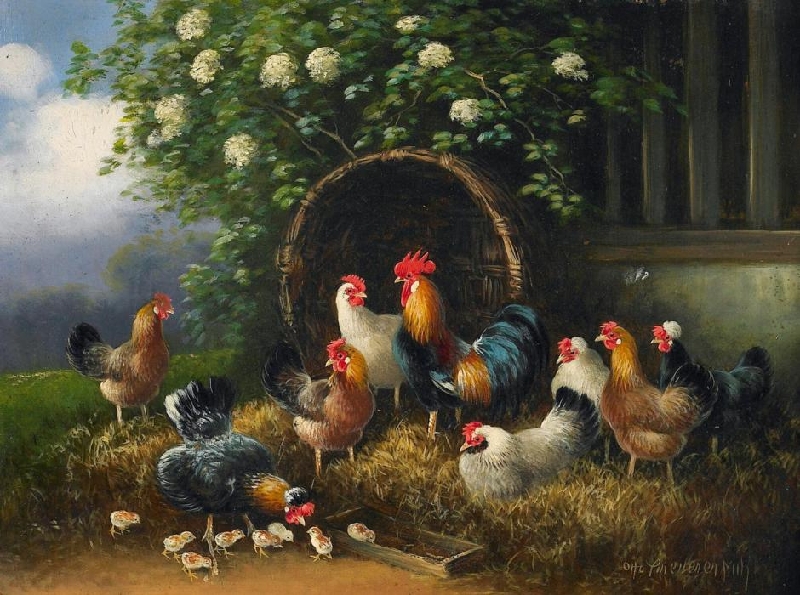
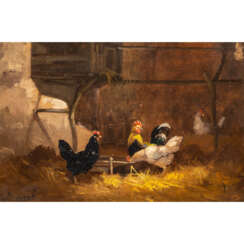
Otto Scheuerer was a German animal painter. The younger brother of the animal painter Julius Scheuerer was active in Munich.
Scheuerer became a member of the Munich Artists' Cooperative. The models for his painting were the Dutch Old Masters. Besides poultry he also painted hunting scenes. The influence of the Chiemsee painters is noticeable in his early works.











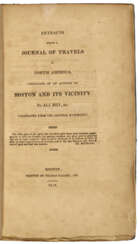


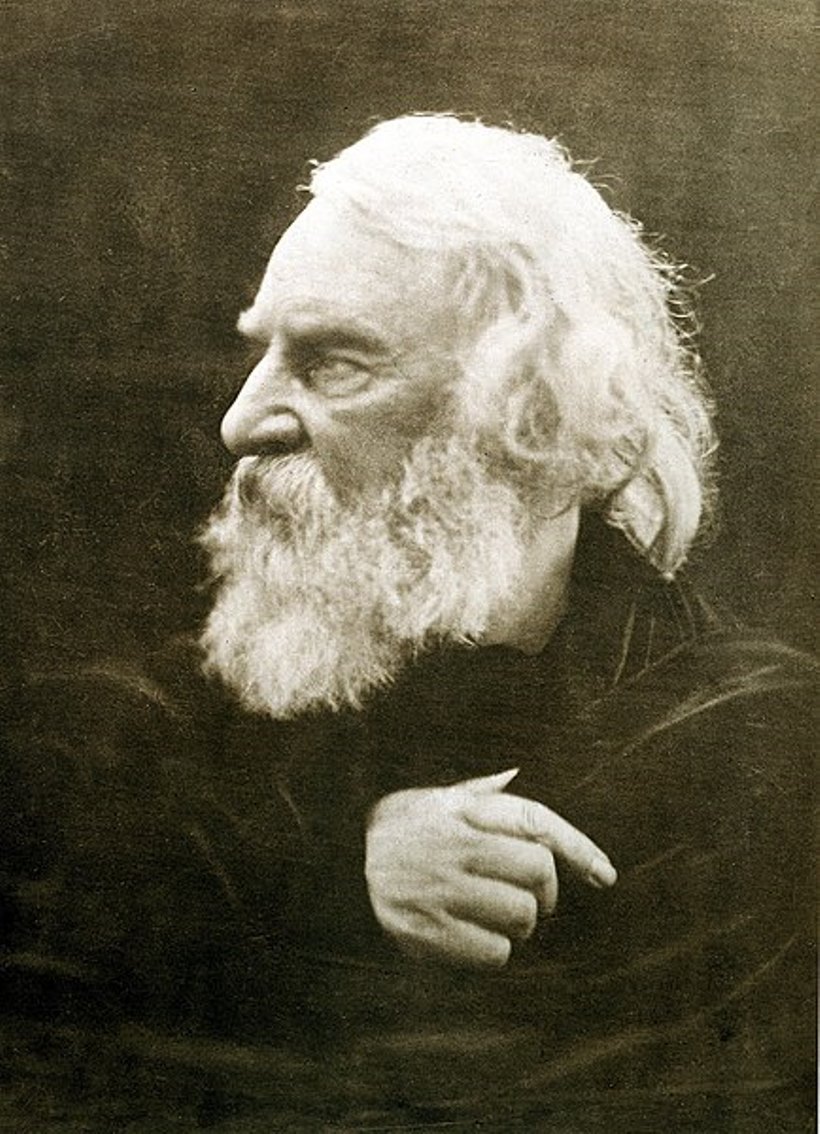
Henry Wadsworth Longfellow was the most popular American poet of the nineteenth century.
Longfellow is one of the most revered poets in the United States. His poems "Paul Revere's Ride", "Evangeline", "The Tale of Acadia" (1847) and "Psalm of Life" were included in elementary and high school curricula and have long been remembered by generations of readers who studied them as children. Longfellow revitalized American literary life by linking American poetry to European traditions outside of England.
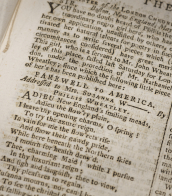




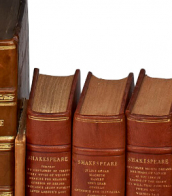




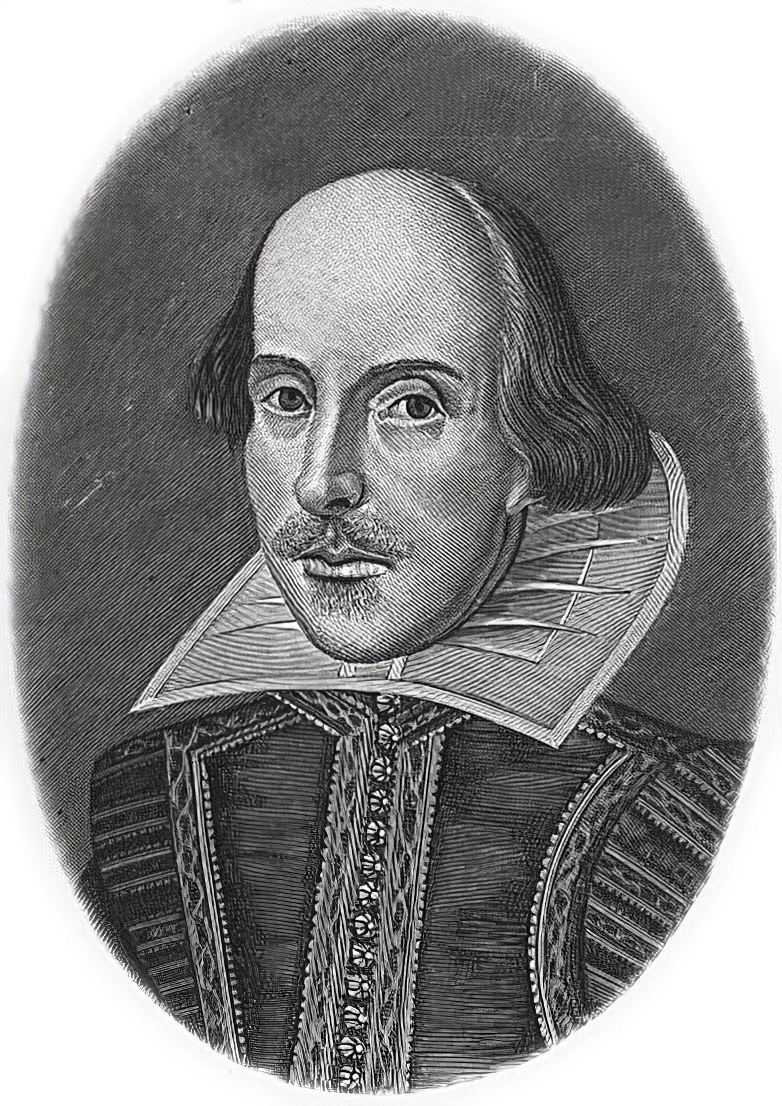
William Shakespeare was a British poet and playwright and writer.
William's father, John Shakespeare, was a merchant and official in Stratford. There are reports that he was a sailor for a time before joining a theater company in London. Beginning in the 1590s, Shakespeare began writing plays, and in 1593 he published a poem, Venus and Adonis, which became popular. He dedicated it to the Duke of Southampton, who was a philanthropist and patron of talent, and soon his business was booming.
From 1592 to 1600 Shakespeare wrote his dramas and romantic comedies "Richard III", "The Taming of the Shrew", "Romeo and Juliet", "A Midsummer Night's Dream" and "The Merchant of Venice", as well as the comedies "Much Ado About Nothing", "Twelfth Night" and the tragedy "Julius Caesar". The playwright's business was so successful that he even bought a large house in Stratford. In 1599, Shakespeare became one of the owners, playwright and actor of the new theater "Globe". In 1603 King James took Shakespeare's troupe under his direct patronage. In the mature period, the great playwright turned to tragedies, there were "Hamlet", "Othello", "King Lear", "Macbeth" and others.
Although in the 19th century researchers had some doubts about the authorship of many of these works, William Shakespeare is considered the greatest English playwright, one of the best playwrights in the world. His plays have been translated into all major languages and to this day form the basis of the world theatrical repertoire, most of them have been screened many times. According to the Guinness Book of Records, Shakespeare remains the world's best-selling playwright, and his plays and poems have sold more than 4 billion copies in the nearly 400 years since his death.
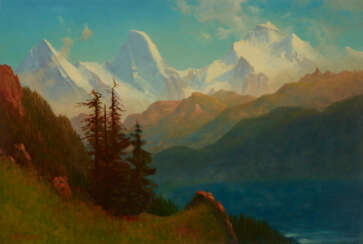

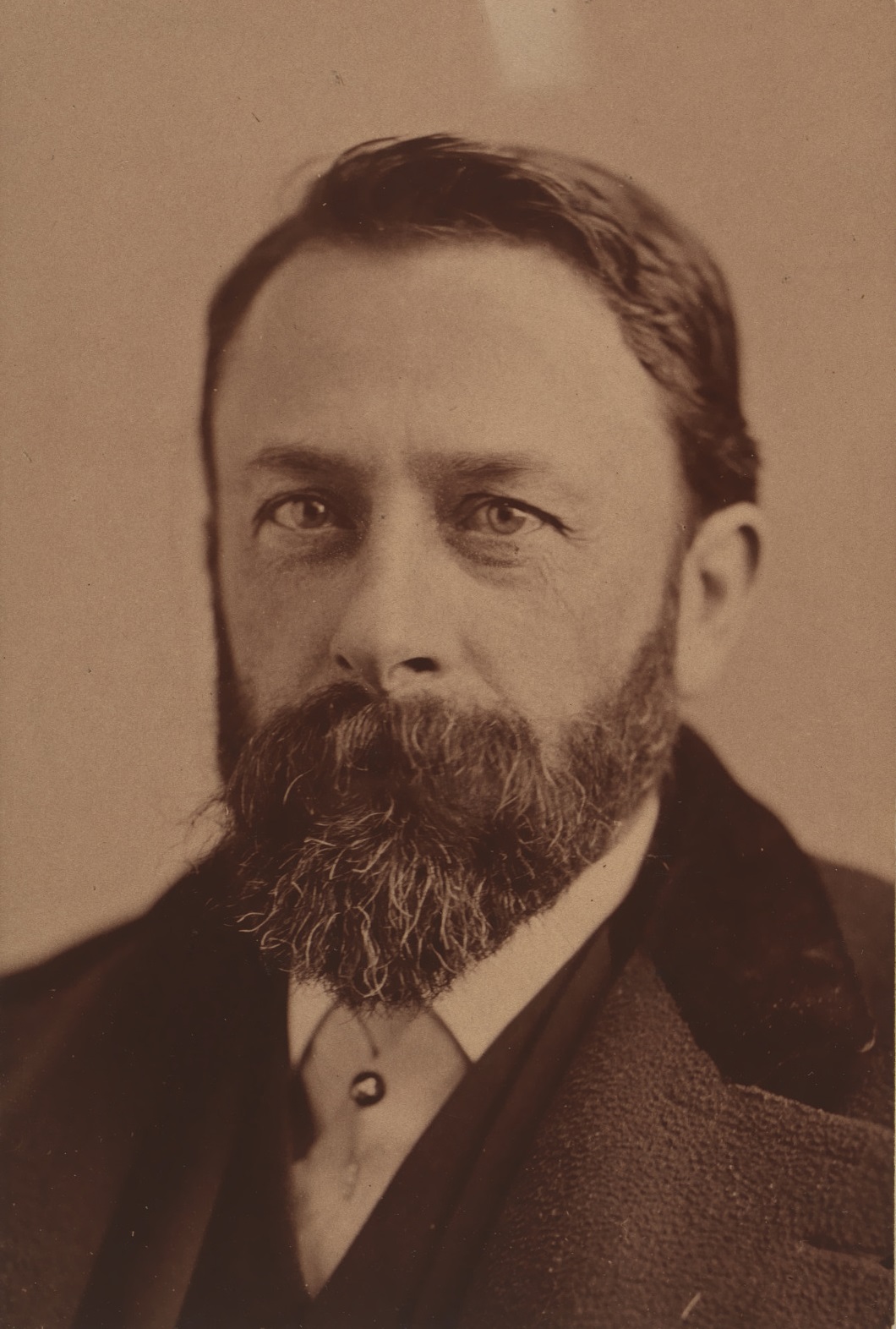
Albert Bierstadt, a German-American painter, became renowned for his expansive and romanticized landscapes of the American West. Born in Solingen, Germany, in 1830, Bierstadt moved to New Bedford, Massachusetts, at the age of two with his family. Largely self-taught, he initially worked as a drawing teacher before traveling to Europe to hone his skills. Bierstadt's European studies, particularly in Düsseldorf, greatly influenced his artistic style, equipping him with the techniques that he would later apply to his majestic depictions of the American wilderness.
Bierstadt's first major expedition to the West in 1859 marked the beginning of his lifelong fascination with the region. His works from this period, such as "The Rocky Mountains, Lander's Peak" (1863), captured the public imagination and established him as a leading figure in the Hudson River School. These paintings were celebrated for their detailed and idealized portrayal of the rugged landscapes and played a role in shaping the perception of the American West during a time of rapid territorial expansion and exploration.
Despite his success, Bierstadt's style fell out of favor towards the end of his career as tastes shifted towards realism and Impressionism. His later works, including "The Last of the Buffalo" (1888), were criticized for their perceived theatricality and excessive romanticism. Bierstadt's popularity waned, and he faced financial difficulties, but his legacy experienced a resurgence in the mid-20th century as interest in his technique and contributions to American art history grew.
For collectors and enthusiasts of American landscape painting, Bierstadt’s works offer a vivid, albeit embellished, glimpse into the 19th-century frontier spirit. His paintings are housed in major institutions like the Metropolitan Museum of Art and the National Gallery of Art, serving as testaments to his skill and vision.
To stay updated on exhibitions and sales related to Albert Bierstadt's works, consider signing up for alerts tailored to his artistic contributions. This subscription will keep you informed about new discoveries and auction events specifically linked to Bierstadt's enduring legacy.
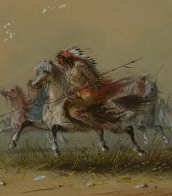
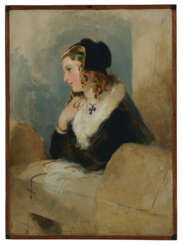

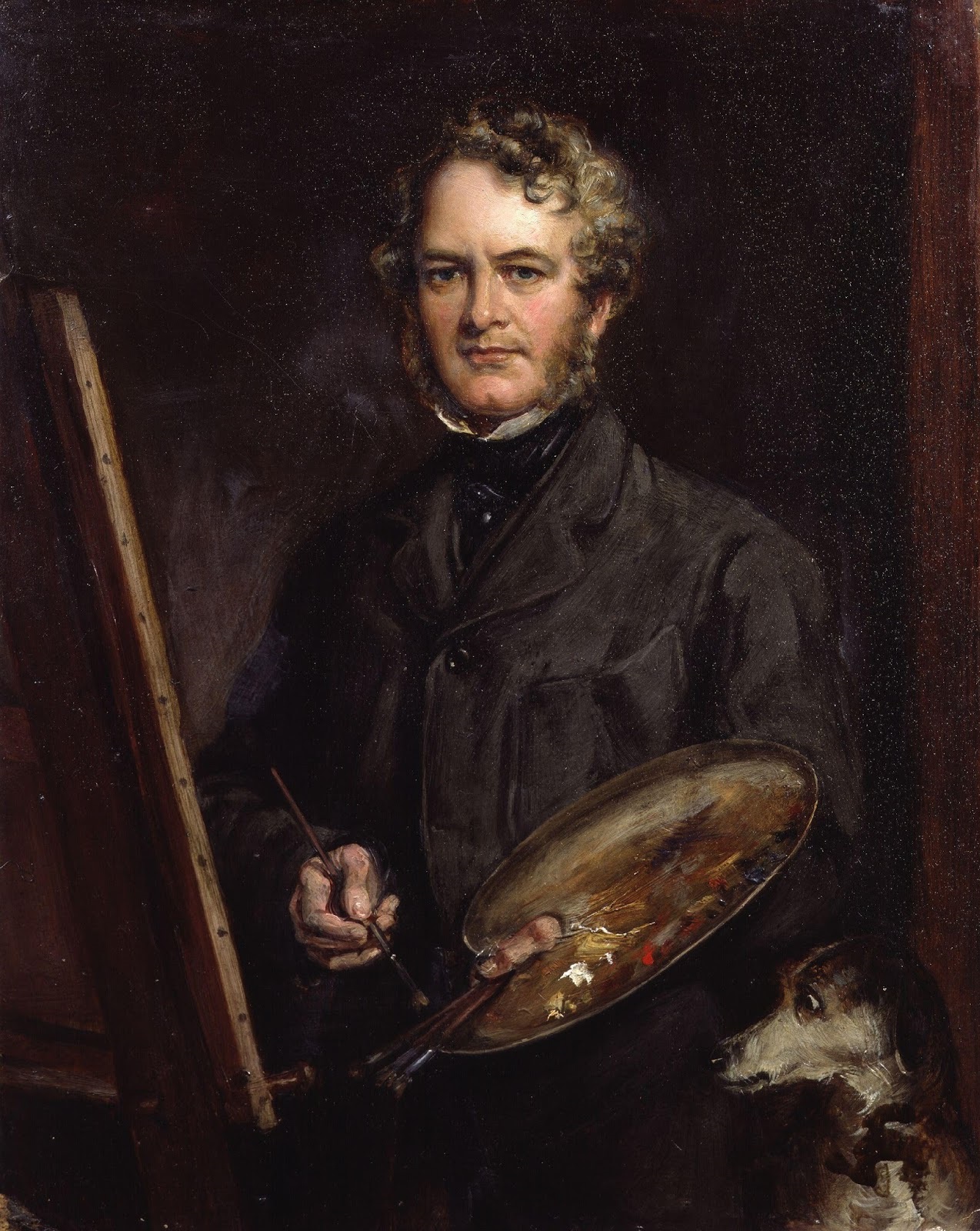
Edwin Henry Landseer was an English painter and sculptor, well known for his paintings of animals – particularly horses, dogs, and stags. However, his best-known works are the lion sculptures at the base of Nelson's Column in Trafalgar Square.
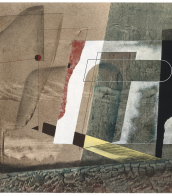


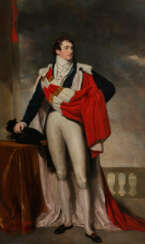

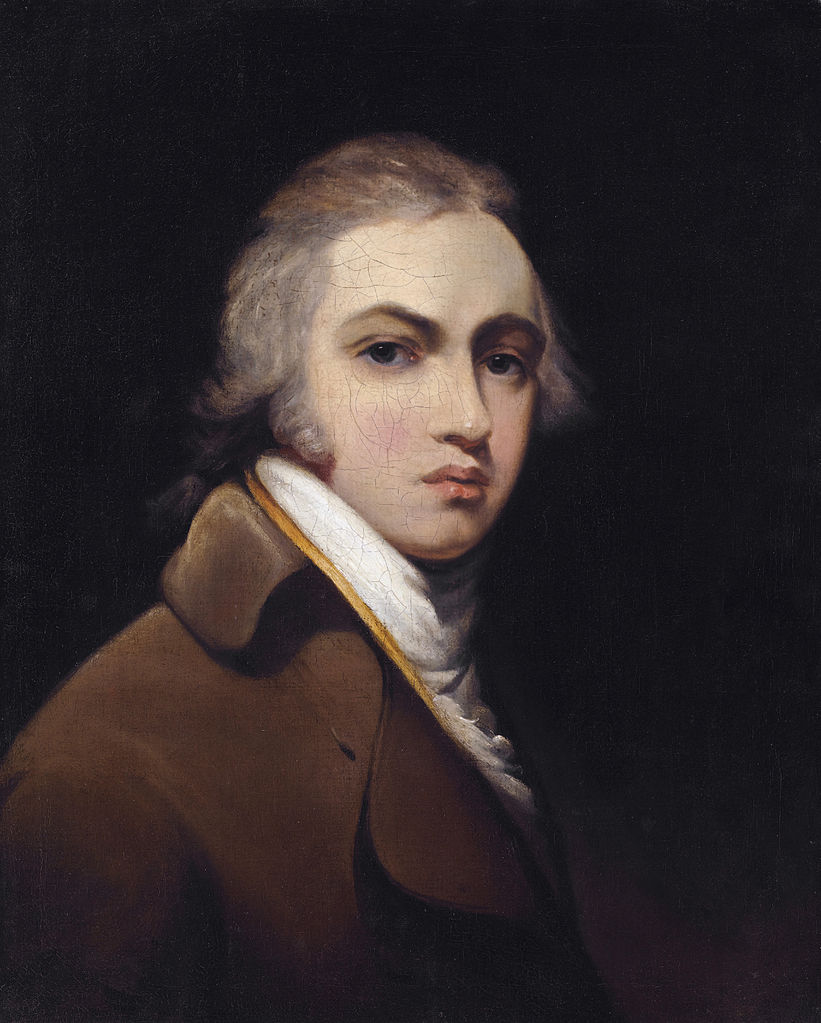
Thomas Lawrence was a prominent English painter, celebrated for his mastery in portraiture, who made a significant mark in the world of art and culture during the late 18th and early 19th centuries. Born in Bristol in 1769, Lawrence was a child prodigy, supporting his family through his artistic talents from a young age. His journey took him to Bath and eventually to London, where he swiftly established himself as a leading portrait artist, capturing the likenesses of society's most influential figures.
Thomas Lawrence's work is renowned for its elegance, capturing the essence and personality of his subjects with remarkable finesse. His ability to portray the delicate nuances of expression and character made his portraits highly sought after by the aristocracy and royalty alike. His commissions included portraits of King George III, Queen Charlotte, and the Prince Regent, as well as numerous other figures from the British and European nobility. Among his notable works are the portraits of Elizabeth Farren, soon to be the Countess of Derby, characterized by its vibrant expression and elegance, and the depiction of actress Sarah Siddons' daughters, which underscored his personal entanglements and the emotional depth he could convey through his art.
Despite his success, Thomas Lawrence's life was not without its challenges. He was perpetually in debt, a situation that puzzled his contemporaries given his tireless work ethic and the absence of any overt extravagance in his lifestyle. Furthermore, his romantic life was complicated, marked by his unfulfilled love for the Siddons sisters, which added a layer of personal tragedy to his story.
Thomas Lawrence's contributions to art were recognized by his election as a full member of the Royal Academy in 1794, and he later served as its president. His legacy is preserved in galleries and collections worldwide, including the National Gallery in London, which houses several of his masterpieces. His portraits of abolitionists and slave-owners alike reflect the complex social fabric of his time, offering a window into the era's cultural and historical context.
For collectors and experts in art and antiques, Thomas Lawrence's works represent not just aesthetic achievements but also valuable historical documents that capture the essence of an era. His portraits are a testament to the power of art to convey both the external likeness and the inner soul of the subject.
For those interested in the intersection of art, history, and culture, and who wish to stay informed about new discoveries, sales, and auction events related to Thomas Lawrence's work, signing up for updates is an invaluable resource. This ensures that enthusiasts and collectors alike remain at the forefront of developments in the world of art and antiques related to this illustrious painter.