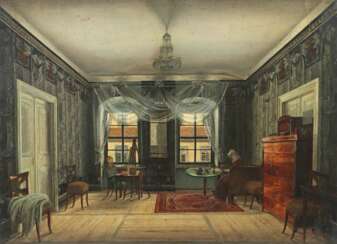
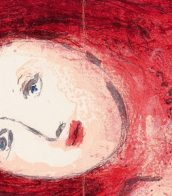
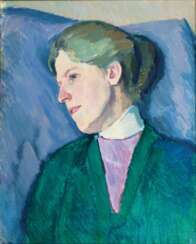
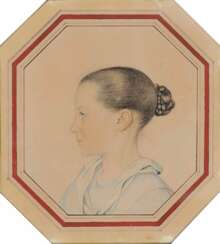
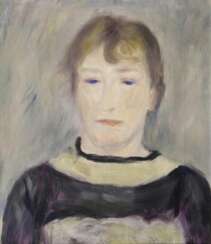
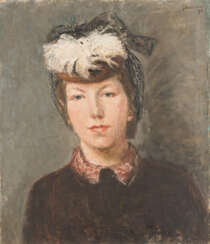
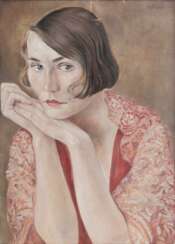
frau des künstlers
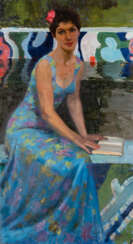



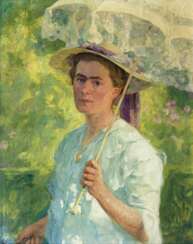








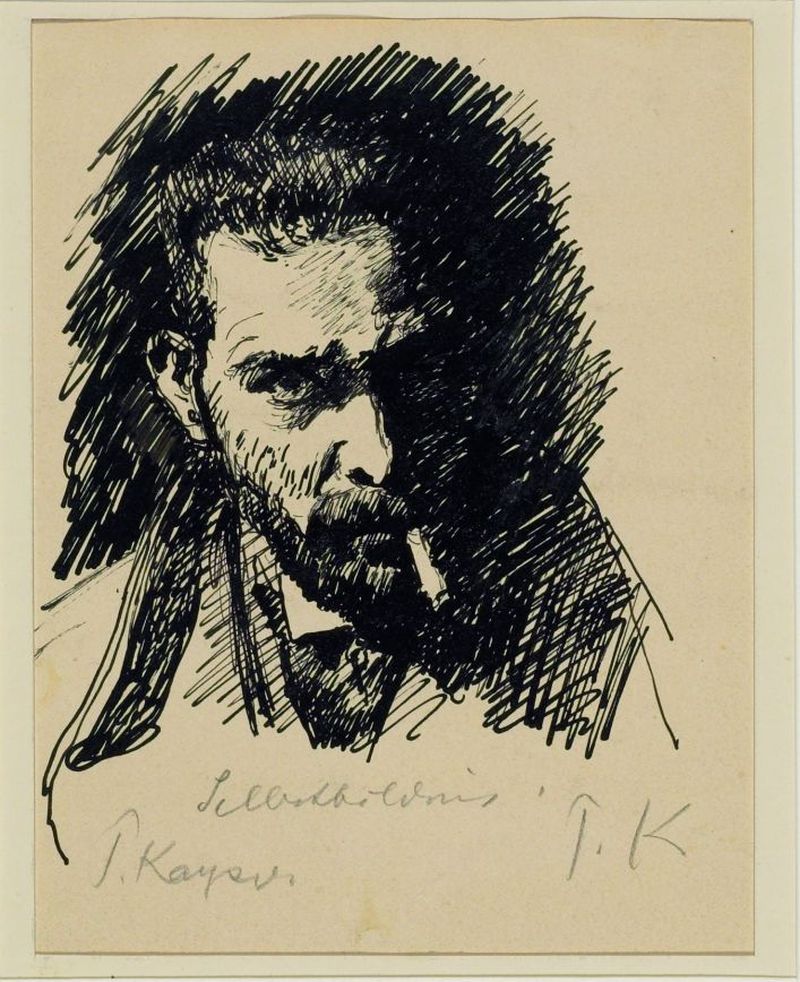
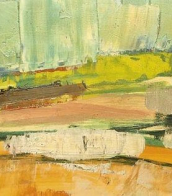
Paul Kayser was a German painter and graphic artist. After training as a painter-decorator, Kayser attended the Schools of Applied Art in Munich and Dresden.
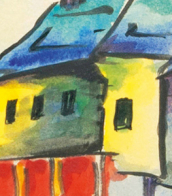
Paul Kayser was a founding member of the Hamburg Artists' Club 1897 and the Hamburg Secession, and a member of the Hamburg Artists' Association and the Altona Artists' Association. His style was decisively influenced by Albert Marquet, whom Kaiser met in 1909.
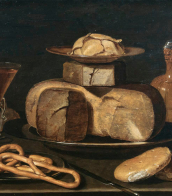
In 1937, Kaiser's still life was confiscated from the museum in Husum as part of the Nazi "Degenerate Art" campaign.












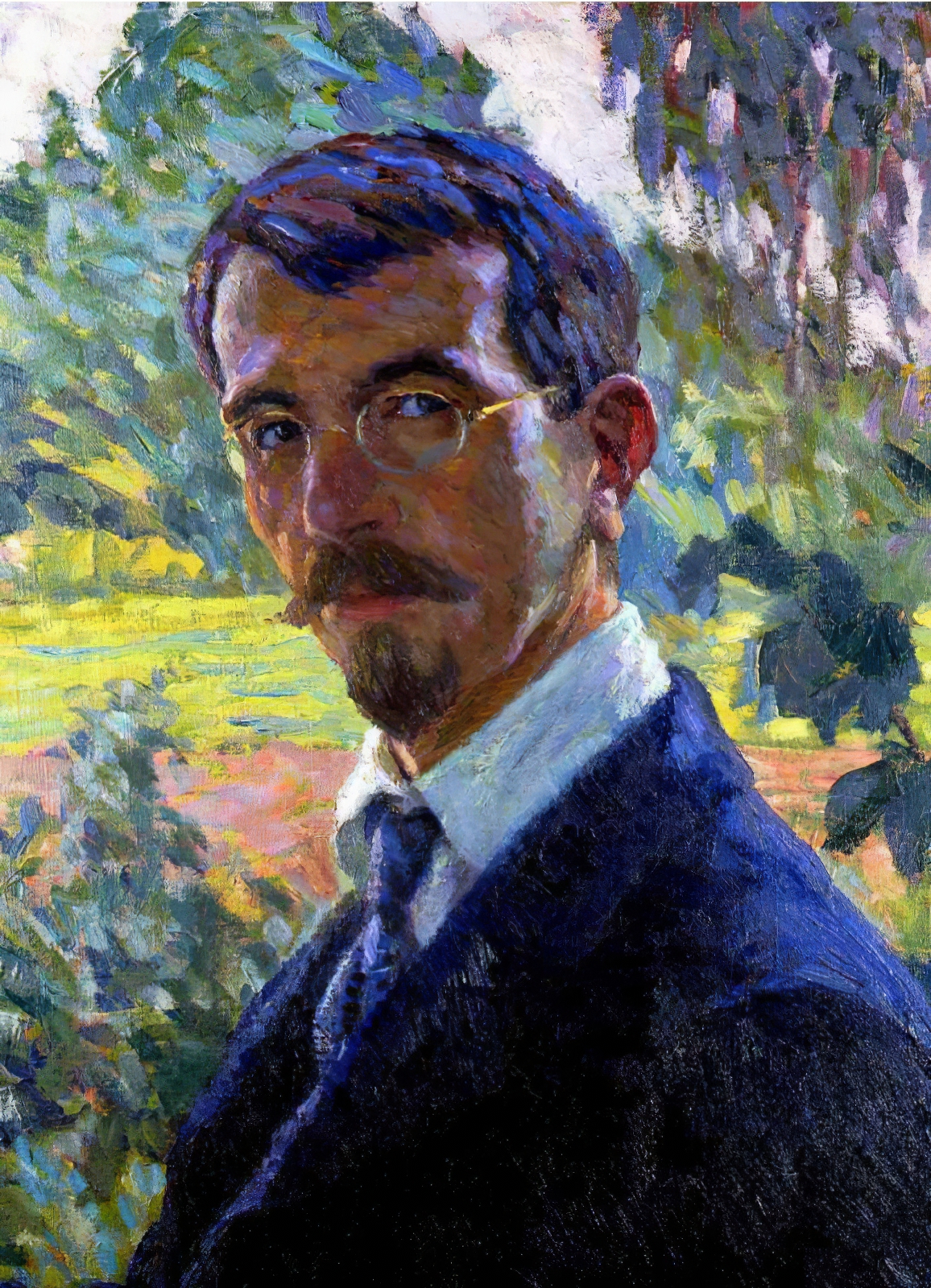
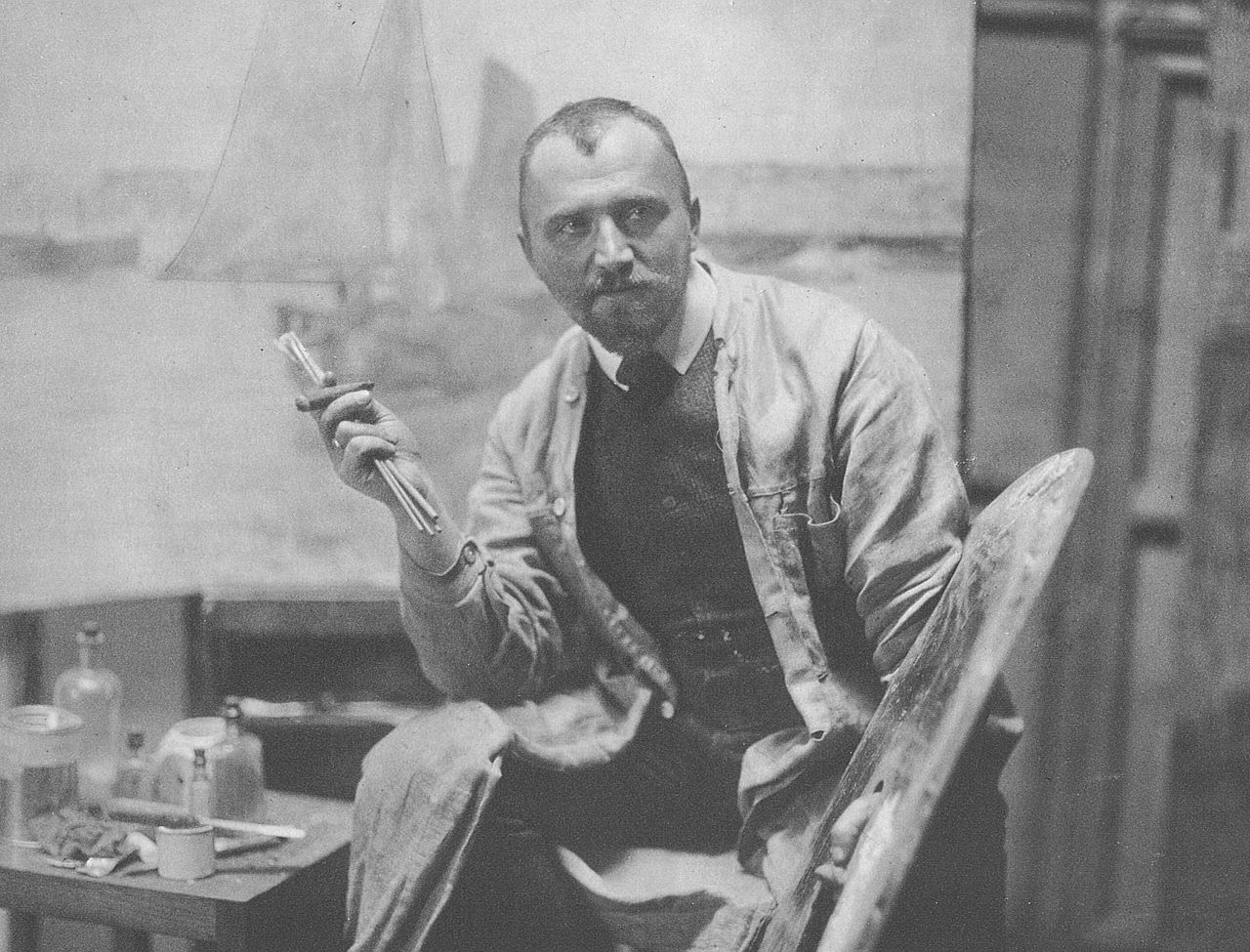
Wilhelm Heinrich Ernst Eitner was a German painter of the late nineteenth and first half of the twentieth centuries. He is known as an impressionist painter and teacher.
Eitner produced portraits, landscapes, and woodcuts in a style reminiscent of Japanese art. Despite initial rejection in German society of his impressionist style of painting, over the years he gained recognition and even the title "Claude Monet of the North." Eitner was a member of numerous art associations. His works are preserved in the Hamburg Kunsthalle.
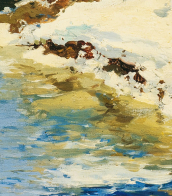









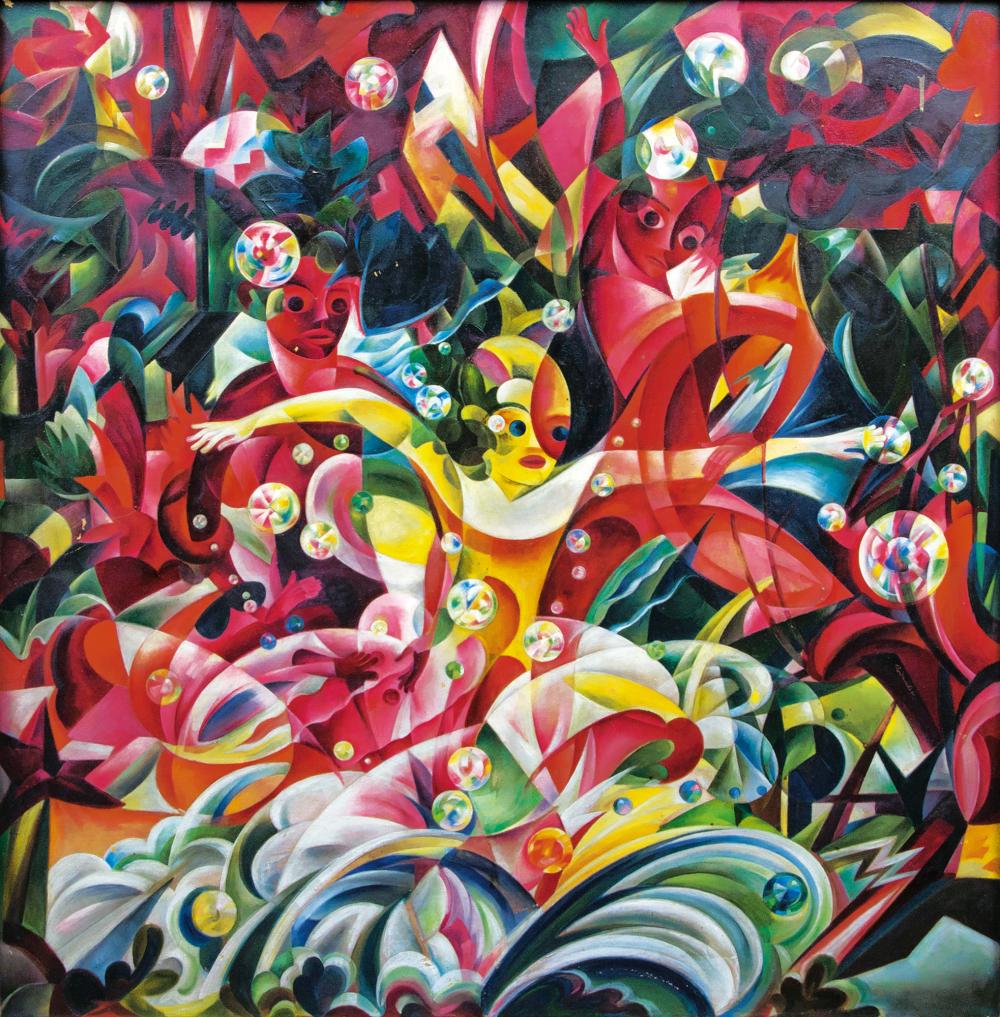
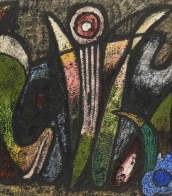
Otto Rodewald is a German painter and graphic designer.
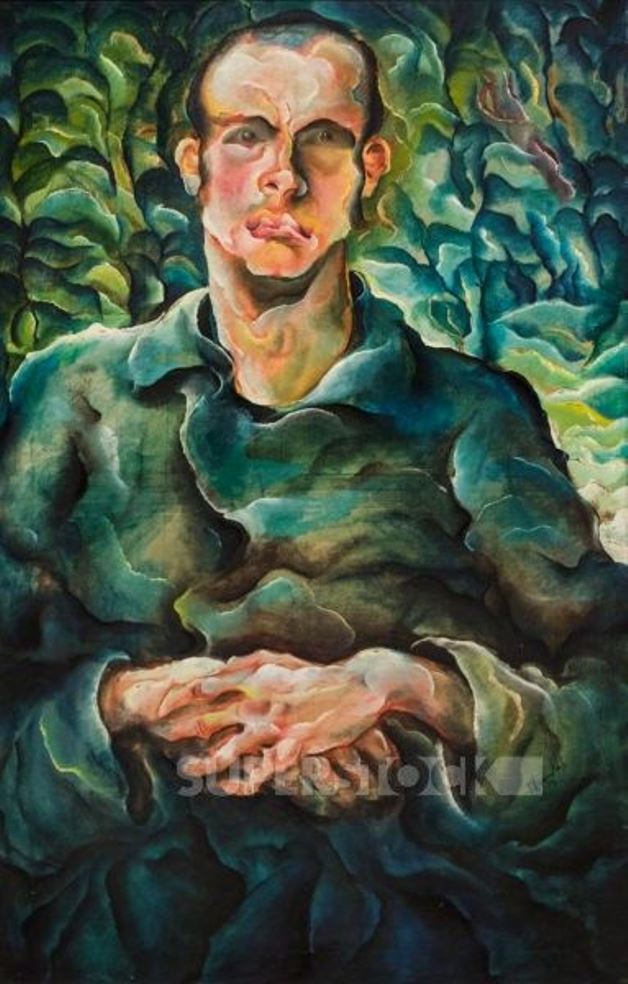
Rodewald studied at the Hamburg State Art School and participated in exhibitions. Rodewald traveled extensively, mostly in Europe and the Middle East; between 1929 and 1931 he lived in the Tunisian artists' village of Sidi Bou Said, where he was captivated by Eastern exoticism. His style can be categorized as magical realism and new objectivity. He also painted portraits in the Neo-Saxon style.
Otto Rodewald later co-founded the art club Die Insel and from 1928, after participating in several exhibitions, became a permanent member of the Hamburg Secession and a member of the Hamburg Artists' Association.
During the National Socialists' campaign against degenerate art in 1933, some of Rodewald's works were banned, but in order to survive, the artist continued to work with Hitler's government, fulfilling their commissions. After the end of World War II, the artist remained active until his death.










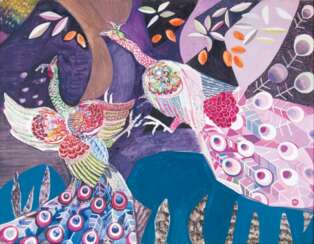

Otto Rodewald is a German painter and graphic designer.
Rodewald studied at the Hamburg State Art School and participated in exhibitions. Rodewald traveled extensively, mostly in Europe and the Middle East; between 1929 and 1931 he lived in the Tunisian artists' village of Sidi Bou Said, where he was captivated by Eastern exoticism. His style can be categorized as magical realism and new objectivity. He also painted portraits in the Neo-Saxon style.
Otto Rodewald later co-founded the art club Die Insel and from 1928, after participating in several exhibitions, became a permanent member of the Hamburg Secession and a member of the Hamburg Artists' Association.
During the National Socialists' campaign against degenerate art in 1933, some of Rodewald's works were banned, but in order to survive, the artist continued to work with Hitler's government, fulfilling their commissions. After the end of World War II, the artist remained active until his death.