fun


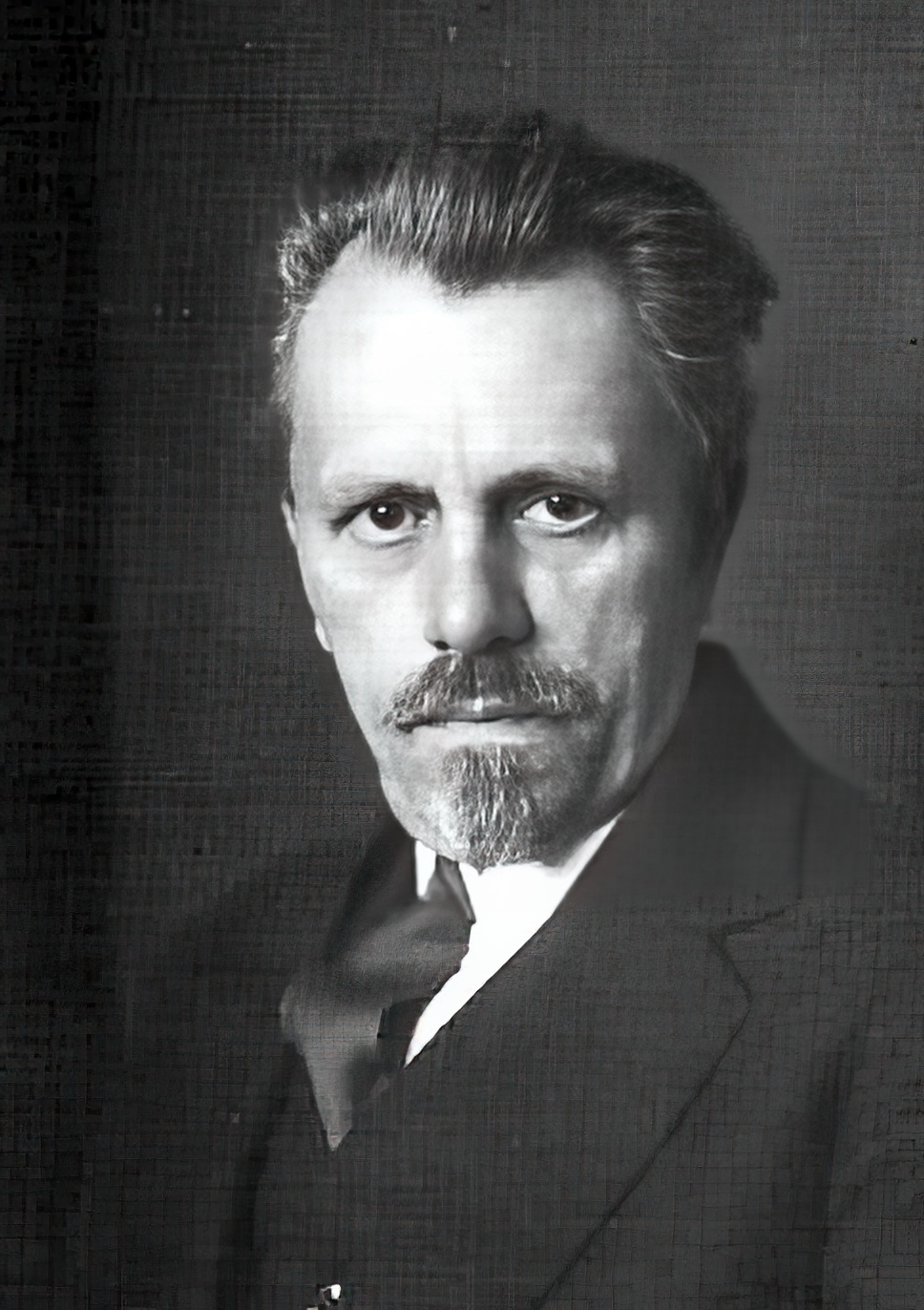
Arthur Wilhelm Otto Lewin-Funcke, originally Arthur Levin was a German sculptor and medallist. Lewin was his father's name, and Funcke his mother's maiden name.
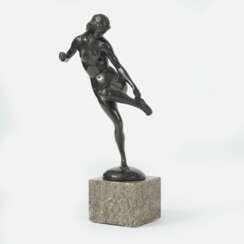

Arthur Wilhelm Otto Lewin-Funcke, originally Arthur Levin was a German sculptor and medallist. Lewin was his father's name, and Funcke his mother's maiden name.



Arthur Wilhelm Otto Lewin-Funcke, originally Arthur Levin was a German sculptor and medallist. Lewin was his father's name, and Funcke his mother's maiden name.
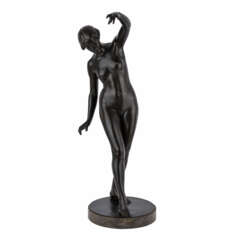

Arthur Wilhelm Otto Lewin-Funcke, originally Arthur Levin was a German sculptor and medallist. Lewin was his father's name, and Funcke his mother's maiden name.
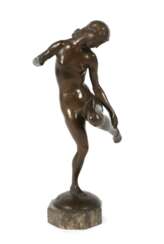

Arthur Wilhelm Otto Lewin-Funcke, originally Arthur Levin was a German sculptor and medallist. Lewin was his father's name, and Funcke his mother's maiden name.
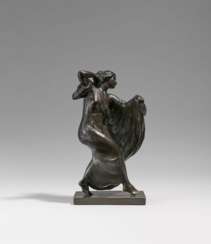

Arthur Wilhelm Otto Lewin-Funcke, originally Arthur Levin was a German sculptor and medallist. Lewin was his father's name, and Funcke his mother's maiden name.




.jpg)




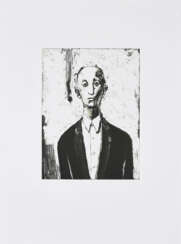

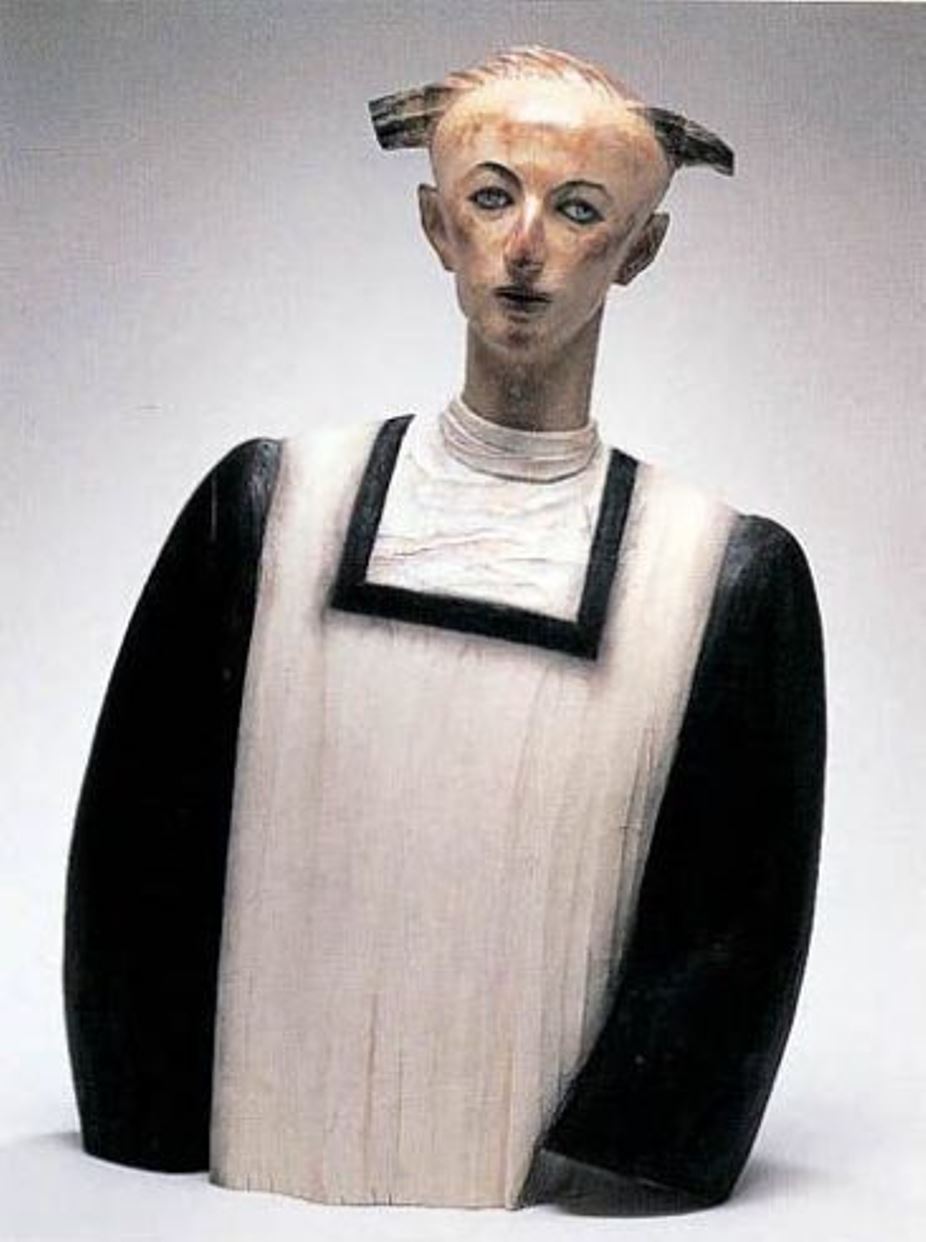
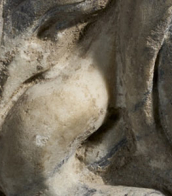
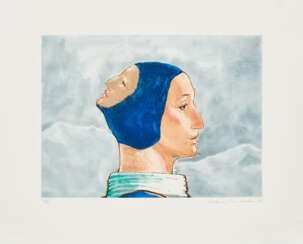
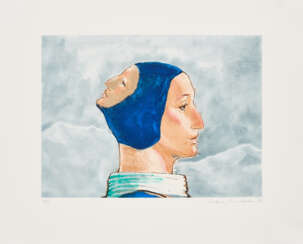
Funakoshi Katsura is a Japanese sculptor and one of Japan's leading figures in the visual arts. His woodwork, usually depicting human figures above the waist, is striking and distinctive. Funakoshi processes the material, leaving the structure of the wood and traces of the carvings visible. The artist carefully uses grit for modeling and leaves unpainted part of the figure's head.
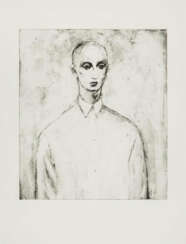

Funakoshi Katsura is a Japanese sculptor and one of Japan's leading figures in the visual arts. His woodwork, usually depicting human figures above the waist, is striking and distinctive. Funakoshi processes the material, leaving the structure of the wood and traces of the carvings visible. The artist carefully uses grit for modeling and leaves unpainted part of the figure's head.

Funakoshi Katsura is a Japanese sculptor and one of Japan's leading figures in the visual arts. His woodwork, usually depicting human figures above the waist, is striking and distinctive. Funakoshi processes the material, leaving the structure of the wood and traces of the carvings visible. The artist carefully uses grit for modeling and leaves unpainted part of the figure's head.


Funakoshi Katsura is a Japanese sculptor and one of Japan's leading figures in the visual arts. His woodwork, usually depicting human figures above the waist, is striking and distinctive. Funakoshi processes the material, leaving the structure of the wood and traces of the carvings visible. The artist carefully uses grit for modeling and leaves unpainted part of the figure's head.
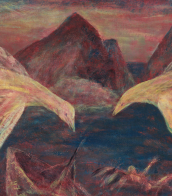


Susan Hefuna is a German-Egyptian artist working in various fields of art.
She was born from the union of an Egyptian and a German, which put her at the intersection of the two cultures in which she was immersed. Hefuna completed her PhD in multimedia at the Institute for New Media in Frankfurt. She lives between Egypt and Germany and works in a variety of media including drawing, photography, sculpture, installation, video and performance. Hefuna combines her Egyptian and German roots in her work, using urban imagery, typography and traditions from both to build a bridge between the two cultures.
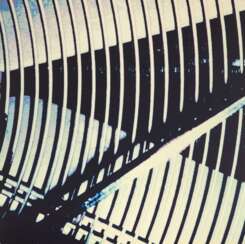
Hefuna's work often incorporates the form or image of the characteristic mashrabiya, an oriental carved wooden or stone architectural lattice screen.
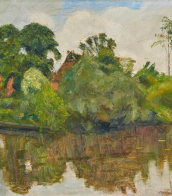
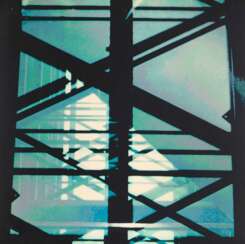

Susan Hefuna is a German-Egyptian artist working in various fields of art.
She was born from the union of an Egyptian and a German, which put her at the intersection of the two cultures in which she was immersed. Hefuna completed her PhD in multimedia at the Institute for New Media in Frankfurt. She lives between Egypt and Germany and works in a variety of media including drawing, photography, sculpture, installation, video and performance. Hefuna combines her Egyptian and German roots in her work, using urban imagery, typography and traditions from both to build a bridge between the two cultures.
Hefuna's work often incorporates the form or image of the characteristic mashrabiya, an oriental carved wooden or stone architectural lattice screen.
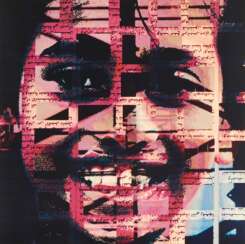

Susan Hefuna is a German-Egyptian artist working in various fields of art.
She was born from the union of an Egyptian and a German, which put her at the intersection of the two cultures in which she was immersed. Hefuna completed her PhD in multimedia at the Institute for New Media in Frankfurt. She lives between Egypt and Germany and works in a variety of media including drawing, photography, sculpture, installation, video and performance. Hefuna combines her Egyptian and German roots in her work, using urban imagery, typography and traditions from both to build a bridge between the two cultures.
Hefuna's work often incorporates the form or image of the characteristic mashrabiya, an oriental carved wooden or stone architectural lattice screen.
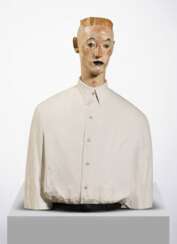

Funakoshi Katsura is a Japanese sculptor and one of Japan's leading figures in the visual arts. His woodwork, usually depicting human figures above the waist, is striking and distinctive. Funakoshi processes the material, leaving the structure of the wood and traces of the carvings visible. The artist carefully uses grit for modeling and leaves unpainted part of the figure's head.