gemälde rie
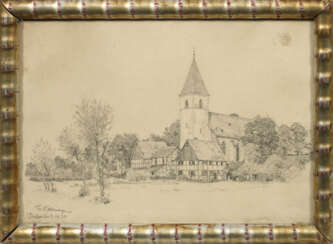

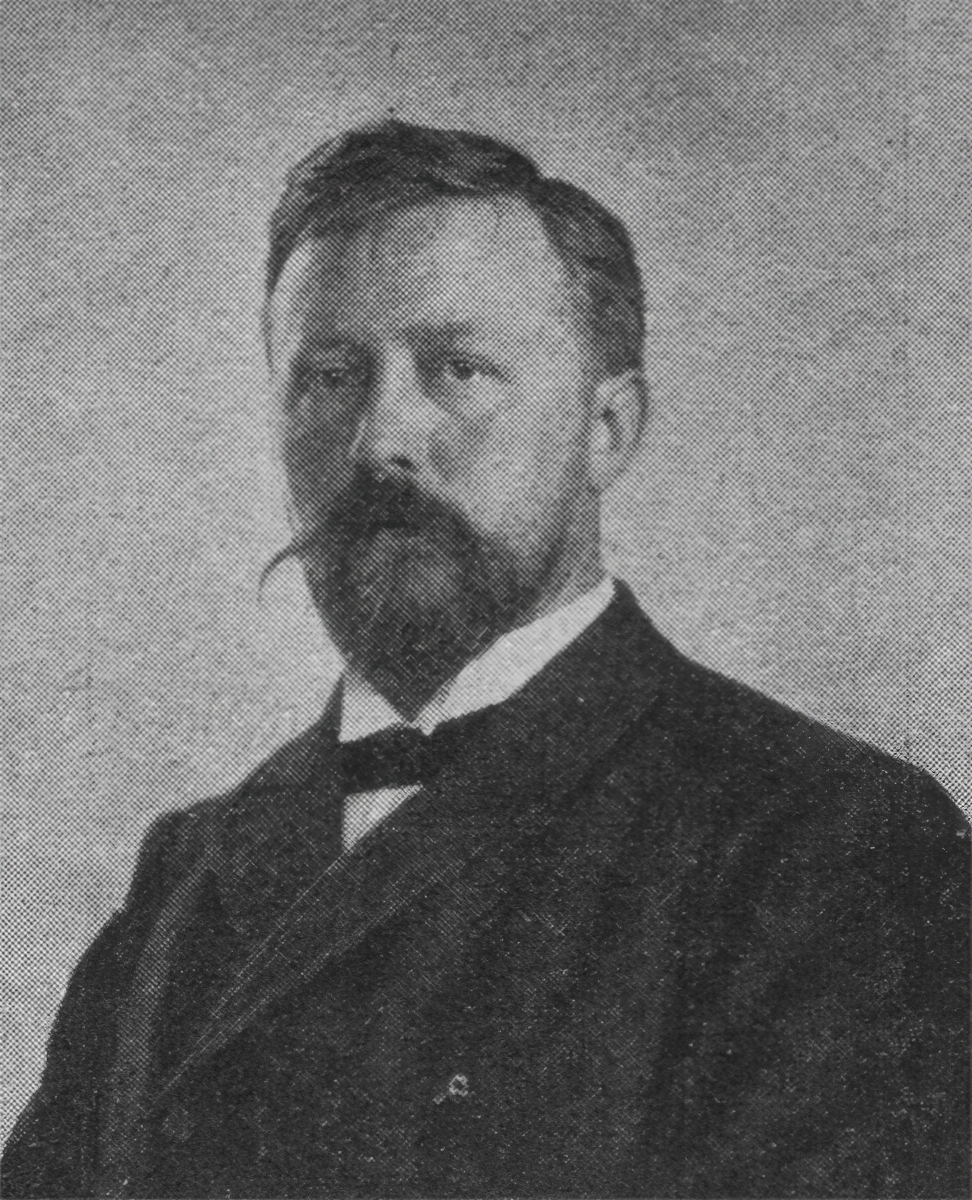
Friedrich Kallmorgen was a German Impressionist painter who specialized in landscapes and cityscapes.
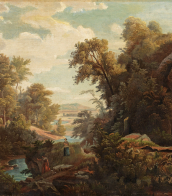
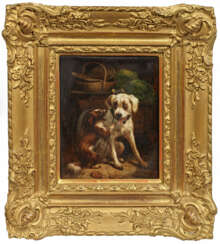

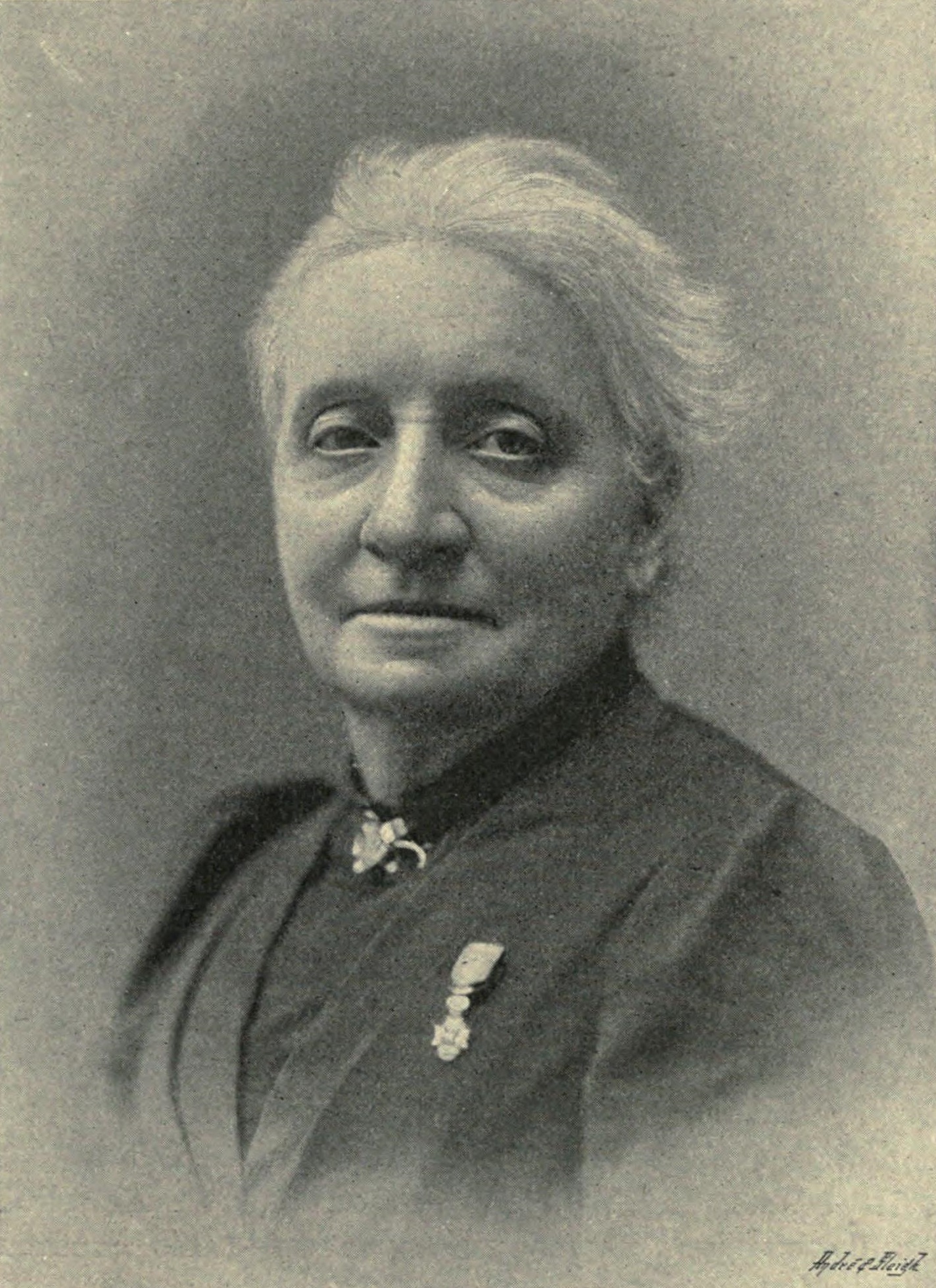
Henriette Ronner-Knip was a Dutch-Belgian artist celebrated for her detailed and emotive animal paintings, especially cats and dogs. Born into an artistic family in Amsterdam in 1821, Henriette's talent was evident early on, and she quickly became a prominent figure in the art world. Her father, a key influence in her life, helped hone her skills from a young age, emphasizing the dedication required for artistic success. Despite challenges, including her father's blindness and the responsibility of supporting her family, Henriette's resolve only strengthened.
After marrying Teiko Ronner in 1850, Henriette moved to Brussels, where she transitioned her focus predominantly to animals, capturing the essence and character of her subjects with remarkable precision. Her works, such as "The Death of a Friend," not only garnered acclaim but also reflected societal elements, like the reliance on dog sleds in the 19th century. Henriette's contributions were recognized with numerous accolades, and her legacy continued through her children, who also pursued artistic careers.
For collectors and art enthusiasts, Henriette Ronner-Knip's works offer a glimpse into the 19th-century life and a deep appreciation for animal portrayal in art. Her paintings, imbued with a blend of realism and romanticism, continue to resonate, reflecting her profound connection with her subjects and her exceptional skill in bringing them to life on canvas.
To stay updated on available pieces and auction events related to Henriette Ronner-Knip, signing up for updates can provide valuable insights and opportunities to acquire works by this distinguished artist.
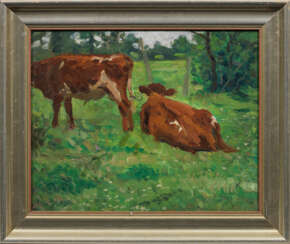

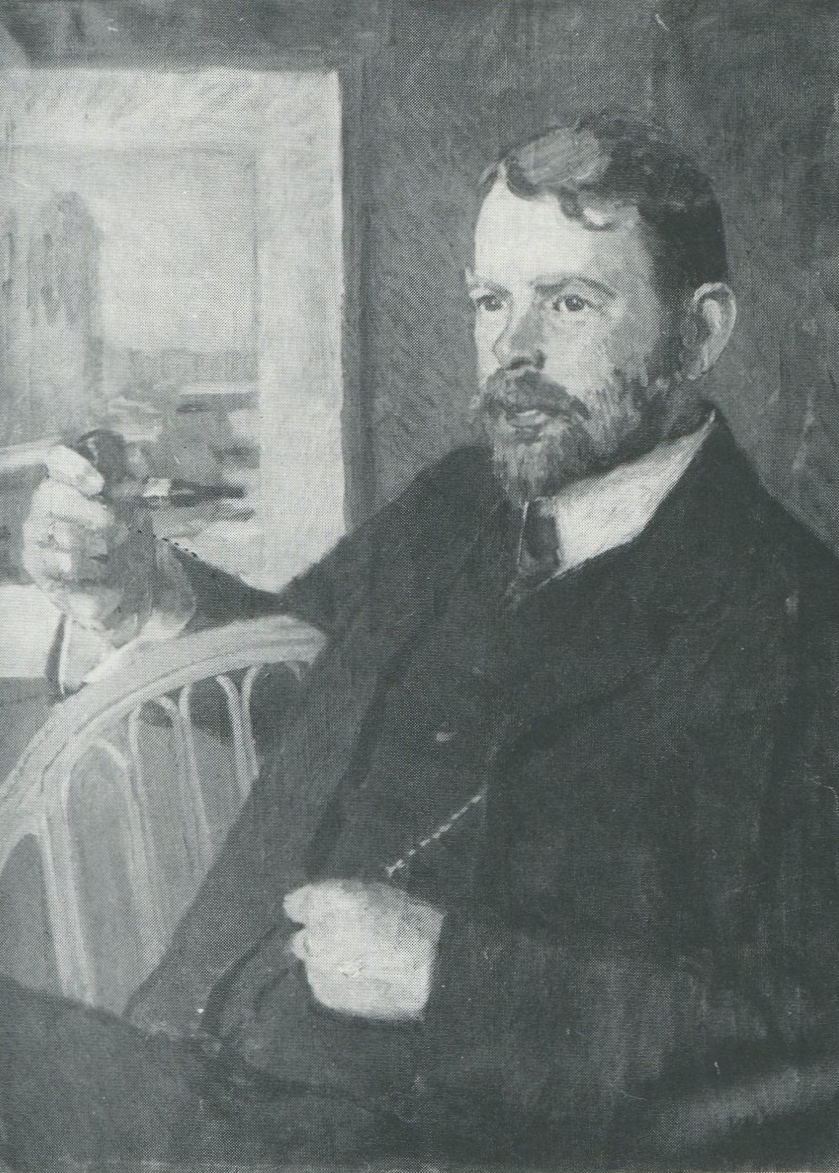
Friedrich Schaper is a German painter, graphic artist and illustrator.


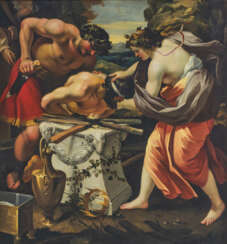


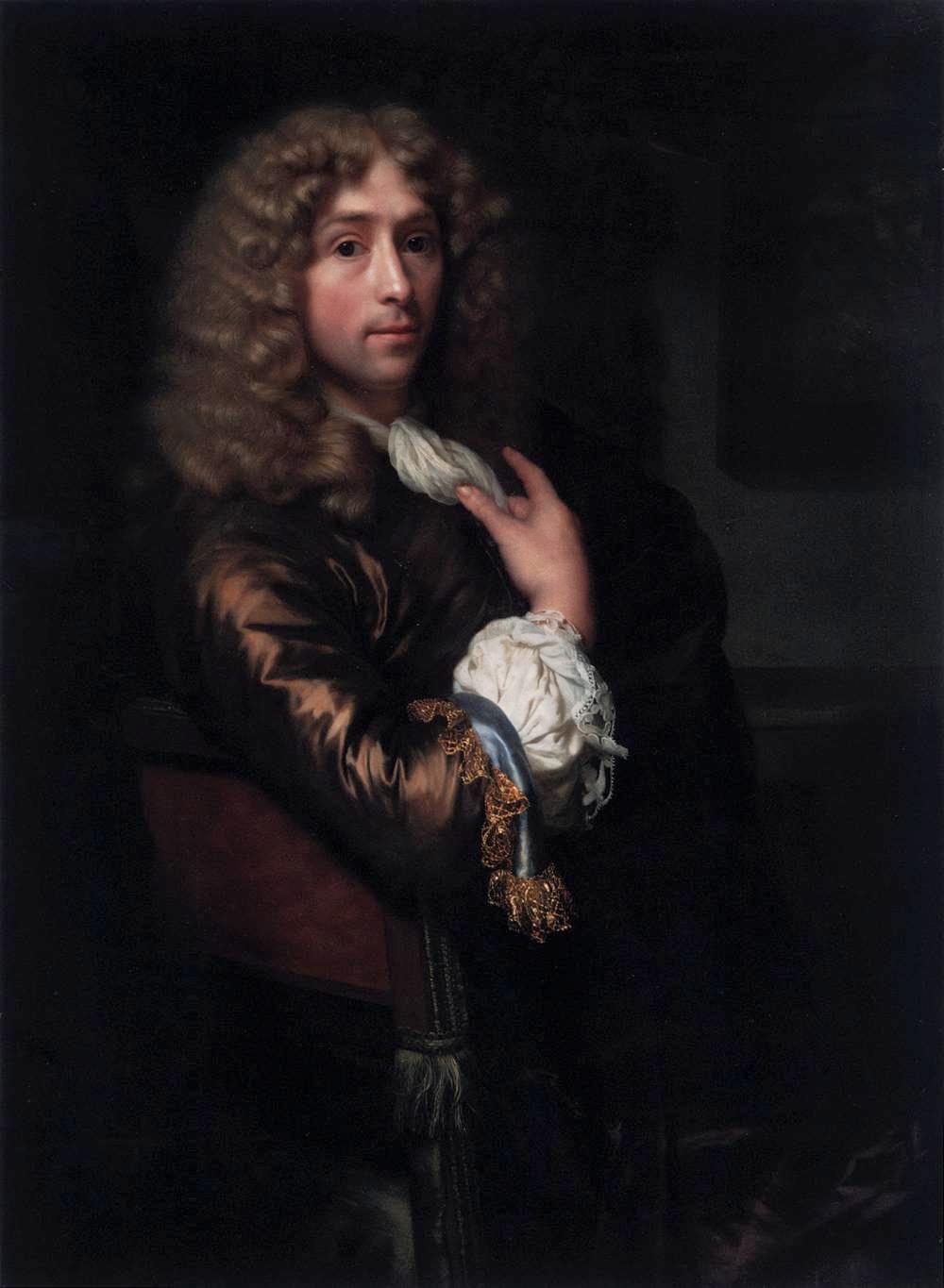
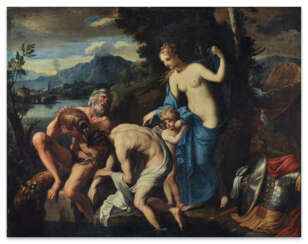
Godfried Schalcken was a Dutch genre and portrait painter. He was noted for his mastery in reproducing the effect of candlelight, and painted in the exquisite and highly polished manner of the Leiden fijnschilders.



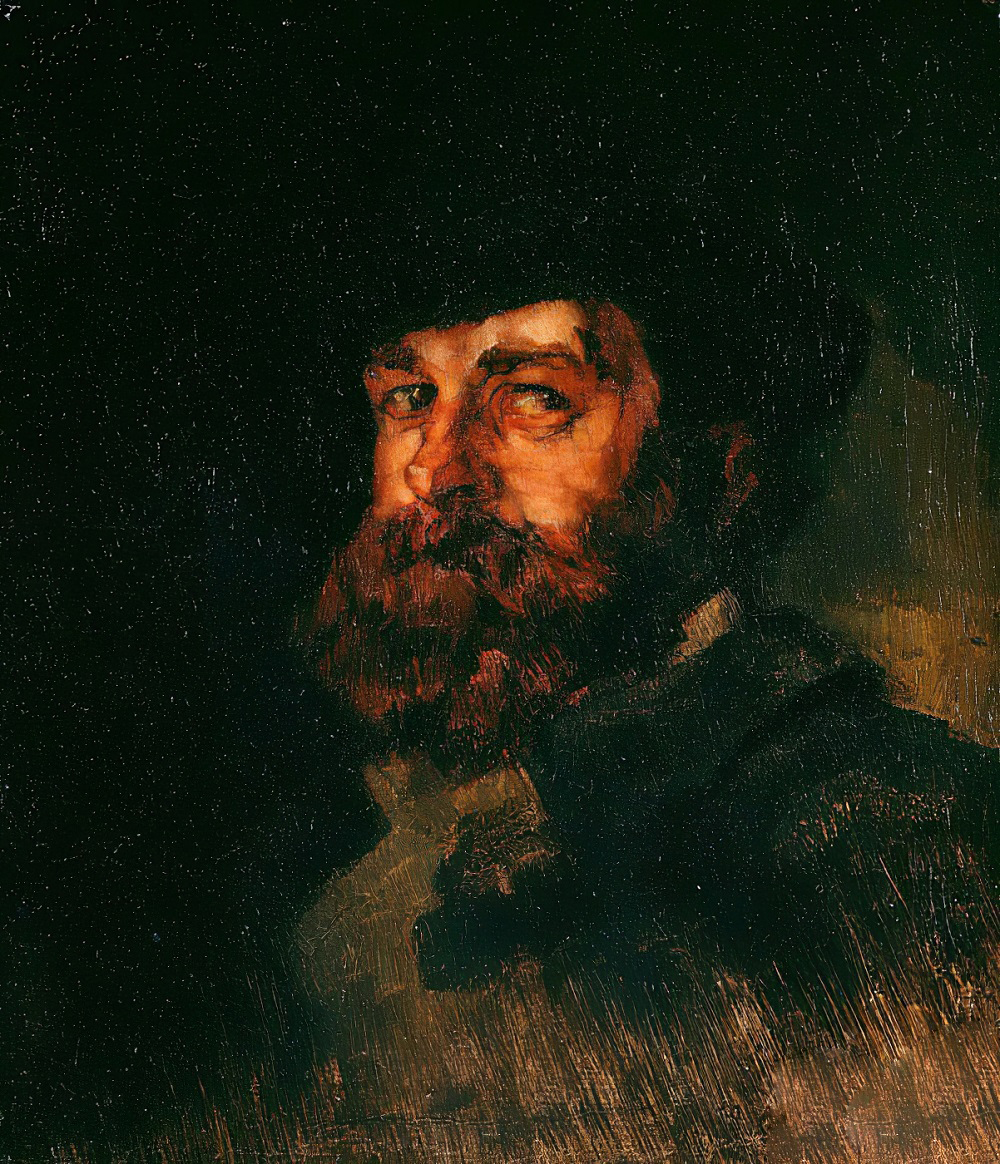
Karl Hagemeister was a German landscape painter.


Karl Hagemeister was a German landscape painter.


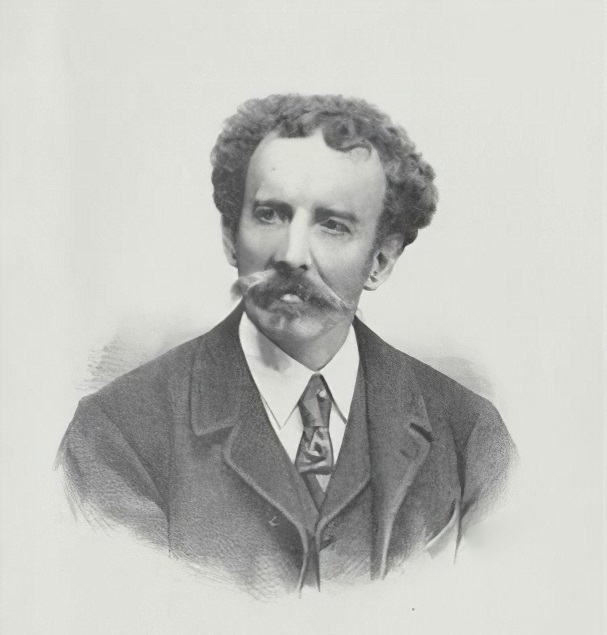
Albert Rieger was an Austrian painter best known for his dark, muted landscapes of Vienna. He frequently depicted mountains, waterways, and forests rendered in great detail with a particular relish given to the effects of light, using oscillating brush marks and contrasting moments of shadow to animate his subjects.
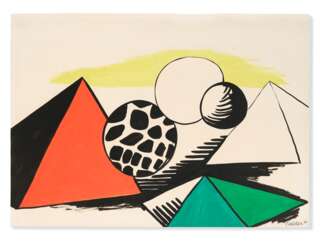

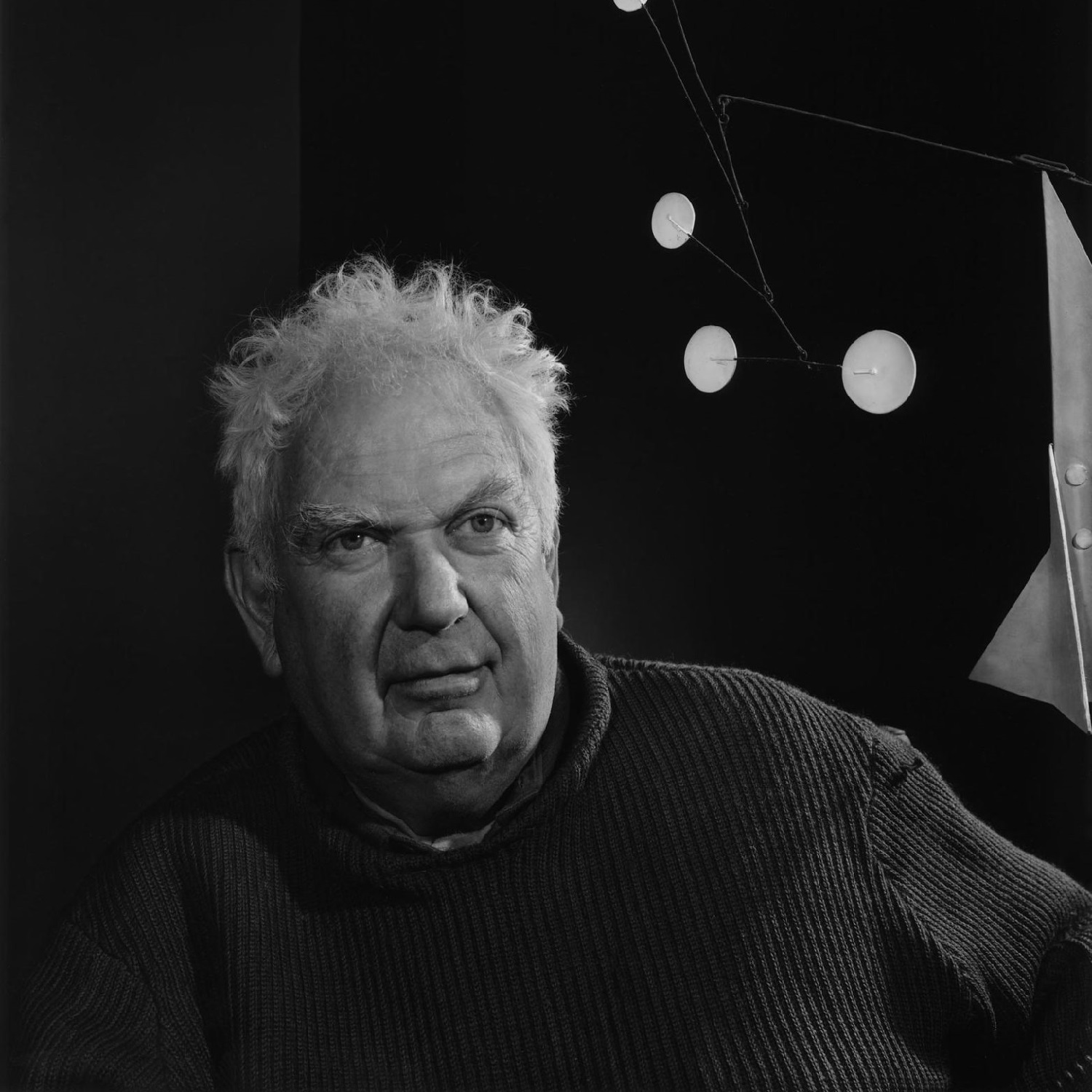
Alexander Calder was an American artist celebrated for his revolutionary contributions to modern sculpture, including his invention of the mobile. Born into a family of artists on July 22, 1898, in Lawnton, Pennsylvania, and passing away on November 11, 1976, in New York, Calder harnessed his background in mechanical engineering to create kinetic sculptures that moved with air currents, alongside his monumental stationary sculptures known as "stabiles".
Calder's early life was marked by his creation of toys and various objects, showcasing his inherent talent and creativity from a young age. Despite initially pursuing a career in mechanical engineering, Calder's true calling in the arts was undeniable. He moved to New York City, where he enrolled at the Art Students League, laying the groundwork for his iconic artistic style. In 1926, Calder relocated to Paris, which became a pivotal moment in his career, leading to the creation of "Calder's Circus," a whimsical assembly of wire figures that gained him entry into the avant-garde art circles of Europe.
Throughout the 1930s and beyond, Calder's work evolved from figurative painting to abstract sculptures that brought motion into the realm of art, a transition influenced by his visit to Piet Mondrian's studio. His innovative mobiles and stabiles were celebrated for their ingenuity and aesthetic appeal, earning Calder international recognition and numerous accolades. Among his well-known public commissions are the .125 mobile for John F. Kennedy Airport and the monumental red-painted steel stabile, "Flamingo," for the Federal Center Plaza in Chicago.
Calder's legacy extends far beyond his sculptures; his work encompassed painting, printmaking, jewelry design, and even set and costume design for theatre productions. His influence on modern art is profound, inspiring future generations of artists to explore the kinetic possibilities of sculpture.
For art enthusiasts and collectors interested in Alexander Calder's groundbreaking work, staying informed about upcoming sales and auctions is essential. Sign up for updates to never miss an opportunity to own a piece by this influential American sculptor, highlighting his unique contributions to the art world.


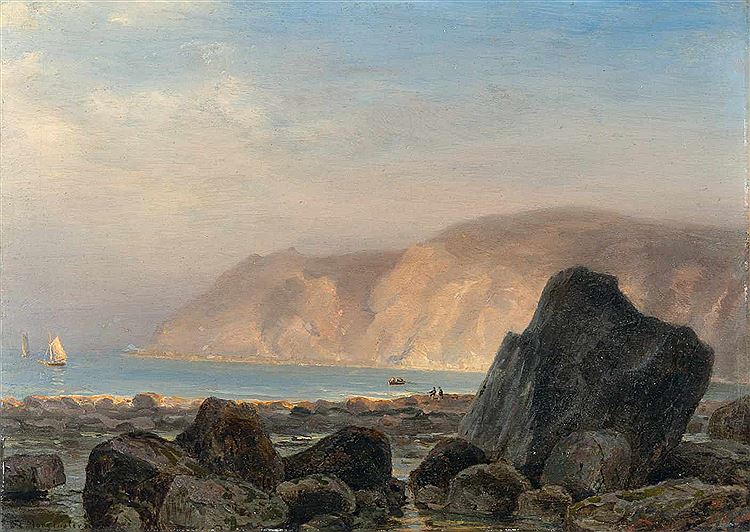
Friedrich Ernst Morgenstern was a German painter, son of the landscape painter Karl Morgenstern. He studied painting with Johann Heinrich Hasselhorst, Gustav Kaupert and Eduard von Steinle at the Städelsche Kunstinstitut.
Friedrich Ernst Morgenstern undertook several study trips to Holland, Belgium, France, Italy, England and Scotland. Only after his father's death, in 1893, did he succeed in developing his own impressionistic style and artistic expression. The painter did not belong to the Kronberg artists' colony, but maintained friendly ties with them.
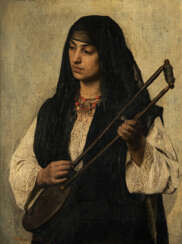

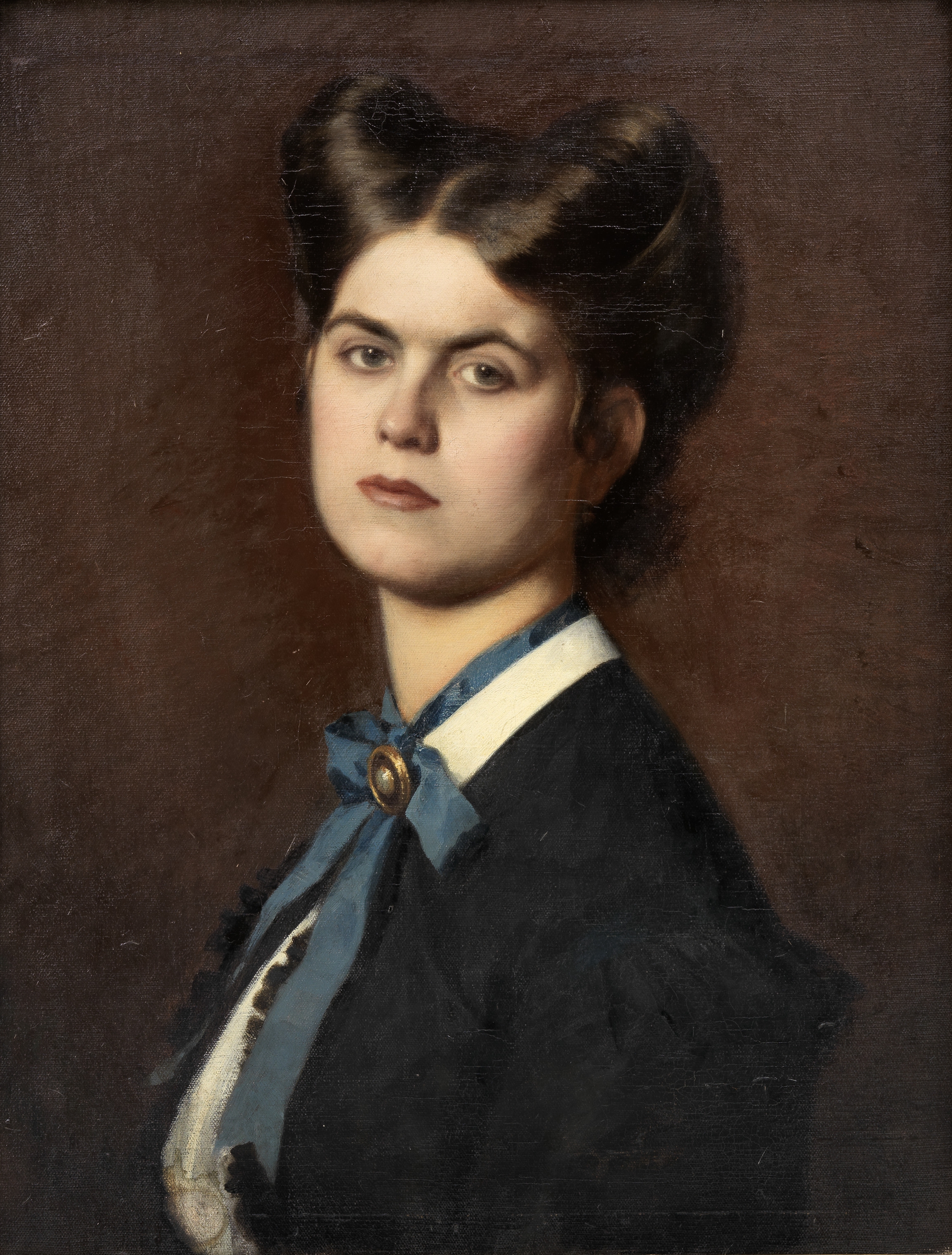
Marie Müller was an Austrian portrait painter.


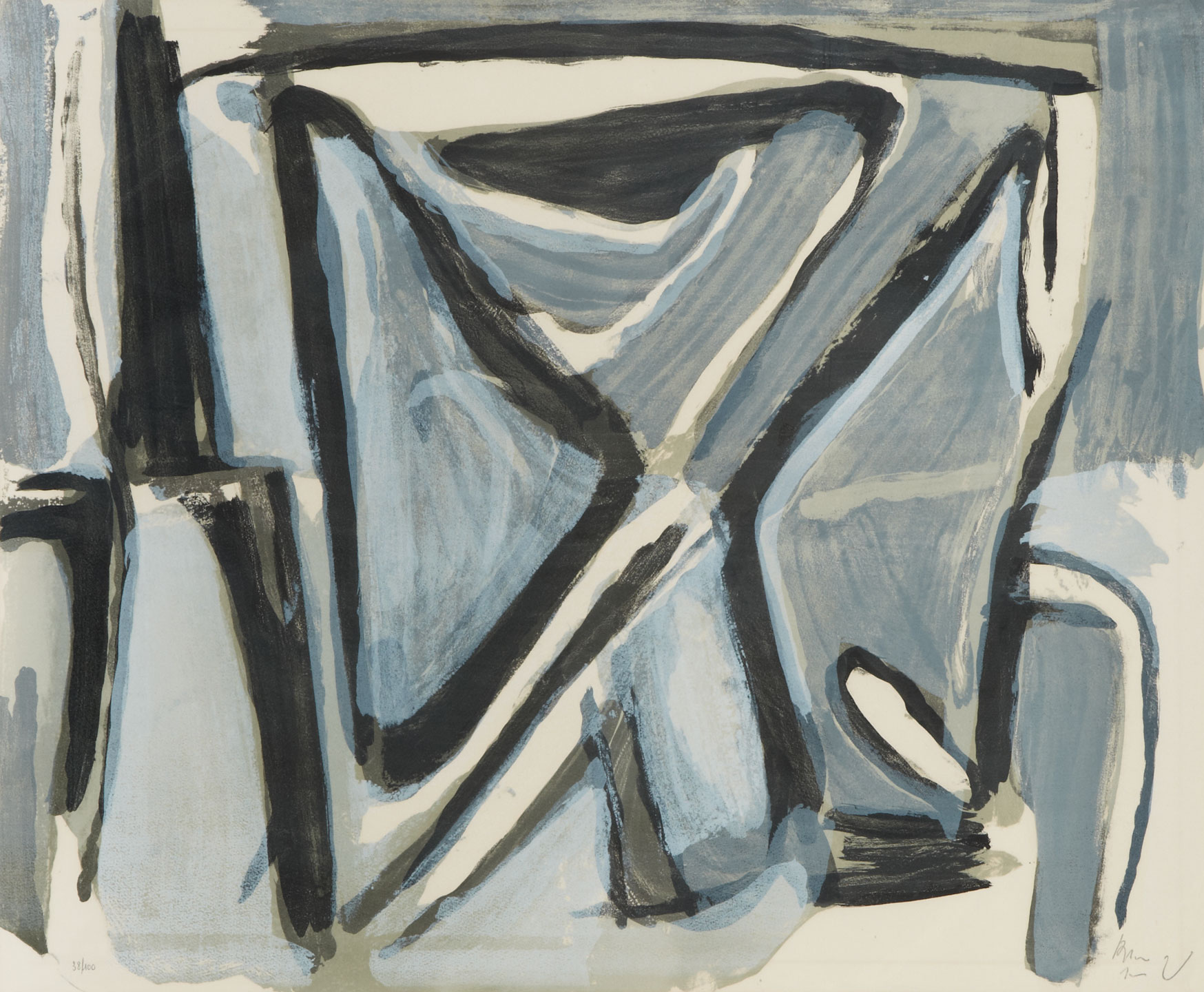
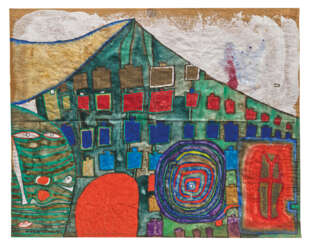

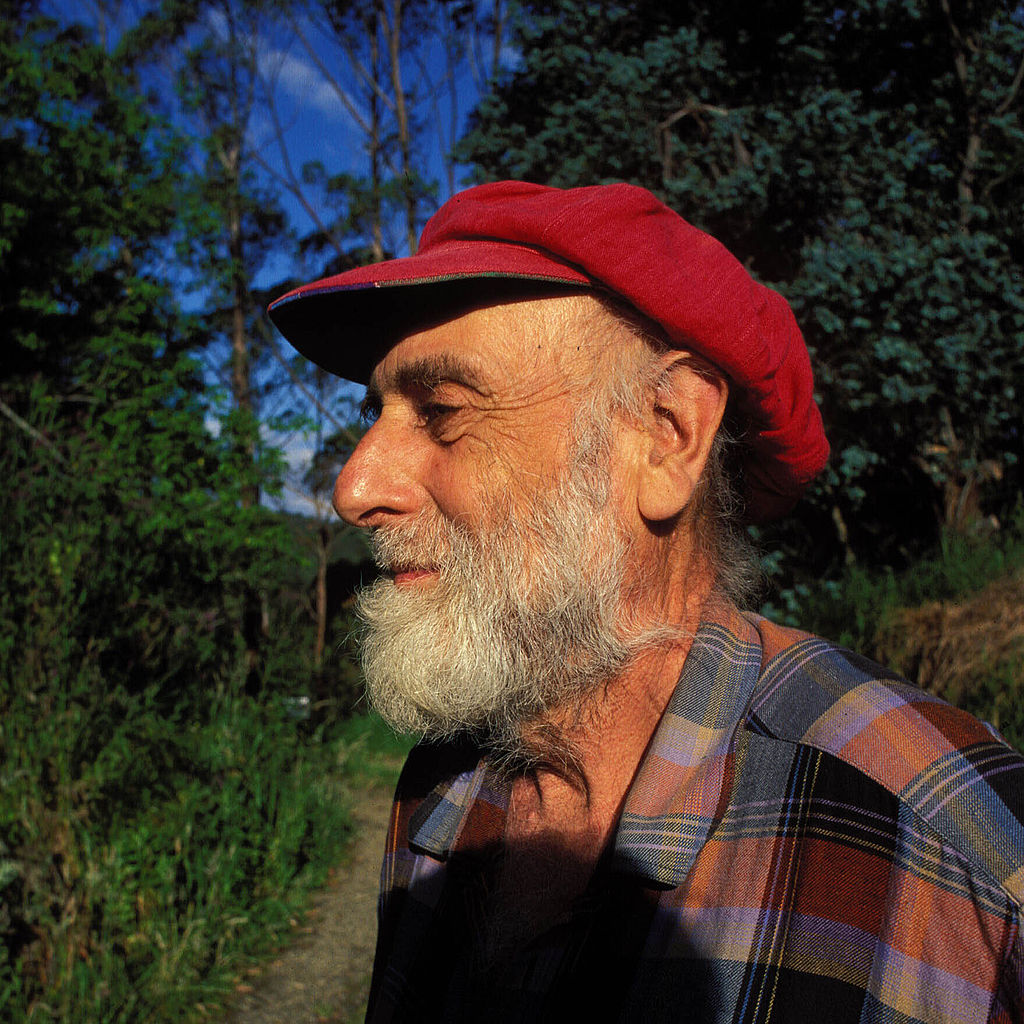
Friedensreich Regentag Dunkelbunt Hundertwasser was an Austrian visual artist and architect who also worked in the field of environmental protection.
Hundertwasser stood out as an opponent of "a straight line" and any standardization, expressing this concept in the field of building design. His best known work is the Hundertwasserhaus in Vienna, which has become a notable place of interest in the Austrian capital, characterised by imaginative vitality and uniqueness.
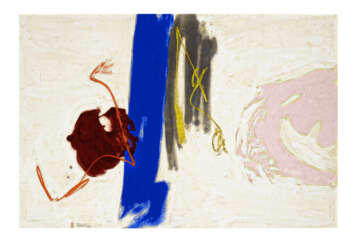

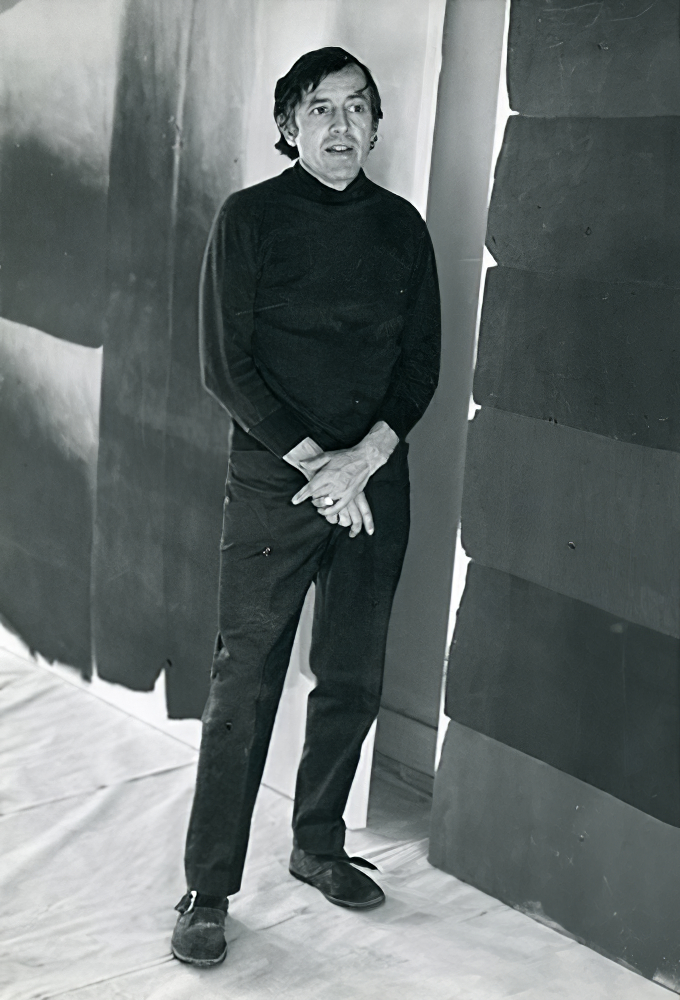
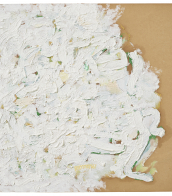
Friedel Dzubas was a German-born American abstract painter.
n the 1960s he became associated with Color field painting and Lyrical Abstraction.
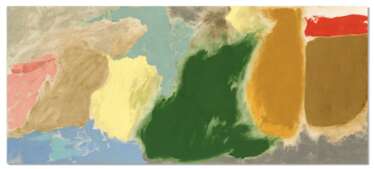

Friedel Dzubas was a German-born American abstract painter.
n the 1960s he became associated with Color field painting and Lyrical Abstraction.


Alexander Calder was an American artist celebrated for his revolutionary contributions to modern sculpture, including his invention of the mobile. Born into a family of artists on July 22, 1898, in Lawnton, Pennsylvania, and passing away on November 11, 1976, in New York, Calder harnessed his background in mechanical engineering to create kinetic sculptures that moved with air currents, alongside his monumental stationary sculptures known as "stabiles".
Calder's early life was marked by his creation of toys and various objects, showcasing his inherent talent and creativity from a young age. Despite initially pursuing a career in mechanical engineering, Calder's true calling in the arts was undeniable. He moved to New York City, where he enrolled at the Art Students League, laying the groundwork for his iconic artistic style. In 1926, Calder relocated to Paris, which became a pivotal moment in his career, leading to the creation of "Calder's Circus," a whimsical assembly of wire figures that gained him entry into the avant-garde art circles of Europe.
Throughout the 1930s and beyond, Calder's work evolved from figurative painting to abstract sculptures that brought motion into the realm of art, a transition influenced by his visit to Piet Mondrian's studio. His innovative mobiles and stabiles were celebrated for their ingenuity and aesthetic appeal, earning Calder international recognition and numerous accolades. Among his well-known public commissions are the .125 mobile for John F. Kennedy Airport and the monumental red-painted steel stabile, "Flamingo," for the Federal Center Plaza in Chicago.
Calder's legacy extends far beyond his sculptures; his work encompassed painting, printmaking, jewelry design, and even set and costume design for theatre productions. His influence on modern art is profound, inspiring future generations of artists to explore the kinetic possibilities of sculpture.
For art enthusiasts and collectors interested in Alexander Calder's groundbreaking work, staying informed about upcoming sales and auctions is essential. Sign up for updates to never miss an opportunity to own a piece by this influential American sculptor, highlighting his unique contributions to the art world.
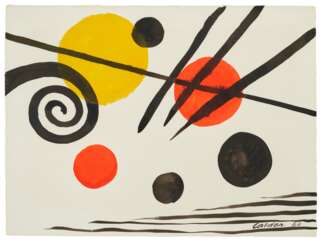

Alexander Calder was an American artist celebrated for his revolutionary contributions to modern sculpture, including his invention of the mobile. Born into a family of artists on July 22, 1898, in Lawnton, Pennsylvania, and passing away on November 11, 1976, in New York, Calder harnessed his background in mechanical engineering to create kinetic sculptures that moved with air currents, alongside his monumental stationary sculptures known as "stabiles".
Calder's early life was marked by his creation of toys and various objects, showcasing his inherent talent and creativity from a young age. Despite initially pursuing a career in mechanical engineering, Calder's true calling in the arts was undeniable. He moved to New York City, where he enrolled at the Art Students League, laying the groundwork for his iconic artistic style. In 1926, Calder relocated to Paris, which became a pivotal moment in his career, leading to the creation of "Calder's Circus," a whimsical assembly of wire figures that gained him entry into the avant-garde art circles of Europe.
Throughout the 1930s and beyond, Calder's work evolved from figurative painting to abstract sculptures that brought motion into the realm of art, a transition influenced by his visit to Piet Mondrian's studio. His innovative mobiles and stabiles were celebrated for their ingenuity and aesthetic appeal, earning Calder international recognition and numerous accolades. Among his well-known public commissions are the .125 mobile for John F. Kennedy Airport and the monumental red-painted steel stabile, "Flamingo," for the Federal Center Plaza in Chicago.
Calder's legacy extends far beyond his sculptures; his work encompassed painting, printmaking, jewelry design, and even set and costume design for theatre productions. His influence on modern art is profound, inspiring future generations of artists to explore the kinetic possibilities of sculpture.
For art enthusiasts and collectors interested in Alexander Calder's groundbreaking work, staying informed about upcoming sales and auctions is essential. Sign up for updates to never miss an opportunity to own a piece by this influential American sculptor, highlighting his unique contributions to the art world.
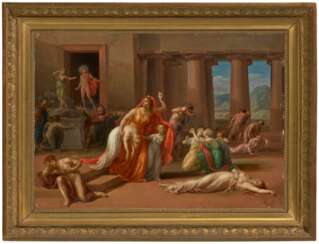

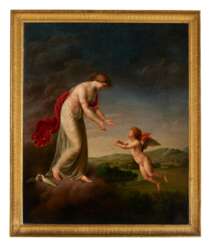



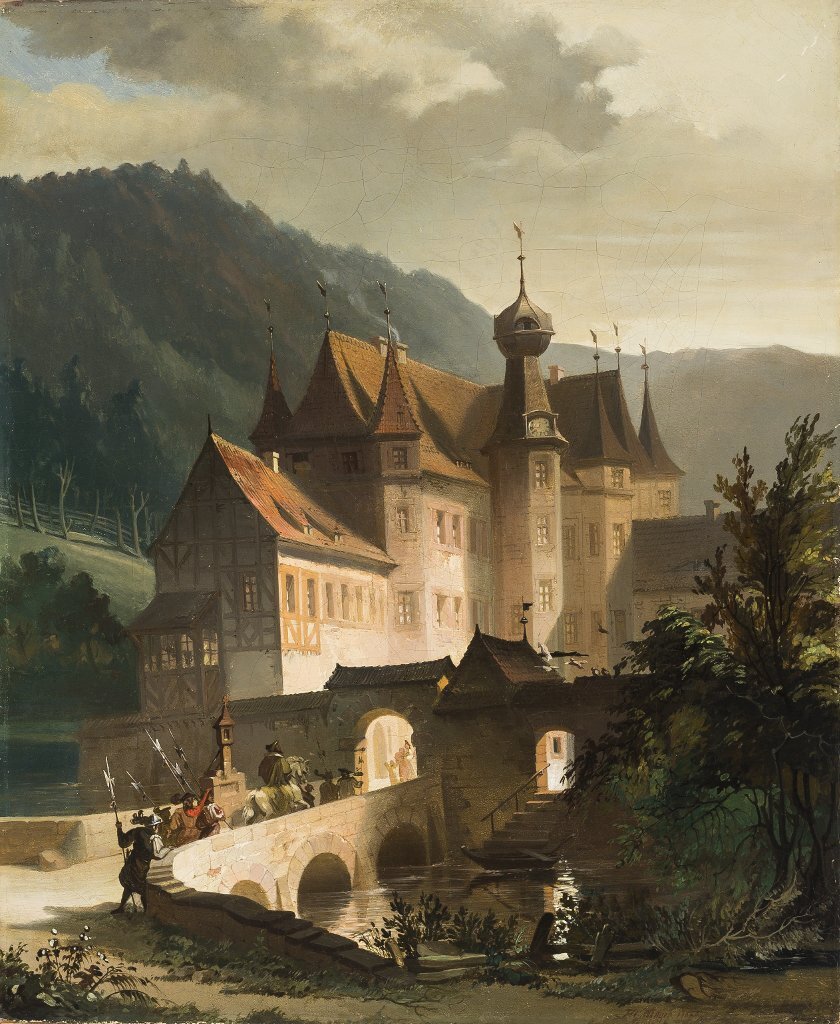
Friedrich Carl Mayer was a German painter.
For his architectural paintings he took the motifs mostly from Nuremberg and Augsburg. He preferred to depict interiors and placed particular emphasis on strict drawing and correct representation of details with fine illumination by incident sunlight.
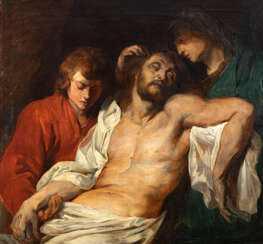

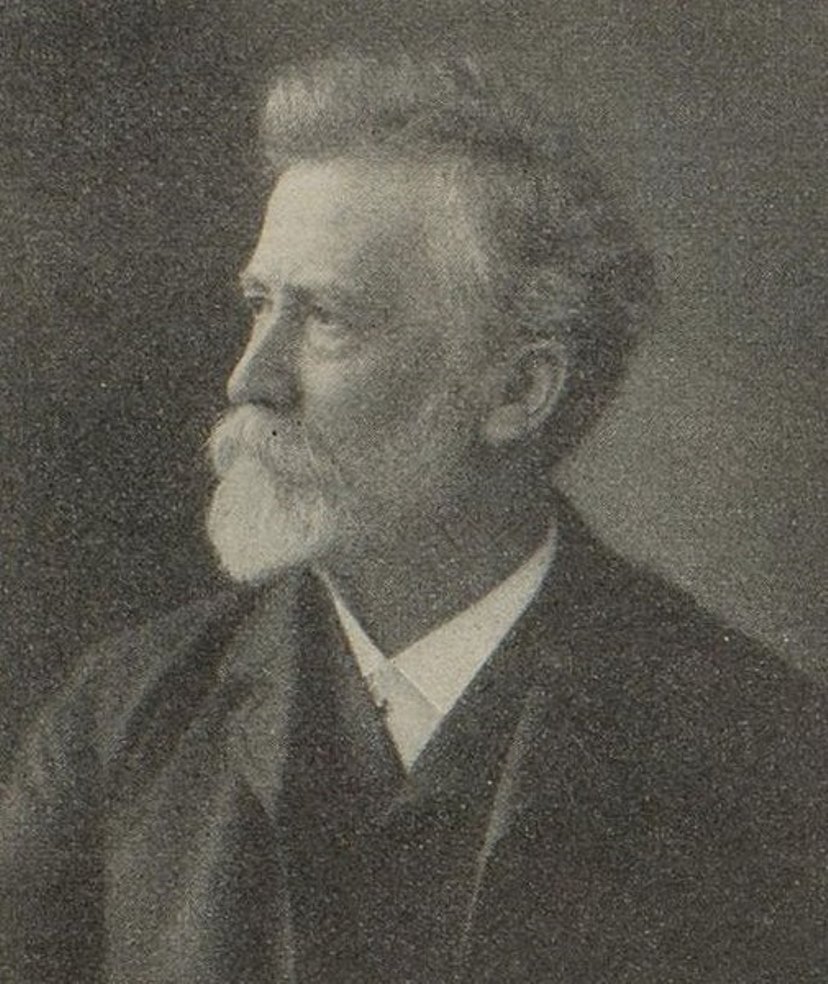


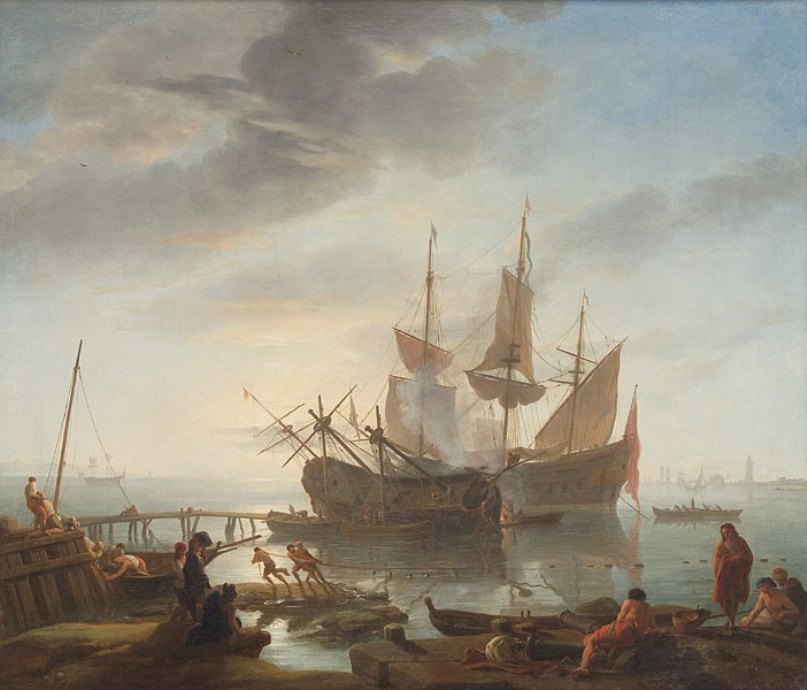
Adrien Manglard was a French marine painter and printmaker who worked most of his life in Italy.
He was a member of the Royal Academy of Painting and Sculpture of France. The artist mainly painted coastal landscapes with ships and sailing ships. As a very skilled marine landscape painter, Manglard was very successful and in demand, and had many commissions for paintings.
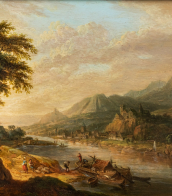
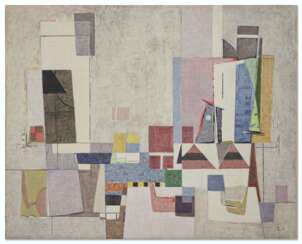

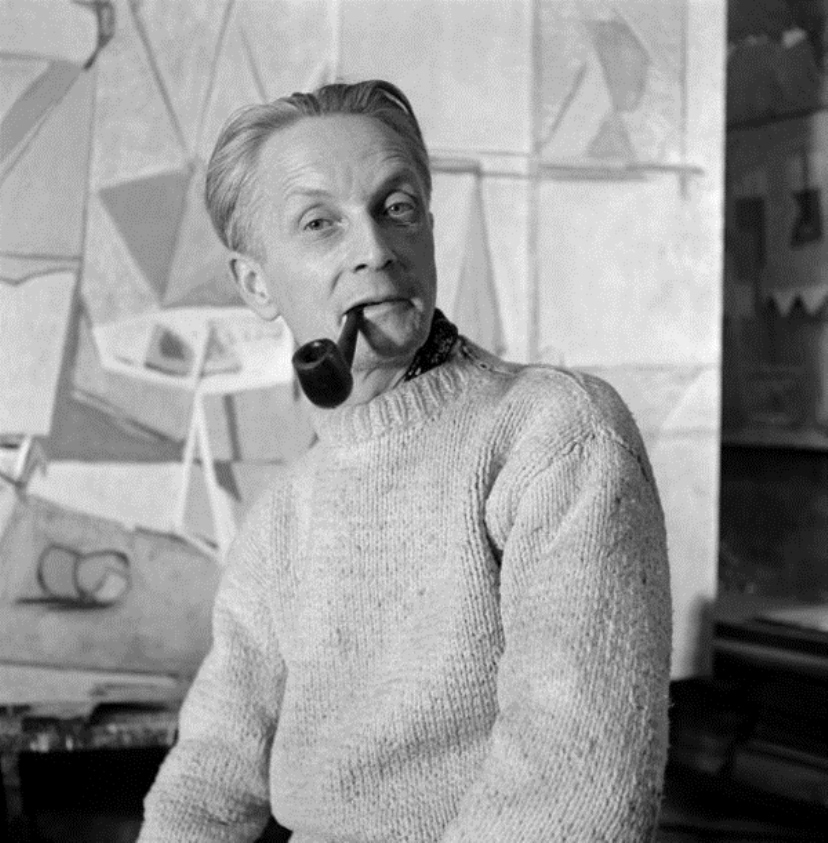
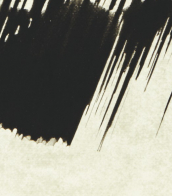


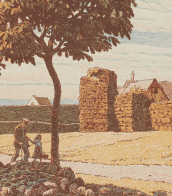
Friedrich Kallmorgen was a German Impressionist painter who specialized in landscapes and cityscapes.


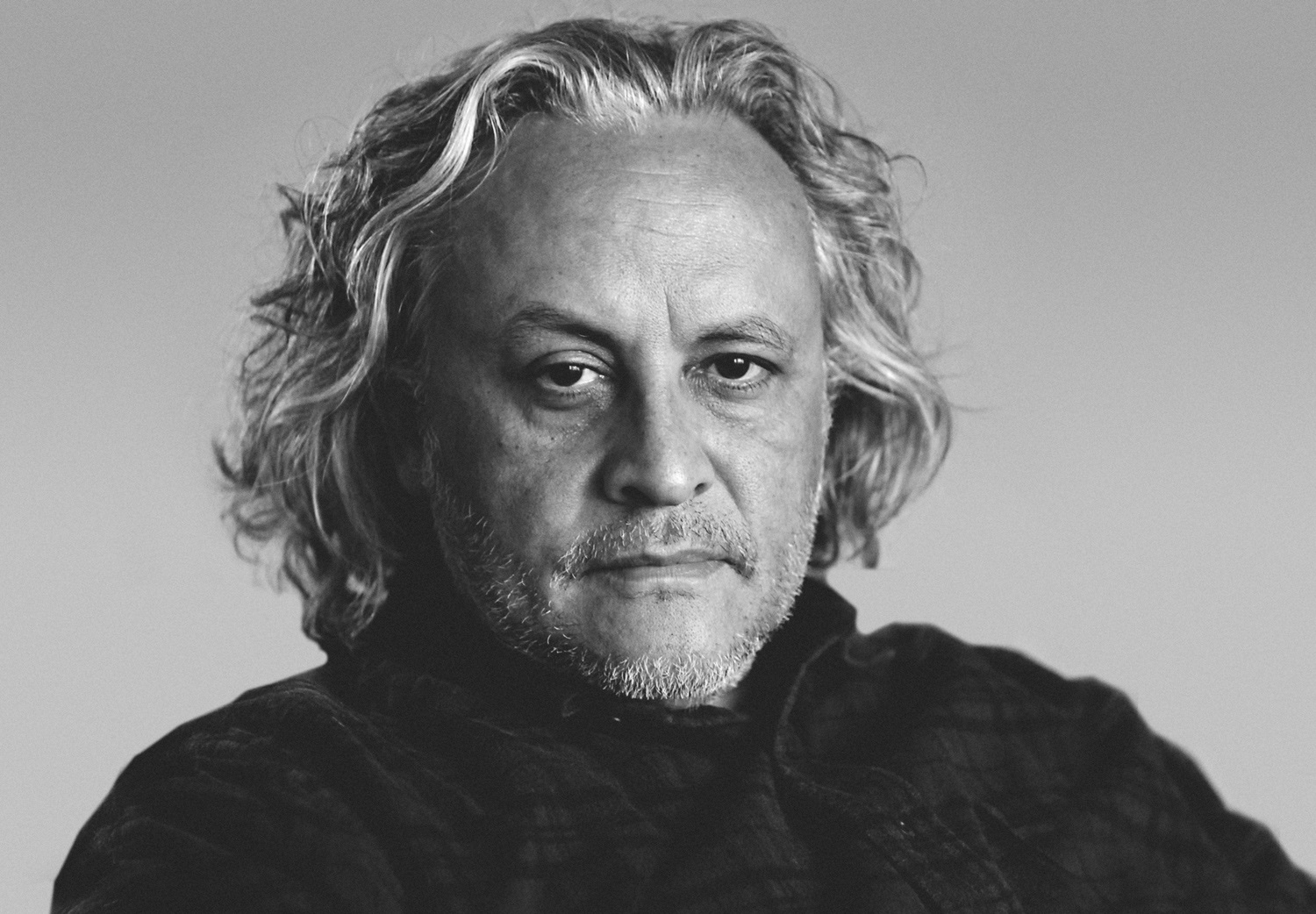
Gabriel Orozco is a Mexican artist. He gained his reputation in the early 1990s with his exploration of drawing, photography, sculpture and installation. In 1998, Francesco Bonami called Orozco «one of the most influential artists of this decade, and probably the next one too».
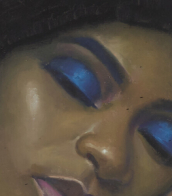


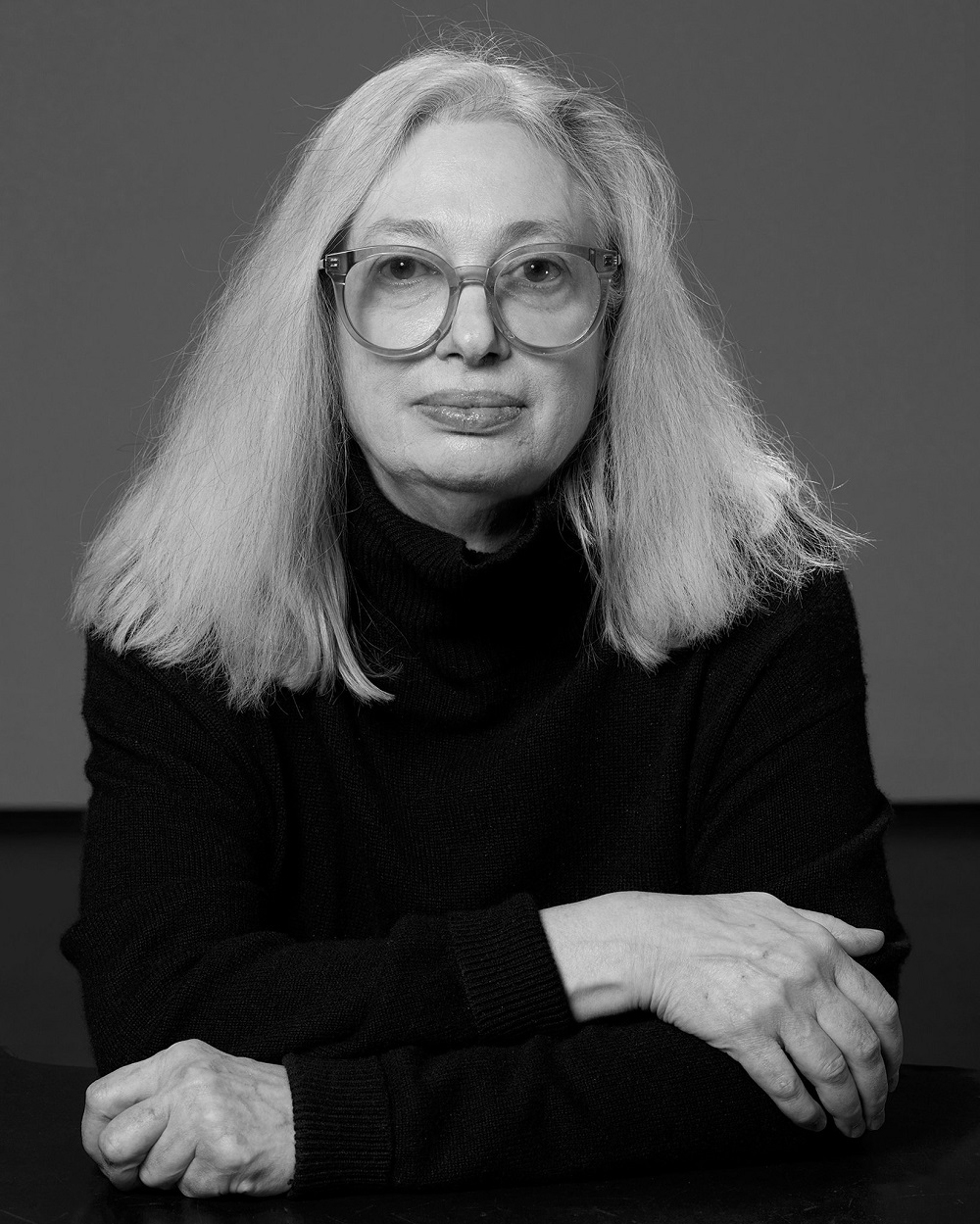
Sherrie Levine is an American photographer, painter, and conceptual artist. Some of her work consists of exact photographic reproductions of the work of other photographers such as Walker Evans, Eliot Porter and Edward Weston.