

glas dom


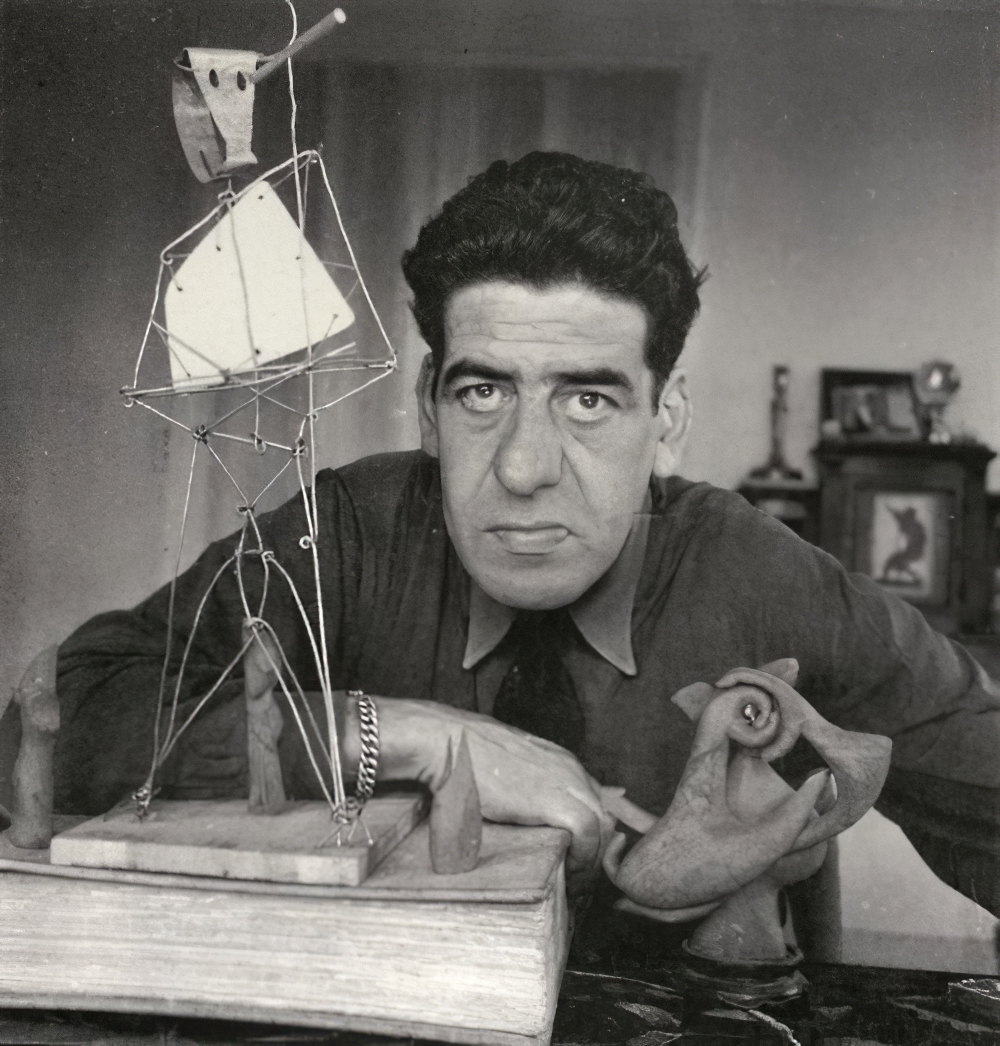
Óscar Domínguez was a Spanish Surrealist painter and sculptor. He was born in San Cristóbal de La Laguna, Tenerife, in the Canary Islands, and later moved to Paris, where he became part of the Surrealist movement.
Domínguez's art was characterized by its dreamlike and surreal imagery, often featuring fantastic landscapes, strange creatures, and distorted human figures. He worked in a variety of media, including painting, drawing, sculpture, and collage, and was known for his use of automatic drawing and other Surrealist techniques.
In addition to his art, Domínguez was also involved in politics, and was a member of the French Communist Party. He fought in the Spanish Civil War as a member of the Republican Army, and later lived in exile in Paris.
Domínguez's work was exhibited widely during his lifetime, including at the Museum of Modern Art in New York City and the Tate Gallery in London.
Today, Domínguez is considered one of the leading figures of the Surrealist movement, and his work continues to inspire artists around the world.


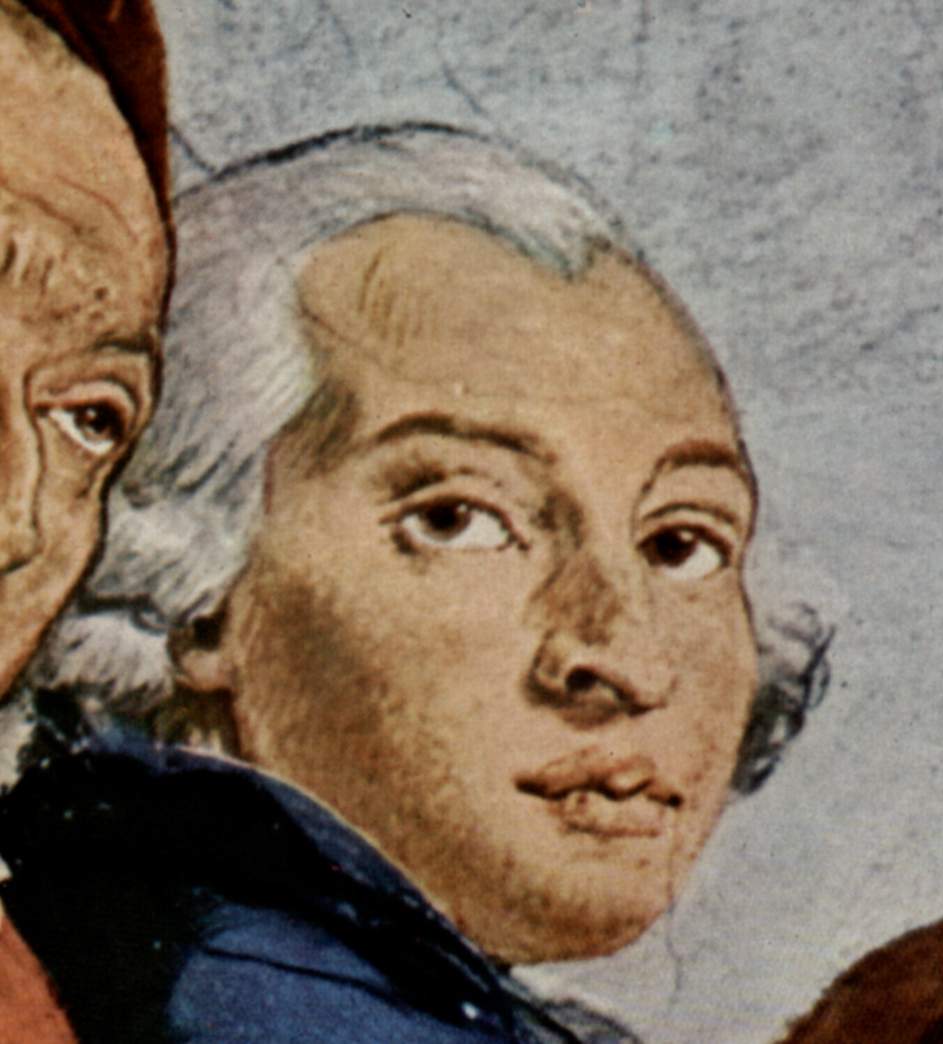
Giovanni Domenico Tiepolo, an Italian painter, was a remarkable figure in the 18th-century art world. The eldest surviving son of the famed Giovanni Battista Tiepolo, Domenico not only assisted his father but also carved out his own niche in the realms of painting and etching. His work, encompassing a broad array of subjects from religious themes to lively genre scenes and character sketches, reflects a blend of the allegorical grandeur inherited from his father and his own more grounded and observational approach.
Domenico Tiepolo's artistic legacy includes a significant contribution to printmaking, particularly in etching, where he reproduced both his and his father's paintings, alongside original compositions. Among these, the series of twenty-four illustrations of the "Flight into Egypt" and a set depicting the "Stations of the Cross" stand out as notable examples of his originality and skill in capturing narrative depth. His works are held in prestigious collections worldwide, such as the Prado Museum, The Art Gallery of New South Wales, and the National Gallery in London, underscoring his international acclaim and the enduring appeal of his art.
Despite being somewhat overshadowed by his father, Giovanni Domenico Tiepolo's contributions to the art world are significant. His ability to infuse his works with a sense of immediacy and emotional depth, while still engaging with the theatricality and elegance characteristic of the period, marks him as a pivotal figure in the transition from the grandiose Baroque to a more intimate and observant Rococo style. This duality is perhaps best represented in his genre scenes and character studies, which offer a glimpse into the daily life and cultural milieu of 18th-century Venice.
For collectors and experts in art and antiques, Domenico Tiepolo's works represent a fascinating intersection of historical significance and artistic merit. His prints and paintings not only reflect the cultural and artistic vibrancy of his era but also offer insights into the personal and professional dynamics within one of the most celebrated artistic families of the time.
To stay updated on sales and auction events related to Giovanni Domenico Tiepolo's works, signing up for newsletters from relevant art institutions and auction houses is recommended. These updates can provide valuable information for collectors and enthusiasts eager to enhance their collections with pieces by this distinguished artist.
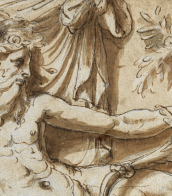


Giovanni Domenico Tiepolo, an Italian painter, was a remarkable figure in the 18th-century art world. The eldest surviving son of the famed Giovanni Battista Tiepolo, Domenico not only assisted his father but also carved out his own niche in the realms of painting and etching. His work, encompassing a broad array of subjects from religious themes to lively genre scenes and character sketches, reflects a blend of the allegorical grandeur inherited from his father and his own more grounded and observational approach.
Domenico Tiepolo's artistic legacy includes a significant contribution to printmaking, particularly in etching, where he reproduced both his and his father's paintings, alongside original compositions. Among these, the series of twenty-four illustrations of the "Flight into Egypt" and a set depicting the "Stations of the Cross" stand out as notable examples of his originality and skill in capturing narrative depth. His works are held in prestigious collections worldwide, such as the Prado Museum, The Art Gallery of New South Wales, and the National Gallery in London, underscoring his international acclaim and the enduring appeal of his art.
Despite being somewhat overshadowed by his father, Giovanni Domenico Tiepolo's contributions to the art world are significant. His ability to infuse his works with a sense of immediacy and emotional depth, while still engaging with the theatricality and elegance characteristic of the period, marks him as a pivotal figure in the transition from the grandiose Baroque to a more intimate and observant Rococo style. This duality is perhaps best represented in his genre scenes and character studies, which offer a glimpse into the daily life and cultural milieu of 18th-century Venice.
For collectors and experts in art and antiques, Domenico Tiepolo's works represent a fascinating intersection of historical significance and artistic merit. His prints and paintings not only reflect the cultural and artistic vibrancy of his era but also offer insights into the personal and professional dynamics within one of the most celebrated artistic families of the time.
To stay updated on sales and auction events related to Giovanni Domenico Tiepolo's works, signing up for newsletters from relevant art institutions and auction houses is recommended. These updates can provide valuable information for collectors and enthusiasts eager to enhance their collections with pieces by this distinguished artist.



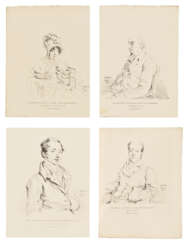

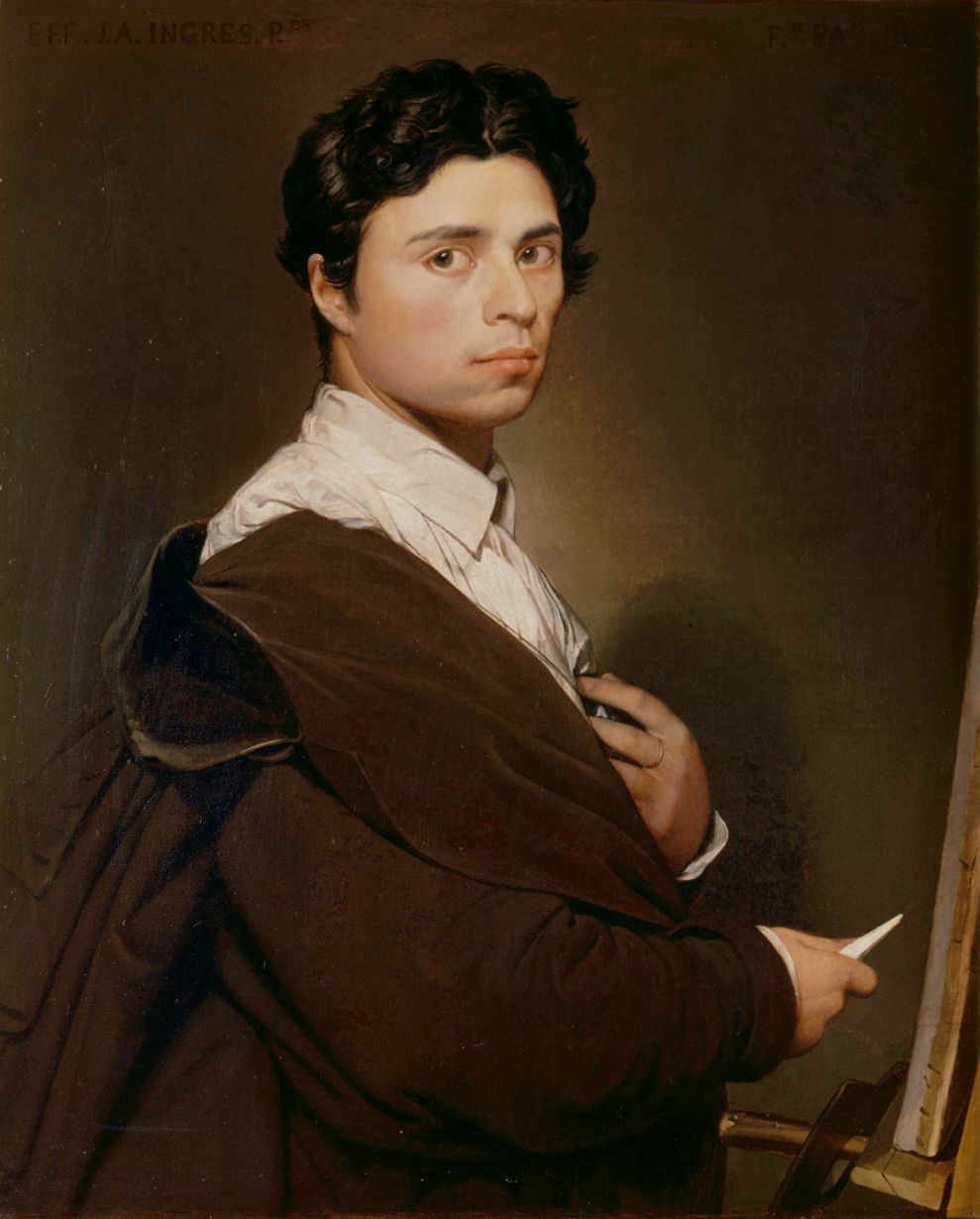
Jean-Auguste-Dominique Ingres, a French Neoclassical painter, carved a niche for himself in the art world with his profound influence from past traditions and his aspiration to uphold academic orthodoxy amidst the burgeoning Romantic style. Born in Montauban, France, on August 29, 1780, Ingres' journey into the realms of art was marked by his early study under Jacques-Louis David, leading to a fully developed style that scarcely changed throughout his life.
Ingres is celebrated for his expressive distortions of form and space, which have positioned him as a crucial precursor to modern art, influencing modernists such as Picasso and Matisse. His oeuvre, renowned for its meticulous precision and sinuous lines, skillfully bridges elements of Neoclassical and Romantic styles. Despite never traveling to the Near East or Africa, Ingres was deeply inspired by the exotic, as evidenced in his detailed and sensuous portrayals of odalisques, contributing to his posthumous recognition among avant-garde circles.
His contributions include significant commissions like "The Vow of Louis XIII," which solidified his position as a leader of the Neoclassical school in France, and "The Turkish Bath," his last major work, showcasing his enduring fascination with the female form and Orientalism. His works, including the iconic "Portrait of Monsieur Bertin" and other masterful portraits, continue to captivate, housed in esteemed collections such as the Musée du Louvre in Paris.
Art collectors and experts appreciate Ingres for his dedication to classical techniques and his innovative approach to composition and form. His legacy, encompassing both his Neoclassical roots and his pioneering forays into early modernism, underscores his unique position in art history.
For updates on exhibitions and auctions featuring works by Jean-Auguste-Dominique Ingres, sign up for our newsletter. Stay informed about new discoveries and opportunities to acquire pieces by this master of Neoclassicism and precursor to modern art.
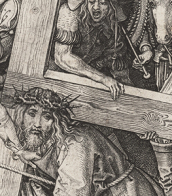
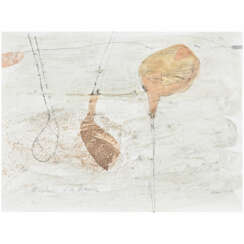

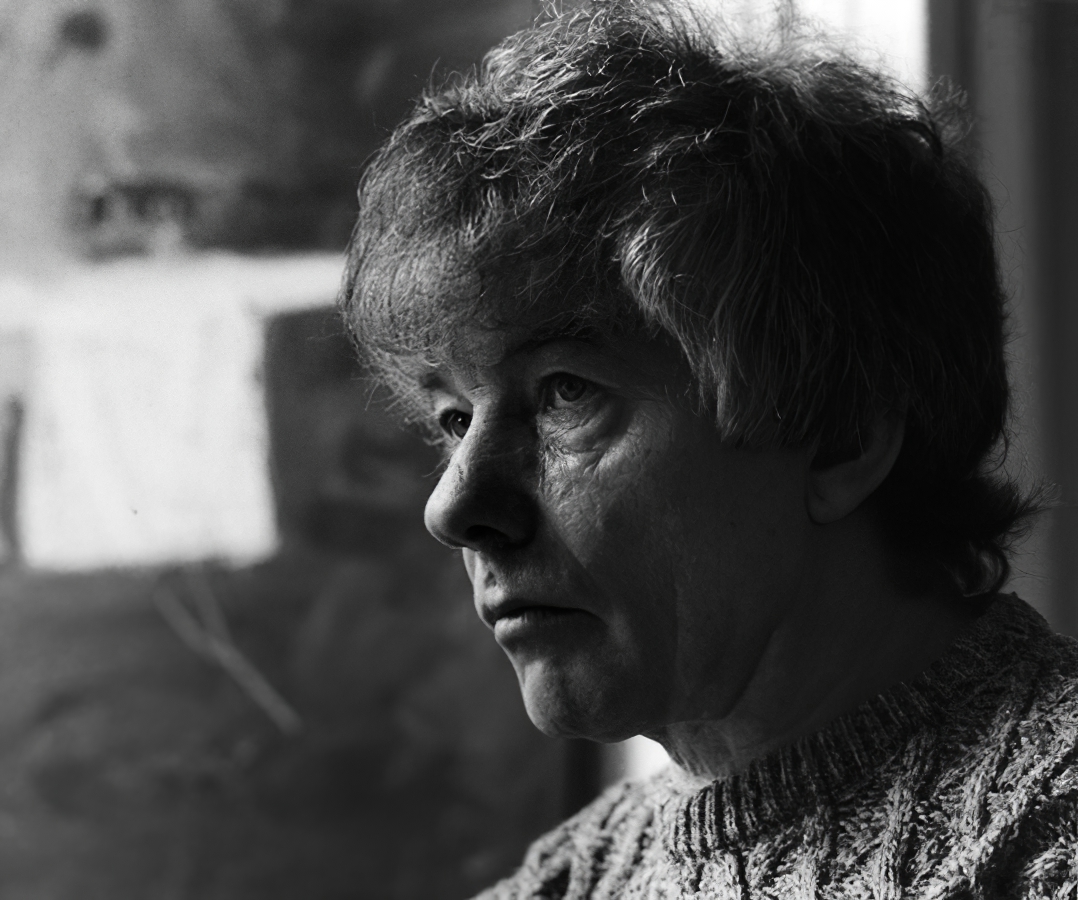
Douglas Litterick Swan is a Scottish abstractionist painter.
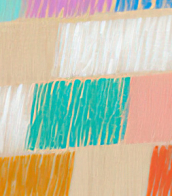
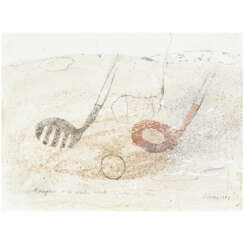

Douglas Litterick Swan is a Scottish abstractionist painter.
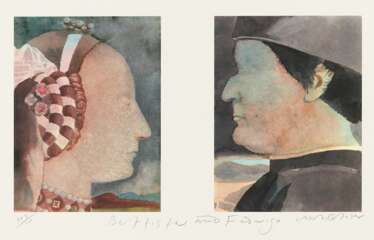


Milton Glaser was an American graphic designer. His designs include the I Love New York logo, a 1966 poster for Bob Dylan, and the logos for DC Comics, Stony Brook University, and Brooklyn Brewery.
In 1954, he also co-founded Push Pin Studios, co-founded New York magazine with Clay Felker, and established Milton Glaser, Inc. In 1969, he produced and designed "Short Subject", commonly known as "Mickey Mouse in Vietnam", a short 16mm anti-war film directed by Whitney Lee Savage (father of Adam Savage). His artwork has been featured in exhibits, and placed in permanent collections in many museums worldwide. Throughout his long career, he designed many posters, publications and architectural designs. He received many awards for his work, including the National Medal of the Arts award from President Barack Obama in 2009 and was the first graphic designer to receive this award.
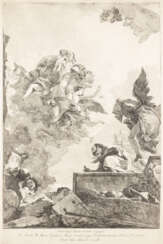

Giovanni Domenico Tiepolo, an Italian painter, was a remarkable figure in the 18th-century art world. The eldest surviving son of the famed Giovanni Battista Tiepolo, Domenico not only assisted his father but also carved out his own niche in the realms of painting and etching. His work, encompassing a broad array of subjects from religious themes to lively genre scenes and character sketches, reflects a blend of the allegorical grandeur inherited from his father and his own more grounded and observational approach.
Domenico Tiepolo's artistic legacy includes a significant contribution to printmaking, particularly in etching, where he reproduced both his and his father's paintings, alongside original compositions. Among these, the series of twenty-four illustrations of the "Flight into Egypt" and a set depicting the "Stations of the Cross" stand out as notable examples of his originality and skill in capturing narrative depth. His works are held in prestigious collections worldwide, such as the Prado Museum, The Art Gallery of New South Wales, and the National Gallery in London, underscoring his international acclaim and the enduring appeal of his art.
Despite being somewhat overshadowed by his father, Giovanni Domenico Tiepolo's contributions to the art world are significant. His ability to infuse his works with a sense of immediacy and emotional depth, while still engaging with the theatricality and elegance characteristic of the period, marks him as a pivotal figure in the transition from the grandiose Baroque to a more intimate and observant Rococo style. This duality is perhaps best represented in his genre scenes and character studies, which offer a glimpse into the daily life and cultural milieu of 18th-century Venice.
For collectors and experts in art and antiques, Domenico Tiepolo's works represent a fascinating intersection of historical significance and artistic merit. His prints and paintings not only reflect the cultural and artistic vibrancy of his era but also offer insights into the personal and professional dynamics within one of the most celebrated artistic families of the time.
To stay updated on sales and auction events related to Giovanni Domenico Tiepolo's works, signing up for newsletters from relevant art institutions and auction houses is recommended. These updates can provide valuable information for collectors and enthusiasts eager to enhance their collections with pieces by this distinguished artist.
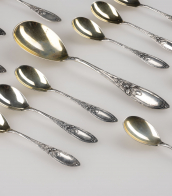
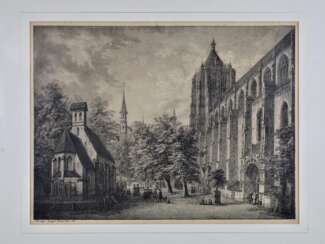

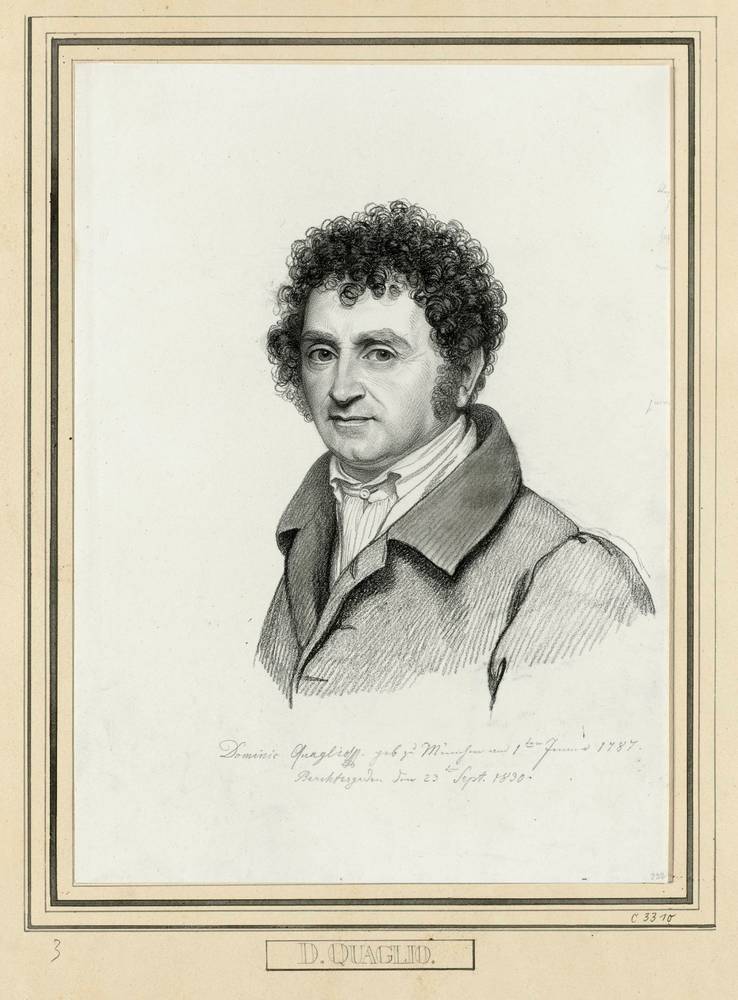
Johann Dominicus Quaglio was an Italian-born German painter of the first half of the 19th century. He is known as an architectural painter and graphic artist of the Romantic era, theater artist, lithographer and printmaker.
Quaglio traveled to various countries, which became a source of inspiration for his many works. He depicted medieval churches, castles, ruins and cities in his works. The master was one of the first to use lithography to recreate Gothic structures in graphic form. His works are historical and architectural documents of the time.
Quaglio was court painter to the Bavarian throne and a member of the Munich and Berlin Academies of Arts. He is considered by critics to have brought architectural painting back to a respectable level.


Giovanni Domenico Tiepolo, an Italian painter, was a remarkable figure in the 18th-century art world. The eldest surviving son of the famed Giovanni Battista Tiepolo, Domenico not only assisted his father but also carved out his own niche in the realms of painting and etching. His work, encompassing a broad array of subjects from religious themes to lively genre scenes and character sketches, reflects a blend of the allegorical grandeur inherited from his father and his own more grounded and observational approach.
Domenico Tiepolo's artistic legacy includes a significant contribution to printmaking, particularly in etching, where he reproduced both his and his father's paintings, alongside original compositions. Among these, the series of twenty-four illustrations of the "Flight into Egypt" and a set depicting the "Stations of the Cross" stand out as notable examples of his originality and skill in capturing narrative depth. His works are held in prestigious collections worldwide, such as the Prado Museum, The Art Gallery of New South Wales, and the National Gallery in London, underscoring his international acclaim and the enduring appeal of his art.
Despite being somewhat overshadowed by his father, Giovanni Domenico Tiepolo's contributions to the art world are significant. His ability to infuse his works with a sense of immediacy and emotional depth, while still engaging with the theatricality and elegance characteristic of the period, marks him as a pivotal figure in the transition from the grandiose Baroque to a more intimate and observant Rococo style. This duality is perhaps best represented in his genre scenes and character studies, which offer a glimpse into the daily life and cultural milieu of 18th-century Venice.
For collectors and experts in art and antiques, Domenico Tiepolo's works represent a fascinating intersection of historical significance and artistic merit. His prints and paintings not only reflect the cultural and artistic vibrancy of his era but also offer insights into the personal and professional dynamics within one of the most celebrated artistic families of the time.
To stay updated on sales and auction events related to Giovanni Domenico Tiepolo's works, signing up for newsletters from relevant art institutions and auction houses is recommended. These updates can provide valuable information for collectors and enthusiasts eager to enhance their collections with pieces by this distinguished artist.
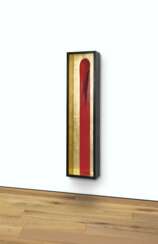

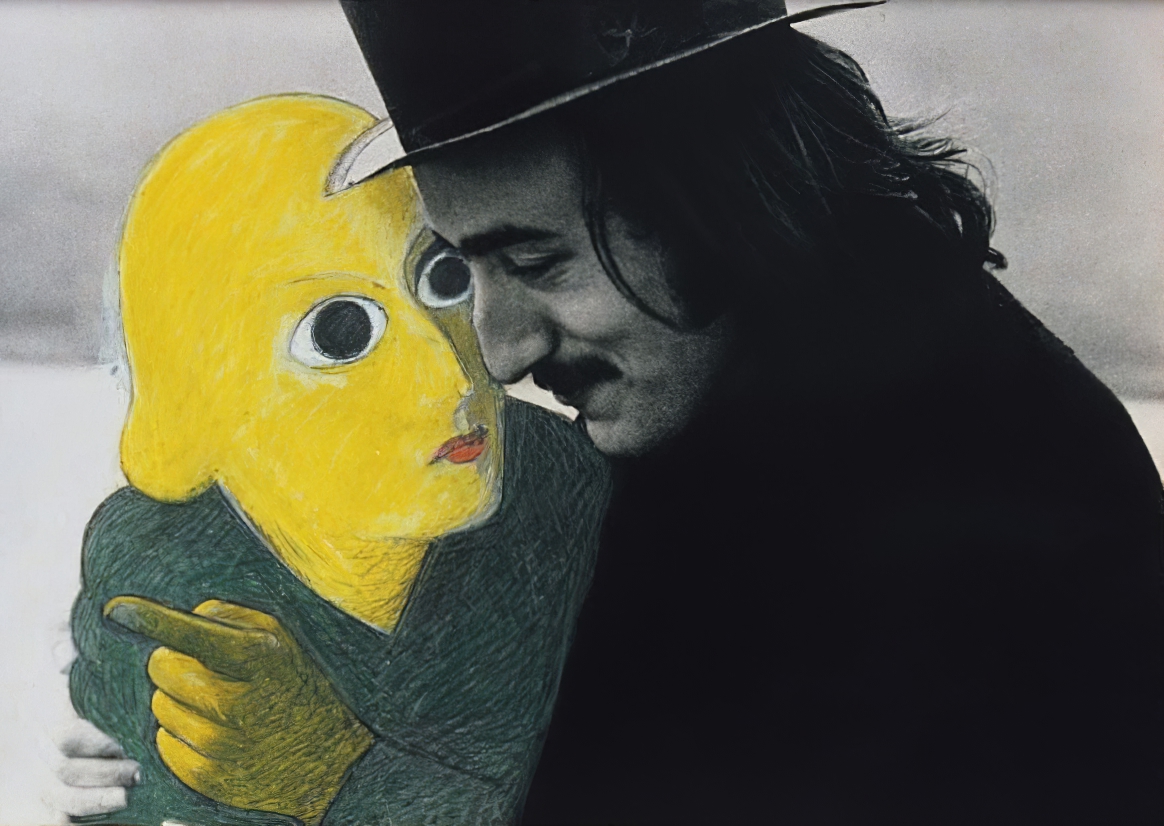
Gino De Dominicis was an Italian artist.
Controversial protagonist of Italian art after the Second World War, he used various techniques and defined himself as a painter, sculptor, philosopher and architect. His work tends to become independent of both fashions and neo-avant-garde groups. Therefore, it cannot be framed in a specific artistic current: neither in Arte Povera, nor in the Transavanguardia, nor in the conceptual art, which rejected.
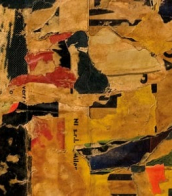


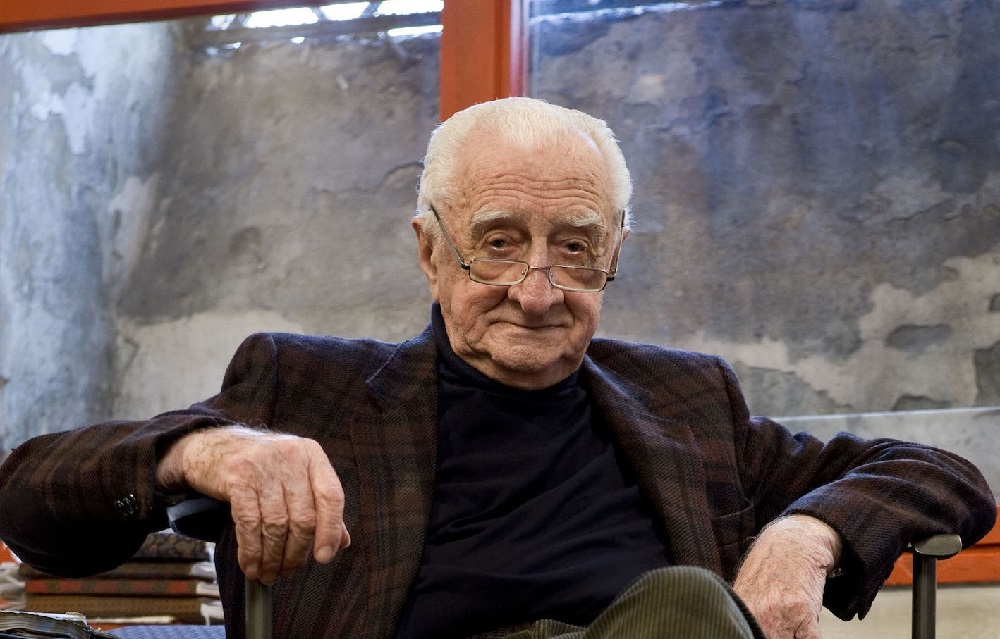
Luigi Caccia Dominioni was an Italian architect and furniture designer.
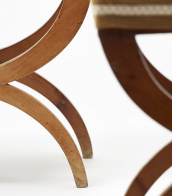
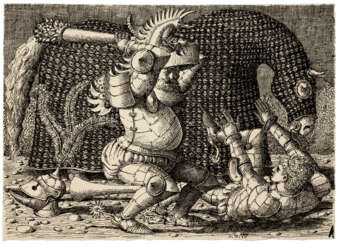

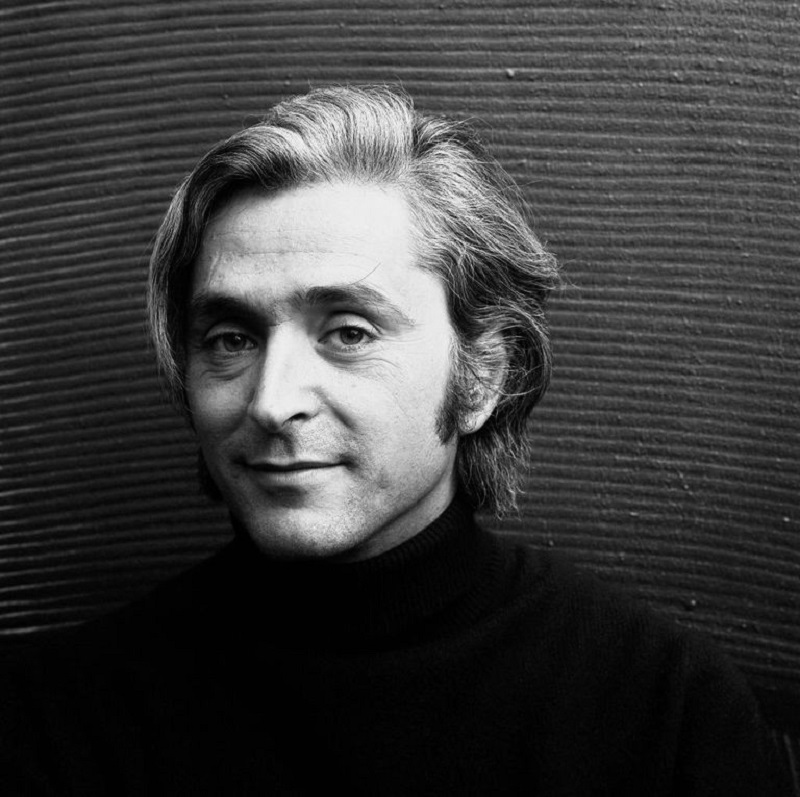
Domenico Gnoli was an Italian painter and stage designer.
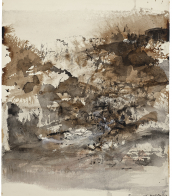
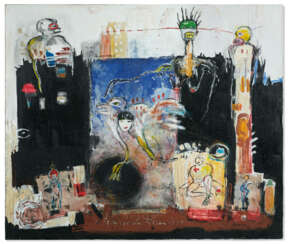

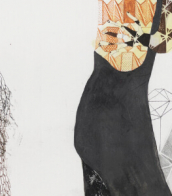
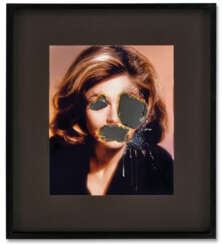


Douglas Gordon is a Scottish artist. He won the Turner Prize in 1996, the Premio 2000 at the 47th Venice Biennale in 1997 and the Hugo Boss Prize in 1998. He lives and works in Berlin, Germany.
Much of Gordon's work is seen as being about memory and uses repetition in various forms. He uses material from the public realm and also creates performance-based videos. His work often overturns traditional uses of video by playing with time elements and employing multiple monitors.
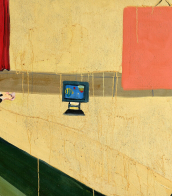
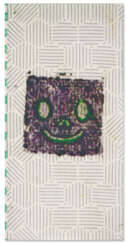

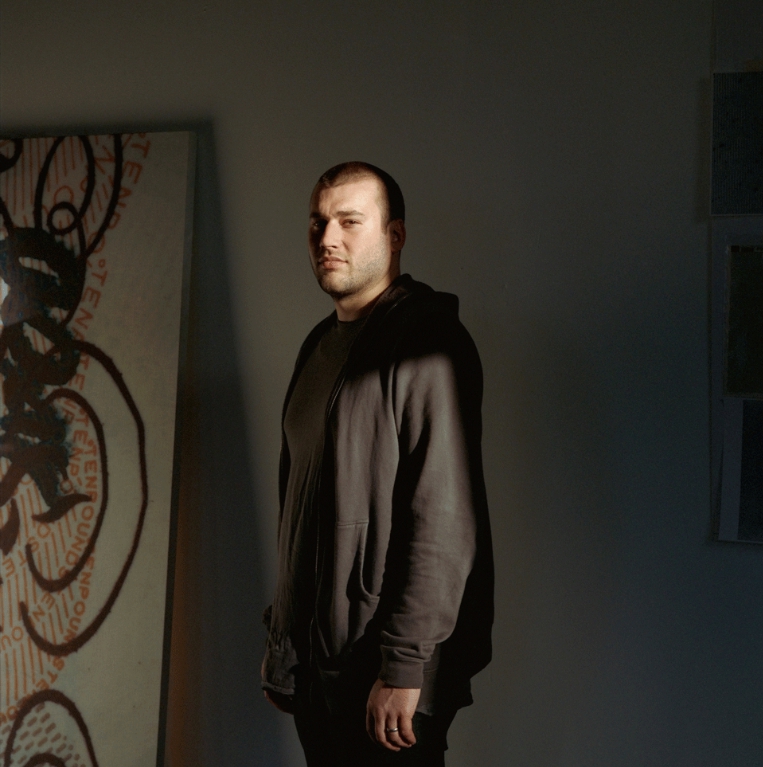
Hugh Scott-Douglas is a contemporary British-born American artist. He is known for his innovative use of photography and printmaking techniques to create works that explore the relationships between image, technology, and culture.
Scott-Douglas's work often incorporates found images from popular culture, which he manipulates through various digital and analog processes to create abstract, layered compositions. He has also experimented with printing techniques such as halftone and silkscreen, which further emphasize the mechanical and reproductive nature of the image.
Hugh Scott-Douglas has exhibited his work internationally, including at the Museum of Modern Art in New York, the Tate Britain in London, and the Art Gallery of Ontario in Toronto. He currently lives and works in New York City.
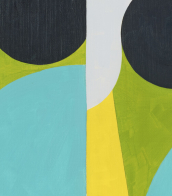


Hugh Scott-Douglas is a contemporary British-born American artist. He is known for his innovative use of photography and printmaking techniques to create works that explore the relationships between image, technology, and culture.
Scott-Douglas's work often incorporates found images from popular culture, which he manipulates through various digital and analog processes to create abstract, layered compositions. He has also experimented with printing techniques such as halftone and silkscreen, which further emphasize the mechanical and reproductive nature of the image.
Hugh Scott-Douglas has exhibited his work internationally, including at the Museum of Modern Art in New York, the Tate Britain in London, and the Art Gallery of Ontario in Toronto. He currently lives and works in New York City.



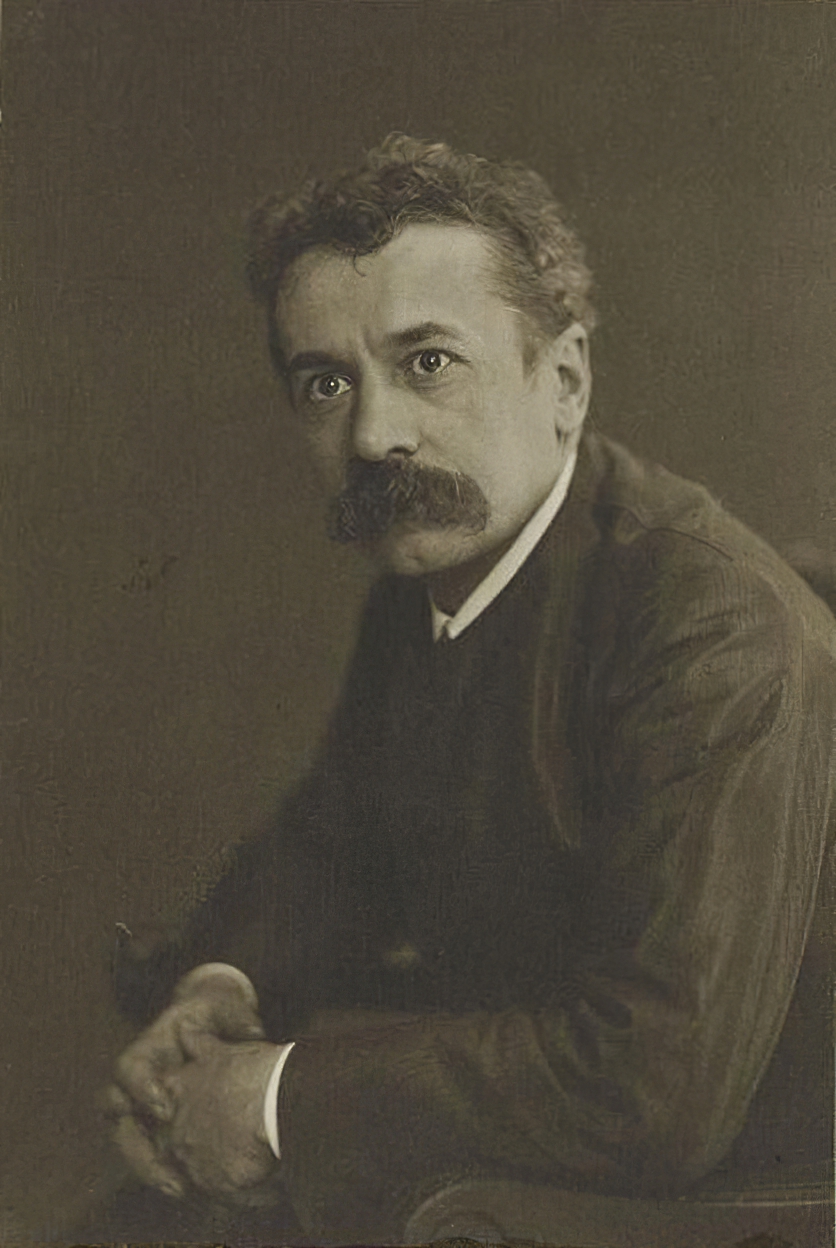
René Jules Lalique was a French jeweller, medallist, and glass designer known for his creations of glass art, perfume bottles, vases, jewellery, chandeliers, clocks, and automobile hood ornaments.

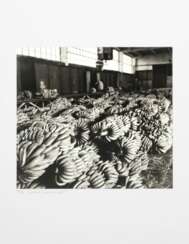


Herbert Dombrowski is a German professional photographer. Specialised in street and documentary photography.

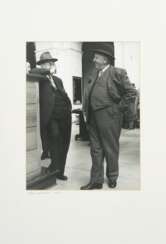

Herbert Dombrowski is a German professional photographer. Specialised in street and documentary photography.
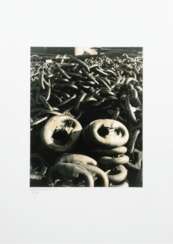

Herbert Dombrowski is a German professional photographer. Specialised in street and documentary photography.
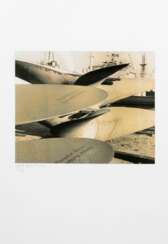

Herbert Dombrowski is a German professional photographer. Specialised in street and documentary photography.
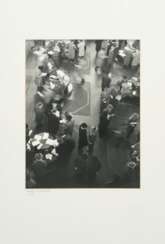

Herbert Dombrowski is a German professional photographer. Specialised in street and documentary photography.
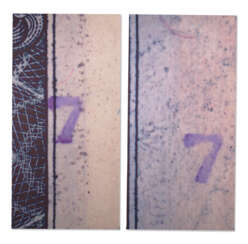

Hugh Scott-Douglas is a contemporary British-born American artist. He is known for his innovative use of photography and printmaking techniques to create works that explore the relationships between image, technology, and culture.
Scott-Douglas's work often incorporates found images from popular culture, which he manipulates through various digital and analog processes to create abstract, layered compositions. He has also experimented with printing techniques such as halftone and silkscreen, which further emphasize the mechanical and reproductive nature of the image.
Hugh Scott-Douglas has exhibited his work internationally, including at the Museum of Modern Art in New York, the Tate Britain in London, and the Art Gallery of Ontario in Toronto. He currently lives and works in New York City.

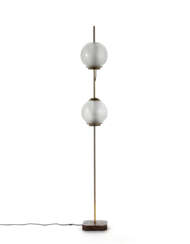

Luigi Caccia Dominioni was an Italian architect and furniture designer.
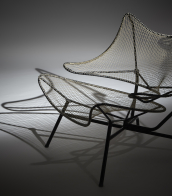
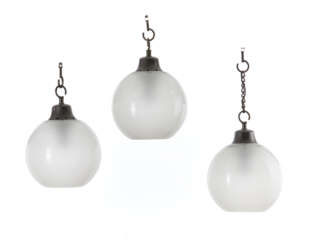

Luigi Caccia Dominioni was an Italian architect and furniture designer.
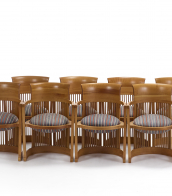
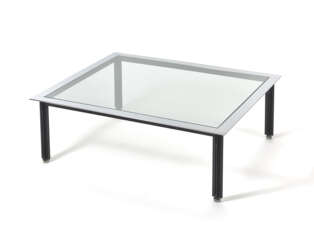

Luigi Caccia Dominioni was an Italian architect and furniture designer.