graphics










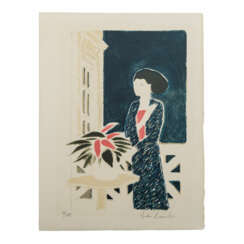










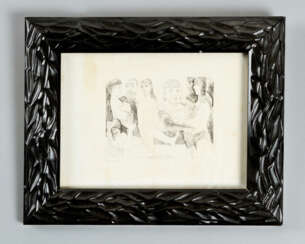



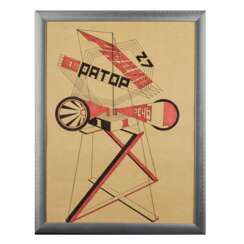



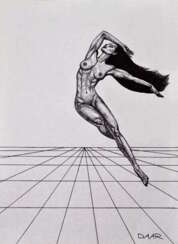





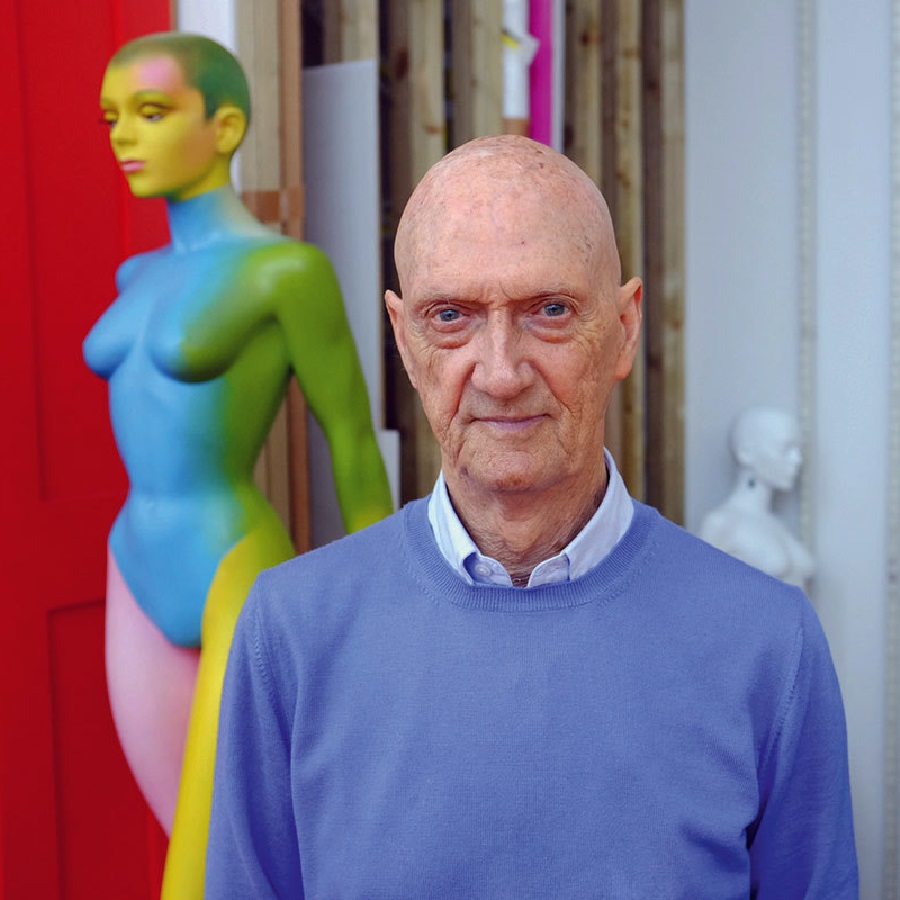
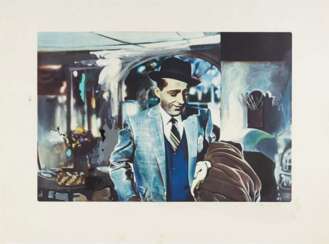
Allen Jones is a British pop artist and a senior member of the Royal Academy of Arts. He is known for his paintings, sculptures and lithographs on the theme of human sexuality. He was awarded the Prix des Jeunes Artistes at the 1963 Paris Biennale.
Allen Jones' most famous work is "Hat Stand, Table and Chair," created from "fetish" fiberglass mannequins.







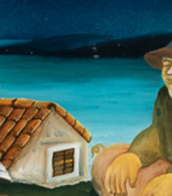
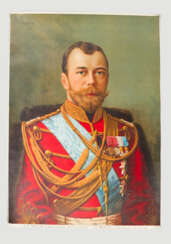

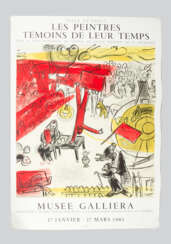

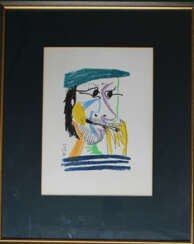

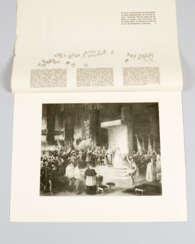

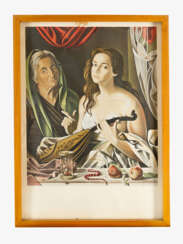

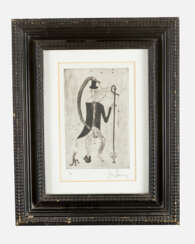

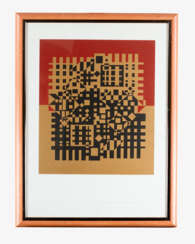

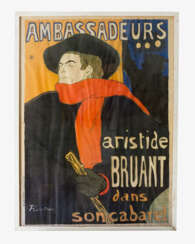







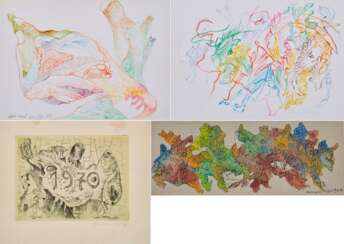

Bernard Schultze was a German painter who co-founded the Quadriga group of artists along with Karl Otto Götz and two other artists.
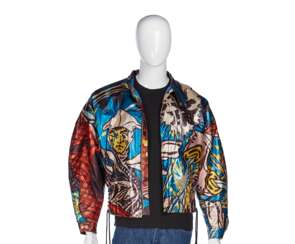

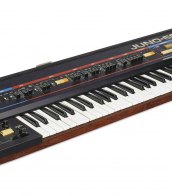
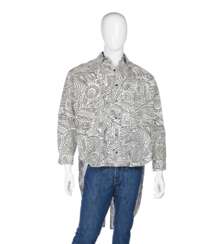

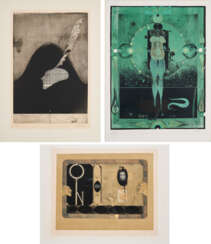

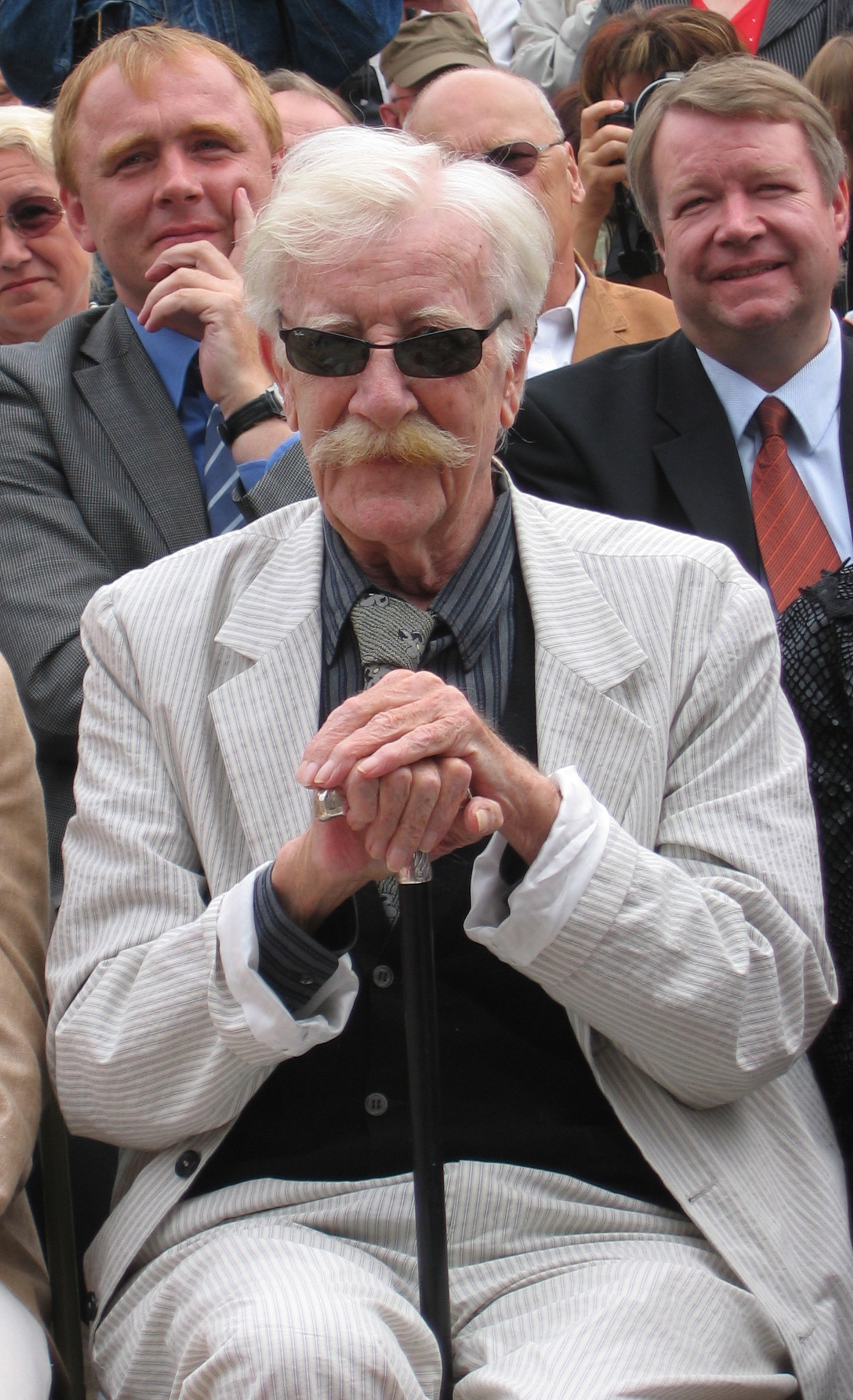
Paul Wunderlich was a German painter, sculptor and graphic artist. He designed Surrealist paintings and erotic sculptures. He often created paintings which referred to mythological legends.











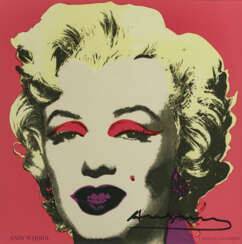

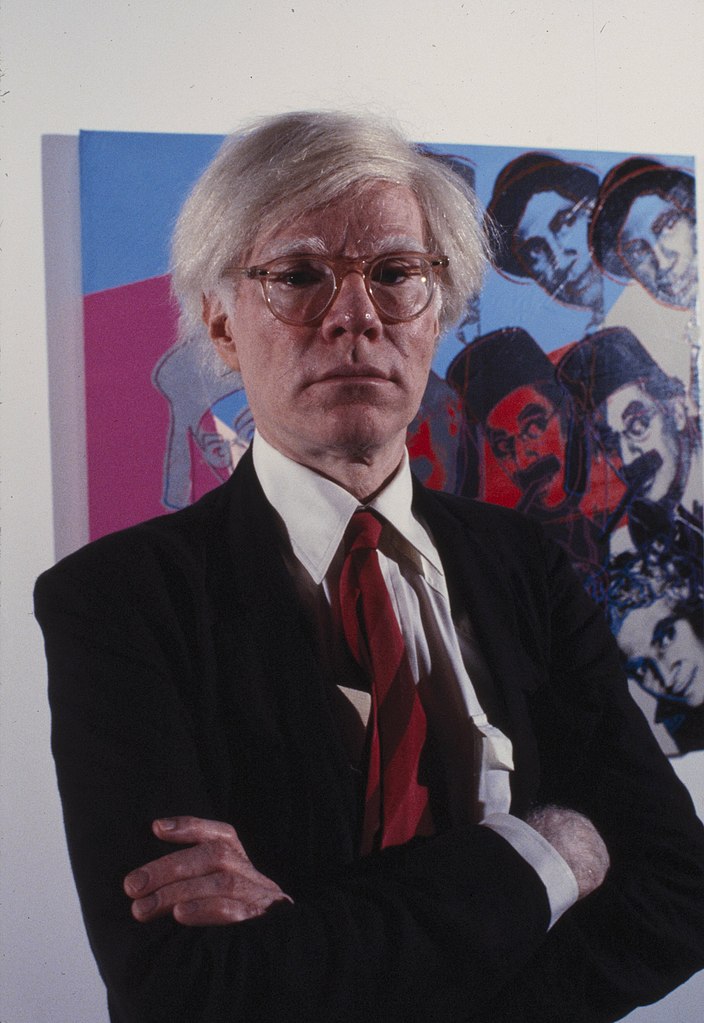
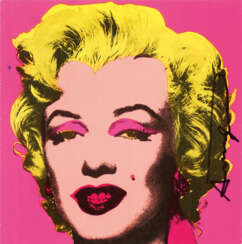
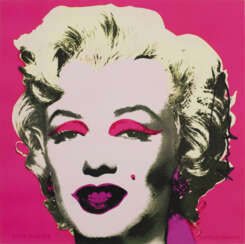
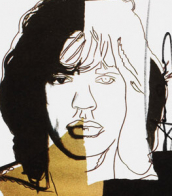
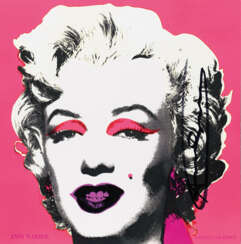
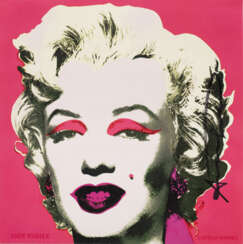
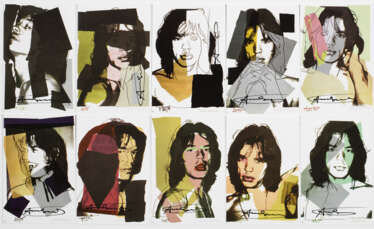
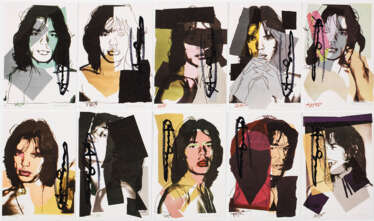
Andy Warhol, born as Andrew Warhola Jr., was an American visual artist, film director, and producer, who played a pivotal role in the development of the Pop Art movement. His art delved into the interplay between artistic expression, advertising, and celebrity culture, especially prevalent in the 1960s. Warhol was renowned for his diverse range of media, which included painting, silkscreening, photography, film, and sculpture.
Warhol's journey began in Pittsburgh, where he was born and raised, initially making a name for himself as a commercial illustrator. His New York studio, "The Factory," became a famous hub for intellectuals, celebrities, and various artistic minds. He was known for creating the notion of "Warhol superstars" and popularized the phrase "15 minutes of fame."
His contribution to the art world is significant, with notable works like "Campbell's Soup Cans" (1962) and "Marilyn Diptych" (1962), as well as his experimental films like "Empire" (1964) and "Chelsea Girls" (1966). These works not only define his career but also underscore the essence of the Pop Art movement.
Warhol's influence extended beyond his artwork. He managed and produced the experimental rock band The Velvet Underground, founded Interview magazine, and wrote several books, including "The Philosophy of Andy Warhol" and "Popism: The Warhol Sixties." Living openly as a gay man before the gay liberation movement, Warhol's personal life was as influential as his professional endeavors.
Tragically, Warhol's life was nearly cut short in 1968 when he was shot by radical feminist Valerie Solanas. He eventually passed away in 1987 due to cardiac arrhythmia following gallbladder surgery. His legacy continues, with The Andy Warhol Museum in Pittsburgh standing as the largest U.S. museum dedicated to a single artist.
Warhol's art remains highly collectible and valuable. His works, like the "Silver Car Crash (Double Disaster)" and "Shot Sage Blue Marilyn," have fetched staggering amounts at auctions, signifying his enduring impact on the art market.
For art collectors and experts, Andy Warhol's work represents a crucial intersection of pop culture and fine art, offering a unique perspective on consumerism and celebrity. His pieces are not just art; they are historical landmarks that capture a transformative era in both art and society.
To stay updated on new products, sales, and auction events related to Andy Warhol, sign up for our updates. This subscription will keep you informed about all things Warhol without overwhelming you with unnecessary information.
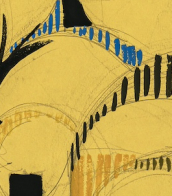












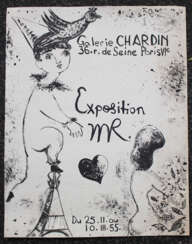



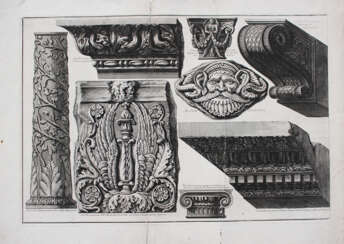

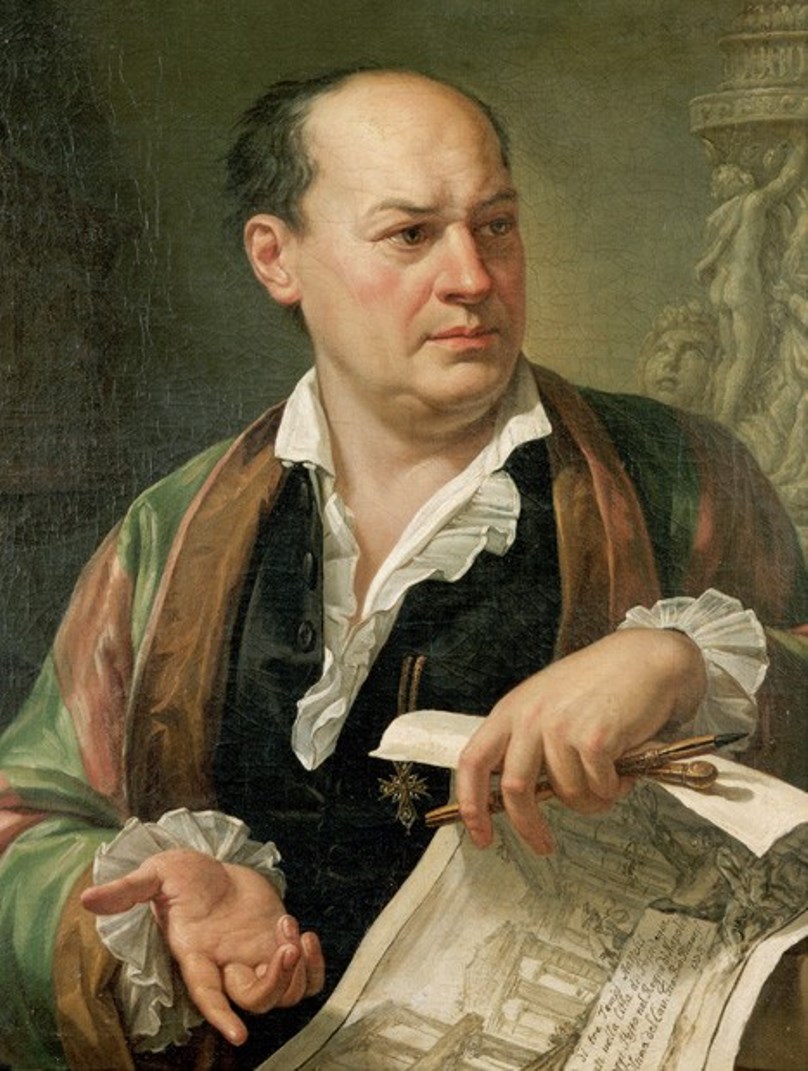
Giovanni Battista Piranesi was an 18th-century Italian painter, engraver, architect, and archaeologist who represented Neoclassicism and Romanticism. He was famous for creating a lot of original etchings with images of antique architecture monuments.
Giovanni Piranesi created hundreds of drawings and drafts in which he depicted the reconstructed ruins of ancient Roman buildings. His works are still used as teaching aids in the education of architectural students in many prestigious European universities. Piranesi periodically printed voluminous books with dozens of his own engravings depicting modified ancient architectural masterpieces - "graphic fantasies". His works were in demand among professional architects, who borrowed Piranesi's original ideas for their designs.
The peak of Piranesi's career came in the 1760s when, in recognition of his merits, he became an honorary member of the Guild of St. Luke and received from the Pope the title of Knight of the Golden Spur.
More than 700 of the master's original etchings have survived, printed in scholarly works.
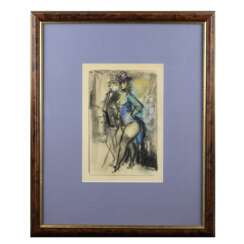





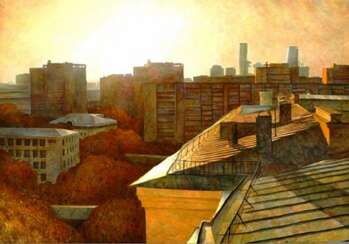

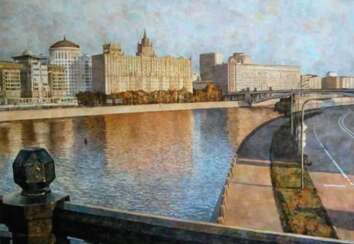








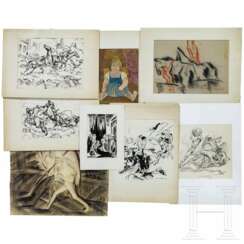

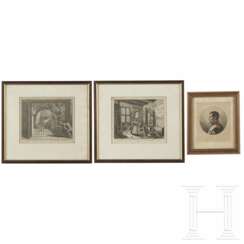


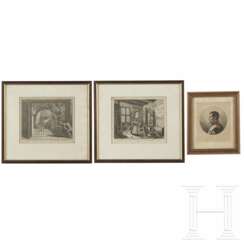


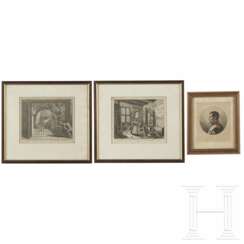









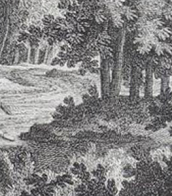
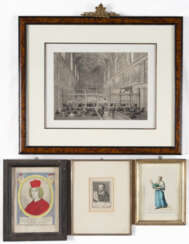

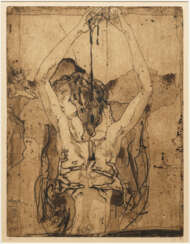

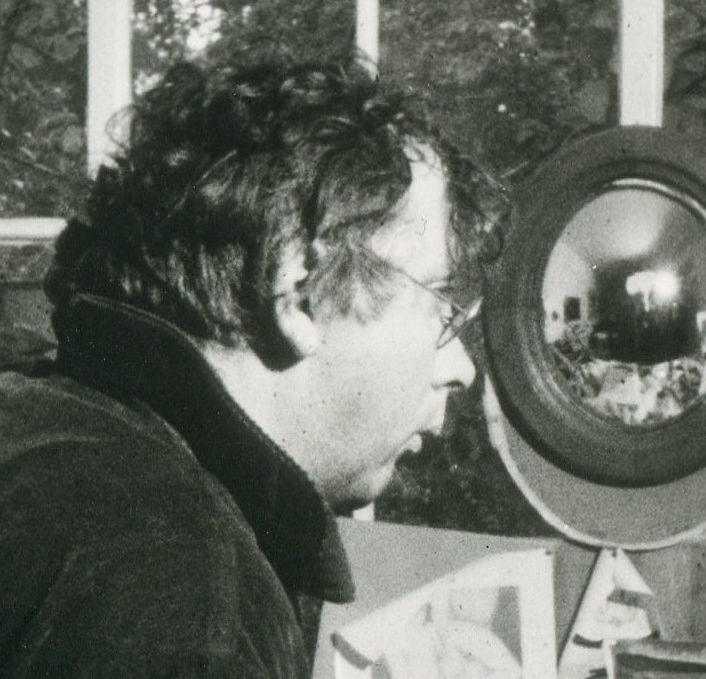
Horst Janssen was a German graphic artist, printmaker, poster and illustrator. He created many drawings, etchings, woodcuts, lithographs, and woodcuts.
There is a museum dedicated to his legacy in Horst Janssen's hometown of Oldenburg. His works are represented internationally in major museums.
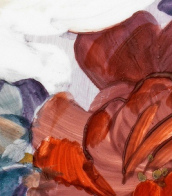
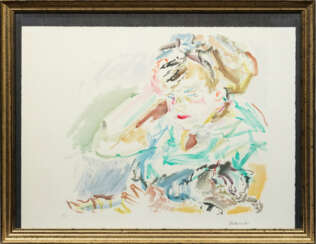

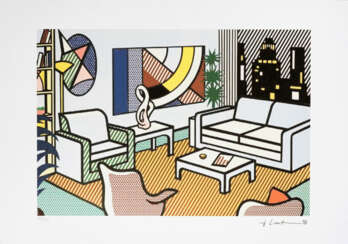



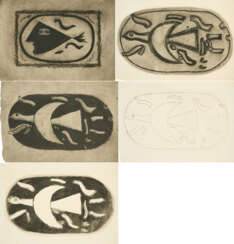

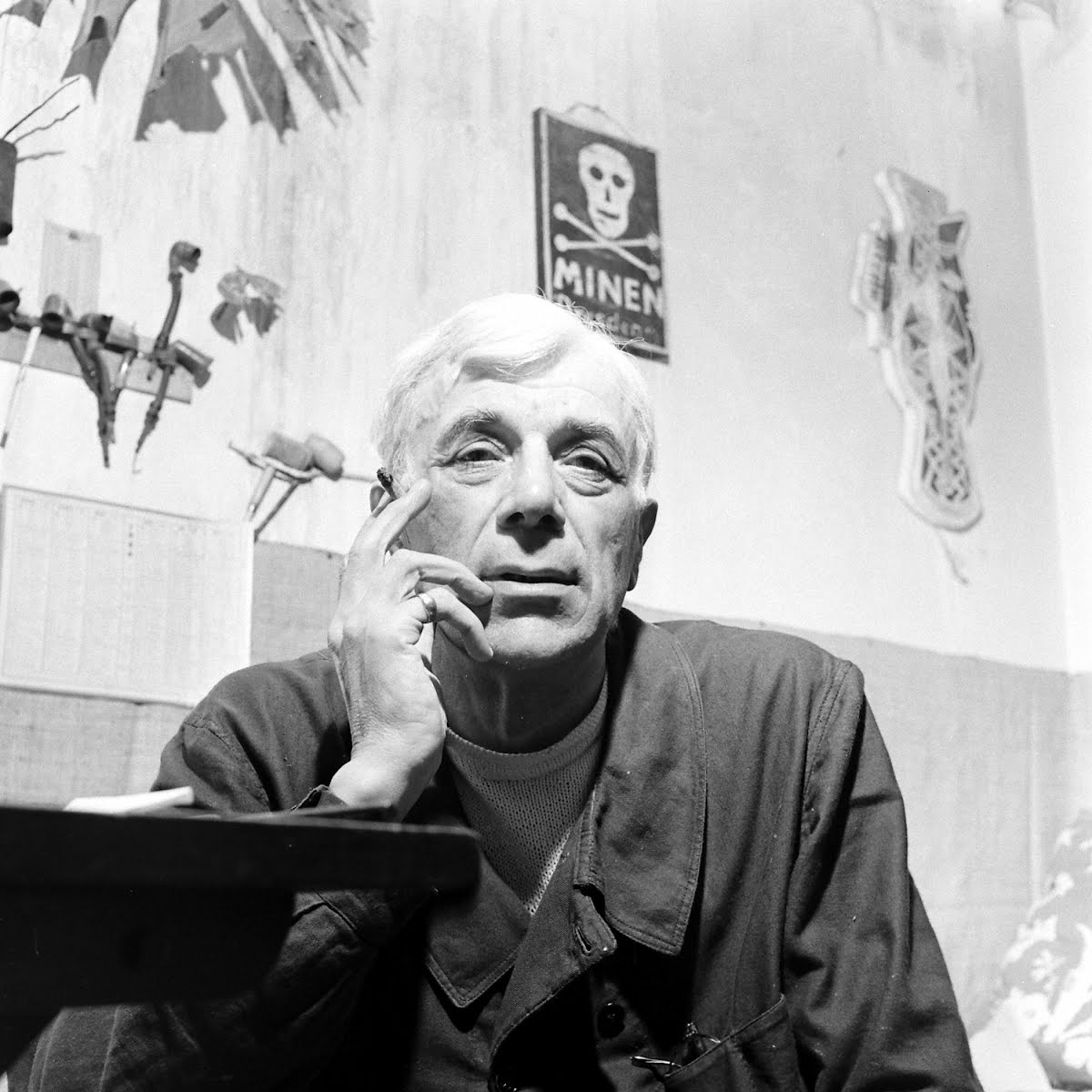
Georges Braque, a French artist, is celebrated as a pivotal figure in the development of Cubism, alongside Pablo Picasso. Braque's artistic journey transitioned from Impressionism to Fauvism before he delved into the groundbreaking realm of Cubism, characterized by its innovative use of perspective and geometric forms. His partnership with Picasso during the early 20th century marked a significant phase in art history, as they collectively pioneered the Analytic and Synthetic phases of Cubism.
Georges Braque's oeuvre is renowned for its technical precision, introspective quality, and harmonious color palettes. His contributions extended beyond painting to include sculpture and collage, demonstrating his versatile mastery over various mediums. Notable works like "Violin and Candlestick" and "Man with a Guitar" underscore his talent in transforming everyday objects into abstracted, multifaceted compositions.
Throughout his career, Georges Braque remained deeply committed to exploring the boundaries of visual perception and form. After World War I, his style evolved, incorporating brighter colors and new themes, yet he maintained a steadfast adherence to Cubist principles. His later years saw a focus on personal motifs, such as birds, which symbolized freedom and dynamism in his art.
Georges Braque's legacy is preserved in prestigious collections worldwide, including the Museum of Modern Art (MoMA), which houses a significant number of his works. His artistic innovations continue to inspire and influence the realms of art and culture.
For collectors and art enthusiasts, Georges Braque's work offers a profound insight into the evolution of modern art and the enduring allure of Cubism. His pieces are a testament to the enduring power of creativity and innovation in the face of changing artistic landscapes.
If you're keen on exploring Braque's contributions to art and wish to stay updated on exhibitions and sales featuring his work, consider subscribing for updates on Georges Braque's pieces and their presence in the art market today.
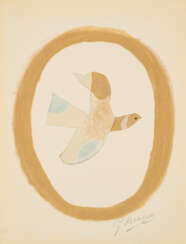

Georges Braque, a French artist, is celebrated as a pivotal figure in the development of Cubism, alongside Pablo Picasso. Braque's artistic journey transitioned from Impressionism to Fauvism before he delved into the groundbreaking realm of Cubism, characterized by its innovative use of perspective and geometric forms. His partnership with Picasso during the early 20th century marked a significant phase in art history, as they collectively pioneered the Analytic and Synthetic phases of Cubism.
Georges Braque's oeuvre is renowned for its technical precision, introspective quality, and harmonious color palettes. His contributions extended beyond painting to include sculpture and collage, demonstrating his versatile mastery over various mediums. Notable works like "Violin and Candlestick" and "Man with a Guitar" underscore his talent in transforming everyday objects into abstracted, multifaceted compositions.
Throughout his career, Georges Braque remained deeply committed to exploring the boundaries of visual perception and form. After World War I, his style evolved, incorporating brighter colors and new themes, yet he maintained a steadfast adherence to Cubist principles. His later years saw a focus on personal motifs, such as birds, which symbolized freedom and dynamism in his art.
Georges Braque's legacy is preserved in prestigious collections worldwide, including the Museum of Modern Art (MoMA), which houses a significant number of his works. His artistic innovations continue to inspire and influence the realms of art and culture.
For collectors and art enthusiasts, Georges Braque's work offers a profound insight into the evolution of modern art and the enduring allure of Cubism. His pieces are a testament to the enduring power of creativity and innovation in the face of changing artistic landscapes.
If you're keen on exploring Braque's contributions to art and wish to stay updated on exhibitions and sales featuring his work, consider subscribing for updates on Georges Braque's pieces and their presence in the art market today.
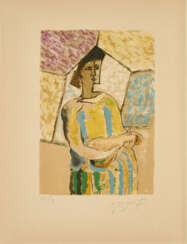

Georges Braque, a French artist, is celebrated as a pivotal figure in the development of Cubism, alongside Pablo Picasso. Braque's artistic journey transitioned from Impressionism to Fauvism before he delved into the groundbreaking realm of Cubism, characterized by its innovative use of perspective and geometric forms. His partnership with Picasso during the early 20th century marked a significant phase in art history, as they collectively pioneered the Analytic and Synthetic phases of Cubism.
Georges Braque's oeuvre is renowned for its technical precision, introspective quality, and harmonious color palettes. His contributions extended beyond painting to include sculpture and collage, demonstrating his versatile mastery over various mediums. Notable works like "Violin and Candlestick" and "Man with a Guitar" underscore his talent in transforming everyday objects into abstracted, multifaceted compositions.
Throughout his career, Georges Braque remained deeply committed to exploring the boundaries of visual perception and form. After World War I, his style evolved, incorporating brighter colors and new themes, yet he maintained a steadfast adherence to Cubist principles. His later years saw a focus on personal motifs, such as birds, which symbolized freedom and dynamism in his art.
Georges Braque's legacy is preserved in prestigious collections worldwide, including the Museum of Modern Art (MoMA), which houses a significant number of his works. His artistic innovations continue to inspire and influence the realms of art and culture.
For collectors and art enthusiasts, Georges Braque's work offers a profound insight into the evolution of modern art and the enduring allure of Cubism. His pieces are a testament to the enduring power of creativity and innovation in the face of changing artistic landscapes.
If you're keen on exploring Braque's contributions to art and wish to stay updated on exhibitions and sales featuring his work, consider subscribing for updates on Georges Braque's pieces and their presence in the art market today.
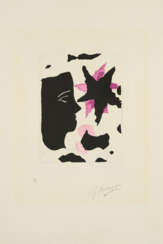

Georges Braque, a French artist, is celebrated as a pivotal figure in the development of Cubism, alongside Pablo Picasso. Braque's artistic journey transitioned from Impressionism to Fauvism before he delved into the groundbreaking realm of Cubism, characterized by its innovative use of perspective and geometric forms. His partnership with Picasso during the early 20th century marked a significant phase in art history, as they collectively pioneered the Analytic and Synthetic phases of Cubism.
Georges Braque's oeuvre is renowned for its technical precision, introspective quality, and harmonious color palettes. His contributions extended beyond painting to include sculpture and collage, demonstrating his versatile mastery over various mediums. Notable works like "Violin and Candlestick" and "Man with a Guitar" underscore his talent in transforming everyday objects into abstracted, multifaceted compositions.
Throughout his career, Georges Braque remained deeply committed to exploring the boundaries of visual perception and form. After World War I, his style evolved, incorporating brighter colors and new themes, yet he maintained a steadfast adherence to Cubist principles. His later years saw a focus on personal motifs, such as birds, which symbolized freedom and dynamism in his art.
Georges Braque's legacy is preserved in prestigious collections worldwide, including the Museum of Modern Art (MoMA), which houses a significant number of his works. His artistic innovations continue to inspire and influence the realms of art and culture.
For collectors and art enthusiasts, Georges Braque's work offers a profound insight into the evolution of modern art and the enduring allure of Cubism. His pieces are a testament to the enduring power of creativity and innovation in the face of changing artistic landscapes.
If you're keen on exploring Braque's contributions to art and wish to stay updated on exhibitions and sales featuring his work, consider subscribing for updates on Georges Braque's pieces and their presence in the art market today.
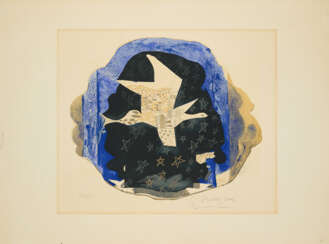

Georges Braque, a French artist, is celebrated as a pivotal figure in the development of Cubism, alongside Pablo Picasso. Braque's artistic journey transitioned from Impressionism to Fauvism before he delved into the groundbreaking realm of Cubism, characterized by its innovative use of perspective and geometric forms. His partnership with Picasso during the early 20th century marked a significant phase in art history, as they collectively pioneered the Analytic and Synthetic phases of Cubism.
Georges Braque's oeuvre is renowned for its technical precision, introspective quality, and harmonious color palettes. His contributions extended beyond painting to include sculpture and collage, demonstrating his versatile mastery over various mediums. Notable works like "Violin and Candlestick" and "Man with a Guitar" underscore his talent in transforming everyday objects into abstracted, multifaceted compositions.
Throughout his career, Georges Braque remained deeply committed to exploring the boundaries of visual perception and form. After World War I, his style evolved, incorporating brighter colors and new themes, yet he maintained a steadfast adherence to Cubist principles. His later years saw a focus on personal motifs, such as birds, which symbolized freedom and dynamism in his art.
Georges Braque's legacy is preserved in prestigious collections worldwide, including the Museum of Modern Art (MoMA), which houses a significant number of his works. His artistic innovations continue to inspire and influence the realms of art and culture.
For collectors and art enthusiasts, Georges Braque's work offers a profound insight into the evolution of modern art and the enduring allure of Cubism. His pieces are a testament to the enduring power of creativity and innovation in the face of changing artistic landscapes.
If you're keen on exploring Braque's contributions to art and wish to stay updated on exhibitions and sales featuring his work, consider subscribing for updates on Georges Braque's pieces and their presence in the art market today.
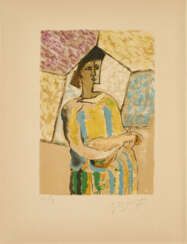

Georges Braque, a French artist, is celebrated as a pivotal figure in the development of Cubism, alongside Pablo Picasso. Braque's artistic journey transitioned from Impressionism to Fauvism before he delved into the groundbreaking realm of Cubism, characterized by its innovative use of perspective and geometric forms. His partnership with Picasso during the early 20th century marked a significant phase in art history, as they collectively pioneered the Analytic and Synthetic phases of Cubism.
Georges Braque's oeuvre is renowned for its technical precision, introspective quality, and harmonious color palettes. His contributions extended beyond painting to include sculpture and collage, demonstrating his versatile mastery over various mediums. Notable works like "Violin and Candlestick" and "Man with a Guitar" underscore his talent in transforming everyday objects into abstracted, multifaceted compositions.
Throughout his career, Georges Braque remained deeply committed to exploring the boundaries of visual perception and form. After World War I, his style evolved, incorporating brighter colors and new themes, yet he maintained a steadfast adherence to Cubist principles. His later years saw a focus on personal motifs, such as birds, which symbolized freedom and dynamism in his art.
Georges Braque's legacy is preserved in prestigious collections worldwide, including the Museum of Modern Art (MoMA), which houses a significant number of his works. His artistic innovations continue to inspire and influence the realms of art and culture.
For collectors and art enthusiasts, Georges Braque's work offers a profound insight into the evolution of modern art and the enduring allure of Cubism. His pieces are a testament to the enduring power of creativity and innovation in the face of changing artistic landscapes.
If you're keen on exploring Braque's contributions to art and wish to stay updated on exhibitions and sales featuring his work, consider subscribing for updates on Georges Braque's pieces and their presence in the art market today.
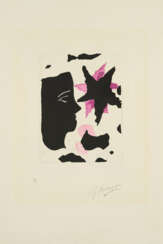

Georges Braque, a French artist, is celebrated as a pivotal figure in the development of Cubism, alongside Pablo Picasso. Braque's artistic journey transitioned from Impressionism to Fauvism before he delved into the groundbreaking realm of Cubism, characterized by its innovative use of perspective and geometric forms. His partnership with Picasso during the early 20th century marked a significant phase in art history, as they collectively pioneered the Analytic and Synthetic phases of Cubism.
Georges Braque's oeuvre is renowned for its technical precision, introspective quality, and harmonious color palettes. His contributions extended beyond painting to include sculpture and collage, demonstrating his versatile mastery over various mediums. Notable works like "Violin and Candlestick" and "Man with a Guitar" underscore his talent in transforming everyday objects into abstracted, multifaceted compositions.
Throughout his career, Georges Braque remained deeply committed to exploring the boundaries of visual perception and form. After World War I, his style evolved, incorporating brighter colors and new themes, yet he maintained a steadfast adherence to Cubist principles. His later years saw a focus on personal motifs, such as birds, which symbolized freedom and dynamism in his art.
Georges Braque's legacy is preserved in prestigious collections worldwide, including the Museum of Modern Art (MoMA), which houses a significant number of his works. His artistic innovations continue to inspire and influence the realms of art and culture.
For collectors and art enthusiasts, Georges Braque's work offers a profound insight into the evolution of modern art and the enduring allure of Cubism. His pieces are a testament to the enduring power of creativity and innovation in the face of changing artistic landscapes.
If you're keen on exploring Braque's contributions to art and wish to stay updated on exhibitions and sales featuring his work, consider subscribing for updates on Georges Braque's pieces and their presence in the art market today.
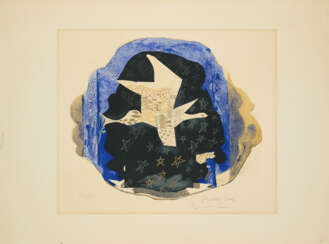

Georges Braque, a French artist, is celebrated as a pivotal figure in the development of Cubism, alongside Pablo Picasso. Braque's artistic journey transitioned from Impressionism to Fauvism before he delved into the groundbreaking realm of Cubism, characterized by its innovative use of perspective and geometric forms. His partnership with Picasso during the early 20th century marked a significant phase in art history, as they collectively pioneered the Analytic and Synthetic phases of Cubism.
Georges Braque's oeuvre is renowned for its technical precision, introspective quality, and harmonious color palettes. His contributions extended beyond painting to include sculpture and collage, demonstrating his versatile mastery over various mediums. Notable works like "Violin and Candlestick" and "Man with a Guitar" underscore his talent in transforming everyday objects into abstracted, multifaceted compositions.
Throughout his career, Georges Braque remained deeply committed to exploring the boundaries of visual perception and form. After World War I, his style evolved, incorporating brighter colors and new themes, yet he maintained a steadfast adherence to Cubist principles. His later years saw a focus on personal motifs, such as birds, which symbolized freedom and dynamism in his art.
Georges Braque's legacy is preserved in prestigious collections worldwide, including the Museum of Modern Art (MoMA), which houses a significant number of his works. His artistic innovations continue to inspire and influence the realms of art and culture.
For collectors and art enthusiasts, Georges Braque's work offers a profound insight into the evolution of modern art and the enduring allure of Cubism. His pieces are a testament to the enduring power of creativity and innovation in the face of changing artistic landscapes.
If you're keen on exploring Braque's contributions to art and wish to stay updated on exhibitions and sales featuring his work, consider subscribing for updates on Georges Braque's pieces and their presence in the art market today.
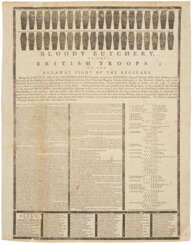



Georges Braque, a French artist, is celebrated as a pivotal figure in the development of Cubism, alongside Pablo Picasso. Braque's artistic journey transitioned from Impressionism to Fauvism before he delved into the groundbreaking realm of Cubism, characterized by its innovative use of perspective and geometric forms. His partnership with Picasso during the early 20th century marked a significant phase in art history, as they collectively pioneered the Analytic and Synthetic phases of Cubism.
Georges Braque's oeuvre is renowned for its technical precision, introspective quality, and harmonious color palettes. His contributions extended beyond painting to include sculpture and collage, demonstrating his versatile mastery over various mediums. Notable works like "Violin and Candlestick" and "Man with a Guitar" underscore his talent in transforming everyday objects into abstracted, multifaceted compositions.
Throughout his career, Georges Braque remained deeply committed to exploring the boundaries of visual perception and form. After World War I, his style evolved, incorporating brighter colors and new themes, yet he maintained a steadfast adherence to Cubist principles. His later years saw a focus on personal motifs, such as birds, which symbolized freedom and dynamism in his art.
Georges Braque's legacy is preserved in prestigious collections worldwide, including the Museum of Modern Art (MoMA), which houses a significant number of his works. His artistic innovations continue to inspire and influence the realms of art and culture.
For collectors and art enthusiasts, Georges Braque's work offers a profound insight into the evolution of modern art and the enduring allure of Cubism. His pieces are a testament to the enduring power of creativity and innovation in the face of changing artistic landscapes.
If you're keen on exploring Braque's contributions to art and wish to stay updated on exhibitions and sales featuring his work, consider subscribing for updates on Georges Braque's pieces and their presence in the art market today.
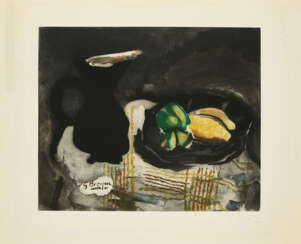

Georges Braque, a French artist, is celebrated as a pivotal figure in the development of Cubism, alongside Pablo Picasso. Braque's artistic journey transitioned from Impressionism to Fauvism before he delved into the groundbreaking realm of Cubism, characterized by its innovative use of perspective and geometric forms. His partnership with Picasso during the early 20th century marked a significant phase in art history, as they collectively pioneered the Analytic and Synthetic phases of Cubism.
Georges Braque's oeuvre is renowned for its technical precision, introspective quality, and harmonious color palettes. His contributions extended beyond painting to include sculpture and collage, demonstrating his versatile mastery over various mediums. Notable works like "Violin and Candlestick" and "Man with a Guitar" underscore his talent in transforming everyday objects into abstracted, multifaceted compositions.
Throughout his career, Georges Braque remained deeply committed to exploring the boundaries of visual perception and form. After World War I, his style evolved, incorporating brighter colors and new themes, yet he maintained a steadfast adherence to Cubist principles. His later years saw a focus on personal motifs, such as birds, which symbolized freedom and dynamism in his art.
Georges Braque's legacy is preserved in prestigious collections worldwide, including the Museum of Modern Art (MoMA), which houses a significant number of his works. His artistic innovations continue to inspire and influence the realms of art and culture.
For collectors and art enthusiasts, Georges Braque's work offers a profound insight into the evolution of modern art and the enduring allure of Cubism. His pieces are a testament to the enduring power of creativity and innovation in the face of changing artistic landscapes.
If you're keen on exploring Braque's contributions to art and wish to stay updated on exhibitions and sales featuring his work, consider subscribing for updates on Georges Braque's pieces and their presence in the art market today.
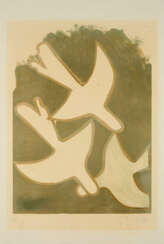

Georges Braque, a French artist, is celebrated as a pivotal figure in the development of Cubism, alongside Pablo Picasso. Braque's artistic journey transitioned from Impressionism to Fauvism before he delved into the groundbreaking realm of Cubism, characterized by its innovative use of perspective and geometric forms. His partnership with Picasso during the early 20th century marked a significant phase in art history, as they collectively pioneered the Analytic and Synthetic phases of Cubism.
Georges Braque's oeuvre is renowned for its technical precision, introspective quality, and harmonious color palettes. His contributions extended beyond painting to include sculpture and collage, demonstrating his versatile mastery over various mediums. Notable works like "Violin and Candlestick" and "Man with a Guitar" underscore his talent in transforming everyday objects into abstracted, multifaceted compositions.
Throughout his career, Georges Braque remained deeply committed to exploring the boundaries of visual perception and form. After World War I, his style evolved, incorporating brighter colors and new themes, yet he maintained a steadfast adherence to Cubist principles. His later years saw a focus on personal motifs, such as birds, which symbolized freedom and dynamism in his art.
Georges Braque's legacy is preserved in prestigious collections worldwide, including the Museum of Modern Art (MoMA), which houses a significant number of his works. His artistic innovations continue to inspire and influence the realms of art and culture.
For collectors and art enthusiasts, Georges Braque's work offers a profound insight into the evolution of modern art and the enduring allure of Cubism. His pieces are a testament to the enduring power of creativity and innovation in the face of changing artistic landscapes.
If you're keen on exploring Braque's contributions to art and wish to stay updated on exhibitions and sales featuring his work, consider subscribing for updates on Georges Braque's pieces and their presence in the art market today.


Georges Braque, a French artist, is celebrated as a pivotal figure in the development of Cubism, alongside Pablo Picasso. Braque's artistic journey transitioned from Impressionism to Fauvism before he delved into the groundbreaking realm of Cubism, characterized by its innovative use of perspective and geometric forms. His partnership with Picasso during the early 20th century marked a significant phase in art history, as they collectively pioneered the Analytic and Synthetic phases of Cubism.
Georges Braque's oeuvre is renowned for its technical precision, introspective quality, and harmonious color palettes. His contributions extended beyond painting to include sculpture and collage, demonstrating his versatile mastery over various mediums. Notable works like "Violin and Candlestick" and "Man with a Guitar" underscore his talent in transforming everyday objects into abstracted, multifaceted compositions.
Throughout his career, Georges Braque remained deeply committed to exploring the boundaries of visual perception and form. After World War I, his style evolved, incorporating brighter colors and new themes, yet he maintained a steadfast adherence to Cubist principles. His later years saw a focus on personal motifs, such as birds, which symbolized freedom and dynamism in his art.
Georges Braque's legacy is preserved in prestigious collections worldwide, including the Museum of Modern Art (MoMA), which houses a significant number of his works. His artistic innovations continue to inspire and influence the realms of art and culture.
For collectors and art enthusiasts, Georges Braque's work offers a profound insight into the evolution of modern art and the enduring allure of Cubism. His pieces are a testament to the enduring power of creativity and innovation in the face of changing artistic landscapes.
If you're keen on exploring Braque's contributions to art and wish to stay updated on exhibitions and sales featuring his work, consider subscribing for updates on Georges Braque's pieces and their presence in the art market today.
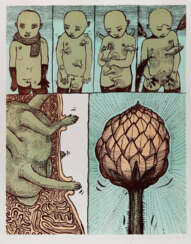


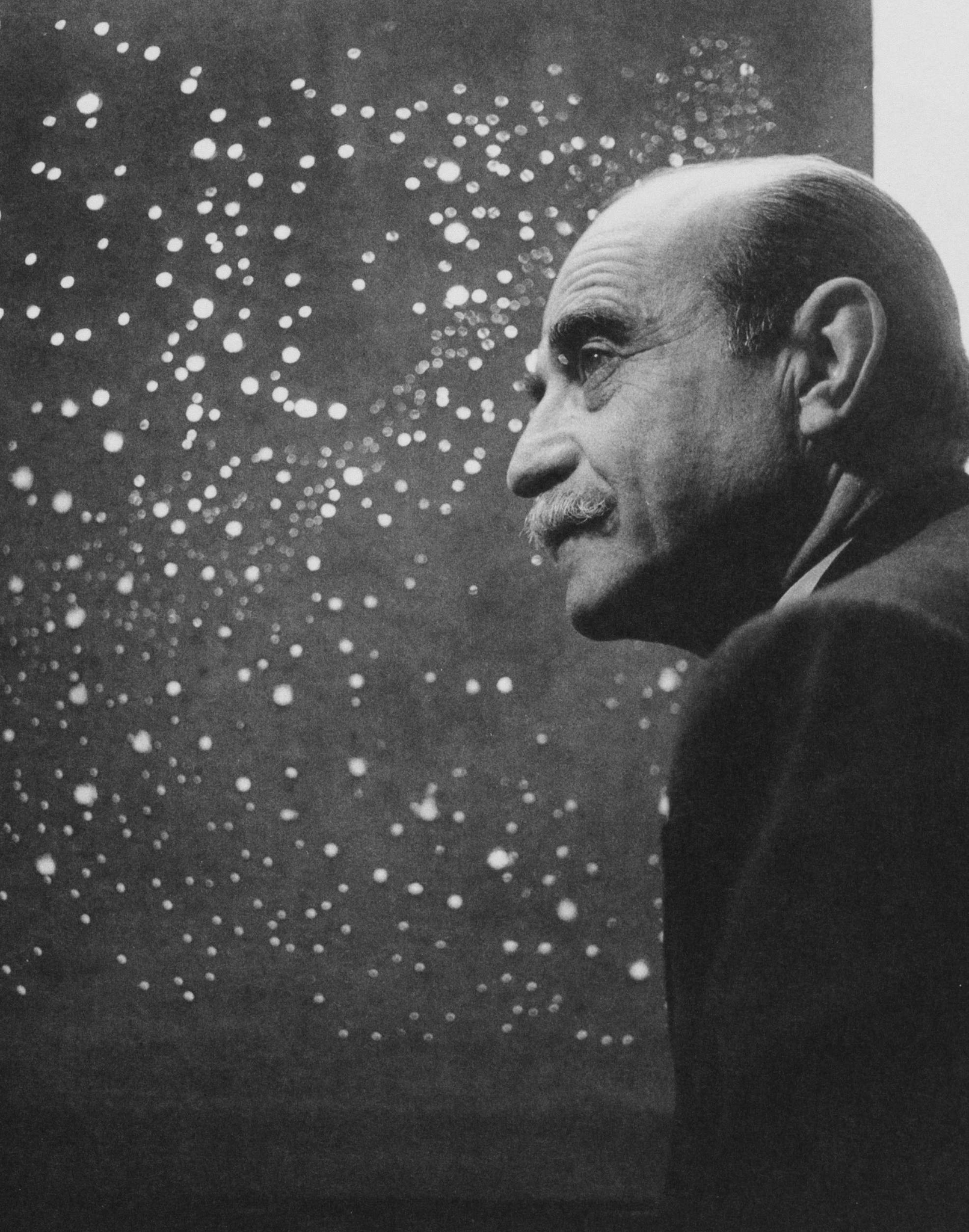
Lucio Fontana was an Argentine-Italian artist known for his pioneering work in the field of Spatialism, an artistic movement that explored the relationship between space and art.
Fontana studied sculpture at the Academy of Fine Arts in Milan, Italy. In the 1940s, he began experimenting with a technique he called "Spatial Concept," in which he punctured or cut holes into the canvas to create a sense of depth and dimensionality.
Throughout the 1950s and 1960s, Fontana continued to explore the possibilities of Spatialism, creating works in a variety of media, including sculpture, ceramics, and painting. One of his most famous series of works is the "Tagli" (Cuts), which consist of monochromatic canvases with one or more slashes or punctures.
Fontana's work had a significant influence on the development of the Arte Povera movement in Italy, as well as on the development of Minimalism and Conceptual Art. He exhibited his work widely in Europe and the United States, and his legacy continues to be celebrated by artists and critics today.
Fontana's innovative approach to art and his exploration of the relationship between space and form continue to be a source of inspiration for artists working in a wide range of media.
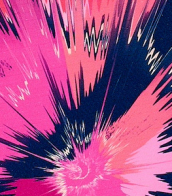


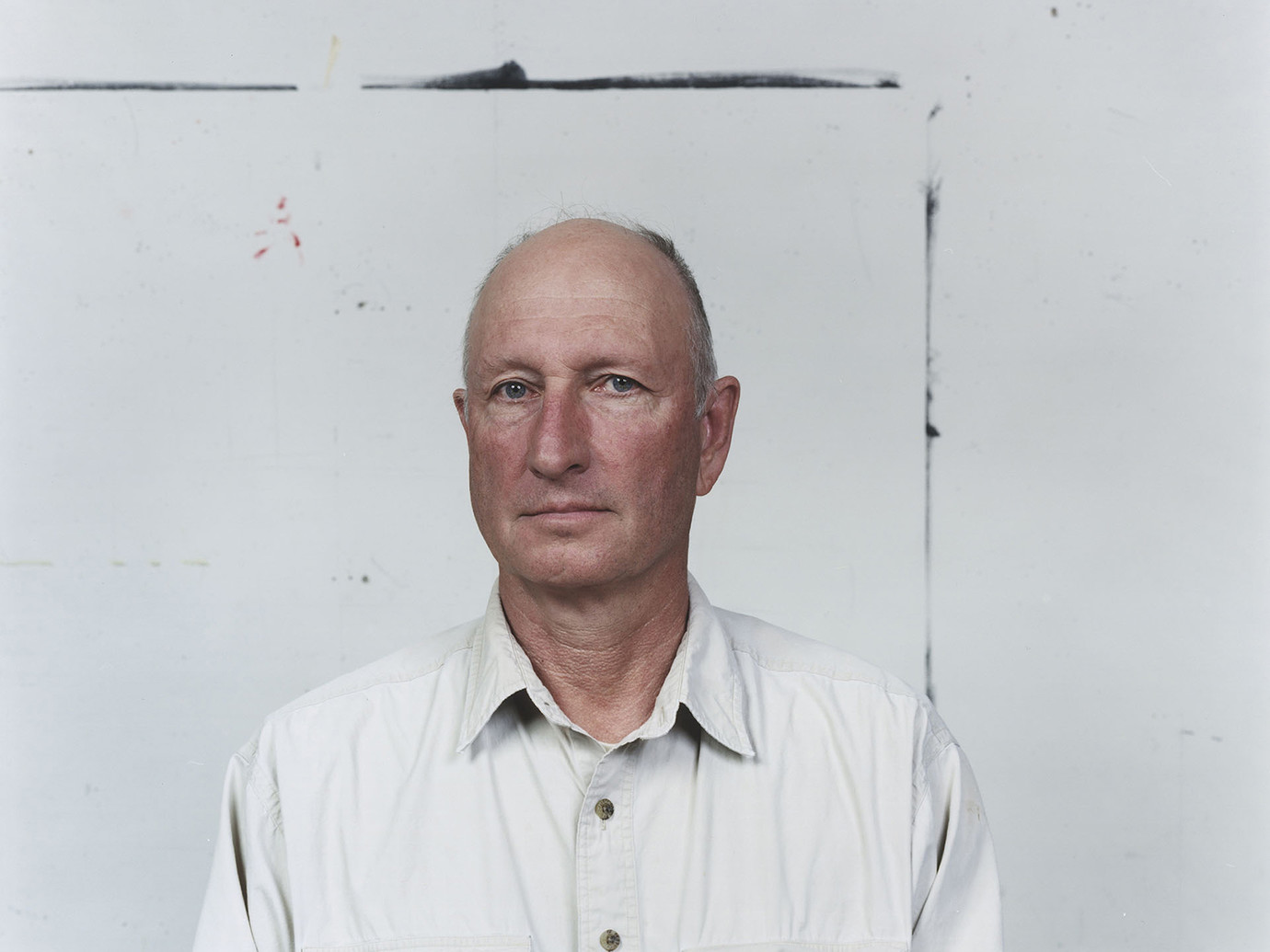
Bruce Nauman is an American artist. His practice spans a broad range of media including sculpture, photography, neon, video, drawing, printmaking, and performance. Nauman lives near Galisteo, New Mexico.
Much of his work is characterized by an interest in language, often manifesting itself as visual puns.
Nauman's use of neon as a medium recurs in his works over the decades. He uses neon to make allusions to the numinous connotations of light, similar to Mario Merz, who used neon to bring new life to assemblages of mundane objects. Neon also connotes the public atmosphere by the means of advertising, and in his later works he uses it ironically with private, erotic imagery.

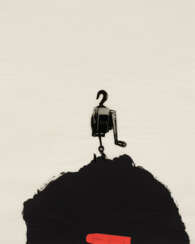

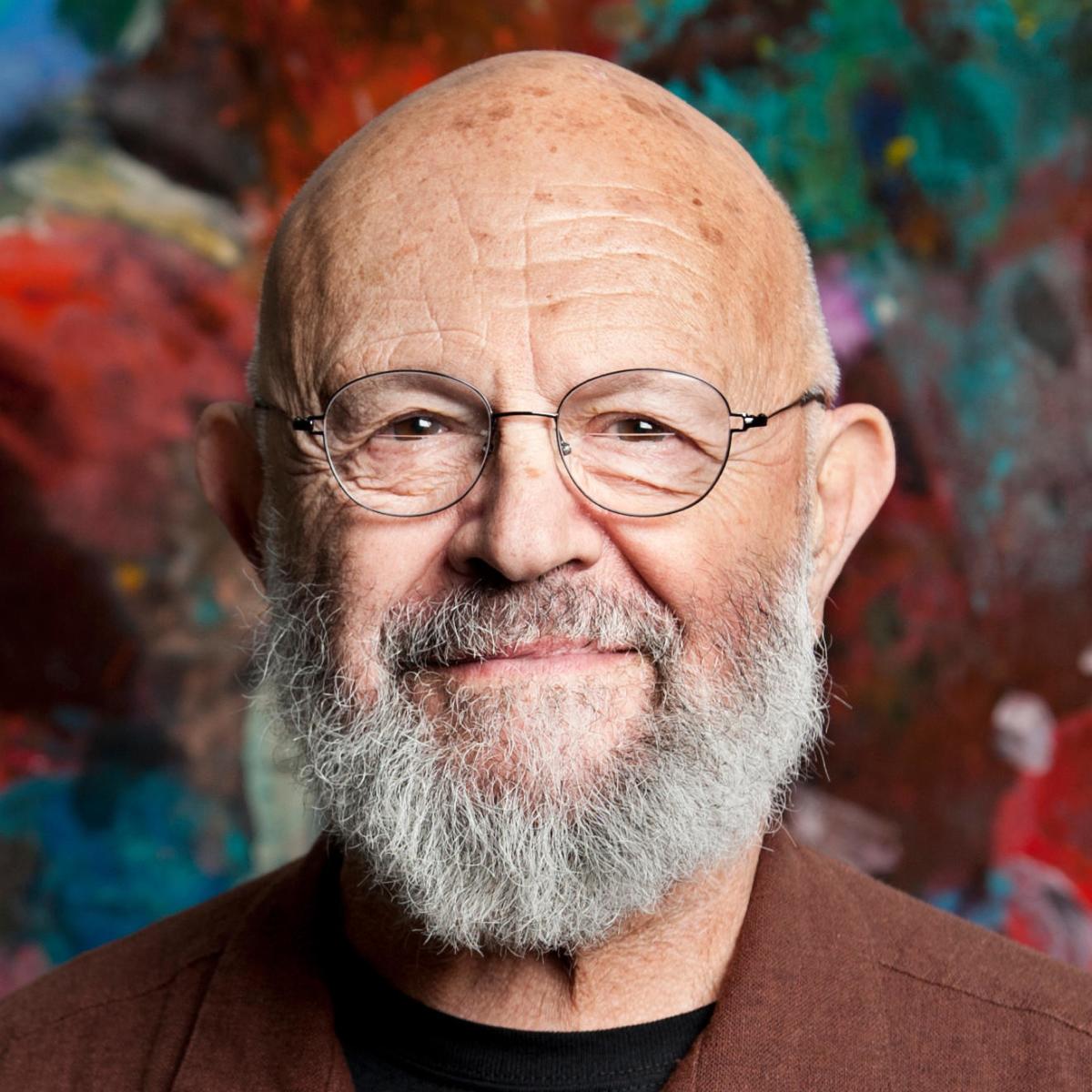
Jim Dine is an American artist whose œuvre extends over sixty years. Dine’s work includes painting, drawing, printmaking (in many forms including lithographs, etchings, gravure, intaglio, woodcuts, letterpress and linocuts), sculpture and photography; his early works encompassed assemblage and happenings, while in recent years his poetry output, both in publications and readings, has increased.
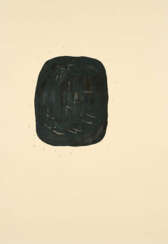

Lucio Fontana was an Argentine-Italian artist known for his pioneering work in the field of Spatialism, an artistic movement that explored the relationship between space and art.
Fontana studied sculpture at the Academy of Fine Arts in Milan, Italy. In the 1940s, he began experimenting with a technique he called "Spatial Concept," in which he punctured or cut holes into the canvas to create a sense of depth and dimensionality.
Throughout the 1950s and 1960s, Fontana continued to explore the possibilities of Spatialism, creating works in a variety of media, including sculpture, ceramics, and painting. One of his most famous series of works is the "Tagli" (Cuts), which consist of monochromatic canvases with one or more slashes or punctures.
Fontana's work had a significant influence on the development of the Arte Povera movement in Italy, as well as on the development of Minimalism and Conceptual Art. He exhibited his work widely in Europe and the United States, and his legacy continues to be celebrated by artists and critics today.
Fontana's innovative approach to art and his exploration of the relationship between space and form continue to be a source of inspiration for artists working in a wide range of media.