graphics



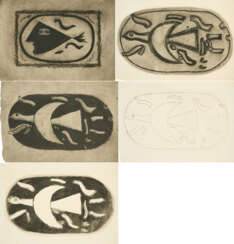

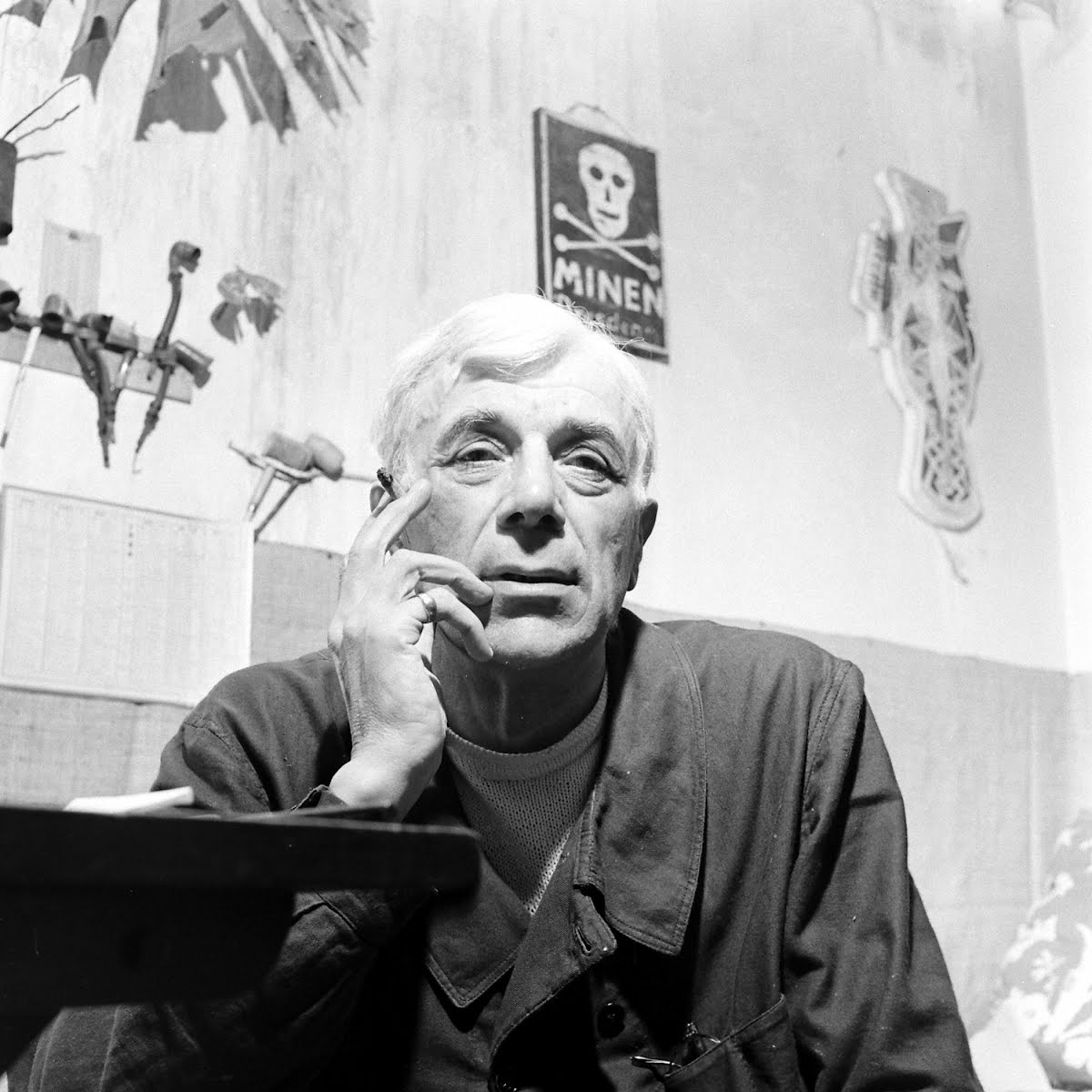
Georges Braque, a French artist, is celebrated as a pivotal figure in the development of Cubism, alongside Pablo Picasso. Braque's artistic journey transitioned from Impressionism to Fauvism before he delved into the groundbreaking realm of Cubism, characterized by its innovative use of perspective and geometric forms. His partnership with Picasso during the early 20th century marked a significant phase in art history, as they collectively pioneered the Analytic and Synthetic phases of Cubism.
Georges Braque's oeuvre is renowned for its technical precision, introspective quality, and harmonious color palettes. His contributions extended beyond painting to include sculpture and collage, demonstrating his versatile mastery over various mediums. Notable works like "Violin and Candlestick" and "Man with a Guitar" underscore his talent in transforming everyday objects into abstracted, multifaceted compositions.
Throughout his career, Georges Braque remained deeply committed to exploring the boundaries of visual perception and form. After World War I, his style evolved, incorporating brighter colors and new themes, yet he maintained a steadfast adherence to Cubist principles. His later years saw a focus on personal motifs, such as birds, which symbolized freedom and dynamism in his art.
Georges Braque's legacy is preserved in prestigious collections worldwide, including the Museum of Modern Art (MoMA), which houses a significant number of his works. His artistic innovations continue to inspire and influence the realms of art and culture.
For collectors and art enthusiasts, Georges Braque's work offers a profound insight into the evolution of modern art and the enduring allure of Cubism. His pieces are a testament to the enduring power of creativity and innovation in the face of changing artistic landscapes.
If you're keen on exploring Braque's contributions to art and wish to stay updated on exhibitions and sales featuring his work, consider subscribing for updates on Georges Braque's pieces and their presence in the art market today.
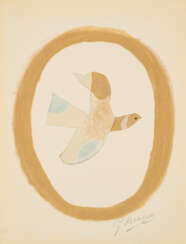

Georges Braque, a French artist, is celebrated as a pivotal figure in the development of Cubism, alongside Pablo Picasso. Braque's artistic journey transitioned from Impressionism to Fauvism before he delved into the groundbreaking realm of Cubism, characterized by its innovative use of perspective and geometric forms. His partnership with Picasso during the early 20th century marked a significant phase in art history, as they collectively pioneered the Analytic and Synthetic phases of Cubism.
Georges Braque's oeuvre is renowned for its technical precision, introspective quality, and harmonious color palettes. His contributions extended beyond painting to include sculpture and collage, demonstrating his versatile mastery over various mediums. Notable works like "Violin and Candlestick" and "Man with a Guitar" underscore his talent in transforming everyday objects into abstracted, multifaceted compositions.
Throughout his career, Georges Braque remained deeply committed to exploring the boundaries of visual perception and form. After World War I, his style evolved, incorporating brighter colors and new themes, yet he maintained a steadfast adherence to Cubist principles. His later years saw a focus on personal motifs, such as birds, which symbolized freedom and dynamism in his art.
Georges Braque's legacy is preserved in prestigious collections worldwide, including the Museum of Modern Art (MoMA), which houses a significant number of his works. His artistic innovations continue to inspire and influence the realms of art and culture.
For collectors and art enthusiasts, Georges Braque's work offers a profound insight into the evolution of modern art and the enduring allure of Cubism. His pieces are a testament to the enduring power of creativity and innovation in the face of changing artistic landscapes.
If you're keen on exploring Braque's contributions to art and wish to stay updated on exhibitions and sales featuring his work, consider subscribing for updates on Georges Braque's pieces and their presence in the art market today.
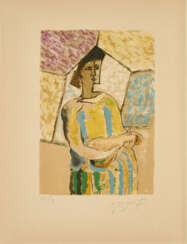

Georges Braque, a French artist, is celebrated as a pivotal figure in the development of Cubism, alongside Pablo Picasso. Braque's artistic journey transitioned from Impressionism to Fauvism before he delved into the groundbreaking realm of Cubism, characterized by its innovative use of perspective and geometric forms. His partnership with Picasso during the early 20th century marked a significant phase in art history, as they collectively pioneered the Analytic and Synthetic phases of Cubism.
Georges Braque's oeuvre is renowned for its technical precision, introspective quality, and harmonious color palettes. His contributions extended beyond painting to include sculpture and collage, demonstrating his versatile mastery over various mediums. Notable works like "Violin and Candlestick" and "Man with a Guitar" underscore his talent in transforming everyday objects into abstracted, multifaceted compositions.
Throughout his career, Georges Braque remained deeply committed to exploring the boundaries of visual perception and form. After World War I, his style evolved, incorporating brighter colors and new themes, yet he maintained a steadfast adherence to Cubist principles. His later years saw a focus on personal motifs, such as birds, which symbolized freedom and dynamism in his art.
Georges Braque's legacy is preserved in prestigious collections worldwide, including the Museum of Modern Art (MoMA), which houses a significant number of his works. His artistic innovations continue to inspire and influence the realms of art and culture.
For collectors and art enthusiasts, Georges Braque's work offers a profound insight into the evolution of modern art and the enduring allure of Cubism. His pieces are a testament to the enduring power of creativity and innovation in the face of changing artistic landscapes.
If you're keen on exploring Braque's contributions to art and wish to stay updated on exhibitions and sales featuring his work, consider subscribing for updates on Georges Braque's pieces and their presence in the art market today.
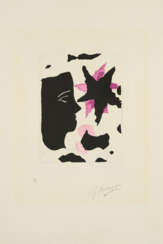

Georges Braque, a French artist, is celebrated as a pivotal figure in the development of Cubism, alongside Pablo Picasso. Braque's artistic journey transitioned from Impressionism to Fauvism before he delved into the groundbreaking realm of Cubism, characterized by its innovative use of perspective and geometric forms. His partnership with Picasso during the early 20th century marked a significant phase in art history, as they collectively pioneered the Analytic and Synthetic phases of Cubism.
Georges Braque's oeuvre is renowned for its technical precision, introspective quality, and harmonious color palettes. His contributions extended beyond painting to include sculpture and collage, demonstrating his versatile mastery over various mediums. Notable works like "Violin and Candlestick" and "Man with a Guitar" underscore his talent in transforming everyday objects into abstracted, multifaceted compositions.
Throughout his career, Georges Braque remained deeply committed to exploring the boundaries of visual perception and form. After World War I, his style evolved, incorporating brighter colors and new themes, yet he maintained a steadfast adherence to Cubist principles. His later years saw a focus on personal motifs, such as birds, which symbolized freedom and dynamism in his art.
Georges Braque's legacy is preserved in prestigious collections worldwide, including the Museum of Modern Art (MoMA), which houses a significant number of his works. His artistic innovations continue to inspire and influence the realms of art and culture.
For collectors and art enthusiasts, Georges Braque's work offers a profound insight into the evolution of modern art and the enduring allure of Cubism. His pieces are a testament to the enduring power of creativity and innovation in the face of changing artistic landscapes.
If you're keen on exploring Braque's contributions to art and wish to stay updated on exhibitions and sales featuring his work, consider subscribing for updates on Georges Braque's pieces and their presence in the art market today.
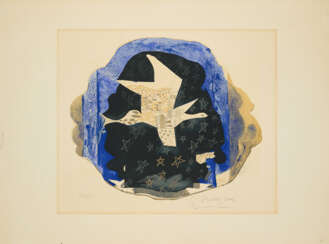

Georges Braque, a French artist, is celebrated as a pivotal figure in the development of Cubism, alongside Pablo Picasso. Braque's artistic journey transitioned from Impressionism to Fauvism before he delved into the groundbreaking realm of Cubism, characterized by its innovative use of perspective and geometric forms. His partnership with Picasso during the early 20th century marked a significant phase in art history, as they collectively pioneered the Analytic and Synthetic phases of Cubism.
Georges Braque's oeuvre is renowned for its technical precision, introspective quality, and harmonious color palettes. His contributions extended beyond painting to include sculpture and collage, demonstrating his versatile mastery over various mediums. Notable works like "Violin and Candlestick" and "Man with a Guitar" underscore his talent in transforming everyday objects into abstracted, multifaceted compositions.
Throughout his career, Georges Braque remained deeply committed to exploring the boundaries of visual perception and form. After World War I, his style evolved, incorporating brighter colors and new themes, yet he maintained a steadfast adherence to Cubist principles. His later years saw a focus on personal motifs, such as birds, which symbolized freedom and dynamism in his art.
Georges Braque's legacy is preserved in prestigious collections worldwide, including the Museum of Modern Art (MoMA), which houses a significant number of his works. His artistic innovations continue to inspire and influence the realms of art and culture.
For collectors and art enthusiasts, Georges Braque's work offers a profound insight into the evolution of modern art and the enduring allure of Cubism. His pieces are a testament to the enduring power of creativity and innovation in the face of changing artistic landscapes.
If you're keen on exploring Braque's contributions to art and wish to stay updated on exhibitions and sales featuring his work, consider subscribing for updates on Georges Braque's pieces and their presence in the art market today.
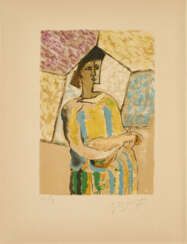

Georges Braque, a French artist, is celebrated as a pivotal figure in the development of Cubism, alongside Pablo Picasso. Braque's artistic journey transitioned from Impressionism to Fauvism before he delved into the groundbreaking realm of Cubism, characterized by its innovative use of perspective and geometric forms. His partnership with Picasso during the early 20th century marked a significant phase in art history, as they collectively pioneered the Analytic and Synthetic phases of Cubism.
Georges Braque's oeuvre is renowned for its technical precision, introspective quality, and harmonious color palettes. His contributions extended beyond painting to include sculpture and collage, demonstrating his versatile mastery over various mediums. Notable works like "Violin and Candlestick" and "Man with a Guitar" underscore his talent in transforming everyday objects into abstracted, multifaceted compositions.
Throughout his career, Georges Braque remained deeply committed to exploring the boundaries of visual perception and form. After World War I, his style evolved, incorporating brighter colors and new themes, yet he maintained a steadfast adherence to Cubist principles. His later years saw a focus on personal motifs, such as birds, which symbolized freedom and dynamism in his art.
Georges Braque's legacy is preserved in prestigious collections worldwide, including the Museum of Modern Art (MoMA), which houses a significant number of his works. His artistic innovations continue to inspire and influence the realms of art and culture.
For collectors and art enthusiasts, Georges Braque's work offers a profound insight into the evolution of modern art and the enduring allure of Cubism. His pieces are a testament to the enduring power of creativity and innovation in the face of changing artistic landscapes.
If you're keen on exploring Braque's contributions to art and wish to stay updated on exhibitions and sales featuring his work, consider subscribing for updates on Georges Braque's pieces and their presence in the art market today.
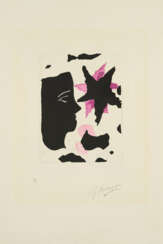

Georges Braque, a French artist, is celebrated as a pivotal figure in the development of Cubism, alongside Pablo Picasso. Braque's artistic journey transitioned from Impressionism to Fauvism before he delved into the groundbreaking realm of Cubism, characterized by its innovative use of perspective and geometric forms. His partnership with Picasso during the early 20th century marked a significant phase in art history, as they collectively pioneered the Analytic and Synthetic phases of Cubism.
Georges Braque's oeuvre is renowned for its technical precision, introspective quality, and harmonious color palettes. His contributions extended beyond painting to include sculpture and collage, demonstrating his versatile mastery over various mediums. Notable works like "Violin and Candlestick" and "Man with a Guitar" underscore his talent in transforming everyday objects into abstracted, multifaceted compositions.
Throughout his career, Georges Braque remained deeply committed to exploring the boundaries of visual perception and form. After World War I, his style evolved, incorporating brighter colors and new themes, yet he maintained a steadfast adherence to Cubist principles. His later years saw a focus on personal motifs, such as birds, which symbolized freedom and dynamism in his art.
Georges Braque's legacy is preserved in prestigious collections worldwide, including the Museum of Modern Art (MoMA), which houses a significant number of his works. His artistic innovations continue to inspire and influence the realms of art and culture.
For collectors and art enthusiasts, Georges Braque's work offers a profound insight into the evolution of modern art and the enduring allure of Cubism. His pieces are a testament to the enduring power of creativity and innovation in the face of changing artistic landscapes.
If you're keen on exploring Braque's contributions to art and wish to stay updated on exhibitions and sales featuring his work, consider subscribing for updates on Georges Braque's pieces and their presence in the art market today.
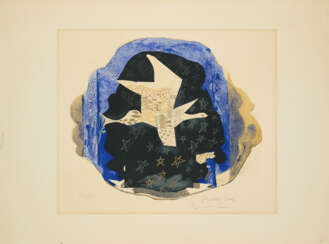

Georges Braque, a French artist, is celebrated as a pivotal figure in the development of Cubism, alongside Pablo Picasso. Braque's artistic journey transitioned from Impressionism to Fauvism before he delved into the groundbreaking realm of Cubism, characterized by its innovative use of perspective and geometric forms. His partnership with Picasso during the early 20th century marked a significant phase in art history, as they collectively pioneered the Analytic and Synthetic phases of Cubism.
Georges Braque's oeuvre is renowned for its technical precision, introspective quality, and harmonious color palettes. His contributions extended beyond painting to include sculpture and collage, demonstrating his versatile mastery over various mediums. Notable works like "Violin and Candlestick" and "Man with a Guitar" underscore his talent in transforming everyday objects into abstracted, multifaceted compositions.
Throughout his career, Georges Braque remained deeply committed to exploring the boundaries of visual perception and form. After World War I, his style evolved, incorporating brighter colors and new themes, yet he maintained a steadfast adherence to Cubist principles. His later years saw a focus on personal motifs, such as birds, which symbolized freedom and dynamism in his art.
Georges Braque's legacy is preserved in prestigious collections worldwide, including the Museum of Modern Art (MoMA), which houses a significant number of his works. His artistic innovations continue to inspire and influence the realms of art and culture.
For collectors and art enthusiasts, Georges Braque's work offers a profound insight into the evolution of modern art and the enduring allure of Cubism. His pieces are a testament to the enduring power of creativity and innovation in the face of changing artistic landscapes.
If you're keen on exploring Braque's contributions to art and wish to stay updated on exhibitions and sales featuring his work, consider subscribing for updates on Georges Braque's pieces and their presence in the art market today.



Georges Braque, a French artist, is celebrated as a pivotal figure in the development of Cubism, alongside Pablo Picasso. Braque's artistic journey transitioned from Impressionism to Fauvism before he delved into the groundbreaking realm of Cubism, characterized by its innovative use of perspective and geometric forms. His partnership with Picasso during the early 20th century marked a significant phase in art history, as they collectively pioneered the Analytic and Synthetic phases of Cubism.
Georges Braque's oeuvre is renowned for its technical precision, introspective quality, and harmonious color palettes. His contributions extended beyond painting to include sculpture and collage, demonstrating his versatile mastery over various mediums. Notable works like "Violin and Candlestick" and "Man with a Guitar" underscore his talent in transforming everyday objects into abstracted, multifaceted compositions.
Throughout his career, Georges Braque remained deeply committed to exploring the boundaries of visual perception and form. After World War I, his style evolved, incorporating brighter colors and new themes, yet he maintained a steadfast adherence to Cubist principles. His later years saw a focus on personal motifs, such as birds, which symbolized freedom and dynamism in his art.
Georges Braque's legacy is preserved in prestigious collections worldwide, including the Museum of Modern Art (MoMA), which houses a significant number of his works. His artistic innovations continue to inspire and influence the realms of art and culture.
For collectors and art enthusiasts, Georges Braque's work offers a profound insight into the evolution of modern art and the enduring allure of Cubism. His pieces are a testament to the enduring power of creativity and innovation in the face of changing artistic landscapes.
If you're keen on exploring Braque's contributions to art and wish to stay updated on exhibitions and sales featuring his work, consider subscribing for updates on Georges Braque's pieces and their presence in the art market today.
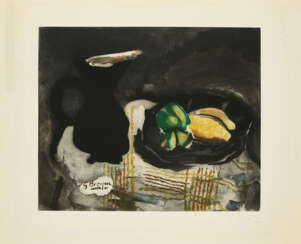

Georges Braque, a French artist, is celebrated as a pivotal figure in the development of Cubism, alongside Pablo Picasso. Braque's artistic journey transitioned from Impressionism to Fauvism before he delved into the groundbreaking realm of Cubism, characterized by its innovative use of perspective and geometric forms. His partnership with Picasso during the early 20th century marked a significant phase in art history, as they collectively pioneered the Analytic and Synthetic phases of Cubism.
Georges Braque's oeuvre is renowned for its technical precision, introspective quality, and harmonious color palettes. His contributions extended beyond painting to include sculpture and collage, demonstrating his versatile mastery over various mediums. Notable works like "Violin and Candlestick" and "Man with a Guitar" underscore his talent in transforming everyday objects into abstracted, multifaceted compositions.
Throughout his career, Georges Braque remained deeply committed to exploring the boundaries of visual perception and form. After World War I, his style evolved, incorporating brighter colors and new themes, yet he maintained a steadfast adherence to Cubist principles. His later years saw a focus on personal motifs, such as birds, which symbolized freedom and dynamism in his art.
Georges Braque's legacy is preserved in prestigious collections worldwide, including the Museum of Modern Art (MoMA), which houses a significant number of his works. His artistic innovations continue to inspire and influence the realms of art and culture.
For collectors and art enthusiasts, Georges Braque's work offers a profound insight into the evolution of modern art and the enduring allure of Cubism. His pieces are a testament to the enduring power of creativity and innovation in the face of changing artistic landscapes.
If you're keen on exploring Braque's contributions to art and wish to stay updated on exhibitions and sales featuring his work, consider subscribing for updates on Georges Braque's pieces and their presence in the art market today.
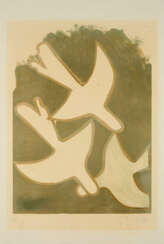

Georges Braque, a French artist, is celebrated as a pivotal figure in the development of Cubism, alongside Pablo Picasso. Braque's artistic journey transitioned from Impressionism to Fauvism before he delved into the groundbreaking realm of Cubism, characterized by its innovative use of perspective and geometric forms. His partnership with Picasso during the early 20th century marked a significant phase in art history, as they collectively pioneered the Analytic and Synthetic phases of Cubism.
Georges Braque's oeuvre is renowned for its technical precision, introspective quality, and harmonious color palettes. His contributions extended beyond painting to include sculpture and collage, demonstrating his versatile mastery over various mediums. Notable works like "Violin and Candlestick" and "Man with a Guitar" underscore his talent in transforming everyday objects into abstracted, multifaceted compositions.
Throughout his career, Georges Braque remained deeply committed to exploring the boundaries of visual perception and form. After World War I, his style evolved, incorporating brighter colors and new themes, yet he maintained a steadfast adherence to Cubist principles. His later years saw a focus on personal motifs, such as birds, which symbolized freedom and dynamism in his art.
Georges Braque's legacy is preserved in prestigious collections worldwide, including the Museum of Modern Art (MoMA), which houses a significant number of his works. His artistic innovations continue to inspire and influence the realms of art and culture.
For collectors and art enthusiasts, Georges Braque's work offers a profound insight into the evolution of modern art and the enduring allure of Cubism. His pieces are a testament to the enduring power of creativity and innovation in the face of changing artistic landscapes.
If you're keen on exploring Braque's contributions to art and wish to stay updated on exhibitions and sales featuring his work, consider subscribing for updates on Georges Braque's pieces and their presence in the art market today.


Georges Braque, a French artist, is celebrated as a pivotal figure in the development of Cubism, alongside Pablo Picasso. Braque's artistic journey transitioned from Impressionism to Fauvism before he delved into the groundbreaking realm of Cubism, characterized by its innovative use of perspective and geometric forms. His partnership with Picasso during the early 20th century marked a significant phase in art history, as they collectively pioneered the Analytic and Synthetic phases of Cubism.
Georges Braque's oeuvre is renowned for its technical precision, introspective quality, and harmonious color palettes. His contributions extended beyond painting to include sculpture and collage, demonstrating his versatile mastery over various mediums. Notable works like "Violin and Candlestick" and "Man with a Guitar" underscore his talent in transforming everyday objects into abstracted, multifaceted compositions.
Throughout his career, Georges Braque remained deeply committed to exploring the boundaries of visual perception and form. After World War I, his style evolved, incorporating brighter colors and new themes, yet he maintained a steadfast adherence to Cubist principles. His later years saw a focus on personal motifs, such as birds, which symbolized freedom and dynamism in his art.
Georges Braque's legacy is preserved in prestigious collections worldwide, including the Museum of Modern Art (MoMA), which houses a significant number of his works. His artistic innovations continue to inspire and influence the realms of art and culture.
For collectors and art enthusiasts, Georges Braque's work offers a profound insight into the evolution of modern art and the enduring allure of Cubism. His pieces are a testament to the enduring power of creativity and innovation in the face of changing artistic landscapes.
If you're keen on exploring Braque's contributions to art and wish to stay updated on exhibitions and sales featuring his work, consider subscribing for updates on Georges Braque's pieces and their presence in the art market today.

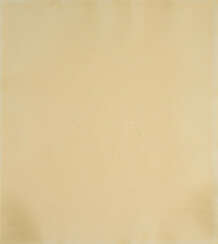

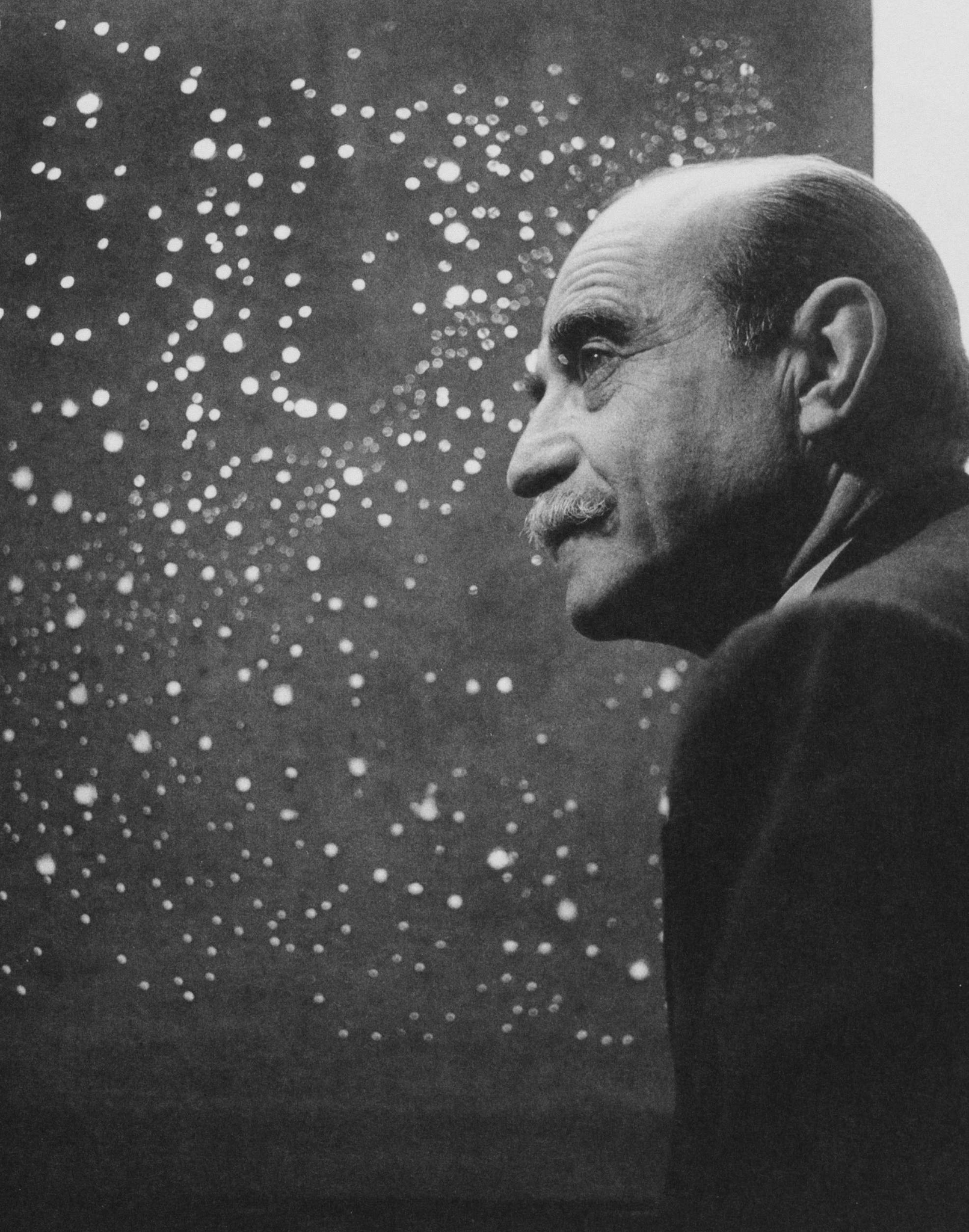
Lucio Fontana was an Argentine-Italian artist known for his pioneering work in the field of Spatialism, an artistic movement that explored the relationship between space and art.
Fontana studied sculpture at the Academy of Fine Arts in Milan, Italy. In the 1940s, he began experimenting with a technique he called "Spatial Concept," in which he punctured or cut holes into the canvas to create a sense of depth and dimensionality.
Throughout the 1950s and 1960s, Fontana continued to explore the possibilities of Spatialism, creating works in a variety of media, including sculpture, ceramics, and painting. One of his most famous series of works is the "Tagli" (Cuts), which consist of monochromatic canvases with one or more slashes or punctures.
Fontana's work had a significant influence on the development of the Arte Povera movement in Italy, as well as on the development of Minimalism and Conceptual Art. He exhibited his work widely in Europe and the United States, and his legacy continues to be celebrated by artists and critics today.
Fontana's innovative approach to art and his exploration of the relationship between space and form continue to be a source of inspiration for artists working in a wide range of media.
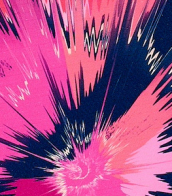


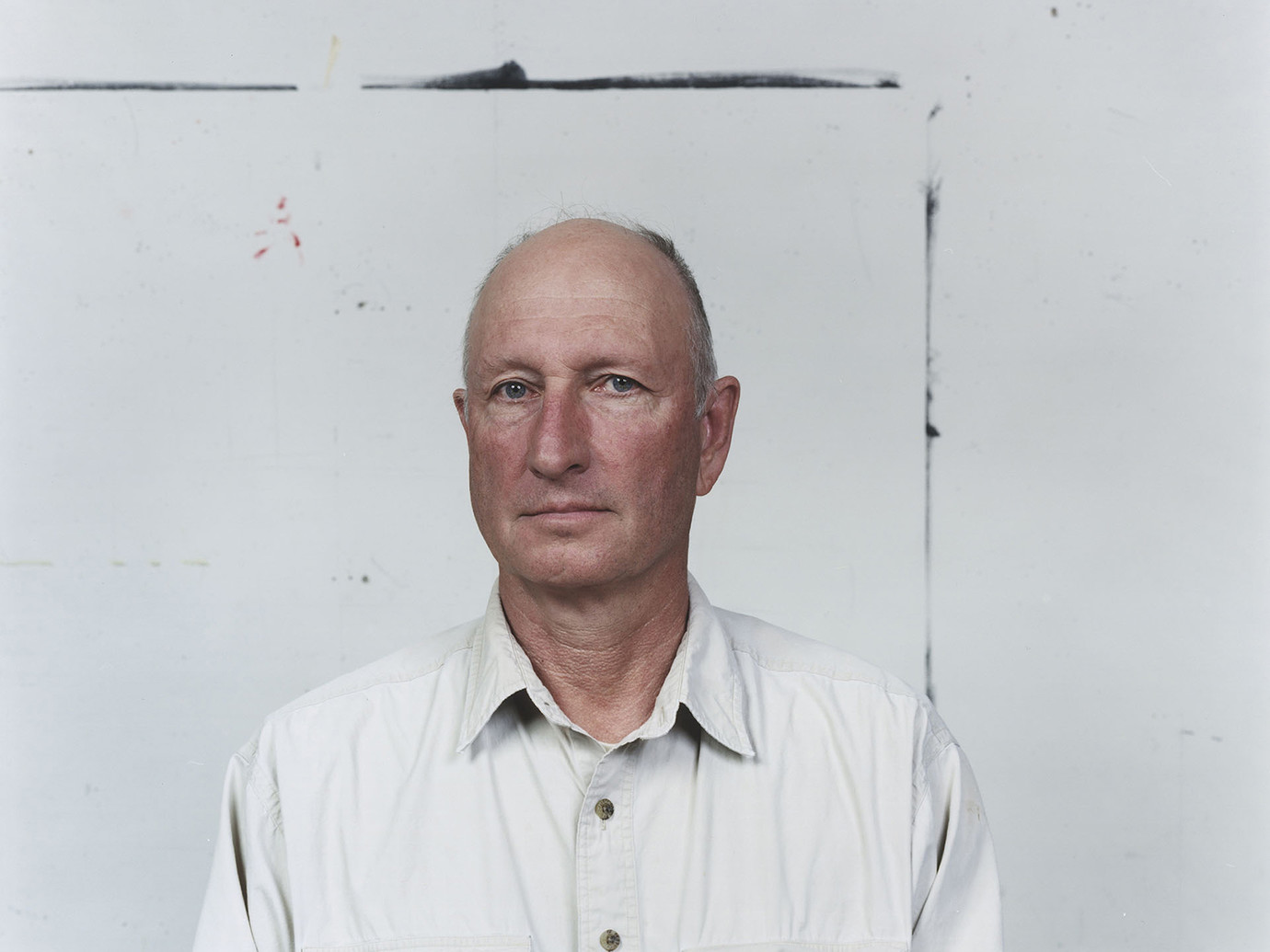
Bruce Nauman is an American artist. His practice spans a broad range of media including sculpture, photography, neon, video, drawing, printmaking, and performance. Nauman lives near Galisteo, New Mexico.
Much of his work is characterized by an interest in language, often manifesting itself as visual puns.
Nauman's use of neon as a medium recurs in his works over the decades. He uses neon to make allusions to the numinous connotations of light, similar to Mario Merz, who used neon to bring new life to assemblages of mundane objects. Neon also connotes the public atmosphere by the means of advertising, and in his later works he uses it ironically with private, erotic imagery.

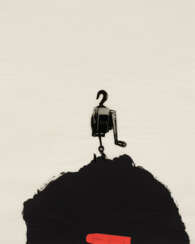

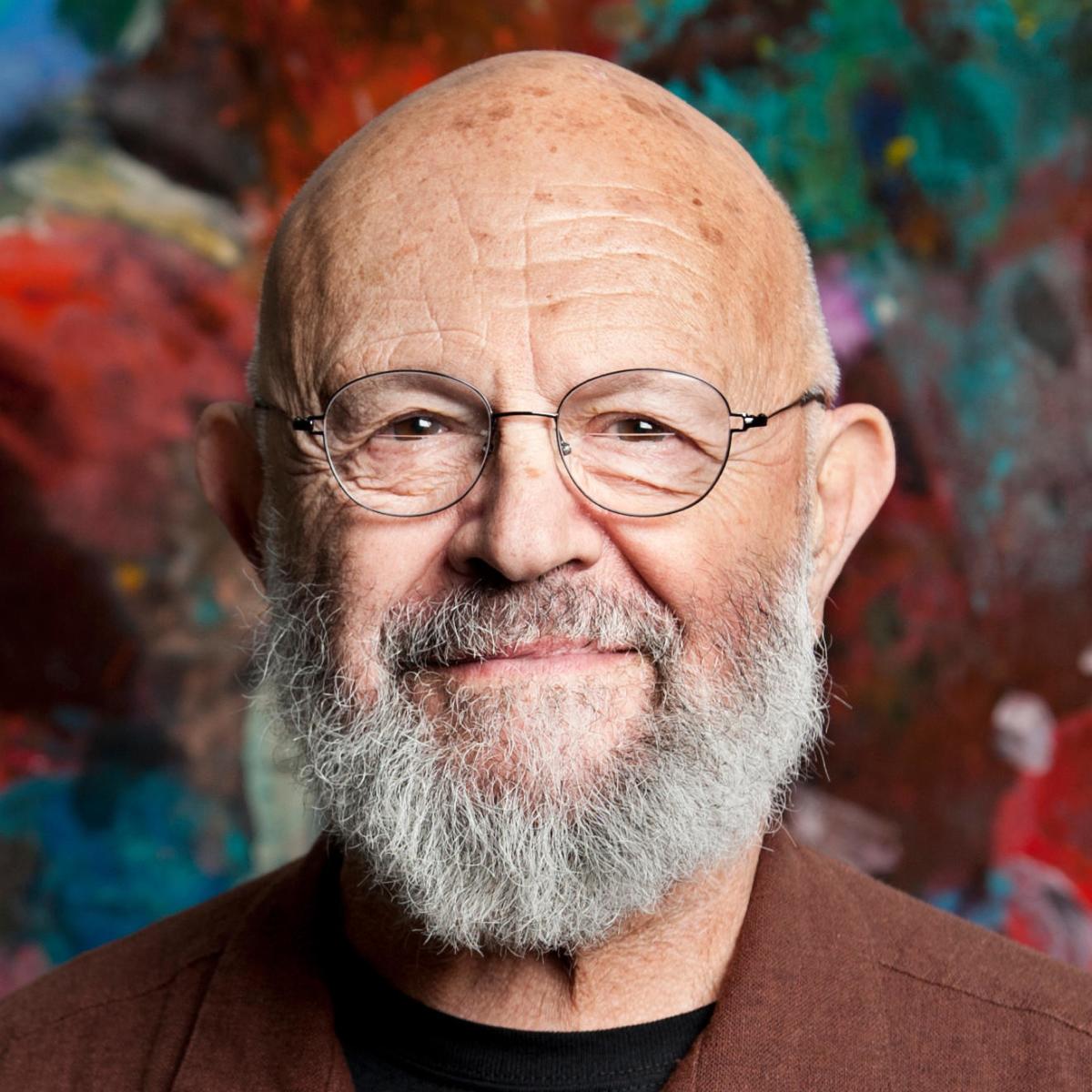
Jim Dine is an American artist whose œuvre extends over sixty years. Dine’s work includes painting, drawing, printmaking (in many forms including lithographs, etchings, gravure, intaglio, woodcuts, letterpress and linocuts), sculpture and photography; his early works encompassed assemblage and happenings, while in recent years his poetry output, both in publications and readings, has increased.
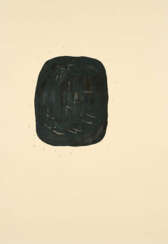

Lucio Fontana was an Argentine-Italian artist known for his pioneering work in the field of Spatialism, an artistic movement that explored the relationship between space and art.
Fontana studied sculpture at the Academy of Fine Arts in Milan, Italy. In the 1940s, he began experimenting with a technique he called "Spatial Concept," in which he punctured or cut holes into the canvas to create a sense of depth and dimensionality.
Throughout the 1950s and 1960s, Fontana continued to explore the possibilities of Spatialism, creating works in a variety of media, including sculpture, ceramics, and painting. One of his most famous series of works is the "Tagli" (Cuts), which consist of monochromatic canvases with one or more slashes or punctures.
Fontana's work had a significant influence on the development of the Arte Povera movement in Italy, as well as on the development of Minimalism and Conceptual Art. He exhibited his work widely in Europe and the United States, and his legacy continues to be celebrated by artists and critics today.
Fontana's innovative approach to art and his exploration of the relationship between space and form continue to be a source of inspiration for artists working in a wide range of media.