graphics


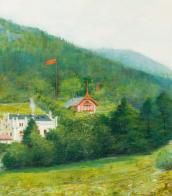


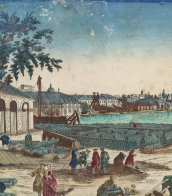
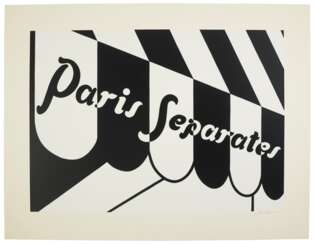

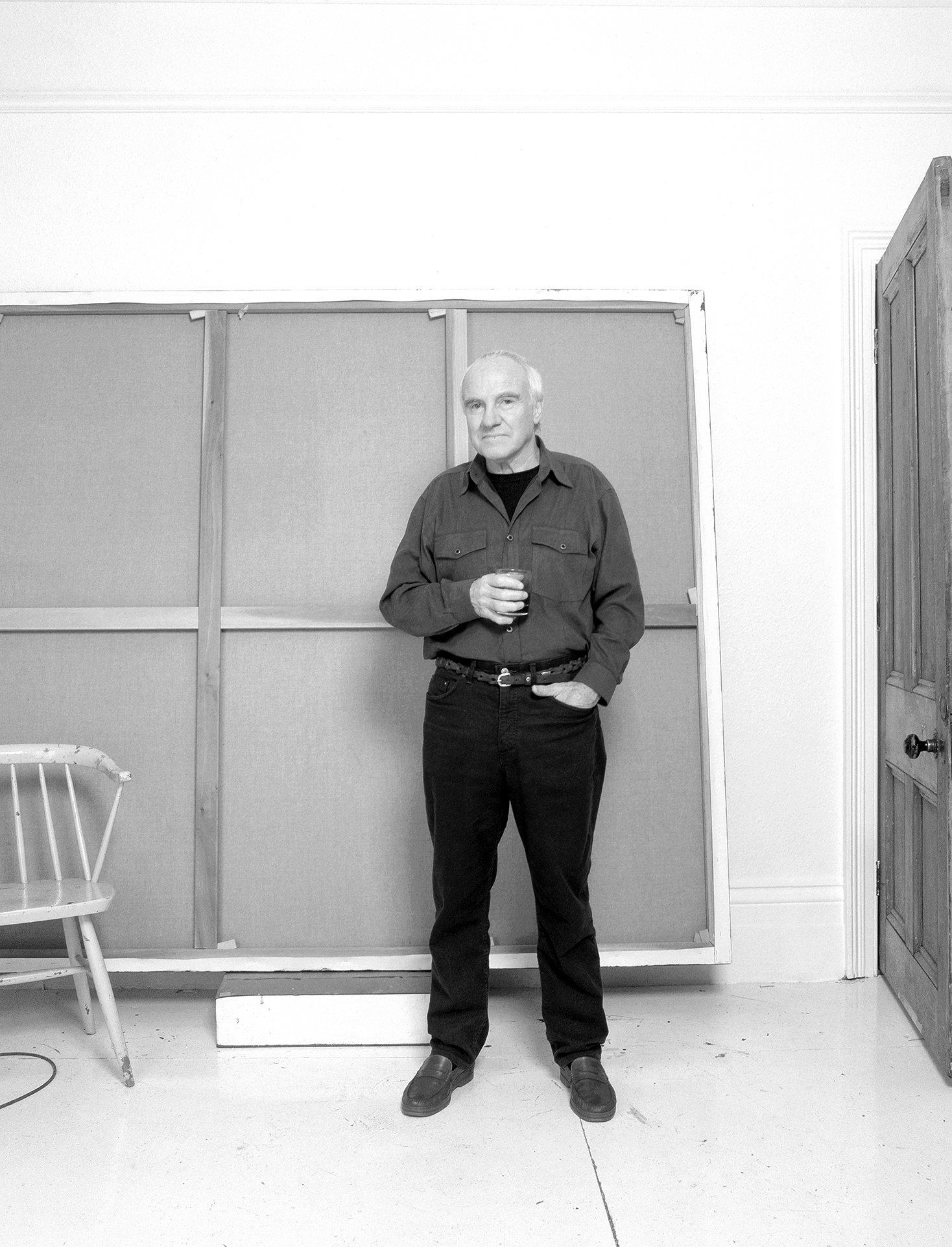
Patrick Caulfield was an English painter and printmaker renowned for his distinct approach to art, which often combined elements of photorealism within simplified scenes. Born in London in 1936, Caulfield's artistic journey led him to become a significant figure associated with the British Pop Art movement, though he personally refuted this label, aligning more closely with early European Modernist traditions. His works are celebrated for their bold canvases, characterized by sleek lines, bold colors, and an intriguing blend of the real and the abstract, held in esteemed collections worldwide, including those of Charles Saatchi and David Bowie.
Caulfield's art is recognized for its innovative use of light, space, and color, creating a unique narrative that transcends the conventional boundaries of painting. Noteworthy pieces like "Pony" (1964) and "After Lunch" (1975) exemplify his skill in blending painting styles, creating "pictures within pictures" that challenge viewers' perceptions of space and reality. Caulfield's interiors, such as "Dining Recess" (1972) and "Tandoori Restaurant" (1971), convey a sense of melancholy and loneliness through their depiction of everyday spaces devoid of human presence, making his work profoundly resonant.
Throughout his career, Caulfield received several commissions, contributing to public spaces and collections across the globe. His art has been exhibited in numerous solo exhibitions, including at Tate Britain and the Royal Academy in London, underscoring his influence and importance in the art world.
For art collectors and experts, Patrick Caulfield's work offers a unique perspective on the everyday, merging the abstract with the real in ways that continue to captivate and intrigue. To stay updated on sales and auction events related to Patrick Caulfield's art, signing up for updates is highly recommended, ensuring access to the latest offerings and insights into his enduring legacy.
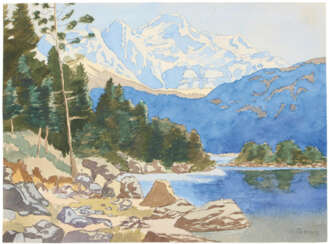



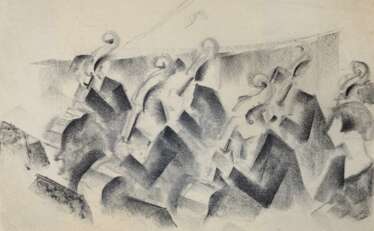

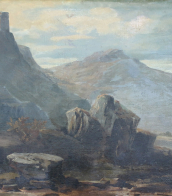


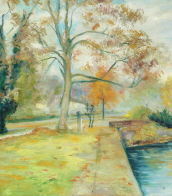


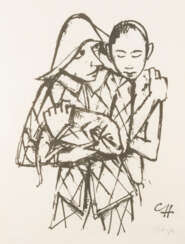

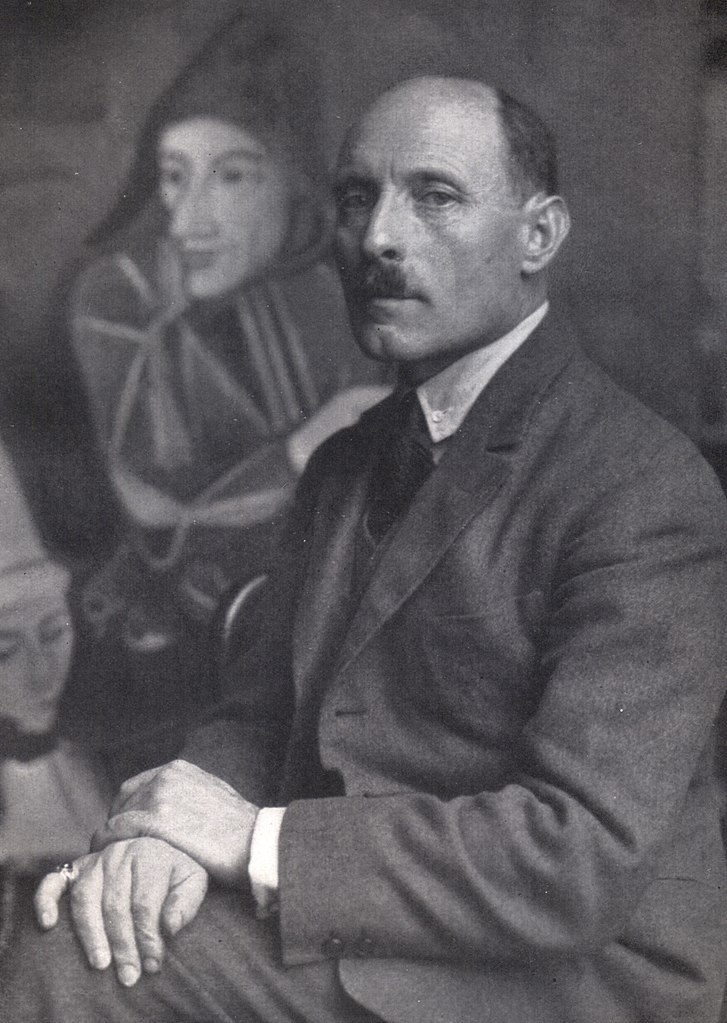
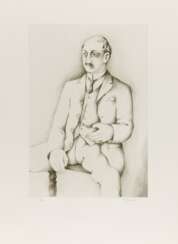
Karl Hofer was a German expressionist painter. He was director of the Berlin Academy of Fine Arts.
One of the most prominent painters of expressionism, he never was a member of one of the expressionist painting groups, like "Die Brücke", but was influenced by their painters. His work was among those considered degenerate art by the Nazis, but after World War II he regained recognition as one of the leading German painters.





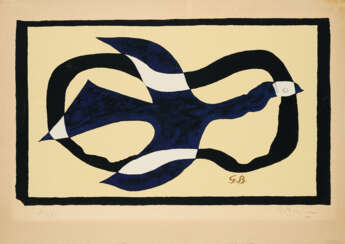

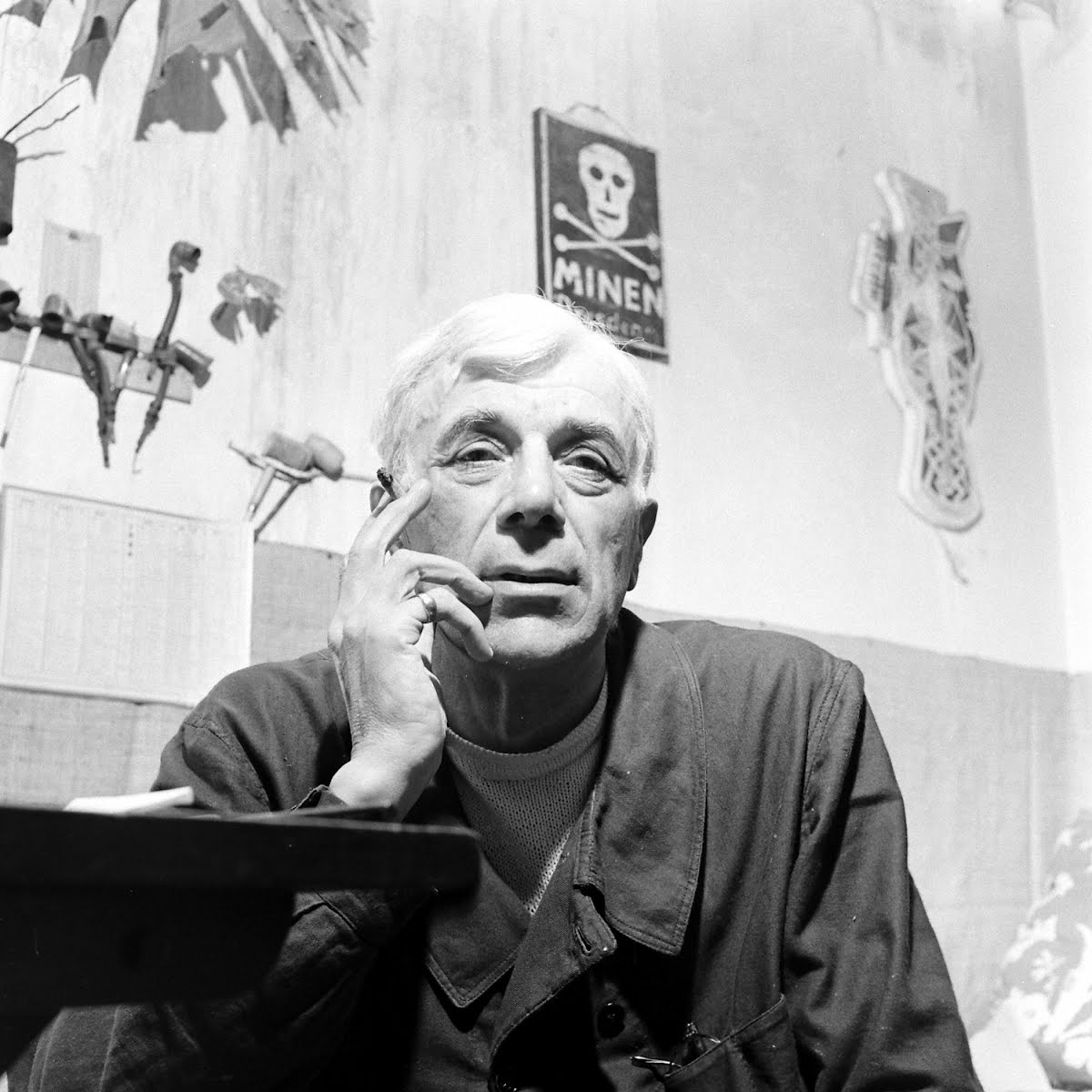
Georges Braque, a French artist, is celebrated as a pivotal figure in the development of Cubism, alongside Pablo Picasso. Braque's artistic journey transitioned from Impressionism to Fauvism before he delved into the groundbreaking realm of Cubism, characterized by its innovative use of perspective and geometric forms. His partnership with Picasso during the early 20th century marked a significant phase in art history, as they collectively pioneered the Analytic and Synthetic phases of Cubism.
Georges Braque's oeuvre is renowned for its technical precision, introspective quality, and harmonious color palettes. His contributions extended beyond painting to include sculpture and collage, demonstrating his versatile mastery over various mediums. Notable works like "Violin and Candlestick" and "Man with a Guitar" underscore his talent in transforming everyday objects into abstracted, multifaceted compositions.
Throughout his career, Georges Braque remained deeply committed to exploring the boundaries of visual perception and form. After World War I, his style evolved, incorporating brighter colors and new themes, yet he maintained a steadfast adherence to Cubist principles. His later years saw a focus on personal motifs, such as birds, which symbolized freedom and dynamism in his art.
Georges Braque's legacy is preserved in prestigious collections worldwide, including the Museum of Modern Art (MoMA), which houses a significant number of his works. His artistic innovations continue to inspire and influence the realms of art and culture.
For collectors and art enthusiasts, Georges Braque's work offers a profound insight into the evolution of modern art and the enduring allure of Cubism. His pieces are a testament to the enduring power of creativity and innovation in the face of changing artistic landscapes.
If you're keen on exploring Braque's contributions to art and wish to stay updated on exhibitions and sales featuring his work, consider subscribing for updates on Georges Braque's pieces and their presence in the art market today.
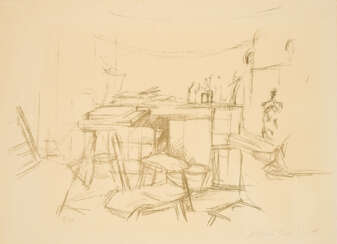

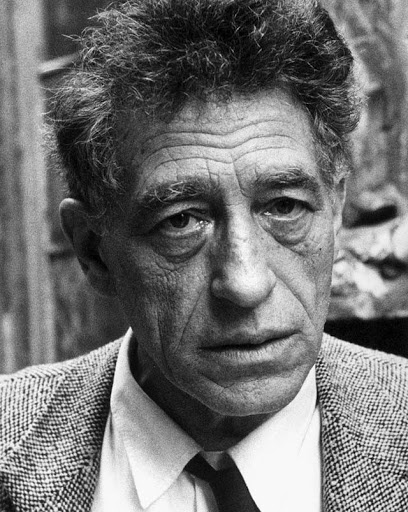
Alberto Giacometti was a Swiss sculptor, painter, draftsman, and printmaker, renowned for his distinctive elongated sculptures of solitary figures. Born in Borgonovo, Switzerland, in 1901, into a family of artists, Giacometti's talent was evident from an early age, encouraged by his father, Giovanni, a post-Impressionist painter, and his godfather, Cuno Amiet, a Fauvist painter. Moving to Paris in 1922 to study under the sculptor Antoine Bourdelle, Giacometti became a pivotal figure in Surrealism before focusing intensely on the human form, leading to his signature style of thin, elongated figures that evoke feelings of solitude and existential dread.
Giacometti's work spans several decades and various phases, including his early involvement with Surrealism and his later, more recognized existential and figurative sculptures. Notably, his sculptures, such as "Walking Man I" and "The Palace at 4 a.m.," reflect his unique view of reality and his relentless pursuit to capture the human essence. His approach was influenced by his associations with prominent figures of the art world, including Miró and Picasso, and intellectuals like Jean-Paul Sartre.
Despite facing challenges, including periods of self-doubt and the physical toll on his health, Giacometti's legacy as a master sculptor and artist remains influential. His works are celebrated worldwide and featured in major museums, such as the Museum of Modern Art in New York and the Tate Gallery in London, testament to his enduring impact on the art world.
Collectors and experts in art and antiques continue to revere Giacometti's work for its emotional depth and unique aesthetic. For those interested in the pioneering spirit of modern sculpture, Alberto Giacometti's oeuvre offers a profound exploration of the human condition and the artist's relentless pursuit of reality through art.
To stay updated on sales and auction events related to Alberto Giacometti's work, sign up for updates. This subscription is an excellent opportunity for collectors and enthusiasts to remain informed about new discoveries and opportunities related to Giacometti's enduring legacy.
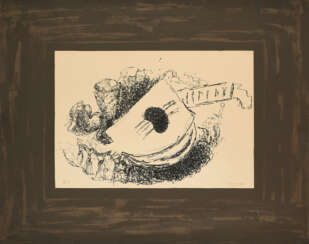

Georges Braque, a French artist, is celebrated as a pivotal figure in the development of Cubism, alongside Pablo Picasso. Braque's artistic journey transitioned from Impressionism to Fauvism before he delved into the groundbreaking realm of Cubism, characterized by its innovative use of perspective and geometric forms. His partnership with Picasso during the early 20th century marked a significant phase in art history, as they collectively pioneered the Analytic and Synthetic phases of Cubism.
Georges Braque's oeuvre is renowned for its technical precision, introspective quality, and harmonious color palettes. His contributions extended beyond painting to include sculpture and collage, demonstrating his versatile mastery over various mediums. Notable works like "Violin and Candlestick" and "Man with a Guitar" underscore his talent in transforming everyday objects into abstracted, multifaceted compositions.
Throughout his career, Georges Braque remained deeply committed to exploring the boundaries of visual perception and form. After World War I, his style evolved, incorporating brighter colors and new themes, yet he maintained a steadfast adherence to Cubist principles. His later years saw a focus on personal motifs, such as birds, which symbolized freedom and dynamism in his art.
Georges Braque's legacy is preserved in prestigious collections worldwide, including the Museum of Modern Art (MoMA), which houses a significant number of his works. His artistic innovations continue to inspire and influence the realms of art and culture.
For collectors and art enthusiasts, Georges Braque's work offers a profound insight into the evolution of modern art and the enduring allure of Cubism. His pieces are a testament to the enduring power of creativity and innovation in the face of changing artistic landscapes.
If you're keen on exploring Braque's contributions to art and wish to stay updated on exhibitions and sales featuring his work, consider subscribing for updates on Georges Braque's pieces and their presence in the art market today.
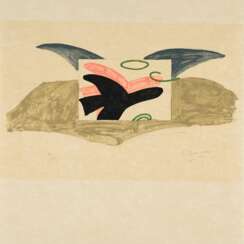

Georges Braque, a French artist, is celebrated as a pivotal figure in the development of Cubism, alongside Pablo Picasso. Braque's artistic journey transitioned from Impressionism to Fauvism before he delved into the groundbreaking realm of Cubism, characterized by its innovative use of perspective and geometric forms. His partnership with Picasso during the early 20th century marked a significant phase in art history, as they collectively pioneered the Analytic and Synthetic phases of Cubism.
Georges Braque's oeuvre is renowned for its technical precision, introspective quality, and harmonious color palettes. His contributions extended beyond painting to include sculpture and collage, demonstrating his versatile mastery over various mediums. Notable works like "Violin and Candlestick" and "Man with a Guitar" underscore his talent in transforming everyday objects into abstracted, multifaceted compositions.
Throughout his career, Georges Braque remained deeply committed to exploring the boundaries of visual perception and form. After World War I, his style evolved, incorporating brighter colors and new themes, yet he maintained a steadfast adherence to Cubist principles. His later years saw a focus on personal motifs, such as birds, which symbolized freedom and dynamism in his art.
Georges Braque's legacy is preserved in prestigious collections worldwide, including the Museum of Modern Art (MoMA), which houses a significant number of his works. His artistic innovations continue to inspire and influence the realms of art and culture.
For collectors and art enthusiasts, Georges Braque's work offers a profound insight into the evolution of modern art and the enduring allure of Cubism. His pieces are a testament to the enduring power of creativity and innovation in the face of changing artistic landscapes.
If you're keen on exploring Braque's contributions to art and wish to stay updated on exhibitions and sales featuring his work, consider subscribing for updates on Georges Braque's pieces and their presence in the art market today.
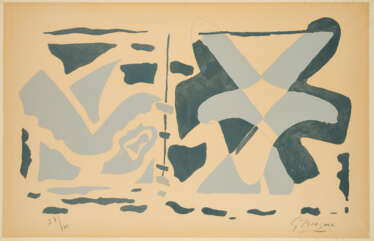

Georges Braque, a French artist, is celebrated as a pivotal figure in the development of Cubism, alongside Pablo Picasso. Braque's artistic journey transitioned from Impressionism to Fauvism before he delved into the groundbreaking realm of Cubism, characterized by its innovative use of perspective and geometric forms. His partnership with Picasso during the early 20th century marked a significant phase in art history, as they collectively pioneered the Analytic and Synthetic phases of Cubism.
Georges Braque's oeuvre is renowned for its technical precision, introspective quality, and harmonious color palettes. His contributions extended beyond painting to include sculpture and collage, demonstrating his versatile mastery over various mediums. Notable works like "Violin and Candlestick" and "Man with a Guitar" underscore his talent in transforming everyday objects into abstracted, multifaceted compositions.
Throughout his career, Georges Braque remained deeply committed to exploring the boundaries of visual perception and form. After World War I, his style evolved, incorporating brighter colors and new themes, yet he maintained a steadfast adherence to Cubist principles. His later years saw a focus on personal motifs, such as birds, which symbolized freedom and dynamism in his art.
Georges Braque's legacy is preserved in prestigious collections worldwide, including the Museum of Modern Art (MoMA), which houses a significant number of his works. His artistic innovations continue to inspire and influence the realms of art and culture.
For collectors and art enthusiasts, Georges Braque's work offers a profound insight into the evolution of modern art and the enduring allure of Cubism. His pieces are a testament to the enduring power of creativity and innovation in the face of changing artistic landscapes.
If you're keen on exploring Braque's contributions to art and wish to stay updated on exhibitions and sales featuring his work, consider subscribing for updates on Georges Braque's pieces and their presence in the art market today.
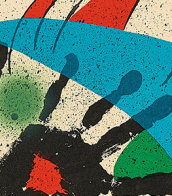
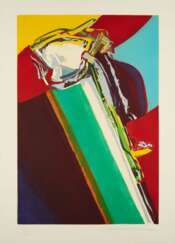

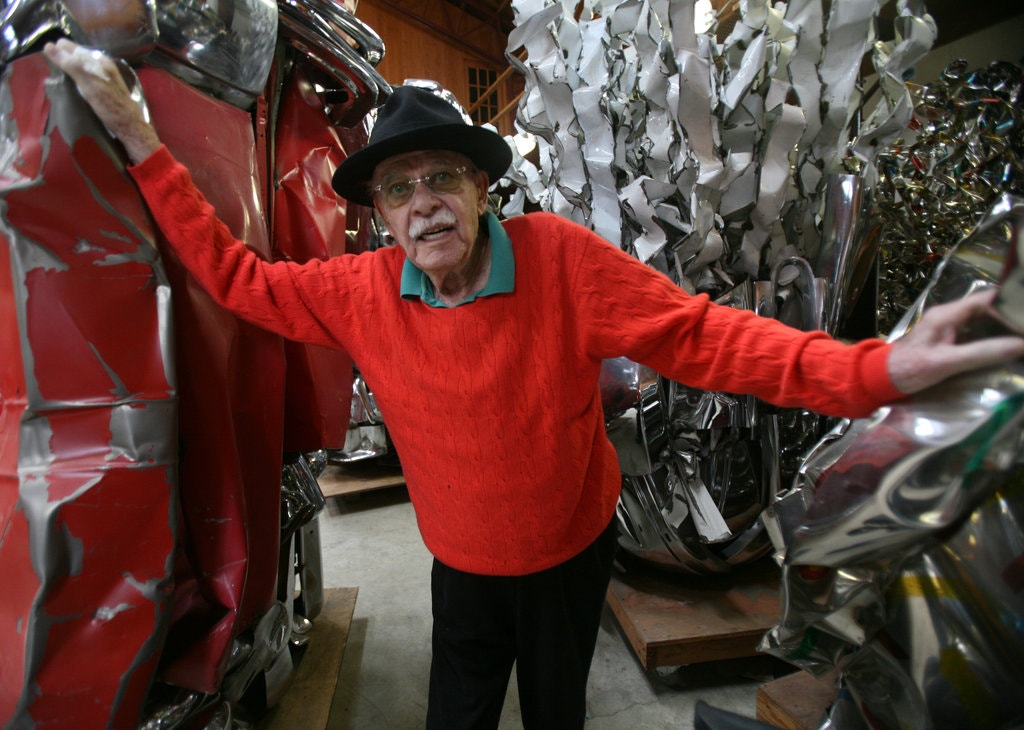
John Angus Chamberlain was an American sculptor. At the time of his death he resided and worked on Shelter Island, New York.
Chamberlain is best known for creating sculptures from old automobiles (or parts of) that bring the Abstract Expressionist style of painting into three dimensions.
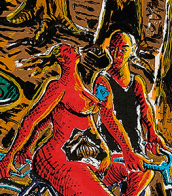
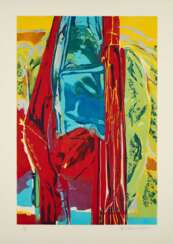

John Angus Chamberlain was an American sculptor. At the time of his death he resided and worked on Shelter Island, New York.
Chamberlain is best known for creating sculptures from old automobiles (or parts of) that bring the Abstract Expressionist style of painting into three dimensions.