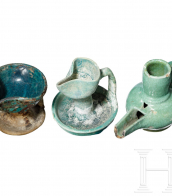
guild











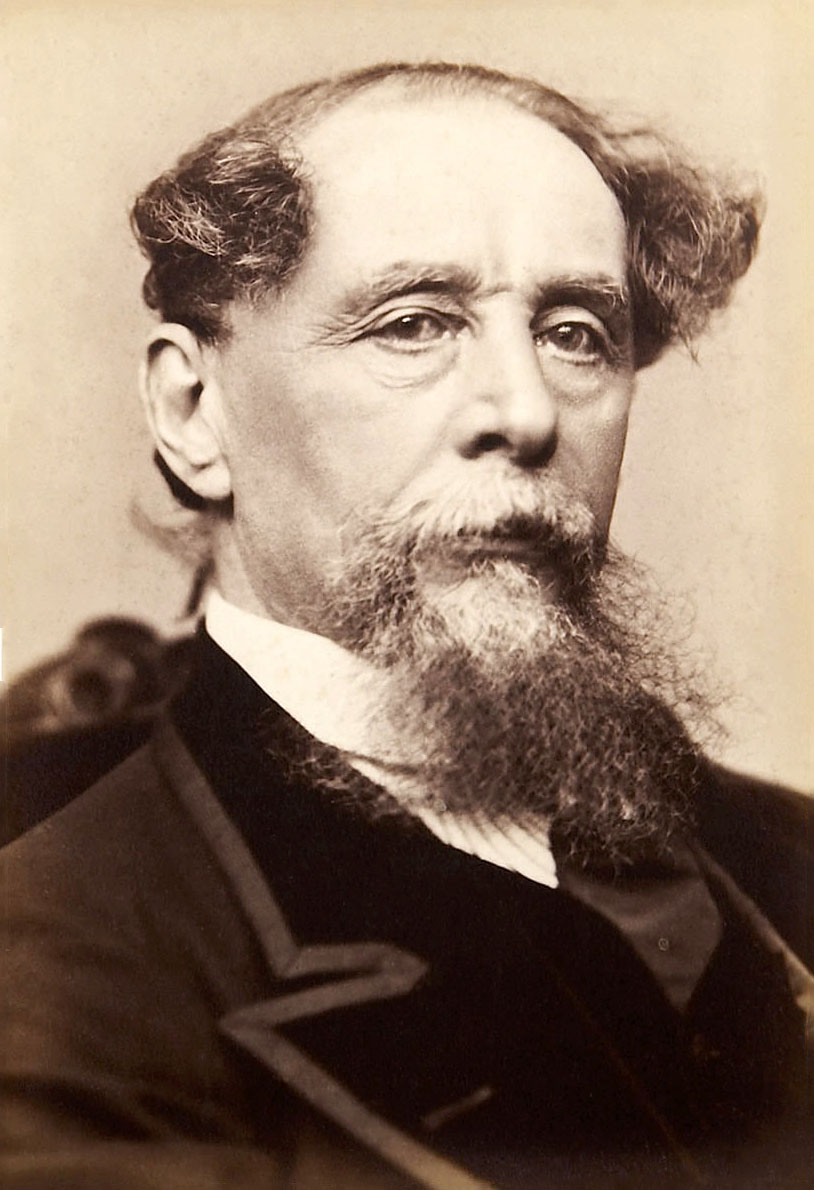
Charles Dickens, full name Charles John Huffam Dickens, is the most famous British writer of the Victorian era, a classic of world literature.
From childhood the future writer learned all the hardships of life in poverty: his father in prison for debts, hard work in a factory. Then service stenographer in court and reporter developed in him a strong attachment to journalism and contempt for both the law and parliament.
Dickens had many talents: in addition to literary work, he was an actor, published periodicals, arranged numerous literary readings, where he reveled in the admiration and love of the public. Fecund and versatile, Charles Dickens wrote many brilliant and often comic works. His novels cover a wide range of social, moral, emotional and other aspects. As a subtle psychologist, he is also very interested in the most ordinary people, but also the eccentric, the flawed, and even the insane.
Dickens was immensely popular around the world during his lifetime. His intellect, worldview, and deep reflections on society and its faults enriched his novels and made him one of the great figures of nineteenth-century literature, an influential spokesman for the conscience of his time.
Dickens' best-known and most popular novels are The Pickwick Club Posthumous Notes, Oliver Twist, Nicholas Nickleby, David Copperfield, Cold House, A Tale of Two Cities, Our Mutual Friend, Great Expectations, and The Mystery of Edwin Drood.


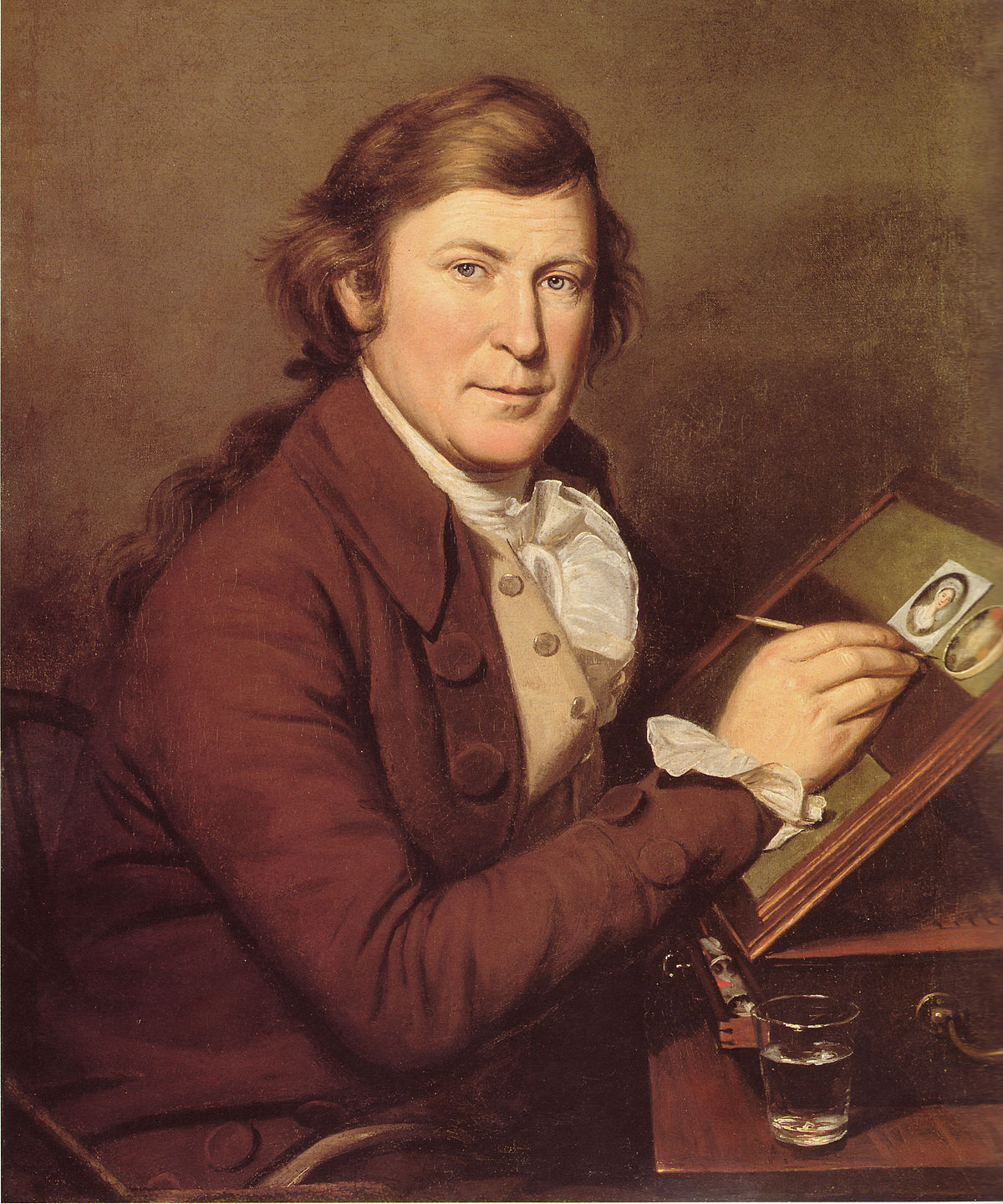
James Peale was an American painter, best known for his miniature and still life paintings.
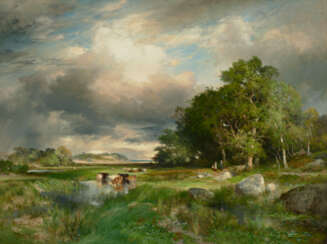

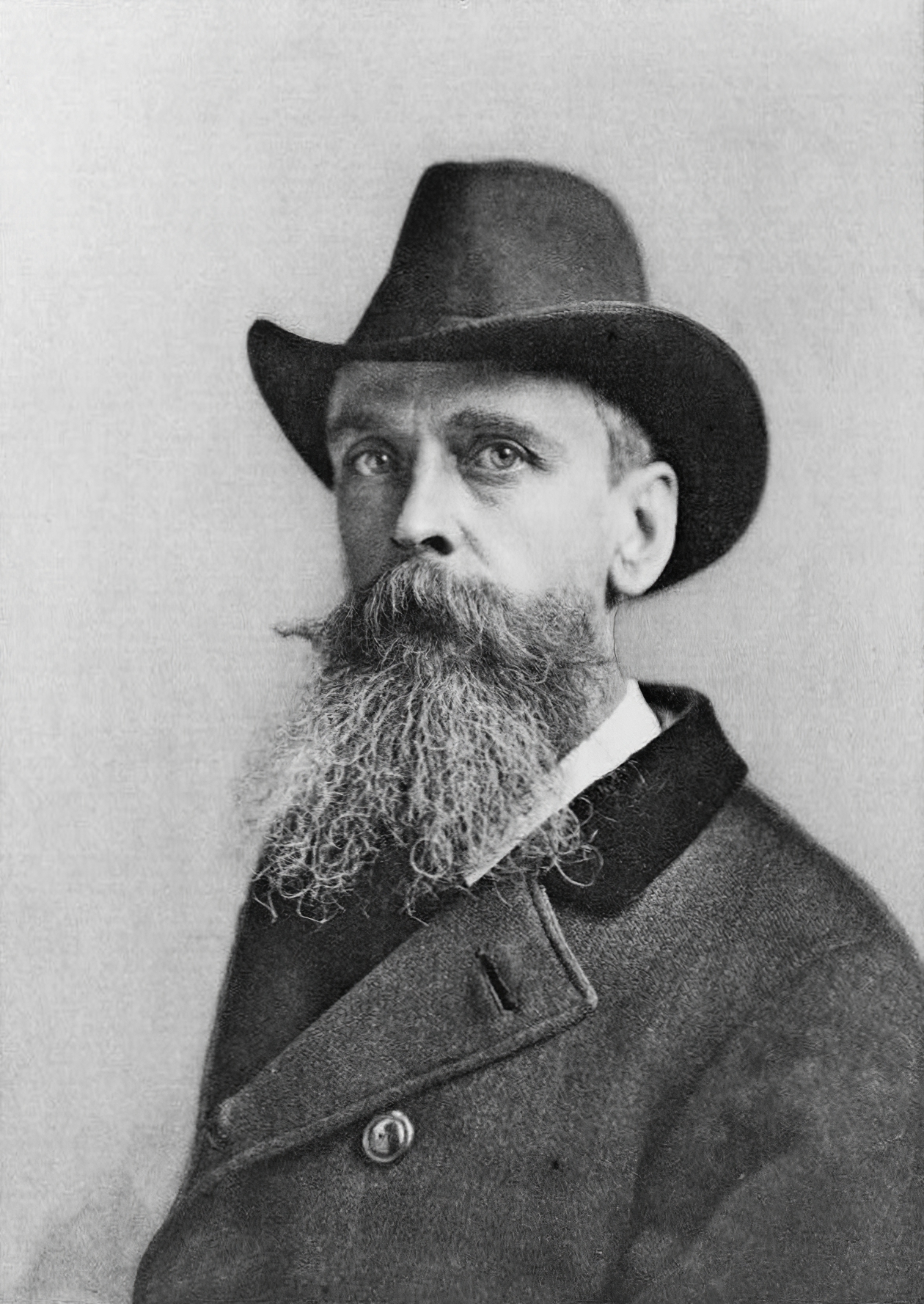
Thomas Moran was an American painter and printmaker of the Hudson River School in New York whose work often featured the Rocky Mountains. Moran and his family, wife Mary Nimmo Moran and daughter Ruth took residence in New York where he obtained work as an artist. He was a younger brother of the noted marine artist Edward Moran, with whom he shared a studio. A talented illustrator and exquisite colorist, Thomas Moran was hired as an illustrator at Scribner's Monthly. During the late 1860s, he was appointed the chief illustrator for the magazine, a position that helped him launch his career as one of the premier painters of the American landscape, in particular, the American West.
Moran along with Albert Bierstadt, Thomas Hill, and William Keith are sometimes referred to as belonging to the Rocky Mountain School of landscape painters because of all of the Western landscapes made by this group.
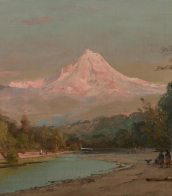
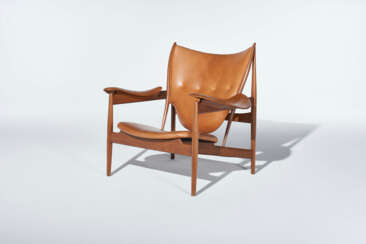

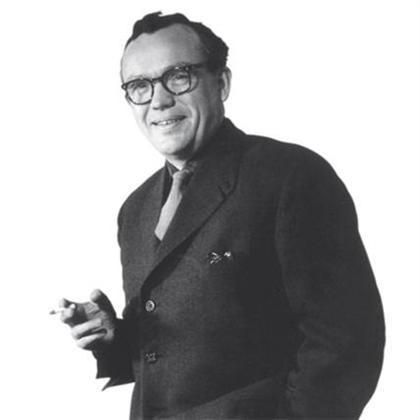
Finn Juhl is a Danish architect and industrial and interior designer. He was one of the pioneers of Danish design and the first to introduce it to the United States.
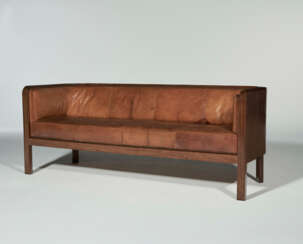



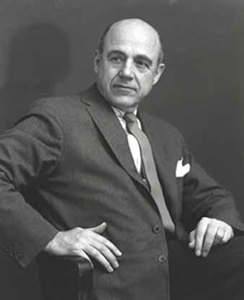
Robert Gwathmey was an American abstractionist and realist painter; his son Charles Gwathmey was an architect. Robert Gwathmey was a socialist and was influenced by many artists, including Pablo Picasso, Henri Matisse, Vincent van Gogh and others. He worked in the style of symbolic abstraction. Gwathmey's works are in famous museums and collections in the United States.
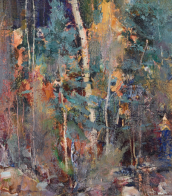
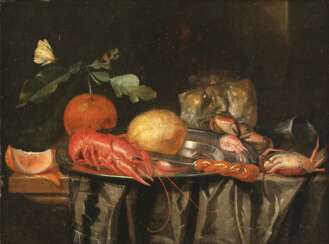

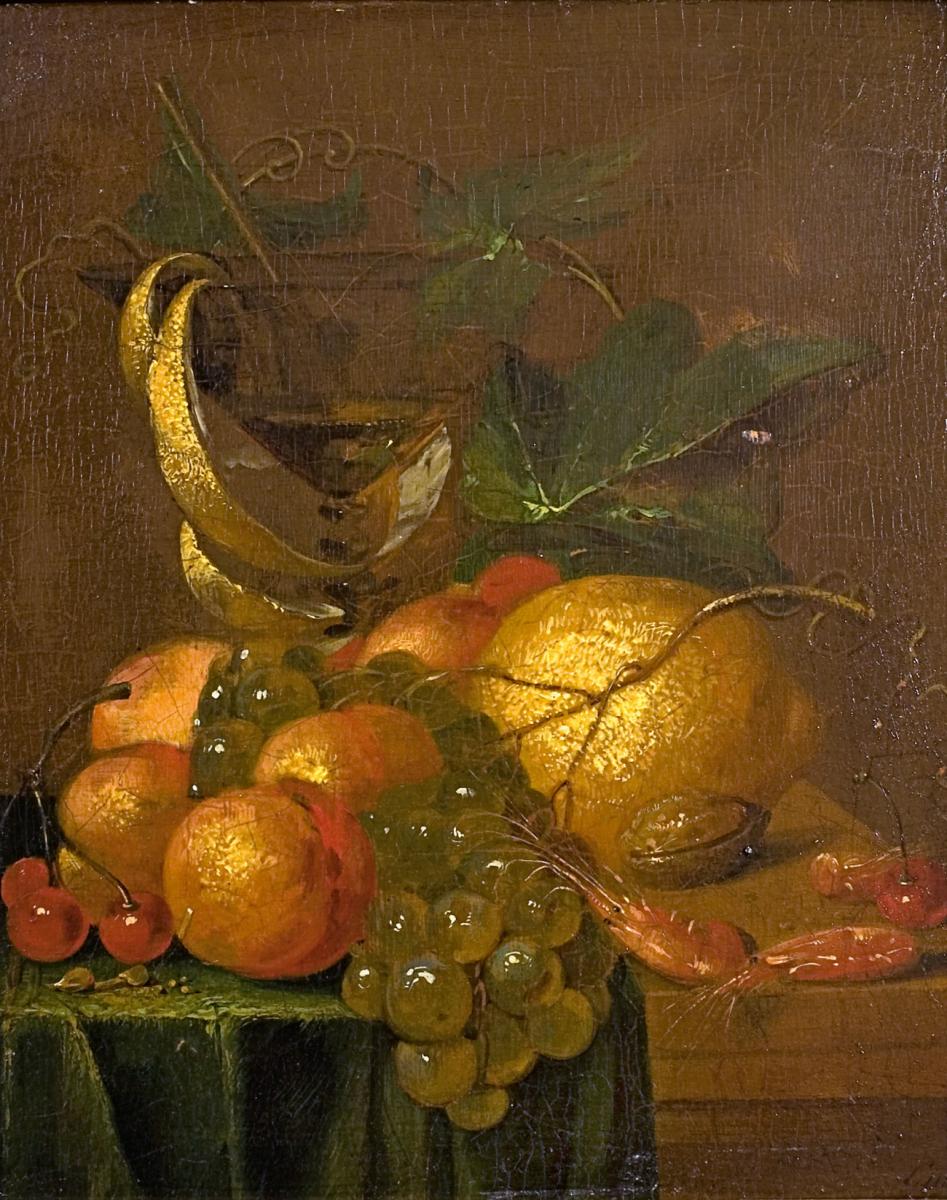
Harmen Loeding was a Dutch painter, member of the Guild of St Luke's in Leiden. He specialised in still lifes with exotic and exquisite fruit and flowers.
Not much information is known about Luding, but he was a pupil of the famous artist Gerard Dou and worked in Leiden. He specialised in small genre paintings depicting the everyday life of Dutch people. His works often represent the interiors of offices, showing various objects and tools.
Harmen Luding is also known for his use of vivid colours and light and shade in his works, which created the effect of being present in a real scene. Some of his best known works include Doctors with a Pipe and A Kiss in the Dark.
He was also a member of the Guild of Artists of Leiden, where he worked until his death in 1673. His works are now in the collections of many museums, including the Rijksmuseum in Amsterdam and the Boijmans van Beuningen Museum in Rotterdam.
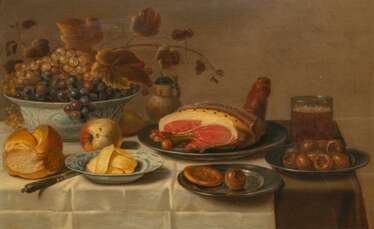

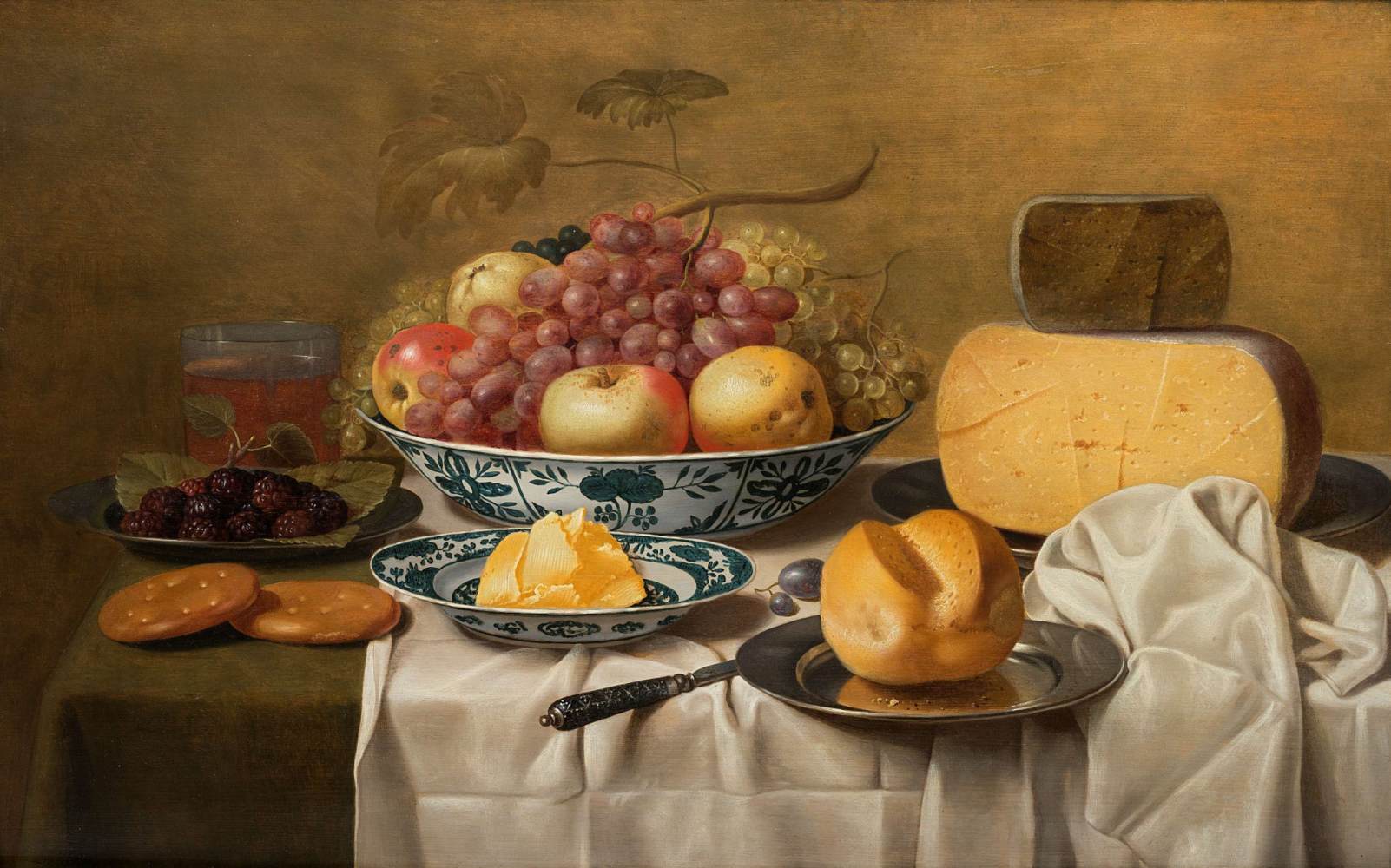
Floris Gerritsz van Schooten or Floris van Schooten was a Dutch painter who practised in a broad range of still life genres including breakfast pieces, fruit pieces, market scenes and large kitchen pieces.











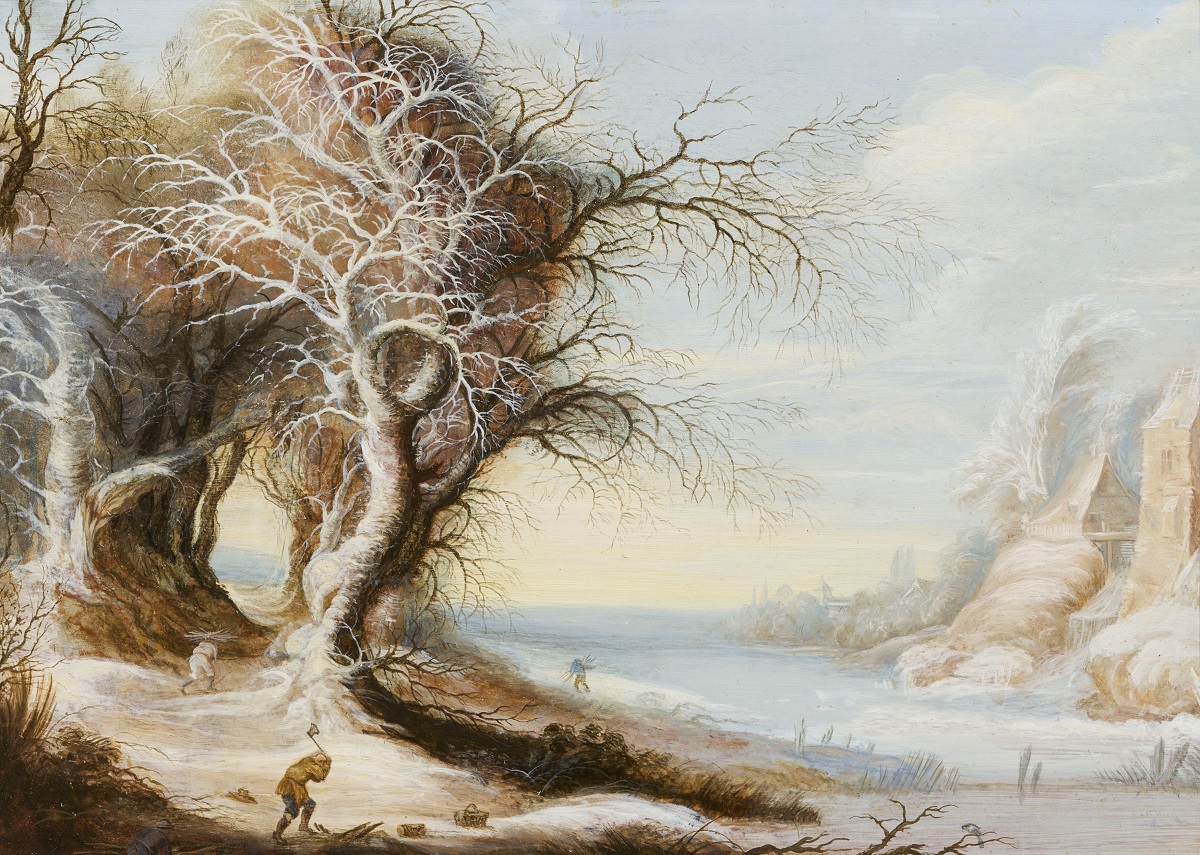
Gijsbrecht Leytens was a Flemish landscape painter of the Early Baroque period. He was famous for his depiction of winter landscapes, which were considered his speciality and were characterised by a highly individualised style. He is considered one of the least studied Flemish painters of the Antwerp School.
Geisbrecht Leitens became a member of the Guild of Saint Luke in Antwerp in 1611. From that time he was entitled to open his own workshop in the city and train apprentices.
The master carefully observed winter nature and birds and developed an individual manner which distinguished him from the philosophical generalisations of Pieter Bruegel the elder or the cosy details and findings of Lucas van Falkenborgh. Trees in his paintings are usually depicted covered in snow, often oddly shaped. The branches of the denuded trees are replete with representations of various birds. The artist's creative style may have been influenced by paintings from the Dutch Mannerism period.
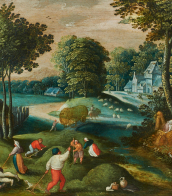







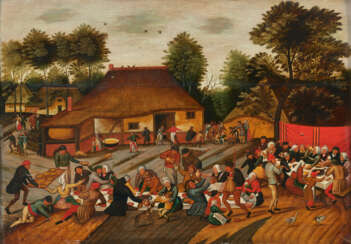

Pieter Brueghel the Younger was a Flemish artist celebrated for his detailed landscapes, religious themes, proverbs, and vibrant village scenes. Despite being the son of the illustrious Pieter Bruegel the Elder, Brueghel the Younger carved out his own niche in the art world, earning the moniker 'Hell Brueghel' for his dynamic scenes of fires and energetic copies of his father's peasant life portrayals.
Brueghel the Younger's original creations, such as "The Village Lawyer," showcase his keen observation of village life, merging the energy and boldness of 17th-century style with his father's idiom. His work is characterized by its lively, picturesque depiction of peasants, albeit some critics argue they lack the subtlety and humanism of his father's creations. Despite this, Brueghel the Younger's legacy includes a significant number of original works and copies that were rediscovered in the 20th century, highlighting his contribution to the Flemish painting tradition.
His workshop was known for its prolific output, especially in producing copies of Bruegel the Elder's compositions, a testament to the enduring popularity and influence of the Bruegel family's artistic legacy. However, Brueghel the Younger also impressed with his unique compositions, contributing to the genre of still life and village scenes with a distinct style that resonated well into modern times.
For collectors and experts in art and antiques, Pieter Brueghel the Younger's works represent an important period in Flemish art, offering insights into the evolution of genre painting and the detailed portrayal of rural life. His paintings, held in esteemed collections worldwide, continue to be studied and admired for their vibrancy, narrative quality, and historical value.
To explore more about Pieter Brueghel the Younger and to stay updated on sales and auction events related to his work, signing up for specialized updates can offer exclusive insights into the world of this influential Flemish painter. This subscription ensures enthusiasts and collectors are well-informed about developments related to Brueghel the Younger's oeuvre, enhancing their appreciation and understanding of his artistic legacy.


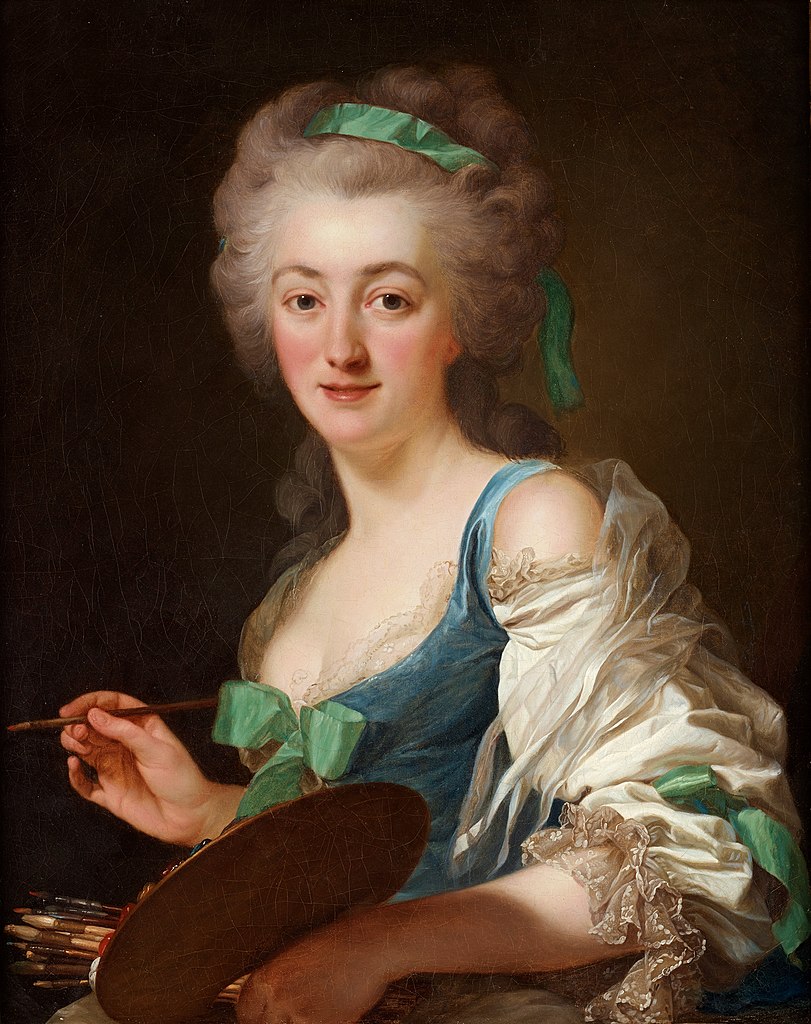
Anne Vallayer-Coster was a renowned French artist, celebrated for her exceptional still-life paintings that captivated 18th-century art enthusiasts, including the French Queen Marie Antoinette. Born into an artistic family in 1744, Vallayer-Coster's talent was evident early on, leading to her unanimous election into the prestigious Académie Royale at just 26 years old. Her works, characterized by their vibrant color, meticulous detail, and textural precision, often depicted bowls of fruit, game, shells, and flowers, showcasing the opulence of French aristocracy before the Revolution.
Vallayer-Coster's career was notable not only for her artistic achievements but also for her ability to navigate the male-dominated art world of her time. Despite the societal constraints on women artists, she gained the patronage of influential figures like Marie Antoinette and was one of the few women admitted to the Royal Academy of Painting and Sculpture. Her work received critical acclaim at the Salon, where she exhibited regularly from 1771 until 1817, and her still-lifes were praised for their sensuality, illusionistic perfection, and the rich, indulgent luxury they portrayed.
One of Vallayer-Coster's most ambitious works, Still Life with Flowers in an Alabaster Vase and Fruit (1783), exemplifies her unparalleled skill in capturing the soft textures of flowers and their harmonious arrangement. This masterpiece was hailed as such at the Salon of 1783 and is considered by Vallayer-Coster herself as her finest painting. Lost for nearly two centuries, it was recently rediscovered in an almost pristine state and is now part of the National Gallery of Art's collection, highlighting Vallayer-Coster's significant contributions to European art history.
Throughout her career, Vallayer-Coster produced more than 120 still lifes, always with a distinctive brilliance in color, earning her a place among the elite artists of her time. Despite facing challenges during the French Revolution due to her close association with the monarchy, she continued to exhibit her work and contribute to the art world until her death in 1818.
For collectors and experts in art and antiques, Anne Vallayer-Coster's legacy is a testament to her skill, resilience, and the impact of her work on the history of art. To stay updated on new product sales and auction events related to Anne Vallayer-Coster, sign up for updates that focus solely on this exceptional artist's contributions to the art world.