

history of the red fox














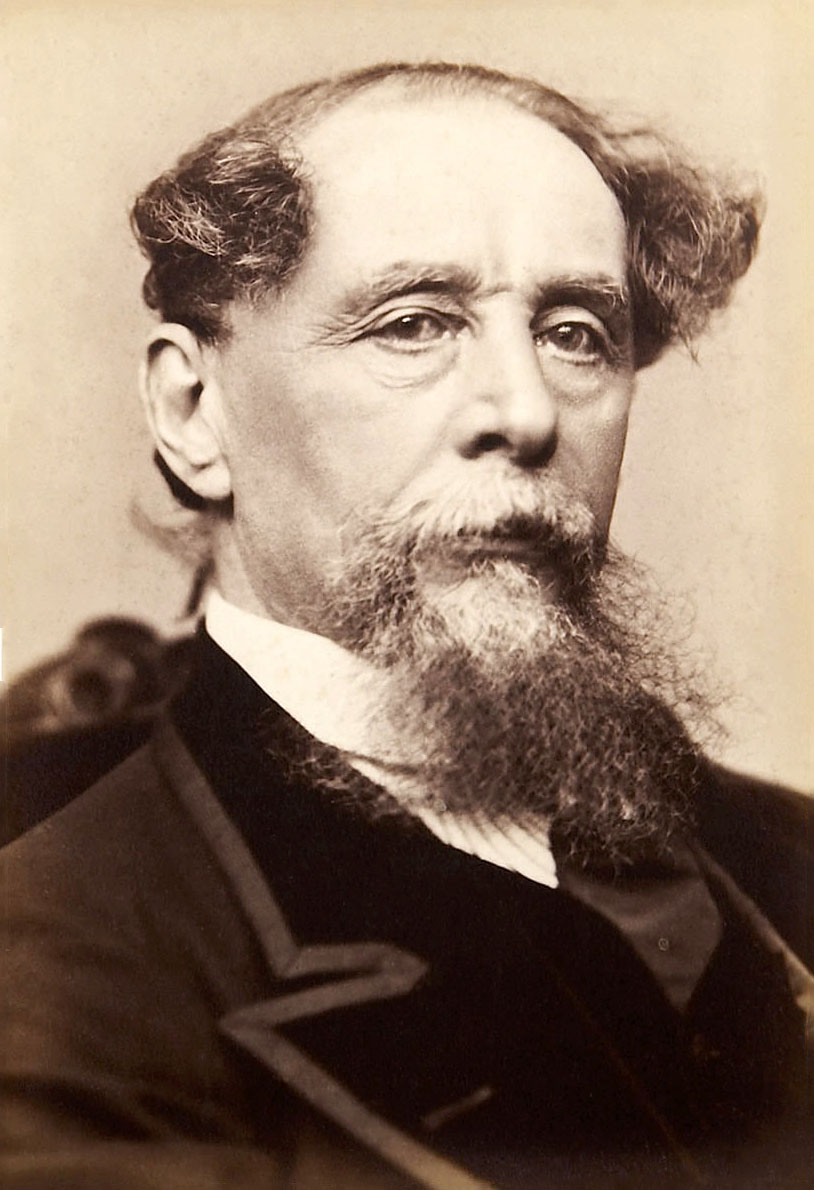
Charles Dickens, full name Charles John Huffam Dickens, is the most famous British writer of the Victorian era, a classic of world literature.
From childhood the future writer learned all the hardships of life in poverty: his father in prison for debts, hard work in a factory. Then service stenographer in court and reporter developed in him a strong attachment to journalism and contempt for both the law and parliament.
Dickens had many talents: in addition to literary work, he was an actor, published periodicals, arranged numerous literary readings, where he reveled in the admiration and love of the public. Fecund and versatile, Charles Dickens wrote many brilliant and often comic works. His novels cover a wide range of social, moral, emotional and other aspects. As a subtle psychologist, he is also very interested in the most ordinary people, but also the eccentric, the flawed, and even the insane.
Dickens was immensely popular around the world during his lifetime. His intellect, worldview, and deep reflections on society and its faults enriched his novels and made him one of the great figures of nineteenth-century literature, an influential spokesman for the conscience of his time.
Dickens' best-known and most popular novels are The Pickwick Club Posthumous Notes, Oliver Twist, Nicholas Nickleby, David Copperfield, Cold House, A Tale of Two Cities, Our Mutual Friend, Great Expectations, and The Mystery of Edwin Drood.


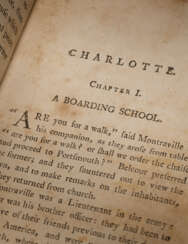

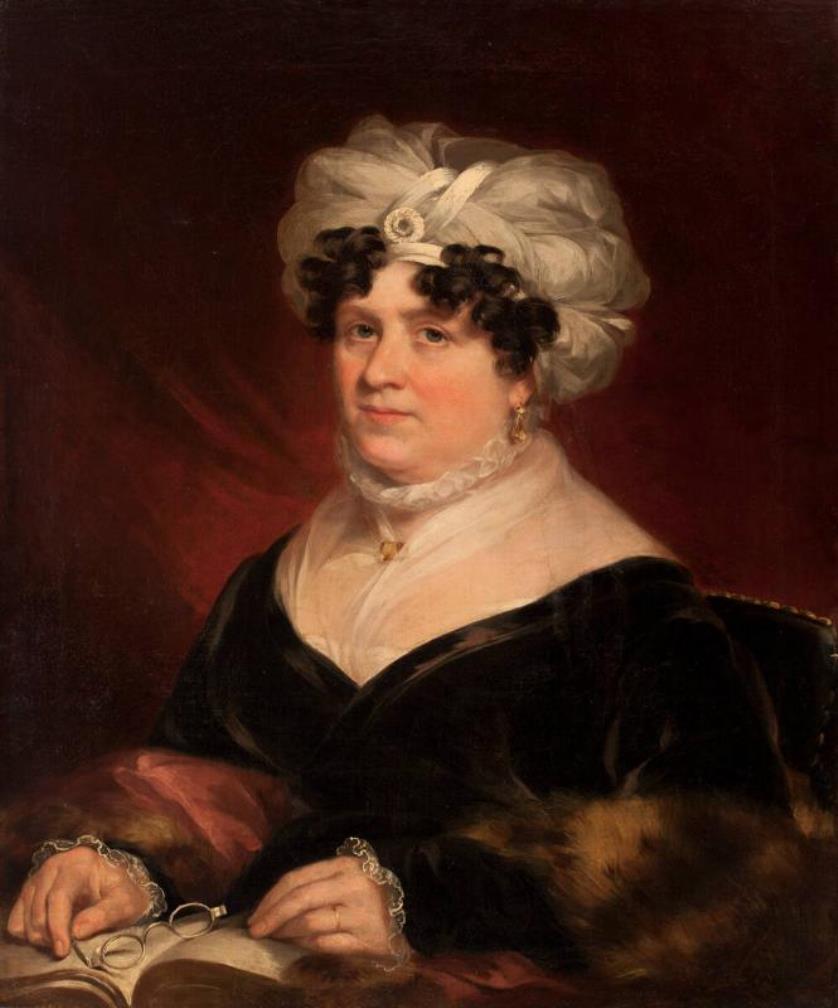
Susanna Rowson, née Haswell, was an American writer and poet, playwright, actress, and educator.
Susanna Haswell was the daughter of an officer in the Royal Navy. She published her first novel, Victoria, in 1786 and soon married businessman William Rowson. Susanna's greatest success was her first American bestseller, the novel Charlotte, A Tale of Truth (1791, in later editions under the title Charlotte Temple). This novel, a conventional sentimental story of seduction and remorse, was immensely popular and went through more than 200 editions.
In 1792 she became an actress and performed with her bankrupt husband in Scotland, as well as in Philadelphia, Baltimore, and Boston. In 1797, after retiring from the stage, Susanna opened the first "female academy" in Boston. Susanna Rowson also wrote many plays and musicals, and in doing so, helped to develop the performing arts in the United States. Later, she also edited the Boston Weekly Magazine, wrote geography and spelling textbooks, and moralizing manuals.
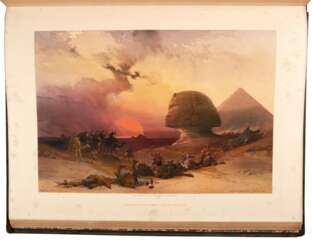

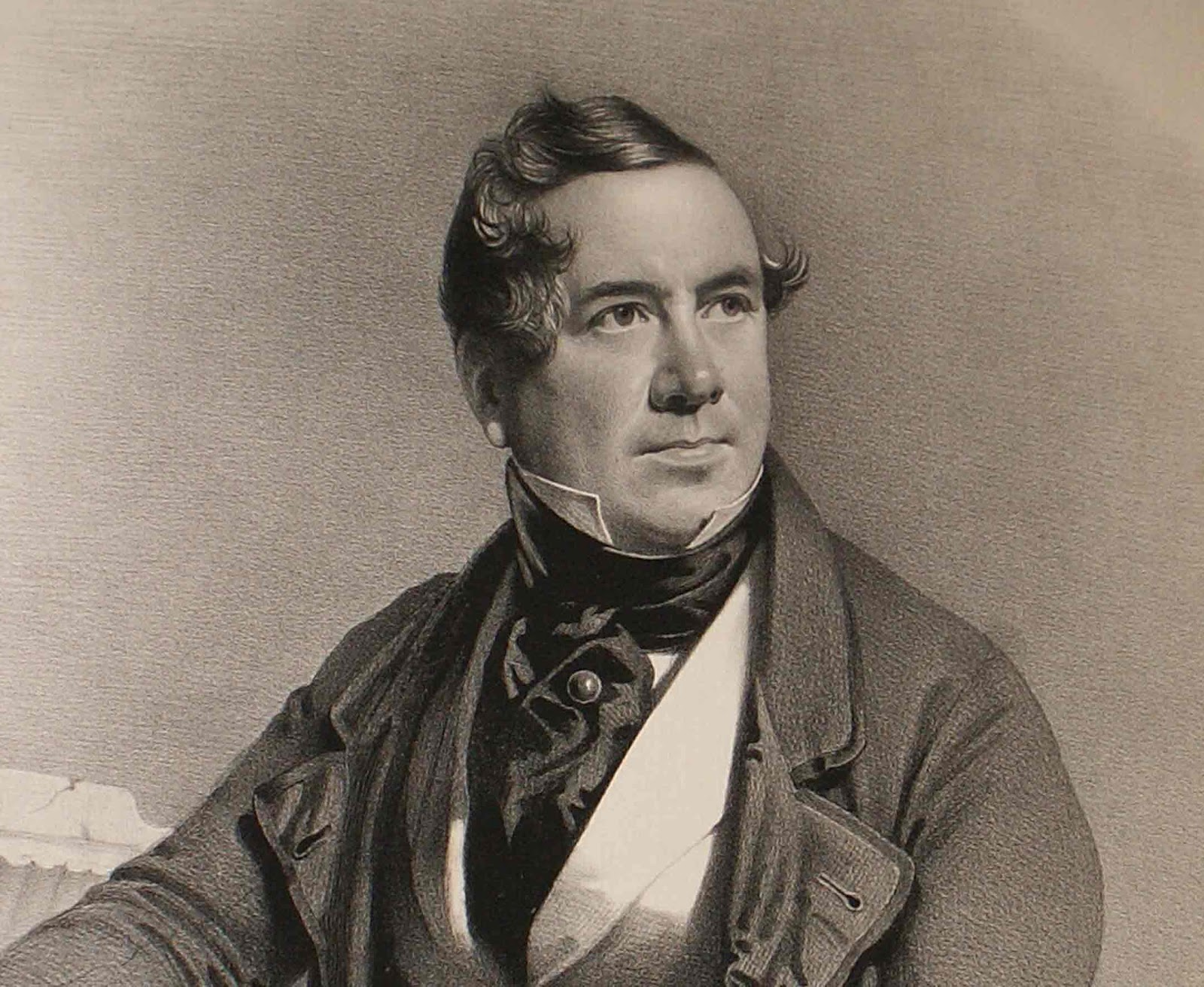
David Roberts was a Scottish painter and a member of the Royal Academy.
Since 1819, David Roberts worked as a scenographer in various theaters, where his creative potential was appreciated. Inspired by the positive feedback, some time later he seriously engaged in painting. After the first exhibition of works, held in 1824, the artist went on a trip. He visited several countries in Europe, where he created many drawings. In 1833, David Roberts continued to explore the world: he went to Spain, where he spent almost a year, also had time to visit Morocco, lived in Cairo for a long time and made sketches everywhere. Subsequently, his works were published in various magazines, and the author gained fame as a talented illustrator. In 1841, the artist became a member of the Royal Academy.
In the 1840s, an album with his works was published, thanks to these publications, David Roberts became the most famous painter of the Victorian era. The artist also skillfully depicted monuments of architecture. David Roberts' paintings are striking in their photographic accuracy, and he is still considered one of the best architectural painters in his homeland.




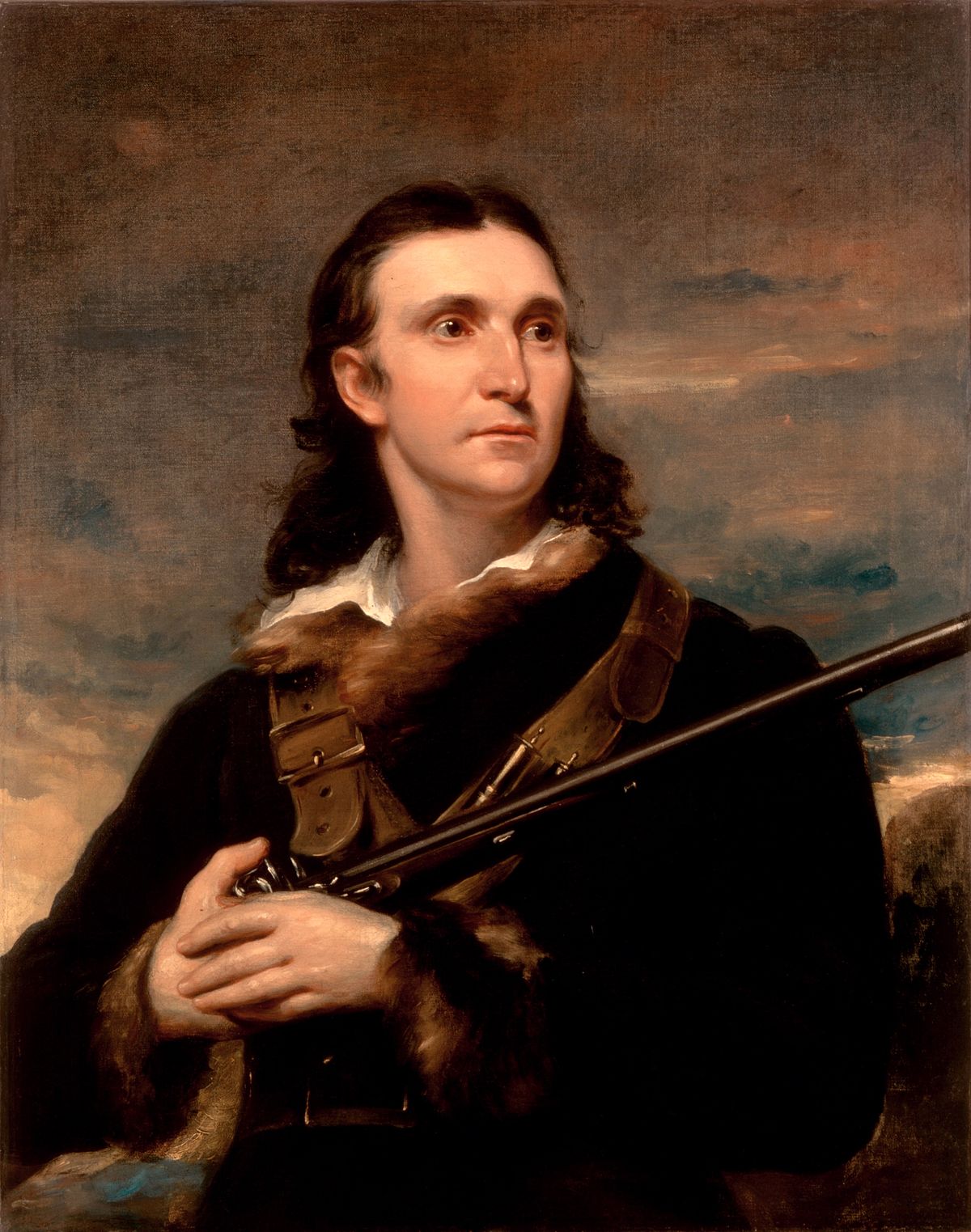
John James Audubon was a French-American ornithologist and painter, renowned for his groundbreaking illustrations of American birds. Born in 1785 in Les Cayes, Saint-Domingue (now Haiti), Audubon is remembered for his keen observation skills and innovative artistic techniques.
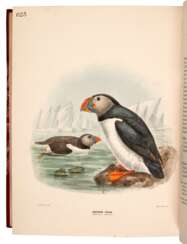
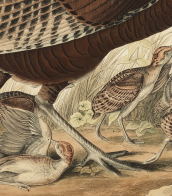
Audubon's most famous work, "The Birds of America," transformed the field of ornithology by presenting birds in lifelike poses and detailed backgrounds. Published between 1827 and 1838, it contained 435 hand-colored engravings, showcasing over 489 bird species. His unique approach to illustrating birds in their natural habitats was a departure from traditional methods, which often portrayed birds in rigid poses.
Audubon used a wire armature to position freshly-killed specimens, allowing him to depict birds with a sense of movement and vitality. This innovative technique was truly revolutionary and set him apart from his contemporaries. Additionally, Audubon's artistic skill and attention to detail made his illustrations highly sought after, with surviving copies of "The Birds of America" considered valuable collectibles today.
For art collectors and enthusiasts, Audubon's work continues to be a source of inspiration and admiration. His legacy endures through his contributions to ornithology and the art world, with museums and galleries showcasing his work. If you're interested in learning more about John James Audubon and his famous illustrations, consider subscribing to our newsletter for updates on new product sales and auction events related to his work.
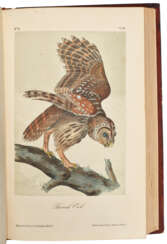

John James Audubon was a French-American ornithologist and painter, renowned for his groundbreaking illustrations of American birds. Born in 1785 in Les Cayes, Saint-Domingue (now Haiti), Audubon is remembered for his keen observation skills and innovative artistic techniques.
Audubon's most famous work, "The Birds of America," transformed the field of ornithology by presenting birds in lifelike poses and detailed backgrounds. Published between 1827 and 1838, it contained 435 hand-colored engravings, showcasing over 489 bird species. His unique approach to illustrating birds in their natural habitats was a departure from traditional methods, which often portrayed birds in rigid poses.
Audubon used a wire armature to position freshly-killed specimens, allowing him to depict birds with a sense of movement and vitality. This innovative technique was truly revolutionary and set him apart from his contemporaries. Additionally, Audubon's artistic skill and attention to detail made his illustrations highly sought after, with surviving copies of "The Birds of America" considered valuable collectibles today.
For art collectors and enthusiasts, Audubon's work continues to be a source of inspiration and admiration. His legacy endures through his contributions to ornithology and the art world, with museums and galleries showcasing his work. If you're interested in learning more about John James Audubon and his famous illustrations, consider subscribing to our newsletter for updates on new product sales and auction events related to his work.
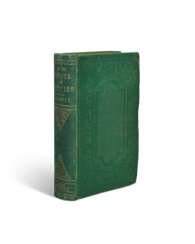

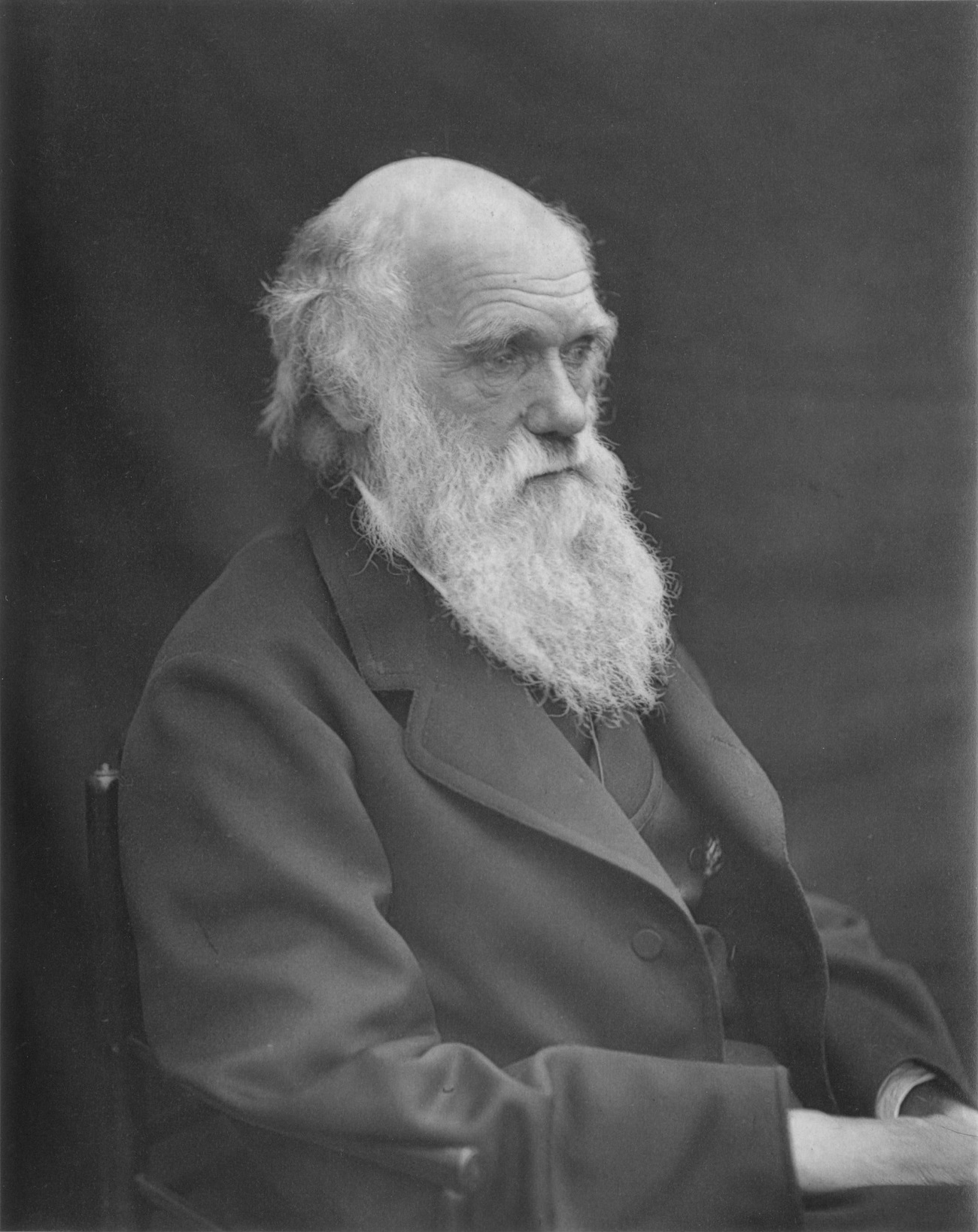
Charles Robert Darwin was an English naturalist, geologist, and biologist, widely known for contributing to the understanding of evolutionary biology. His proposition that all species of life have descended from a common ancestor is now generally accepted and considered a fundamental concept in science. In a joint publication with Alfred Russel Wallace, he introduced his scientific theory that this branching pattern of evolution resulted from a process that he called natural selection, in which the struggle for existence has a similar effect to the artificial selection involved in selective breeding. Darwin has been described as one of the most influential figures in human history, and he was honoured by burial in Westminster Abbey.

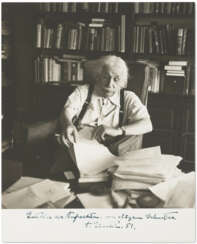

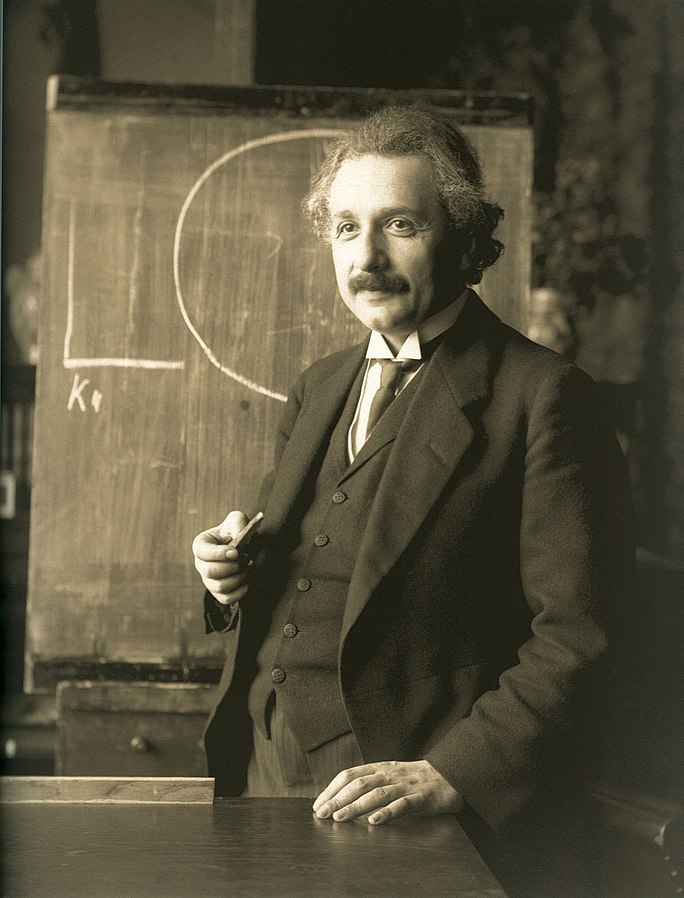
Albert Einstein was a German-born theoretical physicist, widely acknowledged to be one of the greatest and most influential physicists of all time. Einstein is best known for developing the theory of relativity, but he also made important contributions to the development of the theory of quantum mechanics. Relativity and quantum mechanics are together the two pillars of modern physics. His mass–energy equivalence formula E = mc2, which arises from relativity theory, has been dubbed "the world's most famous equation". His work is also known for its influence on the philosophy of science. He received the 1921 Nobel Prize in Physics "for his services to theoretical physics, and especially for his discovery of the law of the photoelectric effect", a pivotal step in the development of quantum theory. His intellectual achievements and originality resulted in "Einstein" becoming synonymous with "genius".








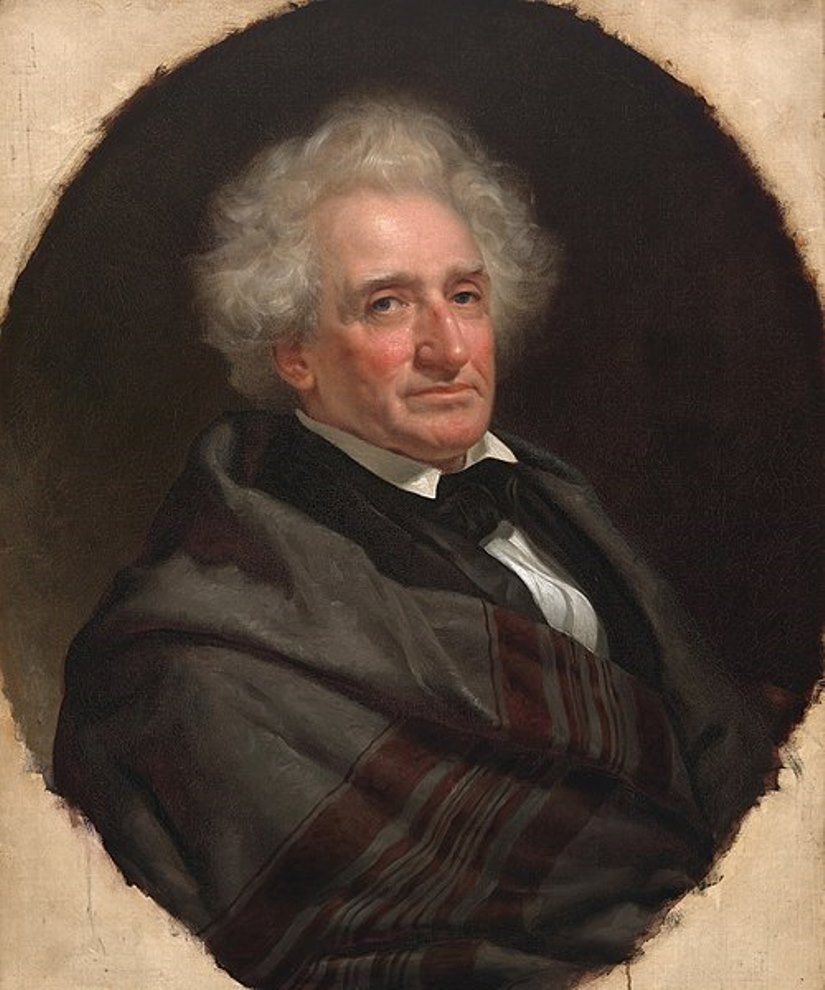
Thomas Loraine McKenney was an American statesman and author.
After the abolition of the U.S. Indian trading program in 1822, then Secretary of War John C. Calhoun established a position in the War Department called Superintendent of Indian Affairs (later to become part of the Bureau of Indian Affairs). McKenney was the first appointed to this position and held it until 1830. Over the years, he worked tirelessly to promote Indian-American relations, advocating for the interests of Indians and striving to preserve the memory of their vanishing culture. Despite his interest in Native American history, McKenney sought to have them assimilated to Euro-American culture through Christian education.
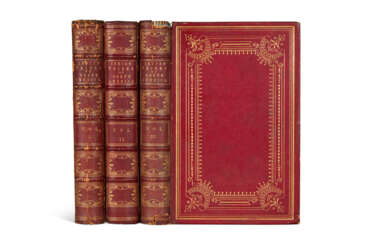
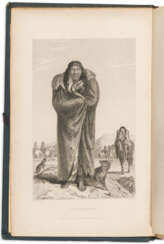
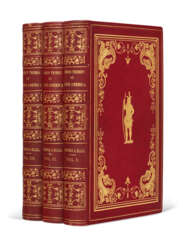
McKenney commissioned leading artists, including Charles Byrd King, to paint portraits of Indian chiefs from more than twenty tribes who visited Washington on official business over a ten-year period. These portraits formed the basis of the government's National Portrait Gallery, first housed in the War Department and later transferred to the Smithsonian Institution. This gallery was featured in part in the three-volume History of the Indian Tribes of North America (1836-1844), with biographical sketches by McKenney, co-authored with Illinois lawyer and writer James Hall.
In 1865, a fire at the Smithsonian Institution destroyed all but a few of the portraits, which are now in the White House. Thus this three-volume book represents the only reliable source on the appearance of many of the most prominent leaders of Indian tribes.
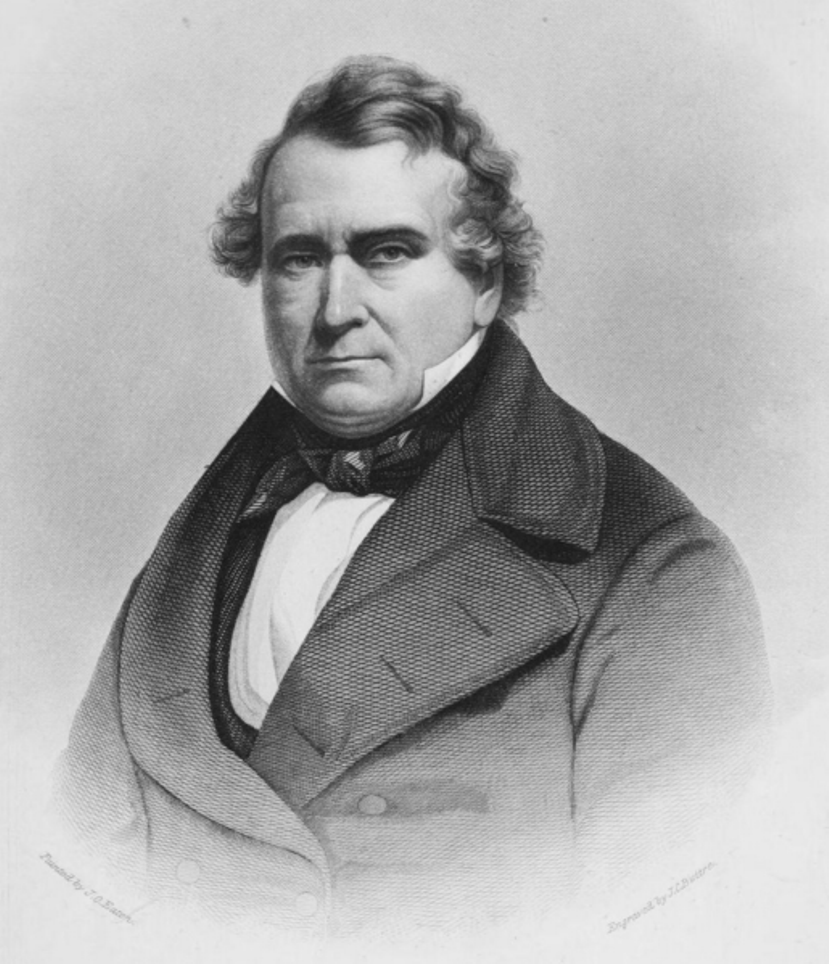
James Hall was an American lawyer, judge, treasurer, and editor.
Hall studied law, fought in the War of 1812, served as a lawyer and circuit judge, newspaper and magazine editor, Illinois state treasurer, and banker in Cincinnati, Ohio. In addition, he was also a historical and fiction writer. In 1828, Hall compiled the first western literary yearbook, Western Souvenir, and edited the Illinois Monthly Magazine. James Hall wrote a travel book, Letters from the West (1828), a novel, The Head of the Harp (1833), and several volumes of short stories.
Hall also contributed to the three-volume History of the Indian Tribes of North America (1836-1844). This book includes portraits of the chiefs of more than twenty Indian tribes, which were painted by noted artists of the day, with biographical sketches by Superintendent of Indian Affairs Thomas L. McKenney.

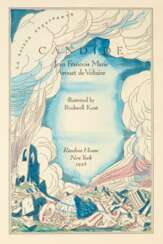

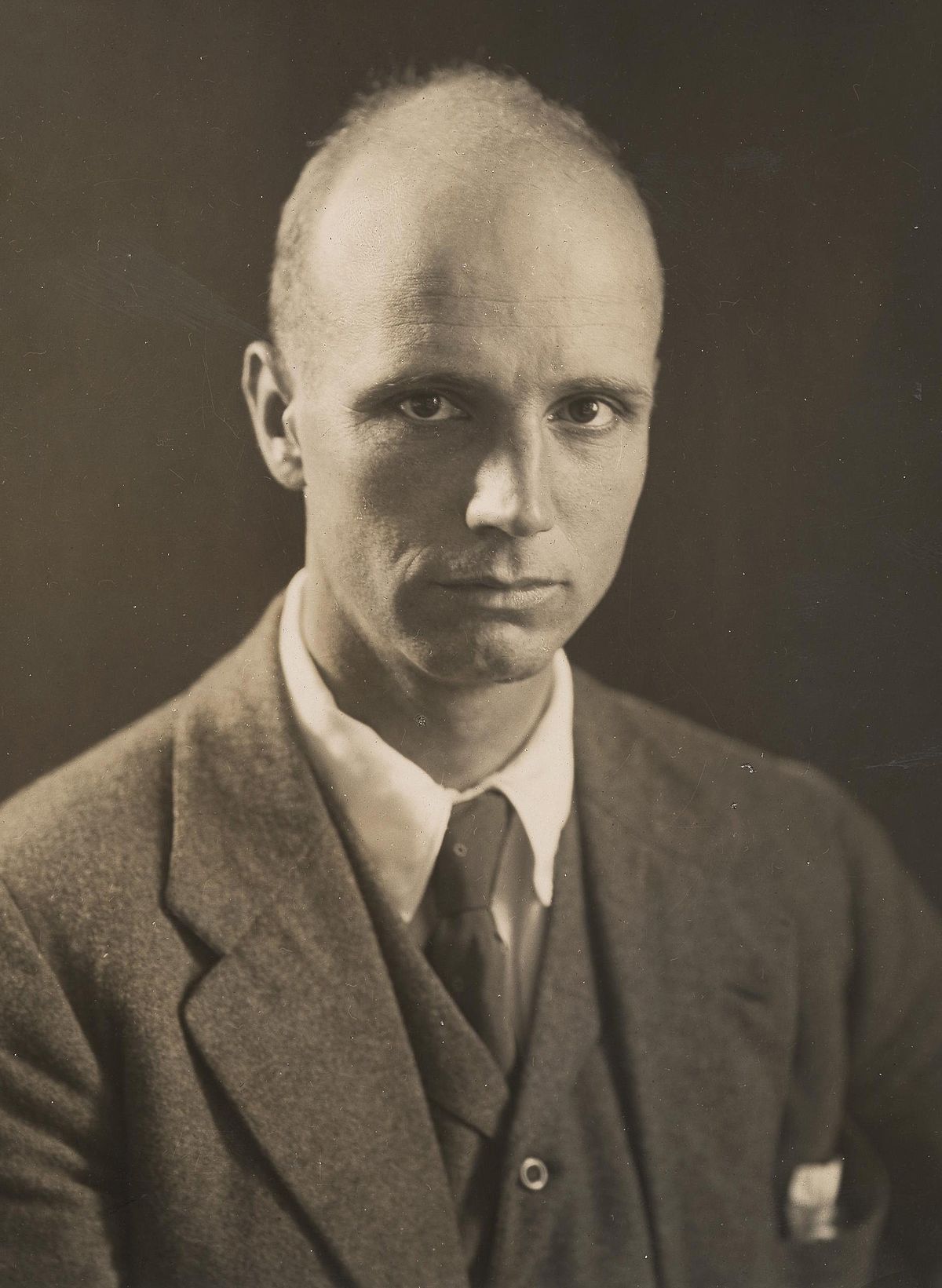
Rockwell Kent is an American artist, illustrator, and writer. He was born and raised in New York City and began his art career in the early 1920s.
Kent worked in a variety of genres and styles, including realism, expressionism, and cubism. Kent became known for his book illustrations as well as his paintings and prints. His work was frequently published in Harper's Weekly, The New York Times, and Vanity Fair magazines and newspapers.
He also illustrated many books, including famous works by Ernest Hemingway and Herman Melville. Kent was also an activist and political activist. He was an advocate of socialist ideals and participated in political movements. In addition, he was a traveler and explorer, having made several trips to Alaska and other far northern territories.
Kent was also a writer and author of several books, including the autobiographical novel It's Me, O Lord! and a book about his travels. Kent's style was recognizable and original, and he was known for his powerful compositions, bright colors, and pronounced contours. His work remained popular even after his death in 1971, and many can be seen in museums and art galleries around the world.



Charles Robert Darwin was an English naturalist, geologist, and biologist, widely known for contributing to the understanding of evolutionary biology. His proposition that all species of life have descended from a common ancestor is now generally accepted and considered a fundamental concept in science. In a joint publication with Alfred Russel Wallace, he introduced his scientific theory that this branching pattern of evolution resulted from a process that he called natural selection, in which the struggle for existence has a similar effect to the artificial selection involved in selective breeding. Darwin has been described as one of the most influential figures in human history, and he was honoured by burial in Westminster Abbey.





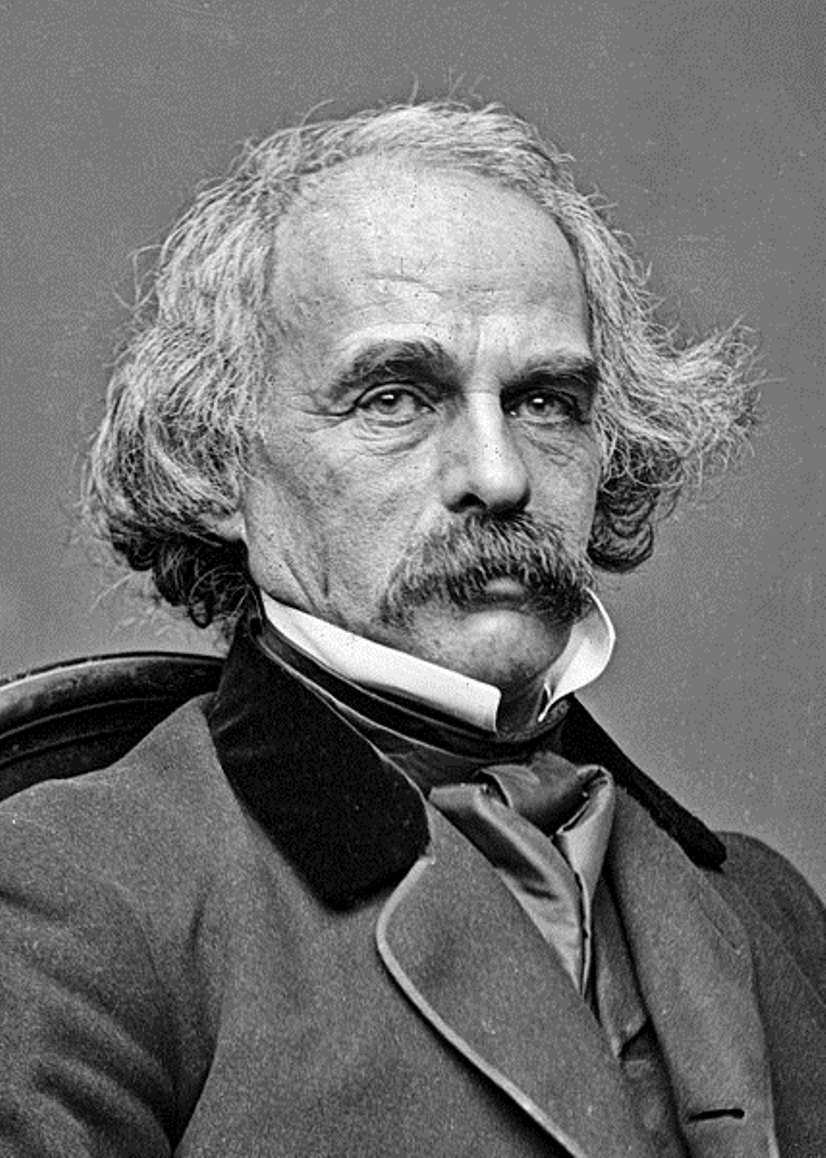
Nathaniel Hawthorne is an American writer and author.
Hawthorne is a recognized short story writer and a master of allegorical and symbolic narrative. One of the first fiction writers in American literature, he is best known for his works The Scarlet Letter (1850) and The House of Seven Gables (1851). Hawthorne's artistic works are considered part of the American Romantic movement and, in particular, of so-called dark Romanticism, a popular mid-19th-century fascination with the irrational, the demonic, and the grotesque.