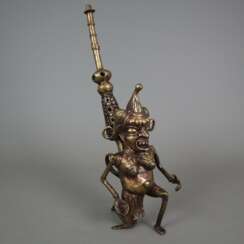
ife bronze










.jpg)
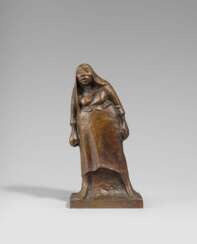
Ernst Heinrich Barlach was a German expressionist sculptor, medallist, printmaker and writer. Although he was a supporter of the war in the years leading to World War I, his participation in the war made him change his position, and he is mostly known for his sculptures protesting against the war. This created many conflicts during the rise of the Nazi Party, when most of his works were confiscated as degenerate art. Stylistically, his literary and artistic work would fall between the categories of twentieth-century Realism and Expressionism.
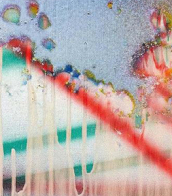
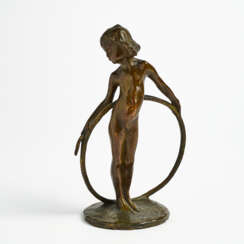

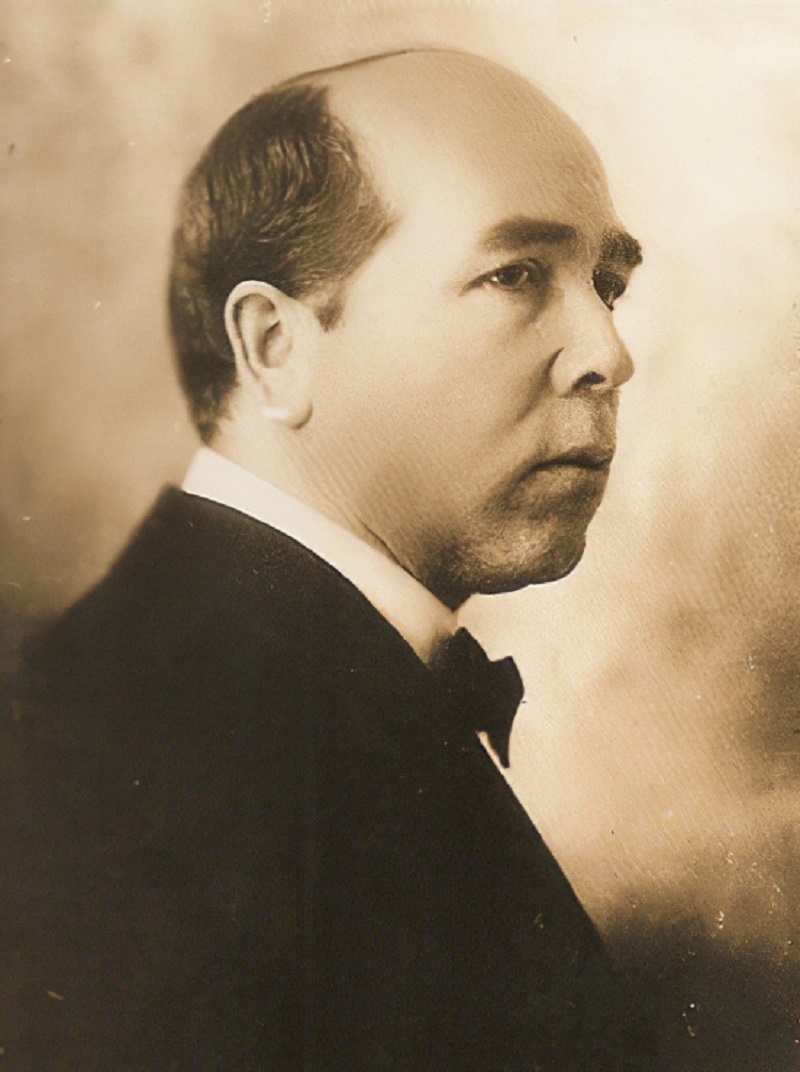
Bernhard Hoetger is a German painter, sculptor, graphic artist and architect. He studied at the Dusseldorf Academy of Art.
In 1937, as part of the Nazi "Degenerate Art" campaign, many works by Bernhard Hoetger were destroyed.

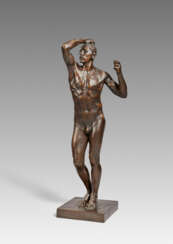

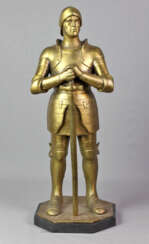



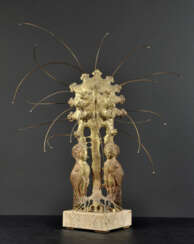








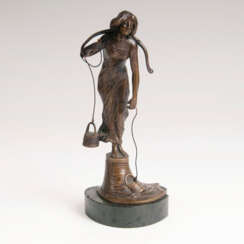
Georges Morin was a German painter, sculptor, and medalist, showcased his versatility through architecture sculptures, standalone artworks, medals, statues, and figures.
Morin studied at the Berlin Art Academy from 1892 to 1896, learning under Ernst Herter and Peter Breuer. Following his successful exams, he journeyed to Paris for further studies, captivated by oriental dancers of Commedia dell'arte. Morin painted and sculpted these dancers, drawing inspiration from their performances. He also traveled to Italy and England before returning to Berlin, residing on Görrestraße 16 in Berlin-Friedenau. He was surrounded by fellow artists in the vicinity. Morin's affiliations included the District Art Deputation and associations of visual artists in Berlin and Germany, providing him platforms to exhibit his creations.








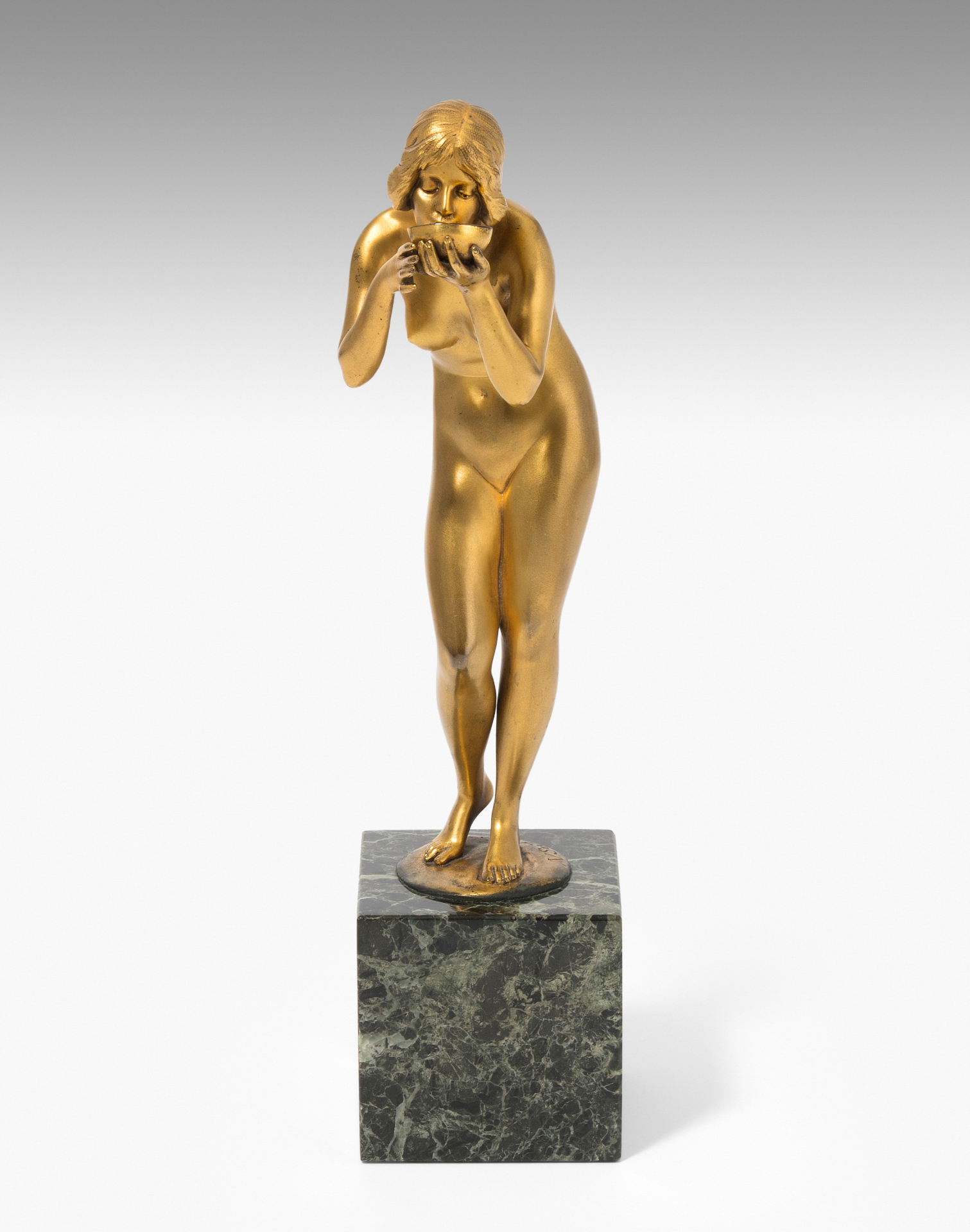
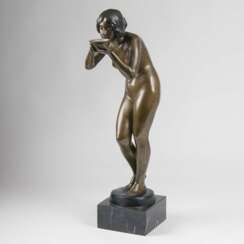
Victor Heinrich Seifert was an Austrian sculptor.
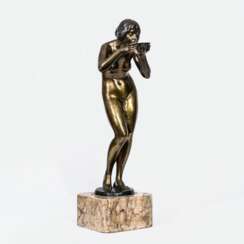
Seifert studied first at the University of Applied Arts in Vienna and later at the Berlin Academy of Art. After the end of World War I, he created many war memorials for German cities and towns, for which he became famous. Seifert also worked on classical nude sculptures in bronze.

Victor Heinrich Seifert was an Austrian sculptor.
Seifert studied first at the University of Applied Arts in Vienna and later at the Berlin Academy of Art. After the end of World War I, he created many war memorials for German cities and towns, for which he became famous. Seifert also worked on classical nude sculptures in bronze.


Victor Heinrich Seifert was an Austrian sculptor.
Seifert studied first at the University of Applied Arts in Vienna and later at the Berlin Academy of Art. After the end of World War I, he created many war memorials for German cities and towns, for which he became famous. Seifert also worked on classical nude sculptures in bronze.