language start with i







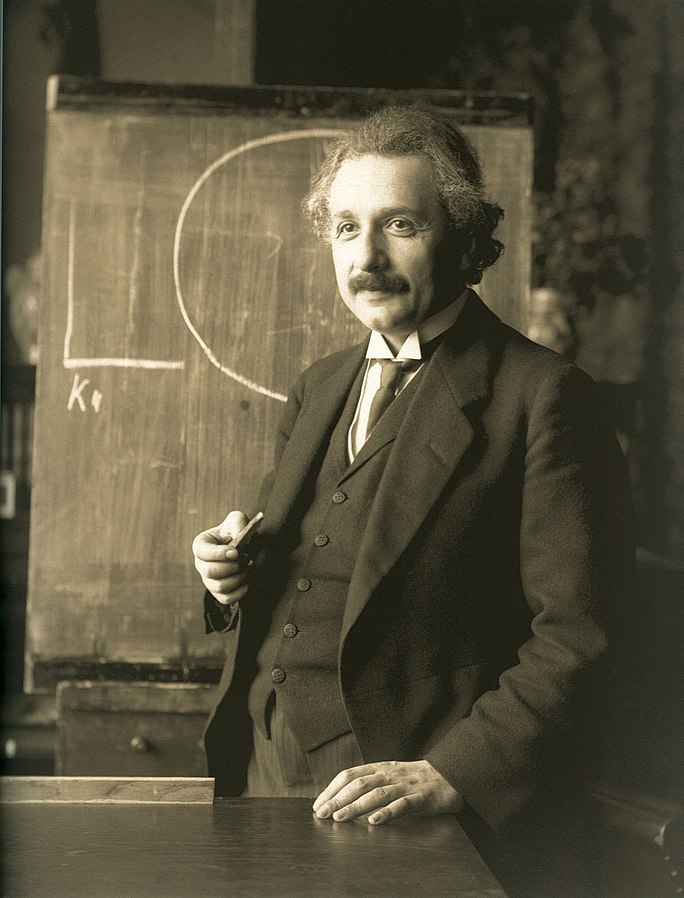
Albert Einstein was a German-born theoretical physicist, widely acknowledged to be one of the greatest and most influential physicists of all time. Einstein is best known for developing the theory of relativity, but he also made important contributions to the development of the theory of quantum mechanics. Relativity and quantum mechanics are together the two pillars of modern physics. His mass–energy equivalence formula E = mc2, which arises from relativity theory, has been dubbed "the world's most famous equation". His work is also known for its influence on the philosophy of science. He received the 1921 Nobel Prize in Physics "for his services to theoretical physics, and especially for his discovery of the law of the photoelectric effect", a pivotal step in the development of quantum theory. His intellectual achievements and originality resulted in "Einstein" becoming synonymous with "genius".





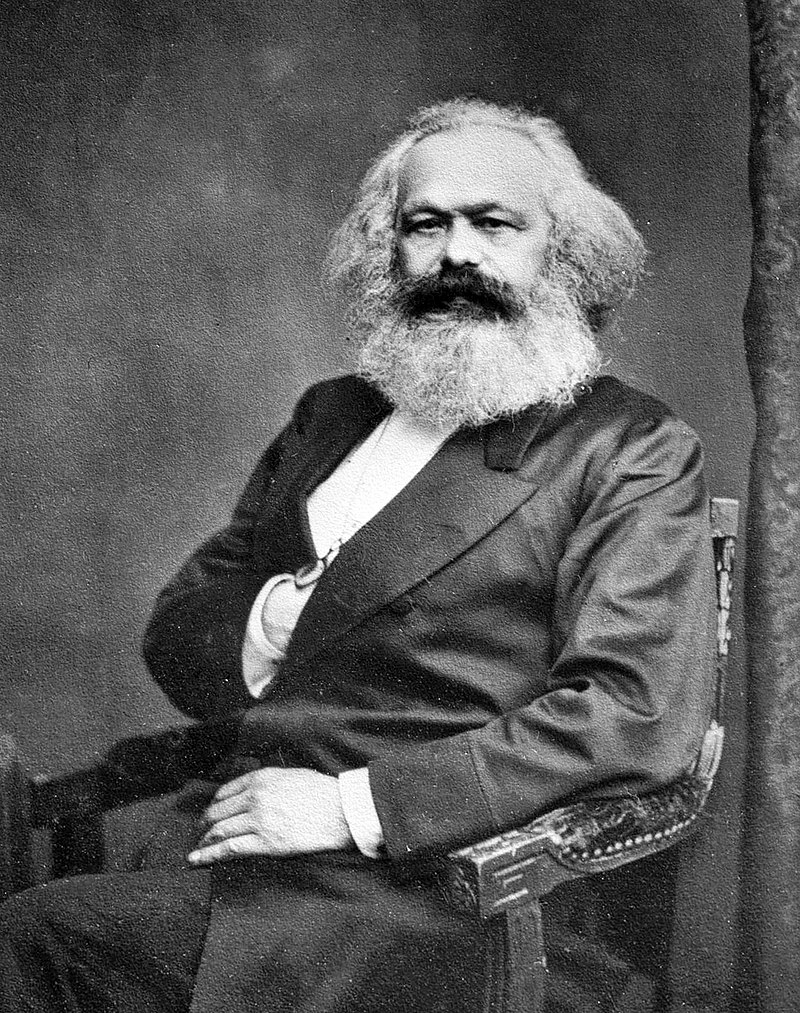
Karl Marx, full name Karl Heinrich Marx, was a German philosopher, sociologist, historian and economist, social activist, and journalist. One of the most significant political figures in the world, his works have had a great influence on the course of human history.
Karl Heinrich Marx was born into a large Jewish family of rabbinic dynasty, but his father and Karl himself were baptized. The young Karl received a liberal arts education at the University of Bonn and the University of Berlin and was actively involved in the turbulent political life of Germany and France in the 19th century. For his political activities in 1849 he was expelled from Germany, moved with his family to Paris and then to London, where he lived and worked until the end of his life.
In 1844 he met the German socialist Friedrich Engels, who became his friend and collaborator for the rest of his life. Together they had already published the Manifesto of the Communist Party (1848), the most famous pamphlet in the history of the socialist movement. Karl Marx was also the author of the movement's most important book, Das Kapital (Capital). These and other writings of Marx and Engels formed the basis of the system of views and beliefs known as Marxism.
Marx examined the very different versions of socialism that existed in the early nineteenth century and combined them into a doctrine that remained the dominant version of socialism for half a century after his death. His emphasis on the influence of economic structure on historical development was of enduring importance.
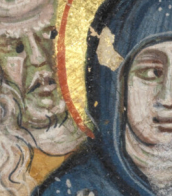



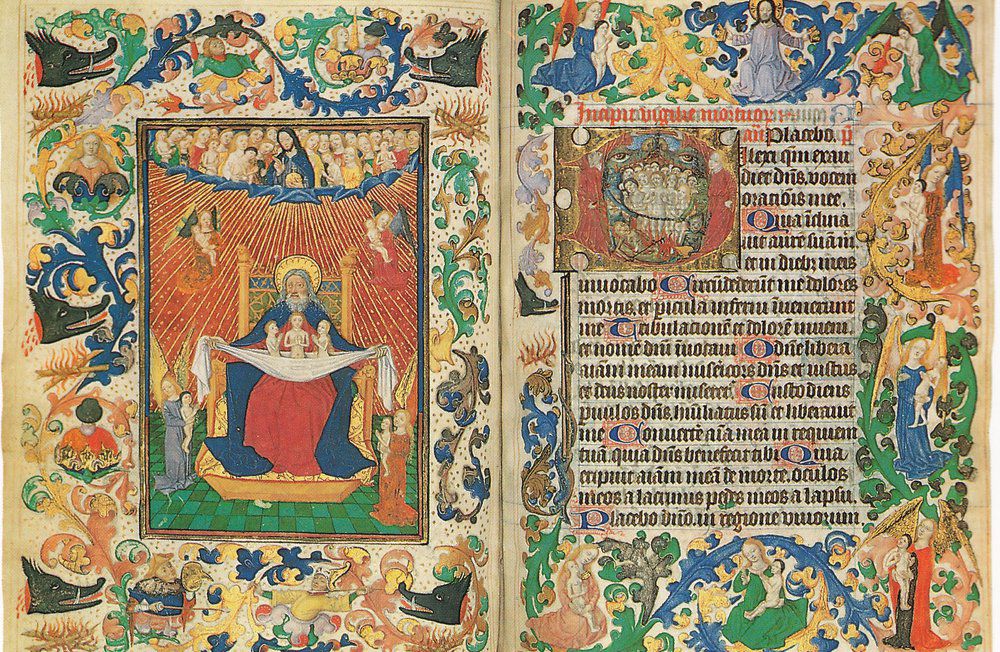
Master Gijsbrecht van Brederode was a Northern Dutch book illuminator who worked in Utrecht in the 3rd quarter of the 15th century.
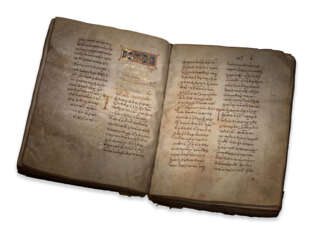
The artist got his name from the book of hours, which he illuminated for Gijsbrecht van Brederode, dean of Utrecht Cathedral (died in 1475). It is known that between 1465 and 1470 this master created almost all the miniatures in this manuscript.
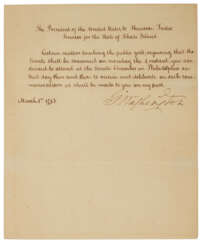

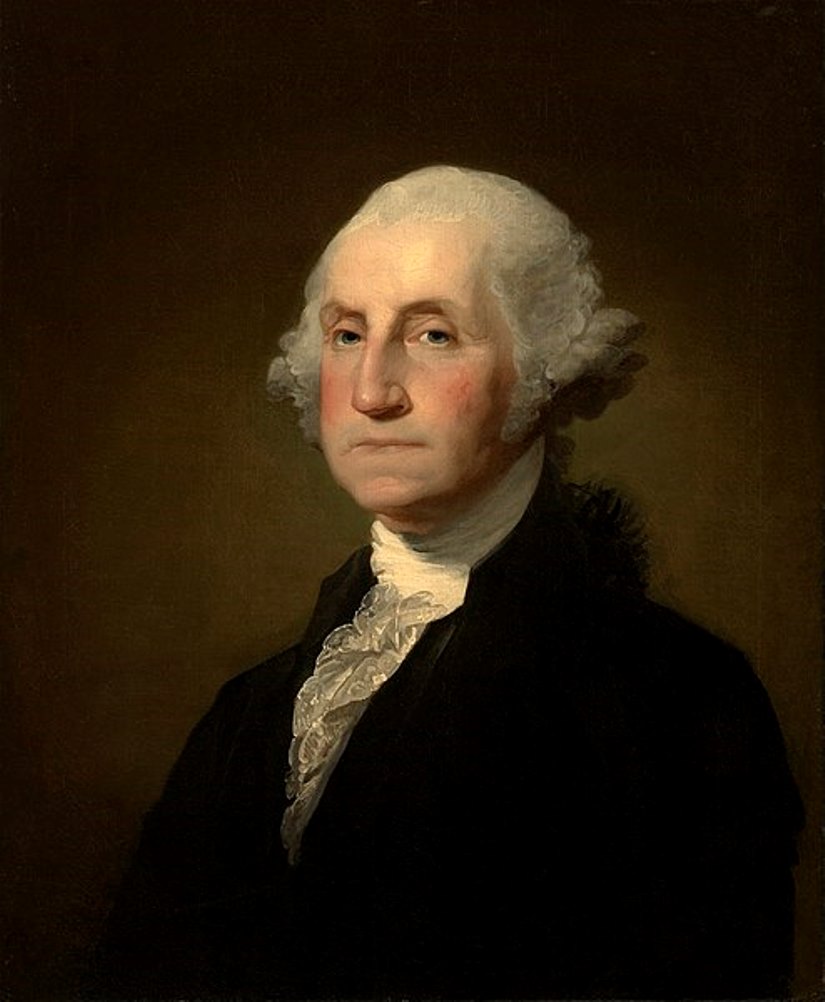
George Washington is the first popularly elected president of the United States of America and one of the founding fathers of the United States.
Born into a noble family in colonial Virginia in February 1732, George Washington served as a Virginian officer with British troops during the French-Indian War (1754-1763) from 1754-1758. This was a territorial war fought largely between the colonies of Britain and France that escalated into a worldwide conflict between the two countries. J. Washington was at the center of the conflicts in the disputed Ohio River Valley area.
In June 1775, he was elected commander-in-chief of the Continental forces in the war already for independence from Great Britain. He commanded American troops throughout the war, becoming famous for his perseverance and bravery.
In 1787, J. Washington represented the state of Virginia as a delegate to the Constitutional Convention. This convention created the Constitution of the United States. In 1789, the Electoral College unanimously elected George Washington president, and in 1792 he was re-elected for a second term. Thus George Washington was in office as President of the United States from April 30, 1789 to March 4, 1797.
As head of state, he helped to strengthen the Union, implement the principles of the Constitution and build the capital of the United States. He was engaged in the formation of the central authorities and system of government, created precedents for the institution of presidents, encouraged the development of the economy, maintained friendly relations with Congress. In foreign policy Washington avoided interference in the affairs of European states.
After leaving the post of president, George Washington lived in Mount Vernon Manor.





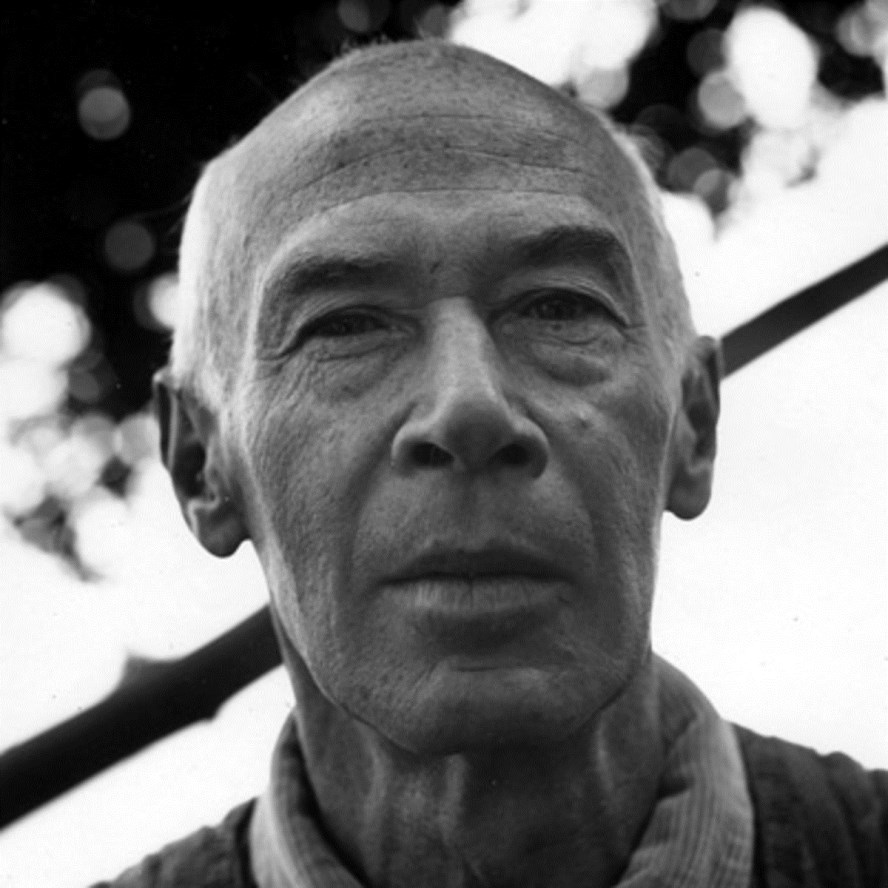












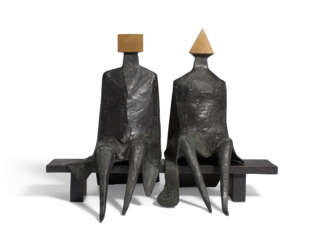

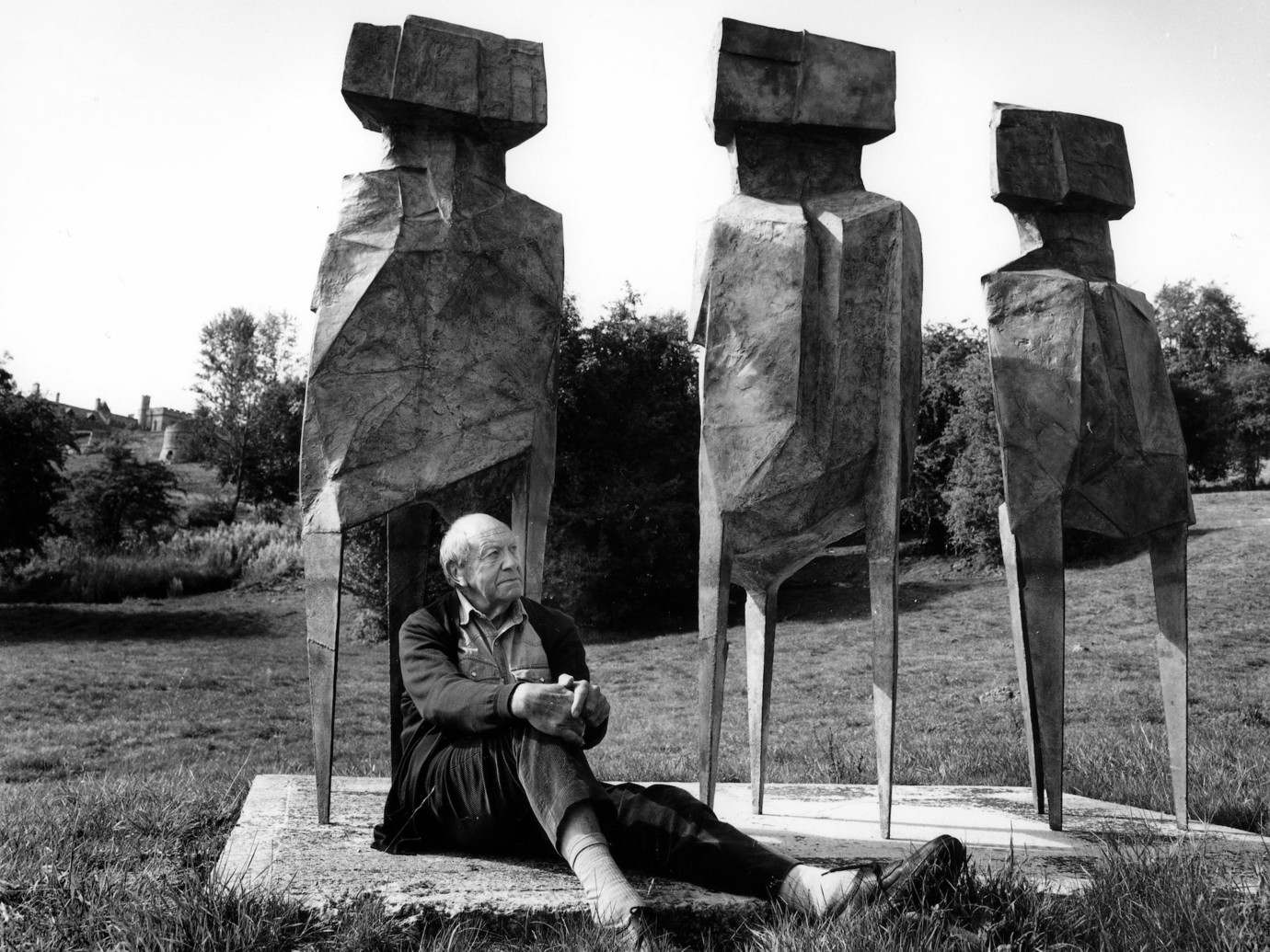
Lynn Russell Chadwick was an English sculptor and artist. Much of his work is semi-abstract sculpture in bronze or steel.

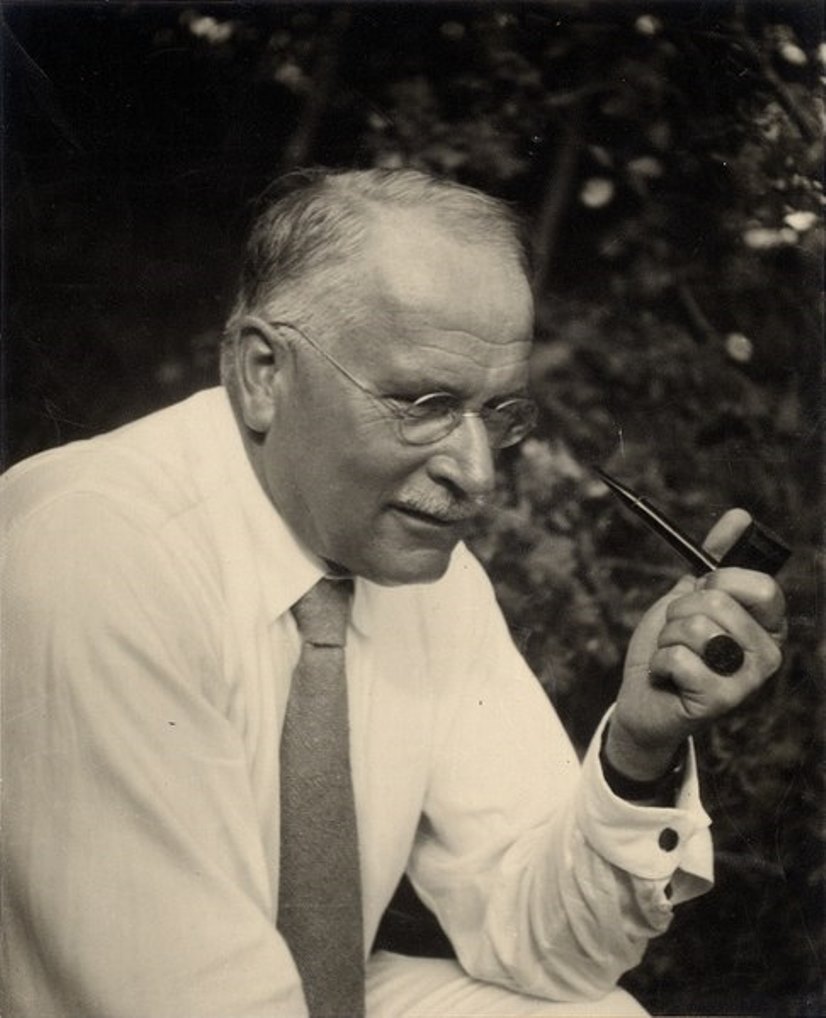
Carl Gustav Jung was a Swiss psychologist and psychiatrist, professor, and the founder of analytical psychology.
He studied at the University of Zurich and conducted many studies in scientific psychology and psychiatry. From 1907 to 1912, Jung was a close associate of Sigmund Freud, but later they had serious disagreements and parted ways.
Carl Jung proposed and developed the concepts of extraverted and introverted personality, archetypes and the collective unconscious. He introduced the term "collective unconscious" as a part of the mind containing memories and impulses of which the individual is unaware, common to humanity as a whole and deriving from inherited brain structure. It differs from the personal unconscious, which arises from the experience of the individual. According to Jung, the collective unconscious contains archetypes, or universal primordial images and ideas.
Historical research helped Jung pioneer psychotherapy for middle-aged and elderly people, especially those who felt their lives had lost meaning. He helped them appreciate the place of their lives in the sequence of history. Jung devoted many years of his life to developing his ideas, especially those concerning the relationship between psychology and religion. His work had a significant impact on psychiatry and the study of religion, literature, and related fields.






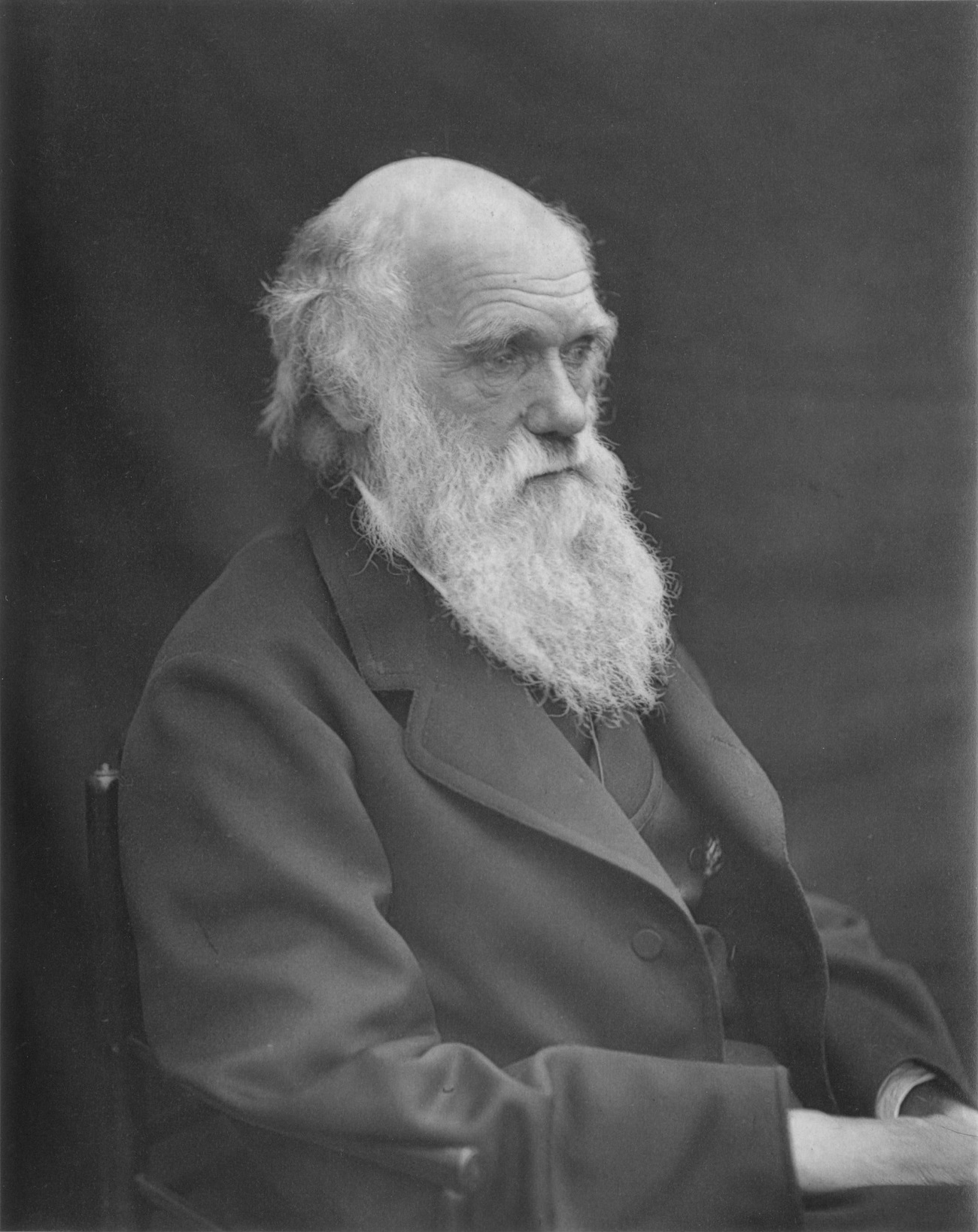
Charles Robert Darwin was an English naturalist, geologist, and biologist, widely known for contributing to the understanding of evolutionary biology. His proposition that all species of life have descended from a common ancestor is now generally accepted and considered a fundamental concept in science. In a joint publication with Alfred Russel Wallace, he introduced his scientific theory that this branching pattern of evolution resulted from a process that he called natural selection, in which the struggle for existence has a similar effect to the artificial selection involved in selective breeding. Darwin has been described as one of the most influential figures in human history, and he was honoured by burial in Westminster Abbey.