lot 42








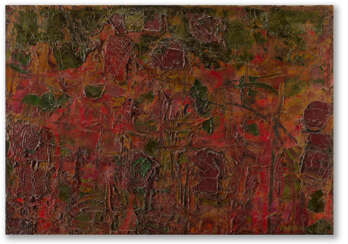

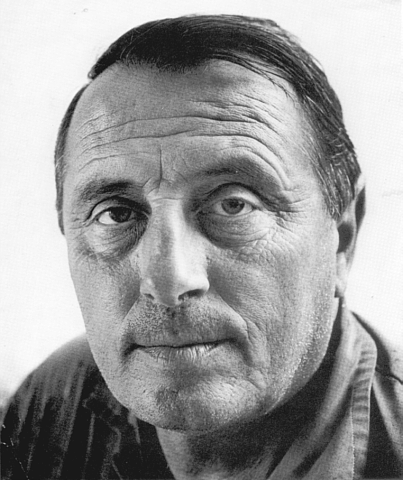
Ennio Morlotti is an Italian abstractionist painter.
Morlotti studied painting at the Academy of Fine Arts in Florence and at the Accademia di Brera in Milan. In 1947 he was one of the founders of the post-war New Front for Art (Fronte Nuovo delle Arti) movement.
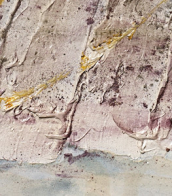
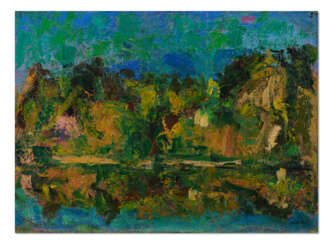

Ennio Morlotti is an Italian abstractionist painter.
Morlotti studied painting at the Academy of Fine Arts in Florence and at the Accademia di Brera in Milan. In 1947 he was one of the founders of the post-war New Front for Art (Fronte Nuovo delle Arti) movement.

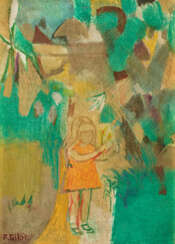

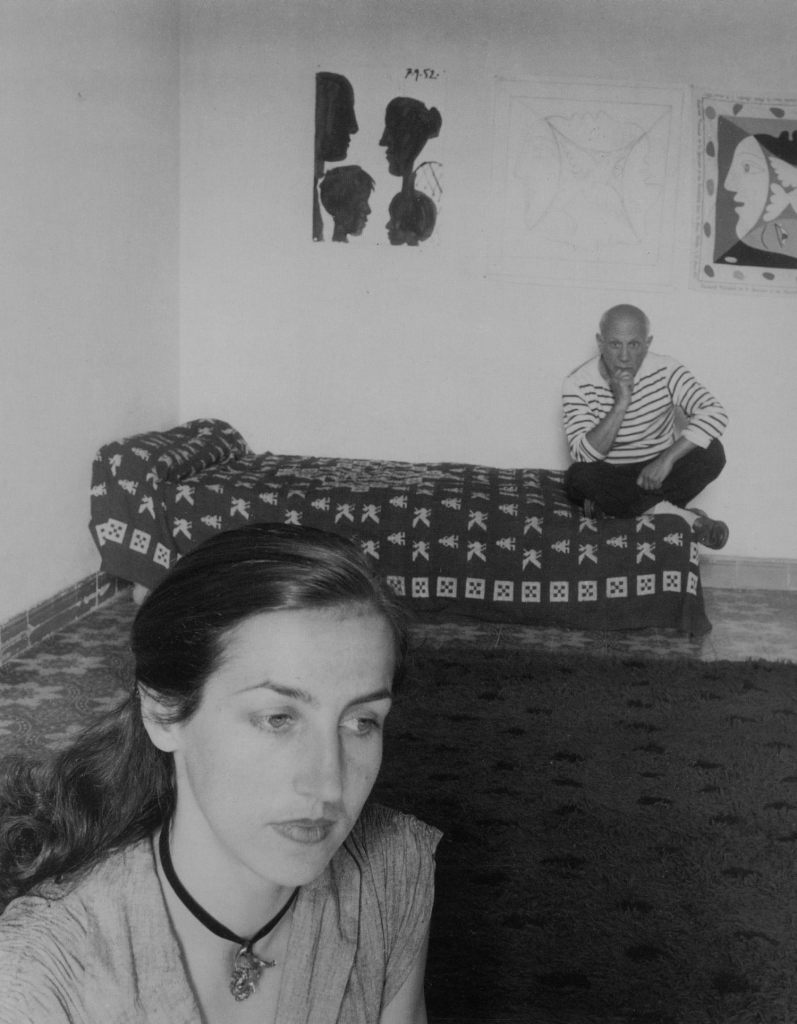
Françoise Gilot is a French painter, illustrator, and writer. She has published several books, including a memoir about her life with Pablo Picasso.
Gilot studied at the Sorbonne in Paris and later at the École des Beaux-Arts in Fontainebleau. She began exhibiting her work in the 1940s and quickly gained recognition for her colorful and vibrant paintings. Gilot's early work was influenced by the cubist and surrealist movements, but she developed her own unique style over time, characterized by bold colors and strong lines.
Gilot is also known for her personal life, particularly her relationship with Pablo Picasso, with whom she had two children. She wrote a memoir, "Life with Picasso," which was published in 1964 and became a bestseller. The book provided insight into Picasso's personality and working methods, as well as the challenges of being an artist in the mid-20th century.
Gilot has continued to paint throughout her life and has exhibited her work in galleries and museums around the world. She has also been recognized with numerous awards and honors, including being named a Chevalier de la Légion d'Honneur in 1990. Her work continues to be celebrated for its bold and expressive style, as well as for the way it reflects her experiences and insights as a woman and an artist.
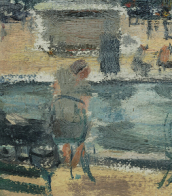


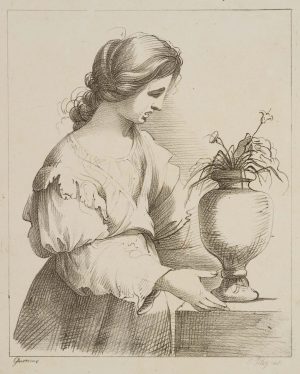
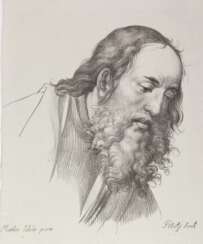

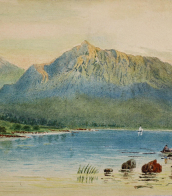


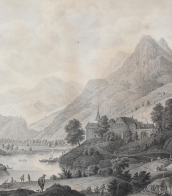



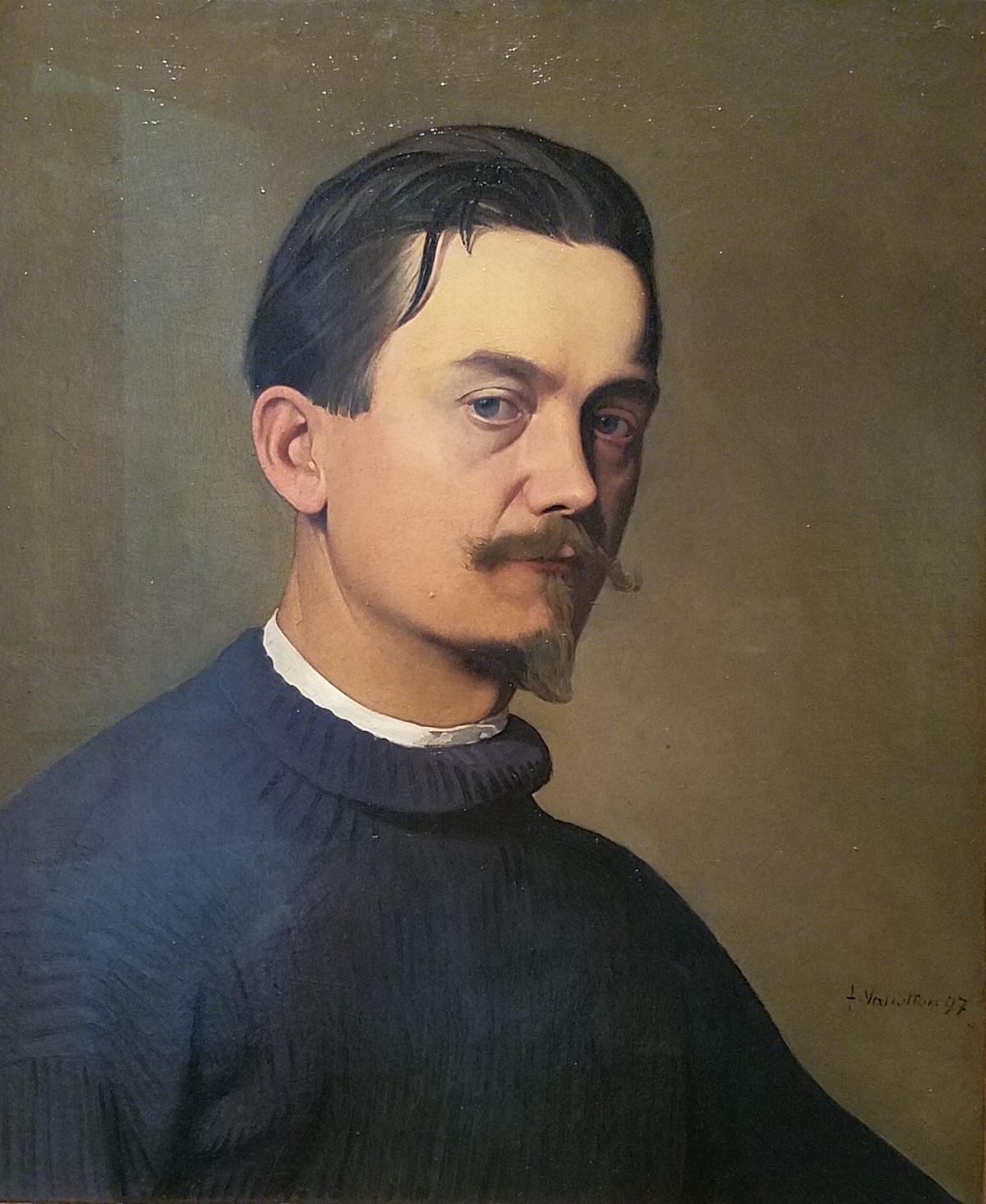
Félix Vallotton, a Swiss-born French graphic artist and painter, is recognized for his distinctive woodcuts and paintings of nudes and interiors. Vallotton's journey into art began in Paris, where he attended the Académie Julian, fostering a unique style that broke from traditional norms. His early works, characterized by extreme realism, were showcased at the Salon des Artistes Français and the Paris Universal Exposition of 1889. This period also marked Vallotton's encounter with Japanese prints, notably those by Hokusai, profoundly influencing his artistic direction.
In 1892, Vallotton joined Les Nabis, a group of avant-garde artists including Pierre Bonnard, Maurice Denis, and Édouard Vuillard, which led to a significant evolution in his style. His paintings from this era, such as "Bathers on a Summer Evening" and "Moonlight," exhibited at the Kunsthaus Zürich and the Musée d'Orsay respectively, reveal a departure from realism towards a more symbolic and abstract representation. The works from this period are characterized by flat areas of color, hard edges, and simplified details, mirroring the style he developed in his woodcuts.
Vallotton's woodcuts, like "Intimités" (Intimacies), a series published in 1898, showcased his mastery in capturing the nuances of human relationships, particularly the tensions between men and women. His graphic art, which included depictions of domestic scenes, bathing women, and street crowds, was not just celebrated in Europe but also influenced artists like Edvard Munch, Aubrey Beardsley, and Ernst Ludwig Kirchner.
Towards the end of his career, Vallotton continued to innovate, combining elements of realism and abstraction, evident in paintings like "La Malade" (The Sick Girl) and "Clair de lune" (Moonlight). His works remain a testament to his ability to merge technical precision with a poignant exploration of human emotions and societal themes.
For art collectors and experts, Vallotton's body of work offers a rich and diverse exploration of early 20th-century art movements, especially his role in the development of modern woodcut techniques and his contribution to the Nabis movement. His works are a study in the fusion of realism and symbolism, marked by a distinctive style that makes his art enduringly relevant and compelling.
For those interested in discovering more about Félix Vallotton and staying updated on related product sales and auction events, signing up for updates is a great opportunity. This subscription will exclusively alert you to new sales and events pertaining to Vallotton's works, ensuring you remain informed in the dynamic world of art and antiques.
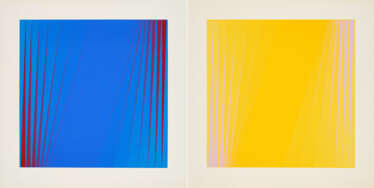

Lothar Quinte was a German painter of the avant-garde.
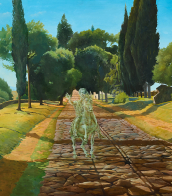
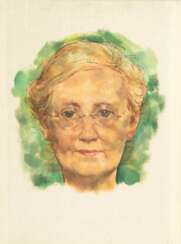

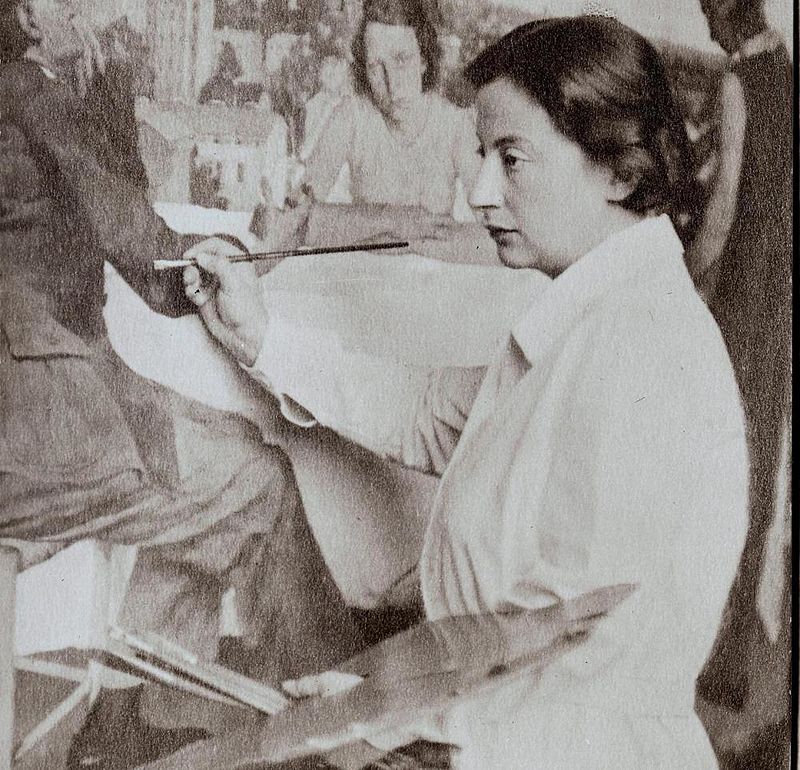
Lotte Laserstein was a German-Swedish artist and a prominent representative of German realism.
Lotte was a student at the prestigious Berlin Academy of Fine Arts and became an accomplished realist painter, receiving a gold medal from the Academy for her work. Her first exhibition took place in 1930 at a Berlin gallery. Laserstein worked partly in figurative painting, had apprentices, and illustrated anatomy texts to earn money. She also painted portraits of cosmopolitan, emancipated women as well as self-portraits.
The National Socialist regime forced the artist to leave Germany in 1937 and emigrate to Sweden. Her mother died in a concentration camp. Lotte Laserstein lived in Stockholm until the end of her life, creating over five decades of work, in addition to expressive self-portraits, many moving images of other immigrants, rural landscapes and urban scenes in Sweden.
Lotte Laserstein became a member of the Swedish Academy of Fine Arts and earned a reputation as a popular and respected portraitist. She has approximately 10,000 works in her oeuvre.
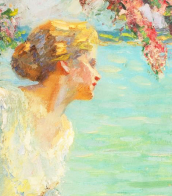
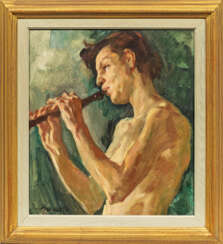

Lotte Laserstein was a German-Swedish artist and a prominent representative of German realism.
Lotte was a student at the prestigious Berlin Academy of Fine Arts and became an accomplished realist painter, receiving a gold medal from the Academy for her work. Her first exhibition took place in 1930 at a Berlin gallery. Laserstein worked partly in figurative painting, had apprentices, and illustrated anatomy texts to earn money. She also painted portraits of cosmopolitan, emancipated women as well as self-portraits.
The National Socialist regime forced the artist to leave Germany in 1937 and emigrate to Sweden. Her mother died in a concentration camp. Lotte Laserstein lived in Stockholm until the end of her life, creating over five decades of work, in addition to expressive self-portraits, many moving images of other immigrants, rural landscapes and urban scenes in Sweden.
Lotte Laserstein became a member of the Swedish Academy of Fine Arts and earned a reputation as a popular and respected portraitist. She has approximately 10,000 works in her oeuvre.
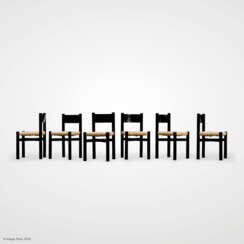

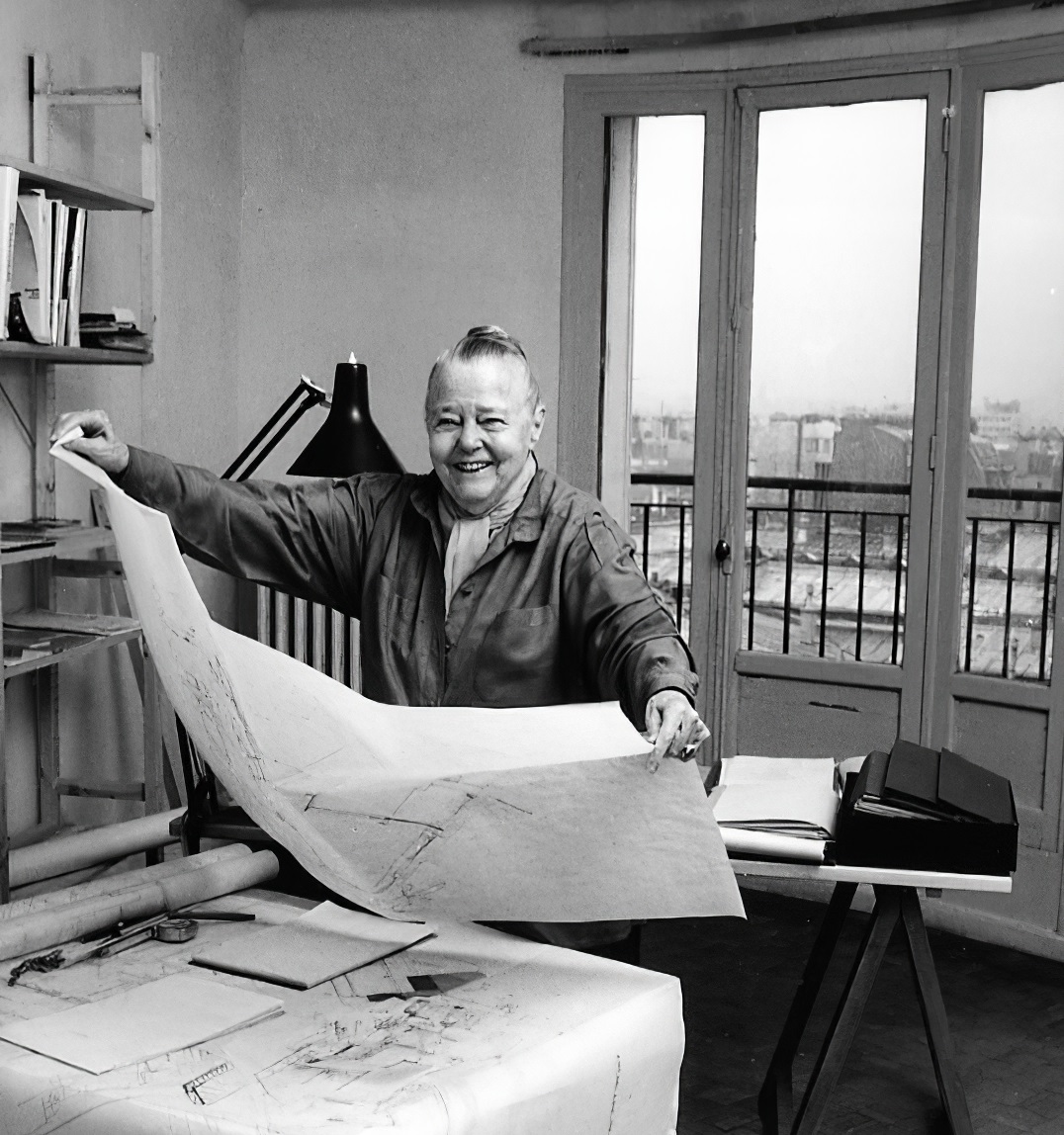
Charlotte Perriand was a French architect and designer. Her work aimed to create functional living spaces in the belief that better design helps in creating a better society. In her article "L'Art de Vivre" from 1981 she states "The extension of the art of dwelling is the art of living — living in harmony with man's deepest drives and with his adopted or fabricated environment." Charlotte liked to take her time in a space before starting the design process.


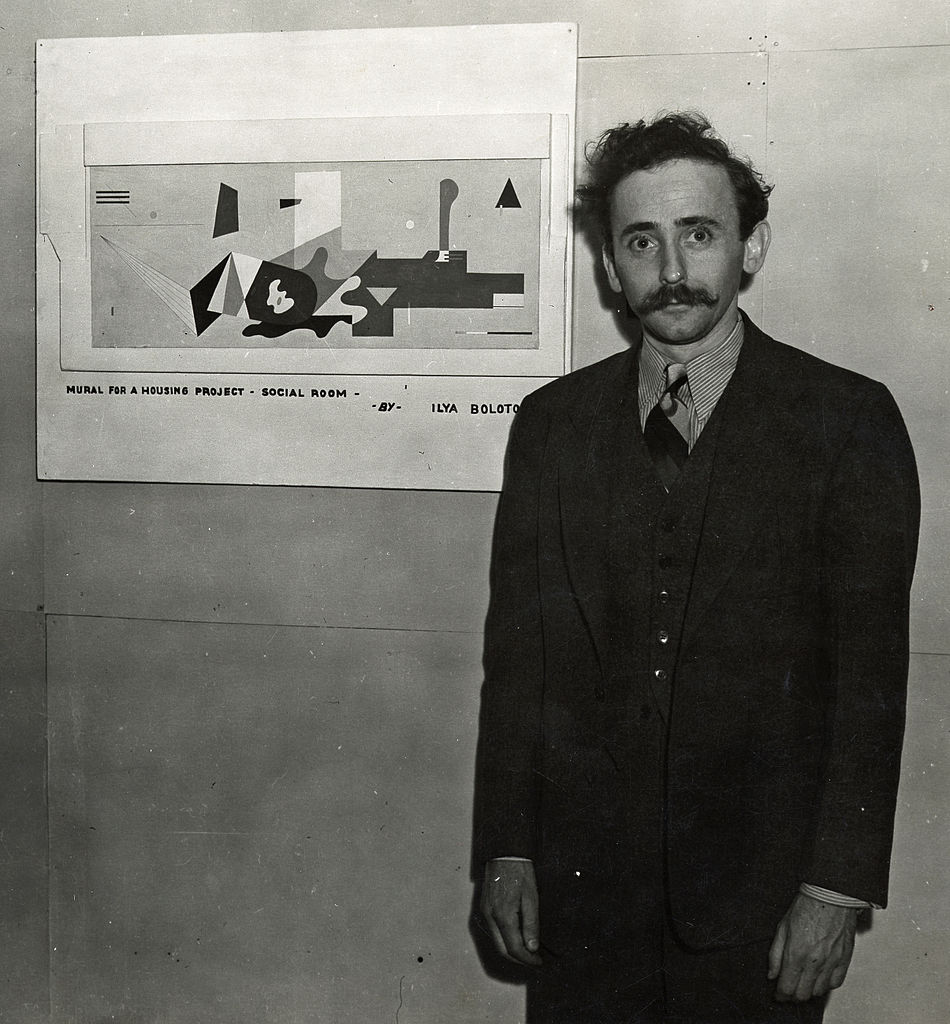
Ilia Bolotovskii (russian: Илья Юльевич Болотовский) was a Russian-born American abstractionist painter.
After spending his youth in Baku, he moved to the United States in 1923, later becoming an American citizen. Bolotovskii received his artistic education at the National Academy of Drawing in New York and while traveling in Europe. Influenced by the work of P. Mondrian began to create objectless paintings and later remained an adherent of abstractionism, was a member of the abstract-expressionist group "Ten".
In 1936 Bolotovskii created one of the first abstract monumental murals in the United States in the Williamsburg housing project in New York. That same year he co-founded the American Abstract Artists organization. In the 1960s, Bolotovskii worked in the spirit of geometric abstractionism and neo-plasticism and created canvases with images in three dimensions.
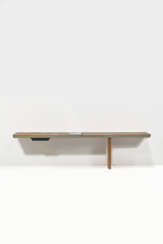

Charlotte Perriand was a French architect and designer. Her work aimed to create functional living spaces in the belief that better design helps in creating a better society. In her article "L'Art de Vivre" from 1981 she states "The extension of the art of dwelling is the art of living — living in harmony with man's deepest drives and with his adopted or fabricated environment." Charlotte liked to take her time in a space before starting the design process.
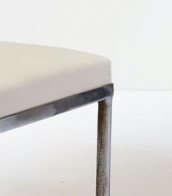


Charlotte Perriand was a French architect and designer. Her work aimed to create functional living spaces in the belief that better design helps in creating a better society. In her article "L'Art de Vivre" from 1981 she states "The extension of the art of dwelling is the art of living — living in harmony with man's deepest drives and with his adopted or fabricated environment." Charlotte liked to take her time in a space before starting the design process.


Charlotte Perriand was a French architect and designer. Her work aimed to create functional living spaces in the belief that better design helps in creating a better society. In her article "L'Art de Vivre" from 1981 she states "The extension of the art of dwelling is the art of living — living in harmony with man's deepest drives and with his adopted or fabricated environment." Charlotte liked to take her time in a space before starting the design process.
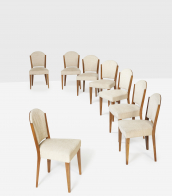


Félix Vallotton, a Swiss-born French graphic artist and painter, is recognized for his distinctive woodcuts and paintings of nudes and interiors. Vallotton's journey into art began in Paris, where he attended the Académie Julian, fostering a unique style that broke from traditional norms. His early works, characterized by extreme realism, were showcased at the Salon des Artistes Français and the Paris Universal Exposition of 1889. This period also marked Vallotton's encounter with Japanese prints, notably those by Hokusai, profoundly influencing his artistic direction.
In 1892, Vallotton joined Les Nabis, a group of avant-garde artists including Pierre Bonnard, Maurice Denis, and Édouard Vuillard, which led to a significant evolution in his style. His paintings from this era, such as "Bathers on a Summer Evening" and "Moonlight," exhibited at the Kunsthaus Zürich and the Musée d'Orsay respectively, reveal a departure from realism towards a more symbolic and abstract representation. The works from this period are characterized by flat areas of color, hard edges, and simplified details, mirroring the style he developed in his woodcuts.
Vallotton's woodcuts, like "Intimités" (Intimacies), a series published in 1898, showcased his mastery in capturing the nuances of human relationships, particularly the tensions between men and women. His graphic art, which included depictions of domestic scenes, bathing women, and street crowds, was not just celebrated in Europe but also influenced artists like Edvard Munch, Aubrey Beardsley, and Ernst Ludwig Kirchner.
Towards the end of his career, Vallotton continued to innovate, combining elements of realism and abstraction, evident in paintings like "La Malade" (The Sick Girl) and "Clair de lune" (Moonlight). His works remain a testament to his ability to merge technical precision with a poignant exploration of human emotions and societal themes.
For art collectors and experts, Vallotton's body of work offers a rich and diverse exploration of early 20th-century art movements, especially his role in the development of modern woodcut techniques and his contribution to the Nabis movement. His works are a study in the fusion of realism and symbolism, marked by a distinctive style that makes his art enduringly relevant and compelling.
For those interested in discovering more about Félix Vallotton and staying updated on related product sales and auction events, signing up for updates is a great opportunity. This subscription will exclusively alert you to new sales and events pertaining to Vallotton's works, ensuring you remain informed in the dynamic world of art and antiques.
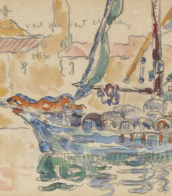


Lothar Quinte was a German painter of the avant-garde.
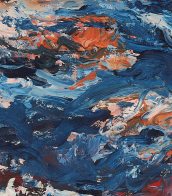
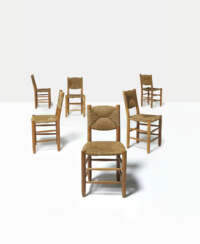

Charlotte Perriand was a French architect and designer. Her work aimed to create functional living spaces in the belief that better design helps in creating a better society. In her article "L'Art de Vivre" from 1981 she states "The extension of the art of dwelling is the art of living — living in harmony with man's deepest drives and with his adopted or fabricated environment." Charlotte liked to take her time in a space before starting the design process.


Charlotte Perriand was a French architect and designer. Her work aimed to create functional living spaces in the belief that better design helps in creating a better society. In her article "L'Art de Vivre" from 1981 she states "The extension of the art of dwelling is the art of living — living in harmony with man's deepest drives and with his adopted or fabricated environment." Charlotte liked to take her time in a space before starting the design process.


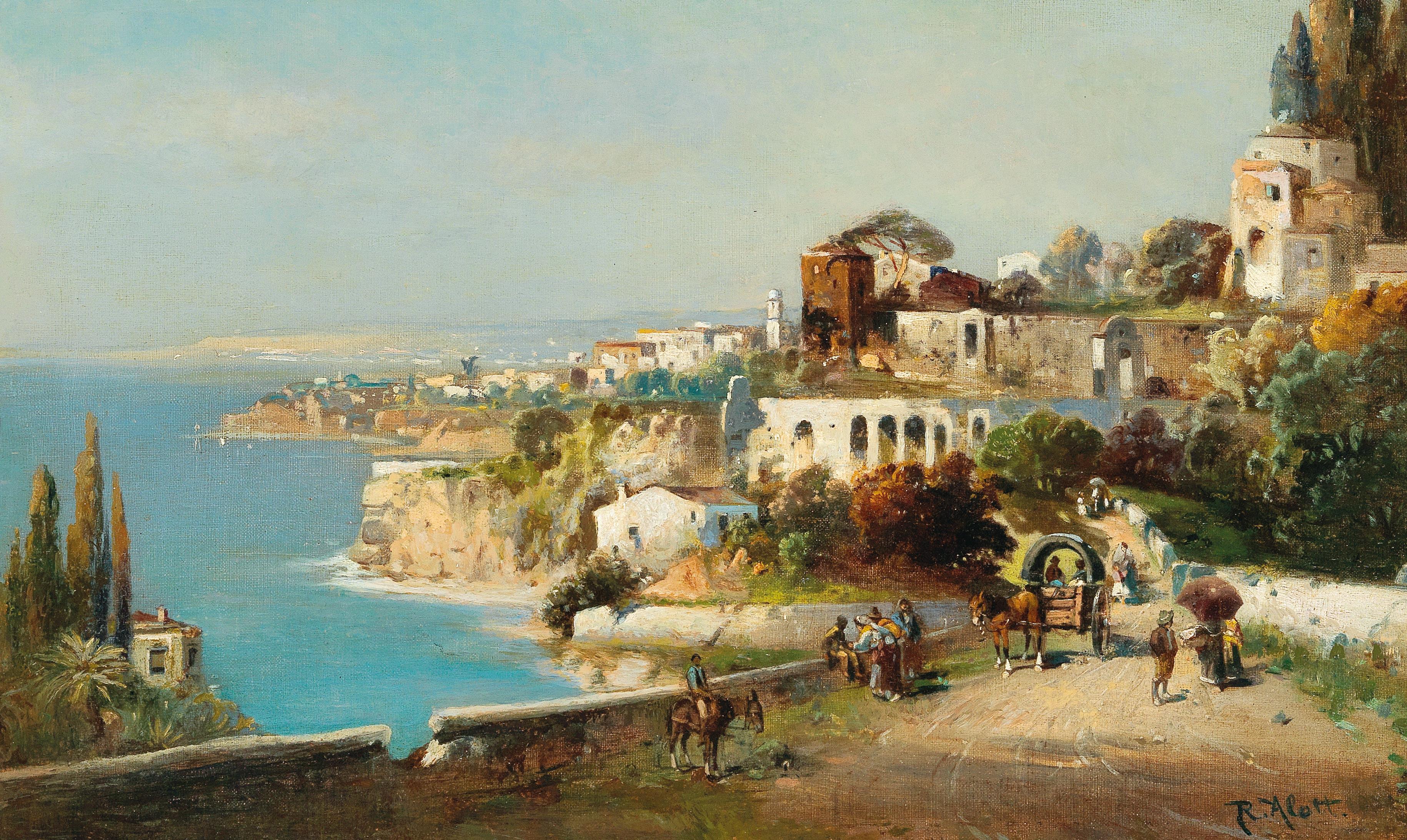
Robert Alott was an Austrian realist painter and master of the landscape genre.


Robert Alott was an Austrian realist painter and master of the landscape genre.

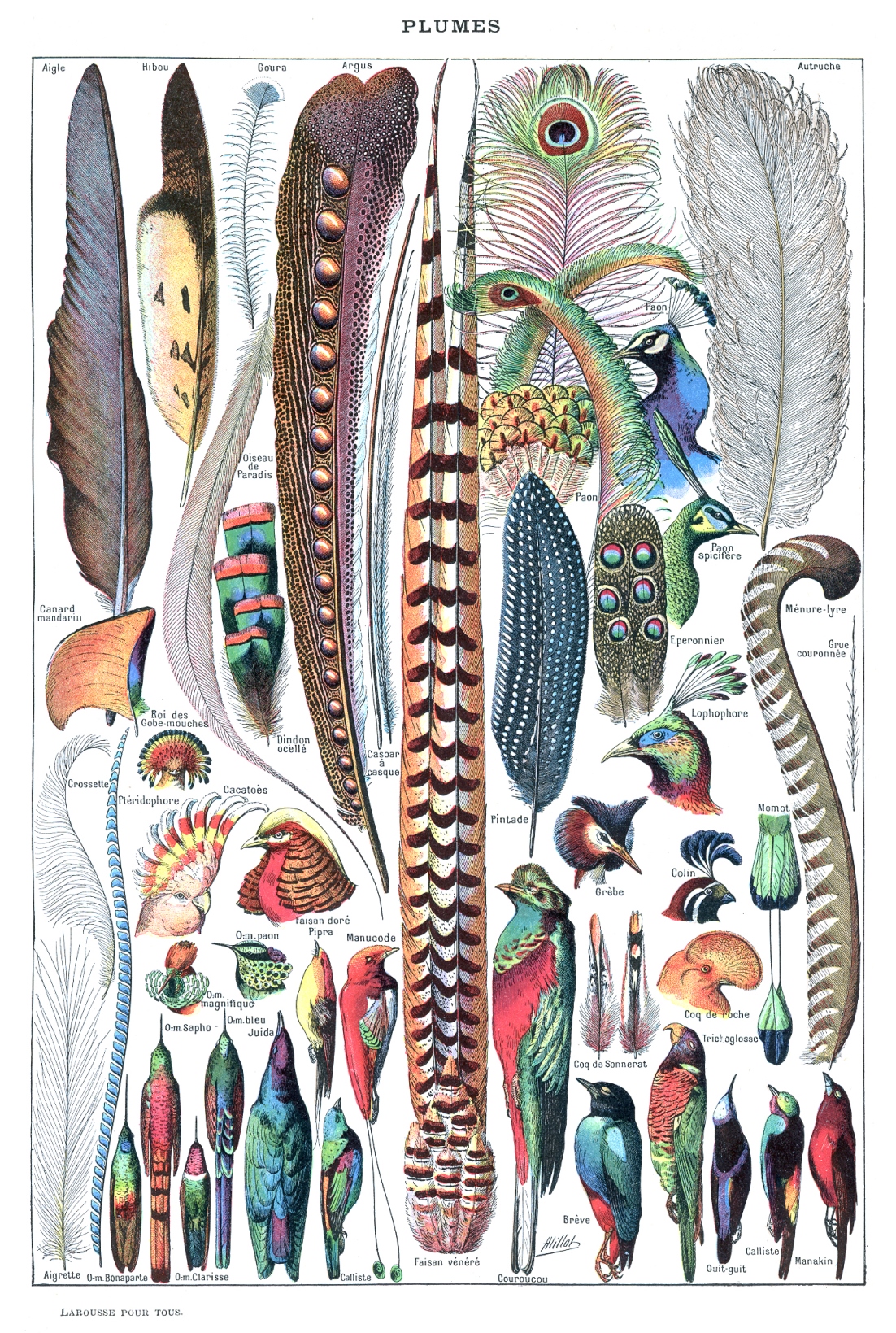
Adolphe Philippe Millot was a French painter, illustrator, lithographer, and entomologist.
Millot is known for his talented, painstaking and meticulous illustrations of many sections of natural history in the encyclopedia Petit Larus. He was also a senior illustrator for the National Museum of Natural History, a member of the Salon des Artistes de France and the Society of Entomologists of France.
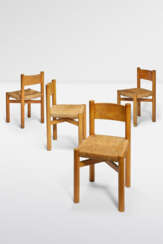

Charlotte Perriand was a French architect and designer. Her work aimed to create functional living spaces in the belief that better design helps in creating a better society. In her article "L'Art de Vivre" from 1981 she states "The extension of the art of dwelling is the art of living — living in harmony with man's deepest drives and with his adopted or fabricated environment." Charlotte liked to take her time in a space before starting the design process.
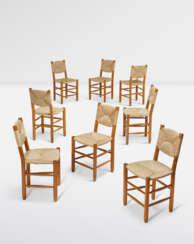

Charlotte Perriand was a French architect and designer. Her work aimed to create functional living spaces in the belief that better design helps in creating a better society. In her article "L'Art de Vivre" from 1981 she states "The extension of the art of dwelling is the art of living — living in harmony with man's deepest drives and with his adopted or fabricated environment." Charlotte liked to take her time in a space before starting the design process.
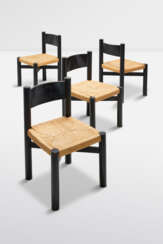

Charlotte Perriand was a French architect and designer. Her work aimed to create functional living spaces in the belief that better design helps in creating a better society. In her article "L'Art de Vivre" from 1981 she states "The extension of the art of dwelling is the art of living — living in harmony with man's deepest drives and with his adopted or fabricated environment." Charlotte liked to take her time in a space before starting the design process.


Charlotte Perriand was a French architect and designer. Her work aimed to create functional living spaces in the belief that better design helps in creating a better society. In her article "L'Art de Vivre" from 1981 she states "The extension of the art of dwelling is the art of living — living in harmony with man's deepest drives and with his adopted or fabricated environment." Charlotte liked to take her time in a space before starting the design process.