ludwig lut










































 Mecklenburg.jpg)
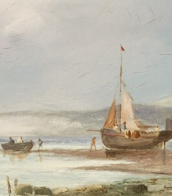
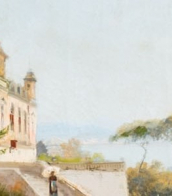
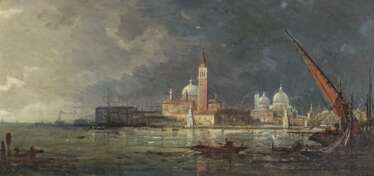
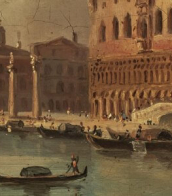
Ludwig Mecklenburg was a German landscape painter, lithographer and graphic artist. He is known for his views of Verona and Venice.


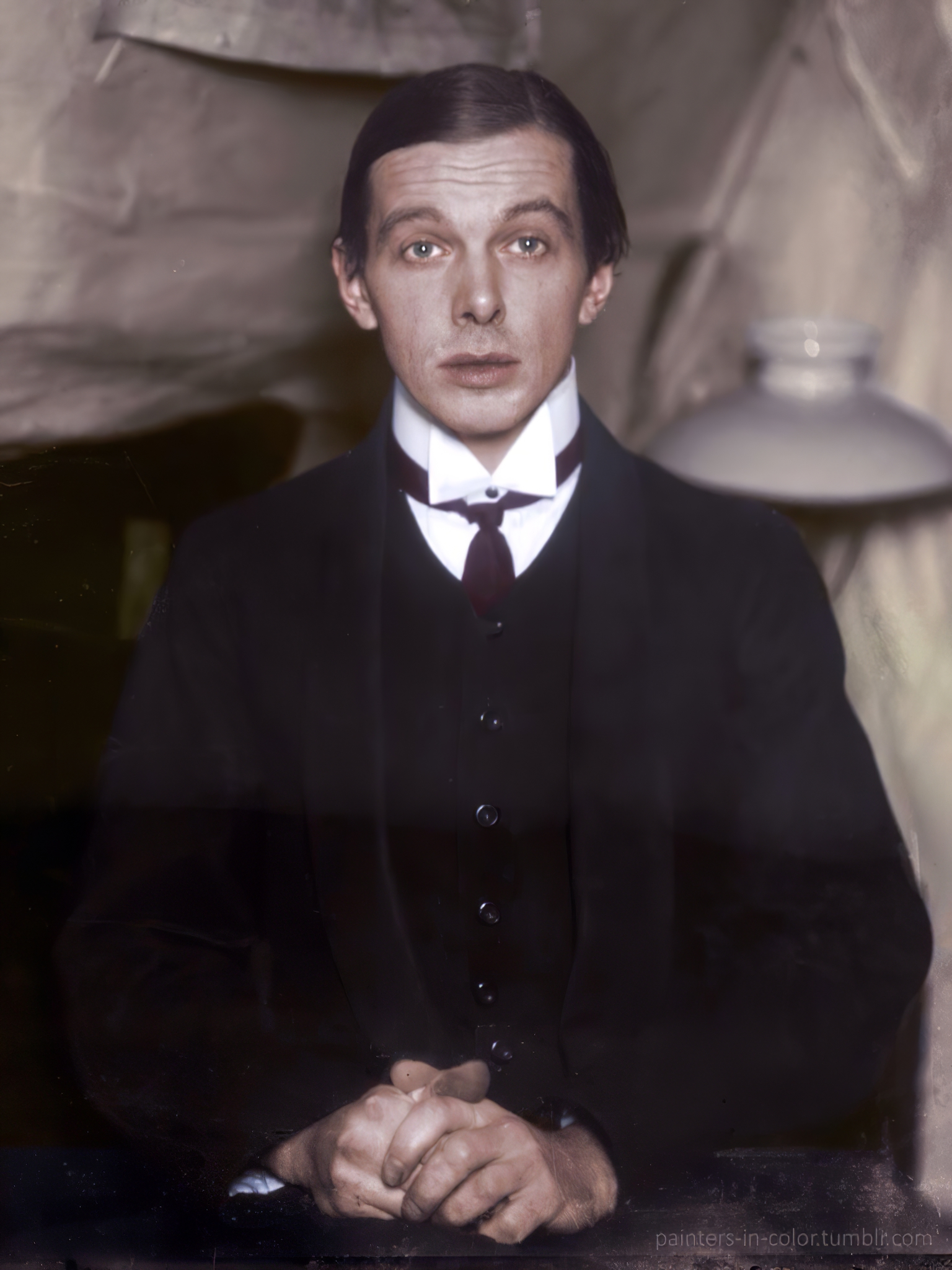
Ernst Ludwig Kirchner was a pivotal figure in the art world, known for his profound impact on 20th-century Expressionism. Born in Bavaria, Germany, on May 6, 1880, Kirchner's journey into art began with architecture studies before he found his true calling in painting and printmaking. In 1905, alongside fellow architecture students, he co-founded Die Brücke ("The Bridge"), a group that sought to revolutionize art by bridging the gap between traditional academic styles and modern artistic expression. This group was instrumental in the development of Expressionism, advocating for intense emotion conveyed through vivid colors and bold lines.
Kirchner's work, characterized by its expressive intensity and often exploring themes of urban life and the human psyche, reflects a deep engagement with the cultural and social upheavals of his time. Notably, his experiences during World War I, including a mental breakdown and subsequent discharge from military service, deeply influenced his art. Works like "Self-Portrait as a Soldier" (1915) poignantly encapsulate the personal and societal trauma of the era.
After the war, Kirchner sought solace in Davos, Switzerland, where the tranquil landscapes inspired a new direction in his work, showcasing a more serene and reflective approach. Despite his contributions to modern art, Kirchner's later years were marred by the Nazi regime's denunciation of his work as "degenerate," leading to the destruction and dispersal of many pieces. Tragically, this persecution contributed to his decision to end his life on June 15, 1938.
Kirchner's legacy is preserved through his influential body of work, from vivid urban scenes to tranquil landscapes, all marked by a distinctive, expressive style that continues to captivate art collectors and experts. His works are held in major museums worldwide, including the Museum of Modern Art in New York and the National Gallery of Art in Washington, underscoring his enduring influence on the art world.
For those interested in the profound impact of Ernst Ludwig Kirchner on modern art and Expressionism, subscribing to updates on new product sales and auction events related to his work can provide valuable insights. This subscription is an opportunity for collectors and art experts to stay informed about the availability of Kirchner's influential pieces and related events.
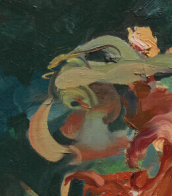


Ernst Ludwig Kirchner was a pivotal figure in the art world, known for his profound impact on 20th-century Expressionism. Born in Bavaria, Germany, on May 6, 1880, Kirchner's journey into art began with architecture studies before he found his true calling in painting and printmaking. In 1905, alongside fellow architecture students, he co-founded Die Brücke ("The Bridge"), a group that sought to revolutionize art by bridging the gap between traditional academic styles and modern artistic expression. This group was instrumental in the development of Expressionism, advocating for intense emotion conveyed through vivid colors and bold lines.
Kirchner's work, characterized by its expressive intensity and often exploring themes of urban life and the human psyche, reflects a deep engagement with the cultural and social upheavals of his time. Notably, his experiences during World War I, including a mental breakdown and subsequent discharge from military service, deeply influenced his art. Works like "Self-Portrait as a Soldier" (1915) poignantly encapsulate the personal and societal trauma of the era.
After the war, Kirchner sought solace in Davos, Switzerland, where the tranquil landscapes inspired a new direction in his work, showcasing a more serene and reflective approach. Despite his contributions to modern art, Kirchner's later years were marred by the Nazi regime's denunciation of his work as "degenerate," leading to the destruction and dispersal of many pieces. Tragically, this persecution contributed to his decision to end his life on June 15, 1938.
Kirchner's legacy is preserved through his influential body of work, from vivid urban scenes to tranquil landscapes, all marked by a distinctive, expressive style that continues to captivate art collectors and experts. His works are held in major museums worldwide, including the Museum of Modern Art in New York and the National Gallery of Art in Washington, underscoring his enduring influence on the art world.
For those interested in the profound impact of Ernst Ludwig Kirchner on modern art and Expressionism, subscribing to updates on new product sales and auction events related to his work can provide valuable insights. This subscription is an opportunity for collectors and art experts to stay informed about the availability of Kirchner's influential pieces and related events.
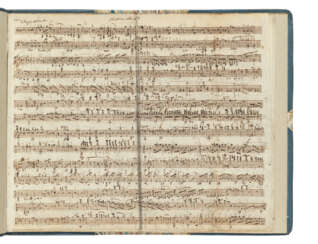

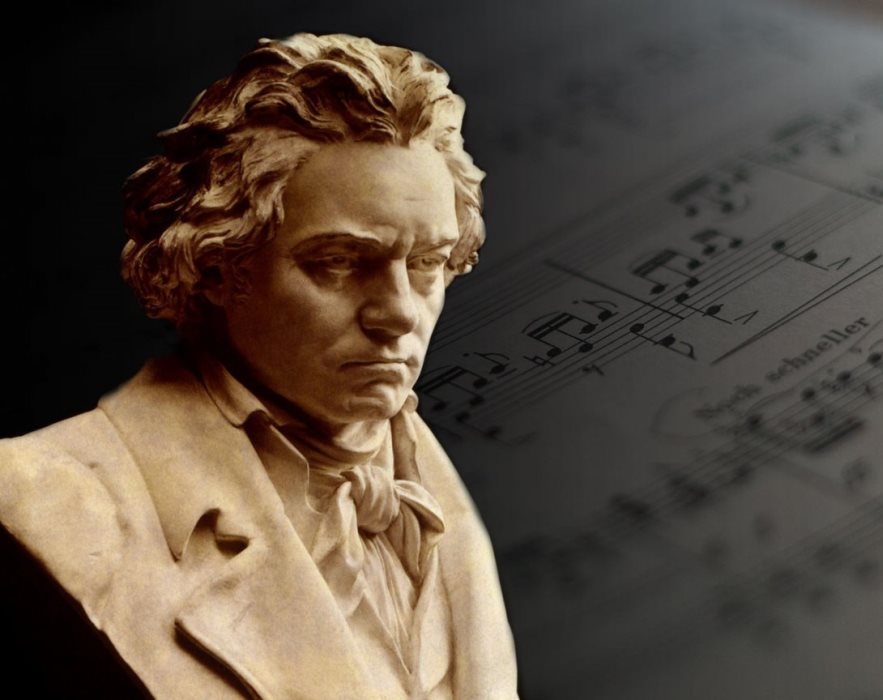
Ludwig van Beethoven was a German composer, pianist, and conductor, one of the most famous and celebrated composers in world history.
Beethoven showed an aptitude for music at a very early age; from the age of four his father began to teach him. Beethoven's early works - piano sonatas and symphonies - were composed under the strong influence of the music of the great classical composers Joseph Haydn and Wolfgang Amadeus Mozart. As Beethoven matured, however, he began to experiment with new forms and harmonic sequences, and his music became more complex and emotionally charged.
Unfortunately, at the height of his talent, Beethoven began to gradually lose his hearing, to the point of complete deafness by the end of his life. Despite this, he continued to compose and conduct, using special devices to feel the vibrations of the music.
Beethoven's work is considered pivotal in classical music and is a bridge between the classical and Romantic eras. His works vividly express a wide range of emotions, from triumph and joy to sadness and despair. Beethoven was also one of the first composers to include soloists and chorus in his symphonies. Beethoven's best-known works include nine symphonies, 32 piano sonatas, 16 string quartets and the heroic opera Fidelio. These and many other works have cemented Beethoven's place in music history as one of the greatest composers of all time. His music continues to be played and studied by musicians and music lovers around the world.
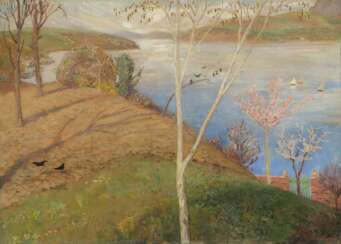

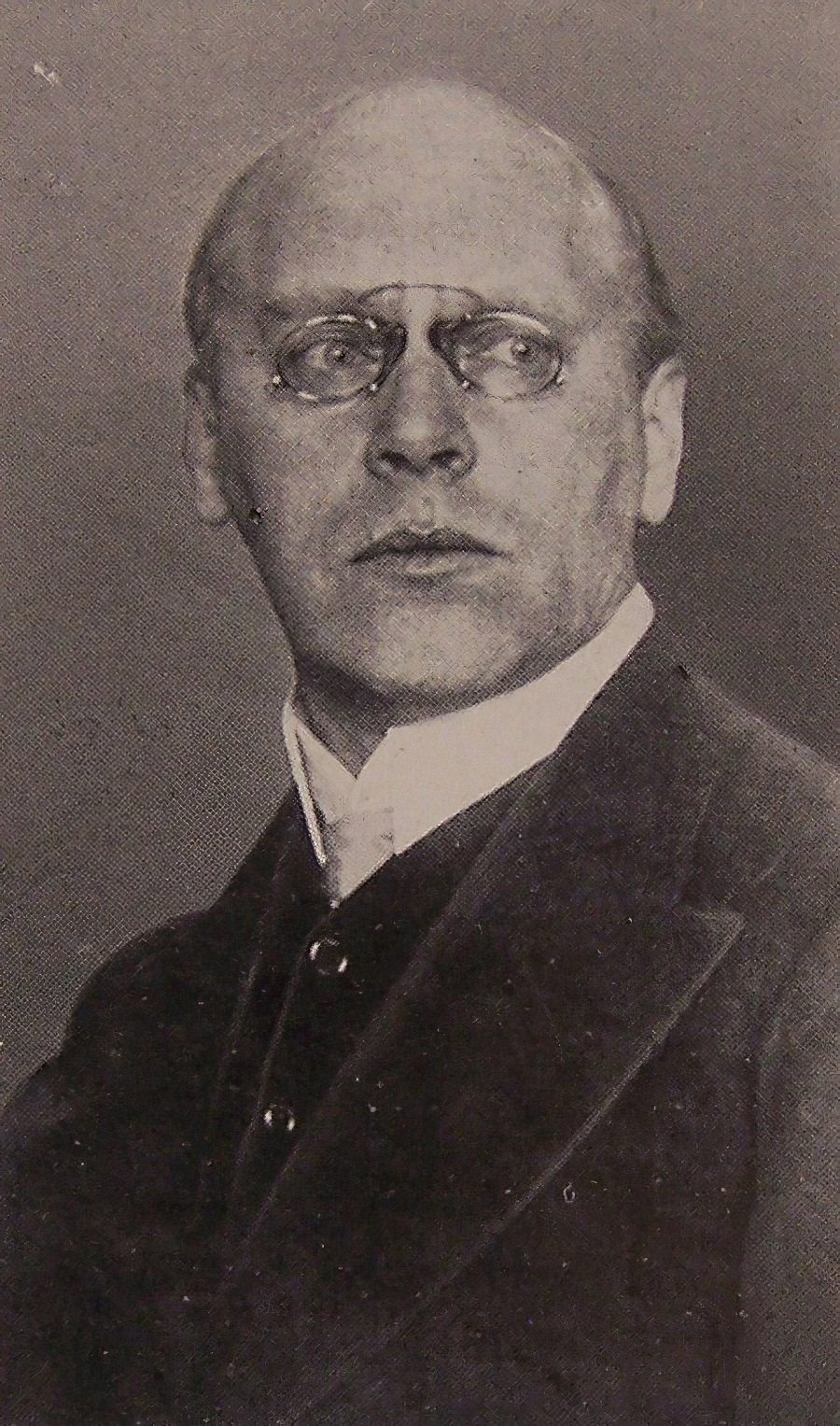
Ludwig von Hofmann is a German painter, graphic artist and designer. The influence of Historicism, Art Nouveau, Symbolism and New Realism can be felt in the works of Ludwig von Hofmann at different periods of his art.
Ludwig von Hoffmann studied painting at the academies of fine arts in Dresden, Karlsruhe and Munich. Since 1898 he was a member of the cultural movement Berlin Secession.
After the National Socialists came to power in Germany, some of his works were classified as degenerate art, but most of them continued to be exhibited in museums in Germany.
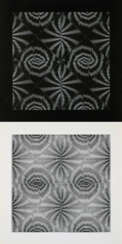

Ludwig Wilding was a German artist whose work is associated with Op art and Kinetic art.