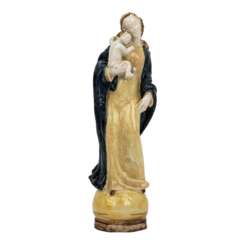
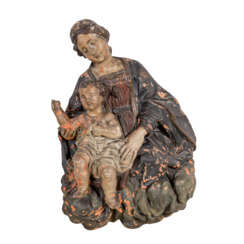
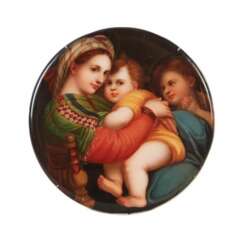
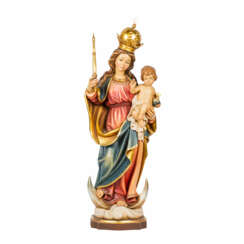
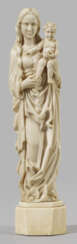
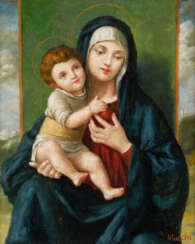
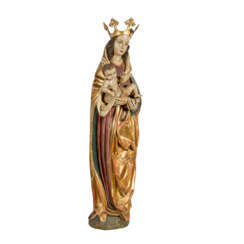
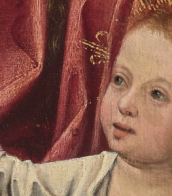
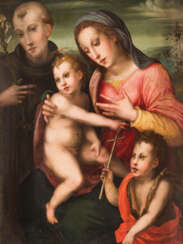
madonna child


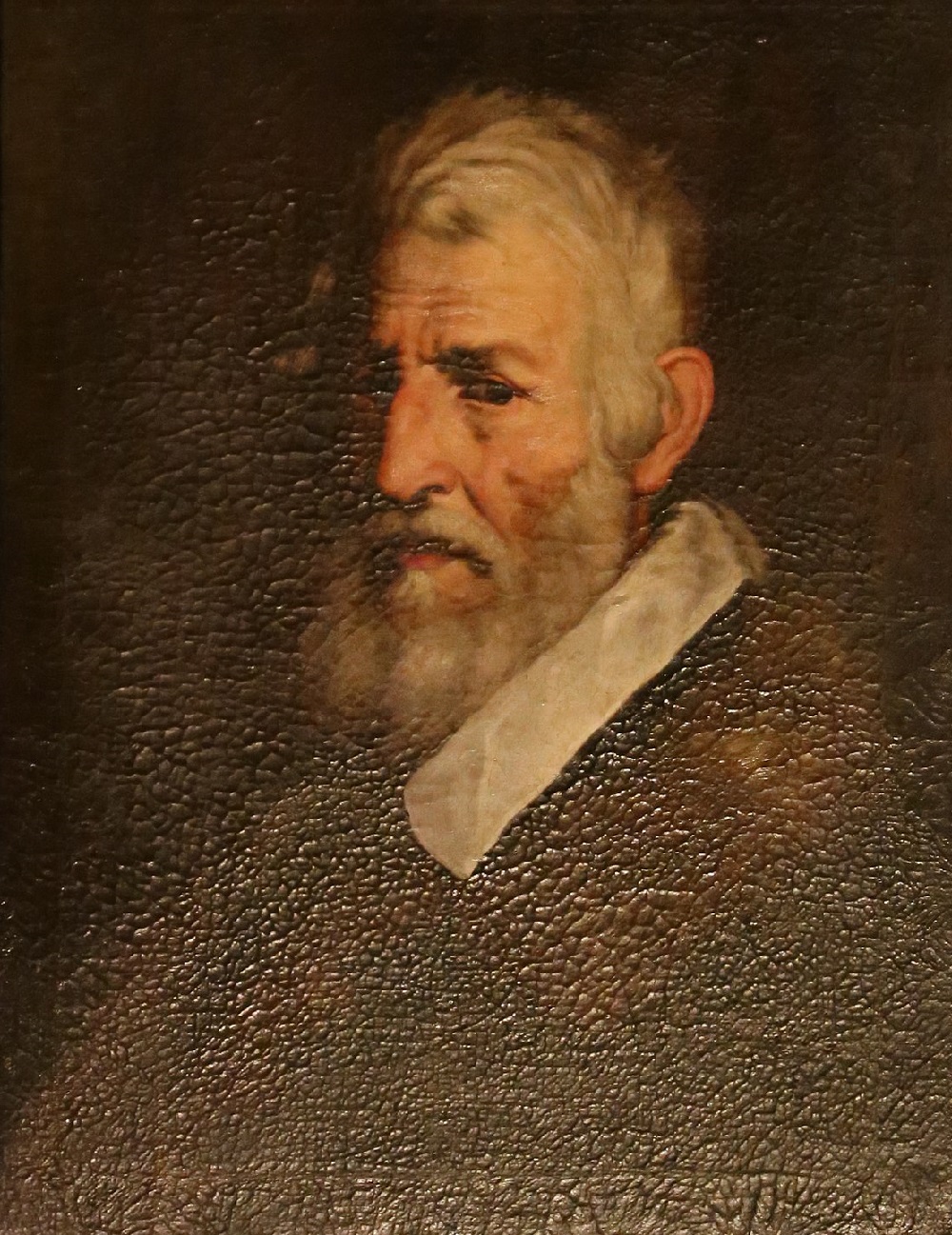
Jacopo da Empoli, real name Jacopo Chimenti, was a prominent Italian painter, a representative of Counter-Mannerism in Italian art. This movement borrowed some features of Mannerism, but resolutely returned to the realism, harmony and poise of the High Renaissance.
Jacopo da Empoli received his artistic training in the workshop of Maso da San Friano and was inspired by the works of Pontormo and Santi di Tito. He created in Florence, small towns in Tuscany and even visited Genoa.
Jacopo da Empoli created religious paintings and portraits, but an interesting feature of his work was his unique still life paintings, completely different from those of the Dutch masters of the time.







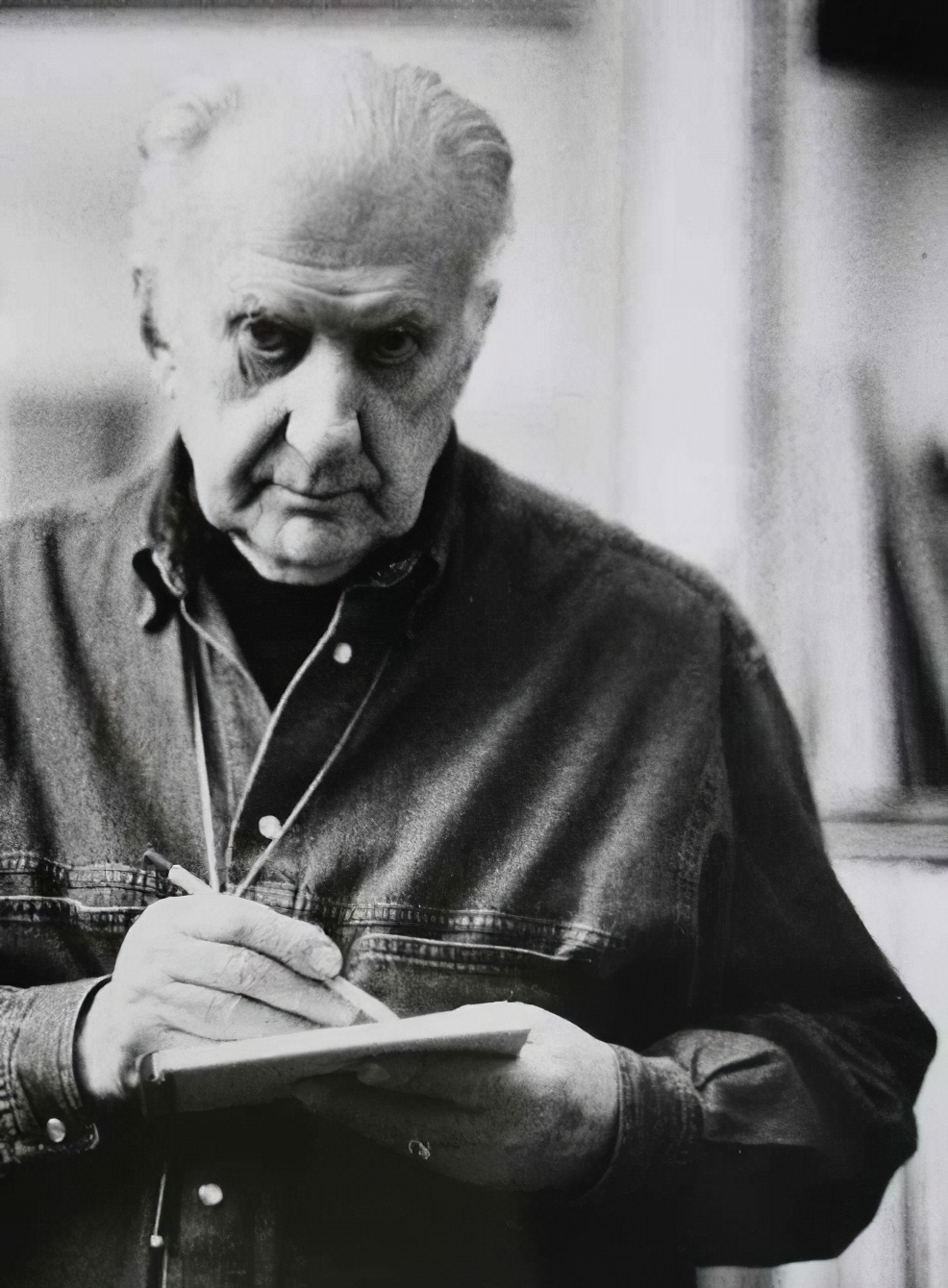
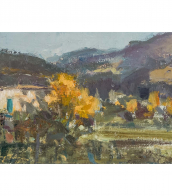
Gabriele Mucchi was an Italian painter, graphic artist and architect. He is considered a co-founder of New Realism.
Gabriele Mucci studied civil engineering and architecture at the University of Bologna. His name became known outside Italy for his impressive frescoes, and his studio became a meeting place for the anti-fascist group Corrente.
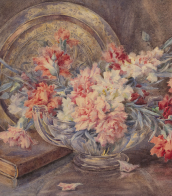


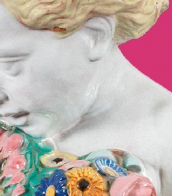



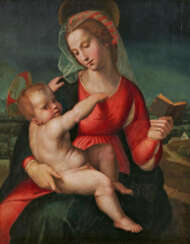













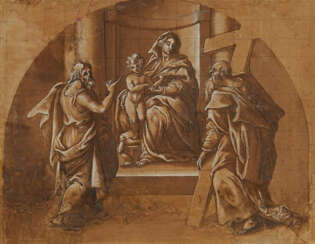



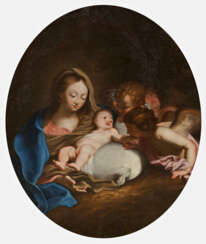

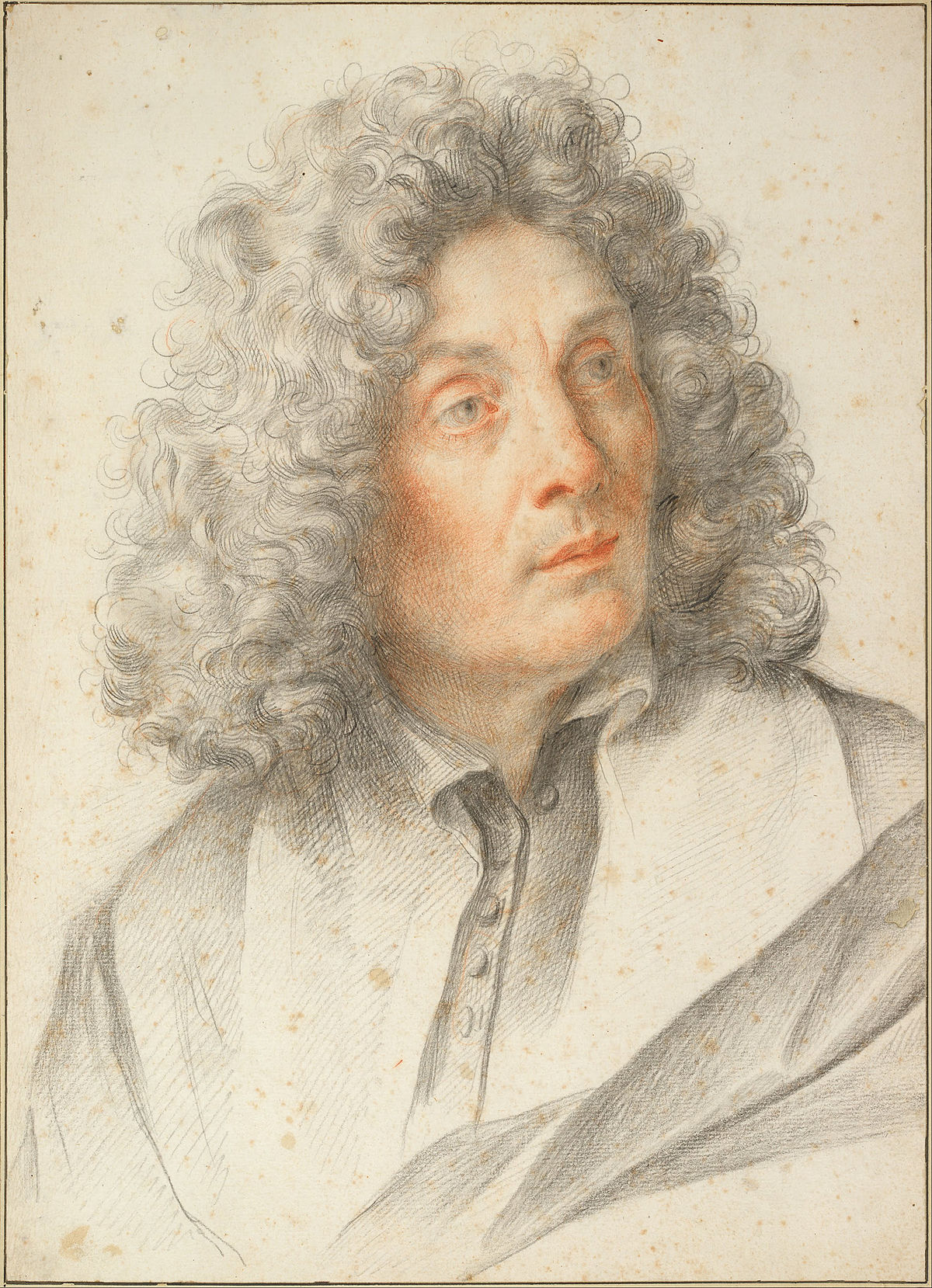
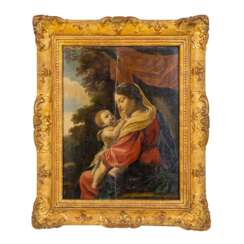
Carlo Maratta, an Italian painter, was a prominent figure in the Roman school of art during the late 17th century. Known for his classical approach to Baroque painting, Carlo Maratta's works were deeply influenced by the styles of Raphael and Andrea Sacchi, blending classical grandeur with Baroque expressivity. His training under Sacchi and subsequent exposure to Pietro da Cortona's coloristic style significantly shaped his artistic development.
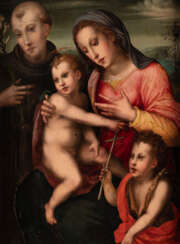
Carlo Maratta's career flourished with a series of public and official commissions, making him a leading painter in Rome, especially after Bernini's death in 1682. His portfolio includes religious paintings, altarpieces, portraits, and fresco cycles, with a notable emphasis on paintings of the Madonna and Child, which reinterpreted High Renaissance motifs. His work was highly esteemed across Europe, influencing not only Italian art but also attracting the attention of English visitors on the Grand Tour.
One of Carlo Maratta's significant contributions to the art world was his involvement in painting restoration towards the end of his career, including works by Raphael and Carracci. This phase underscored his deep connection to the classical art tradition. Maratta passed away in Rome in 1713, leaving behind a legacy that continued to be celebrated in art history.
For art enthusiasts, collectors, and experts, Carlo Maratta's work offers a window into the transition between the Baroque and the emerging Rococo style, embodying a blend of dynamism and classical restraint. His paintings, many of which remain in situ in Roman churches, offer a testament to his enduring influence on Baroque classicism.
To stay updated on exhibitions and insights into Carlo Maratta's works, art aficionados are encouraged to subscribe for updates, ensuring access to the latest research and opportunities to view his celebrated works in museums and galleries around the world.