morisot


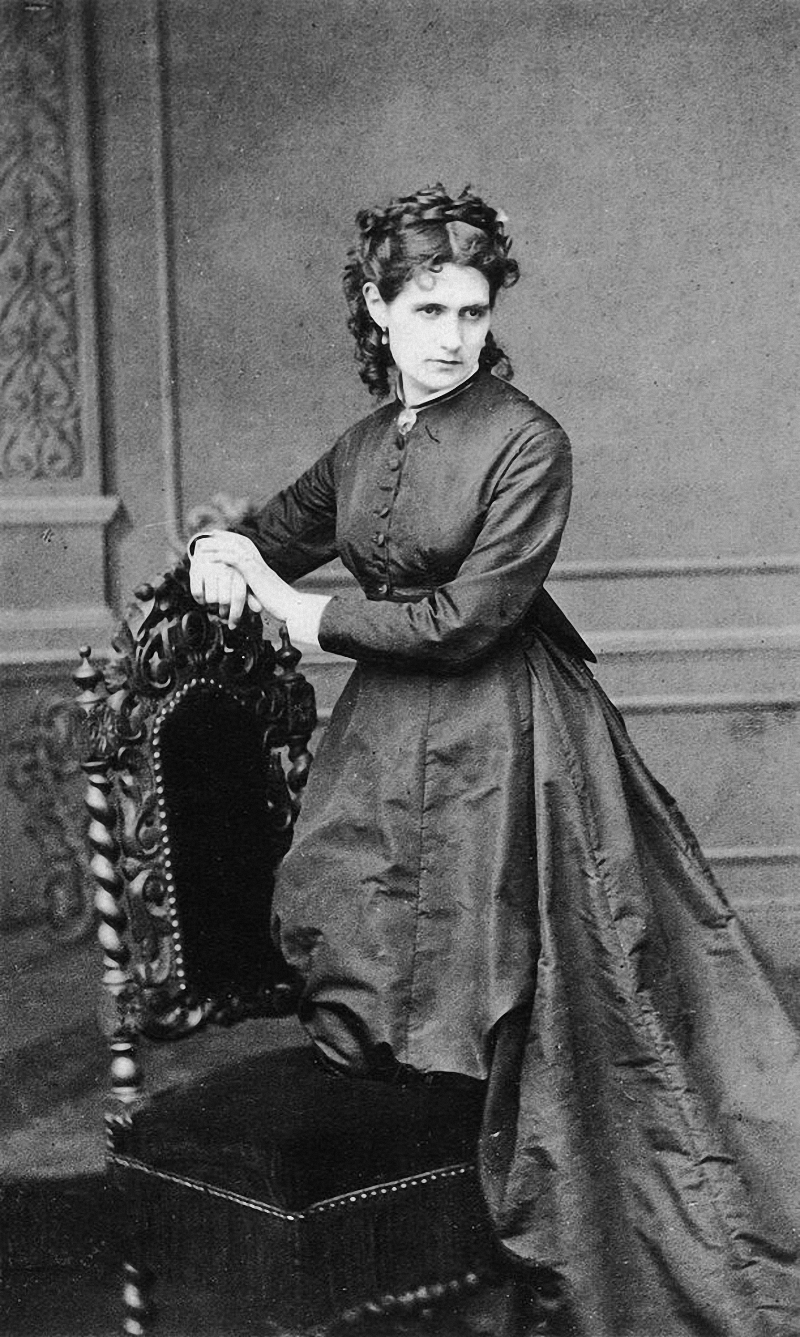
Berthe Morisot was a French painter, renowned for her pivotal role in the Impressionist movement. Born into an affluent family in 1841, Morisot's upbringing was steeped in culture, and she received a comprehensive art education alongside her sisters. Despite societal constraints, she pursued a career in art, initially exhibiting at Paris' salons before transitioning to the more avant-garde Impressionist exhibitions.
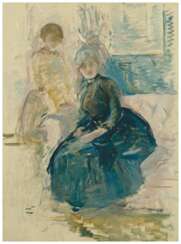
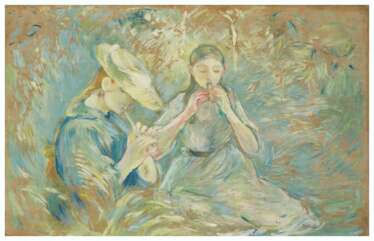
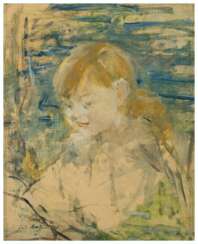
Berthe Morisot's artistry is characterized by a unique blend of color, light, and texture, embodying a distinctly "feminine" style that garnered admiration from her peers and critics alike. Her works, such as "The Cradle" and "Hanging the Laundry out to Dry," showcase her ability to capture the ephemeral qualities of everyday life with a tender and nuanced touch. Morisot's palette, dominated by pastel tones and an interplay of light, lends her paintings an ethereal quality, while her brushwork reflects a freedom and delicacy that became her signature.
Throughout her career, Berthe Morisot's evolving style reflected broader artistic trends, integrating influences from photography and Japanese prints. Yet, she remained faithful to the Impressionist ethos, capturing the transient moments of life with grace and sensitivity. Today, her works are celebrated in museums like the Musée d'Orsay, testament to her enduring influence in the realm of art and culture.
As we remember Berthe Morisot, her legacy continues to inspire art collectors and enthusiasts, reminding us of the profound impact one individual can have on the course of art history. For those captivated by Berthe Morisot's contribution to art and culture, we invite you to sign up for updates on upcoming sales and auction events featuring her works. Join us in celebrating the timeless beauty and historical significance of Morisot's artistry.
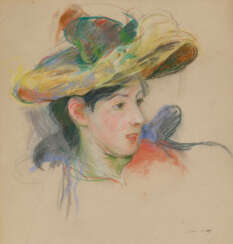

Berthe Morisot was a French painter, renowned for her pivotal role in the Impressionist movement. Born into an affluent family in 1841, Morisot's upbringing was steeped in culture, and she received a comprehensive art education alongside her sisters. Despite societal constraints, she pursued a career in art, initially exhibiting at Paris' salons before transitioning to the more avant-garde Impressionist exhibitions.
Berthe Morisot's artistry is characterized by a unique blend of color, light, and texture, embodying a distinctly "feminine" style that garnered admiration from her peers and critics alike. Her works, such as "The Cradle" and "Hanging the Laundry out to Dry," showcase her ability to capture the ephemeral qualities of everyday life with a tender and nuanced touch. Morisot's palette, dominated by pastel tones and an interplay of light, lends her paintings an ethereal quality, while her brushwork reflects a freedom and delicacy that became her signature.
Throughout her career, Berthe Morisot's evolving style reflected broader artistic trends, integrating influences from photography and Japanese prints. Yet, she remained faithful to the Impressionist ethos, capturing the transient moments of life with grace and sensitivity. Today, her works are celebrated in museums like the Musée d'Orsay, testament to her enduring influence in the realm of art and culture.
As we remember Berthe Morisot, her legacy continues to inspire art collectors and enthusiasts, reminding us of the profound impact one individual can have on the course of art history. For those captivated by Berthe Morisot's contribution to art and culture, we invite you to sign up for updates on upcoming sales and auction events featuring her works. Join us in celebrating the timeless beauty and historical significance of Morisot's artistry.


Berthe Morisot was a French painter, renowned for her pivotal role in the Impressionist movement. Born into an affluent family in 1841, Morisot's upbringing was steeped in culture, and she received a comprehensive art education alongside her sisters. Despite societal constraints, she pursued a career in art, initially exhibiting at Paris' salons before transitioning to the more avant-garde Impressionist exhibitions.
Berthe Morisot's artistry is characterized by a unique blend of color, light, and texture, embodying a distinctly "feminine" style that garnered admiration from her peers and critics alike. Her works, such as "The Cradle" and "Hanging the Laundry out to Dry," showcase her ability to capture the ephemeral qualities of everyday life with a tender and nuanced touch. Morisot's palette, dominated by pastel tones and an interplay of light, lends her paintings an ethereal quality, while her brushwork reflects a freedom and delicacy that became her signature.
Throughout her career, Berthe Morisot's evolving style reflected broader artistic trends, integrating influences from photography and Japanese prints. Yet, she remained faithful to the Impressionist ethos, capturing the transient moments of life with grace and sensitivity. Today, her works are celebrated in museums like the Musée d'Orsay, testament to her enduring influence in the realm of art and culture.
As we remember Berthe Morisot, her legacy continues to inspire art collectors and enthusiasts, reminding us of the profound impact one individual can have on the course of art history. For those captivated by Berthe Morisot's contribution to art and culture, we invite you to sign up for updates on upcoming sales and auction events featuring her works. Join us in celebrating the timeless beauty and historical significance of Morisot's artistry.


Berthe Morisot was a French painter, renowned for her pivotal role in the Impressionist movement. Born into an affluent family in 1841, Morisot's upbringing was steeped in culture, and she received a comprehensive art education alongside her sisters. Despite societal constraints, she pursued a career in art, initially exhibiting at Paris' salons before transitioning to the more avant-garde Impressionist exhibitions.
Berthe Morisot's artistry is characterized by a unique blend of color, light, and texture, embodying a distinctly "feminine" style that garnered admiration from her peers and critics alike. Her works, such as "The Cradle" and "Hanging the Laundry out to Dry," showcase her ability to capture the ephemeral qualities of everyday life with a tender and nuanced touch. Morisot's palette, dominated by pastel tones and an interplay of light, lends her paintings an ethereal quality, while her brushwork reflects a freedom and delicacy that became her signature.
Throughout her career, Berthe Morisot's evolving style reflected broader artistic trends, integrating influences from photography and Japanese prints. Yet, she remained faithful to the Impressionist ethos, capturing the transient moments of life with grace and sensitivity. Today, her works are celebrated in museums like the Musée d'Orsay, testament to her enduring influence in the realm of art and culture.
As we remember Berthe Morisot, her legacy continues to inspire art collectors and enthusiasts, reminding us of the profound impact one individual can have on the course of art history. For those captivated by Berthe Morisot's contribution to art and culture, we invite you to sign up for updates on upcoming sales and auction events featuring her works. Join us in celebrating the timeless beauty and historical significance of Morisot's artistry.

Berthe Morisot was a French painter, renowned for her pivotal role in the Impressionist movement. Born into an affluent family in 1841, Morisot's upbringing was steeped in culture, and she received a comprehensive art education alongside her sisters. Despite societal constraints, she pursued a career in art, initially exhibiting at Paris' salons before transitioning to the more avant-garde Impressionist exhibitions.
Berthe Morisot's artistry is characterized by a unique blend of color, light, and texture, embodying a distinctly "feminine" style that garnered admiration from her peers and critics alike. Her works, such as "The Cradle" and "Hanging the Laundry out to Dry," showcase her ability to capture the ephemeral qualities of everyday life with a tender and nuanced touch. Morisot's palette, dominated by pastel tones and an interplay of light, lends her paintings an ethereal quality, while her brushwork reflects a freedom and delicacy that became her signature.
Throughout her career, Berthe Morisot's evolving style reflected broader artistic trends, integrating influences from photography and Japanese prints. Yet, she remained faithful to the Impressionist ethos, capturing the transient moments of life with grace and sensitivity. Today, her works are celebrated in museums like the Musée d'Orsay, testament to her enduring influence in the realm of art and culture.
As we remember Berthe Morisot, her legacy continues to inspire art collectors and enthusiasts, reminding us of the profound impact one individual can have on the course of art history. For those captivated by Berthe Morisot's contribution to art and culture, we invite you to sign up for updates on upcoming sales and auction events featuring her works. Join us in celebrating the timeless beauty and historical significance of Morisot's artistry.

Berthe Morisot was a French painter, renowned for her pivotal role in the Impressionist movement. Born into an affluent family in 1841, Morisot's upbringing was steeped in culture, and she received a comprehensive art education alongside her sisters. Despite societal constraints, she pursued a career in art, initially exhibiting at Paris' salons before transitioning to the more avant-garde Impressionist exhibitions.
Berthe Morisot's artistry is characterized by a unique blend of color, light, and texture, embodying a distinctly "feminine" style that garnered admiration from her peers and critics alike. Her works, such as "The Cradle" and "Hanging the Laundry out to Dry," showcase her ability to capture the ephemeral qualities of everyday life with a tender and nuanced touch. Morisot's palette, dominated by pastel tones and an interplay of light, lends her paintings an ethereal quality, while her brushwork reflects a freedom and delicacy that became her signature.
Throughout her career, Berthe Morisot's evolving style reflected broader artistic trends, integrating influences from photography and Japanese prints. Yet, she remained faithful to the Impressionist ethos, capturing the transient moments of life with grace and sensitivity. Today, her works are celebrated in museums like the Musée d'Orsay, testament to her enduring influence in the realm of art and culture.
As we remember Berthe Morisot, her legacy continues to inspire art collectors and enthusiasts, reminding us of the profound impact one individual can have on the course of art history. For those captivated by Berthe Morisot's contribution to art and culture, we invite you to sign up for updates on upcoming sales and auction events featuring her works. Join us in celebrating the timeless beauty and historical significance of Morisot's artistry.

Berthe Morisot was a French painter, renowned for her pivotal role in the Impressionist movement. Born into an affluent family in 1841, Morisot's upbringing was steeped in culture, and she received a comprehensive art education alongside her sisters. Despite societal constraints, she pursued a career in art, initially exhibiting at Paris' salons before transitioning to the more avant-garde Impressionist exhibitions.
Berthe Morisot's artistry is characterized by a unique blend of color, light, and texture, embodying a distinctly "feminine" style that garnered admiration from her peers and critics alike. Her works, such as "The Cradle" and "Hanging the Laundry out to Dry," showcase her ability to capture the ephemeral qualities of everyday life with a tender and nuanced touch. Morisot's palette, dominated by pastel tones and an interplay of light, lends her paintings an ethereal quality, while her brushwork reflects a freedom and delicacy that became her signature.
Throughout her career, Berthe Morisot's evolving style reflected broader artistic trends, integrating influences from photography and Japanese prints. Yet, she remained faithful to the Impressionist ethos, capturing the transient moments of life with grace and sensitivity. Today, her works are celebrated in museums like the Musée d'Orsay, testament to her enduring influence in the realm of art and culture.
As we remember Berthe Morisot, her legacy continues to inspire art collectors and enthusiasts, reminding us of the profound impact one individual can have on the course of art history. For those captivated by Berthe Morisot's contribution to art and culture, we invite you to sign up for updates on upcoming sales and auction events featuring her works. Join us in celebrating the timeless beauty and historical significance of Morisot's artistry.


Berthe Morisot was a French painter, renowned for her pivotal role in the Impressionist movement. Born into an affluent family in 1841, Morisot's upbringing was steeped in culture, and she received a comprehensive art education alongside her sisters. Despite societal constraints, she pursued a career in art, initially exhibiting at Paris' salons before transitioning to the more avant-garde Impressionist exhibitions.
Berthe Morisot's artistry is characterized by a unique blend of color, light, and texture, embodying a distinctly "feminine" style that garnered admiration from her peers and critics alike. Her works, such as "The Cradle" and "Hanging the Laundry out to Dry," showcase her ability to capture the ephemeral qualities of everyday life with a tender and nuanced touch. Morisot's palette, dominated by pastel tones and an interplay of light, lends her paintings an ethereal quality, while her brushwork reflects a freedom and delicacy that became her signature.
Throughout her career, Berthe Morisot's evolving style reflected broader artistic trends, integrating influences from photography and Japanese prints. Yet, she remained faithful to the Impressionist ethos, capturing the transient moments of life with grace and sensitivity. Today, her works are celebrated in museums like the Musée d'Orsay, testament to her enduring influence in the realm of art and culture.
As we remember Berthe Morisot, her legacy continues to inspire art collectors and enthusiasts, reminding us of the profound impact one individual can have on the course of art history. For those captivated by Berthe Morisot's contribution to art and culture, we invite you to sign up for updates on upcoming sales and auction events featuring her works. Join us in celebrating the timeless beauty and historical significance of Morisot's artistry.


Berthe Morisot was a French painter, renowned for her pivotal role in the Impressionist movement. Born into an affluent family in 1841, Morisot's upbringing was steeped in culture, and she received a comprehensive art education alongside her sisters. Despite societal constraints, she pursued a career in art, initially exhibiting at Paris' salons before transitioning to the more avant-garde Impressionist exhibitions.
Berthe Morisot's artistry is characterized by a unique blend of color, light, and texture, embodying a distinctly "feminine" style that garnered admiration from her peers and critics alike. Her works, such as "The Cradle" and "Hanging the Laundry out to Dry," showcase her ability to capture the ephemeral qualities of everyday life with a tender and nuanced touch. Morisot's palette, dominated by pastel tones and an interplay of light, lends her paintings an ethereal quality, while her brushwork reflects a freedom and delicacy that became her signature.
Throughout her career, Berthe Morisot's evolving style reflected broader artistic trends, integrating influences from photography and Japanese prints. Yet, she remained faithful to the Impressionist ethos, capturing the transient moments of life with grace and sensitivity. Today, her works are celebrated in museums like the Musée d'Orsay, testament to her enduring influence in the realm of art and culture.
As we remember Berthe Morisot, her legacy continues to inspire art collectors and enthusiasts, reminding us of the profound impact one individual can have on the course of art history. For those captivated by Berthe Morisot's contribution to art and culture, we invite you to sign up for updates on upcoming sales and auction events featuring her works. Join us in celebrating the timeless beauty and historical significance of Morisot's artistry.

Berthe Morisot was a French painter, renowned for her pivotal role in the Impressionist movement. Born into an affluent family in 1841, Morisot's upbringing was steeped in culture, and she received a comprehensive art education alongside her sisters. Despite societal constraints, she pursued a career in art, initially exhibiting at Paris' salons before transitioning to the more avant-garde Impressionist exhibitions.
Berthe Morisot's artistry is characterized by a unique blend of color, light, and texture, embodying a distinctly "feminine" style that garnered admiration from her peers and critics alike. Her works, such as "The Cradle" and "Hanging the Laundry out to Dry," showcase her ability to capture the ephemeral qualities of everyday life with a tender and nuanced touch. Morisot's palette, dominated by pastel tones and an interplay of light, lends her paintings an ethereal quality, while her brushwork reflects a freedom and delicacy that became her signature.
Throughout her career, Berthe Morisot's evolving style reflected broader artistic trends, integrating influences from photography and Japanese prints. Yet, she remained faithful to the Impressionist ethos, capturing the transient moments of life with grace and sensitivity. Today, her works are celebrated in museums like the Musée d'Orsay, testament to her enduring influence in the realm of art and culture.
As we remember Berthe Morisot, her legacy continues to inspire art collectors and enthusiasts, reminding us of the profound impact one individual can have on the course of art history. For those captivated by Berthe Morisot's contribution to art and culture, we invite you to sign up for updates on upcoming sales and auction events featuring her works. Join us in celebrating the timeless beauty and historical significance of Morisot's artistry.


Berthe Morisot was a French painter, renowned for her pivotal role in the Impressionist movement. Born into an affluent family in 1841, Morisot's upbringing was steeped in culture, and she received a comprehensive art education alongside her sisters. Despite societal constraints, she pursued a career in art, initially exhibiting at Paris' salons before transitioning to the more avant-garde Impressionist exhibitions.
Berthe Morisot's artistry is characterized by a unique blend of color, light, and texture, embodying a distinctly "feminine" style that garnered admiration from her peers and critics alike. Her works, such as "The Cradle" and "Hanging the Laundry out to Dry," showcase her ability to capture the ephemeral qualities of everyday life with a tender and nuanced touch. Morisot's palette, dominated by pastel tones and an interplay of light, lends her paintings an ethereal quality, while her brushwork reflects a freedom and delicacy that became her signature.
Throughout her career, Berthe Morisot's evolving style reflected broader artistic trends, integrating influences from photography and Japanese prints. Yet, she remained faithful to the Impressionist ethos, capturing the transient moments of life with grace and sensitivity. Today, her works are celebrated in museums like the Musée d'Orsay, testament to her enduring influence in the realm of art and culture.
As we remember Berthe Morisot, her legacy continues to inspire art collectors and enthusiasts, reminding us of the profound impact one individual can have on the course of art history. For those captivated by Berthe Morisot's contribution to art and culture, we invite you to sign up for updates on upcoming sales and auction events featuring her works. Join us in celebrating the timeless beauty and historical significance of Morisot's artistry.
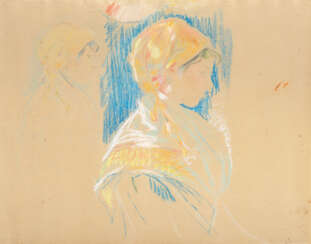

Berthe Morisot was a French painter, renowned for her pivotal role in the Impressionist movement. Born into an affluent family in 1841, Morisot's upbringing was steeped in culture, and she received a comprehensive art education alongside her sisters. Despite societal constraints, she pursued a career in art, initially exhibiting at Paris' salons before transitioning to the more avant-garde Impressionist exhibitions.
Berthe Morisot's artistry is characterized by a unique blend of color, light, and texture, embodying a distinctly "feminine" style that garnered admiration from her peers and critics alike. Her works, such as "The Cradle" and "Hanging the Laundry out to Dry," showcase her ability to capture the ephemeral qualities of everyday life with a tender and nuanced touch. Morisot's palette, dominated by pastel tones and an interplay of light, lends her paintings an ethereal quality, while her brushwork reflects a freedom and delicacy that became her signature.
Throughout her career, Berthe Morisot's evolving style reflected broader artistic trends, integrating influences from photography and Japanese prints. Yet, she remained faithful to the Impressionist ethos, capturing the transient moments of life with grace and sensitivity. Today, her works are celebrated in museums like the Musée d'Orsay, testament to her enduring influence in the realm of art and culture.
As we remember Berthe Morisot, her legacy continues to inspire art collectors and enthusiasts, reminding us of the profound impact one individual can have on the course of art history. For those captivated by Berthe Morisot's contribution to art and culture, we invite you to sign up for updates on upcoming sales and auction events featuring her works. Join us in celebrating the timeless beauty and historical significance of Morisot's artistry.


Berthe Morisot was a French painter, renowned for her pivotal role in the Impressionist movement. Born into an affluent family in 1841, Morisot's upbringing was steeped in culture, and she received a comprehensive art education alongside her sisters. Despite societal constraints, she pursued a career in art, initially exhibiting at Paris' salons before transitioning to the more avant-garde Impressionist exhibitions.
Berthe Morisot's artistry is characterized by a unique blend of color, light, and texture, embodying a distinctly "feminine" style that garnered admiration from her peers and critics alike. Her works, such as "The Cradle" and "Hanging the Laundry out to Dry," showcase her ability to capture the ephemeral qualities of everyday life with a tender and nuanced touch. Morisot's palette, dominated by pastel tones and an interplay of light, lends her paintings an ethereal quality, while her brushwork reflects a freedom and delicacy that became her signature.
Throughout her career, Berthe Morisot's evolving style reflected broader artistic trends, integrating influences from photography and Japanese prints. Yet, she remained faithful to the Impressionist ethos, capturing the transient moments of life with grace and sensitivity. Today, her works are celebrated in museums like the Musée d'Orsay, testament to her enduring influence in the realm of art and culture.
As we remember Berthe Morisot, her legacy continues to inspire art collectors and enthusiasts, reminding us of the profound impact one individual can have on the course of art history. For those captivated by Berthe Morisot's contribution to art and culture, we invite you to sign up for updates on upcoming sales and auction events featuring her works. Join us in celebrating the timeless beauty and historical significance of Morisot's artistry.
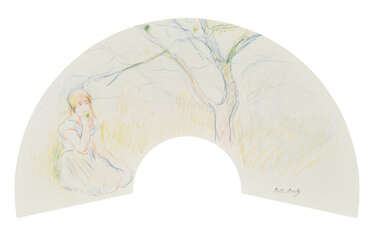

Berthe Morisot was a French painter, renowned for her pivotal role in the Impressionist movement. Born into an affluent family in 1841, Morisot's upbringing was steeped in culture, and she received a comprehensive art education alongside her sisters. Despite societal constraints, she pursued a career in art, initially exhibiting at Paris' salons before transitioning to the more avant-garde Impressionist exhibitions.
Berthe Morisot's artistry is characterized by a unique blend of color, light, and texture, embodying a distinctly "feminine" style that garnered admiration from her peers and critics alike. Her works, such as "The Cradle" and "Hanging the Laundry out to Dry," showcase her ability to capture the ephemeral qualities of everyday life with a tender and nuanced touch. Morisot's palette, dominated by pastel tones and an interplay of light, lends her paintings an ethereal quality, while her brushwork reflects a freedom and delicacy that became her signature.
Throughout her career, Berthe Morisot's evolving style reflected broader artistic trends, integrating influences from photography and Japanese prints. Yet, she remained faithful to the Impressionist ethos, capturing the transient moments of life with grace and sensitivity. Today, her works are celebrated in museums like the Musée d'Orsay, testament to her enduring influence in the realm of art and culture.
As we remember Berthe Morisot, her legacy continues to inspire art collectors and enthusiasts, reminding us of the profound impact one individual can have on the course of art history. For those captivated by Berthe Morisot's contribution to art and culture, we invite you to sign up for updates on upcoming sales and auction events featuring her works. Join us in celebrating the timeless beauty and historical significance of Morisot's artistry.


Berthe Morisot was a French painter, renowned for her pivotal role in the Impressionist movement. Born into an affluent family in 1841, Morisot's upbringing was steeped in culture, and she received a comprehensive art education alongside her sisters. Despite societal constraints, she pursued a career in art, initially exhibiting at Paris' salons before transitioning to the more avant-garde Impressionist exhibitions.
Berthe Morisot's artistry is characterized by a unique blend of color, light, and texture, embodying a distinctly "feminine" style that garnered admiration from her peers and critics alike. Her works, such as "The Cradle" and "Hanging the Laundry out to Dry," showcase her ability to capture the ephemeral qualities of everyday life with a tender and nuanced touch. Morisot's palette, dominated by pastel tones and an interplay of light, lends her paintings an ethereal quality, while her brushwork reflects a freedom and delicacy that became her signature.
Throughout her career, Berthe Morisot's evolving style reflected broader artistic trends, integrating influences from photography and Japanese prints. Yet, she remained faithful to the Impressionist ethos, capturing the transient moments of life with grace and sensitivity. Today, her works are celebrated in museums like the Musée d'Orsay, testament to her enduring influence in the realm of art and culture.
As we remember Berthe Morisot, her legacy continues to inspire art collectors and enthusiasts, reminding us of the profound impact one individual can have on the course of art history. For those captivated by Berthe Morisot's contribution to art and culture, we invite you to sign up for updates on upcoming sales and auction events featuring her works. Join us in celebrating the timeless beauty and historical significance of Morisot's artistry.
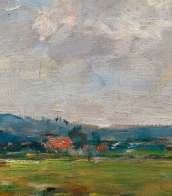


Berthe Morisot was a French painter, renowned for her pivotal role in the Impressionist movement. Born into an affluent family in 1841, Morisot's upbringing was steeped in culture, and she received a comprehensive art education alongside her sisters. Despite societal constraints, she pursued a career in art, initially exhibiting at Paris' salons before transitioning to the more avant-garde Impressionist exhibitions.
Berthe Morisot's artistry is characterized by a unique blend of color, light, and texture, embodying a distinctly "feminine" style that garnered admiration from her peers and critics alike. Her works, such as "The Cradle" and "Hanging the Laundry out to Dry," showcase her ability to capture the ephemeral qualities of everyday life with a tender and nuanced touch. Morisot's palette, dominated by pastel tones and an interplay of light, lends her paintings an ethereal quality, while her brushwork reflects a freedom and delicacy that became her signature.
Throughout her career, Berthe Morisot's evolving style reflected broader artistic trends, integrating influences from photography and Japanese prints. Yet, she remained faithful to the Impressionist ethos, capturing the transient moments of life with grace and sensitivity. Today, her works are celebrated in museums like the Musée d'Orsay, testament to her enduring influence in the realm of art and culture.
As we remember Berthe Morisot, her legacy continues to inspire art collectors and enthusiasts, reminding us of the profound impact one individual can have on the course of art history. For those captivated by Berthe Morisot's contribution to art and culture, we invite you to sign up for updates on upcoming sales and auction events featuring her works. Join us in celebrating the timeless beauty and historical significance of Morisot's artistry.


Berthe Morisot was a French painter, renowned for her pivotal role in the Impressionist movement. Born into an affluent family in 1841, Morisot's upbringing was steeped in culture, and she received a comprehensive art education alongside her sisters. Despite societal constraints, she pursued a career in art, initially exhibiting at Paris' salons before transitioning to the more avant-garde Impressionist exhibitions.
Berthe Morisot's artistry is characterized by a unique blend of color, light, and texture, embodying a distinctly "feminine" style that garnered admiration from her peers and critics alike. Her works, such as "The Cradle" and "Hanging the Laundry out to Dry," showcase her ability to capture the ephemeral qualities of everyday life with a tender and nuanced touch. Morisot's palette, dominated by pastel tones and an interplay of light, lends her paintings an ethereal quality, while her brushwork reflects a freedom and delicacy that became her signature.
Throughout her career, Berthe Morisot's evolving style reflected broader artistic trends, integrating influences from photography and Japanese prints. Yet, she remained faithful to the Impressionist ethos, capturing the transient moments of life with grace and sensitivity. Today, her works are celebrated in museums like the Musée d'Orsay, testament to her enduring influence in the realm of art and culture.
As we remember Berthe Morisot, her legacy continues to inspire art collectors and enthusiasts, reminding us of the profound impact one individual can have on the course of art history. For those captivated by Berthe Morisot's contribution to art and culture, we invite you to sign up for updates on upcoming sales and auction events featuring her works. Join us in celebrating the timeless beauty and historical significance of Morisot's artistry.
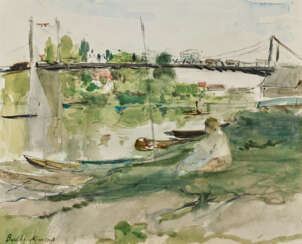

Berthe Morisot was a French painter, renowned for her pivotal role in the Impressionist movement. Born into an affluent family in 1841, Morisot's upbringing was steeped in culture, and she received a comprehensive art education alongside her sisters. Despite societal constraints, she pursued a career in art, initially exhibiting at Paris' salons before transitioning to the more avant-garde Impressionist exhibitions.
Berthe Morisot's artistry is characterized by a unique blend of color, light, and texture, embodying a distinctly "feminine" style that garnered admiration from her peers and critics alike. Her works, such as "The Cradle" and "Hanging the Laundry out to Dry," showcase her ability to capture the ephemeral qualities of everyday life with a tender and nuanced touch. Morisot's palette, dominated by pastel tones and an interplay of light, lends her paintings an ethereal quality, while her brushwork reflects a freedom and delicacy that became her signature.
Throughout her career, Berthe Morisot's evolving style reflected broader artistic trends, integrating influences from photography and Japanese prints. Yet, she remained faithful to the Impressionist ethos, capturing the transient moments of life with grace and sensitivity. Today, her works are celebrated in museums like the Musée d'Orsay, testament to her enduring influence in the realm of art and culture.
As we remember Berthe Morisot, her legacy continues to inspire art collectors and enthusiasts, reminding us of the profound impact one individual can have on the course of art history. For those captivated by Berthe Morisot's contribution to art and culture, we invite you to sign up for updates on upcoming sales and auction events featuring her works. Join us in celebrating the timeless beauty and historical significance of Morisot's artistry.
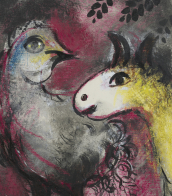


Berthe Morisot was a French painter, renowned for her pivotal role in the Impressionist movement. Born into an affluent family in 1841, Morisot's upbringing was steeped in culture, and she received a comprehensive art education alongside her sisters. Despite societal constraints, she pursued a career in art, initially exhibiting at Paris' salons before transitioning to the more avant-garde Impressionist exhibitions.
Berthe Morisot's artistry is characterized by a unique blend of color, light, and texture, embodying a distinctly "feminine" style that garnered admiration from her peers and critics alike. Her works, such as "The Cradle" and "Hanging the Laundry out to Dry," showcase her ability to capture the ephemeral qualities of everyday life with a tender and nuanced touch. Morisot's palette, dominated by pastel tones and an interplay of light, lends her paintings an ethereal quality, while her brushwork reflects a freedom and delicacy that became her signature.
Throughout her career, Berthe Morisot's evolving style reflected broader artistic trends, integrating influences from photography and Japanese prints. Yet, she remained faithful to the Impressionist ethos, capturing the transient moments of life with grace and sensitivity. Today, her works are celebrated in museums like the Musée d'Orsay, testament to her enduring influence in the realm of art and culture.
As we remember Berthe Morisot, her legacy continues to inspire art collectors and enthusiasts, reminding us of the profound impact one individual can have on the course of art history. For those captivated by Berthe Morisot's contribution to art and culture, we invite you to sign up for updates on upcoming sales and auction events featuring her works. Join us in celebrating the timeless beauty and historical significance of Morisot's artistry.


Berthe Morisot was a French painter, renowned for her pivotal role in the Impressionist movement. Born into an affluent family in 1841, Morisot's upbringing was steeped in culture, and she received a comprehensive art education alongside her sisters. Despite societal constraints, she pursued a career in art, initially exhibiting at Paris' salons before transitioning to the more avant-garde Impressionist exhibitions.
Berthe Morisot's artistry is characterized by a unique blend of color, light, and texture, embodying a distinctly "feminine" style that garnered admiration from her peers and critics alike. Her works, such as "The Cradle" and "Hanging the Laundry out to Dry," showcase her ability to capture the ephemeral qualities of everyday life with a tender and nuanced touch. Morisot's palette, dominated by pastel tones and an interplay of light, lends her paintings an ethereal quality, while her brushwork reflects a freedom and delicacy that became her signature.
Throughout her career, Berthe Morisot's evolving style reflected broader artistic trends, integrating influences from photography and Japanese prints. Yet, she remained faithful to the Impressionist ethos, capturing the transient moments of life with grace and sensitivity. Today, her works are celebrated in museums like the Musée d'Orsay, testament to her enduring influence in the realm of art and culture.
As we remember Berthe Morisot, her legacy continues to inspire art collectors and enthusiasts, reminding us of the profound impact one individual can have on the course of art history. For those captivated by Berthe Morisot's contribution to art and culture, we invite you to sign up for updates on upcoming sales and auction events featuring her works. Join us in celebrating the timeless beauty and historical significance of Morisot's artistry.
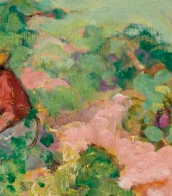
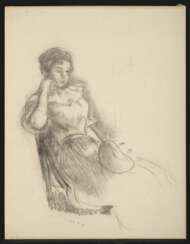

Berthe Morisot was a French painter, renowned for her pivotal role in the Impressionist movement. Born into an affluent family in 1841, Morisot's upbringing was steeped in culture, and she received a comprehensive art education alongside her sisters. Despite societal constraints, she pursued a career in art, initially exhibiting at Paris' salons before transitioning to the more avant-garde Impressionist exhibitions.
Berthe Morisot's artistry is characterized by a unique blend of color, light, and texture, embodying a distinctly "feminine" style that garnered admiration from her peers and critics alike. Her works, such as "The Cradle" and "Hanging the Laundry out to Dry," showcase her ability to capture the ephemeral qualities of everyday life with a tender and nuanced touch. Morisot's palette, dominated by pastel tones and an interplay of light, lends her paintings an ethereal quality, while her brushwork reflects a freedom and delicacy that became her signature.
Throughout her career, Berthe Morisot's evolving style reflected broader artistic trends, integrating influences from photography and Japanese prints. Yet, she remained faithful to the Impressionist ethos, capturing the transient moments of life with grace and sensitivity. Today, her works are celebrated in museums like the Musée d'Orsay, testament to her enduring influence in the realm of art and culture.
As we remember Berthe Morisot, her legacy continues to inspire art collectors and enthusiasts, reminding us of the profound impact one individual can have on the course of art history. For those captivated by Berthe Morisot's contribution to art and culture, we invite you to sign up for updates on upcoming sales and auction events featuring her works. Join us in celebrating the timeless beauty and historical significance of Morisot's artistry.

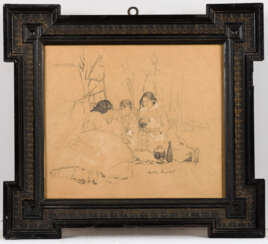




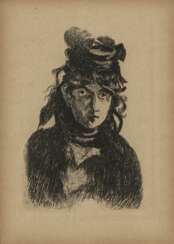


Édouard Manet, a French modernist painter born in 1832, was one of the pioneering artists of the 19th century who ventured into painting modern life, marking a significant transition from Realism to Impressionism. His notable works, such as "The Luncheon on the Grass" and "Olympia," both created in the early 1860s, were radical for their time and sparked controversy for their unconventional subject matter and depiction of modern life. These pieces, among others, have been recognized as milestones in the development of modern art.
Manet's background was one of privilege and connection, coming from an upper-class family with strong political ties. Despite expectations for him to pursue a career in law or the navy, Manet was drawn to painting from a young age, influenced by his uncle and the works of Old Masters like Diego Velázquez and Francisco José de Goya during his visits to the Louvre. His early rejection from the naval academy led him to fully commit to an art education under Thomas Couture, where he developed his unique style characterized by loose brush strokes and a focus on contemporary subjects over traditional historical, religious, or mythological themes.
Throughout his career, Manet's work was often met with criticism for its apparent disregard for traditional painting techniques and its bold choice of subject matter. Despite this, his exhibitions, including a self-organized one across from the Exposition Universelle in 1867, gradually gained the recognition and support of fellow artists and critics. His relationships with contemporaries like Émile Zola, Edgar Degas, and Claude Monet were crucial in his development and in establishing his legacy as a forerunner to the Impressionist movement, despite never formally joining their exhibitions.
Manet's influence on modern art cannot be overstated. His works are housed in prestigious museums worldwide, including the Musée d'Orsay in Paris, which holds "The Luncheon on the Grass," a testament to his enduring impact on the art world. Manet's ability to capture the essence of modern life, combined with his innovative techniques, positioned him as a central figure in the transition towards modern artistic expressions.
For collectors and experts in art and antiques, Manet's work represents not just the innovation of the 19th century but also the enduring appeal of an artist who dared to challenge the status quo. His paintings are not just artifacts of their time but also serve as a bridge between traditional and modern art, offering insight into the evolution of artistic expression.
To stay informed about new product sales, auction events, and updates related to Édouard Manet, signing up for updates can be a valuable resource for enthusiasts looking to deepen their understanding of this pivotal artist's contributions to the world of art.