my family pies
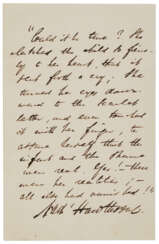

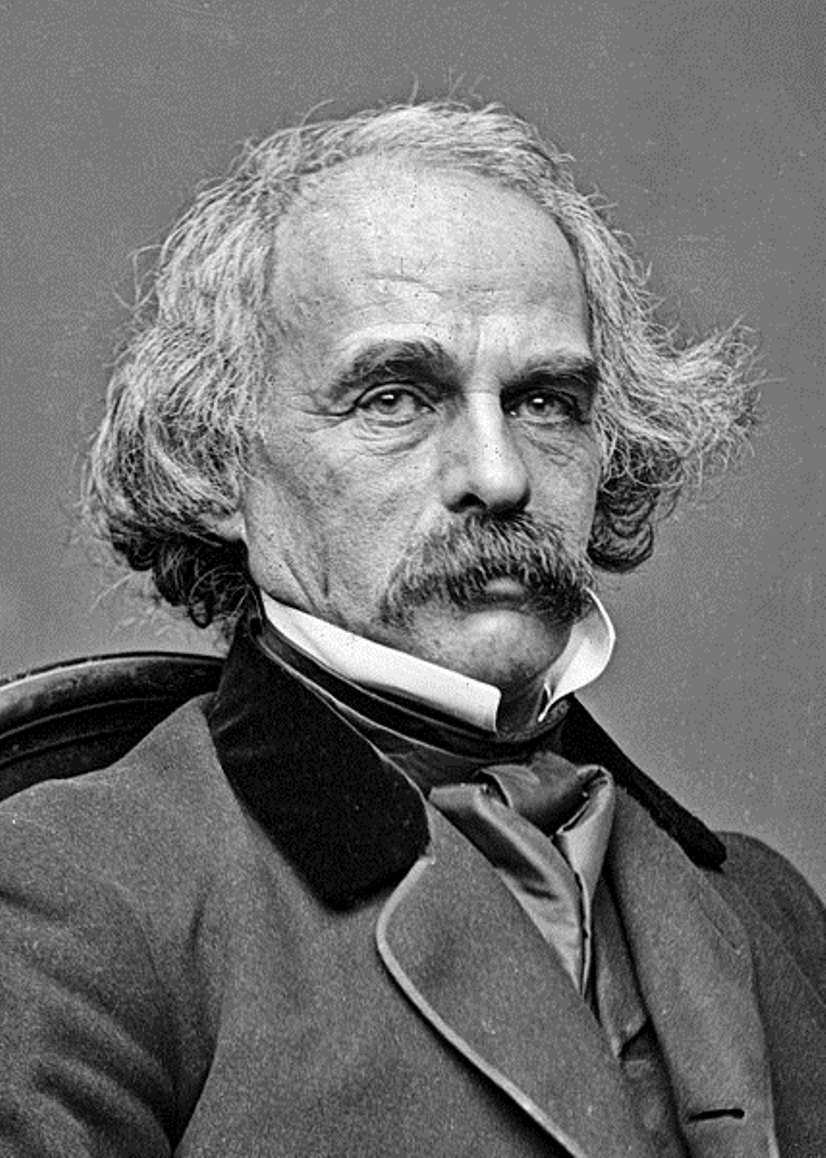
Nathaniel Hawthorne is an American writer and author.
Hawthorne is a recognized short story writer and a master of allegorical and symbolic narrative. One of the first fiction writers in American literature, he is best known for his works The Scarlet Letter (1850) and The House of Seven Gables (1851). Hawthorne's artistic works are considered part of the American Romantic movement and, in particular, of so-called dark Romanticism, a popular mid-19th-century fascination with the irrational, the demonic, and the grotesque.


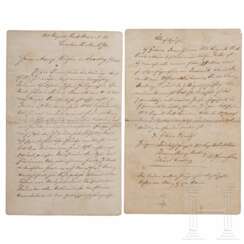

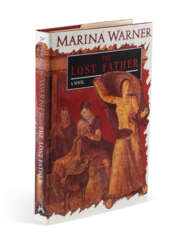


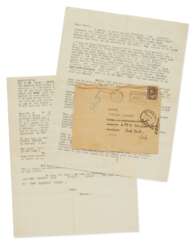













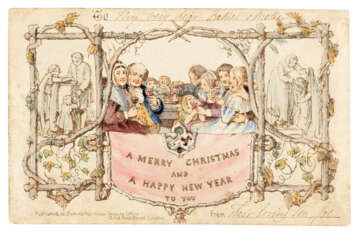



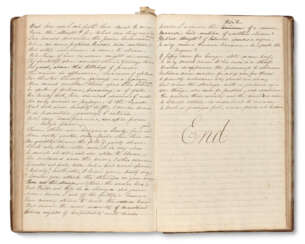




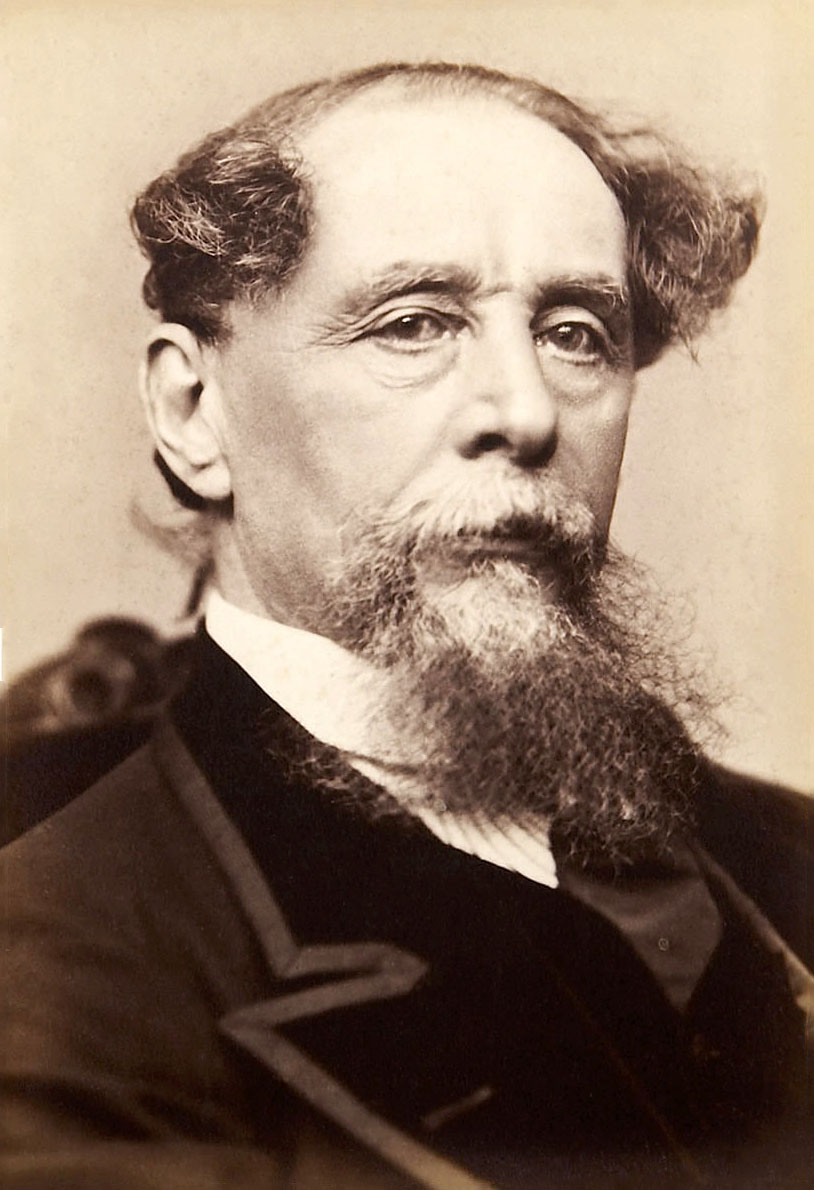
Charles Dickens, full name Charles John Huffam Dickens, is the most famous British writer of the Victorian era, a classic of world literature.
From childhood the future writer learned all the hardships of life in poverty: his father in prison for debts, hard work in a factory. Then service stenographer in court and reporter developed in him a strong attachment to journalism and contempt for both the law and parliament.
Dickens had many talents: in addition to literary work, he was an actor, published periodicals, arranged numerous literary readings, where he reveled in the admiration and love of the public. Fecund and versatile, Charles Dickens wrote many brilliant and often comic works. His novels cover a wide range of social, moral, emotional and other aspects. As a subtle psychologist, he is also very interested in the most ordinary people, but also the eccentric, the flawed, and even the insane.
Dickens was immensely popular around the world during his lifetime. His intellect, worldview, and deep reflections on society and its faults enriched his novels and made him one of the great figures of nineteenth-century literature, an influential spokesman for the conscience of his time.
Dickens' best-known and most popular novels are The Pickwick Club Posthumous Notes, Oliver Twist, Nicholas Nickleby, David Copperfield, Cold House, A Tale of Two Cities, Our Mutual Friend, Great Expectations, and The Mystery of Edwin Drood.

Nathaniel Hawthorne is an American writer and author.
Hawthorne is a recognized short story writer and a master of allegorical and symbolic narrative. One of the first fiction writers in American literature, he is best known for his works The Scarlet Letter (1850) and The House of Seven Gables (1851). Hawthorne's artistic works are considered part of the American Romantic movement and, in particular, of so-called dark Romanticism, a popular mid-19th-century fascination with the irrational, the demonic, and the grotesque.


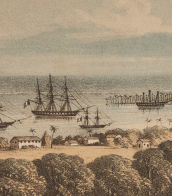


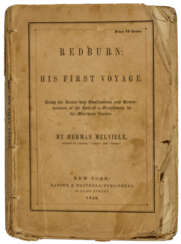

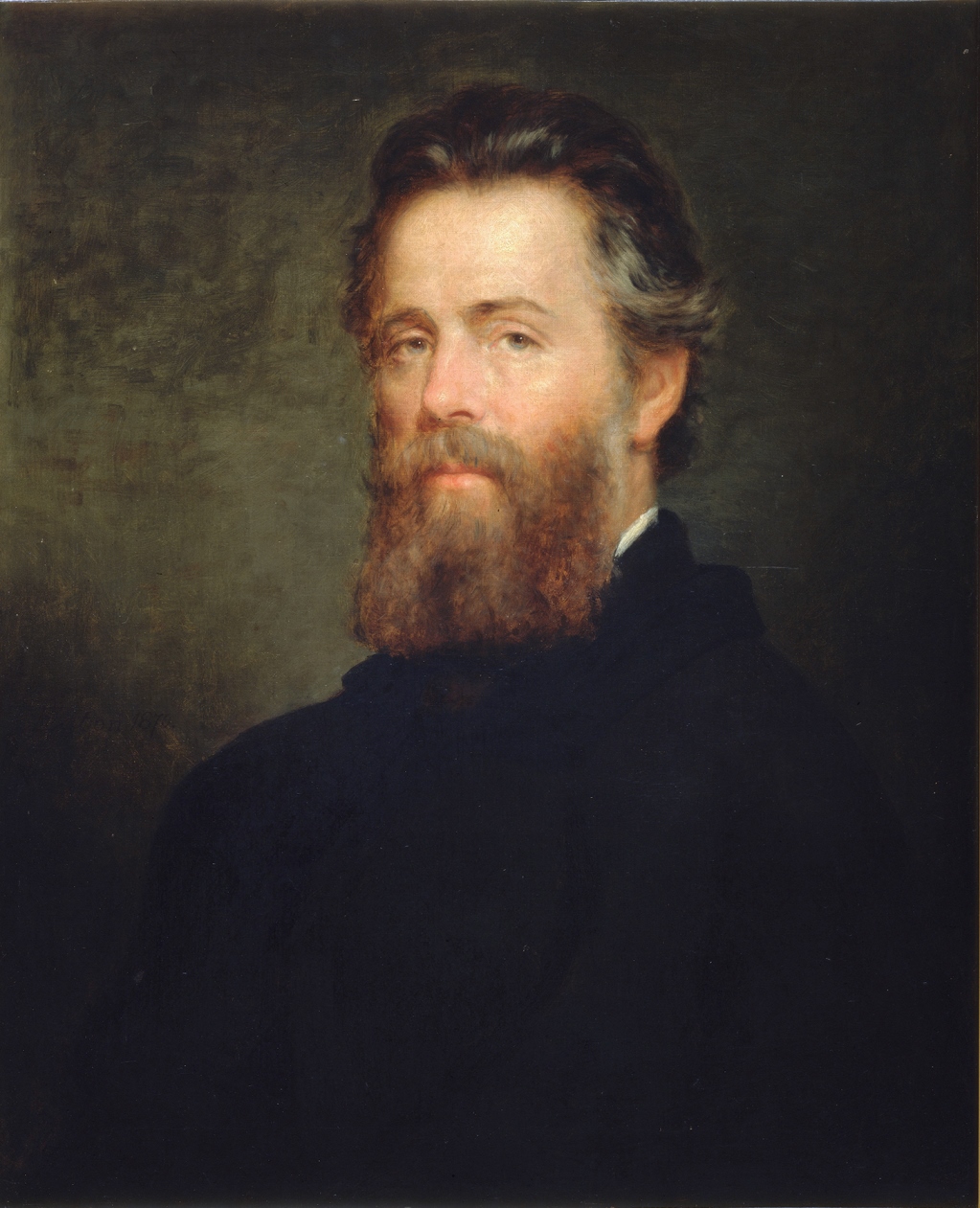
Herman Melville was an American writer, poet, and sailor.
Melville's hardship-filled youth ended on a whaling ship. He returned from his adventures in the South Seas in October 1844, and wrote "Taipi" the following spring. The book was based on the events surrounding Melville's desertion from the whaling ship Acushnet in 1842 and subsequent adventures in the Marquesas Islands.
Melville wrote several other novels and short stories and many poems, but during his lifetime his works were little appreciated by his contemporaries. Only in the 1920s began to rethink Melville, and he was recognized as a classic of world literature. World fame Melville already in the 20th century brought irrational novel "Moby Dick".


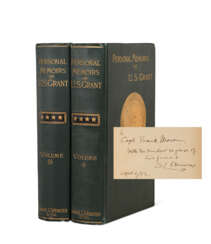

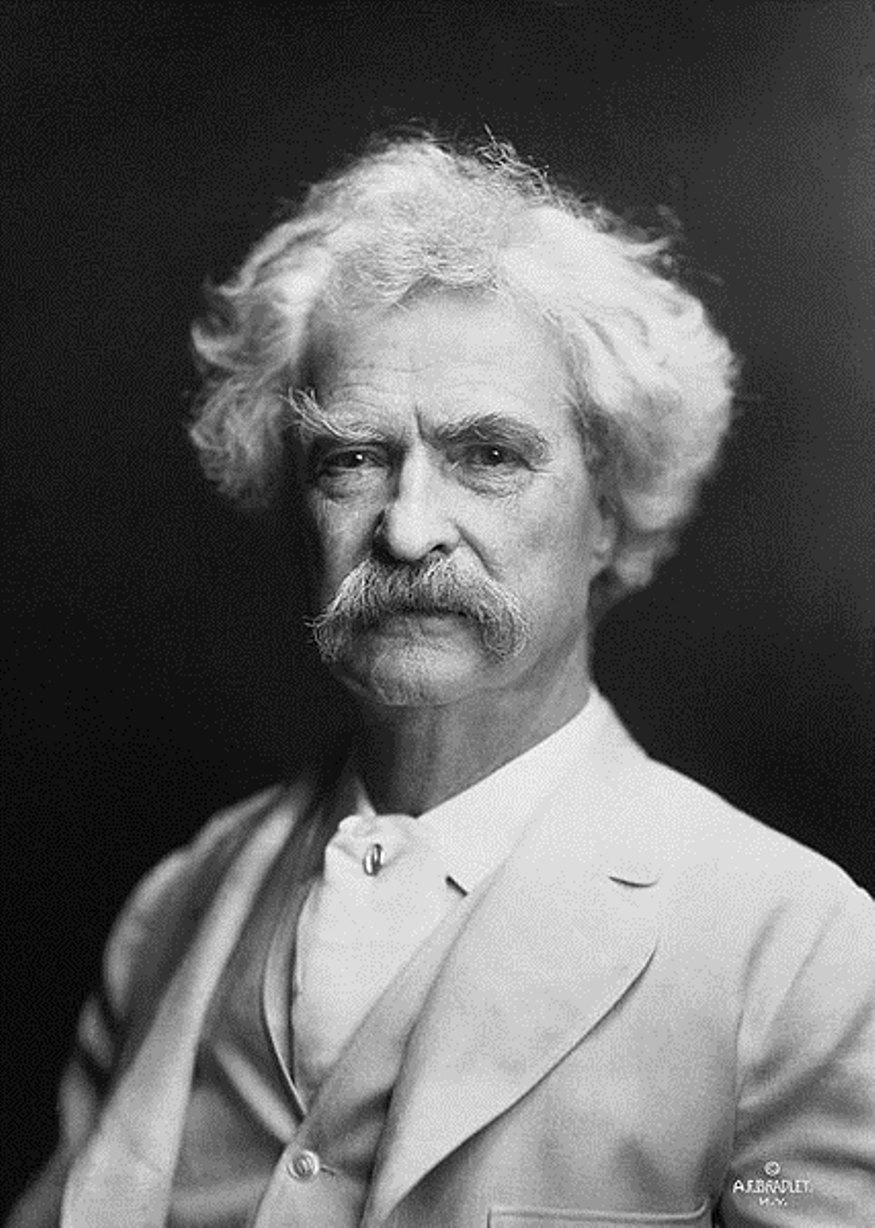
Mark Twain, real name Samuel Langhorne Clemens, was an American humanist writer, journalist, and social activist.
As a young man, Samuel worked in the printing press and in the gold mines, then went on a steamboat trip to Europe and the "Holy Land". His travel letters, full of vivid descriptions and ironic observations, were very well received by the public and were later revised into his first book, Innocents Abroad, published in 1869.
The pseudonym "Mark Twain" first appeared in 1863 under one of Samuel Clemens' short stories, and since then all his significant works have been signed by that name.
A talented storyteller, a peculiar humorist and moralist, Twain knew and loved his many diverse characters. His scandalizers and dreamers, caring aunts and ambitious politicians, grumpy widows and lying aristocrats, cunning but generous slaves, sentimental moralists, brave and naive children - all these types of American people Twain gave voice to thanks to his masterful command of colloquial language, slang and jargon. Twain wrote a lot and in a variety of genres: humor and satire, philosophical fiction and journalism and others, but he always stood on the position of humanist and democrat.
Mark Twain became world famous for his travel stories and adventure novels about his childhood, these are "The Adventures of Tom Sawyer" (1876) and "The Adventures of Huckleberry Finn" (1885). Twain is still one of America's, and indeed the world's, best and most beloved writers. His works have been and are still being published in many languages around the world.
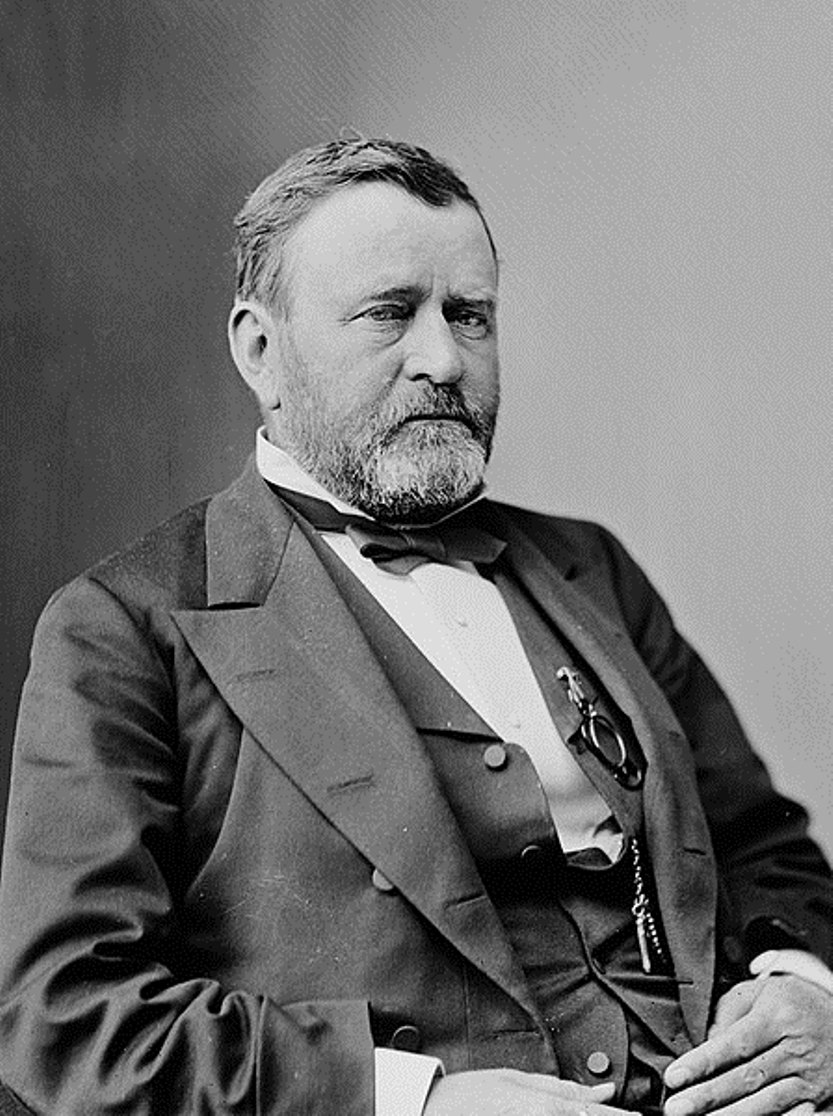
Ulysses S. Grant, born Hiram Ulysses Grant, was an American politician and military leader who was the 18th President of the United States (March 4, 1869 - March 4, 1877).
Grant's father was a tanner and enrolled his son in the United States Military Academy at West Point, New York. Ulysses Grant distinguished himself in the Mexican-American War, then fought in the Civil War, was a brigadier general, and was given command of the District of Southeast Missouri. In March, 1864, Grant became lieutenant general and was given command of all the armies of the United States. In 1866, he was promoted to the newly established rank of general in the U.S. Army.
Grant continued as commander-in-chief after Lincoln's assassination and during the administration of U.S. President Andrew Johnson. However, the situation was such that Ulysses Grant won the next presidential election and became the 18th President of the United States on March 4, 1869. He was politically inexperienced and personally clean, but his time as president was marked by corruption and scandals. During his two presidential terms, Grant worked hard to re-unite the North and South, opposing the nascent Ku Klux Klan.
In 1877, after leaving the presidency, Grant traveled around the world with his wife, and everywhere he was received with glee. Then his attempts at business led to complete bankruptcy. Ulysses Grant spent the last years of his life writing his memoirs while battling poverty and throat cancer. With the help of writer Mark Twain, his two-volume work was published in 1885, two months before the author's death.




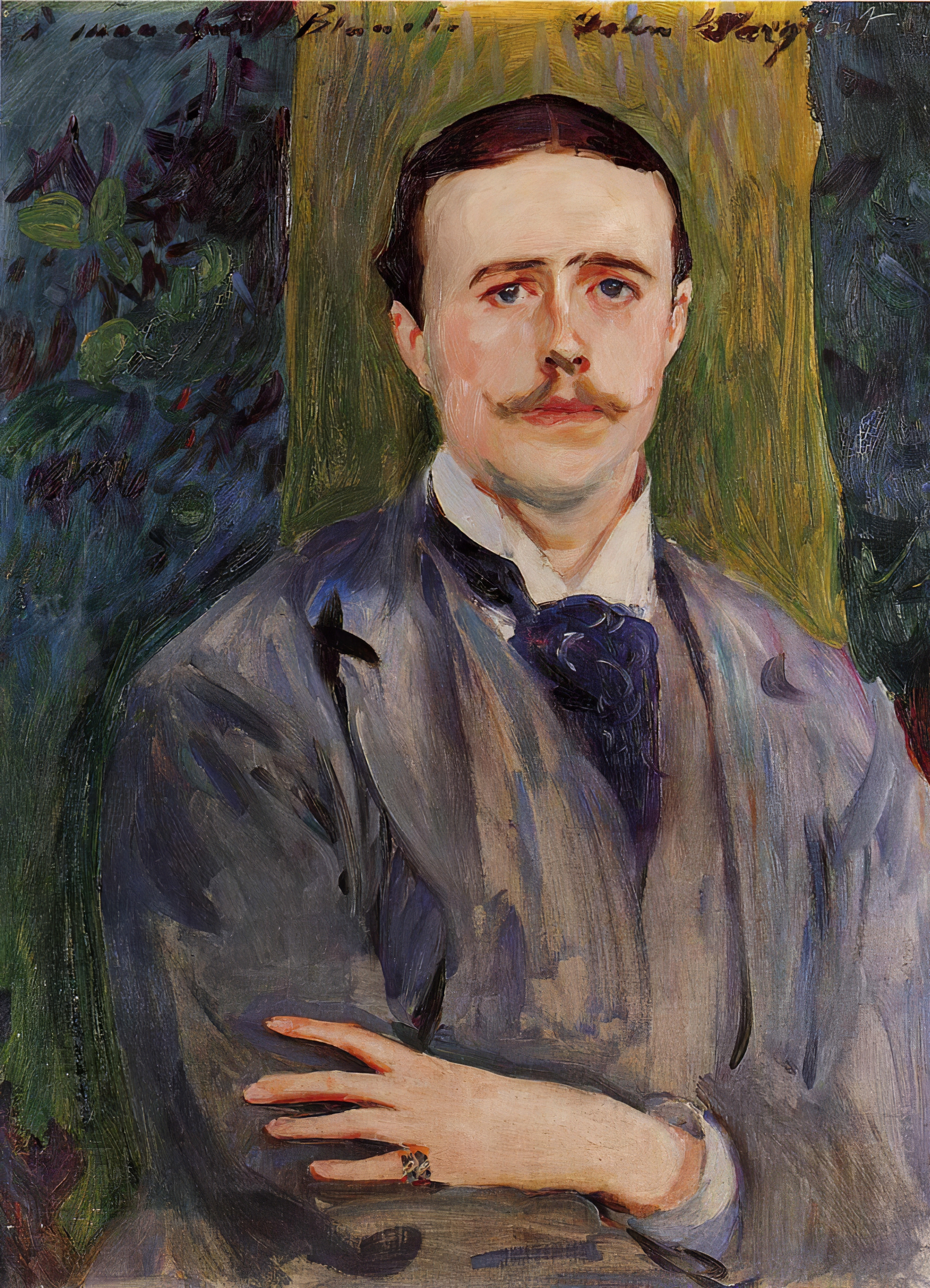
Jacques-Émile Blanche was a French artist, largely self-taught, who became a successful portrait painter, working in London and Paris.





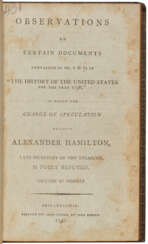

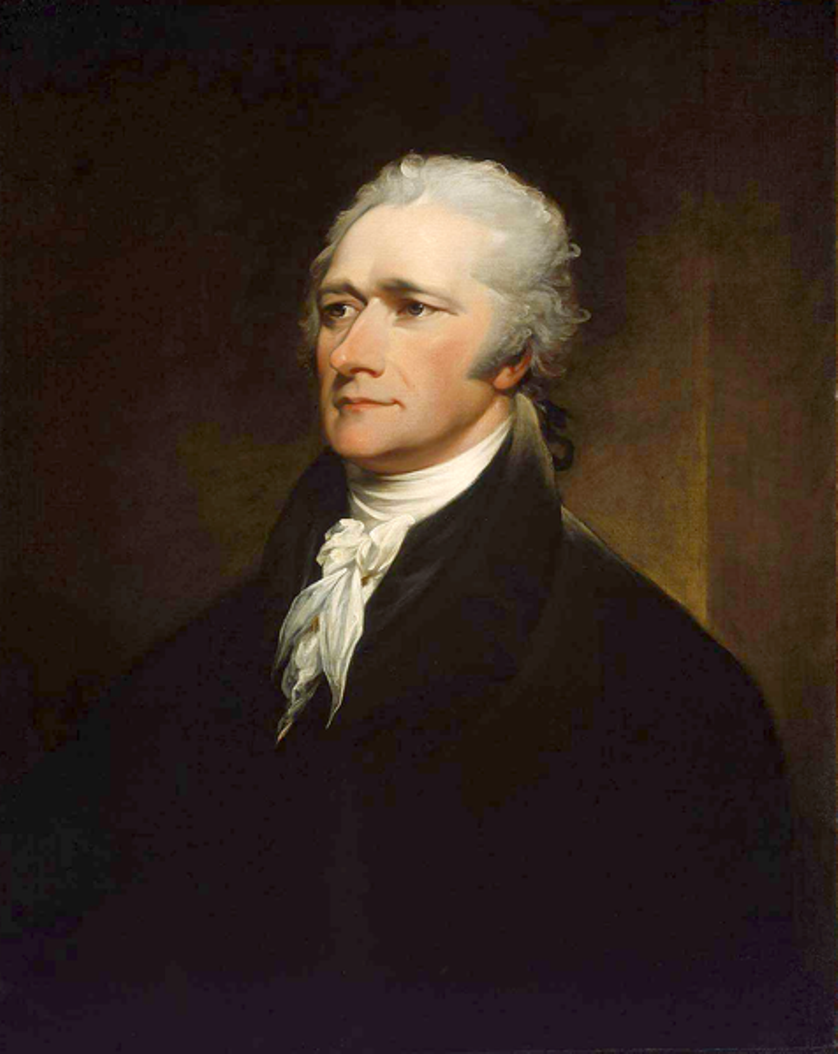
Alexander Hamilton was an American politician and statesman, the founder of the American financial system.
A native of Great Britain, Hamilton arrived in continental America in late 1772 and enrolled at King's College in New York. He became captain of an artillery company in 1776 and fought in the battles of Kips Bay, White Plains, Trenton, and Princeton during the American War of Independence. For four years he served on George Washington's staff as adjutant with the rank of lieutenant colonel. And in 1782, Hamilton was chosen by New York as a delegate to the Confederate Congress.
Alexander Hamilton was also one of New York's delegates to the Constitutional Convention in Philadelphia in 1787. He was a passionate advocate of the Constitution and, along with future President James Madison and John Jay, contributed to the famous book The Federalist (1788), writing most of the essays for it. After George Washington was elected the nation's first president in 1789, he appointed Hamilton Secretary of the Treasury. As the first Secretary of the Treasury (1789-1795), Hamilton developed plans to finance the national debt, secure federal credit, encourage the expansion of manufacturing, and organize a federal bank. In 1801, Hamilton founded the New York Evening Post newspaper.
On July 11, 1804, Hamilton was mortally wounded in a duel with his personal and political rival, Vice President Aaron Burr. Today, Alexander Hamilton is revered as one of the founding fathers of the United States, he is known for his role in creating America's financial system, and his portrait is on the ten dollar bill.

Alexander Hamilton was an American politician and statesman, the founder of the American financial system.
A native of Great Britain, Hamilton arrived in continental America in late 1772 and enrolled at King's College in New York. He became captain of an artillery company in 1776 and fought in the battles of Kips Bay, White Plains, Trenton, and Princeton during the American War of Independence. For four years he served on George Washington's staff as adjutant with the rank of lieutenant colonel. And in 1782, Hamilton was chosen by New York as a delegate to the Confederate Congress.
Alexander Hamilton was also one of New York's delegates to the Constitutional Convention in Philadelphia in 1787. He was a passionate advocate of the Constitution and, along with future President James Madison and John Jay, contributed to the famous book The Federalist (1788), writing most of the essays for it. After George Washington was elected the nation's first president in 1789, he appointed Hamilton Secretary of the Treasury. As the first Secretary of the Treasury (1789-1795), Hamilton developed plans to finance the national debt, secure federal credit, encourage the expansion of manufacturing, and organize a federal bank. In 1801, Hamilton founded the New York Evening Post newspaper.
On July 11, 1804, Hamilton was mortally wounded in a duel with his personal and political rival, Vice President Aaron Burr. Today, Alexander Hamilton is revered as one of the founding fathers of the United States, he is known for his role in creating America's financial system, and his portrait is on the ten dollar bill.