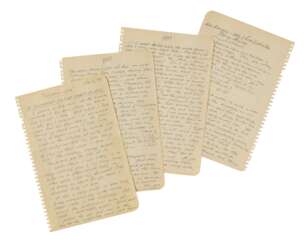
night city
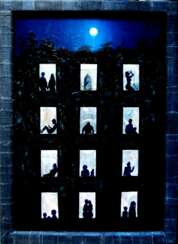







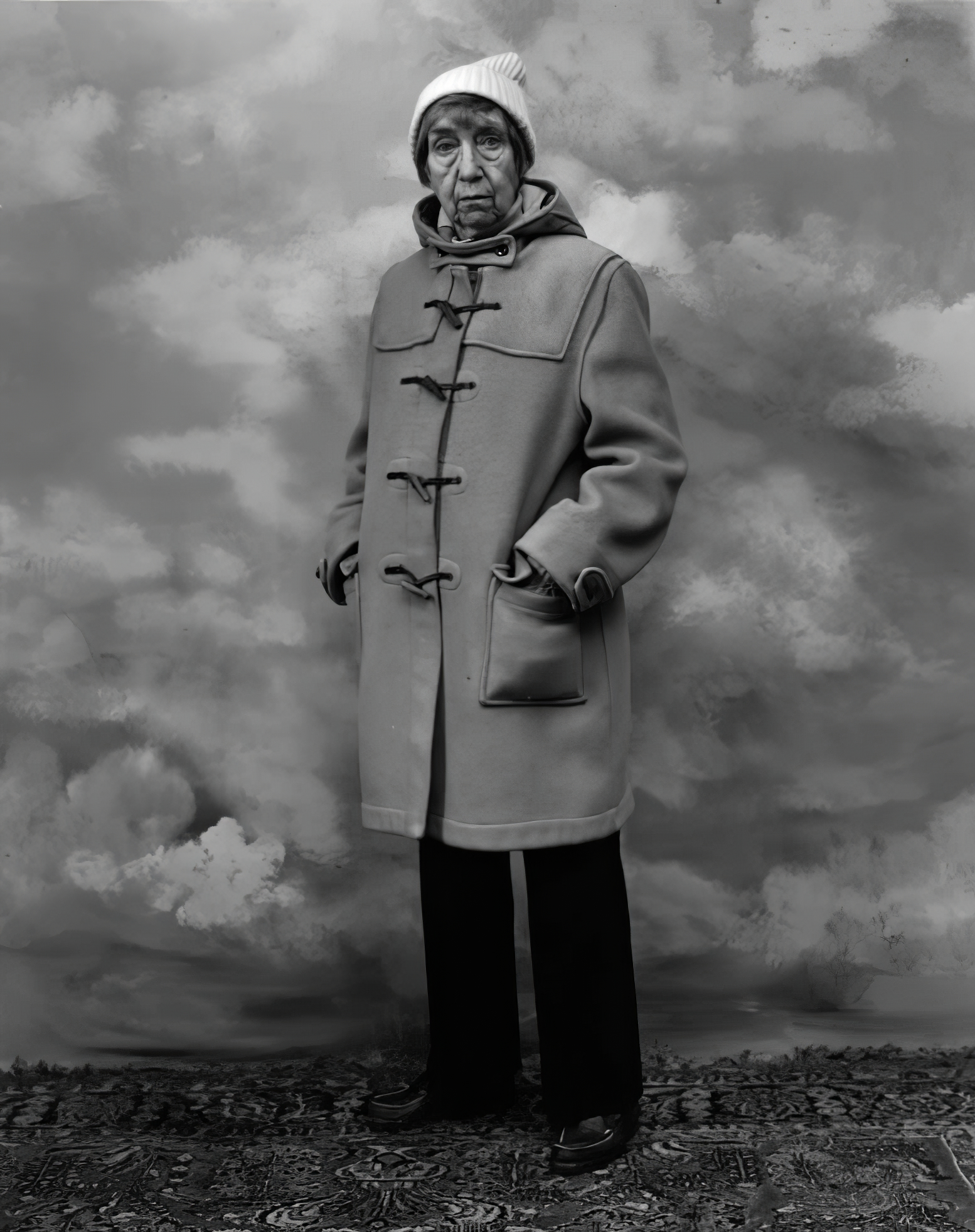
Berenice Alice Abbott was an American photographer best known for her portraits of between-the-wars 20th century cultural figures, New York City photographs of architecture and urban design of the 1930s, and science interpretation in the 1940s to 1960s.
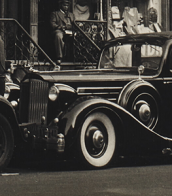
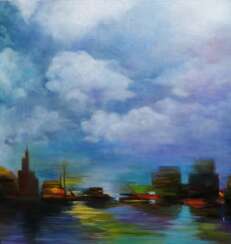











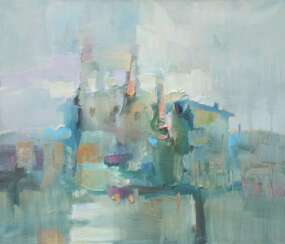



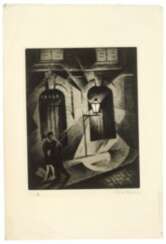

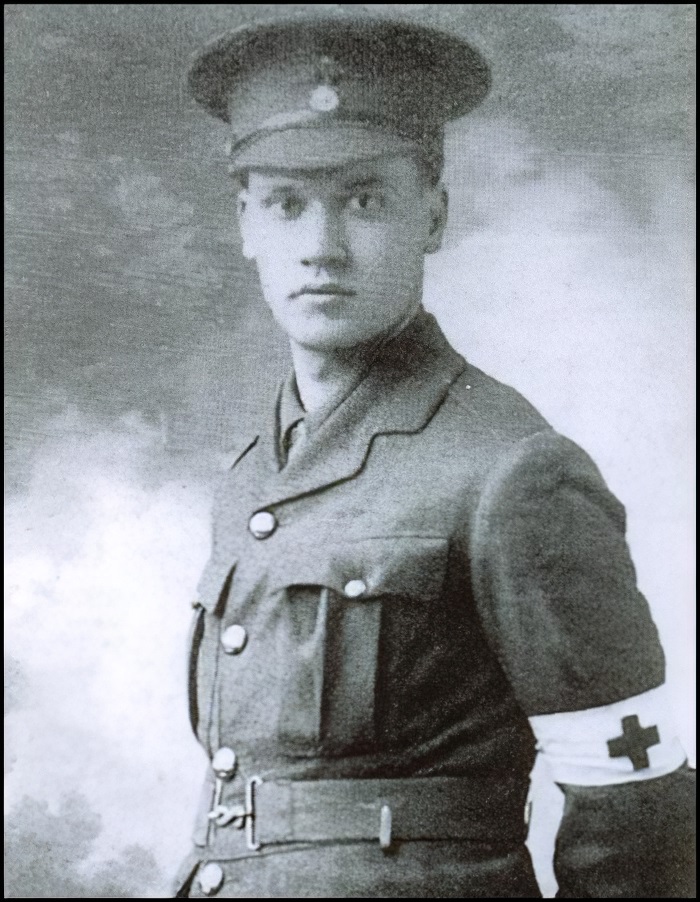
Christopher Richard Wynne Nevinson was an English figure and landscape painter, etcher and lithographer, who was one of the most famous war artists of World War I.
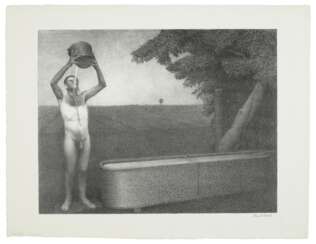

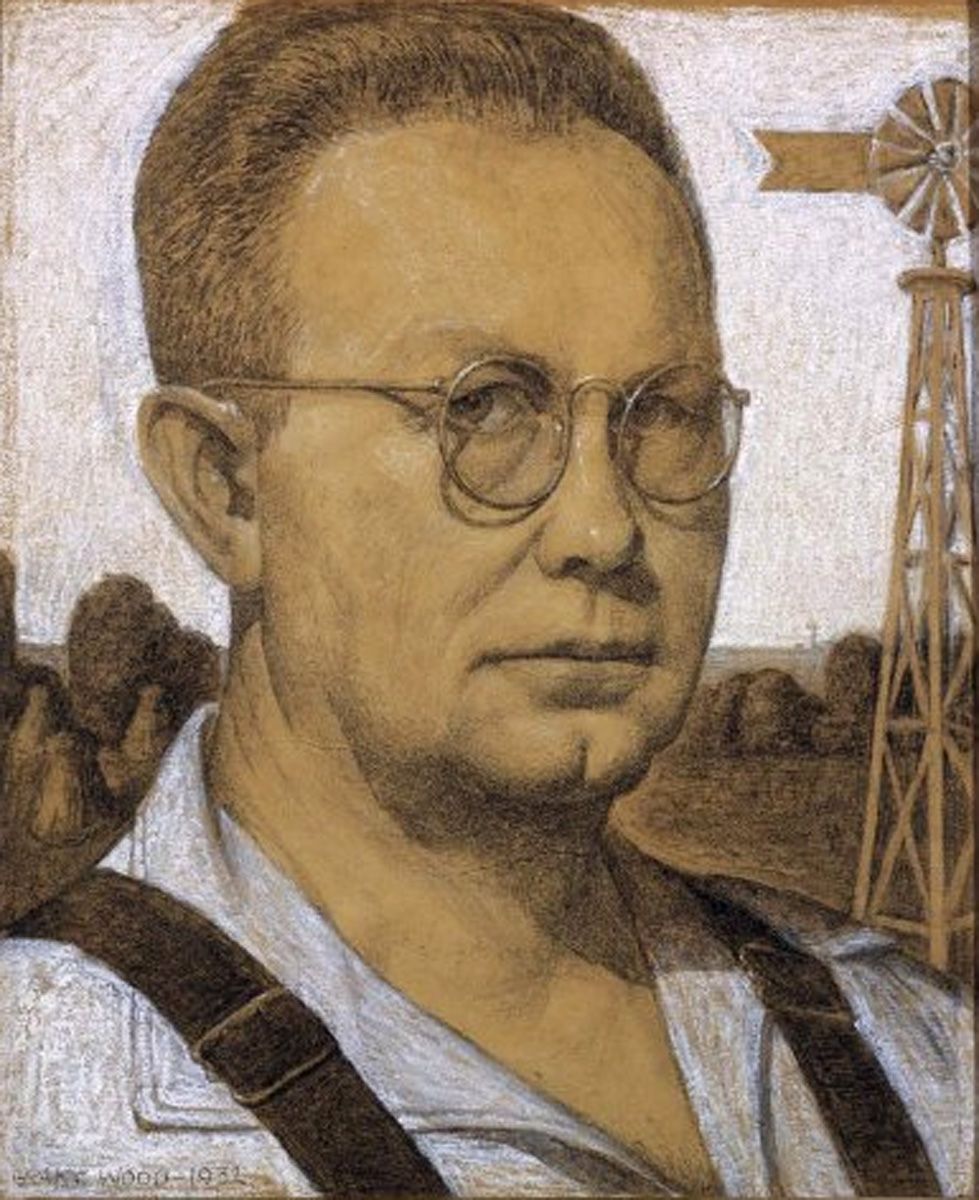
Grant Wood was an American painter, a notable figure in the Regionalism art movement, primarily known for his depiction of the rural American Midwest. Born on February 13, 1891, near Anamosa, Iowa, and passing away on February 12, 1942, in Iowa City, Iowa, Wood left a significant mark on American art with his focus on local themes and landscapes.
Wood's art style is characterized by its clear rejection of European abstraction, instead promoting a detailed and realistic portrayal of American life. This is most evident in his famous painting "American Gothic," which captures the essence of rural America through the figures of a farmer and his daughter against the backdrop of a Carpenter Gothic house. This painting, first exhibited in 1930 at the Art Institute of Chicago, not only won a prize but also brought Wood immediate national recognition.
In addition to painting, Wood was engaged in various artistic endeavors, including lithography and the design of decorative objects and furniture, reflecting his training as a craftsman and designer. His influence extended beyond his artworks, as he played a crucial role in fostering the Regionalism movement, helping other artists find positions and promoting a community-focused approach to art in the Midwest.
For art collectors and enthusiasts interested in Grant Wood's works or the broader scope of American Regionalism, staying informed about upcoming sales, exhibitions, and auction events is crucial. You can sign up for updates to ensure you never miss important developments related to Grant Wood and his impactful contributions to American art.


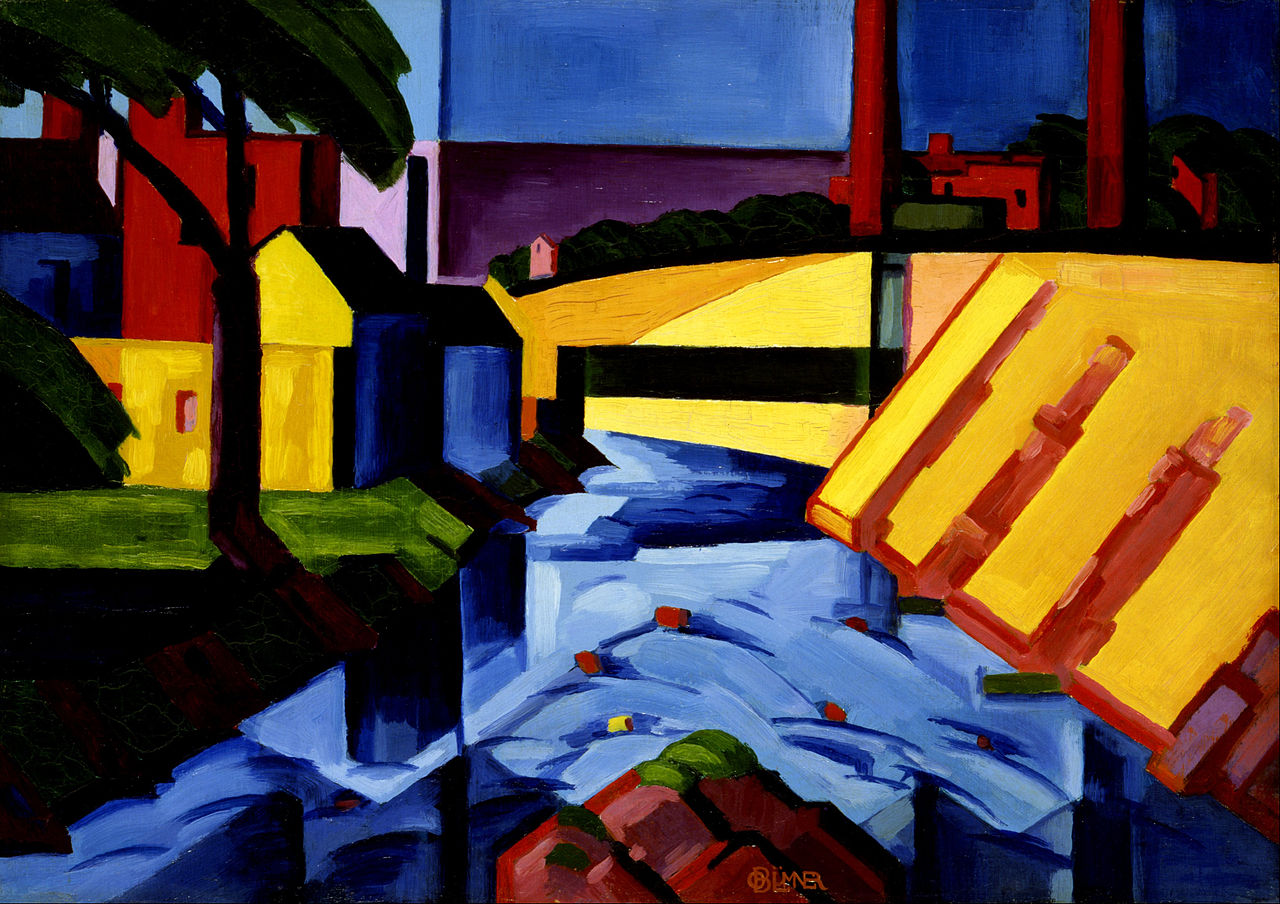


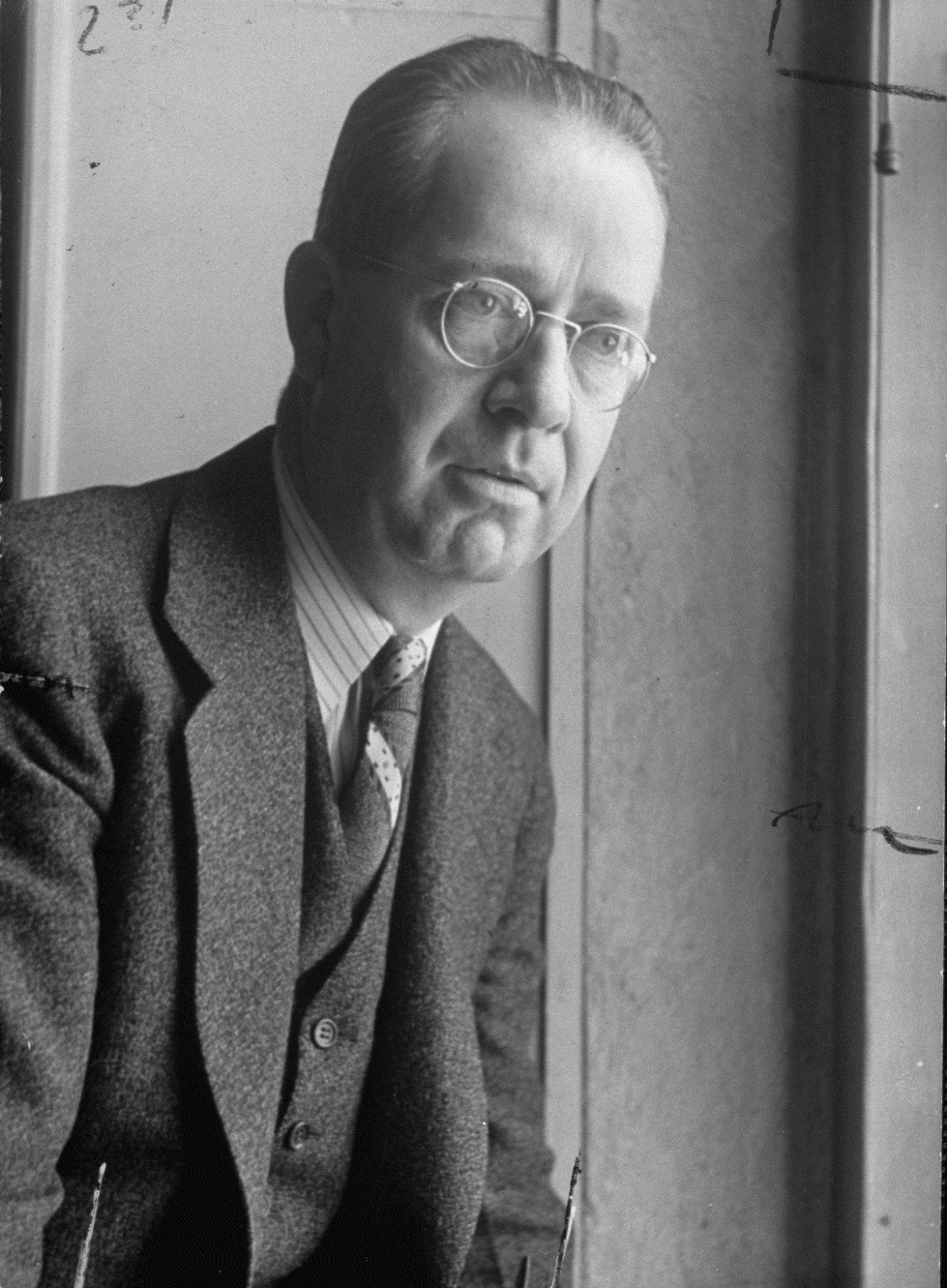
Charles Ephraim Burchfield is an American artist known for his watercolor landscapes and mystical depictions of the world around him.
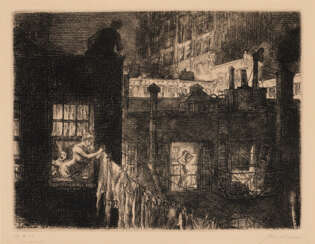

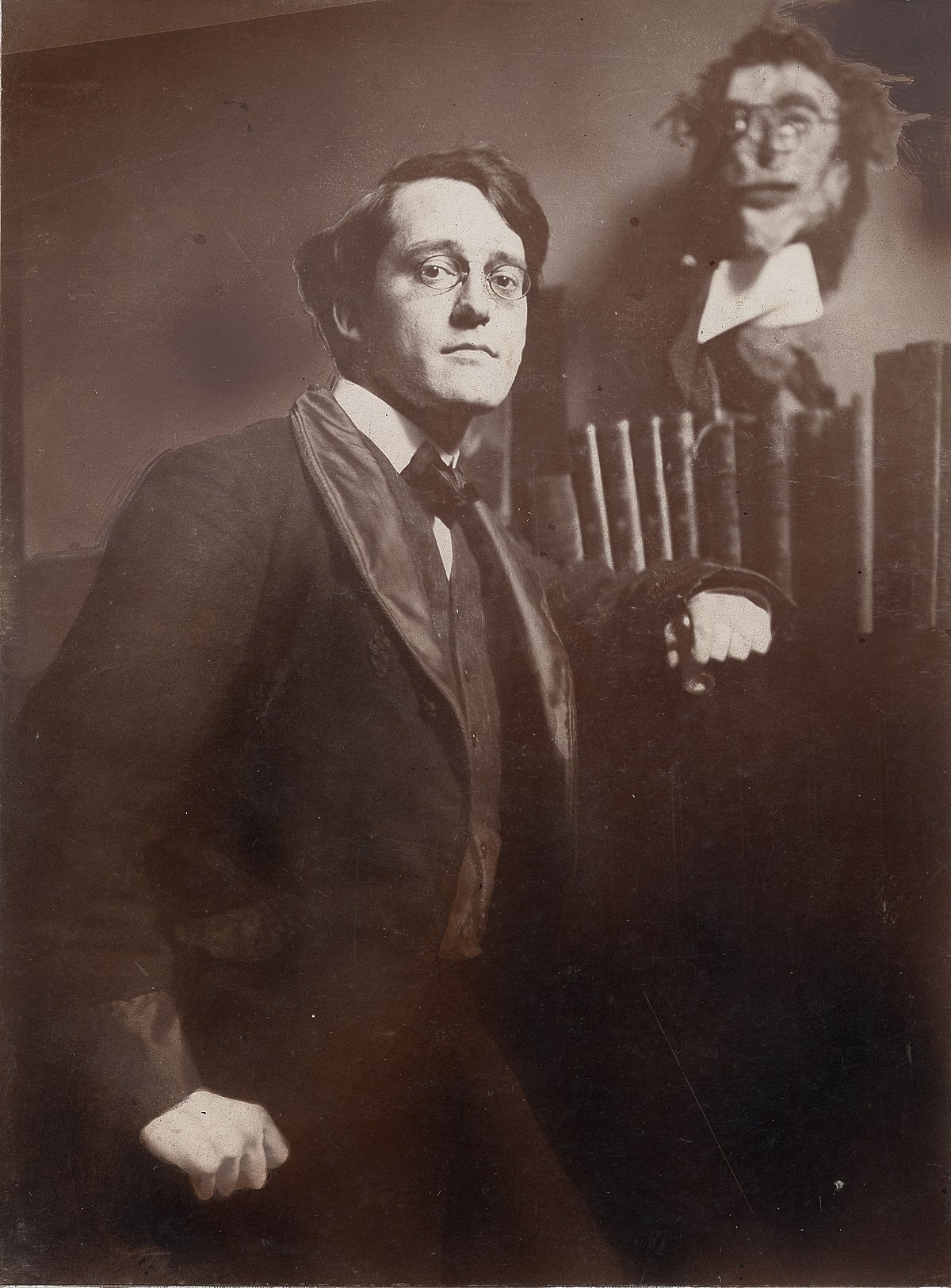
John French Sloan was an American impressionist painter, considered one of the founders of the Ashcan school of American art. He is best known for his urban, everyday genre scenes and his ability to capture the essence of New York City neighborhood life, which he observed from his studio window in Chelsea.
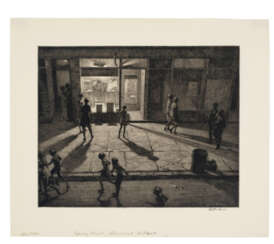

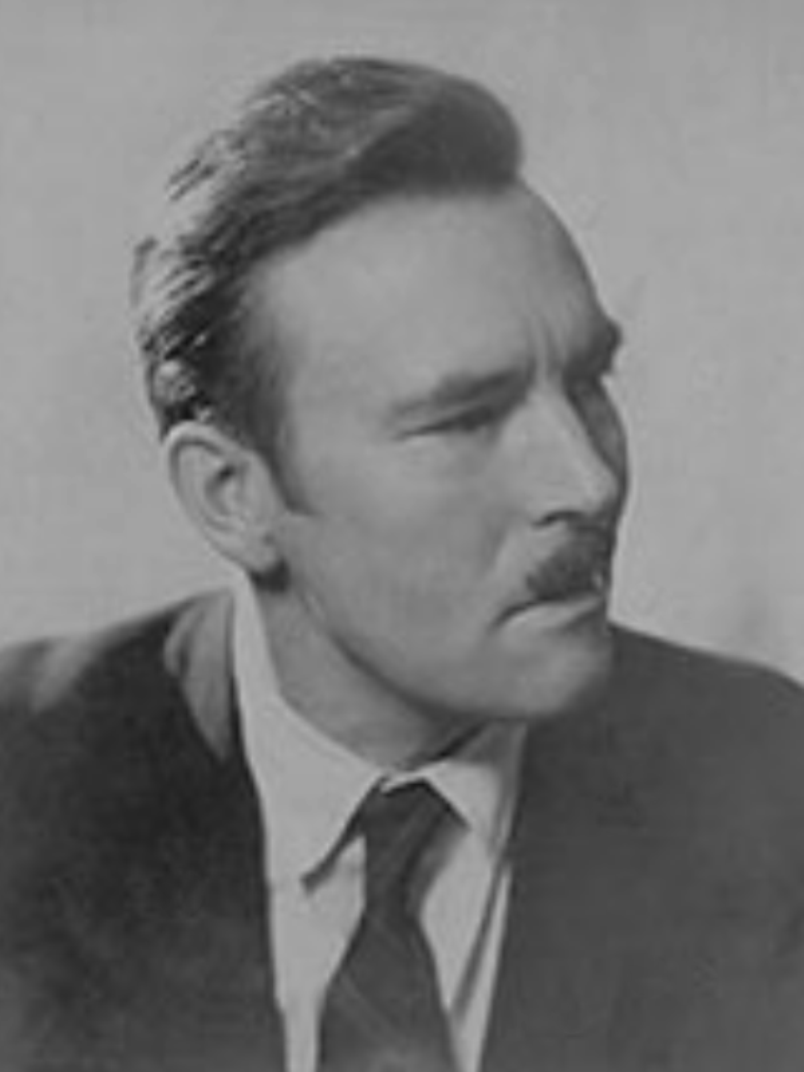


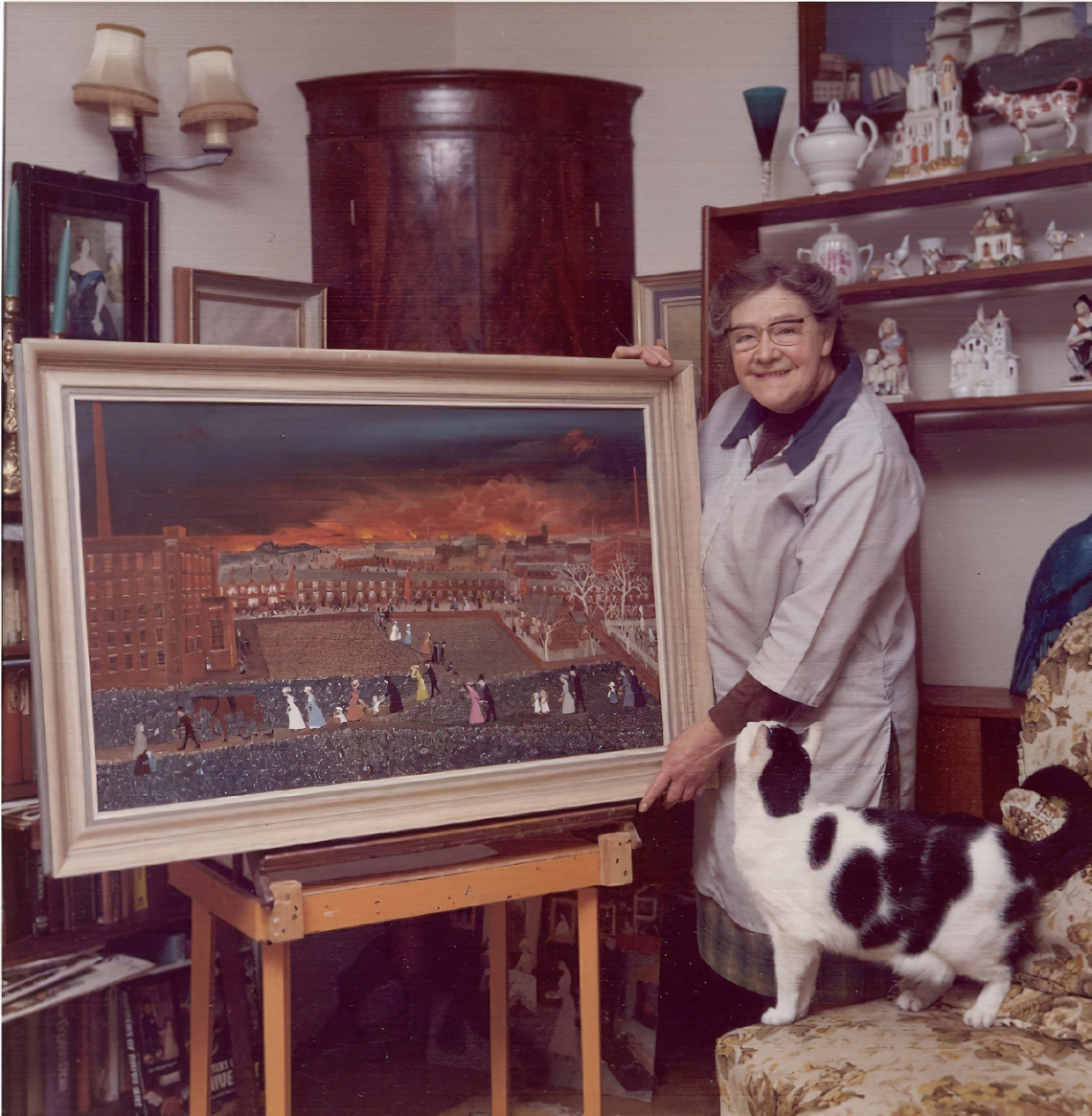
Helen Layfield Bradley was an English artist born in Lees, Lancashire, England. Her paintings, mostly in oils, typically depict life in Lancashire in the Edwardian era.


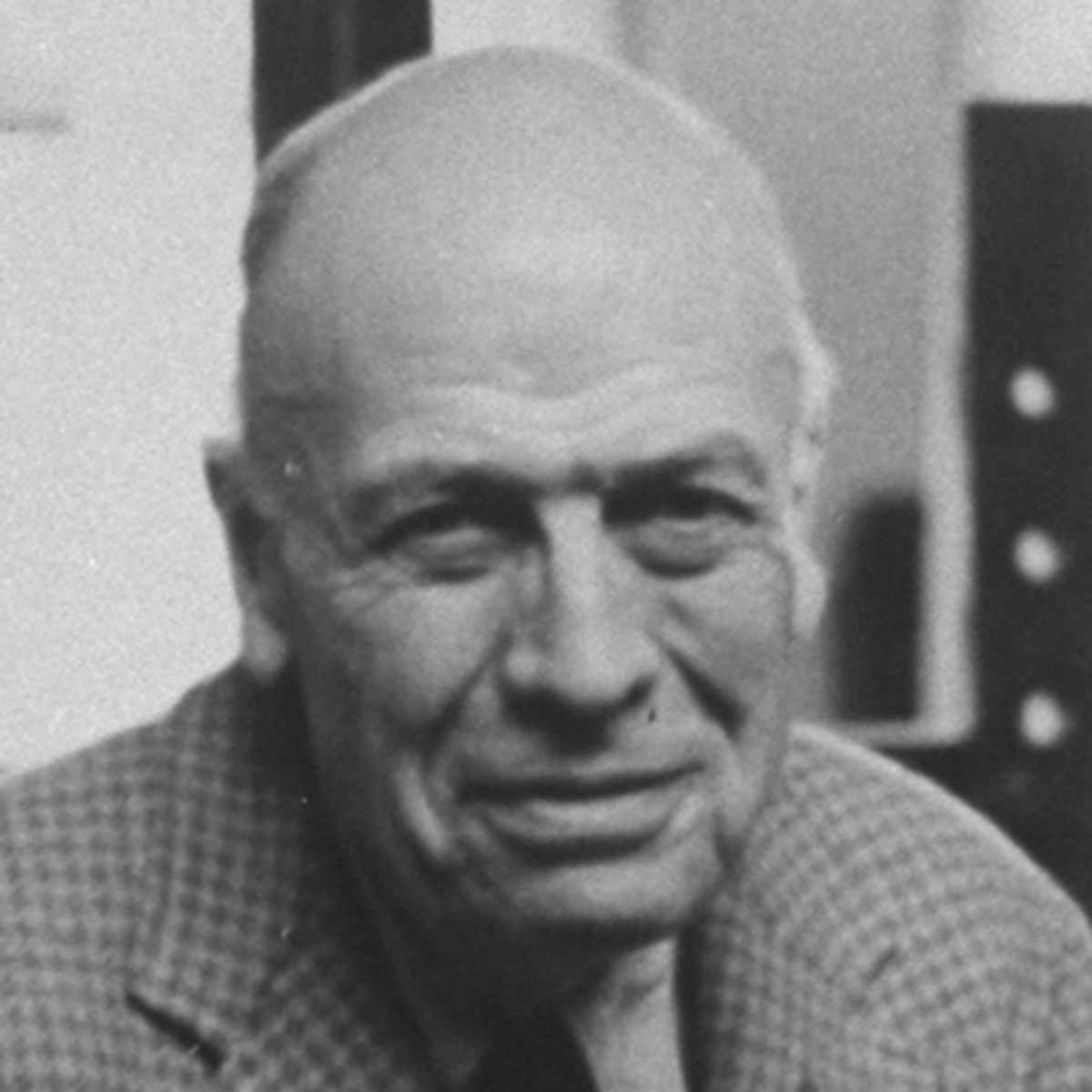
Edward Hopper was an American painter renowned for his skill in depicting the solitude of modern life with evocative uses of light and shadow. Born in 1882 in Nyack, New York, Hopper's early exposure to art came from his supportive parents who nurtured his talents. He began formal art studies at the New York School of Art, learning under influential teachers like William Merritt Chase and Robert Henri. Henri, in particular, encouraged his students to paint personal significance into their works.
Hopper’s style, characterized by its emphasis on solitude and the mundane aspects of American life, often featured settings such as diners, gas stations, and apartment interiors. One of his most famous works, Nighthawks, depicts patrons sitting in a brightly lit diner at night, each seemingly lost in their own thoughts—a perfect example of his theme of urban isolation.
Throughout his career, Hopper enjoyed considerable success and influence, culminating in several retrospectives, including a prominent one at the Museum of Modern Art. His approach to depicting light and his stark, realist views on everyday scenes influenced generations of artists and continue to captivate audiences today. His works are pivotal in understanding American realism and are held in high esteem in museums across the United States.
Lastly, for art collectors and enthusiasts keen on updates about exhibitions or sales featuring Edward Hopper's art, consider signing up for relevant newsletters or alerts. This ensures you remain informed about opportunities to appreciate or acquire works by this pivotal American artist.
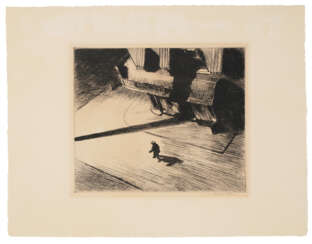

Edward Hopper was an American painter renowned for his skill in depicting the solitude of modern life with evocative uses of light and shadow. Born in 1882 in Nyack, New York, Hopper's early exposure to art came from his supportive parents who nurtured his talents. He began formal art studies at the New York School of Art, learning under influential teachers like William Merritt Chase and Robert Henri. Henri, in particular, encouraged his students to paint personal significance into their works.
Hopper’s style, characterized by its emphasis on solitude and the mundane aspects of American life, often featured settings such as diners, gas stations, and apartment interiors. One of his most famous works, Nighthawks, depicts patrons sitting in a brightly lit diner at night, each seemingly lost in their own thoughts—a perfect example of his theme of urban isolation.
Throughout his career, Hopper enjoyed considerable success and influence, culminating in several retrospectives, including a prominent one at the Museum of Modern Art. His approach to depicting light and his stark, realist views on everyday scenes influenced generations of artists and continue to captivate audiences today. His works are pivotal in understanding American realism and are held in high esteem in museums across the United States.
Lastly, for art collectors and enthusiasts keen on updates about exhibitions or sales featuring Edward Hopper's art, consider signing up for relevant newsletters or alerts. This ensures you remain informed about opportunities to appreciate or acquire works by this pivotal American artist.




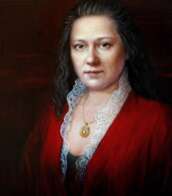
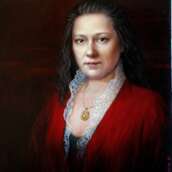
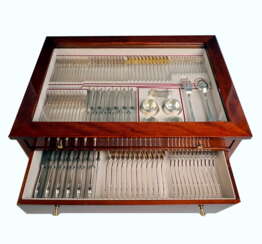

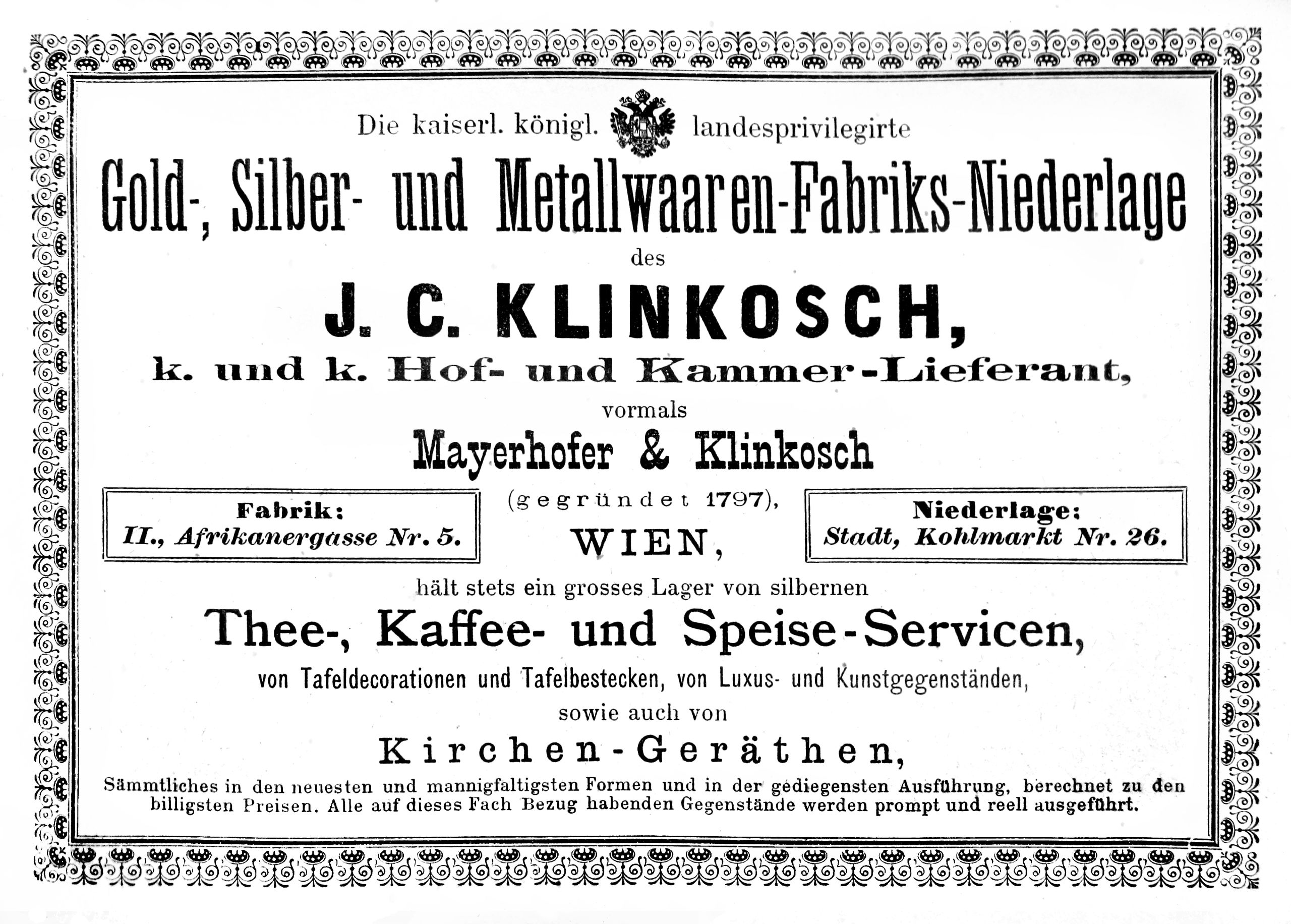
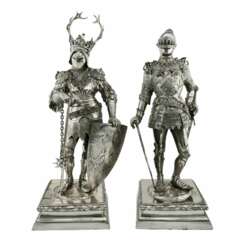
Josef Carl Ritter von Klinkosch was a well-known Viennese silversmith and purveyor to the court.