norbert bauer

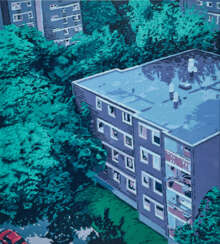

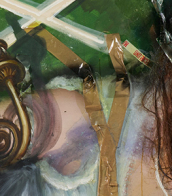
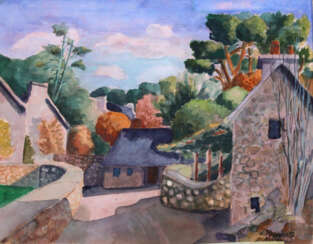



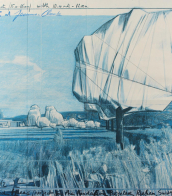


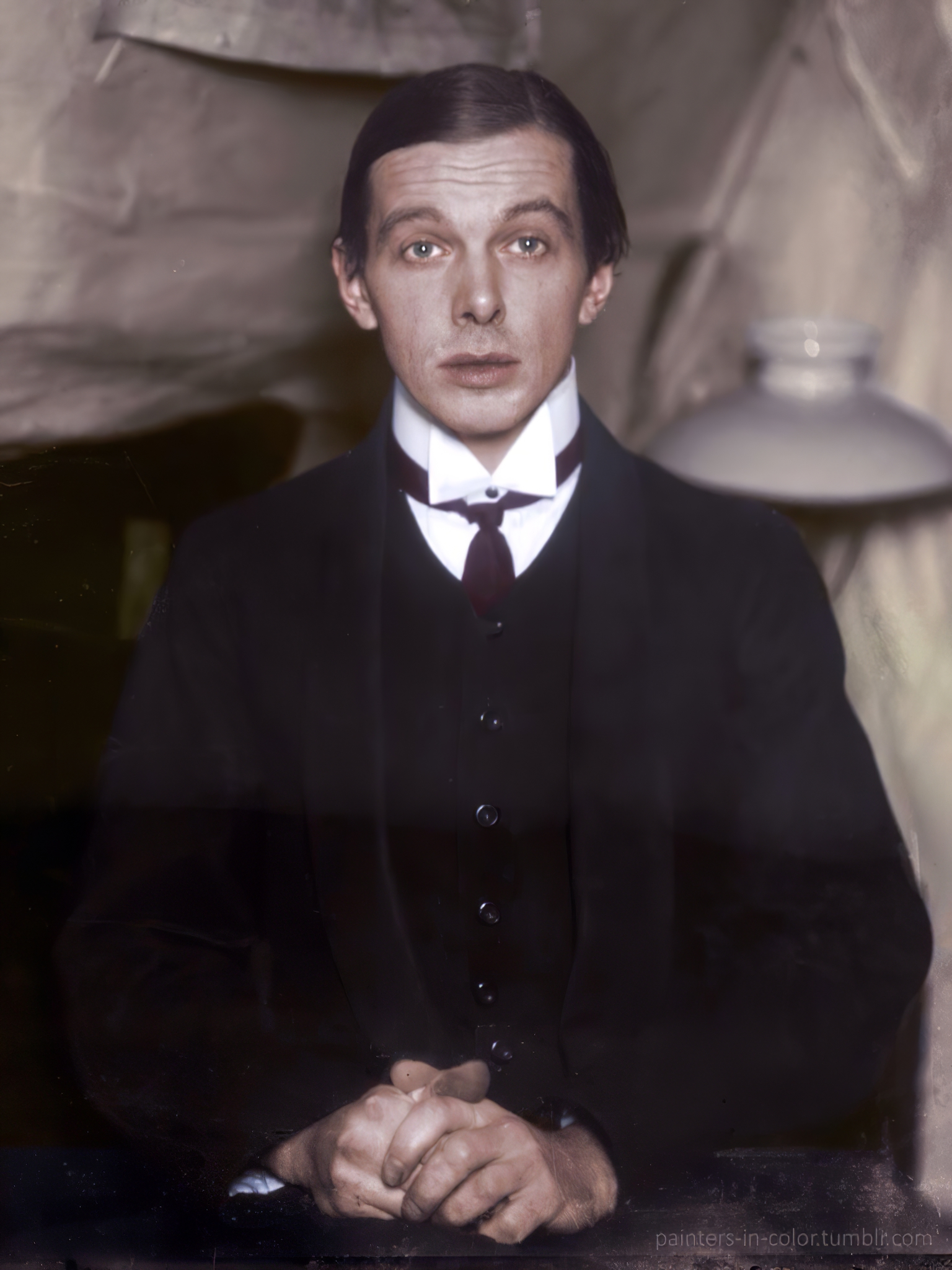
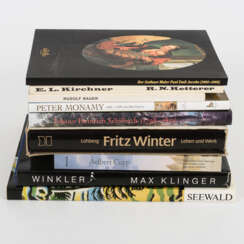
Ernst Ludwig Kirchner was a pivotal figure in the art world, known for his profound impact on 20th-century Expressionism. Born in Bavaria, Germany, on May 6, 1880, Kirchner's journey into art began with architecture studies before he found his true calling in painting and printmaking. In 1905, alongside fellow architecture students, he co-founded Die Brücke ("The Bridge"), a group that sought to revolutionize art by bridging the gap between traditional academic styles and modern artistic expression. This group was instrumental in the development of Expressionism, advocating for intense emotion conveyed through vivid colors and bold lines.
Kirchner's work, characterized by its expressive intensity and often exploring themes of urban life and the human psyche, reflects a deep engagement with the cultural and social upheavals of his time. Notably, his experiences during World War I, including a mental breakdown and subsequent discharge from military service, deeply influenced his art. Works like "Self-Portrait as a Soldier" (1915) poignantly encapsulate the personal and societal trauma of the era.
After the war, Kirchner sought solace in Davos, Switzerland, where the tranquil landscapes inspired a new direction in his work, showcasing a more serene and reflective approach. Despite his contributions to modern art, Kirchner's later years were marred by the Nazi regime's denunciation of his work as "degenerate," leading to the destruction and dispersal of many pieces. Tragically, this persecution contributed to his decision to end his life on June 15, 1938.
Kirchner's legacy is preserved through his influential body of work, from vivid urban scenes to tranquil landscapes, all marked by a distinctive, expressive style that continues to captivate art collectors and experts. His works are held in major museums worldwide, including the Museum of Modern Art in New York and the National Gallery of Art in Washington, underscoring his enduring influence on the art world.
For those interested in the profound impact of Ernst Ludwig Kirchner on modern art and Expressionism, subscribing to updates on new product sales and auction events related to his work can provide valuable insights. This subscription is an opportunity for collectors and art experts to stay informed about the availability of Kirchner's influential pieces and related events.

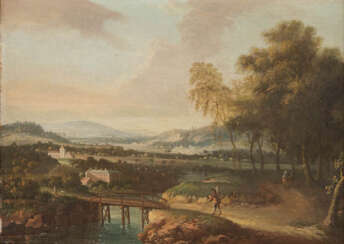

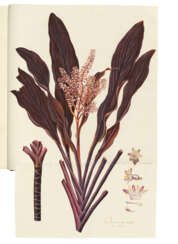

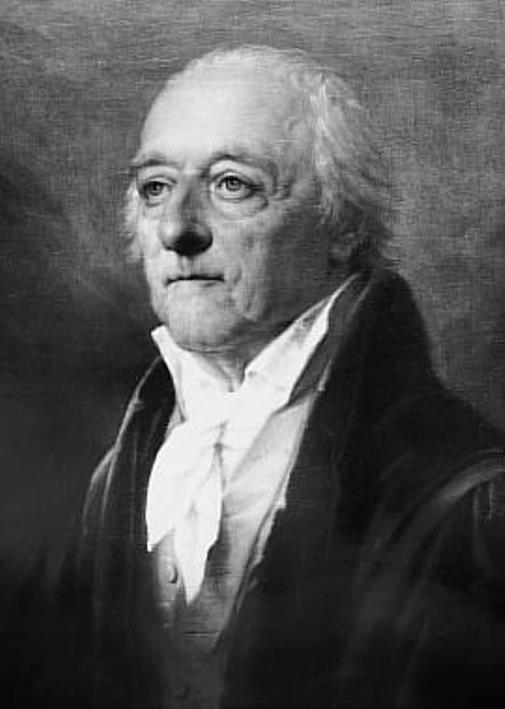
Nikolaus von Jacquin, full name Nikolaus Joseph Freiherr von Jacquin, also Baron Nikolaus von Jacquin, was an Austrian and Dutch scientist, professor of chemistry and botany, and director of the Vienna Botanical Garden.
Jacquin is considered a pioneer of scientific botany in Austria. He wrote fundamental works in botany, was the first to describe many plants, fungi, and animals, introduced experimental methods in chemistry, and successfully campaigned for the introduction of Linnaeus' system of plants in Austria. On behalf of Emperor Franz I, von Jacquin was in charge of the imperial gardens (including Schoenbrunn) and also led a scientific expedition to Central America from 1754 to 1759, from which he returned with an extensive collection of plants.
In 1768, Nikolaus von Jacquin was appointed professor of botany and chemistry at the Faculty of Medicine of the University of Vienna and director of the newly founded botanical garden, which he reorganized according to scientific principles. Nikolaus von Jacquin was a member of the Royal Society of London, a foreign honorary member of the St. Petersburg Academy of Sciences, and a correspondent of the Paris Academy of Sciences.