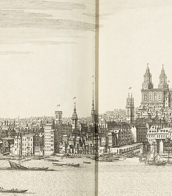
nuremberg



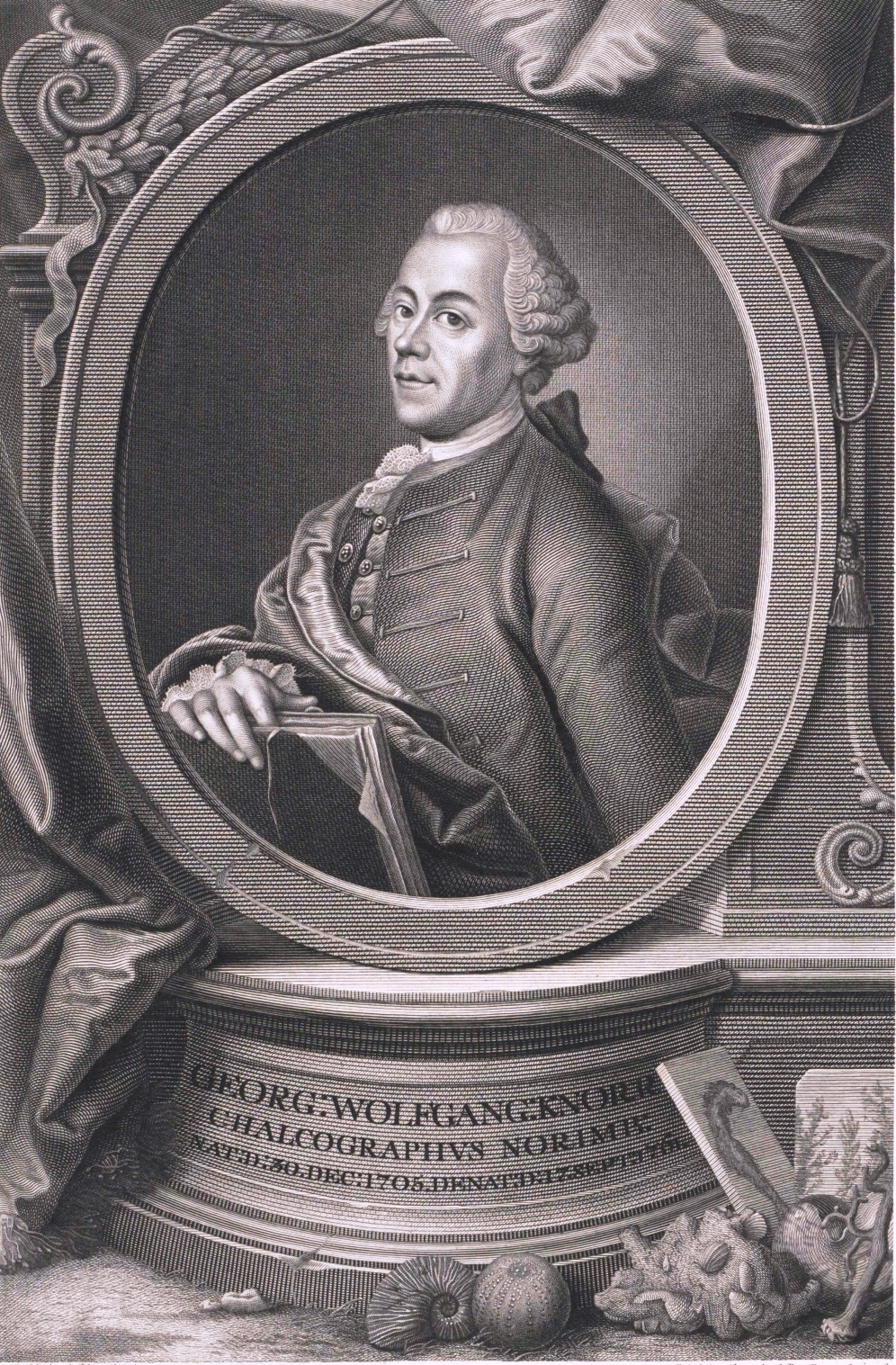
Georg Wolfgang Knorr was a German engraver, naturalist, and one of the first paleontologists of the 18th century.
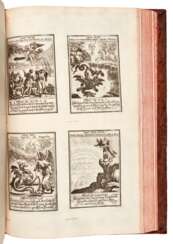
Knorr was first apprenticed to his father as a lathe operator, and at the age of eighteen became a copper engraver for Leongard Blank, working with Martin Tiroff on the illustrations for Jacob Scheuchzer's Physica Sacra (1731). This work and his acquaintance with J.A. Beurer, a mineralogist and correspondent of the Royal Society, awakened Knorr's interest in natural history.
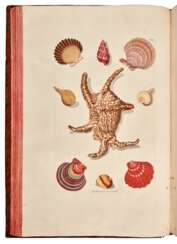
In the 1750s Knorr began publishing his own sumptuous folios. One of the most beautiful books of the eighteenth century is devoted to sea shells.

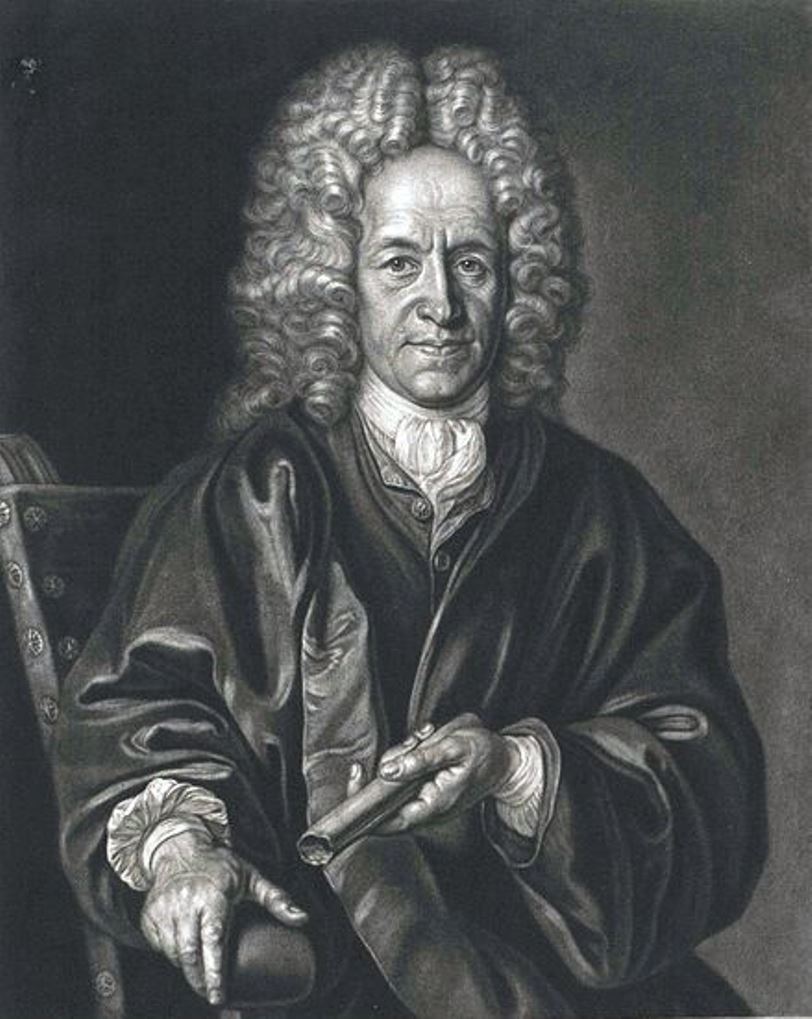
Christoph Weigel the Elder, full name Johann Christoph Weigel, was a German painter, engraver and publisher.
Weigel worked very successfully in the mezzotint technique. He was the first engraver to use a kind of machine for making backgrounds. He established his own printing house in Nuremberg in 1698, and worked closely with the imperial geographer and cartographer Johann Baptist Homann (1664-1724) to produce his maps. His younger brother Johann Christoph Weigel kept an art trade store in Nuremberg around the same time, and also quite successfully.
One of Weigel's most important works is the Ständebuch (Book of Classes) of 1698, which describes and illustrates with engravings more than two hundred trades and services, including mining.
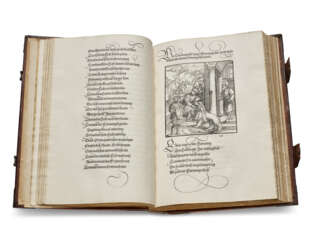





























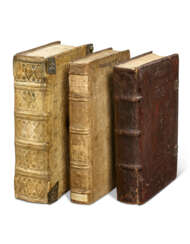

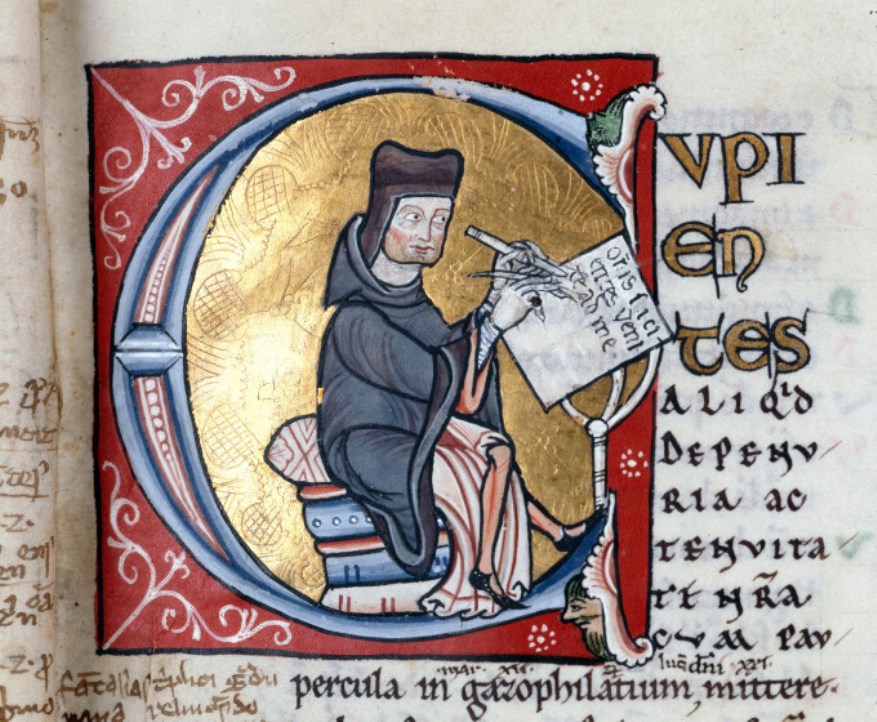
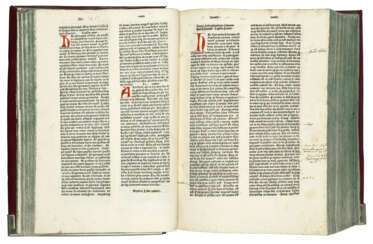

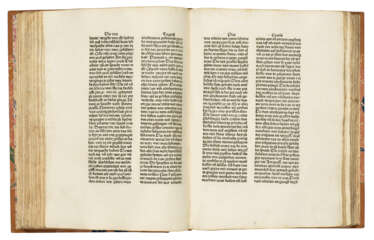

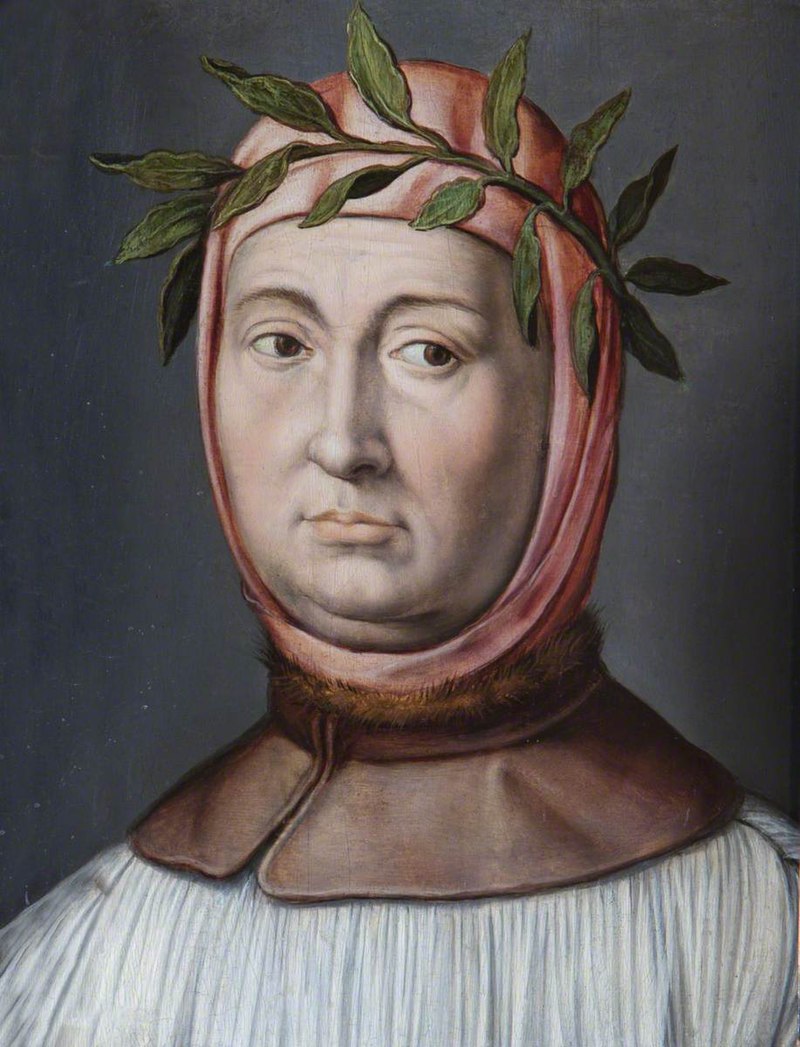
Giovanni Boccaccio was an Italian humanist scholar, writer and poet of the Early Renaissance.
Boccaccio was the son of a Tuscan merchant who sent him to Naples to study business and law. Giovanni revolved in aristocratic circles there and became acquainted with Petrarch's work. In Naples he wrote his first works of poetry, raising the poetry of Italian minstrelsy to literature. Returning to Florence in 1341, Boccaccio, in addition to the famous book of witty short stories "Decameron" (1348-1353), created many poems, allegories and prose works.
In 1350 at Bocaccio's house in Florence, he met Petrarch, which developed into a friendship. In the last years of his life he concentrated on scholarly works in Latin, including writing De montibus, silvis, fontibus, lacubus..., - this alphabetical list of mountains, forests, rivers and lakes was based on the writings of ancient poets. His other Latin works include the philosophical and historical De claris mulieribus (a collection of biographies of famous women, 1360-74) and De casibus virorum illustrium (On the Fates of Famous Men, 1355-74).
Giovanni Boccaccio had a significant influence on the development of all European culture through his work. Together with Petrarch, he laid the foundations of Renaissance humanism and raised popular literature to the level and status of the ancient classics.