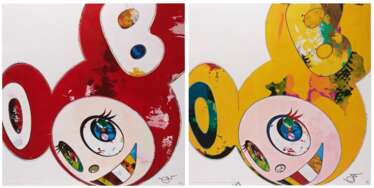
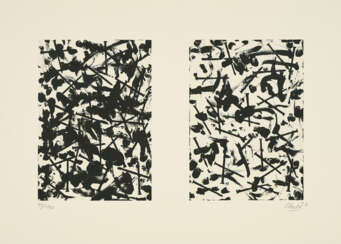
offset-lithographie


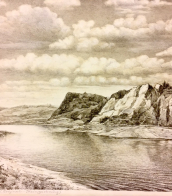
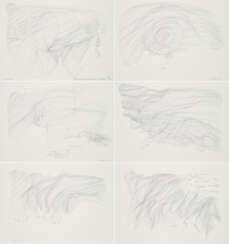

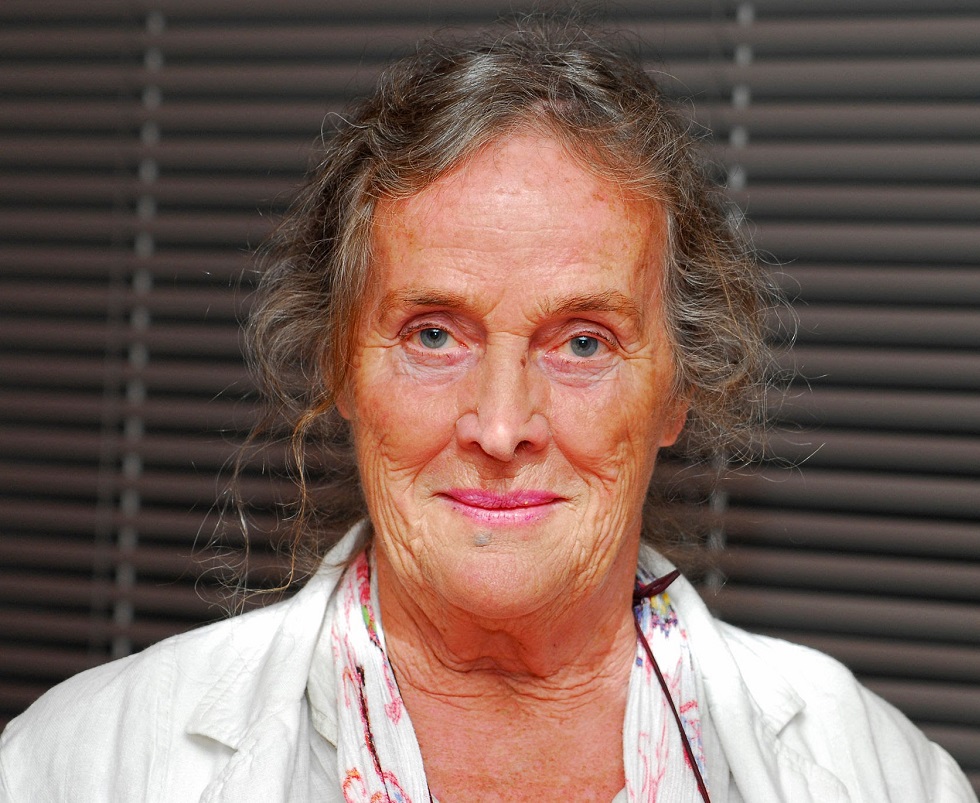
Mary Hildegard Ruth Bauermeister was a German artist who worked in sculpture, drawing, installation, performance, and music. Influenced by Fluxus artists and Nouveau Réalisme, her work addresses esoteric issues of how information is transferable through society. Beginning in the 1970s, her work concentrated on the themes surrounding New Age spirituality, specifically geomancy, the divine interpretation of lines on the ground.
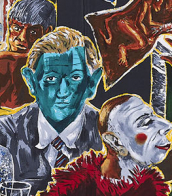
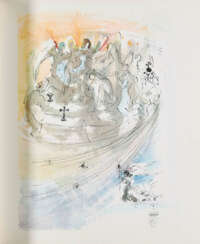

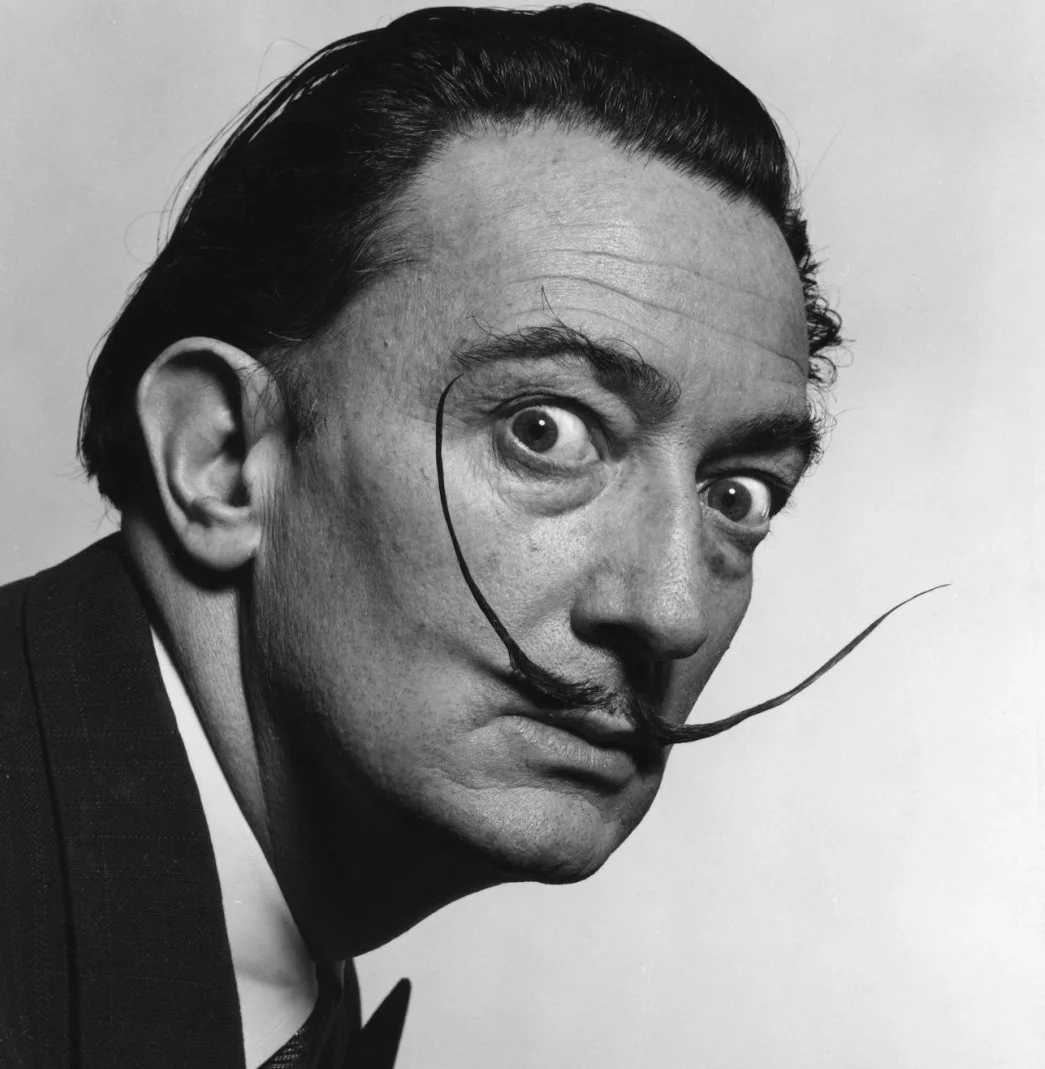
Salvador Dalí, a Spanish Surrealist painter and printmaker, is celebrated for his vivid and imaginative works that delve into subconscious imagery. Born on May 11, 1904, in Figueres, Catalonia, Spain, Dalí's early exposure to Impressionism and Renaissance masters significantly influenced his artistic development. His education in fine arts in Madrid further shaped his style, leading him to experiment with Cubism and avant-garde movements. In the late 1920s, Dalí embraced Surrealism, joining the Surrealist group in 1929 and rapidly becoming one of its most prominent figures.
Dalí's most famous work, "The Persistence of Memory," completed in 1931, epitomizes the Surrealist movement with its iconic melting clocks symbolizing the fluidity of time. His artistic repertoire was diverse, including painting, graphic arts, film, sculpture, design, and photography, often incorporating themes of dreams, the subconscious, sexuality, religion, and science. Despite his remarkable artistic contributions, Dalí's eccentric and flamboyant public persona often overshadowed his work. He faced criticism for his public support of the Francoist regime and the authenticity of some of his late works.
Dalí's legacy is preserved in major museums, notably the Dalí Theatre-Museum in Figueres and the Salvador Dalí Museum in St. Petersburg, Florida. These institutions showcase his extensive and varied body of work, illustrating his profound impact on Surrealism, pop art, and contemporary artists.
If you're captivated by the surreal world of Salvador Dalí and want to stay informed about new sales and auction events featuring his works, sign up for our updates. Our service is tailored specifically for art collectors and experts, providing timely information and insights into the vibrant market of Dalí's art. Remember, this subscription is focused solely on bringing you the latest in product sales and auction events related to Salvador Dalí. Don't miss out on the opportunity to enrich your collection with pieces from one of the most influential surrealists of all time. Sign up now and be the first to know about these exclusive events.
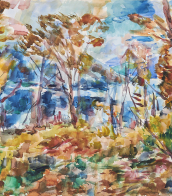


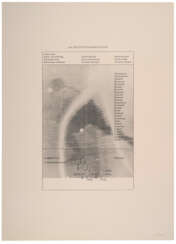

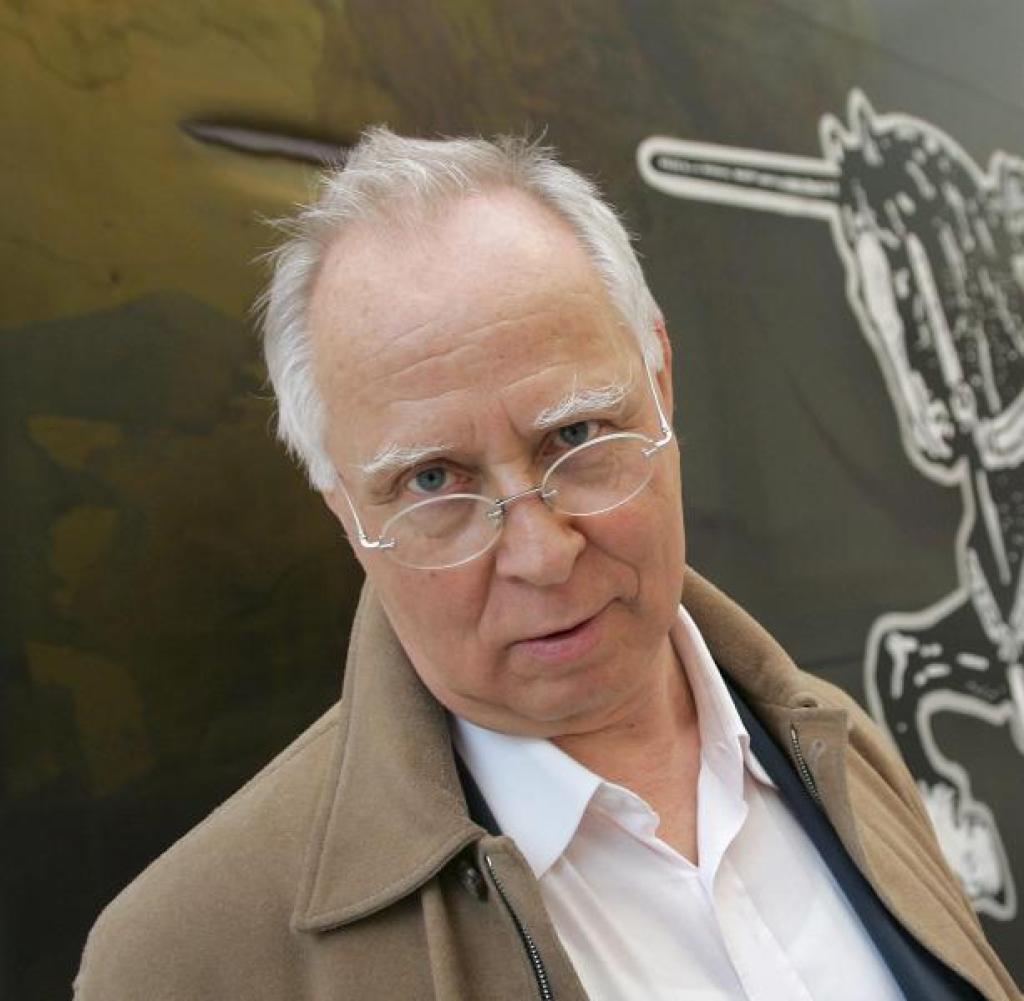
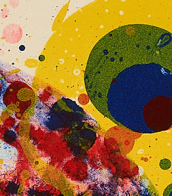
Sigmar Polke was a German painter and photographer.
Polke experimented with a wide range of styles, subject matters and materials. In the 1970s, he concentrated on photography, returning to paint in the 1980s, when he produced abstract works created by chance through chemical reactions between paint and other products. In the last 20 years of his life, he produced paintings focused on historical events and perceptions of them.
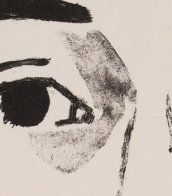

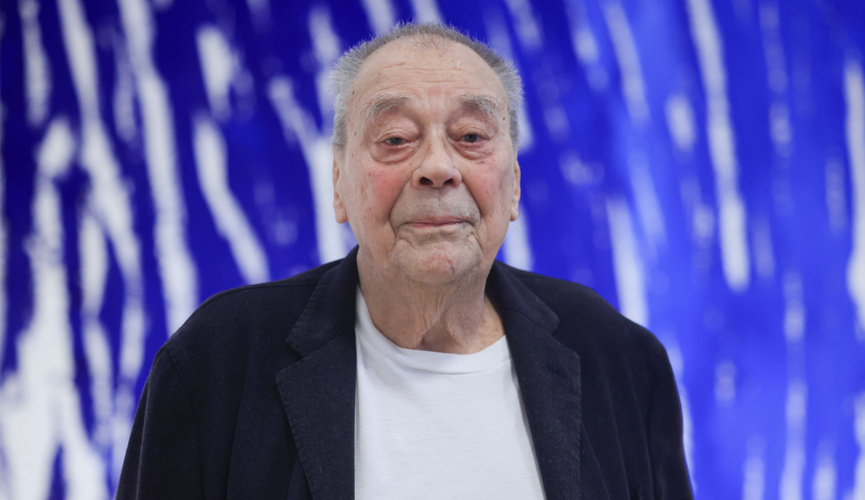
Günther Uecker is a German sculptor, op artist and installation artist.


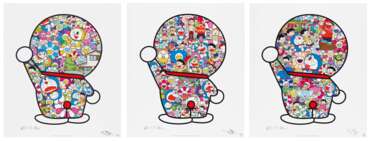

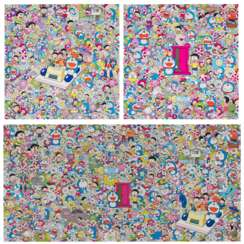



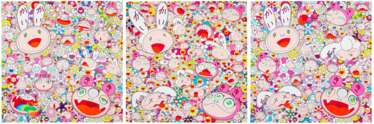



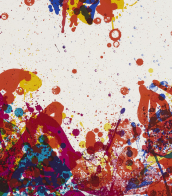


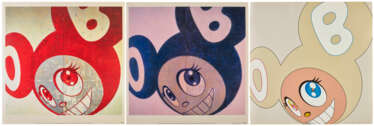

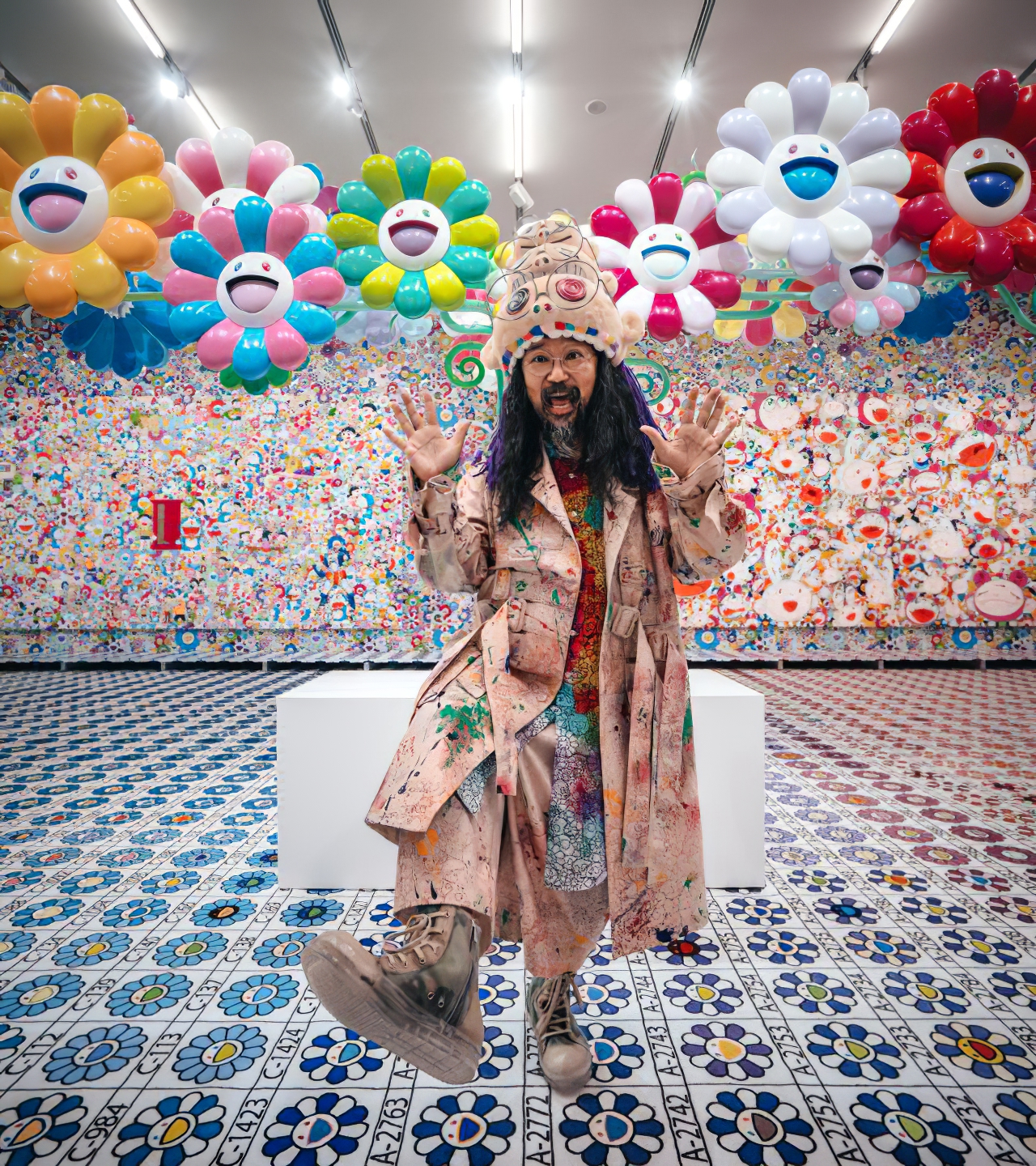
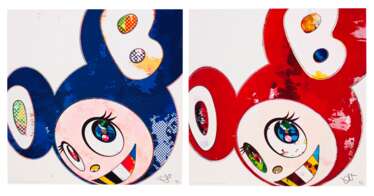
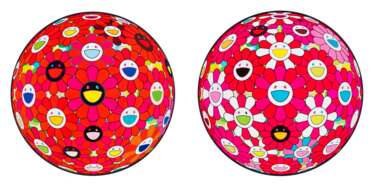
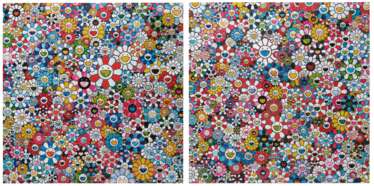
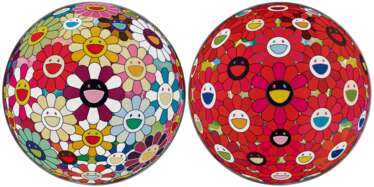
Takashi Murakami is a Japanese contemporary artist. He works in fine arts media (such as painting and sculpture) as well as commercial (such as fashion, merchandise, and animation) and is known for blurring the line between high and low arts as well as co aesthetic characteristics of the Japanese artistic tradition and the nature of postwar Japanese culture and society, and is also used for Murakami's artistic style and other Japanese artists he has influenced.
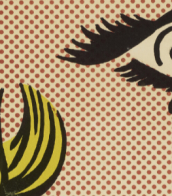




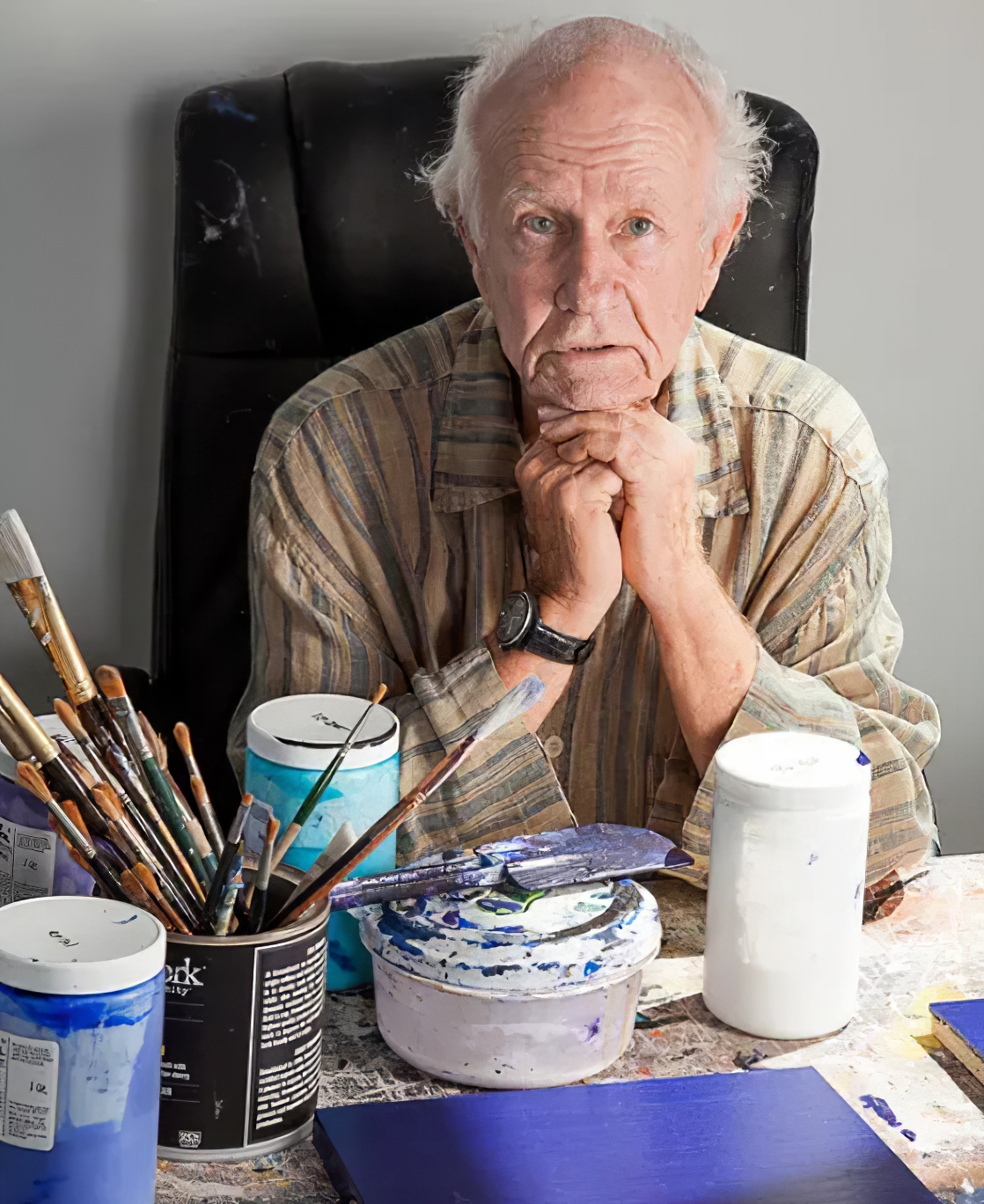
Joe Goode is an American artist associated with the Pop Art and Light and Space movements. Goode's work often incorporates images of the American West, such as clouds, mountains, and sunsets, as well as everyday objects like milk bottles and newspapers.
Goode studied at the Chouinard Art Institute in Los Angeles. He began his career as a painter in the 1950s and 1960s, creating works that combined abstraction and figuration. In the 1960s, he became associated with the Pop Art movement and began incorporating images of everyday objects and popular culture into his work.
In the 1970s, Goode began exploring the potential of light and color as mediums, creating installations and sculptures that played with the ways in which light interacts with different materials and surfaces. He was also associated with the Light and Space movement, which sought to create immersive, sensory experiences through the use of light and space.
Goode has exhibited his work extensively in the United States and Europe, and his work is represented in numerous public and private collections. He has also taught at several art schools, including the University of California, Los Angeles.
Goode continues to work and exhibit his art today, and his innovative approach to painting, sculpture, and installation has made him one of the most important artists of the Pop Art and Light and Space movements.
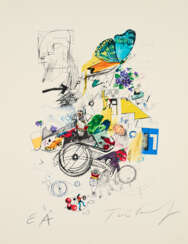

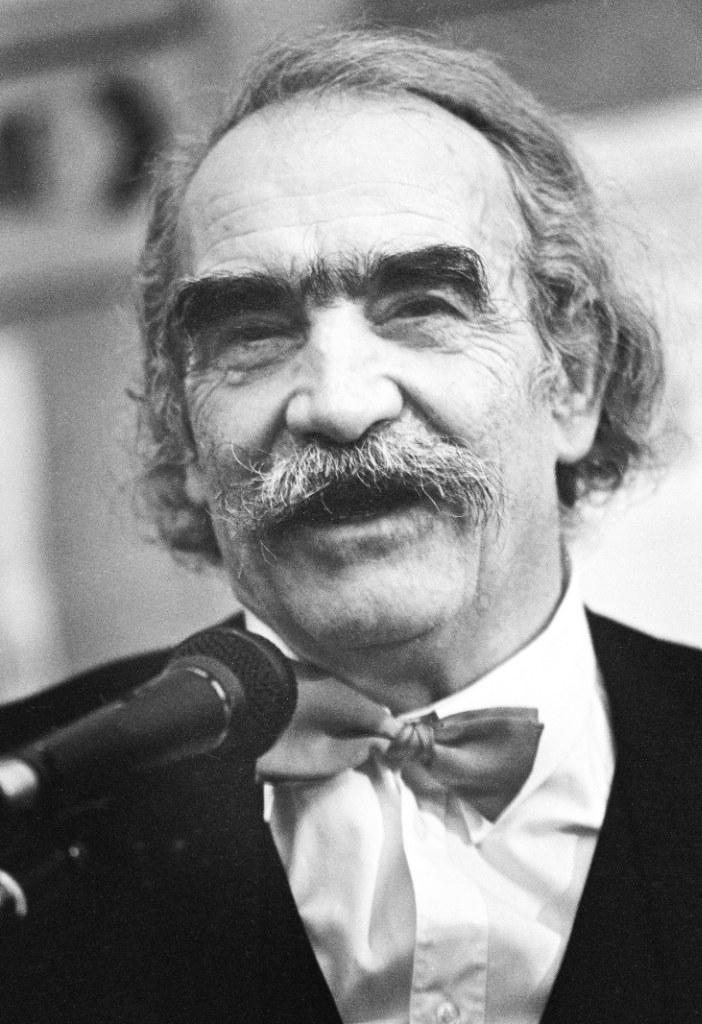
Jean Tinguely, a Swiss sculptor born in Fribourg, Switzerland, in 1925, carved a unique niche in art history with his kinetic sculptures, integrating movement and self-destruction into his works. Notably, his pieces extend the Dada tradition into the latter part of the 20th century, satirizing automation and the technological overproduction of material goods. Tinguely's innovative approach is exemplified in his Metamatic drawing machines, allowing viewers to create abstract images automatically, and his spectacular self-destroying sculpture "Homage to New York" at MoMA in 1960, showcasing his flair for blending performance and art.
His artistry evolved through collaboration with other artists, including his wife Niki de Saint Phalle, leading to vibrant, large-scale projects like the colorful "Stravinsky Fountain" near the Centre Pompidou in Paris. Tinguely's works, characterized by their use of scrap metal and mechanical parts, not only challenge the conventional boundaries of art but also engage with themes of destruction, renewal, and the intersection of art and life. His significant contributions to kinetic art and his involvement with the Nouveau Réalisme group highlight his pioneering role in post-war European art.
Tinguely's legacy is preserved in the Museum Tinguely in Basel, dedicated to his life and work, ensuring his innovative spirit continues to inspire. His works, such as "Méta-Harmonie" and the "Carnival Fountain" in Basel, remain influential, blending artistic exploration with mechanical invention.
For art collectors and experts, Tinguely's creations represent not only significant artistic achievements but also compelling investments, as his works continue to command high prices at auctions, reflecting their enduring appeal and historical importance.
To stay updated on sales and auction events featuring Jean Tinguely's art, sign up for updates. This subscription will ensure you're informed about new opportunities to explore and acquire pieces by this visionary artist, bringing the dynamic energy of kinetic art into your collection.