online post


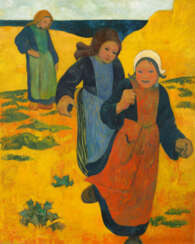

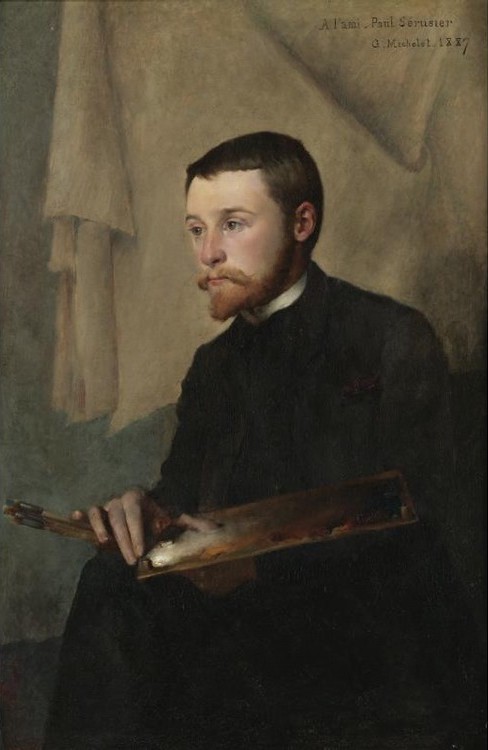
Paul Sérusier was a French Post-Impressionist painter and theorist, notable for his significant contributions to the art movement known as the Nabis. Born in Paris on November 9, 1864, Sérusier's work is characterized by its expressive use of color and pattern, inspired by the techniques of Paul Gauguin. He is best known for his exploration of color, sensation, and abstraction, particularly evident in works like "Le Talisman, the Aven River at the Bois d'Amour" (1888). This painting marks a departure from the Impressionists' more faithful representation of observed reality, focusing instead on translating sensations onto the canvas with vibrant brushstrokes and an emphasis on emotional expression over visual accuracy.
Sérusier's paintings often feature the landscapes and people of Brittany, notable for their contemplative mood achieved through firm contours and blocks of unmodulated color. His style evolved under the influence of Synthetism and Cloisonnism, favoring flattened forms and large swathes of color, as seen in "Farmhouse at le Pouldu" (1890). This approach reflects a decorative organization of objects, emphasizing the craft and execution of the scene.
Some of Sérusier's notable works are housed in prestigious museums such as the Musée d'Orsay in Paris, including "Portrait of Paul Ranson in Nabi Costume" (1890) and "Landscape" (1912). His legacy extends beyond his own artworks; he was a key figure in the formation of the Nabis movement, and his theoretical contributions have had a lasting impact on the art world.
For collectors and experts in art and antiques, Sérusier's work represents a unique blend of post-impressionist and symbolist styles, making his pieces highly valued both for their historical significance and their aesthetic appeal. To stay updated on new product sales and auction events related to Paul Sérusier, sign up for our updates. This subscription service is exclusively focused on providing information related to Sérusier's work, ensuring you remain informed about opportunities to acquire pieces by this influential artist.



Paul Sérusier was a French Post-Impressionist painter and theorist, notable for his significant contributions to the art movement known as the Nabis. Born in Paris on November 9, 1864, Sérusier's work is characterized by its expressive use of color and pattern, inspired by the techniques of Paul Gauguin. He is best known for his exploration of color, sensation, and abstraction, particularly evident in works like "Le Talisman, the Aven River at the Bois d'Amour" (1888). This painting marks a departure from the Impressionists' more faithful representation of observed reality, focusing instead on translating sensations onto the canvas with vibrant brushstrokes and an emphasis on emotional expression over visual accuracy.
Sérusier's paintings often feature the landscapes and people of Brittany, notable for their contemplative mood achieved through firm contours and blocks of unmodulated color. His style evolved under the influence of Synthetism and Cloisonnism, favoring flattened forms and large swathes of color, as seen in "Farmhouse at le Pouldu" (1890). This approach reflects a decorative organization of objects, emphasizing the craft and execution of the scene.
Some of Sérusier's notable works are housed in prestigious museums such as the Musée d'Orsay in Paris, including "Portrait of Paul Ranson in Nabi Costume" (1890) and "Landscape" (1912). His legacy extends beyond his own artworks; he was a key figure in the formation of the Nabis movement, and his theoretical contributions have had a lasting impact on the art world.
For collectors and experts in art and antiques, Sérusier's work represents a unique blend of post-impressionist and symbolist styles, making his pieces highly valued both for their historical significance and their aesthetic appeal. To stay updated on new product sales and auction events related to Paul Sérusier, sign up for our updates. This subscription service is exclusively focused on providing information related to Sérusier's work, ensuring you remain informed about opportunities to acquire pieces by this influential artist.
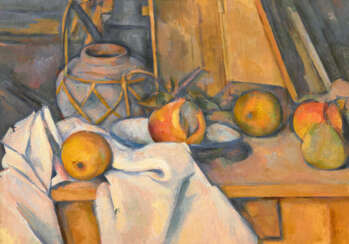

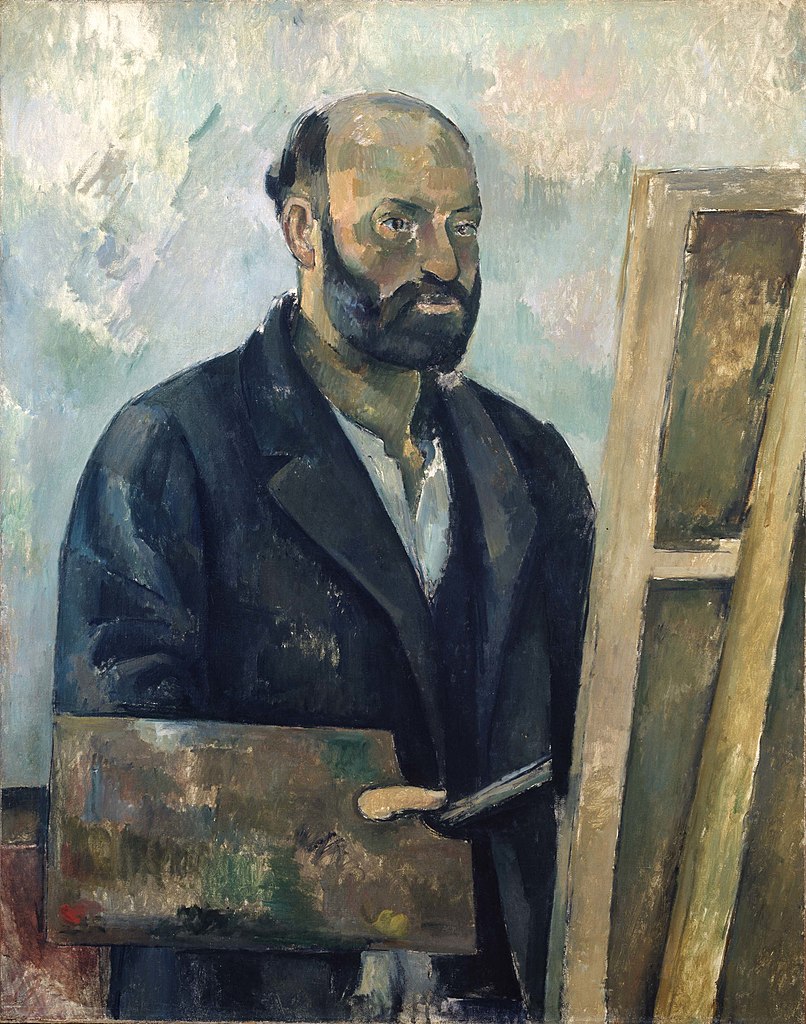
Paul Cézanne, a French Post-Impressionist painter, was pivotal in shaping the transition from 19th-century art to a new, revolutionary approach in the 20th century. His unique and exploratory brushstrokes, utilizing planes of color to form complex fields, made his work instantly recognizable and influential in the development of Cubism.
Cézanne’s early works, influenced by Romanticism and Realism, evolved into a groundbreaking artistic language. He challenged traditional perspective and academic art rules, focusing on objects' structural aspects and art's formal qualities. This approach led to a renewed emphasis on impressionistic color space and modulation principles.
His most notable works, like “Mont Sainte-Victoire,” “The Card Players,” and “The Bathers,” display his mastery in creating depth and dimension through color gradations. These paintings, initially met with skepticism, eventually cemented Cézanne’s reputation as a pioneering artist. His exhibitions, particularly the one-man show by dealer Ambroise Vollard in 1895, played a critical role in his recognition.
Cézanne’s impact on art history is profound, with greats like Henri Matisse and Pablo Picasso acknowledging him as a significant influence. His exploration of geometric forms and innovative use of light and color laid the groundwork for subsequent movements, particularly Cubism.
For collectors and art experts, Cézanne's works are more than just paintings; they are pivotal chapters in the narrative of modern art. His creations, bridging Impressionism and Cubism, continue to inspire and challenge contemporary artists.
To stay updated on new product sales and auction events related to Paul Cézanne, sign up for our updates. This subscription ensures you remain informed about the latest developments in the world of this revolutionary artist.
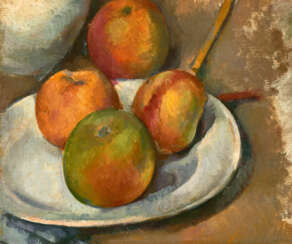

Paul Cézanne, a French Post-Impressionist painter, was pivotal in shaping the transition from 19th-century art to a new, revolutionary approach in the 20th century. His unique and exploratory brushstrokes, utilizing planes of color to form complex fields, made his work instantly recognizable and influential in the development of Cubism.
Cézanne’s early works, influenced by Romanticism and Realism, evolved into a groundbreaking artistic language. He challenged traditional perspective and academic art rules, focusing on objects' structural aspects and art's formal qualities. This approach led to a renewed emphasis on impressionistic color space and modulation principles.
His most notable works, like “Mont Sainte-Victoire,” “The Card Players,” and “The Bathers,” display his mastery in creating depth and dimension through color gradations. These paintings, initially met with skepticism, eventually cemented Cézanne’s reputation as a pioneering artist. His exhibitions, particularly the one-man show by dealer Ambroise Vollard in 1895, played a critical role in his recognition.
Cézanne’s impact on art history is profound, with greats like Henri Matisse and Pablo Picasso acknowledging him as a significant influence. His exploration of geometric forms and innovative use of light and color laid the groundwork for subsequent movements, particularly Cubism.
For collectors and art experts, Cézanne's works are more than just paintings; they are pivotal chapters in the narrative of modern art. His creations, bridging Impressionism and Cubism, continue to inspire and challenge contemporary artists.
To stay updated on new product sales and auction events related to Paul Cézanne, sign up for our updates. This subscription ensures you remain informed about the latest developments in the world of this revolutionary artist.


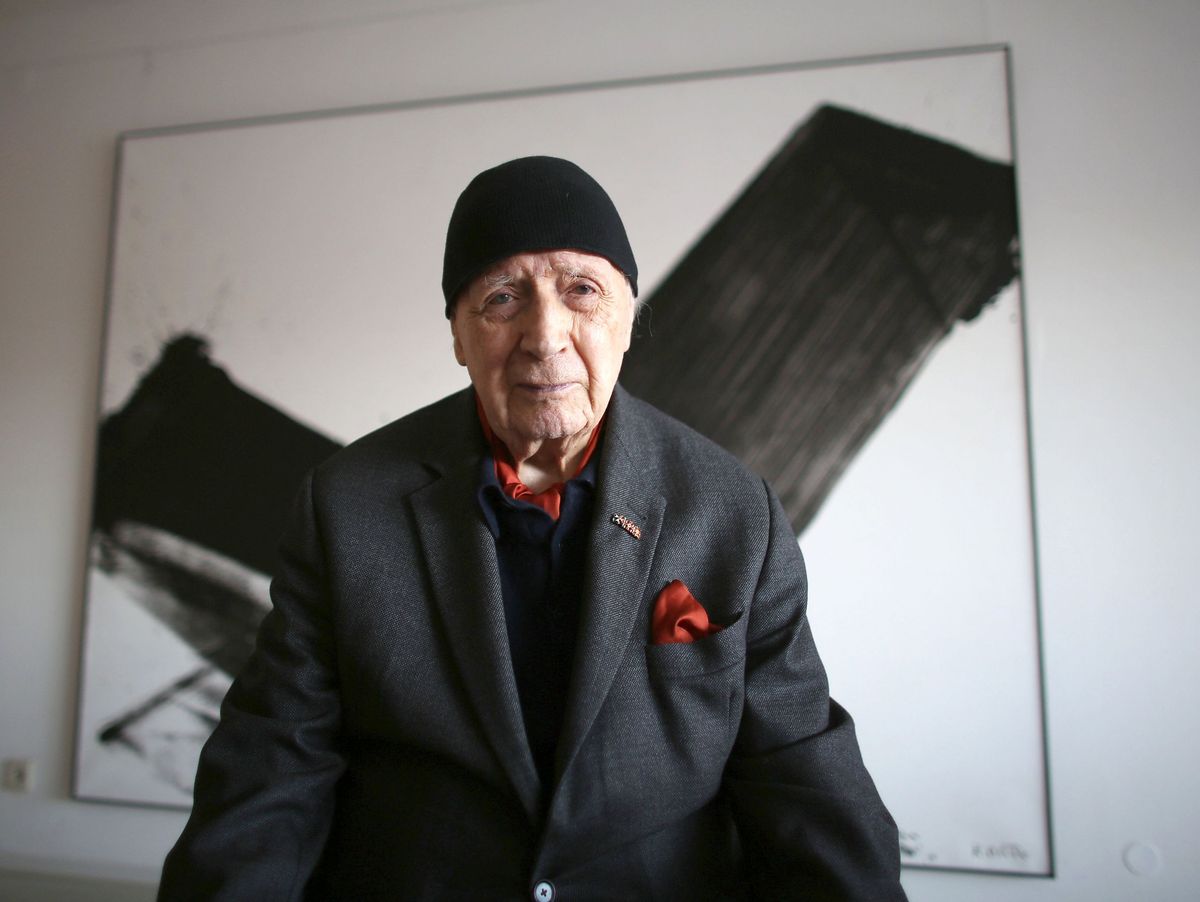
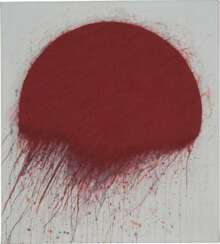
Karl Otto Götz was a German artist, filmmaker, draughtsman, printmaker, writer and professor of art at the Kunstakademie Düsseldorf. He was one of the oldest living and active artists older than 100 years of age and is best remembered for his explosive and complex abstract forms. His powerful, surrealist-inspired works earned him international recognition in exhibitions like documenta II in 1959. Götz never confined himself to one specific style or artistic field. He also explored generated abstract forms through television art. Götz is one of the most important members of the German Art Informel movement.
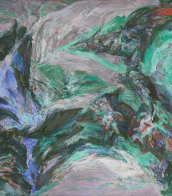


Karl Otto Götz was a German artist, filmmaker, draughtsman, printmaker, writer and professor of art at the Kunstakademie Düsseldorf. He was one of the oldest living and active artists older than 100 years of age and is best remembered for his explosive and complex abstract forms. His powerful, surrealist-inspired works earned him international recognition in exhibitions like documenta II in 1959. Götz never confined himself to one specific style or artistic field. He also explored generated abstract forms through television art. Götz is one of the most important members of the German Art Informel movement.
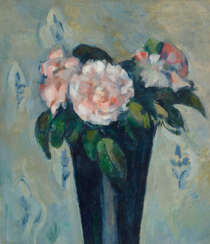

Paul Cézanne, a French Post-Impressionist painter, was pivotal in shaping the transition from 19th-century art to a new, revolutionary approach in the 20th century. His unique and exploratory brushstrokes, utilizing planes of color to form complex fields, made his work instantly recognizable and influential in the development of Cubism.
Cézanne’s early works, influenced by Romanticism and Realism, evolved into a groundbreaking artistic language. He challenged traditional perspective and academic art rules, focusing on objects' structural aspects and art's formal qualities. This approach led to a renewed emphasis on impressionistic color space and modulation principles.
His most notable works, like “Mont Sainte-Victoire,” “The Card Players,” and “The Bathers,” display his mastery in creating depth and dimension through color gradations. These paintings, initially met with skepticism, eventually cemented Cézanne’s reputation as a pioneering artist. His exhibitions, particularly the one-man show by dealer Ambroise Vollard in 1895, played a critical role in his recognition.
Cézanne’s impact on art history is profound, with greats like Henri Matisse and Pablo Picasso acknowledging him as a significant influence. His exploration of geometric forms and innovative use of light and color laid the groundwork for subsequent movements, particularly Cubism.
For collectors and art experts, Cézanne's works are more than just paintings; they are pivotal chapters in the narrative of modern art. His creations, bridging Impressionism and Cubism, continue to inspire and challenge contemporary artists.
To stay updated on new product sales and auction events related to Paul Cézanne, sign up for our updates. This subscription ensures you remain informed about the latest developments in the world of this revolutionary artist.
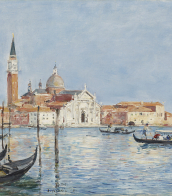
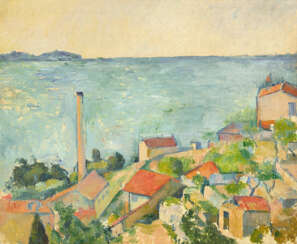

Paul Cézanne, a French Post-Impressionist painter, was pivotal in shaping the transition from 19th-century art to a new, revolutionary approach in the 20th century. His unique and exploratory brushstrokes, utilizing planes of color to form complex fields, made his work instantly recognizable and influential in the development of Cubism.
Cézanne’s early works, influenced by Romanticism and Realism, evolved into a groundbreaking artistic language. He challenged traditional perspective and academic art rules, focusing on objects' structural aspects and art's formal qualities. This approach led to a renewed emphasis on impressionistic color space and modulation principles.
His most notable works, like “Mont Sainte-Victoire,” “The Card Players,” and “The Bathers,” display his mastery in creating depth and dimension through color gradations. These paintings, initially met with skepticism, eventually cemented Cézanne’s reputation as a pioneering artist. His exhibitions, particularly the one-man show by dealer Ambroise Vollard in 1895, played a critical role in his recognition.
Cézanne’s impact on art history is profound, with greats like Henri Matisse and Pablo Picasso acknowledging him as a significant influence. His exploration of geometric forms and innovative use of light and color laid the groundwork for subsequent movements, particularly Cubism.
For collectors and art experts, Cézanne's works are more than just paintings; they are pivotal chapters in the narrative of modern art. His creations, bridging Impressionism and Cubism, continue to inspire and challenge contemporary artists.
To stay updated on new product sales and auction events related to Paul Cézanne, sign up for our updates. This subscription ensures you remain informed about the latest developments in the world of this revolutionary artist.


.jfif)
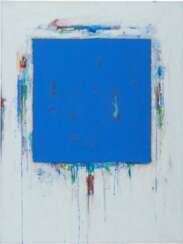
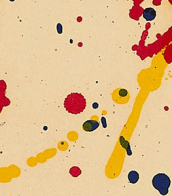
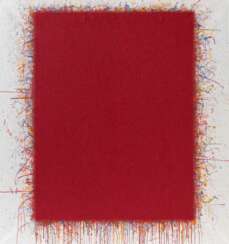
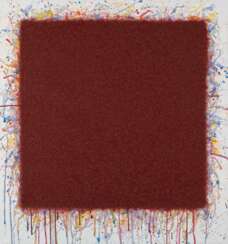
Samuel Lewis Francis, an American painter and printmaker, was known for his pivotal role in postwar American painting and his contributions to the Abstract Expressionism and Color Field painting movements. Born in San Mateo, California, Francis' early life was marked by a deep personal loss and a significant injury during his service in the Army Air Corps, which led him to pursue painting while recovering in a hospital. His work, characterized by splashes of bright contrasting colors against expansive white canvases, drew international acclaim, particularly in Europe and Japan, underscoring his influence on the global art scene.
Francis' art evolved through various phases, from monochromatic works to vibrant, large-scale pieces, and was deeply influenced by his time in Paris and Japan, reflecting elements of Tachisme and possibly Zen Buddhism. Notable for creating large murals and his "Edge" series, Francis also founded The Lapis Press, further contributing to the art community by producing visually compelling texts. Despite facing health challenges towards the end of his life, he remained prolific, leaving behind a legacy celebrated through the Sam Francis Foundation, which aims to perpetuate his creative legacy.
Francis' artworks are held in prestigious collections worldwide, including The Metropolitan Museum of Art, The Museum of Modern Art, New York, and the Centre Pompidou-Musee National d'Art Moderne, Paris, highlighting his enduring influence on contemporary art. His auction records and continued recognition in solo exhibitions posthumously underscore the lasting impact of his work on both collectors and the art community.
For those passionate about modern art and its history, staying informed about Samuel Lewis Francis' contributions and the ongoing exhibitions of his works can be enriching. Sign up for updates related to Francis to ensure you don't miss out on new sales and auction events showcasing his vibrant legacy.
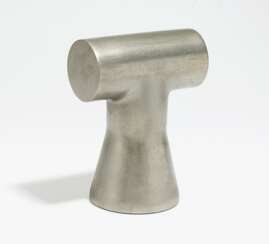



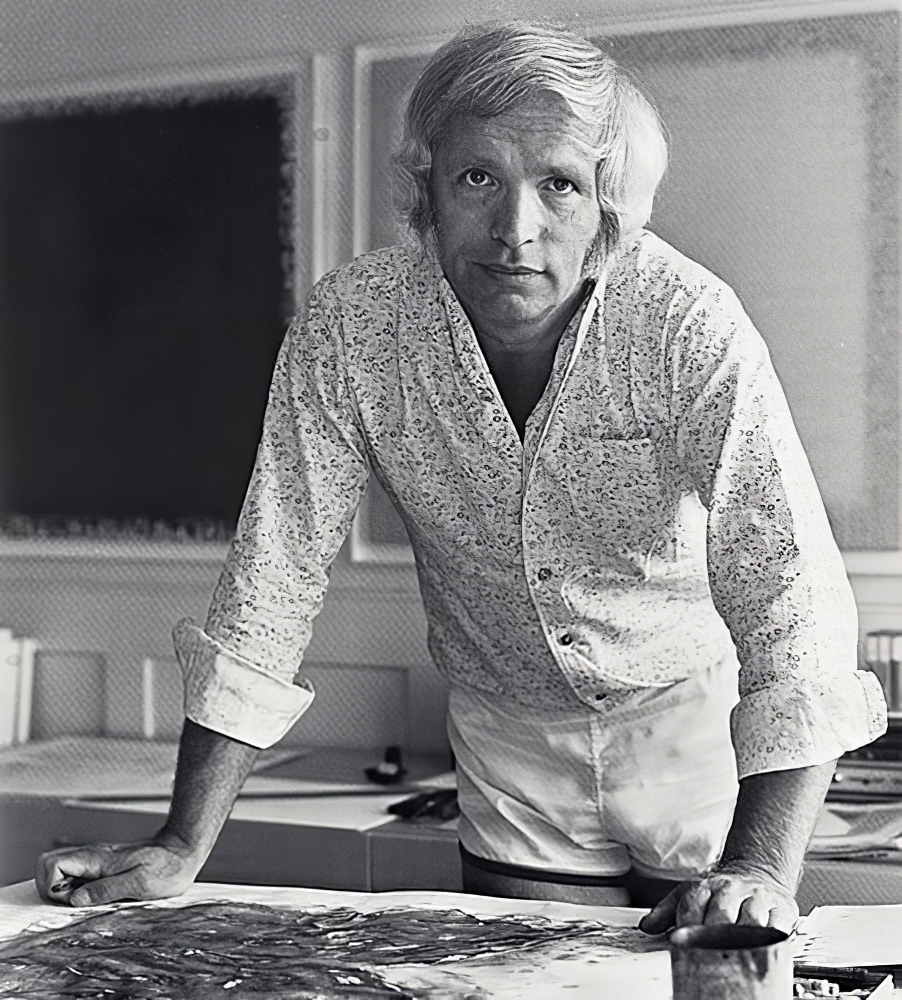
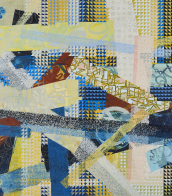
Bernd Berner is a German painter and graphic artist.
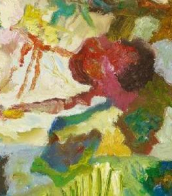
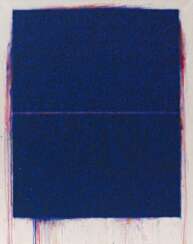

Bernd Berner is a German painter and graphic artist.

Bernd Berner is a German painter and graphic artist.


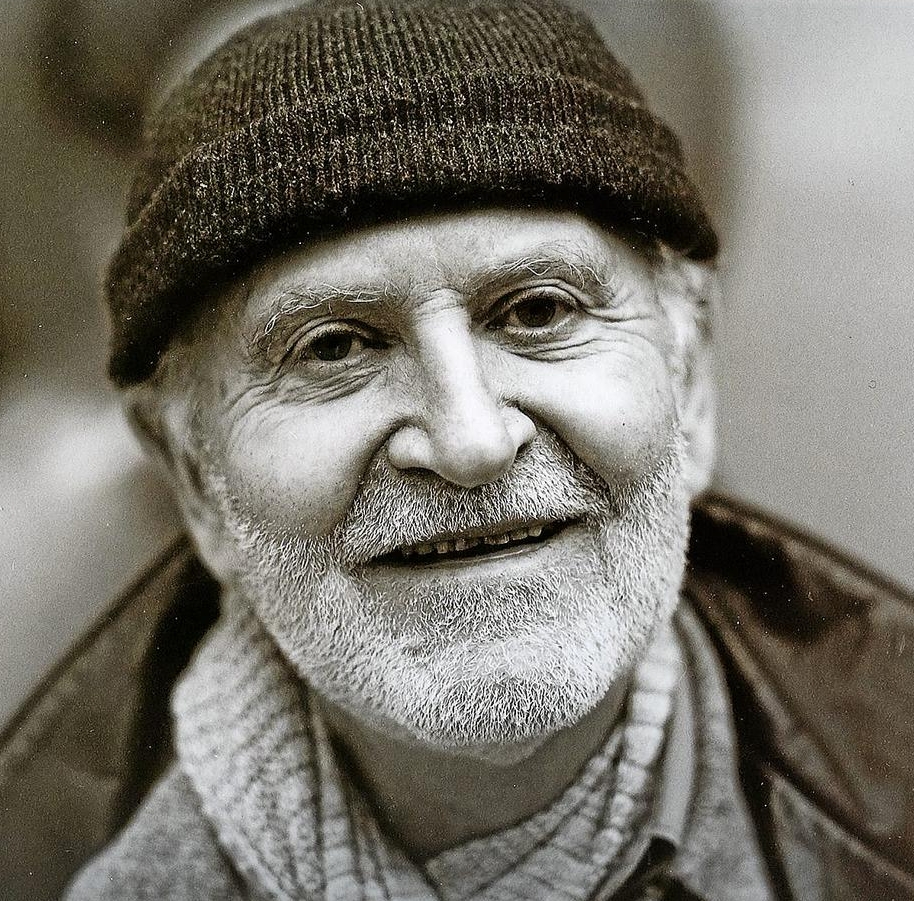
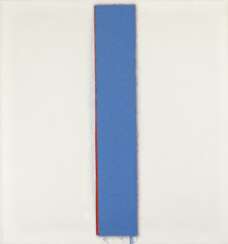
Friedrich Gräsel was a German sculptor, painter and graphic artist. He was known for his kinetic sculptures, which often incorporated light, sound, and movement.
Gräsel studied at the Academy of Fine Arts Nuremberg and later taught at the Academy of Fine Arts Munich. He began creating kinetic sculptures in the 1960s, using a wide range of materials such as metal, wood, and plastic to create dynamic, interactive works of art.
Gräsel's sculptures often feature intricate mechanisms and complex systems of movement, inviting viewers to engage with the work on a sensory level. His work frequently incorporates elements of humor and whimsy, while also exploring deeper themes related to technology, nature, and the human condition.
Gräsel exhibited his work extensively throughout Europe, including at the Venice Biennale, Documenta in Kassel, and the Museum of Modern Art in Paris. He was also awarded numerous honors and awards for his work, including the Bavarian Order of Merit in 1987 and the Art Prize of the City of Nuremberg in 1997.








Friedrich Gräsel was a German sculptor, painter and graphic artist. He was known for his kinetic sculptures, which often incorporated light, sound, and movement.
Gräsel studied at the Academy of Fine Arts Nuremberg and later taught at the Academy of Fine Arts Munich. He began creating kinetic sculptures in the 1960s, using a wide range of materials such as metal, wood, and plastic to create dynamic, interactive works of art.
Gräsel's sculptures often feature intricate mechanisms and complex systems of movement, inviting viewers to engage with the work on a sensory level. His work frequently incorporates elements of humor and whimsy, while also exploring deeper themes related to technology, nature, and the human condition.
Gräsel exhibited his work extensively throughout Europe, including at the Venice Biennale, Documenta in Kassel, and the Museum of Modern Art in Paris. He was also awarded numerous honors and awards for his work, including the Bavarian Order of Merit in 1987 and the Art Prize of the City of Nuremberg in 1997.


Friedrich Gräsel was a German sculptor, painter and graphic artist. He was known for his kinetic sculptures, which often incorporated light, sound, and movement.
Gräsel studied at the Academy of Fine Arts Nuremberg and later taught at the Academy of Fine Arts Munich. He began creating kinetic sculptures in the 1960s, using a wide range of materials such as metal, wood, and plastic to create dynamic, interactive works of art.
Gräsel's sculptures often feature intricate mechanisms and complex systems of movement, inviting viewers to engage with the work on a sensory level. His work frequently incorporates elements of humor and whimsy, while also exploring deeper themes related to technology, nature, and the human condition.
Gräsel exhibited his work extensively throughout Europe, including at the Venice Biennale, Documenta in Kassel, and the Museum of Modern Art in Paris. He was also awarded numerous honors and awards for his work, including the Bavarian Order of Merit in 1987 and the Art Prize of the City of Nuremberg in 1997.
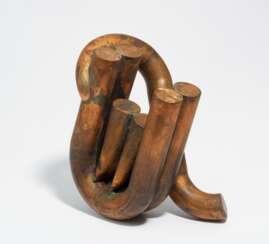

Friedrich Gräsel was a German sculptor, painter and graphic artist. He was known for his kinetic sculptures, which often incorporated light, sound, and movement.
Gräsel studied at the Academy of Fine Arts Nuremberg and later taught at the Academy of Fine Arts Munich. He began creating kinetic sculptures in the 1960s, using a wide range of materials such as metal, wood, and plastic to create dynamic, interactive works of art.
Gräsel's sculptures often feature intricate mechanisms and complex systems of movement, inviting viewers to engage with the work on a sensory level. His work frequently incorporates elements of humor and whimsy, while also exploring deeper themes related to technology, nature, and the human condition.
Gräsel exhibited his work extensively throughout Europe, including at the Venice Biennale, Documenta in Kassel, and the Museum of Modern Art in Paris. He was also awarded numerous honors and awards for his work, including the Bavarian Order of Merit in 1987 and the Art Prize of the City of Nuremberg in 1997.
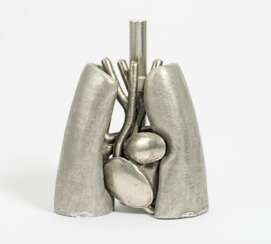

Friedrich Gräsel was a German sculptor, painter and graphic artist. He was known for his kinetic sculptures, which often incorporated light, sound, and movement.
Gräsel studied at the Academy of Fine Arts Nuremberg and later taught at the Academy of Fine Arts Munich. He began creating kinetic sculptures in the 1960s, using a wide range of materials such as metal, wood, and plastic to create dynamic, interactive works of art.
Gräsel's sculptures often feature intricate mechanisms and complex systems of movement, inviting viewers to engage with the work on a sensory level. His work frequently incorporates elements of humor and whimsy, while also exploring deeper themes related to technology, nature, and the human condition.
Gräsel exhibited his work extensively throughout Europe, including at the Venice Biennale, Documenta in Kassel, and the Museum of Modern Art in Paris. He was also awarded numerous honors and awards for his work, including the Bavarian Order of Merit in 1987 and the Art Prize of the City of Nuremberg in 1997.
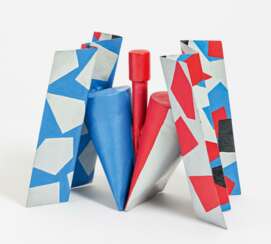

Friedrich Gräsel was a German sculptor, painter and graphic artist. He was known for his kinetic sculptures, which often incorporated light, sound, and movement.
Gräsel studied at the Academy of Fine Arts Nuremberg and later taught at the Academy of Fine Arts Munich. He began creating kinetic sculptures in the 1960s, using a wide range of materials such as metal, wood, and plastic to create dynamic, interactive works of art.
Gräsel's sculptures often feature intricate mechanisms and complex systems of movement, inviting viewers to engage with the work on a sensory level. His work frequently incorporates elements of humor and whimsy, while also exploring deeper themes related to technology, nature, and the human condition.
Gräsel exhibited his work extensively throughout Europe, including at the Venice Biennale, Documenta in Kassel, and the Museum of Modern Art in Paris. He was also awarded numerous honors and awards for his work, including the Bavarian Order of Merit in 1987 and the Art Prize of the City of Nuremberg in 1997.
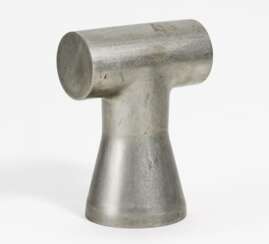

Friedrich Gräsel was a German sculptor, painter and graphic artist. He was known for his kinetic sculptures, which often incorporated light, sound, and movement.
Gräsel studied at the Academy of Fine Arts Nuremberg and later taught at the Academy of Fine Arts Munich. He began creating kinetic sculptures in the 1960s, using a wide range of materials such as metal, wood, and plastic to create dynamic, interactive works of art.
Gräsel's sculptures often feature intricate mechanisms and complex systems of movement, inviting viewers to engage with the work on a sensory level. His work frequently incorporates elements of humor and whimsy, while also exploring deeper themes related to technology, nature, and the human condition.
Gräsel exhibited his work extensively throughout Europe, including at the Venice Biennale, Documenta in Kassel, and the Museum of Modern Art in Paris. He was also awarded numerous honors and awards for his work, including the Bavarian Order of Merit in 1987 and the Art Prize of the City of Nuremberg in 1997.