orlan







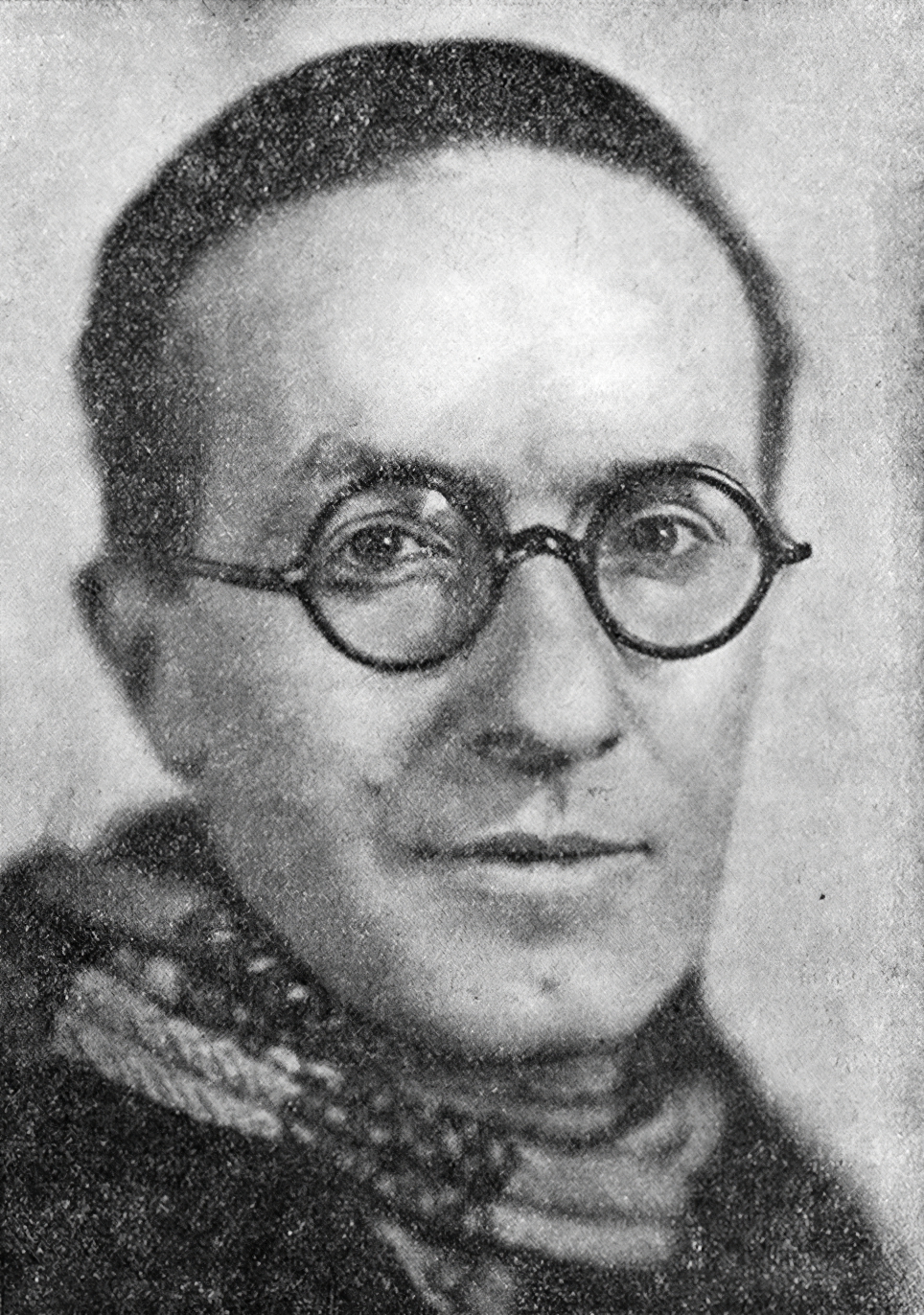
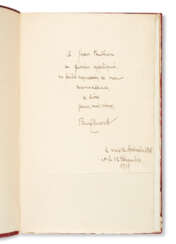
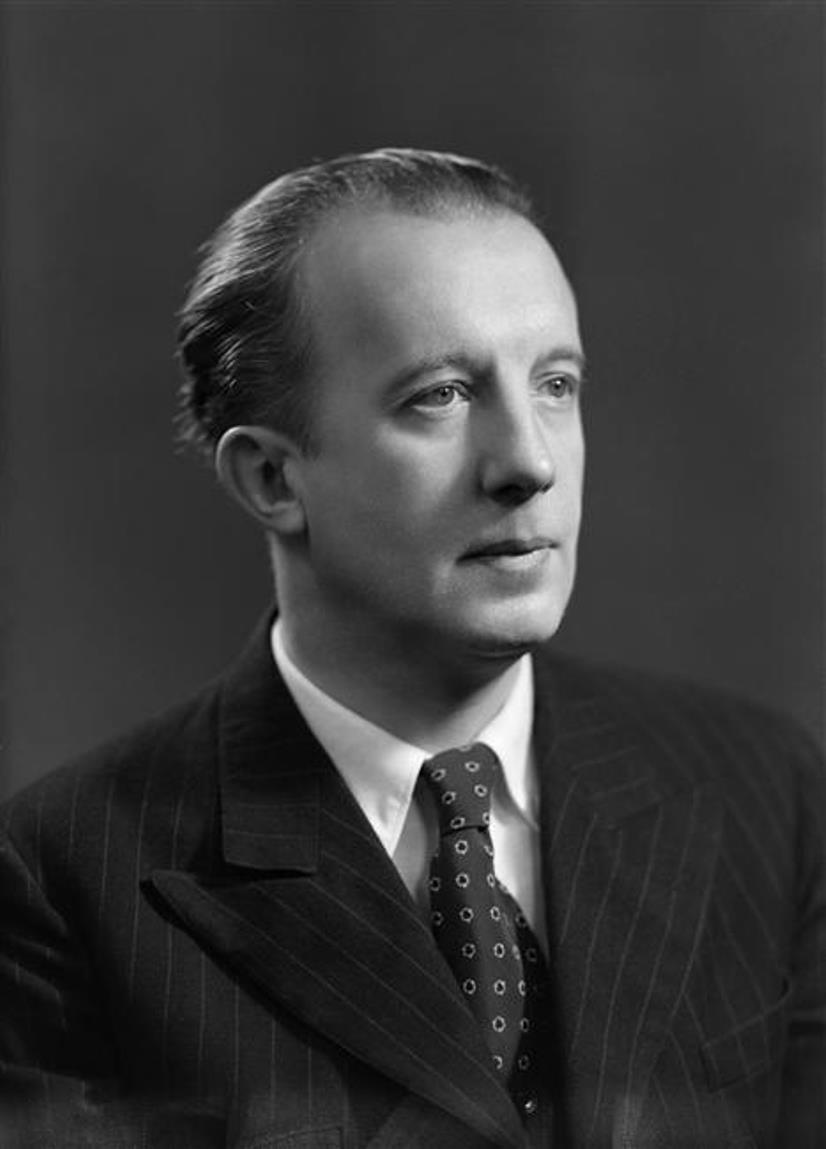
Hippolyte Jean Giraudoux was a French novelist, essayist, diplomat and playwright. He is considered among the most important French dramatists of the period between World War I and World War II. His work is noted for its stylistic elegance and poetic fantasy. Giraudoux's dominant theme is the relationship between man and woman—or in some cases, between man and some unattainable ideal.

Hippolyte Jean Giraudoux was a French novelist, essayist, diplomat and playwright. He is considered among the most important French dramatists of the period between World War I and World War II. His work is noted for its stylistic elegance and poetic fantasy. Giraudoux's dominant theme is the relationship between man and woman—or in some cases, between man and some unattainable ideal.
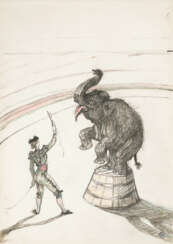

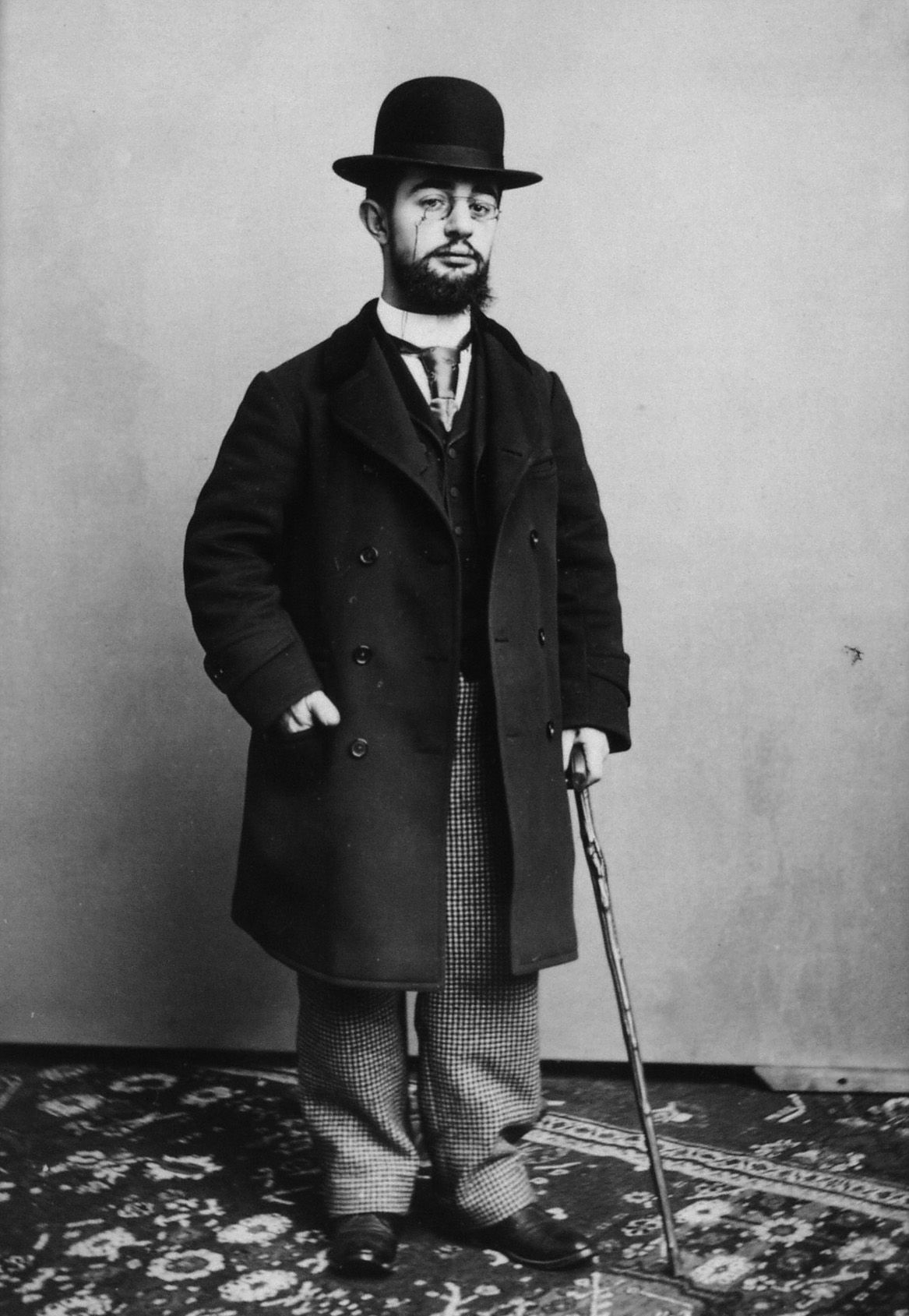
Henri de Toulouse-Lautrec was a distinguished French Post-Impressionist artist, renowned for his deep insights into Parisian nightlife and the world of entertainment in the 1890s. Born into an aristocratic family in Albi, France, Toulouse-Lautrec faced significant health challenges. He suffered from a rare condition, possibly pycnodysostosis, which stunted the growth of his legs following two fractures during his adolescence, leading to a notably short stature as an adult.
Despite his physical limitations, Toulouse-Lautrec immersed himself in art, becoming a key figure in the Post-Impressionist movement alongside artists like Paul Cézanne and Vincent van Gogh. He is particularly celebrated for his vibrant and expressive depictions of the bohemian lifestyle in late 19th-century Paris, often featuring scenes from brothels and nightlife venues. His unique style combined elements of Art Nouveau and lithography, as evidenced in famous works such as "Moulin Rouge: La Goulue" and "At the Moulin Rouge: The Dance".
Toulouse-Lautrec's work offers a window into the Parisian entertainment scene of his time, marked by a vivid use of color and a candid portrayal of his subjects. His ability to capture the essence of Parisian society, from dancers to prostitutes, in an era of great artistic and cultural dynamism, makes his work particularly valuable to art collectors and experts.
For those interested in the art and life of Henri de Toulouse-Lautrec, staying informed about sales and auction events is essential. Sign up for updates to receive the latest news on pieces by Toulouse-Lautrec available for purchase or auction. This subscription focuses exclusively on new product sales and auction events related to Toulouse-Lautrec, ensuring that enthusiasts and collectors don't miss out on any opportunity to acquire pieces from this iconic artist.



Hippolyte Jean Giraudoux was a French novelist, essayist, diplomat and playwright. He is considered among the most important French dramatists of the period between World War I and World War II. His work is noted for its stylistic elegance and poetic fantasy. Giraudoux's dominant theme is the relationship between man and woman—or in some cases, between man and some unattainable ideal.
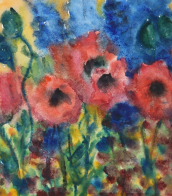
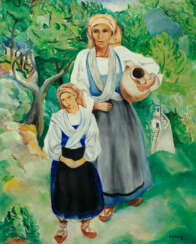

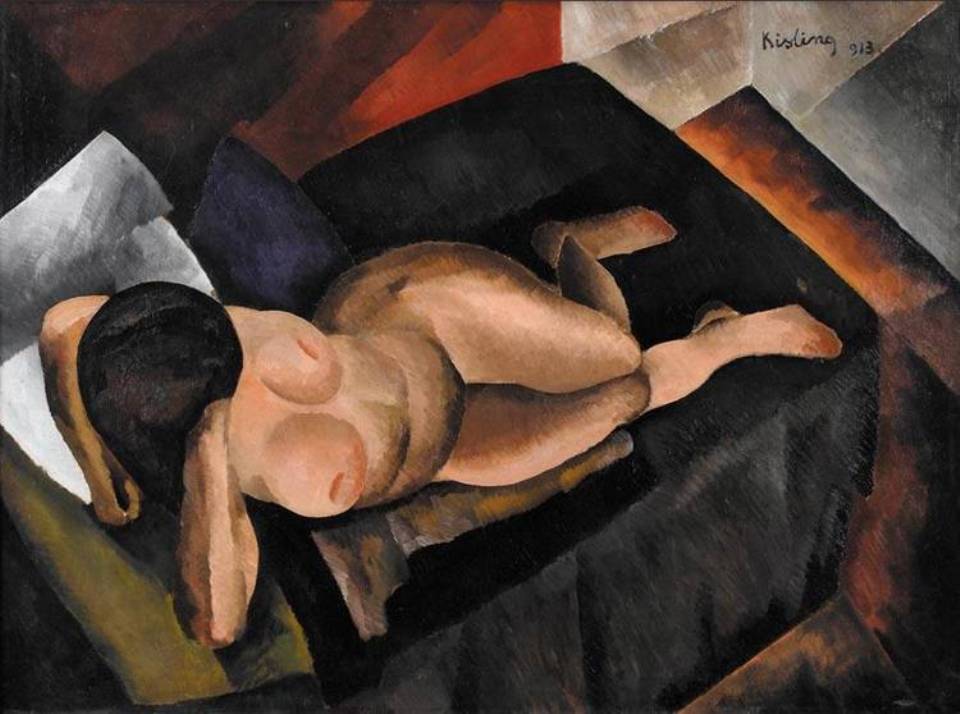
Moïse Kisling was a Polish-born French painter renowned for his contributions to modern art, particularly his highly stylized and evocative portraits. Born in Kraków in 1891, Kisling moved to Paris at the age of 19, quickly immersing himself in the vibrant artistic community of Montmartre and Montparnasse. His work, characterized by bold colors and dynamic compositions, spans a variety of themes, including landscapes, still lifes, and nudes, reflecting influences from Cubism and Post-Impressionism.
Kisling's artistry is celebrated for its unique blend of realism and abstraction, marked by a fluid, colorful style that evolved from his early influences, including Cezanne and Cubism. He was a central figure in the School of Paris, engaging with contemporaries such as Pablo Picasso, Georges Braque, and Amedeo Modigliani, the latter of whom he shared a close friendship and mutual artistic admiration. Modigliani's portraits of Kisling underscore their deep personal and professional bond. Notable works by Kisling include "La Sieste à Saint-Tropez," "Portrait du peintre (Autoportrait)," and "Le pêcheur," showcasing his versatility and skill in capturing the essence of his subjects.
During World War II, Kisling's Jewish heritage forced him to flee to the United States, where he continued to exhibit his work in New York City and California before returning to France after the war. His legacy is preserved in numerous public collections, including the Metropolitan Museum of Art, the National Gallery of Art, and the Brooklyn Museum, among others. This wide recognition attests to his significant impact on the development of modern art.
For collectors and experts in art and antiques, Kisling's work represents a pivotal intersection of cultural and artistic movements of the early 20th century. His paintings are not only visually stunning but also historically significant, embodying the spirit of an era marked by innovation and experimentation. The Musée du Petit Palais in Geneva holds a large collection of his works, offering a comprehensive overview of his artistic journey.
We invite enthusiasts and collectors to stay updated on new discoveries, sales, and auction events related to Moïse Kisling's work. Subscribing to updates ensures you won't miss the opportunity to engage with the rich legacy of this remarkable artist. This subscription is a gateway to exploring the vibrant world of Kisling's art, from his captivating portraits to his lush landscapes and still lifes, all of which continue to enchant and inspire.


Hippolyte Jean Giraudoux was a French novelist, essayist, diplomat and playwright. He is considered among the most important French dramatists of the period between World War I and World War II. His work is noted for its stylistic elegance and poetic fantasy. Giraudoux's dominant theme is the relationship between man and woman—or in some cases, between man and some unattainable ideal.


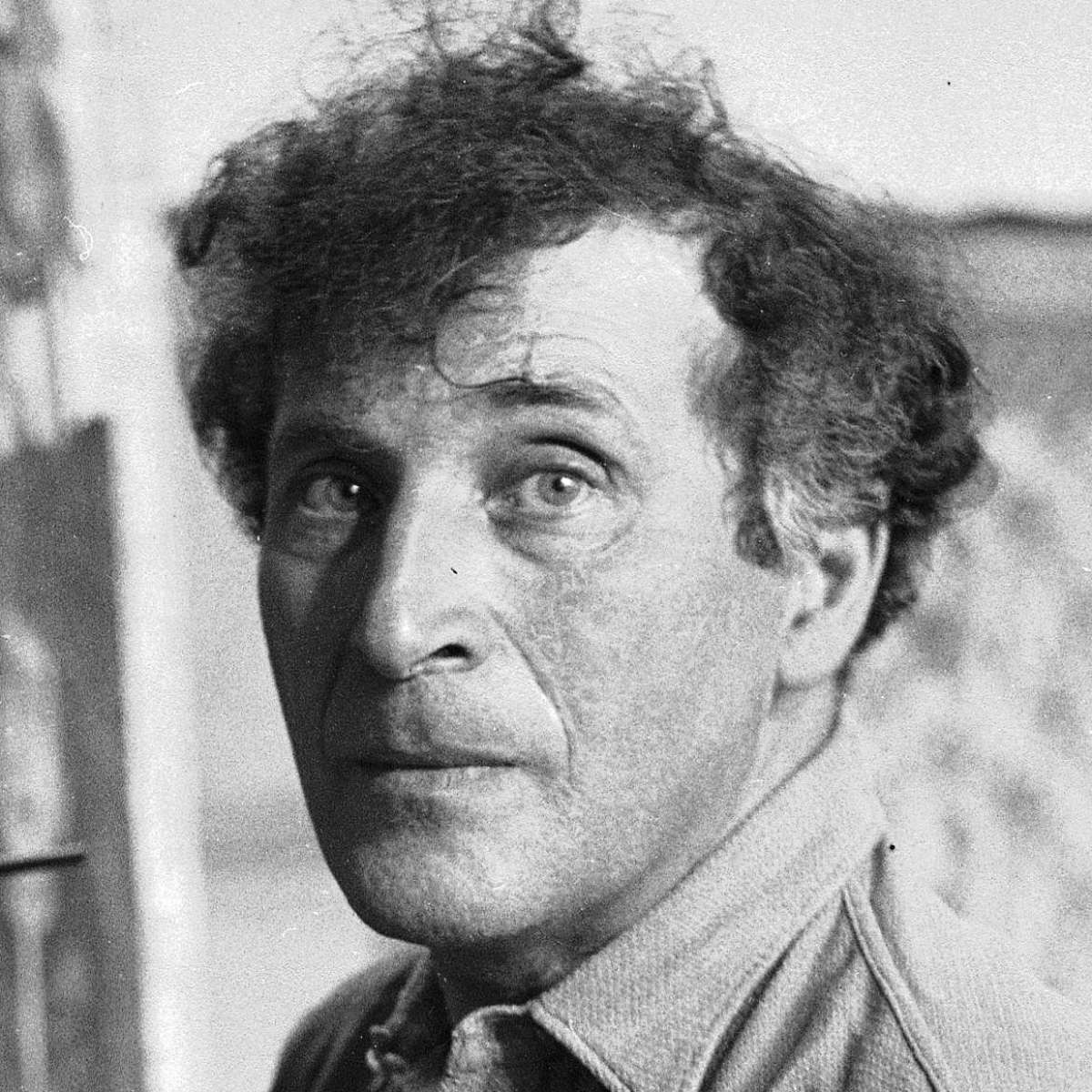
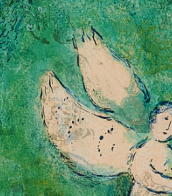
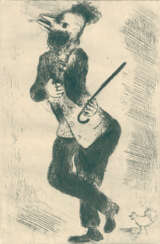
Marc Chagall (Russian: Марк Заха́рович Шага́л), born Moishe Shagal in 1887 near Vitebsk, Belarus (then part of the Russian Empire), was a Belarusian and French artist celebrated for his pivotal role in the avant-garde movement and his unique integration of Eastern European Jewish culture into modern art. His contributions spanned several artistic formats including painting, stained glass, stage sets, ceramics, tapestries, and fine art prints. Chagall's early modernist tendencies were enriched by his experiences across Saint Petersburg, Paris, and Berlin before World War I, leading to a distinctive style that melded Cubism, Symbolism, and Fauvism with his Jewish heritage.
Chagall's work is recognized for its emotional depth, often exploring themes of love, memory, and Jewish folklore through vibrant colors and dreamlike imagery. Notably, art critic Robert Hughes described him as "the quintessential Jewish artist of the twentieth century," a sentiment echoed by art historian Michael J. Lewis who regarded Chagall as a significant figure within European modernism and as the world's preeminent Jewish artist of his time.
Among Chagall's famed contributions are his stained-glass windows for the cathedrals of Reims and Metz, the UN, and the Jerusalem Windows in Israel. His monumental paintings include parts of the ceiling of the Paris Opéra and works that explore biblical themes, a hallmark of his oeuvre that underscores his enduring engagement with spiritual and religious motifs.
For art collectors and antiques experts, Chagall's works are notable not only for their artistic innovation but also for their rich cultural and historical significance. His art is housed in many prestigious museums worldwide, including the Marc Chagall National Museum in Nice, France, which focuses on his works inspired by religion and houses the series of paintings illustrating the biblical message.
For those interested in exploring Chagall's legacy and the vibrant intersection of culture, art, and history his work represents, signing up for updates on new product sales and auction events related to Marc Chagall can provide invaluable insights and opportunities. This is an invitation to engage more deeply with the world of art and culture that Chagall so uniquely encapsulated in his work.
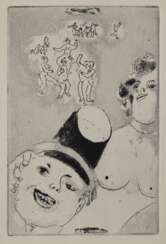


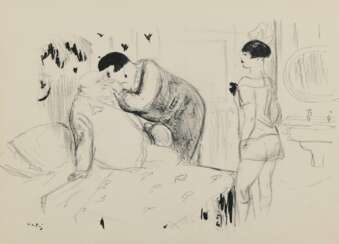

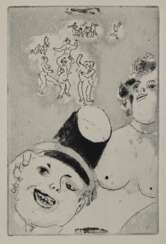


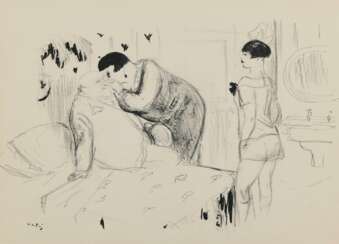


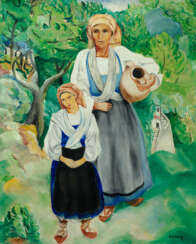

Moïse Kisling was a Polish-born French painter renowned for his contributions to modern art, particularly his highly stylized and evocative portraits. Born in Kraków in 1891, Kisling moved to Paris at the age of 19, quickly immersing himself in the vibrant artistic community of Montmartre and Montparnasse. His work, characterized by bold colors and dynamic compositions, spans a variety of themes, including landscapes, still lifes, and nudes, reflecting influences from Cubism and Post-Impressionism.
Kisling's artistry is celebrated for its unique blend of realism and abstraction, marked by a fluid, colorful style that evolved from his early influences, including Cezanne and Cubism. He was a central figure in the School of Paris, engaging with contemporaries such as Pablo Picasso, Georges Braque, and Amedeo Modigliani, the latter of whom he shared a close friendship and mutual artistic admiration. Modigliani's portraits of Kisling underscore their deep personal and professional bond. Notable works by Kisling include "La Sieste à Saint-Tropez," "Portrait du peintre (Autoportrait)," and "Le pêcheur," showcasing his versatility and skill in capturing the essence of his subjects.
During World War II, Kisling's Jewish heritage forced him to flee to the United States, where he continued to exhibit his work in New York City and California before returning to France after the war. His legacy is preserved in numerous public collections, including the Metropolitan Museum of Art, the National Gallery of Art, and the Brooklyn Museum, among others. This wide recognition attests to his significant impact on the development of modern art.
For collectors and experts in art and antiques, Kisling's work represents a pivotal intersection of cultural and artistic movements of the early 20th century. His paintings are not only visually stunning but also historically significant, embodying the spirit of an era marked by innovation and experimentation. The Musée du Petit Palais in Geneva holds a large collection of his works, offering a comprehensive overview of his artistic journey.
We invite enthusiasts and collectors to stay updated on new discoveries, sales, and auction events related to Moïse Kisling's work. Subscribing to updates ensures you won't miss the opportunity to engage with the rich legacy of this remarkable artist. This subscription is a gateway to exploring the vibrant world of Kisling's art, from his captivating portraits to his lush landscapes and still lifes, all of which continue to enchant and inspire.




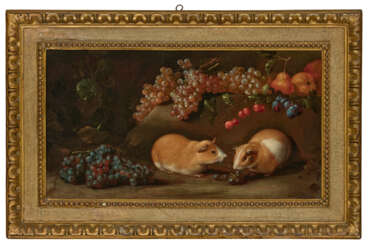



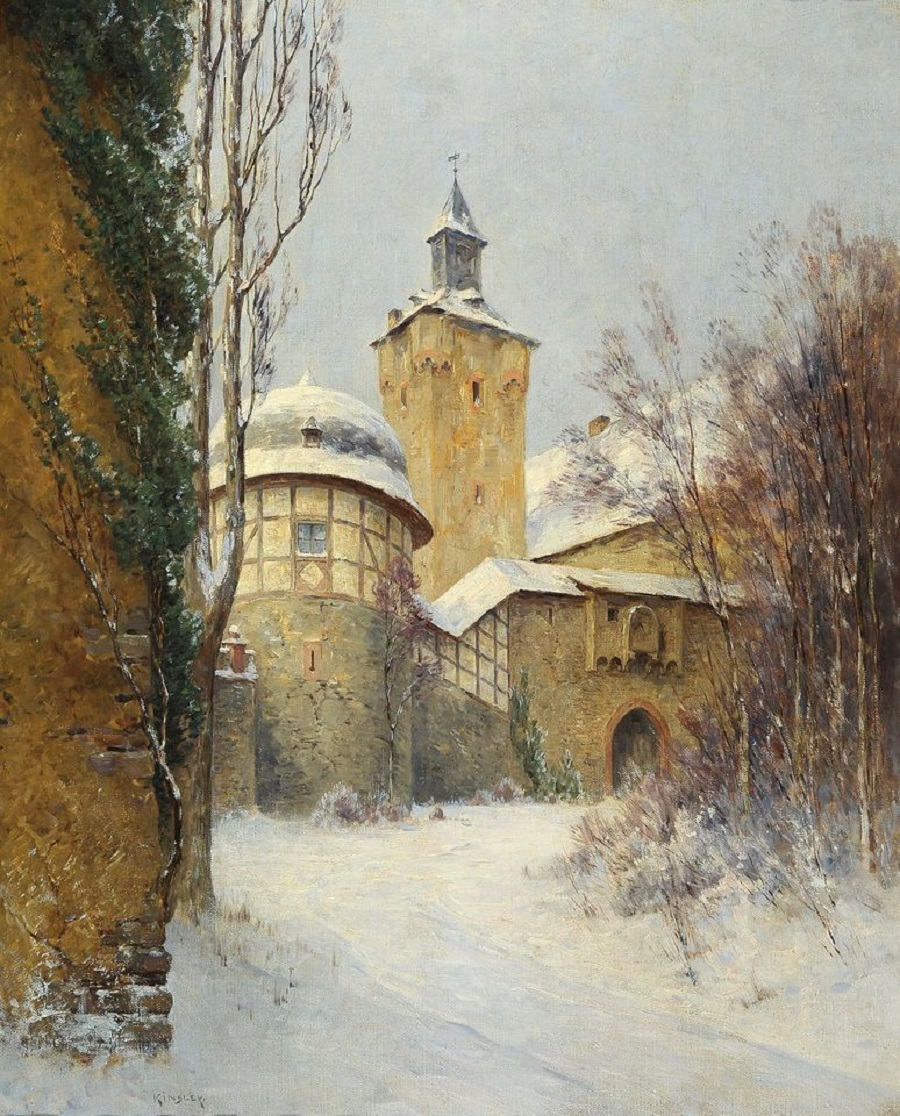
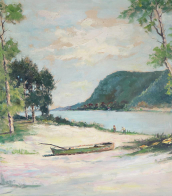
Nelson Gray Kinsley was an American landscape, hunting and wildlife painter.
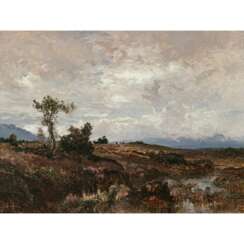

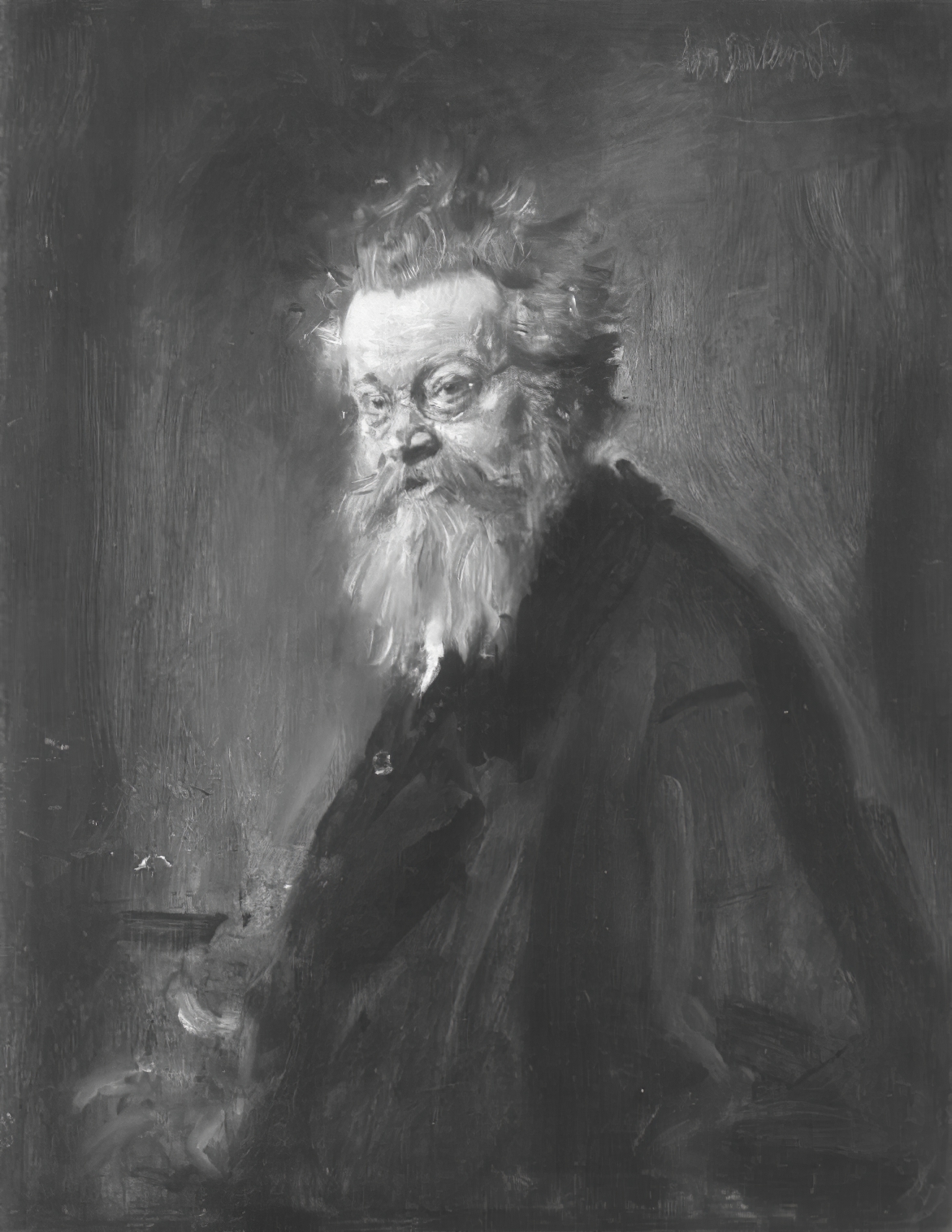
Joseph Wenglein was a German painter who is often referred to as one of the last significant landscape painters of the 19th century Munich school.
Parallel to his law studies Joseph Wenglein studied at the Academy of Fine Arts in Munich. He then switched entirely to art and became a pupil of the landscape painter Johann Gottfried Steffan. On his recommendation, Wenglein sometime later became a pupil of the painter Adolf Heinrich Lier, whose colouristic tendencies, calculated to express profound moods, particularly appealed to him.
Josef Wenglein knew how to reproduce the change of daylight, especially in spring and autumn, with a fine sense of the slightest atmospheric fluctuations and to vary the grey pleasant tone of the Bavarian plateau in all its nuances masterfully.
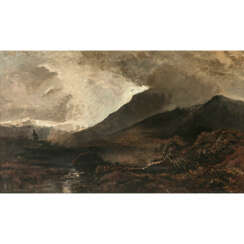

Joseph Wenglein was a German painter who is often referred to as one of the last significant landscape painters of the 19th century Munich school.
Parallel to his law studies Joseph Wenglein studied at the Academy of Fine Arts in Munich. He then switched entirely to art and became a pupil of the landscape painter Johann Gottfried Steffan. On his recommendation, Wenglein sometime later became a pupil of the painter Adolf Heinrich Lier, whose colouristic tendencies, calculated to express profound moods, particularly appealed to him.
Josef Wenglein knew how to reproduce the change of daylight, especially in spring and autumn, with a fine sense of the slightest atmospheric fluctuations and to vary the grey pleasant tone of the Bavarian plateau in all its nuances masterfully.
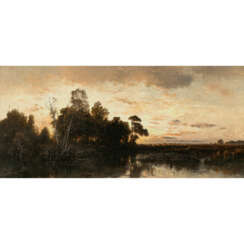

Joseph Wenglein was a German painter who is often referred to as one of the last significant landscape painters of the 19th century Munich school.
Parallel to his law studies Joseph Wenglein studied at the Academy of Fine Arts in Munich. He then switched entirely to art and became a pupil of the landscape painter Johann Gottfried Steffan. On his recommendation, Wenglein sometime later became a pupil of the painter Adolf Heinrich Lier, whose colouristic tendencies, calculated to express profound moods, particularly appealed to him.
Josef Wenglein knew how to reproduce the change of daylight, especially in spring and autumn, with a fine sense of the slightest atmospheric fluctuations and to vary the grey pleasant tone of the Bavarian plateau in all its nuances masterfully.


Joseph Wenglein was a German painter who is often referred to as one of the last significant landscape painters of the 19th century Munich school.
Parallel to his law studies Joseph Wenglein studied at the Academy of Fine Arts in Munich. He then switched entirely to art and became a pupil of the landscape painter Johann Gottfried Steffan. On his recommendation, Wenglein sometime later became a pupil of the painter Adolf Heinrich Lier, whose colouristic tendencies, calculated to express profound moods, particularly appealed to him.
Josef Wenglein knew how to reproduce the change of daylight, especially in spring and autumn, with a fine sense of the slightest atmospheric fluctuations and to vary the grey pleasant tone of the Bavarian plateau in all its nuances masterfully.