


Impressionist & Modern Art Day Sale
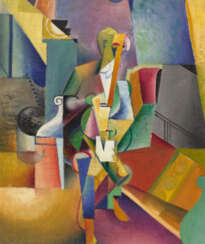

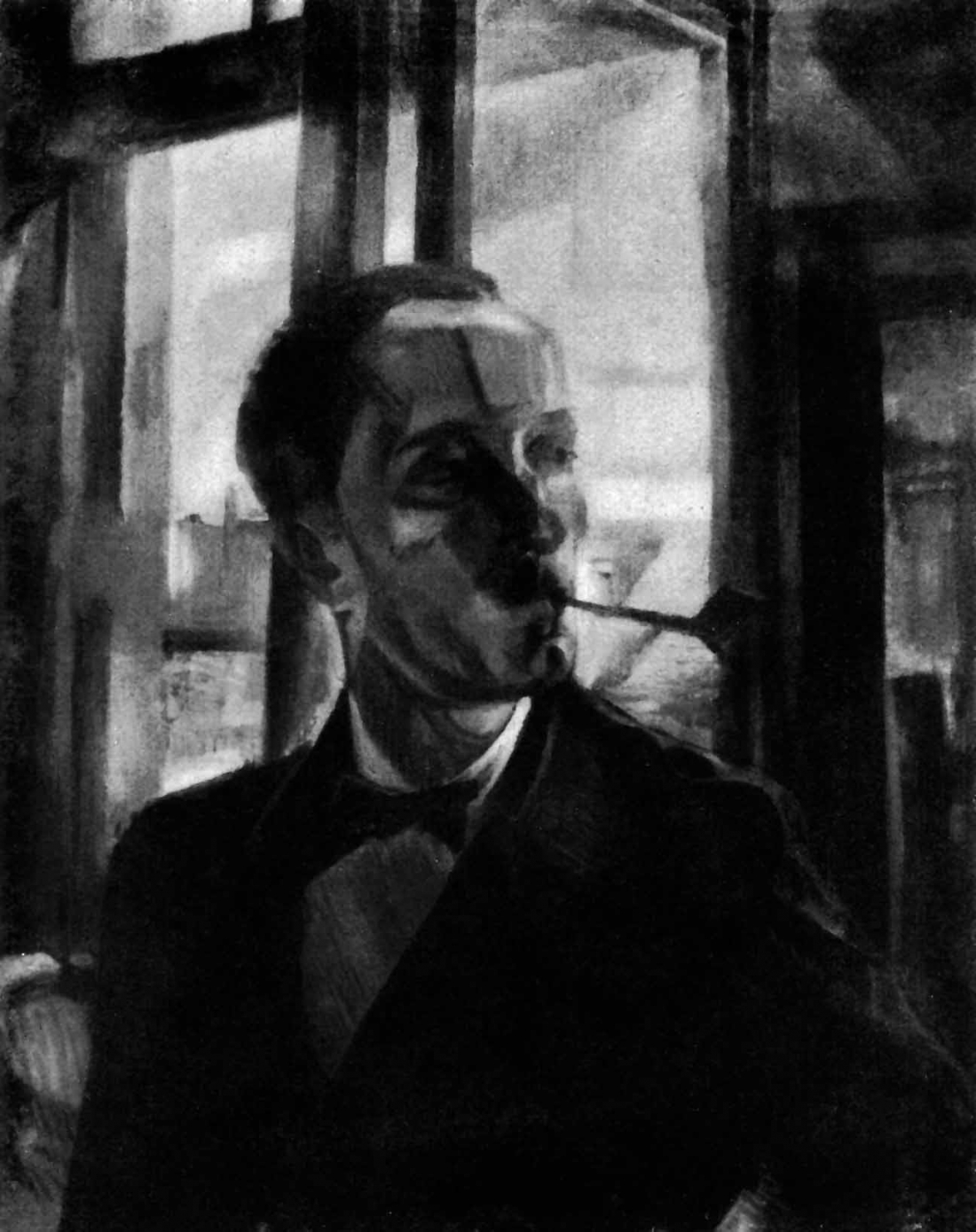


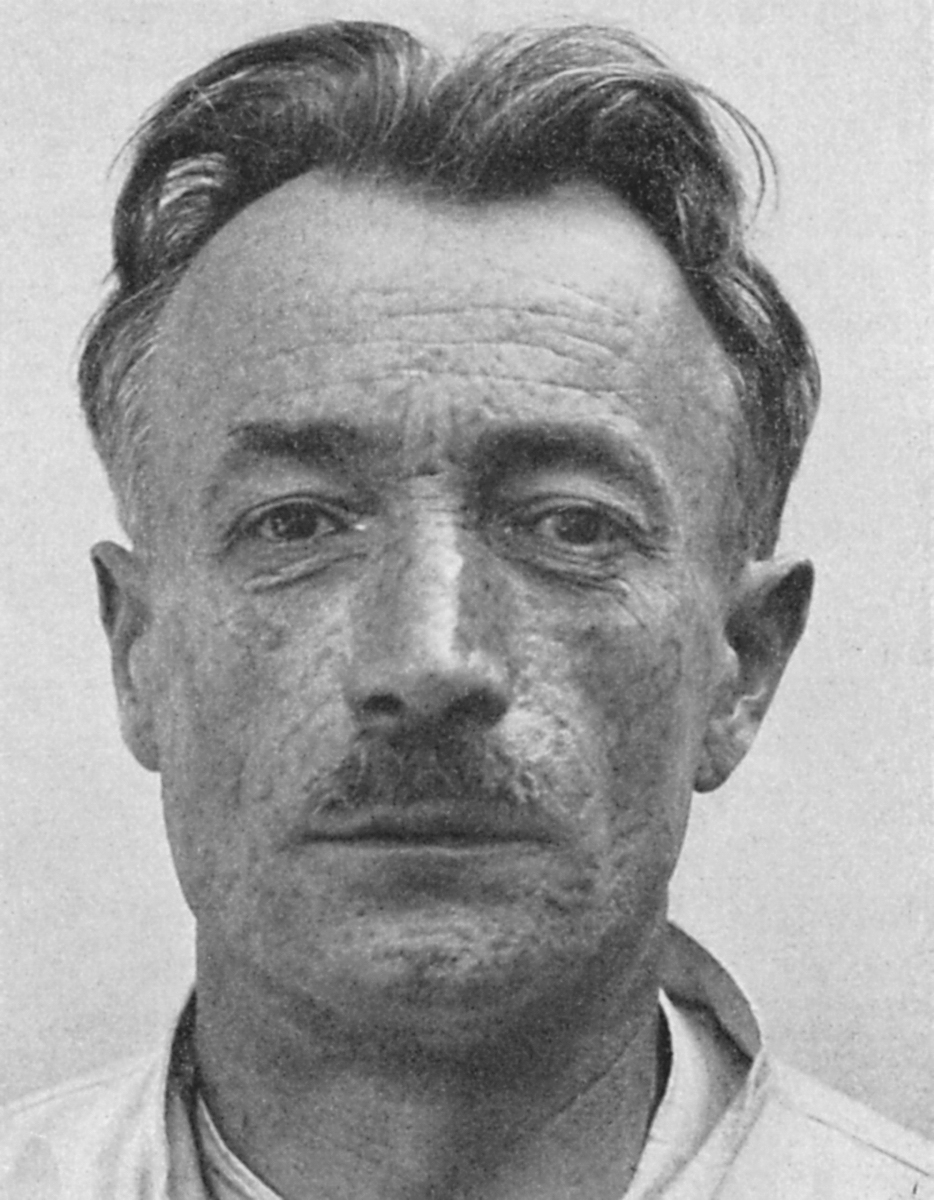
František Kupka was a Czech painter and graphic artist. He was a pioneer and co-founder of the early phases of the abstract art movement and Orphic Cubism (Orphism). Kupka's abstract works arose from a base of realism, but later evolved into pure abstract art.
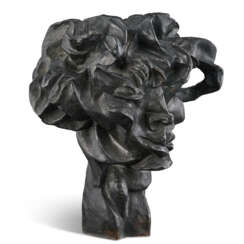

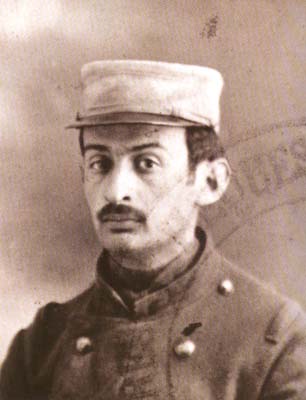
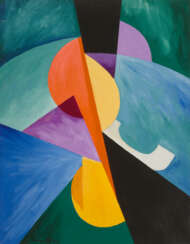

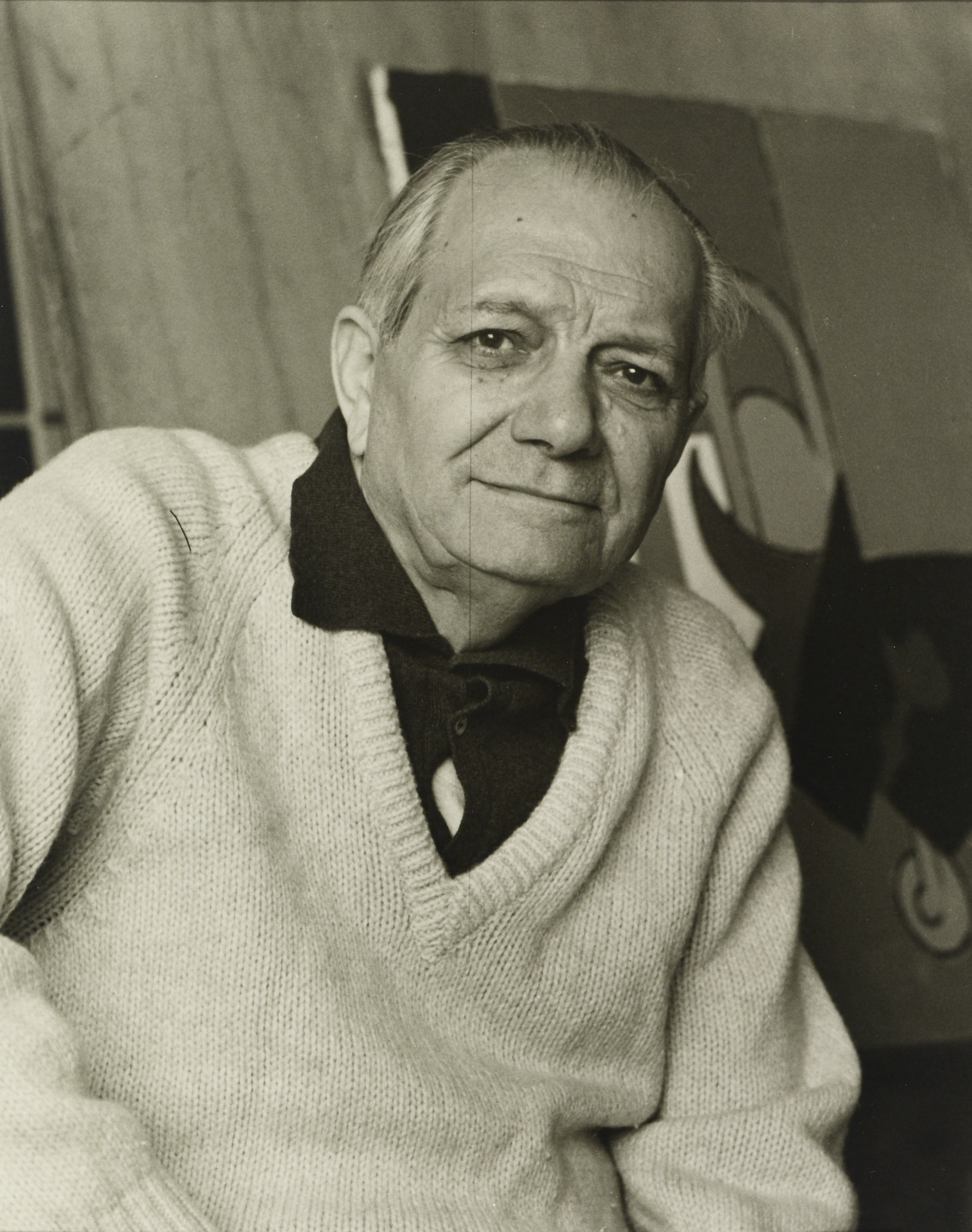
Alberto Magnelli was an Italian painter who played a significant role in the development of 20th century abstract art. He was born in Florence, Italy, and began his artistic training at the Academy of Fine Arts in Florence.
Magnelli's early work was heavily influenced by the Italian Futurist movement, but he later became interested in abstract art and began to experiment with different forms of abstraction. His paintings often featured geometric shapes, bold colors, and strong contrasts between light and dark.
During World War II, Magnelli fled to Switzerland and later moved to Paris, where he became involved with the Surrealist movement and formed close friendships with artists such as Piet Mondrian and Max Ernst. In the 1950s and 60s, he began to incorporate organic forms and more fluid, gestural marks into his work.
His work continues to be exhibited and studied around the world, and his legacy has had a significant impact on the development of modern and contemporary art in Italy and beyond.
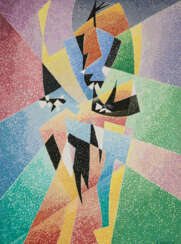

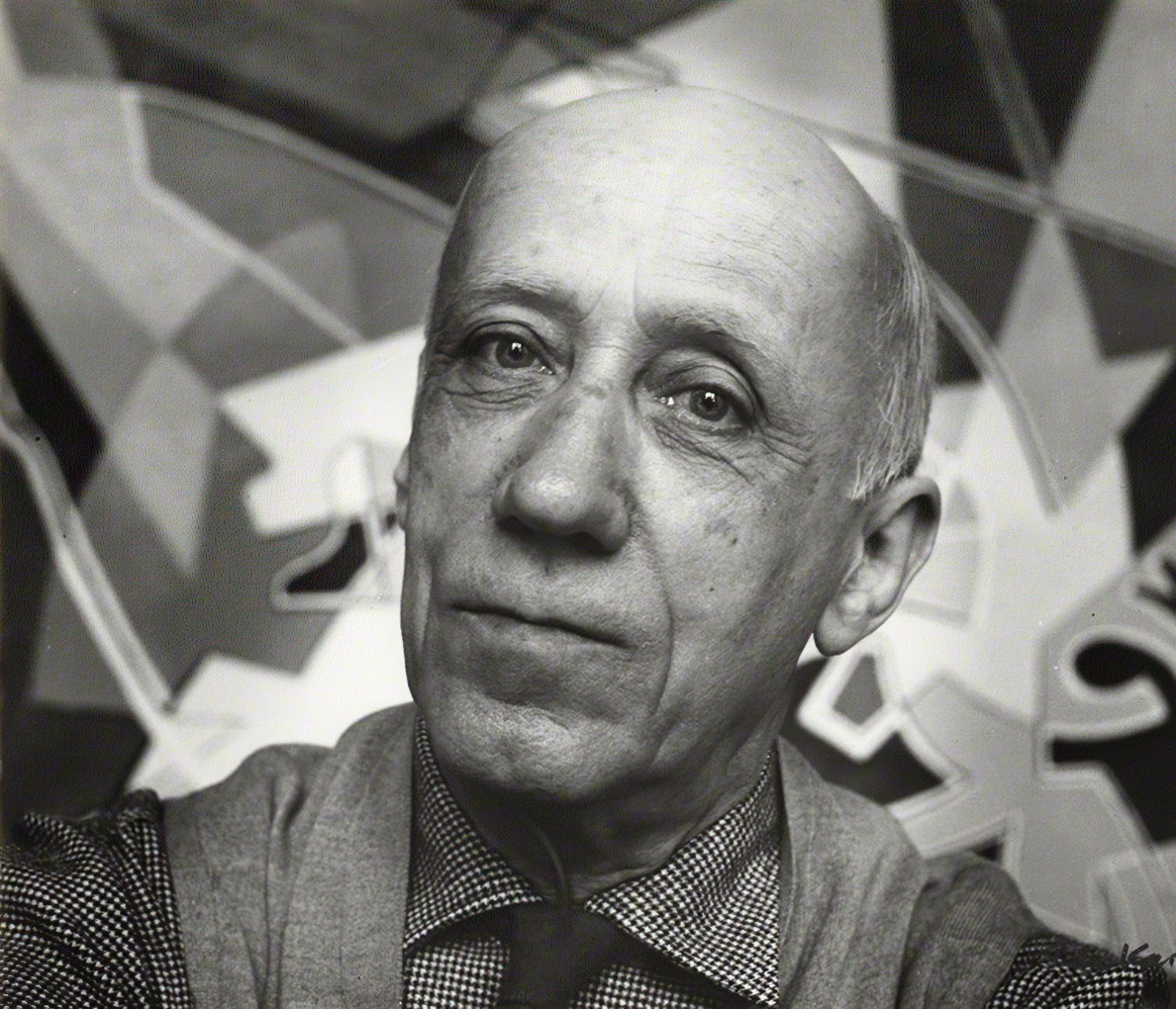
Gino Severini was an Italian painter and a prominent figure in the Futurist movement, known for his dynamic interpretation of movement and light in his artworks. Born in Cortona, Italy, in 1883, Severini moved to Paris in 1906, where he became deeply involved in the avant-garde scene, mingling with leading artists and embracing the vibrant cultural milieu of the city. His work often depicted lively urban scenes, dancers, and the energetic pace of modern life, distinguishing him within the Futurist movement for his unique focus on human figures and lively settings rather than the mechanical world.
Gino Severini's style evolved significantly over the years, moving from Futurism to incorporating elements of Cubism and later adopting a more classical approach in his art. After World War I, he aligned with the "return to order" movement, focusing on classical harmony and balance, which is evident in works like "The Two Pulchinellas." His later years saw him exploring various media, including mosaics and frescoes, contributing significantly to modern mosaic art and earning him the title "Father of Modern Mosaic."
Gino Severini's works are showcased in prestigious galleries worldwide, including the Museum of Modern Art (MoMA) in New York, where his influence on 20th-century art is celebrated. His contributions to art theory, his exploration across different art forms, and his ability to capture the essence of his time make Severini a fascinating subject for art collectors and experts alike.
For those interested in the evolution of modern art and the interplay between different artistic movements, Severini's work offers a compelling study of creativity and innovation. If you are intrigued by Gino Severini's contributions to the art world and wish to stay informed about upcoming sales and auction events related to his works, consider signing up for updates to deepen your knowledge and appreciation of this pivotal artist.


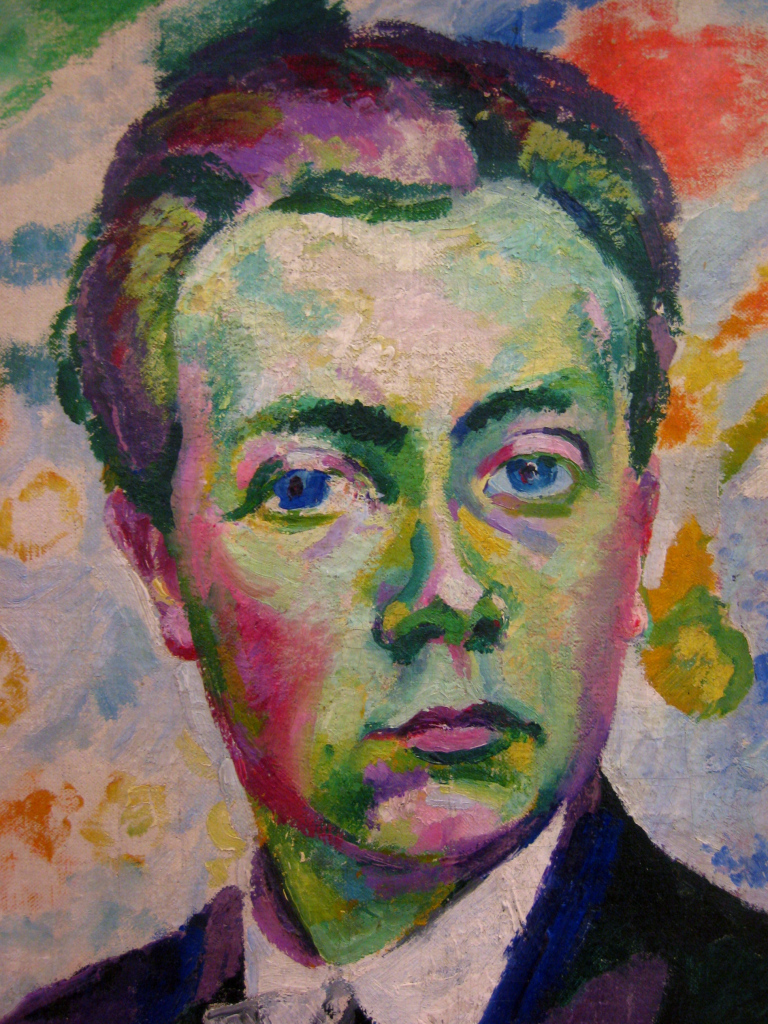
Robert Delaunay, a French artist, emerged as a pivotal figure in the development of early 20th-century art, blending the realms of painting and sculpture with his innovative approaches. His work is celebrated for its dynamic use of color and geometric shapes, making him a cornerstone in the Orphism movement, which he co-founded alongside his wife Sonia Delaunay and others. This movement is distinguished by its focus on vibrant colors and geometric forms, contributing significantly to the abstract art landscape.
Delaunay's artistic journey began earnestly at the age of 19 when he decided to fully dedicate himself to painting, contributing works to the Salon des Indépendants. His early career was marked by a deep engagement with Neo-Impressionism and Cubism, as evidenced by his collaborative work with Jean Metzinger and his exploration of color theory. Notable works from this period include "Paysage au disque" (1906–07) and "Champs de Mars: The Red Tower" (1911), showcasing his departure from representational art towards a more abstract, color-driven aesthetic.
Among Delaunay's celebrated series are the Eiffel Tower and Simultaneous Windows, reflecting his fascination with Parisian architecture and the dynamic interplay of light and color. These works, along with others like "L'Équipe de Cardiff" (1912-13) and "Endless Rhythm" (1934), are housed in prestigious museums such as the Musée d'Art Moderne de la Ville de Paris, The Solomon R. Guggenheim Museum, and the Tate collection. These pieces illustrate his evolving style, from the depiction of movement and technology in pre-war Paris to the rhythmic abstraction of later years.
Delaunay's influence extended beyond France, with significant contributions to exhibitions in Germany, Switzerland, and Russia, particularly through his involvement with Der Blaue Reiter group. His work not only captured the essence of the technological and cultural shifts of his time but also laid the groundwork for future artistic explorations into color and form.
For collectors and experts in art and antiques, Delaunay's oeuvre offers a rich study in the evolution of modern art, from its roots in Cubism and Neo-Impressionism to the heights of abstract expression. His works serve as a testament to the power of color and shape in conveying emotion and motion, making them invaluable to the understanding of 20th-century art history.
To stay informed on new sales, auctions, and exhibitions related to Robert Delaunay, sign up for updates. This subscription ensures you remain updated on opportunities to engage with Delaunay's influential body of work, reflecting the ongoing interest in his contributions to modern art.
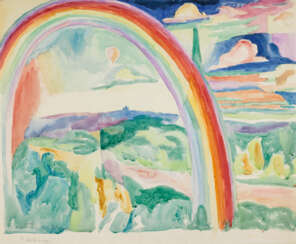

Robert Delaunay, a French artist, emerged as a pivotal figure in the development of early 20th-century art, blending the realms of painting and sculpture with his innovative approaches. His work is celebrated for its dynamic use of color and geometric shapes, making him a cornerstone in the Orphism movement, which he co-founded alongside his wife Sonia Delaunay and others. This movement is distinguished by its focus on vibrant colors and geometric forms, contributing significantly to the abstract art landscape.
Delaunay's artistic journey began earnestly at the age of 19 when he decided to fully dedicate himself to painting, contributing works to the Salon des Indépendants. His early career was marked by a deep engagement with Neo-Impressionism and Cubism, as evidenced by his collaborative work with Jean Metzinger and his exploration of color theory. Notable works from this period include "Paysage au disque" (1906–07) and "Champs de Mars: The Red Tower" (1911), showcasing his departure from representational art towards a more abstract, color-driven aesthetic.
Among Delaunay's celebrated series are the Eiffel Tower and Simultaneous Windows, reflecting his fascination with Parisian architecture and the dynamic interplay of light and color. These works, along with others like "L'Équipe de Cardiff" (1912-13) and "Endless Rhythm" (1934), are housed in prestigious museums such as the Musée d'Art Moderne de la Ville de Paris, The Solomon R. Guggenheim Museum, and the Tate collection. These pieces illustrate his evolving style, from the depiction of movement and technology in pre-war Paris to the rhythmic abstraction of later years.
Delaunay's influence extended beyond France, with significant contributions to exhibitions in Germany, Switzerland, and Russia, particularly through his involvement with Der Blaue Reiter group. His work not only captured the essence of the technological and cultural shifts of his time but also laid the groundwork for future artistic explorations into color and form.
For collectors and experts in art and antiques, Delaunay's oeuvre offers a rich study in the evolution of modern art, from its roots in Cubism and Neo-Impressionism to the heights of abstract expression. His works serve as a testament to the power of color and shape in conveying emotion and motion, making them invaluable to the understanding of 20th-century art history.
To stay informed on new sales, auctions, and exhibitions related to Robert Delaunay, sign up for updates. This subscription ensures you remain updated on opportunities to engage with Delaunay's influential body of work, reflecting the ongoing interest in his contributions to modern art.
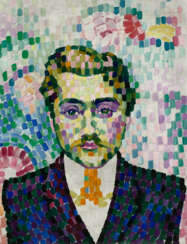

Robert Delaunay, a French artist, emerged as a pivotal figure in the development of early 20th-century art, blending the realms of painting and sculpture with his innovative approaches. His work is celebrated for its dynamic use of color and geometric shapes, making him a cornerstone in the Orphism movement, which he co-founded alongside his wife Sonia Delaunay and others. This movement is distinguished by its focus on vibrant colors and geometric forms, contributing significantly to the abstract art landscape.
Delaunay's artistic journey began earnestly at the age of 19 when he decided to fully dedicate himself to painting, contributing works to the Salon des Indépendants. His early career was marked by a deep engagement with Neo-Impressionism and Cubism, as evidenced by his collaborative work with Jean Metzinger and his exploration of color theory. Notable works from this period include "Paysage au disque" (1906–07) and "Champs de Mars: The Red Tower" (1911), showcasing his departure from representational art towards a more abstract, color-driven aesthetic.
Among Delaunay's celebrated series are the Eiffel Tower and Simultaneous Windows, reflecting his fascination with Parisian architecture and the dynamic interplay of light and color. These works, along with others like "L'Équipe de Cardiff" (1912-13) and "Endless Rhythm" (1934), are housed in prestigious museums such as the Musée d'Art Moderne de la Ville de Paris, The Solomon R. Guggenheim Museum, and the Tate collection. These pieces illustrate his evolving style, from the depiction of movement and technology in pre-war Paris to the rhythmic abstraction of later years.
Delaunay's influence extended beyond France, with significant contributions to exhibitions in Germany, Switzerland, and Russia, particularly through his involvement with Der Blaue Reiter group. His work not only captured the essence of the technological and cultural shifts of his time but also laid the groundwork for future artistic explorations into color and form.
For collectors and experts in art and antiques, Delaunay's oeuvre offers a rich study in the evolution of modern art, from its roots in Cubism and Neo-Impressionism to the heights of abstract expression. His works serve as a testament to the power of color and shape in conveying emotion and motion, making them invaluable to the understanding of 20th-century art history.
To stay informed on new sales, auctions, and exhibitions related to Robert Delaunay, sign up for updates. This subscription ensures you remain updated on opportunities to engage with Delaunay's influential body of work, reflecting the ongoing interest in his contributions to modern art.
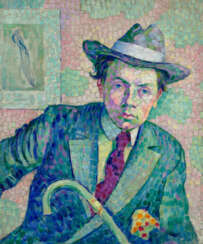

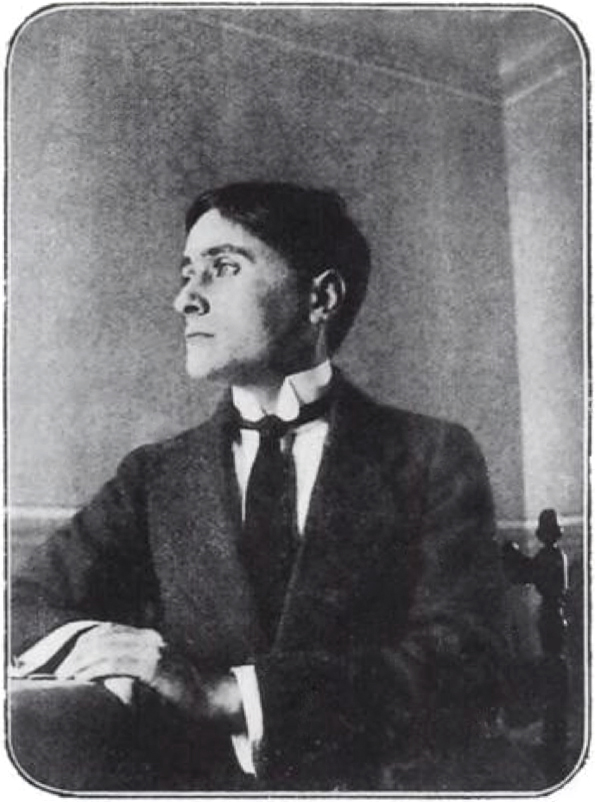
Jean Metzinger, a French Divisionist artist born in 1883, was instrumental in the development of Cubism. His approach to painting was revolutionary, challenging classical representations by emphasizing dynamism and the validity of multiple perspectives. Metzinger's early works were influenced by Neo-Impressionism, evident in his participation in exhibitions alongside Fauvist artists like André Derain and Henri Matisse. His transition to Cubism marked a significant evolution in his style, characterized by geometric simplification and an exploration of spatial complexities.
One notable work, "La Femme au Cheval," embodies Metzinger's 'mobile perspective,' a concept that mirrored the scientific advances of the time, specifically in quantum mechanics. This painting was even admired by Niels Bohr, a pioneer of quantum mechanics. Metzinger's contributions to Cubism extended beyond his paintings; he was a key figure in the movement's theoretical underpinnings, co-authoring with Albert Gleizes the first major treatise on Cubism.
Metzinger's later works ventured into greater realism and were marked by Art Deco influences, reflecting a shift towards classical beauty and balance post-World War I. This period of his work is characterized by bold colors and streamlined forms, with notable works such as "Femme au Faisan" illustrating this transition.
Metzinger's influence on modern art extends beyond his Cubist works. He was a central figure in the Parisian art scene, regularly exhibiting his work and engaging with other avant-garde artists. His legacy is preserved in museums worldwide, including significant pieces at the Albright-Knox Art Gallery and the Thyssen-Bornemisza Museum.
For collectors and experts in art and antiques, Jean Metzinger remains a pivotal figure in the history of modern art. His innovative approach to painting, theoretical contributions to Cubism, and later explorations of realism and Art Deco aesthetics offer a rich portfolio of work for appreciation and study. Sign up for updates to stay informed about new product sales and auction events related to Jean Metzinger's art.


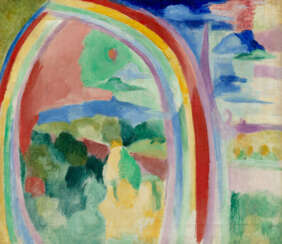

Robert Delaunay, a French artist, emerged as a pivotal figure in the development of early 20th-century art, blending the realms of painting and sculpture with his innovative approaches. His work is celebrated for its dynamic use of color and geometric shapes, making him a cornerstone in the Orphism movement, which he co-founded alongside his wife Sonia Delaunay and others. This movement is distinguished by its focus on vibrant colors and geometric forms, contributing significantly to the abstract art landscape.
Delaunay's artistic journey began earnestly at the age of 19 when he decided to fully dedicate himself to painting, contributing works to the Salon des Indépendants. His early career was marked by a deep engagement with Neo-Impressionism and Cubism, as evidenced by his collaborative work with Jean Metzinger and his exploration of color theory. Notable works from this period include "Paysage au disque" (1906–07) and "Champs de Mars: The Red Tower" (1911), showcasing his departure from representational art towards a more abstract, color-driven aesthetic.
Among Delaunay's celebrated series are the Eiffel Tower and Simultaneous Windows, reflecting his fascination with Parisian architecture and the dynamic interplay of light and color. These works, along with others like "L'Équipe de Cardiff" (1912-13) and "Endless Rhythm" (1934), are housed in prestigious museums such as the Musée d'Art Moderne de la Ville de Paris, The Solomon R. Guggenheim Museum, and the Tate collection. These pieces illustrate his evolving style, from the depiction of movement and technology in pre-war Paris to the rhythmic abstraction of later years.
Delaunay's influence extended beyond France, with significant contributions to exhibitions in Germany, Switzerland, and Russia, particularly through his involvement with Der Blaue Reiter group. His work not only captured the essence of the technological and cultural shifts of his time but also laid the groundwork for future artistic explorations into color and form.
For collectors and experts in art and antiques, Delaunay's oeuvre offers a rich study in the evolution of modern art, from its roots in Cubism and Neo-Impressionism to the heights of abstract expression. His works serve as a testament to the power of color and shape in conveying emotion and motion, making them invaluable to the understanding of 20th-century art history.
To stay informed on new sales, auctions, and exhibitions related to Robert Delaunay, sign up for updates. This subscription ensures you remain updated on opportunities to engage with Delaunay's influential body of work, reflecting the ongoing interest in his contributions to modern art.
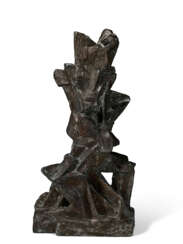

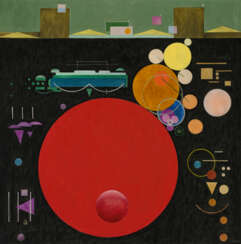

Alexander Georg Rudolf Bauer was a German-born painter who was involved in the avant-garde group Der Sturm in Berlin, and whose work would become central to the non-objective art collection of Solomon R. Guggenheim.


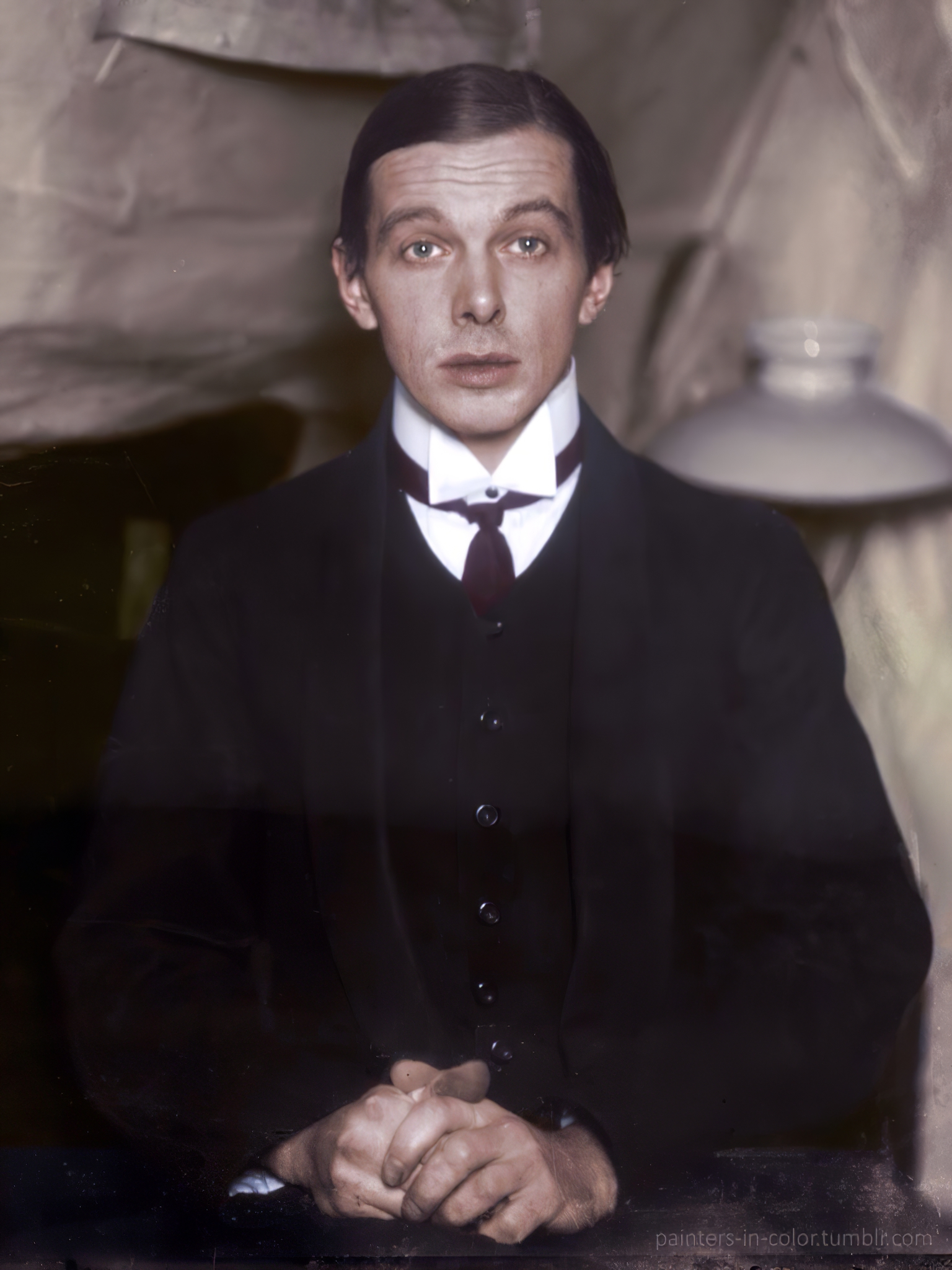
Ernst Ludwig Kirchner was a pivotal figure in the art world, known for his profound impact on 20th-century Expressionism. Born in Bavaria, Germany, on May 6, 1880, Kirchner's journey into art began with architecture studies before he found his true calling in painting and printmaking. In 1905, alongside fellow architecture students, he co-founded Die Brücke ("The Bridge"), a group that sought to revolutionize art by bridging the gap between traditional academic styles and modern artistic expression. This group was instrumental in the development of Expressionism, advocating for intense emotion conveyed through vivid colors and bold lines.
Kirchner's work, characterized by its expressive intensity and often exploring themes of urban life and the human psyche, reflects a deep engagement with the cultural and social upheavals of his time. Notably, his experiences during World War I, including a mental breakdown and subsequent discharge from military service, deeply influenced his art. Works like "Self-Portrait as a Soldier" (1915) poignantly encapsulate the personal and societal trauma of the era.
After the war, Kirchner sought solace in Davos, Switzerland, where the tranquil landscapes inspired a new direction in his work, showcasing a more serene and reflective approach. Despite his contributions to modern art, Kirchner's later years were marred by the Nazi regime's denunciation of his work as "degenerate," leading to the destruction and dispersal of many pieces. Tragically, this persecution contributed to his decision to end his life on June 15, 1938.
Kirchner's legacy is preserved through his influential body of work, from vivid urban scenes to tranquil landscapes, all marked by a distinctive, expressive style that continues to captivate art collectors and experts. His works are held in major museums worldwide, including the Museum of Modern Art in New York and the National Gallery of Art in Washington, underscoring his enduring influence on the art world.
For those interested in the profound impact of Ernst Ludwig Kirchner on modern art and Expressionism, subscribing to updates on new product sales and auction events related to his work can provide valuable insights. This subscription is an opportunity for collectors and art experts to stay informed about the availability of Kirchner's influential pieces and related events.


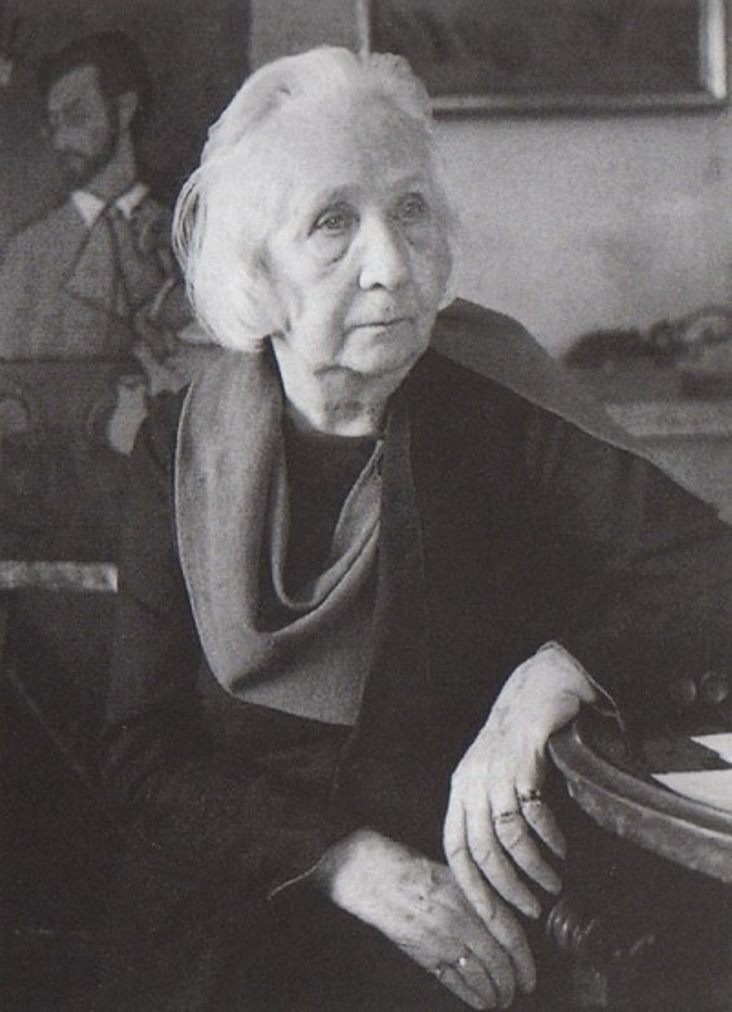
Gabriele Münter, a prominent German painter, left an indelible mark on the art world with her expressionist style and vibrant use of color. Born in Berlin in 1877, Münter was not just an artist but a trailblazer in the early 20th-century avant-garde movement in Munich. Her relationship with Wassily Kandinsky, both personal and professional, greatly influenced her artistic development and vice versa. Together, they explored Europe and North Africa, absorbing influences that would shape their styles. This period was crucial for Münter's transition from impressionistic to more abstract and expressive works, incorporating intense colors and simplified forms that became hallmarks of her style.
Münter's artistic evolution was significantly shaped by her time in Murnau, a Bavarian town that became a refuge and inspiration for her work. Here, she experimented with the Blaue Reiter aesthetic, emphasizing the emotional and spiritual over the representational. Münter's landscapes from this period are notable for their bold use of color and simplified forms, reflecting an intimate interaction with nature. Works like "Jawlensky and Werefkin" and "Lower Main Street, Murnau" exemplify her mastery of color and form, showcasing her ability to capture the essence of her subjects through a unique visual language.
Throughout her career, Münter contributed significantly to the German Expressionist movement, particularly through her involvement with Der Blaue Reiter group. Despite the challenges of World War I and the subsequent estrangement from Kandinsky, she continued to innovate and express her vision through her art. In her later years, Münter's commitment to preserving the legacy of the Blaue Reiter group was demonstrated through her donation of a substantial collection of artworks to the Städtische Galerie im Lenbachhaus in Munich.
For collectors and experts in art and antiques, Gabriele Münter's work represents a pivotal moment in the history of expressionism, offering insights into the movement's evolution and the role of women artists in shaping modern art. Her contributions, both in her vibrant landscapes and in her pioneering spirit, continue to inspire and captivate audiences around the world.
To stay updated on new product sales and auction events related to Gabriele Münter, signing up for updates is an invaluable resource for enthusiasts keen on exploring the depths of expressionism and the enduring legacy of this remarkable artist.
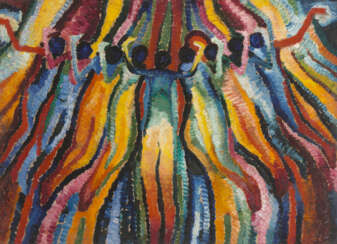

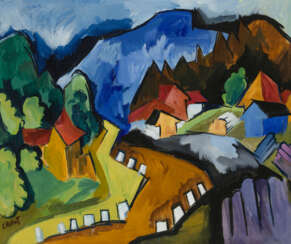

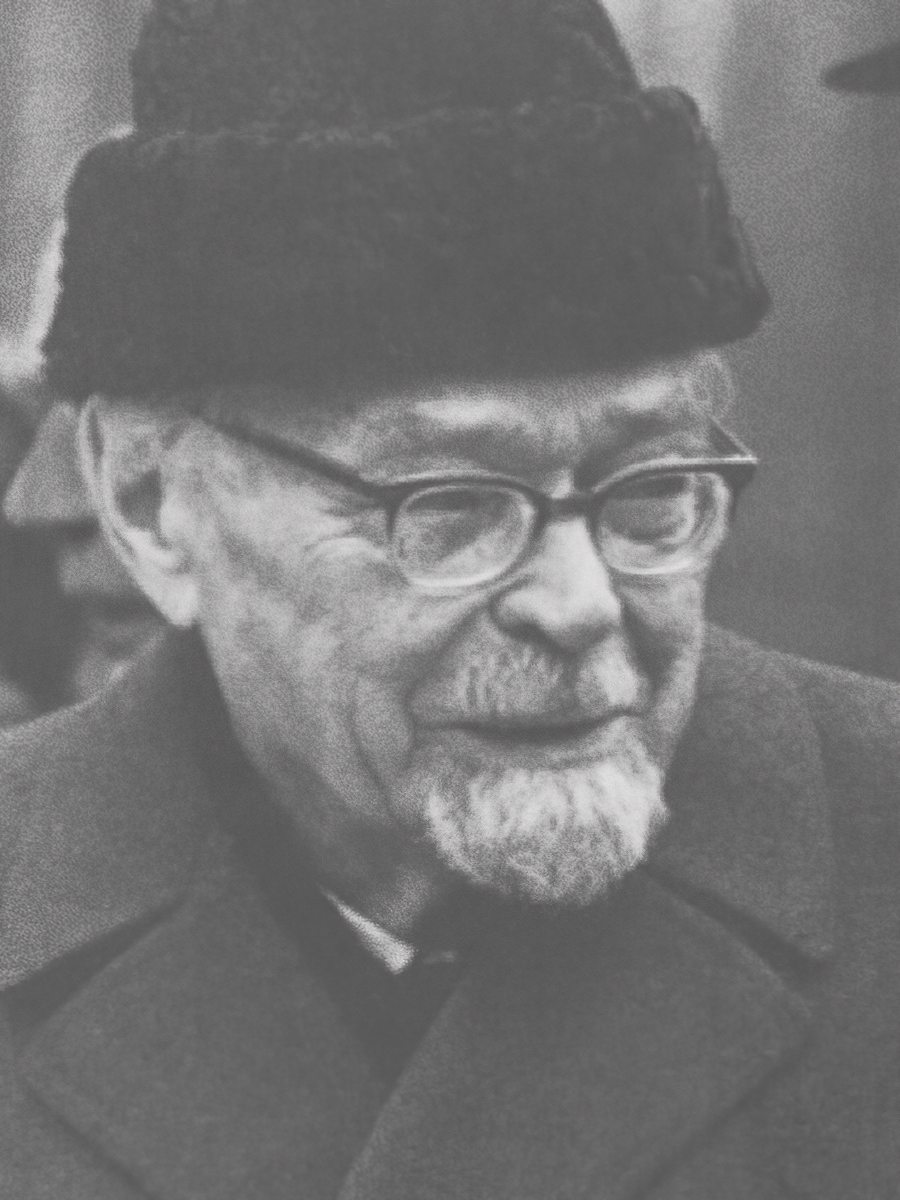
Karl Schmidt-Rottluff, a prominent figure in the German Expressionist movement, was not just an artist but a pioneer who significantly influenced the early 20th-century art scene. Born in Rottluff, Germany, in 1884, he later added his hometown's name to his surname, showcasing a deep connection to his roots. Schmidt-Rottluff was a founding member of the artist group Die Brücke, which played a critical role in the development of Expressionism in Germany. His works, characterized by bold colors and stark contrasts, were a departure from traditional artistic expressions and embraced a more emotional and subjective interpretation of reality.
Schmidt-Rottluff's contributions to art were not limited to painting; he was also a master printmaker, with a significant body of work comprising woodcuts, lithographs, and etchings. His artistic endeavors were marked by a fascination with the natural world, social issues, and an exploration of human emotion, themes that remained consistent throughout his career. Despite facing persecution during the Nazi regime, with many of his works labeled as "degenerate," Schmidt-Rottluff's resolve did not waver. In 1937, 608 of his paintings were seized, and by 1941, he was forbidden to paint. Yet, his legacy continued to grow post-World War II, and he was later honored with professorship at the University of Arts in Berlin-Charlottenburg in 1947, where he influenced a new generation of artists.
The value and impact of Schmidt-Rottluff's work are reflected in the presence of his pieces in prestigious collections worldwide, including the Museum of Modern Art, Neue Galerie, Los Angeles County Museum of Art, and many others. His works are celebrated for their emotional depth, innovative use of color, and ability to convey complex themes through simplified forms. Notably, some of his significant pieces have been subjects of restitution efforts, highlighting the historical importance and continued relevance of his work in the context of art history and cultural heritage.
For collectors and experts in art and antiques, Schmidt-Rottluff's oeuvre offers a profound insight into the evolution of Expressionism and the broader cultural and political narratives of the early 20th century. His works not only serve as a testament to his individual genius but also as a reflection of the tumultuous era that shaped them.
To stay informed about new discoveries, sales, and auction events related to Karl Schmidt-Rottluff's work, signing up for updates is highly recommended. This ensures that enthusiasts and collectors alike are always in the loop regarding opportunities to engage with and acquire pieces by this influential artist, ensuring his legacy continues to inspire and resonate with future generations.


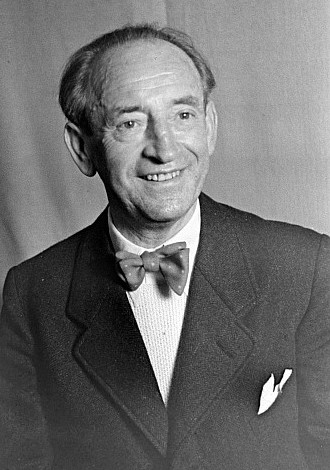
Max Pechstein, a German Expressionist painter and printmaker, was a significant figure in the art world known for his vibrant use of color and dynamic compositions. Born in Zwickau in 1881, Pechstein's journey into the realms of expressionism began with his training as a decorator's apprentice before moving to Dresden to further his studies at the Kunstgewerbeschule. His career took a pivotal turn in 1906 when he met Erich Heckel and joined the Die Brücke group, alongside other notable artists such as Ernst Ludwig Kirchner and Karl Schmidt-Rottluff, which marked the beginning of his foray into revolutionary art and expressionism.
Pechstein's art was not just confined to painting; he was also a master printmaker, with a prolific output that included 421 lithographs, 315 woodcuts and linocuts, and 165 intaglio prints, predominantly etchings. His works often depicted scenes from nature, social gatherings, and elements of primitive art, reflecting his interest in the raw and unrefined aspects of culture and humanity. This diverse body of work was recognized for its bold innovation and unique perspective, which significantly contributed to the expressionist movement.
The Nazis' rise to power in 1933 had a profound impact on Pechstein's career. His works were deemed degenerate, and he faced severe repression, including the removal of 326 of his paintings from German museums and his dismissal from his teaching position at the Preussische Akademie der Künste. Despite these challenges, Pechstein's legacy endured, and after World War II, he was reinstated to his teaching post and received numerous accolades for his contributions to art.
Pechstein's works are held in high esteem in museums and galleries worldwide. Notably, his etchings, which depicted the grim realities of war, are housed in the Imperial War Museum in London, showcasing his ability to convey profound emotional and psychological experiences through art. Additionally, his painting "Summer in Nidden," which captures the idyllic beauty of the Baltic coast, is part of the collection at the Museo Nacional Thyssen-Bornemisza in Madrid, illustrating his love for natural landscapes and vibrant, expressive use of color.
For collectors and experts in art and antiques, Hermann Max Pechstein's works offer a fascinating glimpse into the early 20th-century expressionist movement, characterized by a bold exploration of color, form, and social commentary. His contributions to modern art are invaluable, providing insight into the cultural and historical context of his time.
To stay informed about new product sales and auction events related to Hermann Max Pechstein, we invite you to sign up for updates. This subscription will ensure that you are the first to know about opportunities to acquire works by this influential artist, allowing you to add to your collection of significant expressionist art.


.webp)
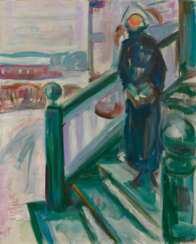
Edvard Munch, a renowned Norwegian painter and graphic artist, left an indelible mark on the world of art with his emotionally charged and symbolically rich compositions. Born on December 12, 1863, in Løten, Norway, Munch's work is emblematic of the Expressionist and Symbolist movements, through which he explored complex themes of life, death, fear, love, and anxiety. His most famous painting, "The Scream," conceived during a walk at sunset when Munch experienced an intense emotional episode, has become a universal symbol of human anxiety and existential dread.
Munch's upbringing was marred by illness, bereavement, and the fear of inheriting mental illness, themes that deeply influenced his artistic expression. This personal turmoil, coupled with his encounters with the works of Paul Gauguin, Vincent van Gogh, and Henri de Toulouse-Lautrec in Paris, and his association with the radical intellectual circle in Kristiania (now Oslo), propelled Munch to depict his own psychological and emotional states through his art. These experiences culminated in "The Frieze of Life," a series of works exploring the depths of human emotion and experience.
Throughout his career, Munch's art was met with both controversy and acclaim. His early works, characterized by their bold use of color and innovative exploration of psychological themes, sparked debate and scandal, particularly in Berlin where his first solo exhibition was closed prematurely. However, this controversy only served to increase Munch's fame and influence, particularly within the German Expressionist movement.
Later in life, after a nervous breakdown in 1908, Munch's style evolved towards a brighter palette and more optimistic themes, reflecting his recovery and a newfound interest in portraying the Norwegian landscape and rural life. Despite the challenges he faced, including the Nazi occupation of Norway during which many of his works were deemed "degenerate," Munch's legacy as a pioneer of Expressionism remained unshaken. He died on January 23, 1944, leaving behind a body of work that continues to resonate with audiences for its profound emotional depth and raw, unfiltered exploration of the human condition.
For collectors and art and antiques experts, Munch's works not only represent significant artistic achievements but also embody the tumultuous journey of an artist who used his canvas to navigate and make sense of the complexities of human emotion and existence. His paintings, many of which are displayed in museums and galleries around the world, continue to captivate and inspire.
To stay informed on new sales, auction events, and exhibitions related to Edvard Munch, sign up for updates. This subscription is a valuable resource for those keen on expanding their collection and knowledge of one of the most influential figures in modern art.
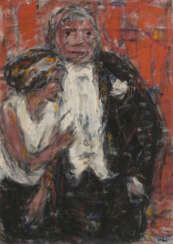

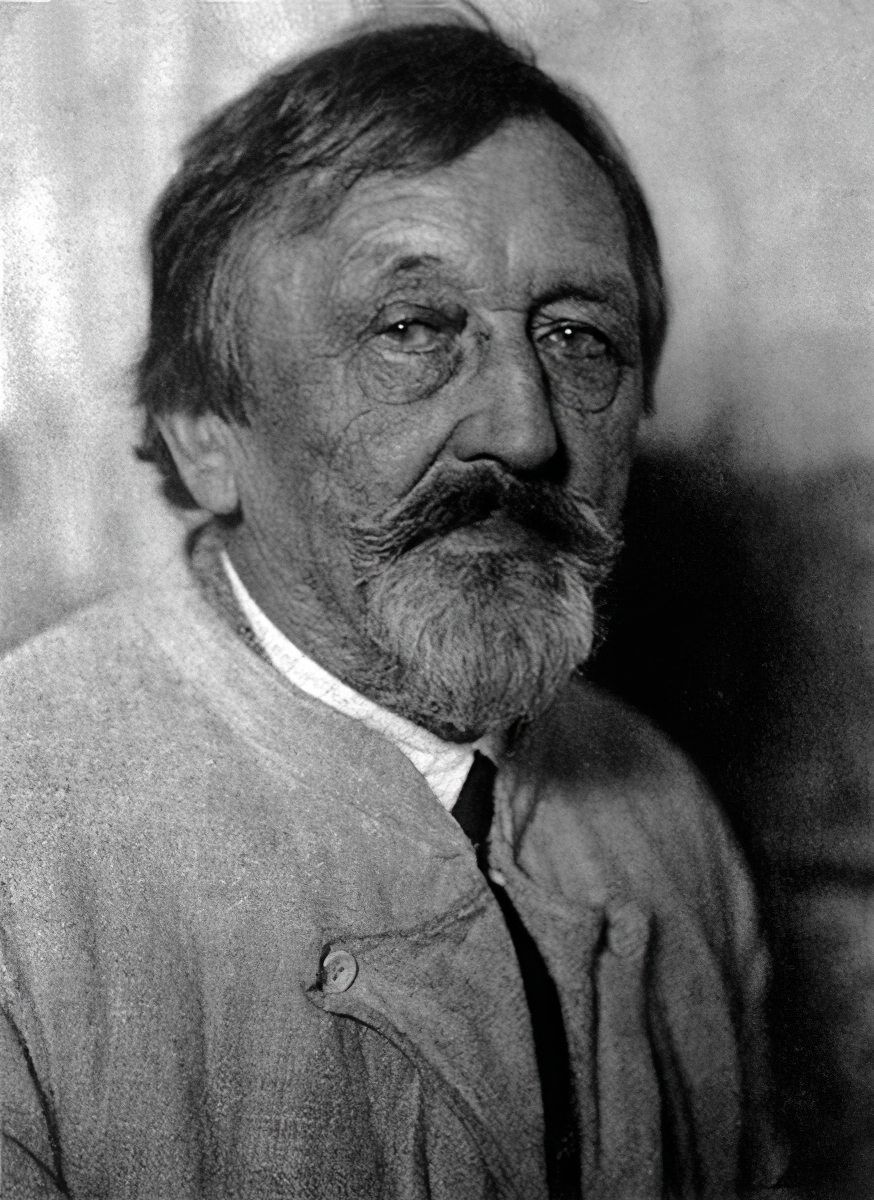
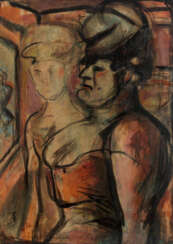

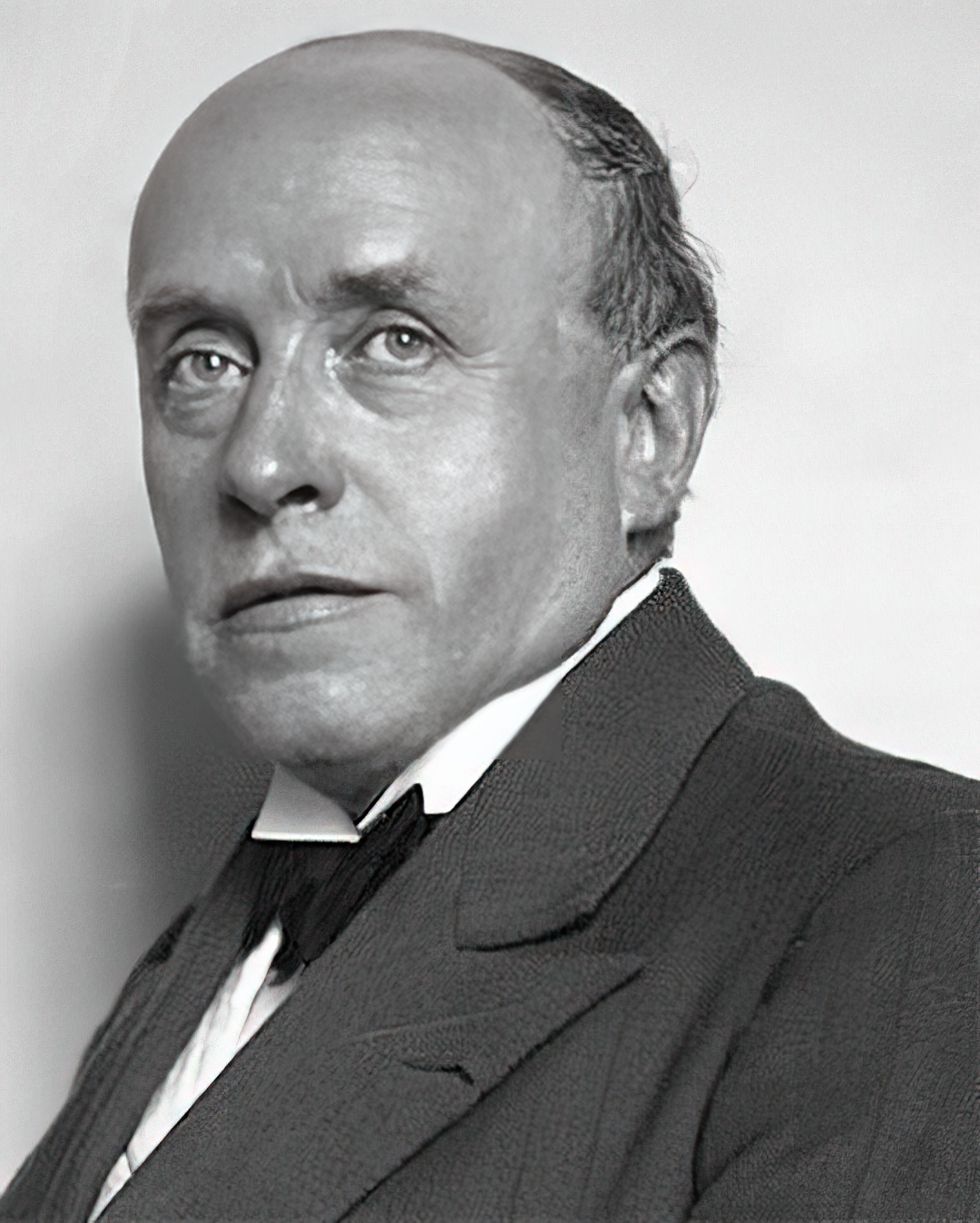
Georges Rouault was a French painter, printmaker and ceramicist whose profound works combined art and spirituality, making him a key figure in the contemporary art world. Born into a modest family in Paris during the turbulent times of the Paris Commune, Rouault's early exposure to art came through his grandfather's collection of lithographs by Honoré Daumier. His initial apprenticeship in a glazier's workshop had a profound influence on his artistic style, especially his work with stained glass, which later became a hallmark of his painting technique.
Rouault's career took a significant turn under the tutelage of Symbolist painter Gustave Moreau, who introduced him to avant-garde circles, leading Rouault into the Fauvist movement alongside Henri Matisse. However, Rouault's unique approach was characterized by a more instinctive and spontaneous style that was deeply influenced by Vincent van Gogh and which eventually led him to Expressionism. His works from this period, dealing with subjects such as courts, clowns, and prostitutes, served as a form of moral and social criticism, motivated by his deep Christian faith and concern for human nature. This period marked a significant evolution in Rouault's style; his paintings reflect a mixture of religious iconography and human suffering, demonstrating his mastery of conveying deeply emotional and spiritual stories.
One of Rouault's most notable contributions to art was his involvement in the scenography for Sergei Diaghilev's ballet The Prodigal Son and his famous series of paintings and prints such as Miserere. His later works are renowned for their explosive use of color and texture, highlighting his mastery of expressing the spiritual harmony and beauty of nature. The end of Rouault's career was marked by a gesture of humility and dedication to his craft: he destroyed a significant number of his unfinished works, feeling that he could not complete them to his satisfaction.
Rouault's legacy has been preserved through his impressive works in renowned museums and galleries around the world. His art continues to inspire and resonate with collectors, experts and lovers of art and antiques, serving as a testament to his enduring influence on the art world.
For those deeply interested in exploring the life and work of Georges Rouault, it is important to stay abreast of new discoveries, sales, and auction events related to his art. We encourage you to subscribe to updates so that you don't miss out on the opportunity to engage with the legacy of this remarkable artist. This subscription will be your gateway to the world of Georges Rouault, offering exclusive insights into his contribution to contemporary art.
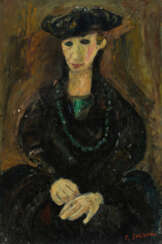

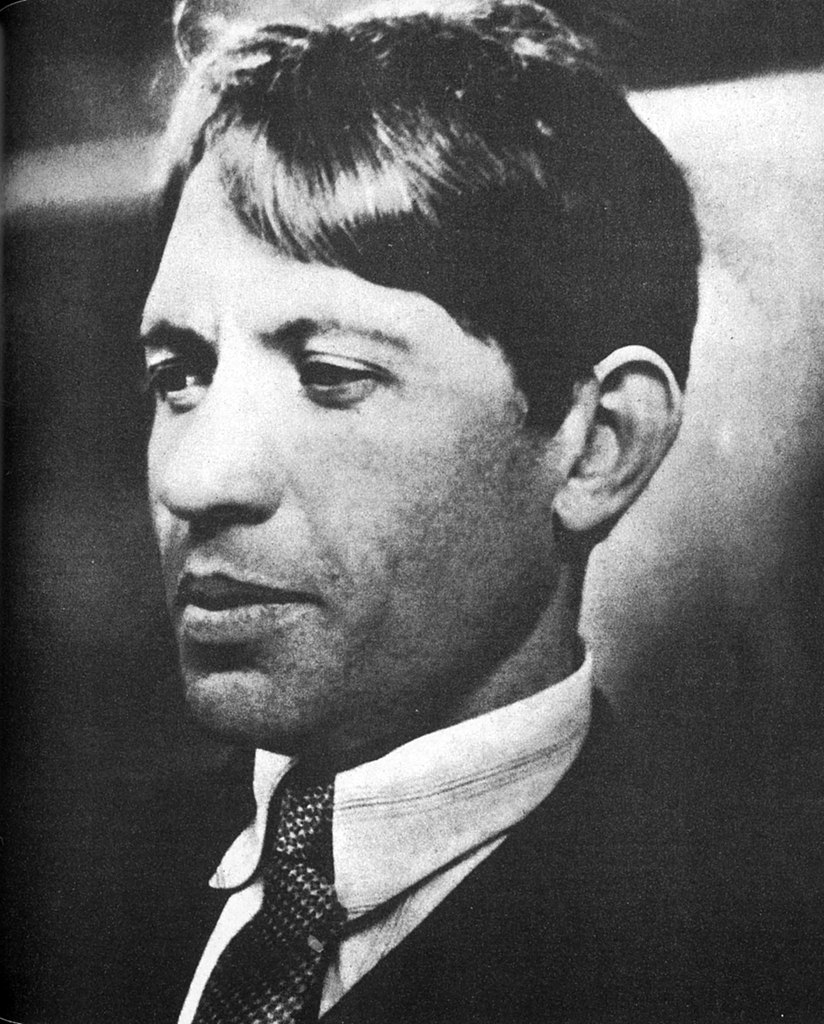
Chaïm Soutine (Russian: Хаим Соломонович Сутин), a Russian-born French painter, left an indelible mark on the world of art with his expressionist works that radiate emotional intensity and bold coloration. Born in 1893 in a small village in what is now Belarus, Soutine grew up in a Jewish family, the tenth of eleven children. His journey to Paris marked the beginning of a significant chapter in his life, where he would eventually become a central figure in the School of Paris, a movement that defined the city's artistic landscape in the early 20th century.
Soutine's artistry is characterized by its raw emotional power, often conveyed through distorted forms and vigorous brushwork. This unique style reflects not only his personal struggles and the hardships he faced as an immigrant artist but also his deep admiration for the Old Masters, particularly Rembrandt, whose influence is evident in Soutine's thematic choices and technique. His work spans a range of subjects, from landscapes and portraits to still lifes, each imbued with a sense of vitality and movement that is distinctly Soutine's.
One of the most compelling aspects of Soutine's oeuvre is his series of carcass paintings, notably inspired by Rembrandt's "Slaughtered Ox." These works, particularly "Carcass of Beef," showcase his fascination with the theme of decay and the beauty he found within it, despite the controversy such subjects provoked among his contemporaries. This series exemplifies Soutine's ability to transform a potentially repulsive subject into a profound exploration of color and form.
Soutine's legacy is also marked by his tumultuous life, including his struggles with poverty and persecution during World War II due to his Jewish heritage. Despite these challenges, his work gained recognition and support from influential art dealers and collectors, such as Albert C. Barnes, who purchased a significant number of his paintings in a single encounter, providing Soutine with financial stability and public exposure.
Today, Soutine's works are celebrated in major museums and galleries around the world, testament to his enduring influence on subsequent generations of artists. His paintings, characterized by their emotional depth and innovative use of color and form, continue to captivate art lovers and collectors alike.
For those passionate about the evolution of modern art and the expressionist movement, Soutine's work offers a window into the soul of an artist who transformed personal adversity into profound artistic expression. To stay informed about upcoming sales and auction events featuring Soutine's work, I encourage you to sign up for updates. This subscription is an opportunity to deepen your appreciation for Soutine's contributions to art and culture and to possibly acquire a piece of his legacy for your collection.
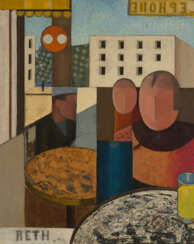

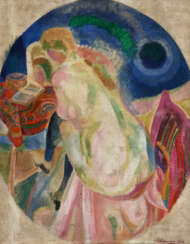

Robert Delaunay, a French artist, emerged as a pivotal figure in the development of early 20th-century art, blending the realms of painting and sculpture with his innovative approaches. His work is celebrated for its dynamic use of color and geometric shapes, making him a cornerstone in the Orphism movement, which he co-founded alongside his wife Sonia Delaunay and others. This movement is distinguished by its focus on vibrant colors and geometric forms, contributing significantly to the abstract art landscape.
Delaunay's artistic journey began earnestly at the age of 19 when he decided to fully dedicate himself to painting, contributing works to the Salon des Indépendants. His early career was marked by a deep engagement with Neo-Impressionism and Cubism, as evidenced by his collaborative work with Jean Metzinger and his exploration of color theory. Notable works from this period include "Paysage au disque" (1906–07) and "Champs de Mars: The Red Tower" (1911), showcasing his departure from representational art towards a more abstract, color-driven aesthetic.
Among Delaunay's celebrated series are the Eiffel Tower and Simultaneous Windows, reflecting his fascination with Parisian architecture and the dynamic interplay of light and color. These works, along with others like "L'Équipe de Cardiff" (1912-13) and "Endless Rhythm" (1934), are housed in prestigious museums such as the Musée d'Art Moderne de la Ville de Paris, The Solomon R. Guggenheim Museum, and the Tate collection. These pieces illustrate his evolving style, from the depiction of movement and technology in pre-war Paris to the rhythmic abstraction of later years.
Delaunay's influence extended beyond France, with significant contributions to exhibitions in Germany, Switzerland, and Russia, particularly through his involvement with Der Blaue Reiter group. His work not only captured the essence of the technological and cultural shifts of his time but also laid the groundwork for future artistic explorations into color and form.
For collectors and experts in art and antiques, Delaunay's oeuvre offers a rich study in the evolution of modern art, from its roots in Cubism and Neo-Impressionism to the heights of abstract expression. His works serve as a testament to the power of color and shape in conveying emotion and motion, making them invaluable to the understanding of 20th-century art history.
To stay informed on new sales, auctions, and exhibitions related to Robert Delaunay, sign up for updates. This subscription ensures you remain updated on opportunities to engage with Delaunay's influential body of work, reflecting the ongoing interest in his contributions to modern art.
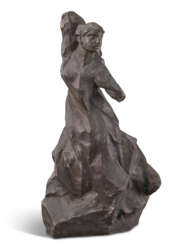

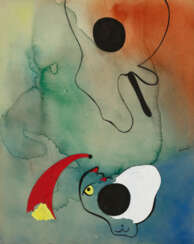

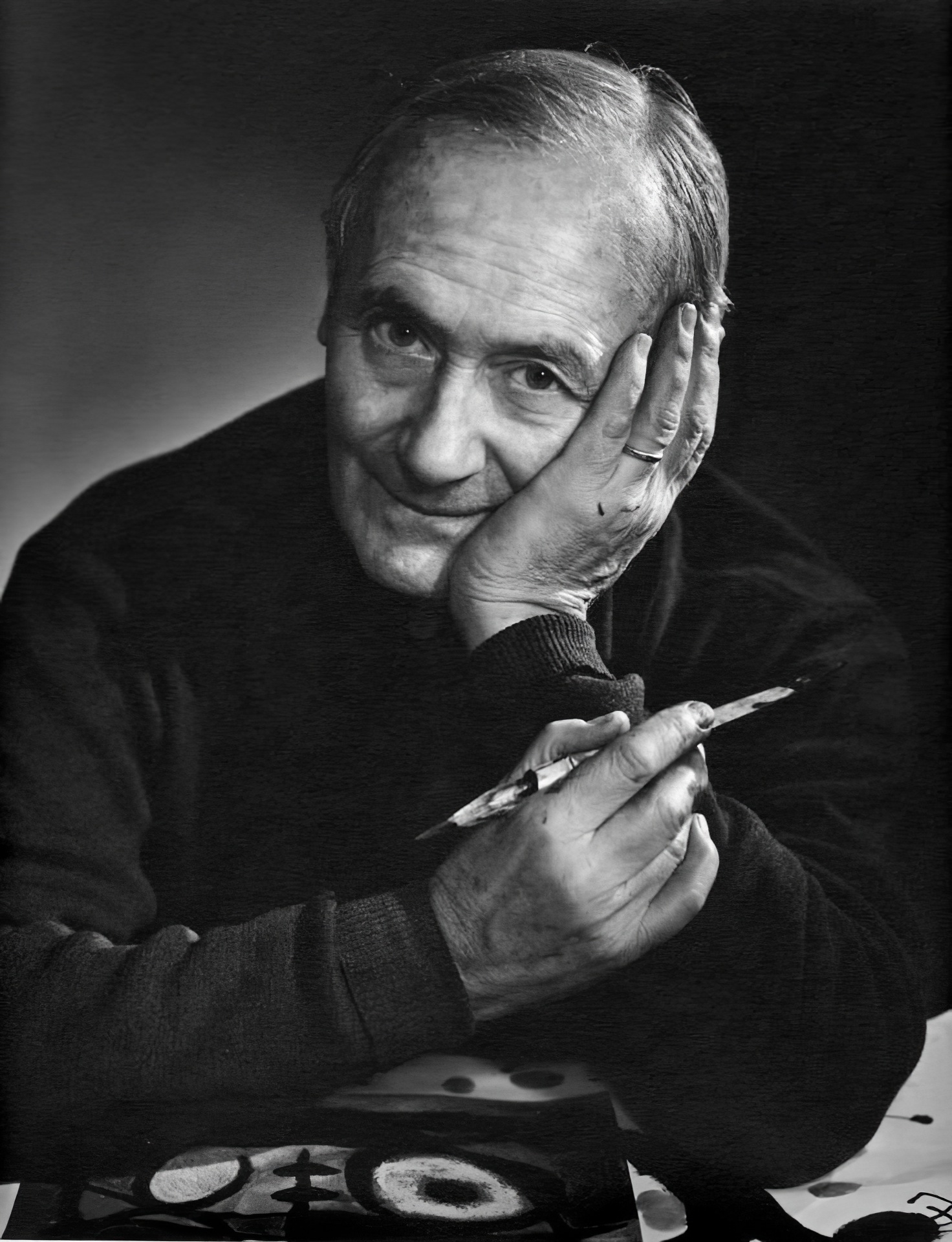
Joan Miró, a celebrated Spanish artist, was a master in painting, sculpture, and ceramics, renowned for his unique style that blurred the lines between Surrealism, Fauvism, and Expressionism. Born in Barcelona to a family of a goldsmith and a watchmaker, Miró grew up immersed in the rich cultural heritage of the Barri Gòtic neighborhood. His artistic journey began with drawing classes at the age of seven and continued at the prestigious La Llotja art academy. Despite an initial venture into the business world, Miró's passion for art prevailed, leading him to abandon his clerical career after a nervous breakdown.
Miró's work is noted for its exploration of the subconscious, often depicting a childlike perspective. This approach was both a critique of traditional painting methods and a means of expressing Catalan pride. His art, challenging to categorize, often featured symbolic elements and nationalistic qualities. One of his notable early works, "The Farm," reflects a transition to a more individual style, blending elements of his Catalan roots with broader artistic influences. This piece, later purchased by Ernest Hemingway, encapsulated the essence of Spain in its imagery.
In Paris, Miró joined the Surrealist movement in 1924, where his work began to reflect the influence of automatism, emphasizing spontaneous, automatic, or subconscious creation. He experimented with various mediums, including painting-poetry and collage, and even ventured into set and costume design for Sergei Diaghilev's Ballets Russes.
During World War II, Miró remained in Spain, and his work from this period, including the 22 Constellations series, reflected an interest in the night, music, and stars. His forms became increasingly abstracted, and he experimented with various techniques, often incorporating primary colors and evocative titles.
Miró's career spanned several decades, during which he continually evolved his style and explored new mediums. His contributions to art were recognized with numerous awards and retrospectives, including a major career retrospective at MoMA in 1941 and the Spanish Gold Medal for Fine Arts in 1980. Among his last major works was a tapestry for the World Trade Center in New York City, created in 1974.
For art collectors and enthusiasts, Joan Miró remains a figure of immense interest, not only for his distinct style and contributions to Surrealism but also for his ability to blend poetic imagery with political commentary. To stay updated on new product sales and auction events related to Joan Miró, sign up for our updates and immerse yourself in the world of this extraordinary artist.
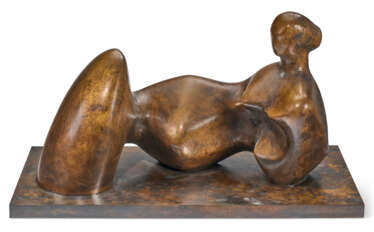

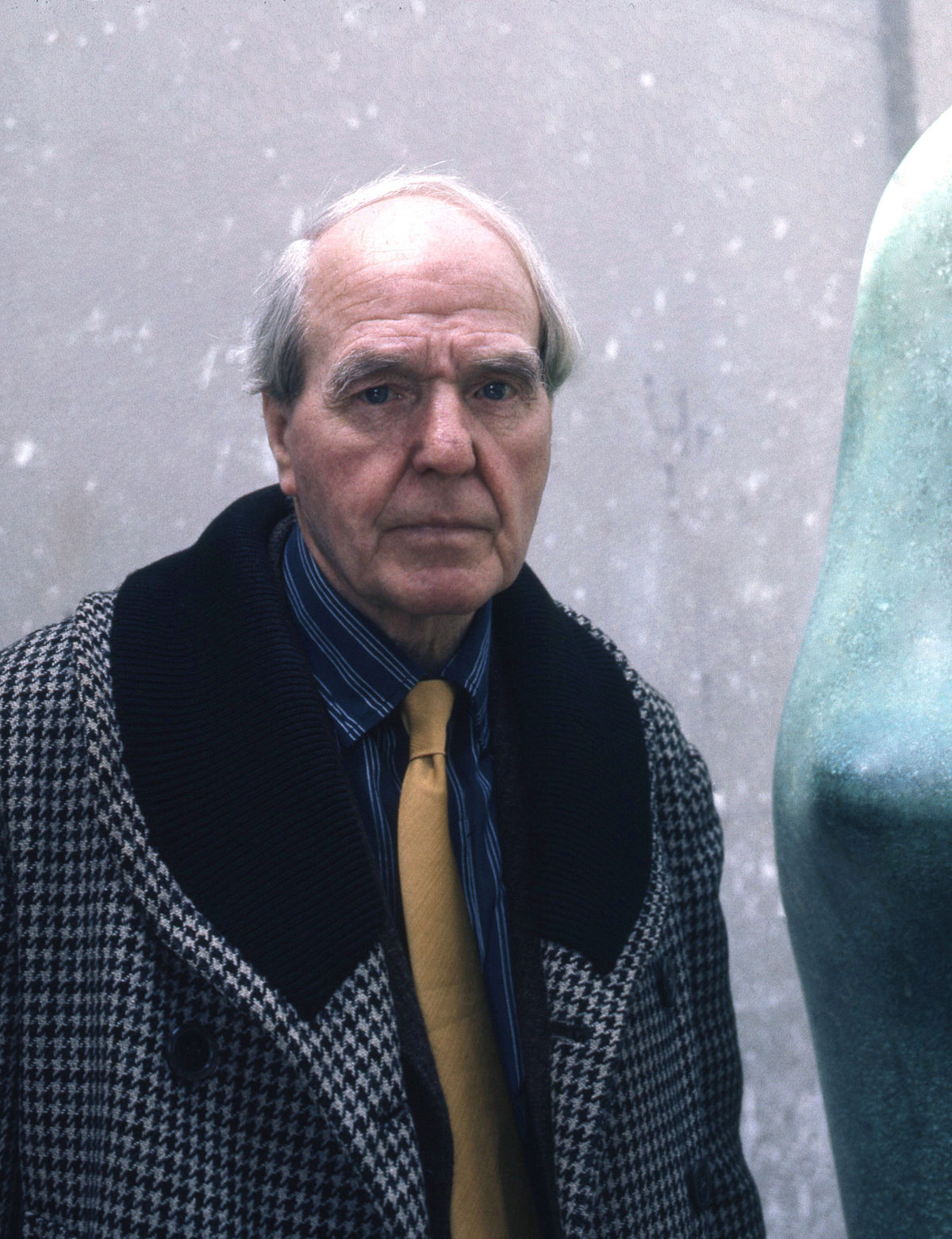
Henry Spencer Moore was an influential English sculptor and artist, renowned for his semi-abstract monumental bronze sculptures that have found homes around the world as public works of art. Born on July 30, 1898, in Castleford, Yorkshire, Moore showed early talent in art, but his journey towards becoming a sculptor was not straightforward. His experiences as a young teacher and a soldier in the First World War, where he was injured in a gas attack, significantly shaped his perspectives and artistic direction.
After the war, Moore pursued his passion for art, winning a scholarship to the Royal College of Art in London, where he began to experiment with modernist influences and direct carving techniques, moving away from the traditional Victorian style. His works, characterized by organic shapes and a blend of abstraction and figuration, were inspired by a wide range of sources, including primitive art, the human body, and the natural world.
Moore's sculptures are celebrated for their unique ability to blend form with space in the landscape, offering viewers a dynamic interaction with his works. His dedication to public art made his sculptures accessible to a wide audience, contributing to his status as one of the 20th century's most significant sculptors. Moore's legacy is preserved through the Henry Moore Foundation, which supports artists and promotes public appreciation of sculpture.
For collectors and experts in art and antiques, Moore's work remains a testament to the power of sculpture to evoke emotion and thought. His contributions to modern art and sculpture continue to inspire and influence artists around the world.
To stay informed about new exhibitions and opportunities to view Henry Spencer Moore's work, sign up for updates. This subscription will ensure you are alerted to new product sales and auction events related to Moore's influential body of work.


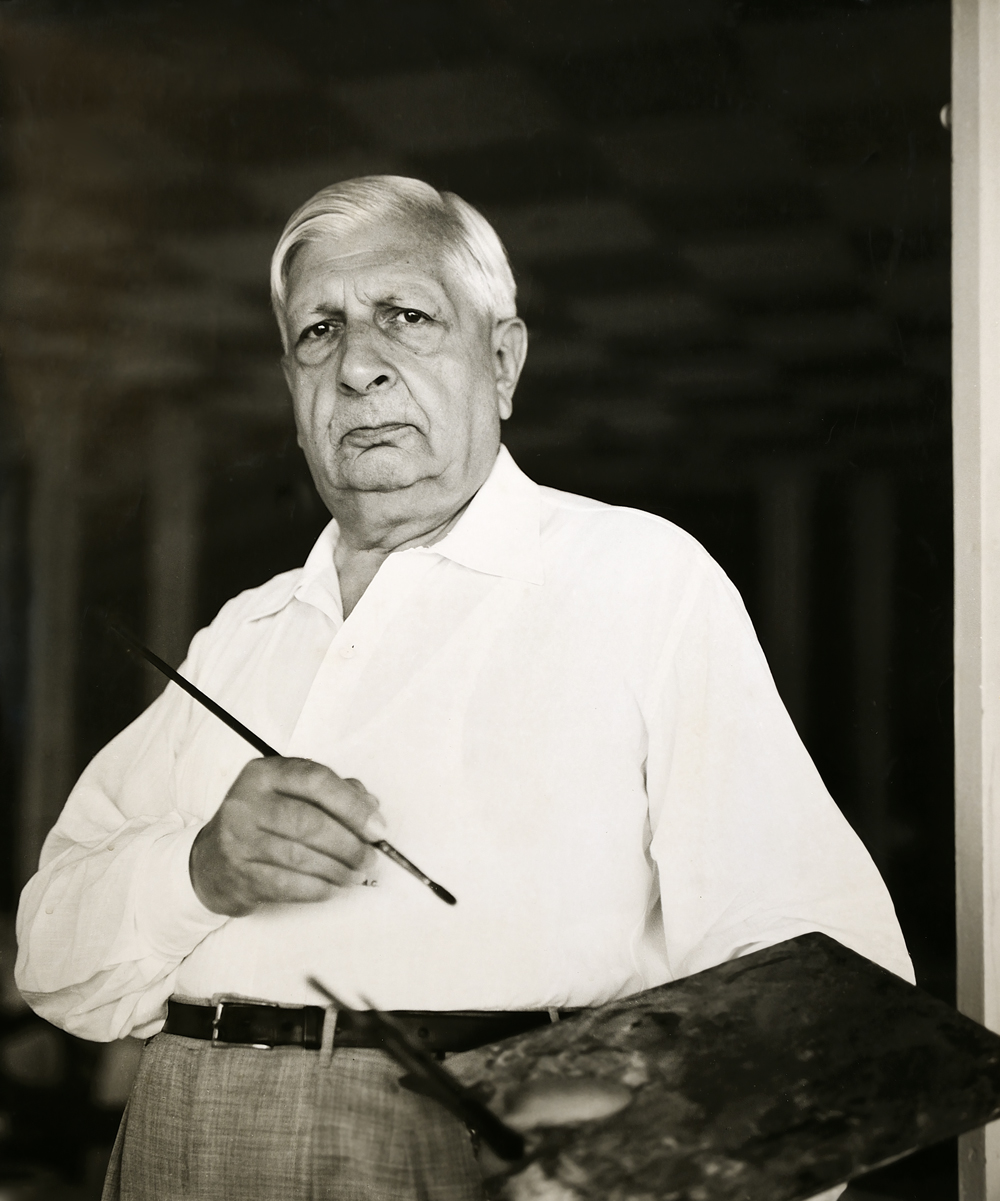
Giuseppe Maria Alberto Giorgio de Chirico, an Italian artist renowned for his profound influence on the Surrealist movement, stands as a seminal figure in 20th-century art. Born in Volos, Greece, in 1888, de Chirico was a visionary painter, sculptor, and writer whose works profoundly altered the landscape of modern art. His paintings, characterized by their dreamlike quality, enigmatic compositions, and the juxtaposition of classical and modern elements, delve into the mysteries of the subconscious, exploring themes of nostalgia, metaphysics, and the uncanny.
De Chirico's art is distinguished by its unique blend of classical motifs with surreal, dreamlike atmospheres, creating a sense of profound mystery and unease. His most famous works, such as "The Enigma of an Autumn Afternoon" and "The Melancholy of Departure," exhibit deserted cityscapes filled with elongated shadows, enigmatic figures, and classical architecture, which became hallmarks of his style. These paintings not only prefigured the Surrealist movement but also influenced countless artists with their exploration of the psyche, the distortion of space, and the play of light and shadow.
His impact on culture and art is undeniable, with his works housed in prestigious museums and galleries worldwide, including the Museum of Modern Art in New York and the Tate Modern in London. De Chirico's ability to evoke the mysterious interconnection between the ancient and the modern through his art continues to captivate collectors and experts in the fields of art and antiques. His innovative approach to painting and sculpture has solidified his position as a key figure in the development of modern art.
For collectors and enthusiasts keen on exploring the depths of 20th-century art and the enigmatic world of Giuseppe Maria Alberto Giorgio de Chirico, staying informed about new discoveries, auction events, and sales of his works is essential. We invite you to sign up for updates to ensure you never miss an opportunity to engage with the enduring legacy of this remarkable Artist. This subscription is your gateway to the latest news related to de Chirico, focusing exclusively on product sales and auction events associated with his influential oeuvre.