ors 105



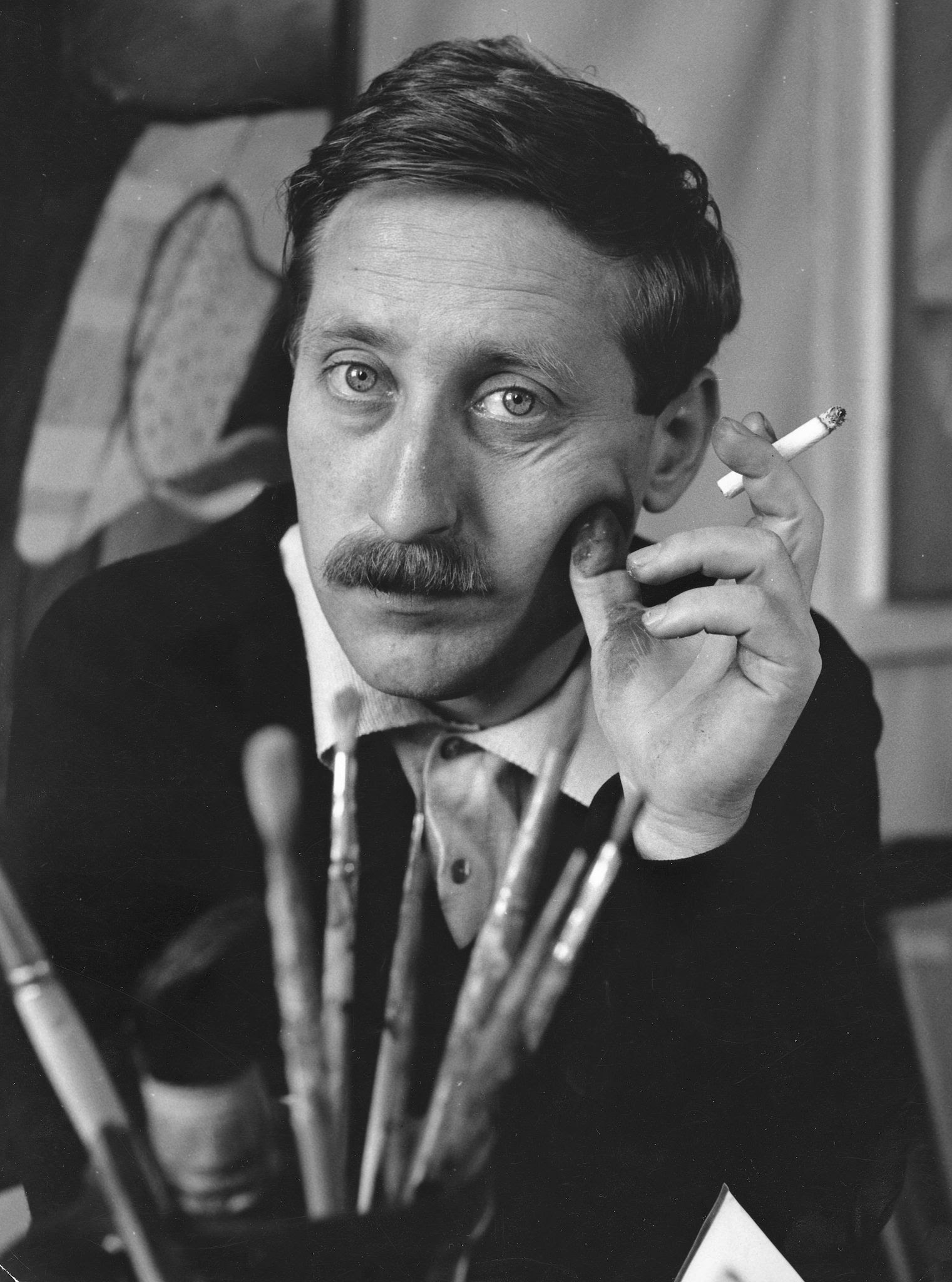
Horst Antes was a German painter, graphic artist and sculptor, a pioneer of the new figurative painting in Germany.
After studying at the Karlsruhe Academy of Fine Arts from 1957 to 1959, Antes taught there himself and later became a professor there.
Antes became known for the Kopffüßler (head-foot) image, which has been a recurring theme in his paintings, sculptures and graphic works since the early 1960s. Antes' work is represented in several major collections in Berlin, Hamburg, Cologne and elsewhere in Germany.
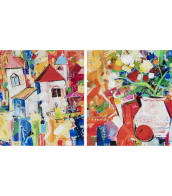
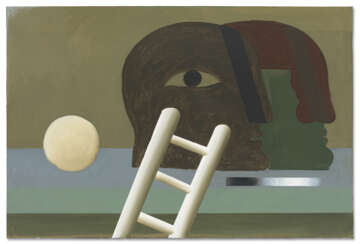

Horst Antes was a German painter, graphic artist and sculptor, a pioneer of the new figurative painting in Germany.
After studying at the Karlsruhe Academy of Fine Arts from 1957 to 1959, Antes taught there himself and later became a professor there.
Antes became known for the Kopffüßler (head-foot) image, which has been a recurring theme in his paintings, sculptures and graphic works since the early 1960s. Antes' work is represented in several major collections in Berlin, Hamburg, Cologne and elsewhere in Germany.
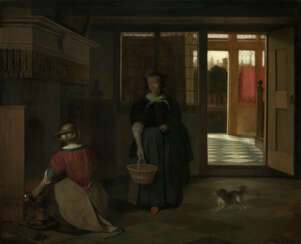

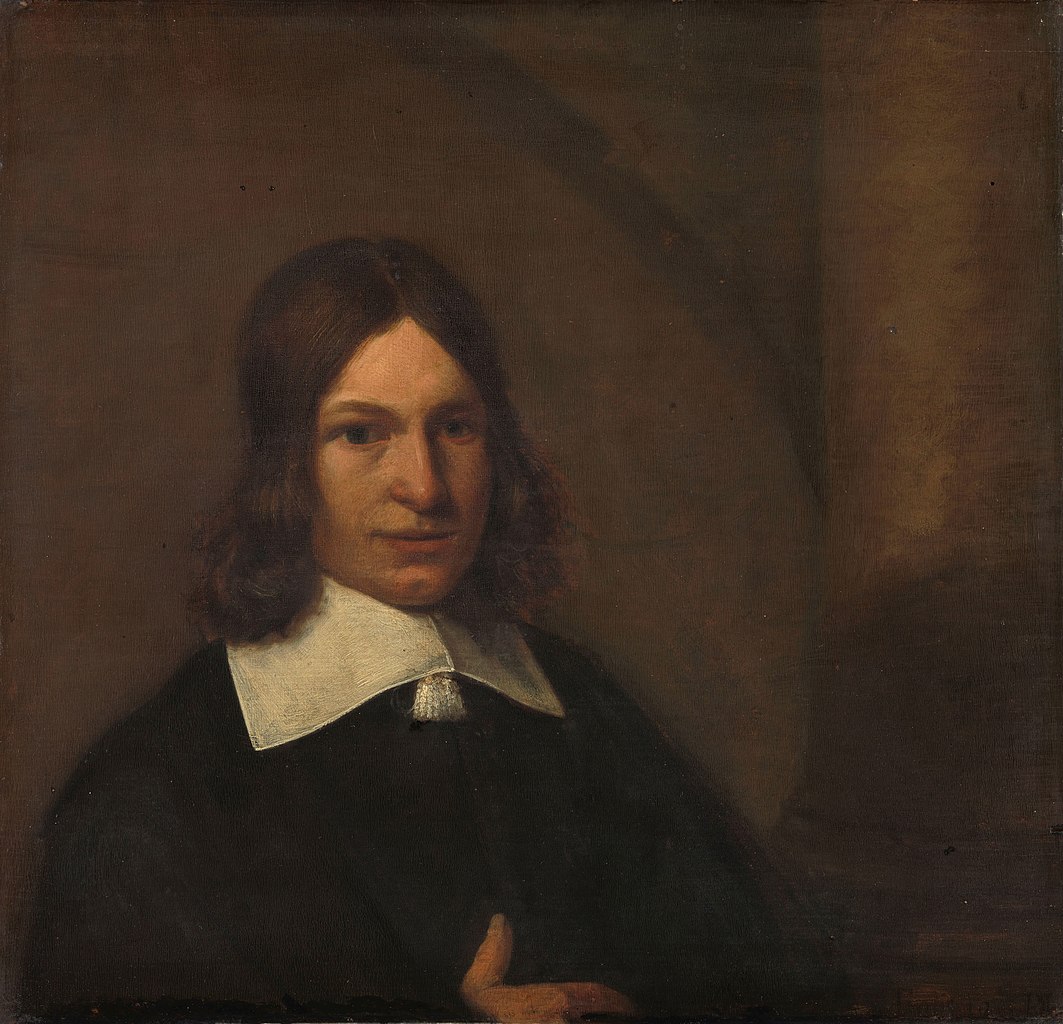
Pieter de Hooch was a Dutch Golden Age painter famous for his genre works of quiet domestic scenes with an open doorway. He was a contemporary of Jan Vermeer in the Delft Guild of St. Luke, with whom his work shares themes and style.
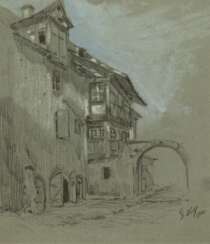

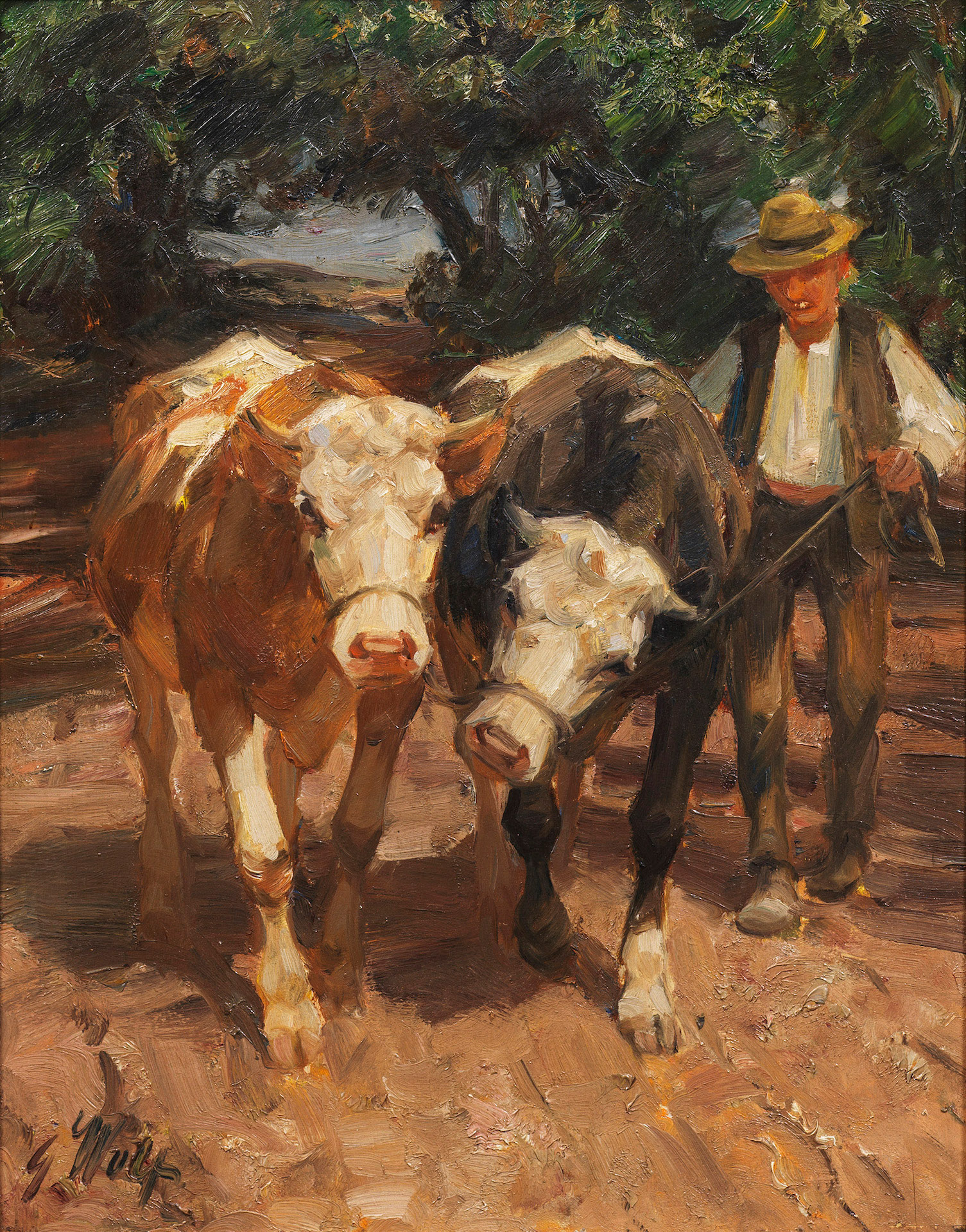
Georg Wolf was a German landscape and animal painter of French origin. He was a member of the Düsseldorf School.
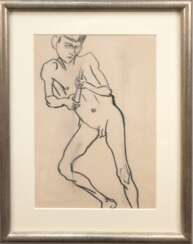

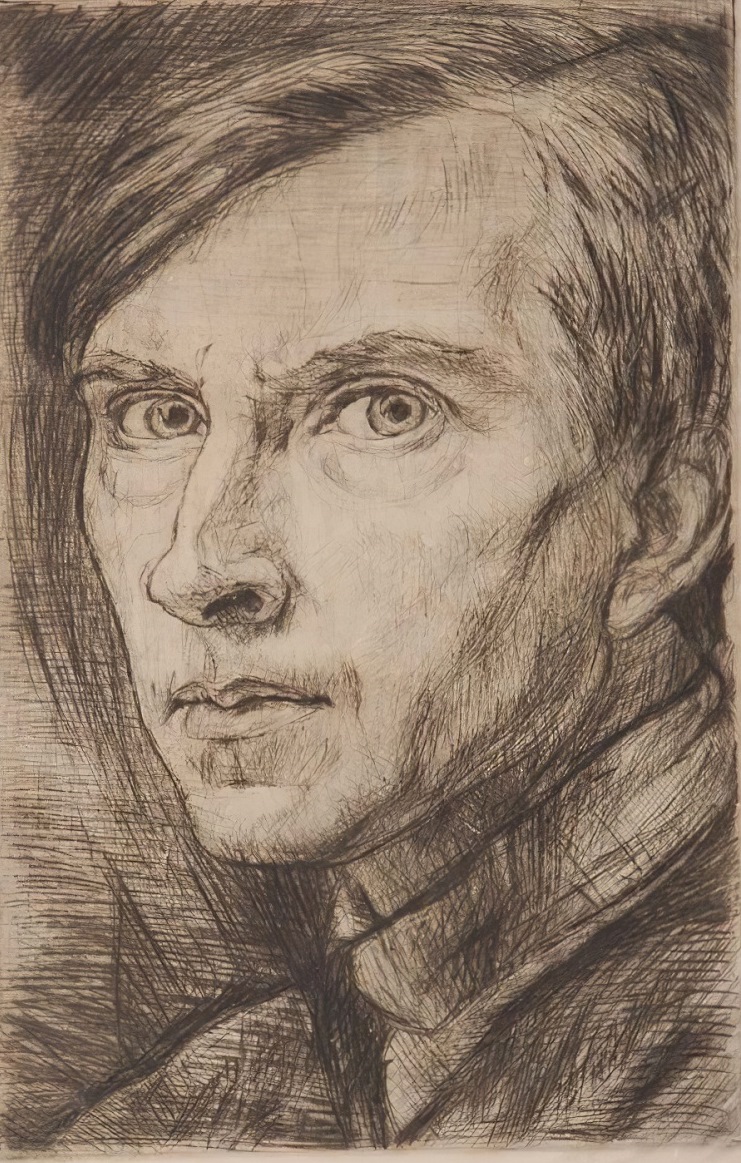
Paul Kother was a German expressionist painter.
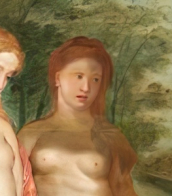


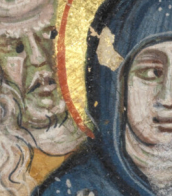
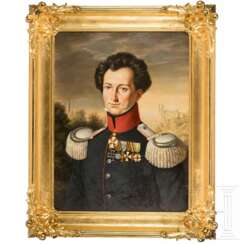





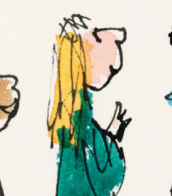
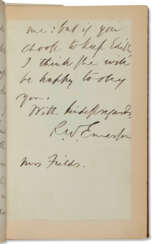

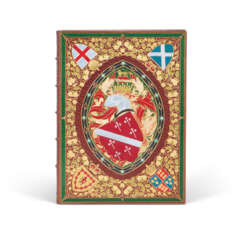

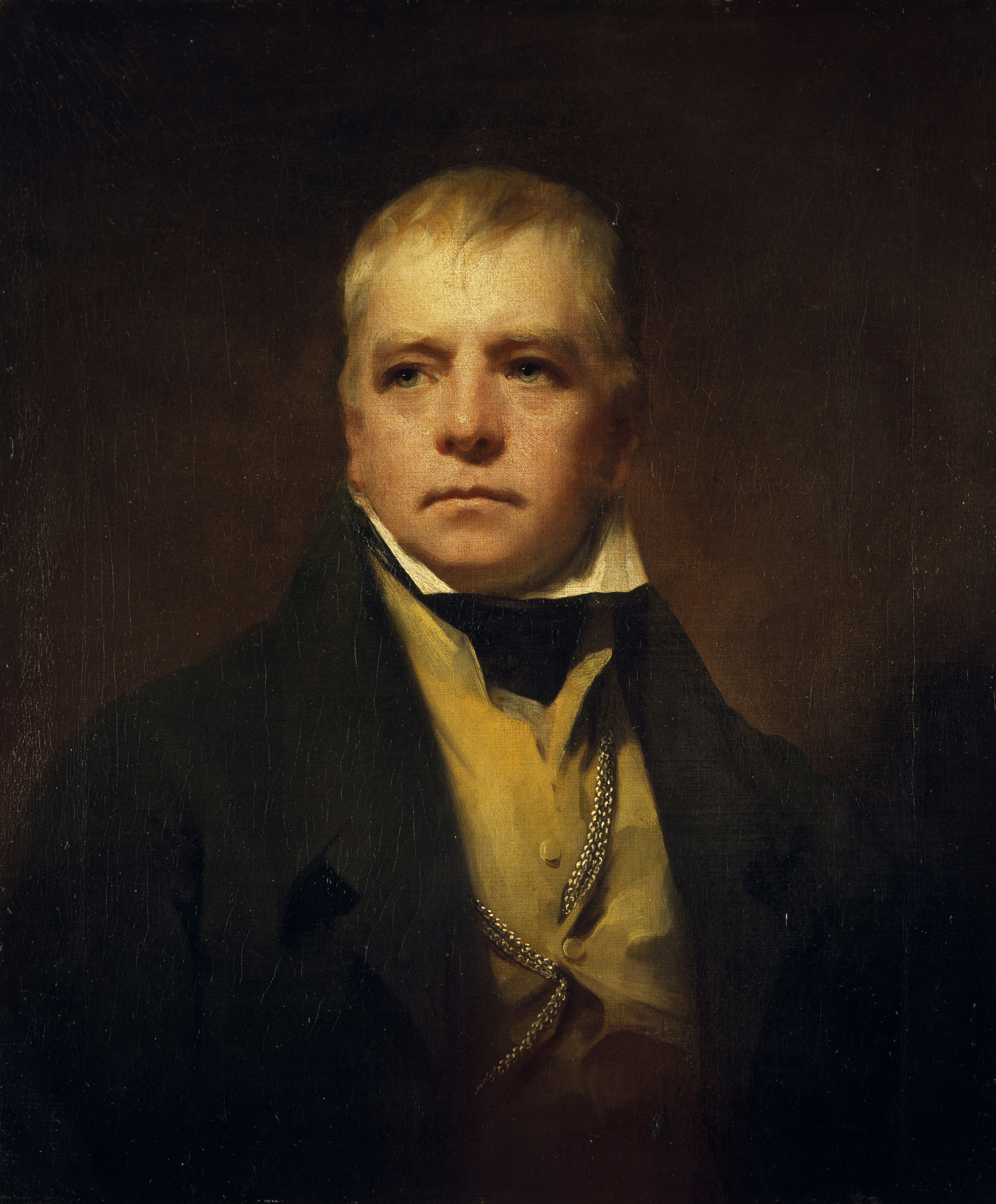













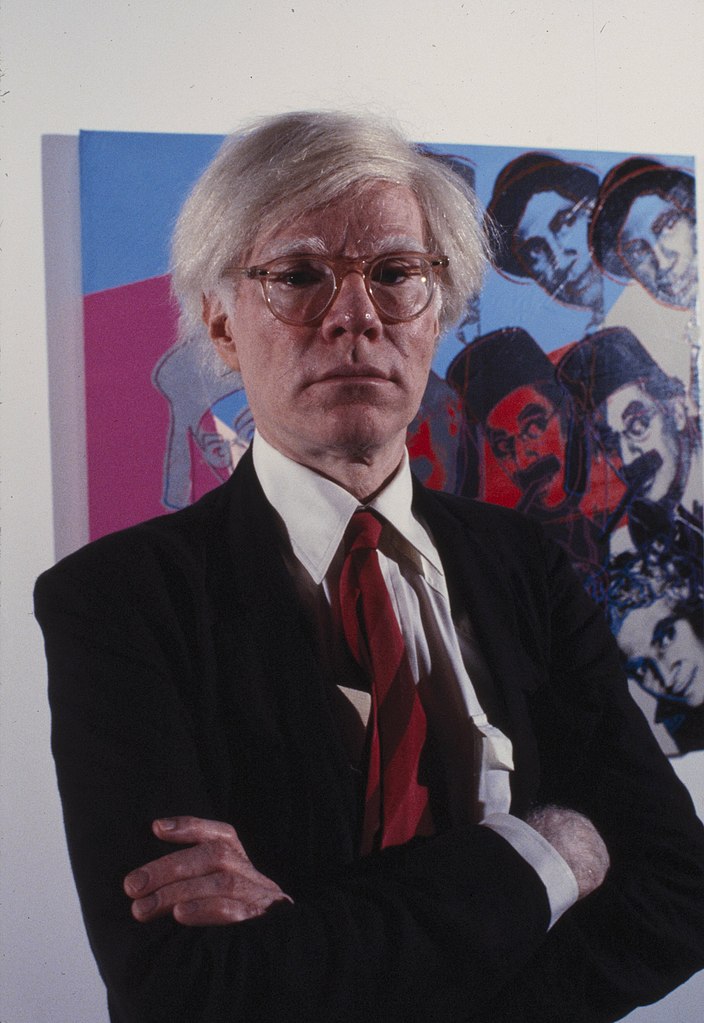
Andy Warhol, born as Andrew Warhola Jr., was an American visual artist, film director, and producer, who played a pivotal role in the development of the Pop Art movement. His art delved into the interplay between artistic expression, advertising, and celebrity culture, especially prevalent in the 1960s. Warhol was renowned for his diverse range of media, which included painting, silkscreening, photography, film, and sculpture.
Warhol's journey began in Pittsburgh, where he was born and raised, initially making a name for himself as a commercial illustrator. His New York studio, "The Factory," became a famous hub for intellectuals, celebrities, and various artistic minds. He was known for creating the notion of "Warhol superstars" and popularized the phrase "15 minutes of fame."
His contribution to the art world is significant, with notable works like "Campbell's Soup Cans" (1962) and "Marilyn Diptych" (1962), as well as his experimental films like "Empire" (1964) and "Chelsea Girls" (1966). These works not only define his career but also underscore the essence of the Pop Art movement.
Warhol's influence extended beyond his artwork. He managed and produced the experimental rock band The Velvet Underground, founded Interview magazine, and wrote several books, including "The Philosophy of Andy Warhol" and "Popism: The Warhol Sixties." Living openly as a gay man before the gay liberation movement, Warhol's personal life was as influential as his professional endeavors.
Tragically, Warhol's life was nearly cut short in 1968 when he was shot by radical feminist Valerie Solanas. He eventually passed away in 1987 due to cardiac arrhythmia following gallbladder surgery. His legacy continues, with The Andy Warhol Museum in Pittsburgh standing as the largest U.S. museum dedicated to a single artist.
Warhol's art remains highly collectible and valuable. His works, like the "Silver Car Crash (Double Disaster)" and "Shot Sage Blue Marilyn," have fetched staggering amounts at auctions, signifying his enduring impact on the art market.
For art collectors and experts, Andy Warhol's work represents a crucial intersection of pop culture and fine art, offering a unique perspective on consumerism and celebrity. His pieces are not just art; they are historical landmarks that capture a transformative era in both art and society.
To stay updated on new products, sales, and auction events related to Andy Warhol, sign up for our updates. This subscription will keep you informed about all things Warhol without overwhelming you with unnecessary information.








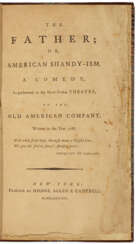

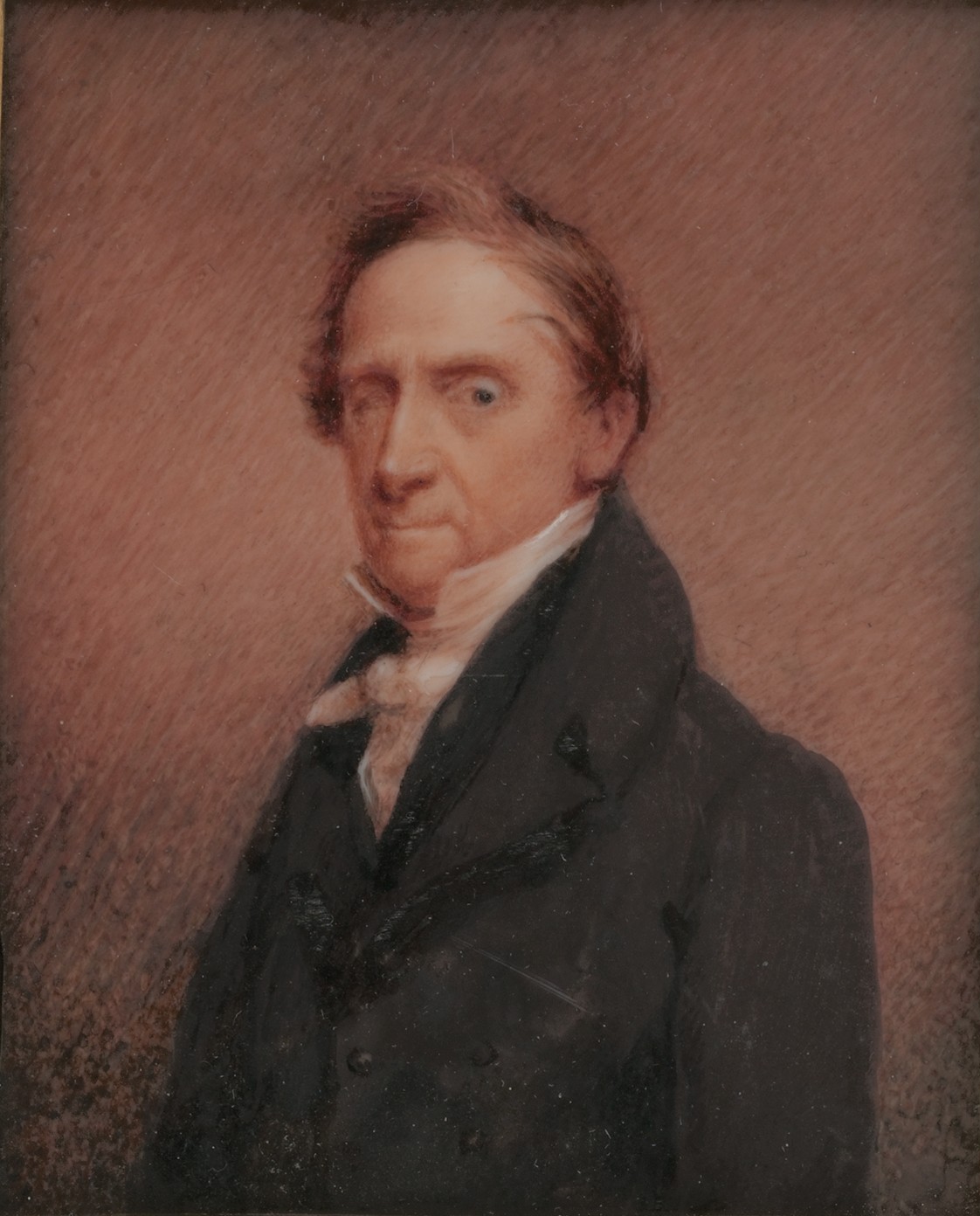
William Dunlap was an American playwright, theater director, artist, and historian.
William Dunlap was a pioneer of the young country's theater. He directed two of New York City's earliest and most famous theaters, the John Street Theater and the Theater in the Park. During his lifetime he directed over sixty plays, most of which were adaptations or translations of French and German works. But among them were some original ones based on American themes with American characters.
In 1832 Dunlap published A History of the American Theater in two volumes. In 1825, Dunlap co-founded the National Academy of Design and taught at its school. Even today, Dunlap is best known for his encyclopedic three-volume History of the Origin and Progress of the Art of Design in the United States. The book was published in 1834 and is now an invaluable source of information about artists, collecting, and artistic endeavors in the country of that historical period.
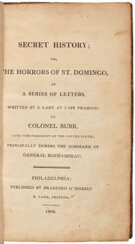

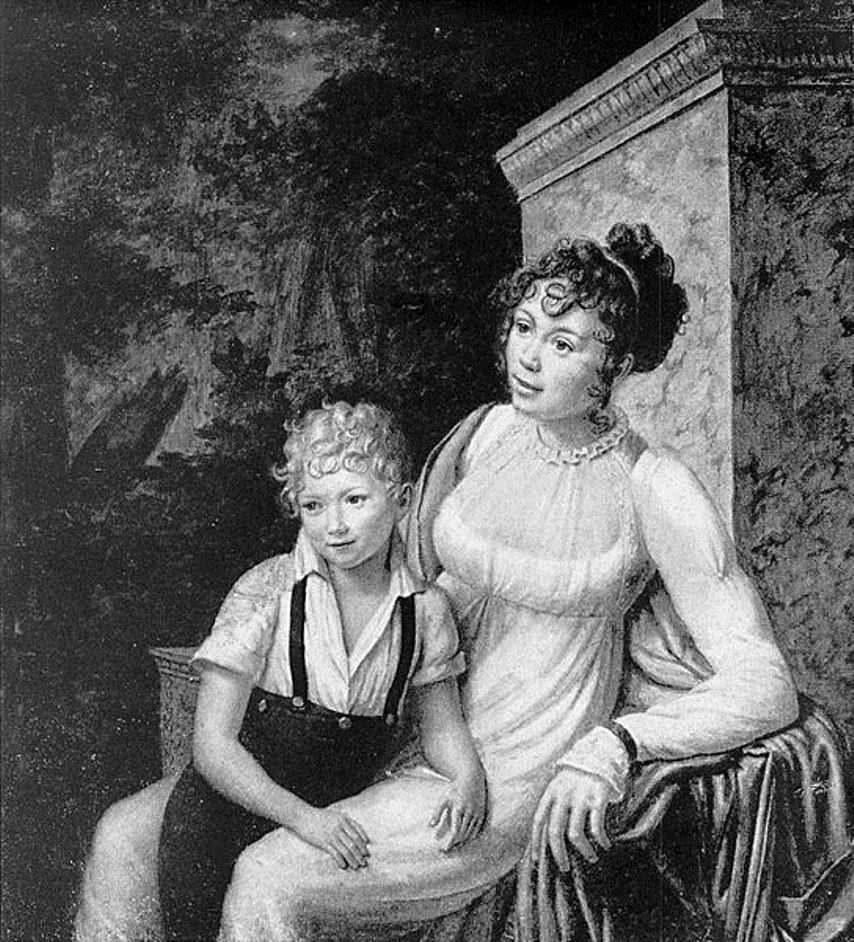
Leonora Sansay, born Honora Davern, is an American author.
Leonora was the author of several adventure novels, including The Secret History and Zelica: Creole, which may be the first American novel with a non-white heroine. Her novels are remarkable in that they document the life and observations of a remarkable woman in a turbulent time.
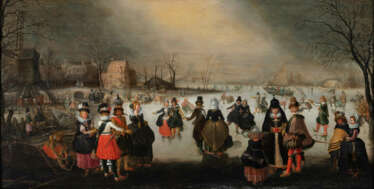

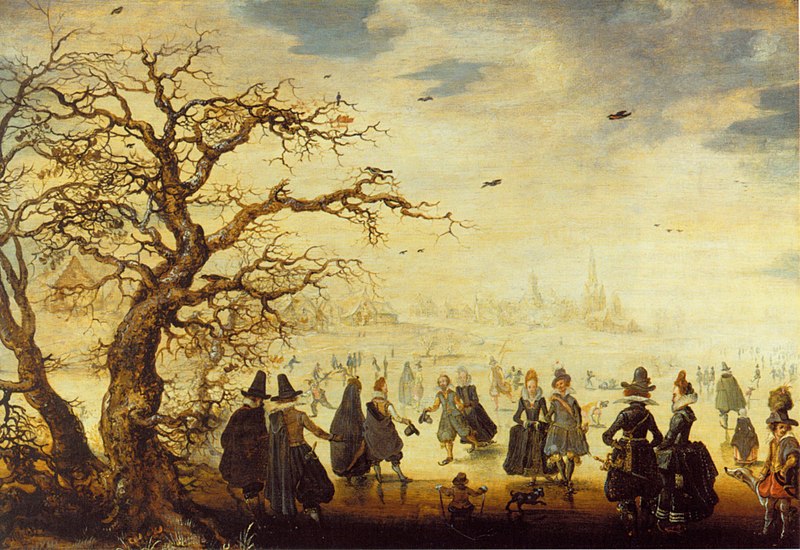
Adam van Breen, born in Amsterdam in 1585 and passing in Norway in 1642, was a notable Dutch Golden Age painter who specialized in winter landscapes. His work is distinguished by its vivid depiction of the icy, bustling life of the Netherlands during the winter months. Van Breen became a member of the Hague Guild of St. Luke in 1612 and worked in various cities including The Hague, Amsterdam, and later Oslo, Norway.
While detailed biographical information about van Breen remains scarce, it is known that he married in 1611 and was registered in the Dutch town’s guild the following year. His artistic style is often compared to that of Adriaen van de Venne, with whom he shared a preference for winter scenes. However, van Breen drew inspiration primarily from Hendrick and Barendt Avercamp, setting his characters apart through their more assertive, stockier figures, sometimes even including portrait-like depictions within his compositions.
Adam van Breen's paintings are celebrated for incorporating figures in luxurious clothing, a reflection of The Hague's status as a political and cultural center. This influence is apparent in his landscape works, which not only capture the beauty of the Dutch winters but also subtly document the societal contexts of the period. In 1617, van Breen illustrated military evolutions for the Prince of Nassau, showcasing his versatility beyond landscapes. His move to Norway in the 1640s introduced a new phase in his career, where he produced several notable portraits.
For collectors and experts in art and antiques, Adam van Breen's work offers a fascinating glimpse into the Dutch Golden Age, characterized by its detailed and lively winter scenes. His paintings, such as those documented in private collections and galleries, remain a testament to his skill and distinctive approach to capturing the essence of his time.
To stay updated on new discoveries, sales, and auction events related to Adam van Breen, signing up for updates from relevant art galleries and auction houses is recommended. This ensures access to the latest information on available works and exhibitions featuring this remarkable Dutch painter.