people was or were




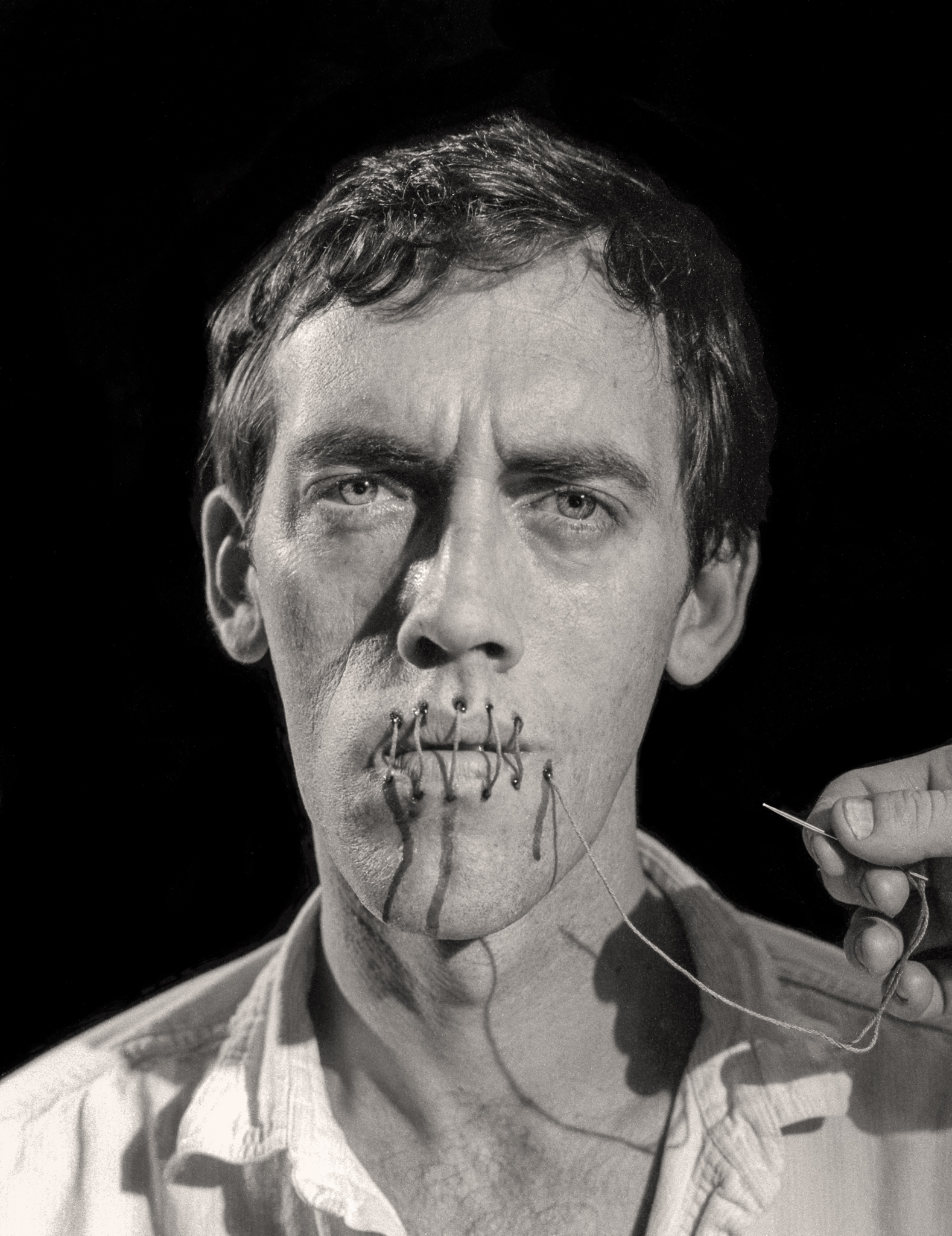
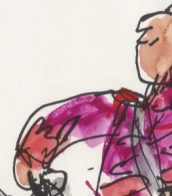
David Wojnarowicz was an American artist known for his multifaceted work, which included painting, film, video, performance, writing, and music. His art often addressed themes such as society's fragmentation, consumerism, and the juxtaposition of natural and industrial landscapes. After being diagnosed with AIDS at 33, Wojnarowicz's work became more activist-oriented, focusing on his sexuality and his illness, as exemplified in his piece "Untitled," also known as "One Day This Kid".
David Wojnarowicz's childhood was tumultuous, marked by abuse and neglect, which profoundly influenced his later work. Despite dropping out, he eventually completed his high school education and immersed himself in New York's underground art scene. His art from the 1980s, particularly after the death of his mentor and close friend Peter Hujar, increasingly addressed AIDS and became more politically charged.
His legacy includes notable works like "A Fire in My Belly," which sparked controversy and highlighted the ongoing struggles of the LGBTQ+ community and those affected by AIDS. Wojnarowicz's work continues to inspire and provoke, as seen in exhibitions like the Whitney Museum's retrospective, "David Wojnarowicz: History Keeps Me Awake at Night," and his influence on various artists and cultural movements.
For those interested in exploring the depth and breadth of David Wojnarowicz's work, staying informed about upcoming exhibitions and available collections can provide valuable insights into his impactful legacy. Subscribing to updates from art galleries and museums that feature his work is an excellent way to stay connected to the evolving appreciation and interpretation of his art.


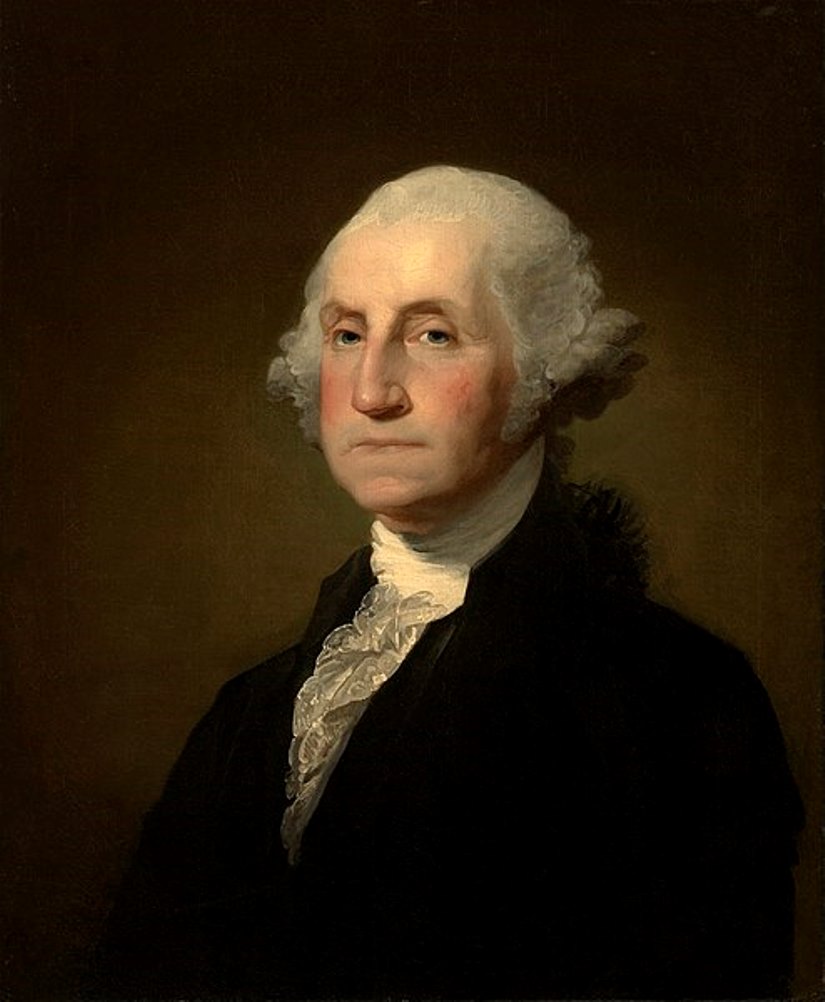
George Washington is the first popularly elected president of the United States of America and one of the founding fathers of the United States.
Born into a noble family in colonial Virginia in February 1732, George Washington served as a Virginian officer with British troops during the French-Indian War (1754-1763) from 1754-1758. This was a territorial war fought largely between the colonies of Britain and France that escalated into a worldwide conflict between the two countries. J. Washington was at the center of the conflicts in the disputed Ohio River Valley area.
In June 1775, he was elected commander-in-chief of the Continental forces in the war already for independence from Great Britain. He commanded American troops throughout the war, becoming famous for his perseverance and bravery.
In 1787, J. Washington represented the state of Virginia as a delegate to the Constitutional Convention. This convention created the Constitution of the United States. In 1789, the Electoral College unanimously elected George Washington president, and in 1792 he was re-elected for a second term. Thus George Washington was in office as President of the United States from April 30, 1789 to March 4, 1797.
As head of state, he helped to strengthen the Union, implement the principles of the Constitution and build the capital of the United States. He was engaged in the formation of the central authorities and system of government, created precedents for the institution of presidents, encouraged the development of the economy, maintained friendly relations with Congress. In foreign policy Washington avoided interference in the affairs of European states.
After leaving the post of president, George Washington lived in Mount Vernon Manor.
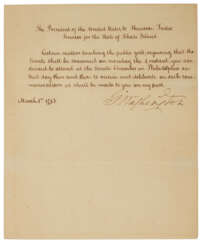

George Washington is the first popularly elected president of the United States of America and one of the founding fathers of the United States.
Born into a noble family in colonial Virginia in February 1732, George Washington served as a Virginian officer with British troops during the French-Indian War (1754-1763) from 1754-1758. This was a territorial war fought largely between the colonies of Britain and France that escalated into a worldwide conflict between the two countries. J. Washington was at the center of the conflicts in the disputed Ohio River Valley area.
In June 1775, he was elected commander-in-chief of the Continental forces in the war already for independence from Great Britain. He commanded American troops throughout the war, becoming famous for his perseverance and bravery.
In 1787, J. Washington represented the state of Virginia as a delegate to the Constitutional Convention. This convention created the Constitution of the United States. In 1789, the Electoral College unanimously elected George Washington president, and in 1792 he was re-elected for a second term. Thus George Washington was in office as President of the United States from April 30, 1789 to March 4, 1797.
As head of state, he helped to strengthen the Union, implement the principles of the Constitution and build the capital of the United States. He was engaged in the formation of the central authorities and system of government, created precedents for the institution of presidents, encouraged the development of the economy, maintained friendly relations with Congress. In foreign policy Washington avoided interference in the affairs of European states.
After leaving the post of president, George Washington lived in Mount Vernon Manor.
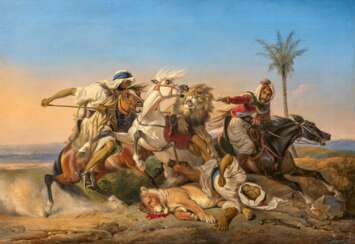

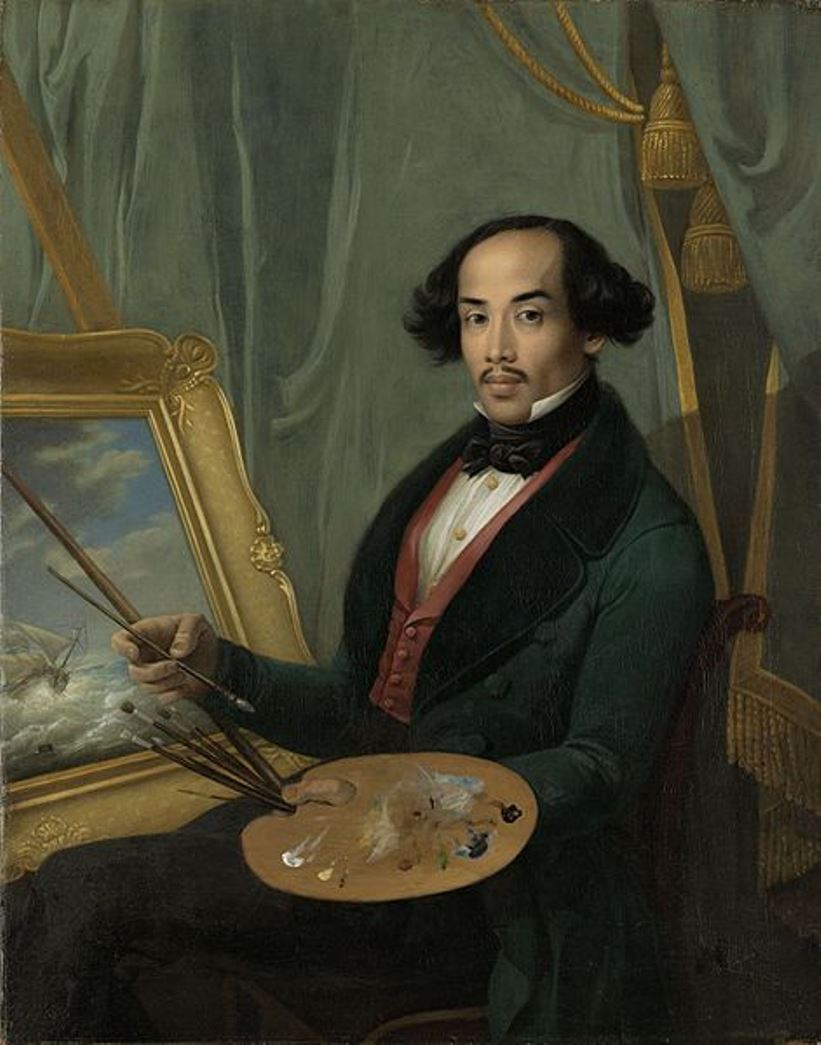
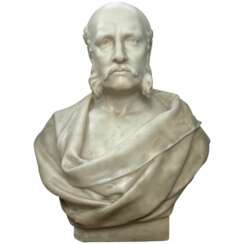










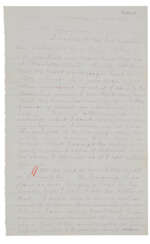

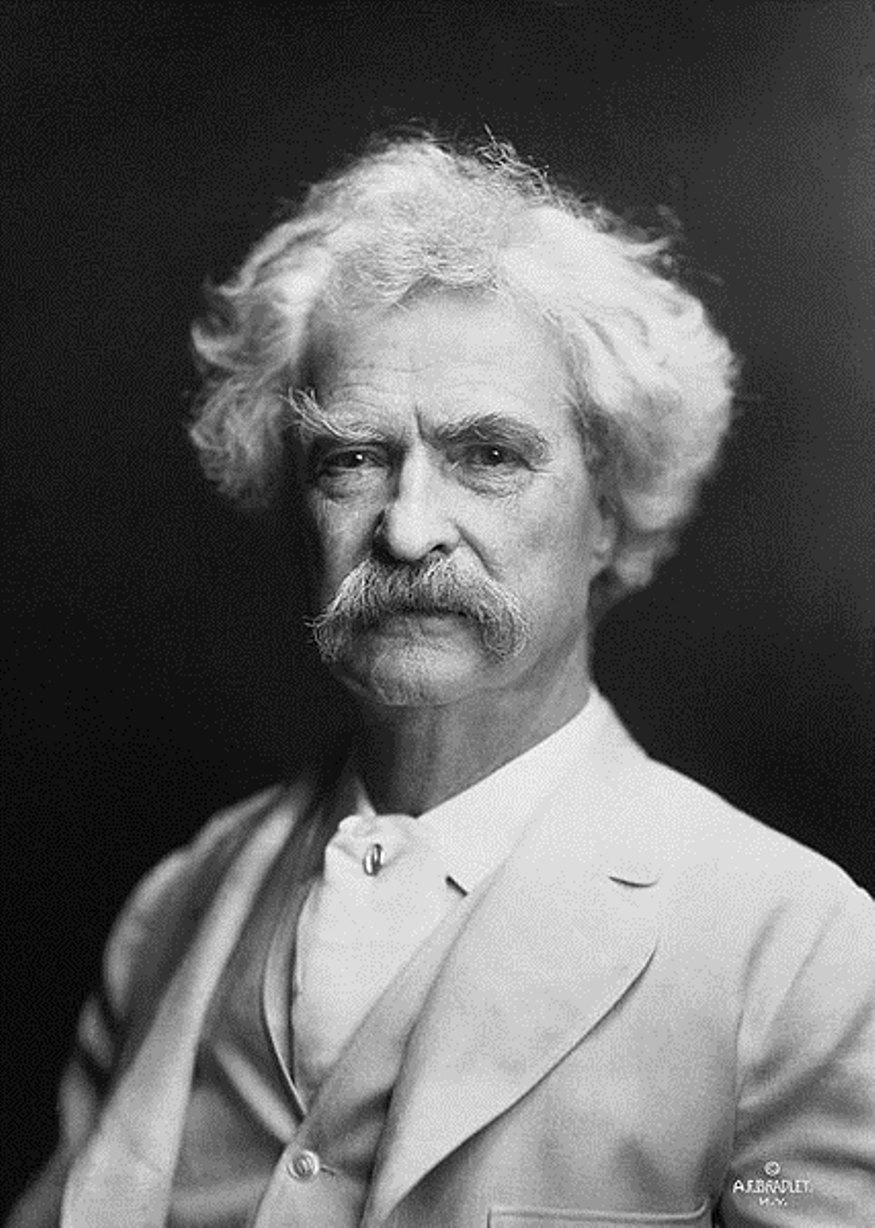
Mark Twain, real name Samuel Langhorne Clemens, was an American humanist writer, journalist, and social activist.
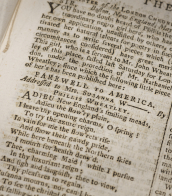
As a young man, Samuel worked in the printing press and in the gold mines, then went on a steamboat trip to Europe and the "Holy Land". His travel letters, full of vivid descriptions and ironic observations, were very well received by the public and were later revised into his first book, Innocents Abroad, published in 1869.
The pseudonym "Mark Twain" first appeared in 1863 under one of Samuel Clemens' short stories, and since then all his significant works have been signed by that name.
A talented storyteller, a peculiar humorist and moralist, Twain knew and loved his many diverse characters. His scandalizers and dreamers, caring aunts and ambitious politicians, grumpy widows and lying aristocrats, cunning but generous slaves, sentimental moralists, brave and naive children - all these types of American people Twain gave voice to thanks to his masterful command of colloquial language, slang and jargon. Twain wrote a lot and in a variety of genres: humor and satire, philosophical fiction and journalism and others, but he always stood on the position of humanist and democrat.
Mark Twain became world famous for his travel stories and adventure novels about his childhood, these are "The Adventures of Tom Sawyer" (1876) and "The Adventures of Huckleberry Finn" (1885). Twain is still one of America's, and indeed the world's, best and most beloved writers. His works have been and are still being published in many languages around the world.








.jfif)
Joseph Fernand Henri Léger was a French artist renowned for his innovative approach to Cubism and his transition towards a figurative, populist style. Born in Argentan, Orne, Lower Normandy, Léger's early career was marked by a stint as an architectural draftsman and a series of educational pursuits that eventually led him to Paris, where he embraced painting seriously. His artistic journey was significantly influenced by the bold abstractions of Cubism, characterized by geometric shapes and a vibrant palette, distinguishing his work from his contemporaries with what came to be known as "Tubism".
Léger's service in World War I profoundly impacted his artistic direction, leading him to adopt a 'mechanical' style that depicted the modern industrial world with sleek, tubular forms. This period saw creations like "Soldier with a Pipe" and "The Card Players," reflecting his war experiences and the mechanical aesthetics of the time. The post-war era encouraged Léger to explore the mechanical style further, evident in works like "The Bargeman" and "Mechanical Elements," highlighting the pace of technological advancement.
Throughout his career, Léger's work evolved, notably in the 1920s, where he aligned with Purist ideas, blending classicism with modernity. This phase is exemplified in "Woman with a Cat," showcasing a classical form with a modern, polished finish. By the 1930s, Léger's art took a more figurative, populist turn, aiming to democratize contemporary art and make it more accessible. His commitment to art education, especially for the common worker, underscored his belief in the social role of art.
For those intrigued by Joseph Fernand Henri Léger's groundbreaking contributions to modern art, his works can be found in prestigious museums worldwide. His legacy continues to inspire art collectors and enthusiasts alike. To stay updated on exhibitions and auction events featuring Léger's work, sign up for updates and embrace the unique opportunity to explore the richness of his artistic endeavors.




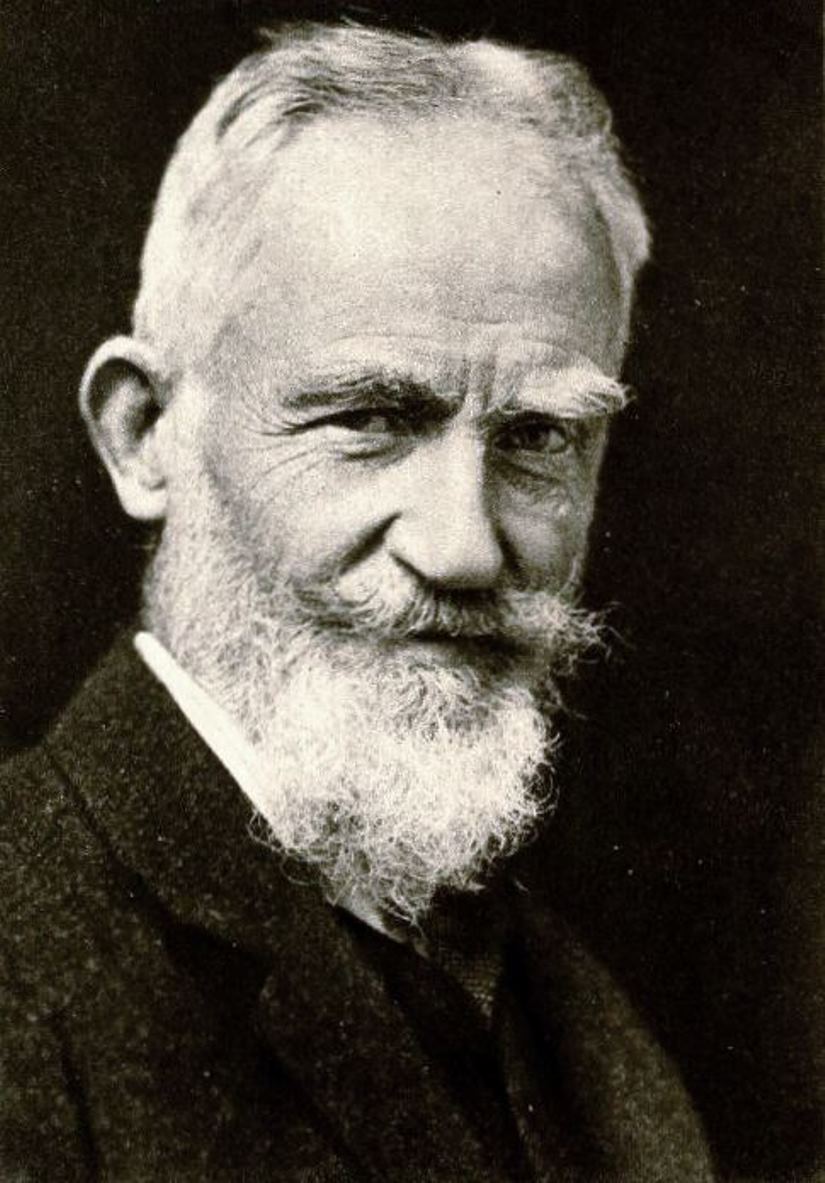
George Bernard Shaw was an Irish playwright, novelist and literary critic, socialist propagandist and journalist, winner of the 1925 Nobel Prize for Literature.
George Bernard was born into a poor noble family and, growing up, suffered greatly from that poverty. After a decade of failure on the literary field, Bernard became an active member of the Fabian Society, a middle-class socialist group founded in 1884, which sought the gradual transformation of English society.
He began working as a journalist and writing plays, which soon enough became popular. In The Man and the Superman, Shaw laid out his philosophy that humanity is the last stage of a purposeful and eternal evolutionary movement of "life force" toward ever higher forms of life. By far his most popular play is Pygmalion, a humane comedy about love and the English class system. But George Bernard Shaw was not only the best comic playwright of his time. Some of his stage works - Caesar and Cleopatra, The Man and Superman, Major Barbara, House of Broken Hearts, and St. Joan - are highly serious and refined in their prose.
Shaw was also a bold pamphleteer, a popular and widely read music and theater critic of his generation, a lecturer and essayist on politics, economics and sociology. In the course of his long and prolific life Bernard Shaw shaped the political, economic and social worldviews of several generations.


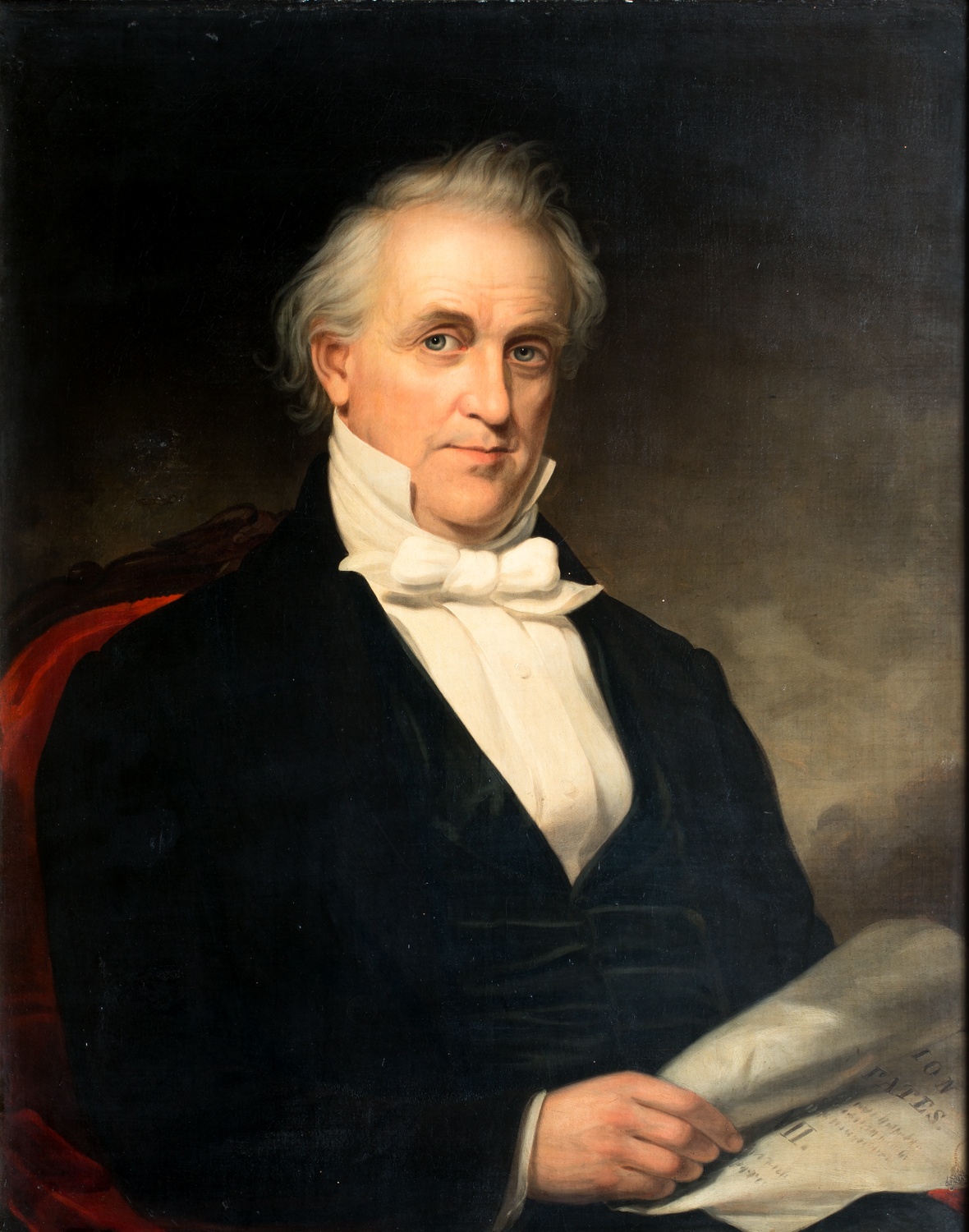
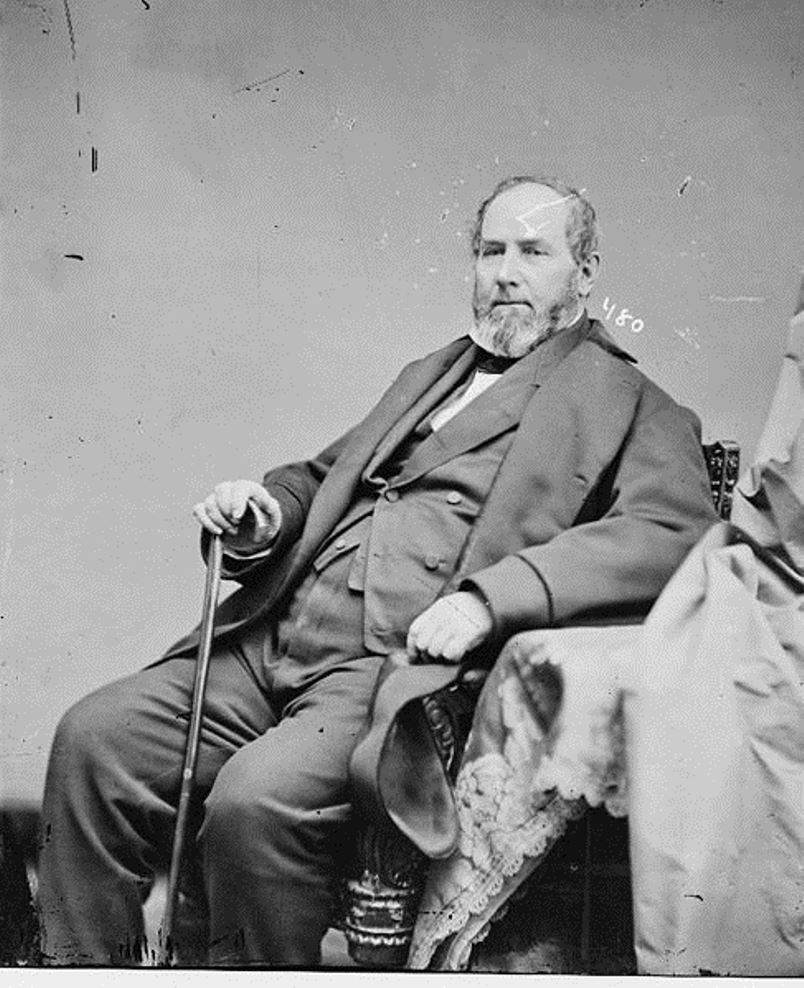


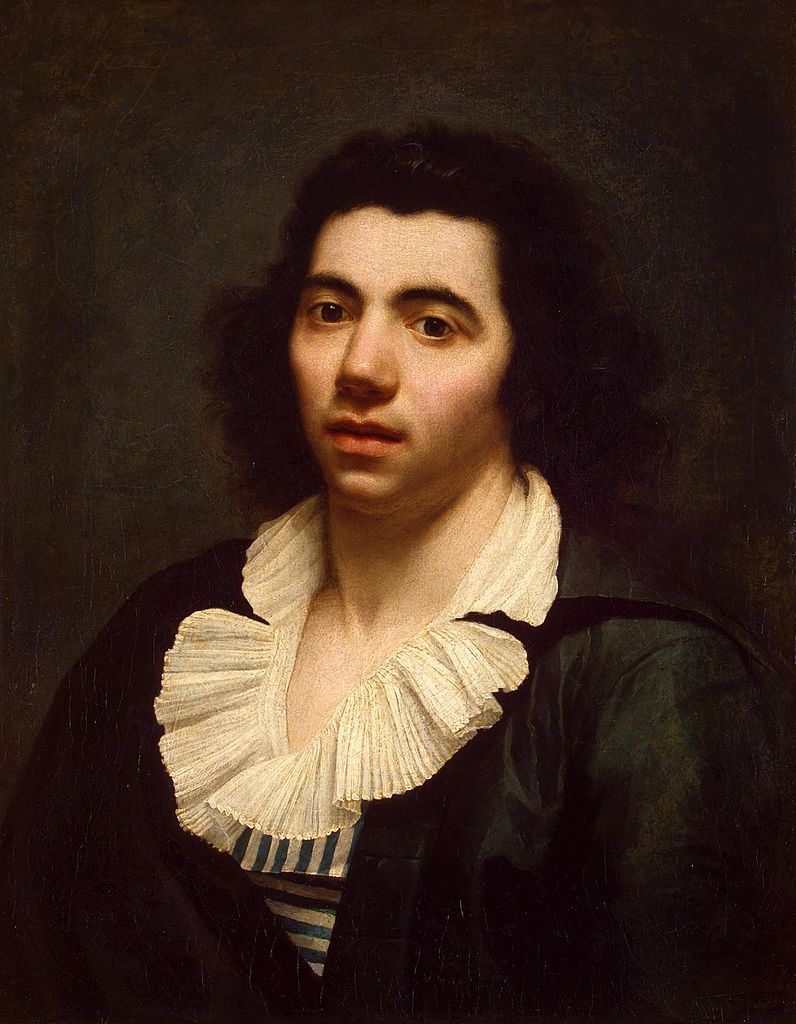



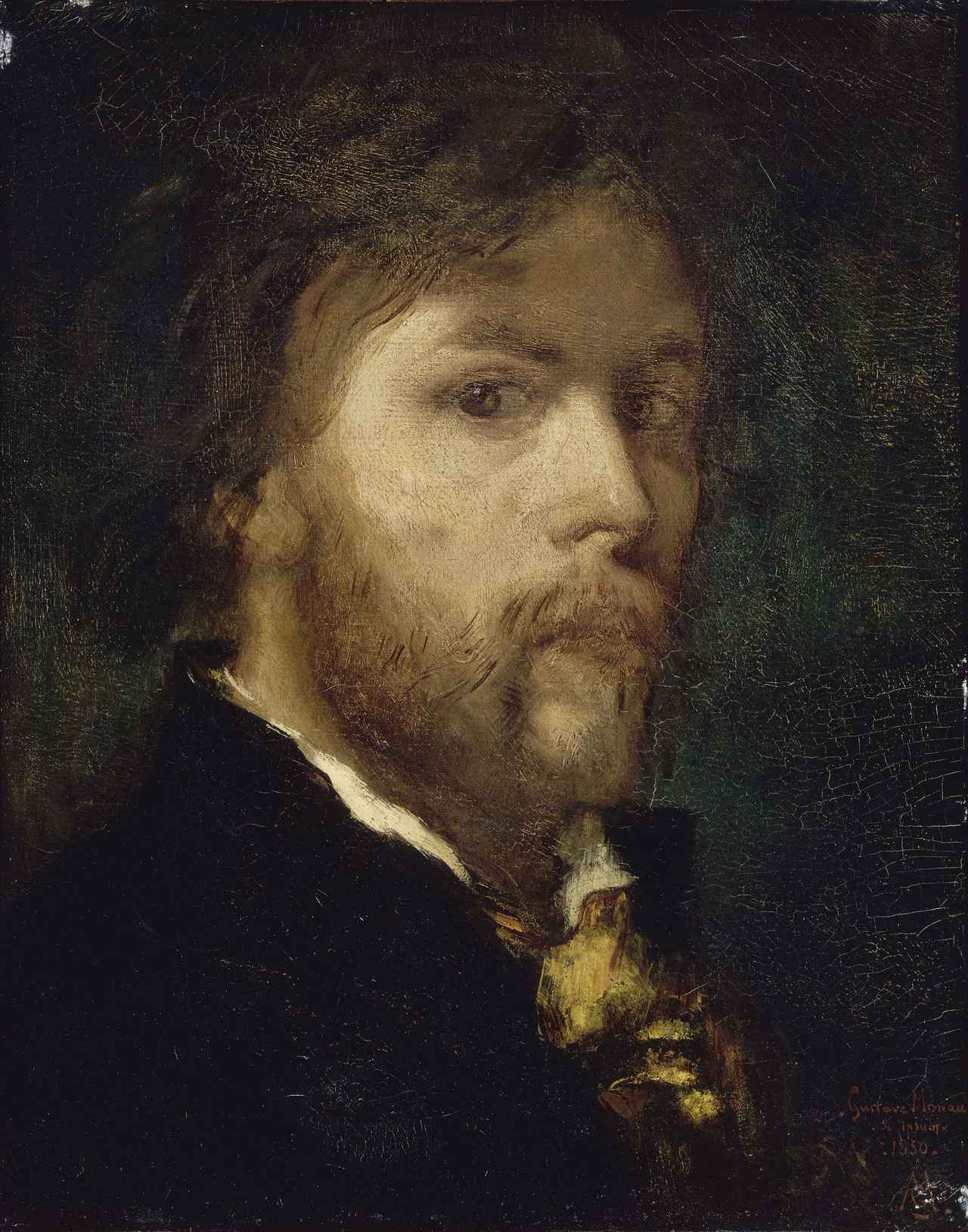
Gustave Moreau was a French artist and an important figure in the Symbolist movement. Jean Cassou called him "the Symbolist painter par excellence". He was an influential forerunner of symbolism in the visual arts in the 1860s, and at the height of the symbolist movement in the 1890s, he was among the most significant painters.




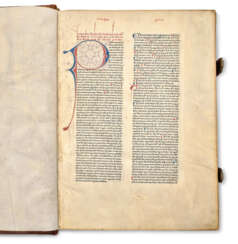

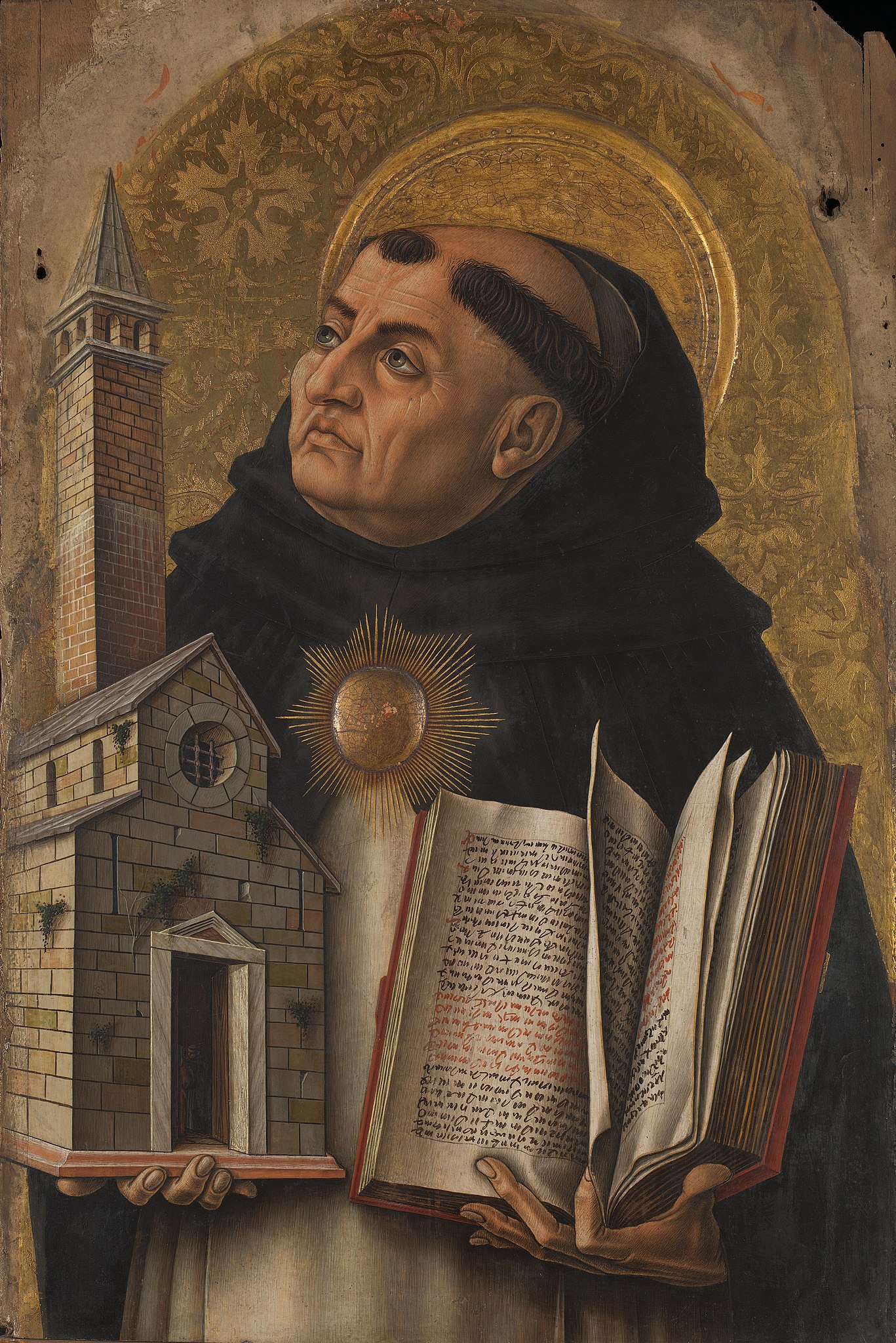
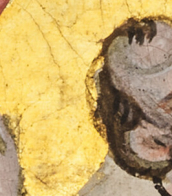
Thomas Aquinas (Italian: Tommaso d'Aquino, also called Aquinas, alias Doctor Angelicus) was an Italian poet and theologian, philosopher, and major medieval scholastic.
Thomas Aquinas is one of the most important theologians in the history of Western civilization, given the extent of his influence on the development of Roman Catholic theology since the fourteenth century. As a theologian, in his two masterpieces, Summa theologiae and Summa contra gentiles, he created the classical systematization of Latin theology, and as a poet, he wrote some of the most serious and beautiful Eucharistic hymns in the church liturgy. Thomas Aquinas is recognized by the Roman Catholic Church as the foremost Western philosopher and theologian and canonized as a saint.