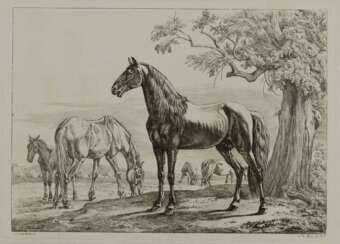
pferde




.jpg)
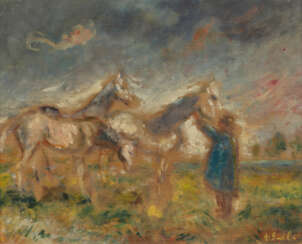
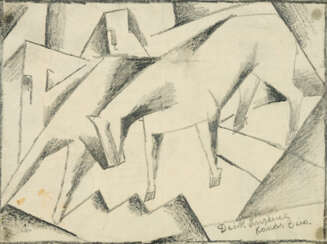
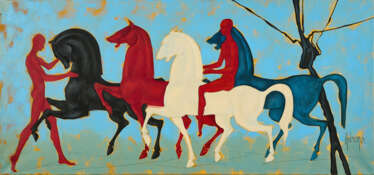
Béla Kádár was a Hungarian painter influenced by Der Blaue Reiter, Cubism, Futurism, Neo-Primitivism, Constructivism, and Metaphysical painting.
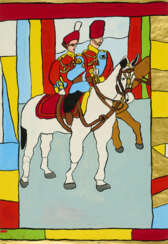

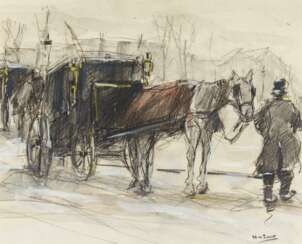

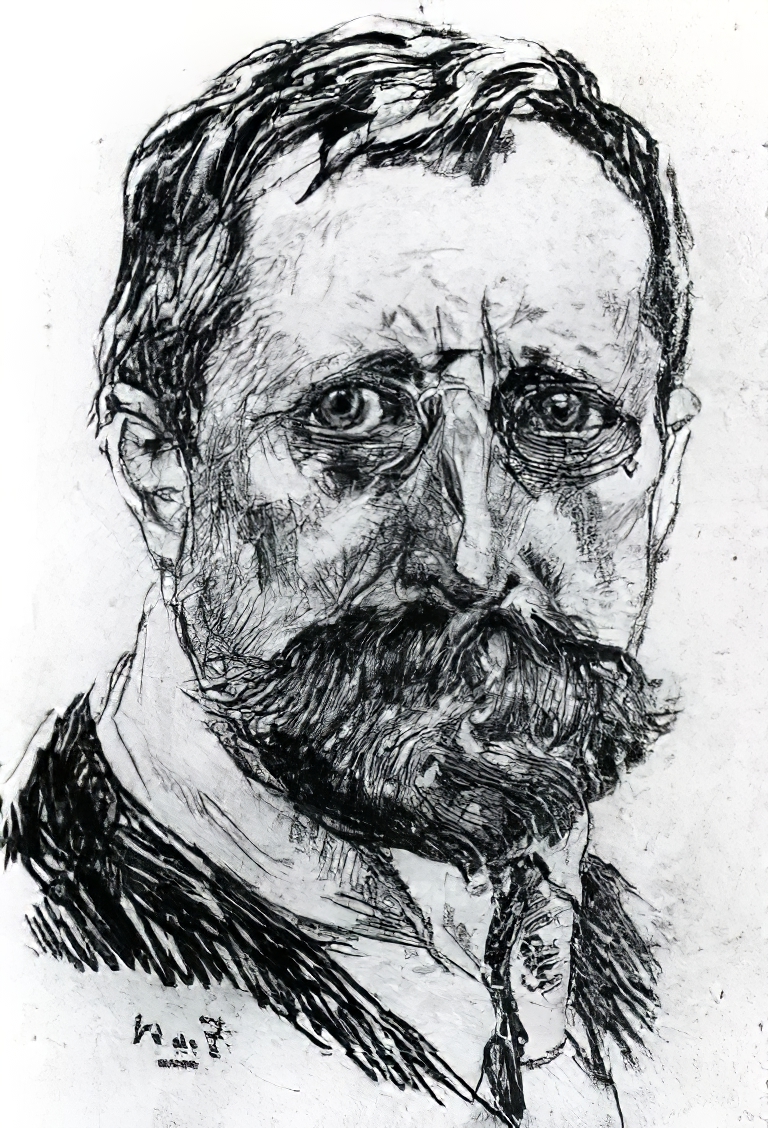
Wilhelmus (Willem) Hendrikus Petrus Johannes de Zwart was a Dutch painter, engraver, and watercolorist with many connections to the Hague School and later associated with the Amsterdam Impressionism movement.
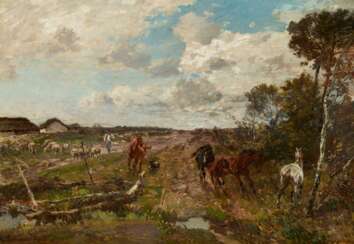

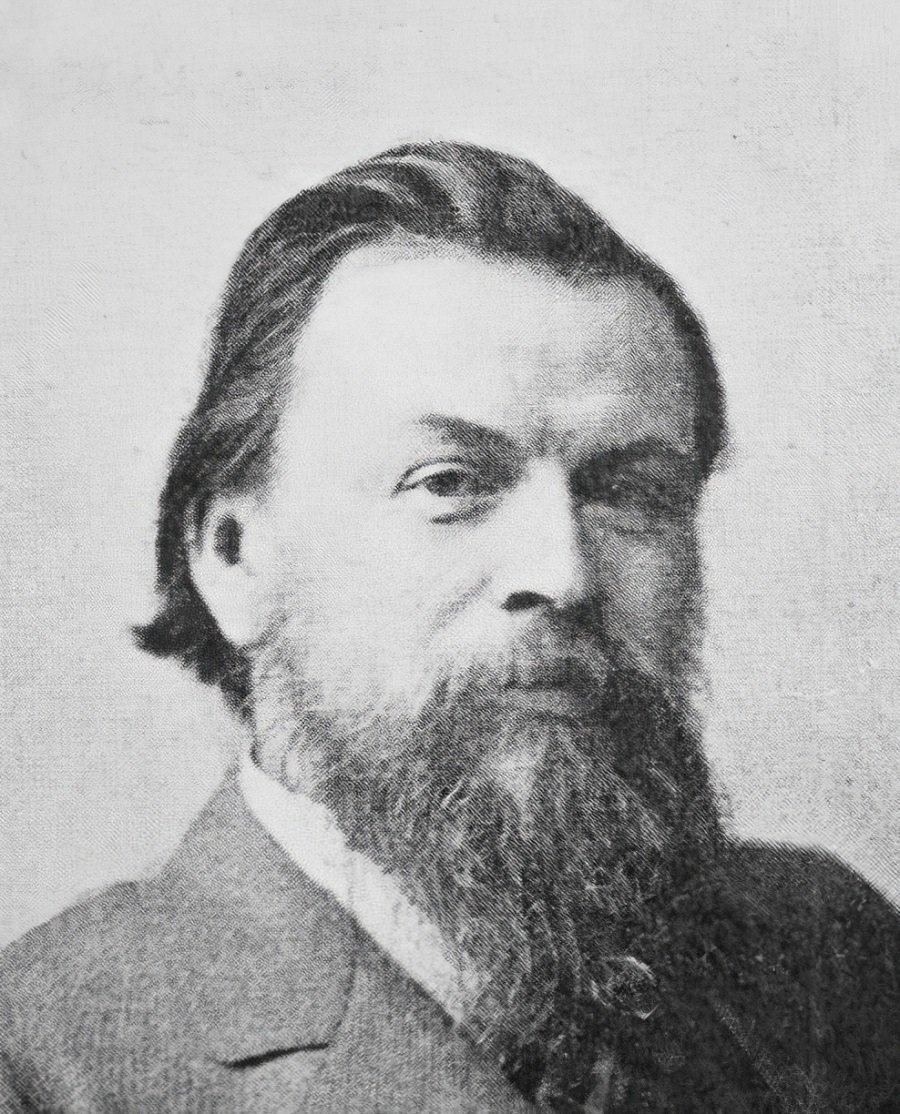
Gregor von Bochmann was a Baltic-German landscape and genre painter.
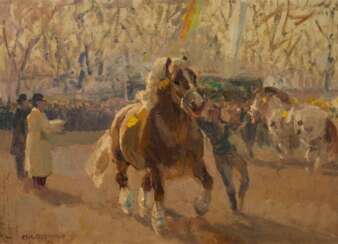

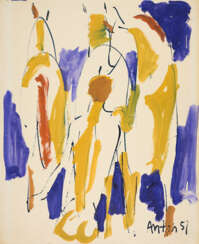

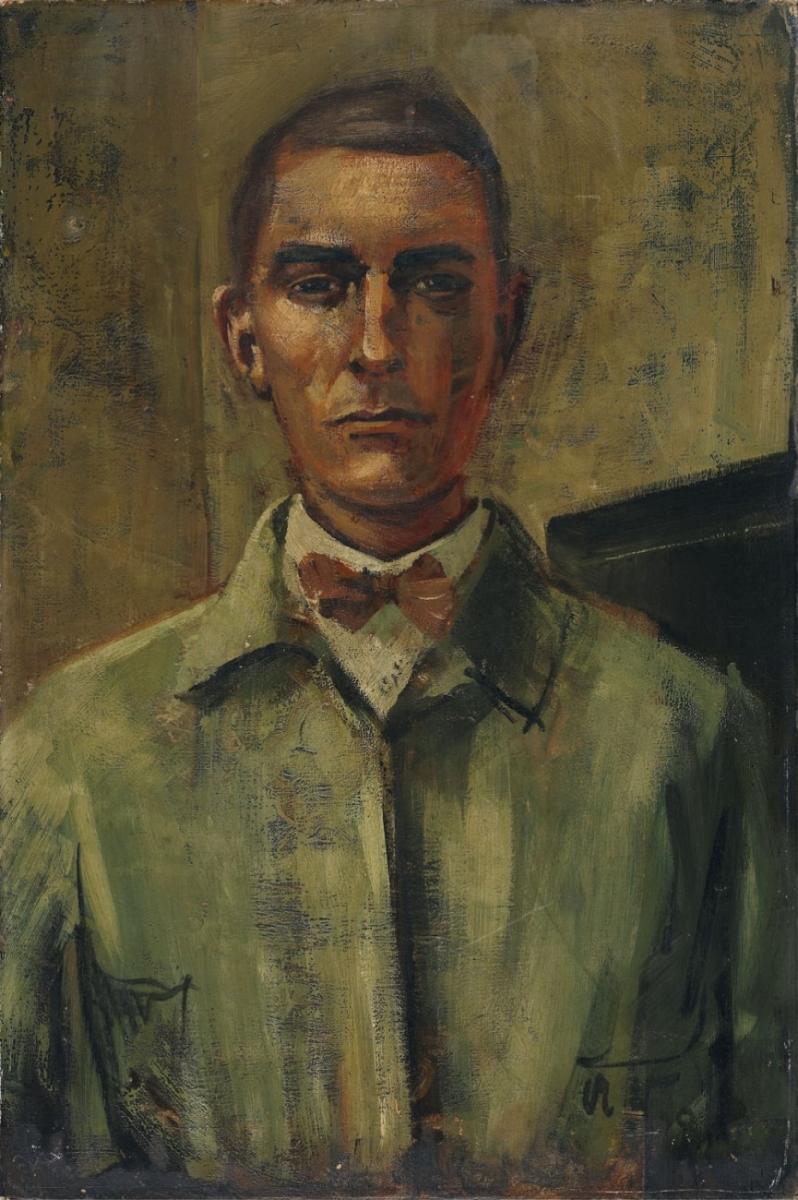
Anton Räderscheidt was a German painter who was a leading figure of the New Objectivity. Räderscheidt was born in Cologne. His father was a schoolmaster who also wrote poetry. From 1910 to 1914, Räderscheidt studied at the Academy of Düsseldorf. He was severely wounded in the First World War, during which he fought at Verdun. After the war he returned to Cologne, where in 1919 he cofounded the artists' group Stupid with other members of the local constructivist and Dada scene. The group was short-lived, as Räderscheidt was by 1920 abandoning constructivism for a magic realist style. In 1925 he participated in the Neue Sachlichkeit ("New Objectivity") exhibition at the Mannheim Kunsthalle.



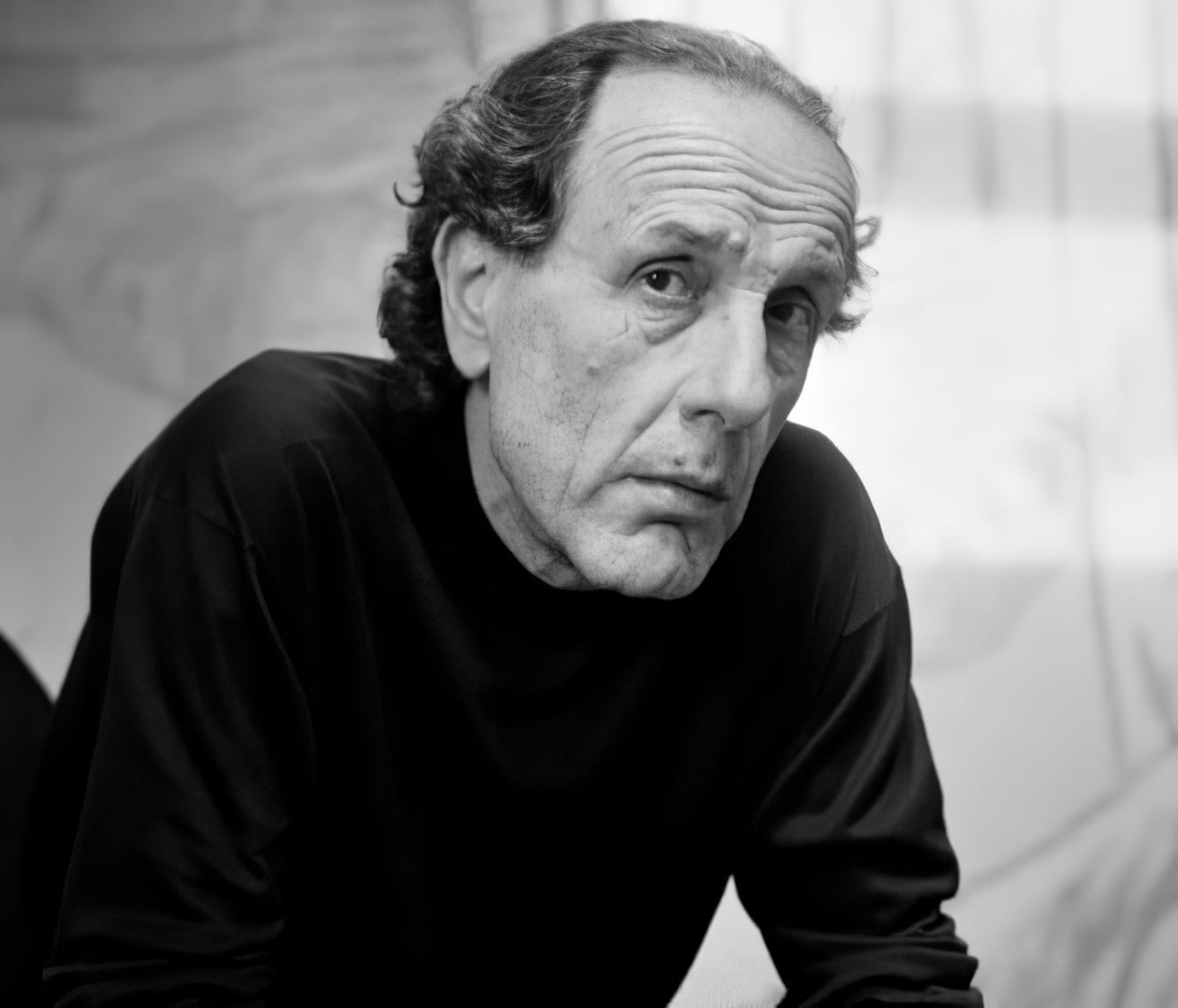
Enzo Cucchi is an Italian painter. He was a key member of the Italian Transavanguardia movement, along with his countrymen Francesco Clemente, Mimmo Paladino, Nicola De Maria, and Sandro Chia. The movement was at its peak during the 1980s and was part of the worldwide movement of Neo-Expressionist painters.



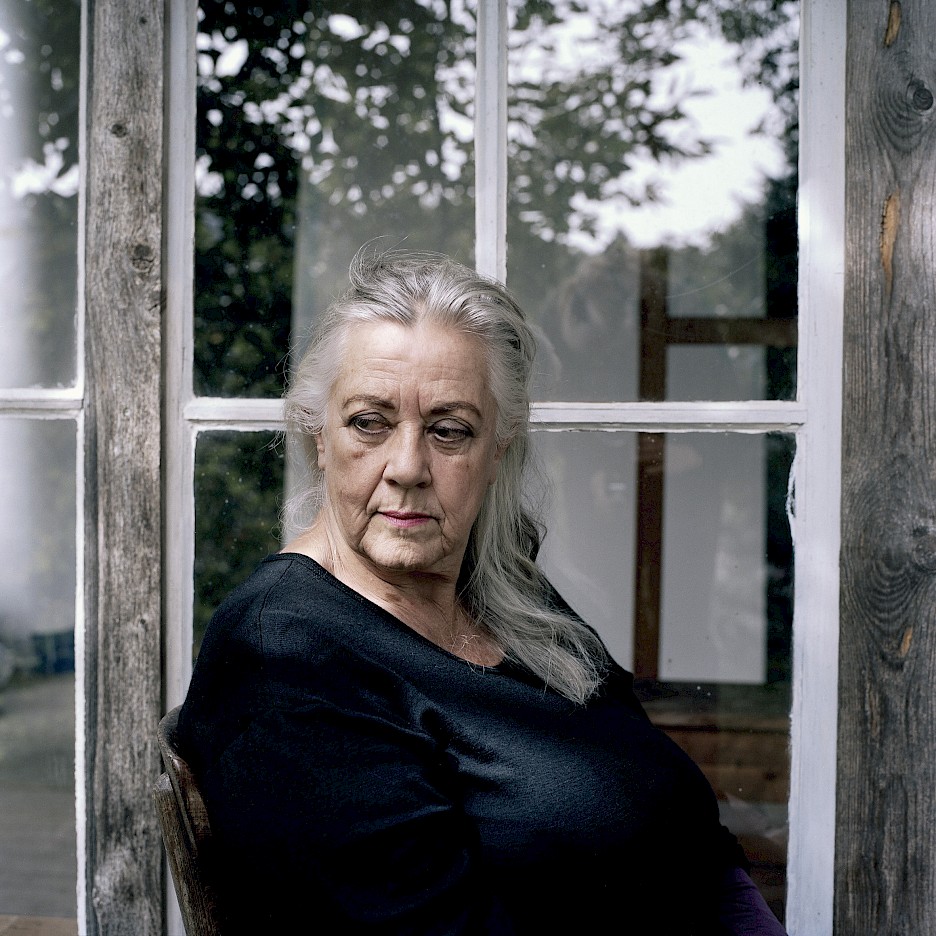
Christa Näher (German: Christa Näher) is a contemporary German expressionist artist and university lecturer. Currently lives and works in Cologne.



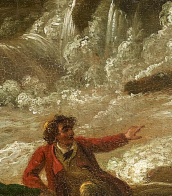
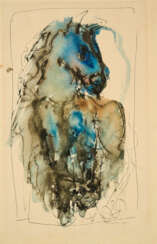

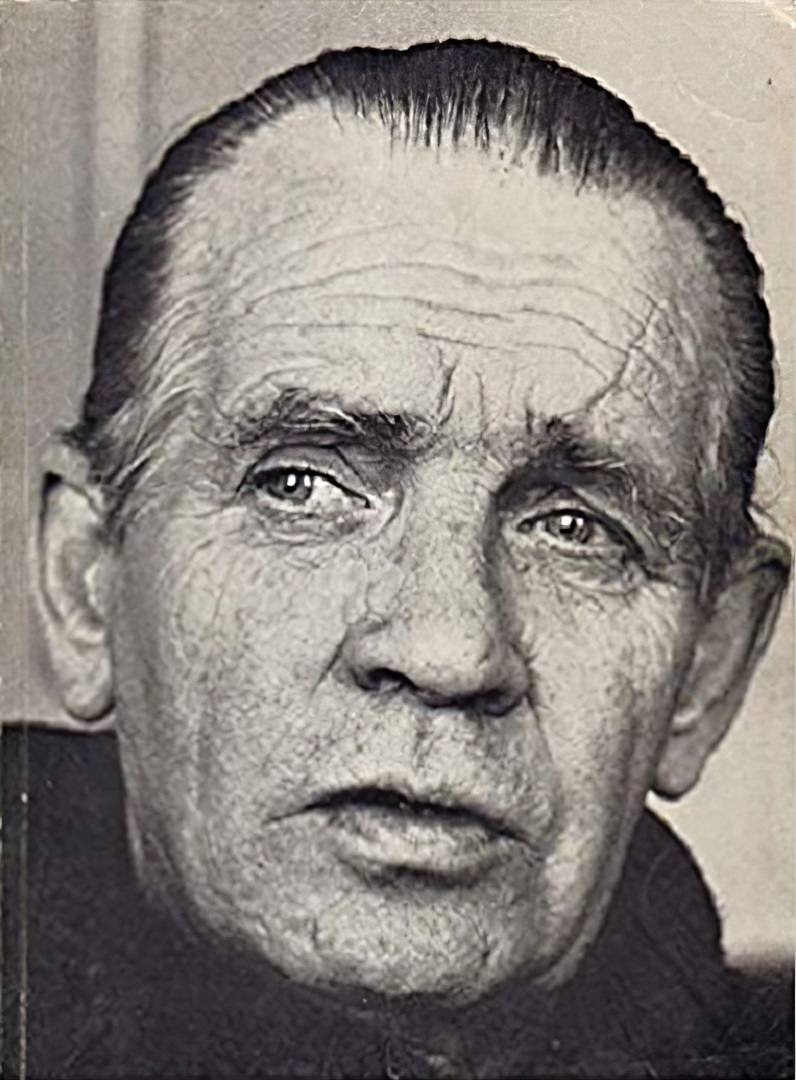
Fritz Winter was a German painter of the postwar period best known for his abstract works in the Art Informel style.
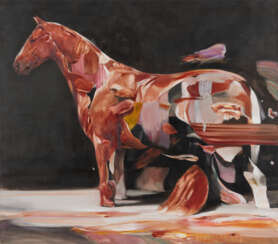

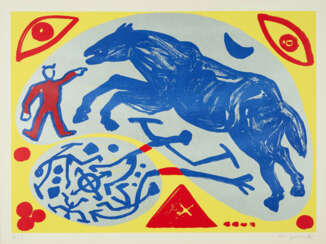

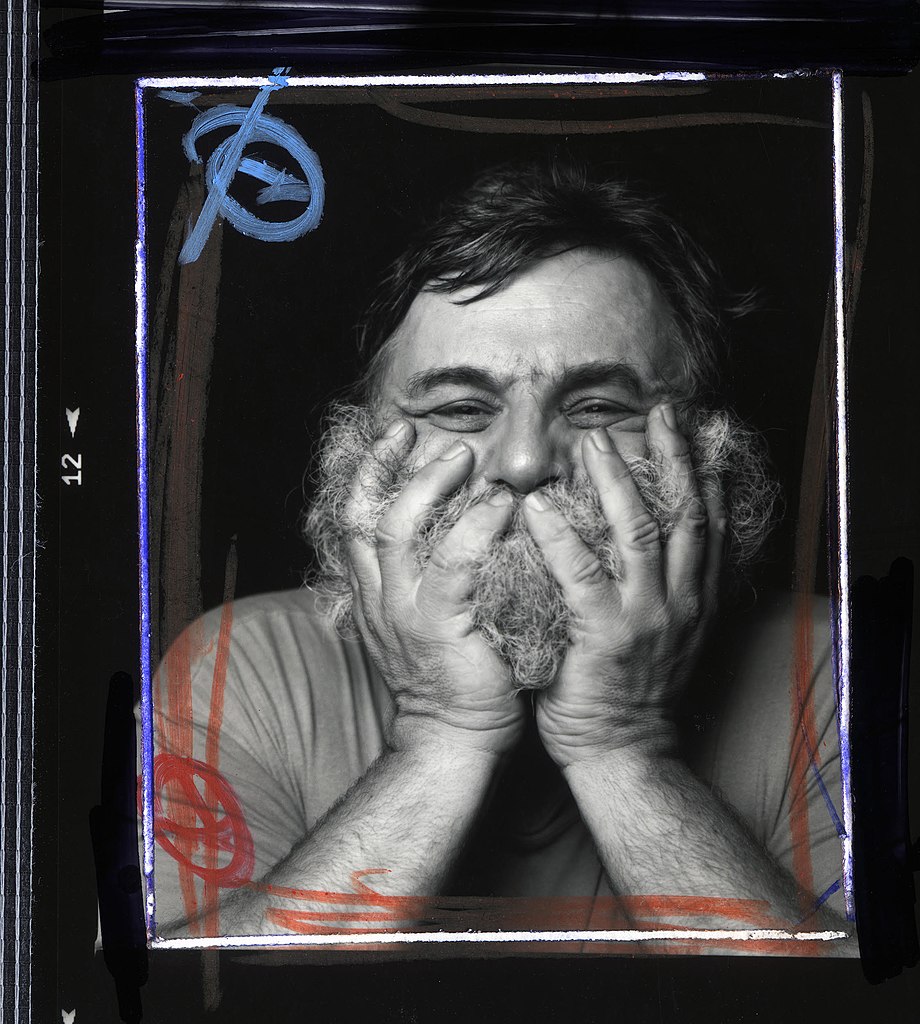
Ralf Winkler, alias A. R. Penck, was a German painter, printmaker, sculptor, and jazz drummer. A neo-expressionist, he became known for his visual style, reminiscent of the influence of primitive art.


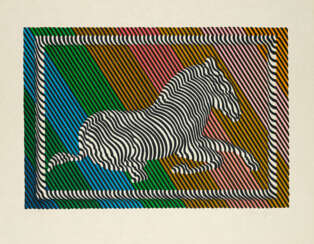

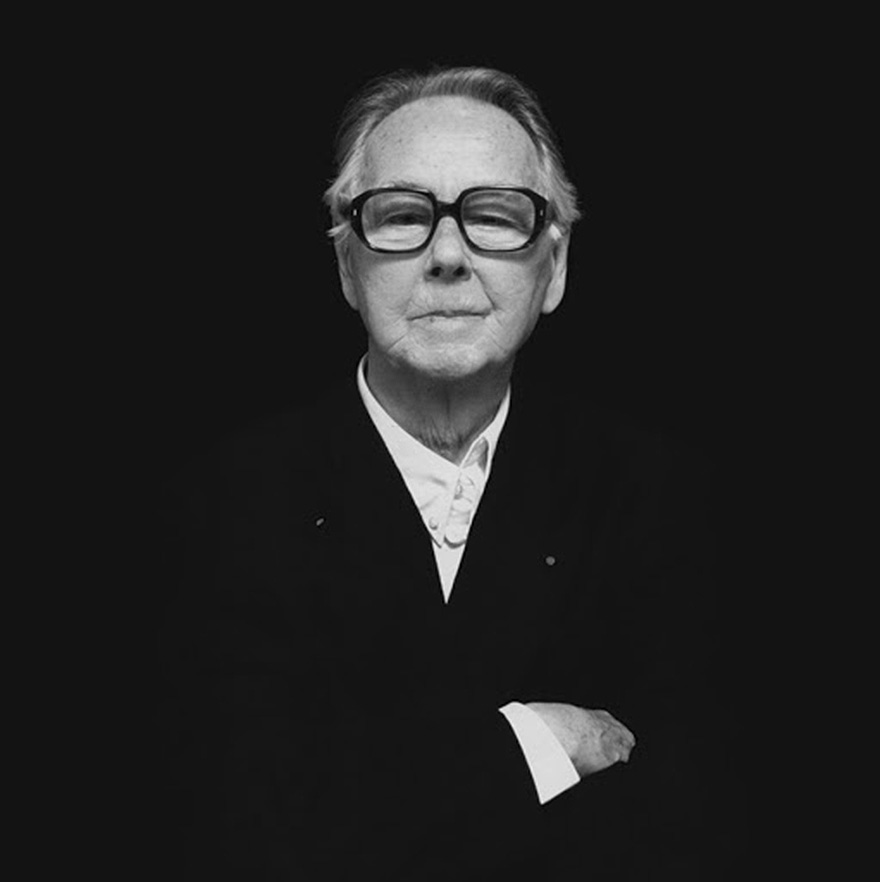
Victor Vasarely, a seminal figure in the Op art movement, was a Hungarian-French artist celebrated for his pioneering contributions to geometric abstract art. Born Győző Vásárhelyi in Pécs, Hungary, in 1906, Vasarely's artistic journey led him to Paris, where he honed a distinctive style marked by optical illusions and kinetic art. By the late 1940s, he had developed his iconic approach, utilizing geometric shapes and a limited color palette to create artworks that seemed to move and vibrate. His work "Zebra," created in 1937, is often cited as one of the earliest examples of Op art, showcasing his fascination with creating the illusion of depth and movement on a flat surface.
Throughout the 1950s and 1960s, Vasarely's exploration into optical effects deepened, leading to significant series like his "Vega" works. These pieces are characterized by their illusionary three-dimensional space, seemingly pushing and pulling the viewer into the canvas. His dedication to optical and geometric abstraction was not just a pursuit of aesthetic innovation but also an exploration of the viewer's perception, making the observer an integral part of the artwork.
Vasarely's influence extended beyond the canvas, impacting architecture, sculpture, and even space exploration. In 1970, he founded the first museum dedicated to his works in Gordes, followed by the establishment of the Fondation Vasarely in Aix-en-Provence in 1976, showcasing his vision of integrating art with the environment. His artworks have found homes in prestigious institutions like the Museum of Modern Art and have been celebrated in exhibitions worldwide.
For collectors and experts in art and antiques, Vasarely's works offer a mesmerizing blend of scientific precision and artistic expression, encapsulating a moment in art history where the boundaries between viewer and artwork blurred. His legacy is a testament to the power of visual perception and the endless possibilities of abstract art.
For those interested in delving deeper into Victor Vasarely's visionary world and perhaps acquiring a piece of this history, signing up for updates on new product sales and auction events related to Vasarely's works is highly recommended. Stay informed and embrace the opportunity to own a part of the optical and geometric abstraction movement that Vasarely so brilliantly pioneered.


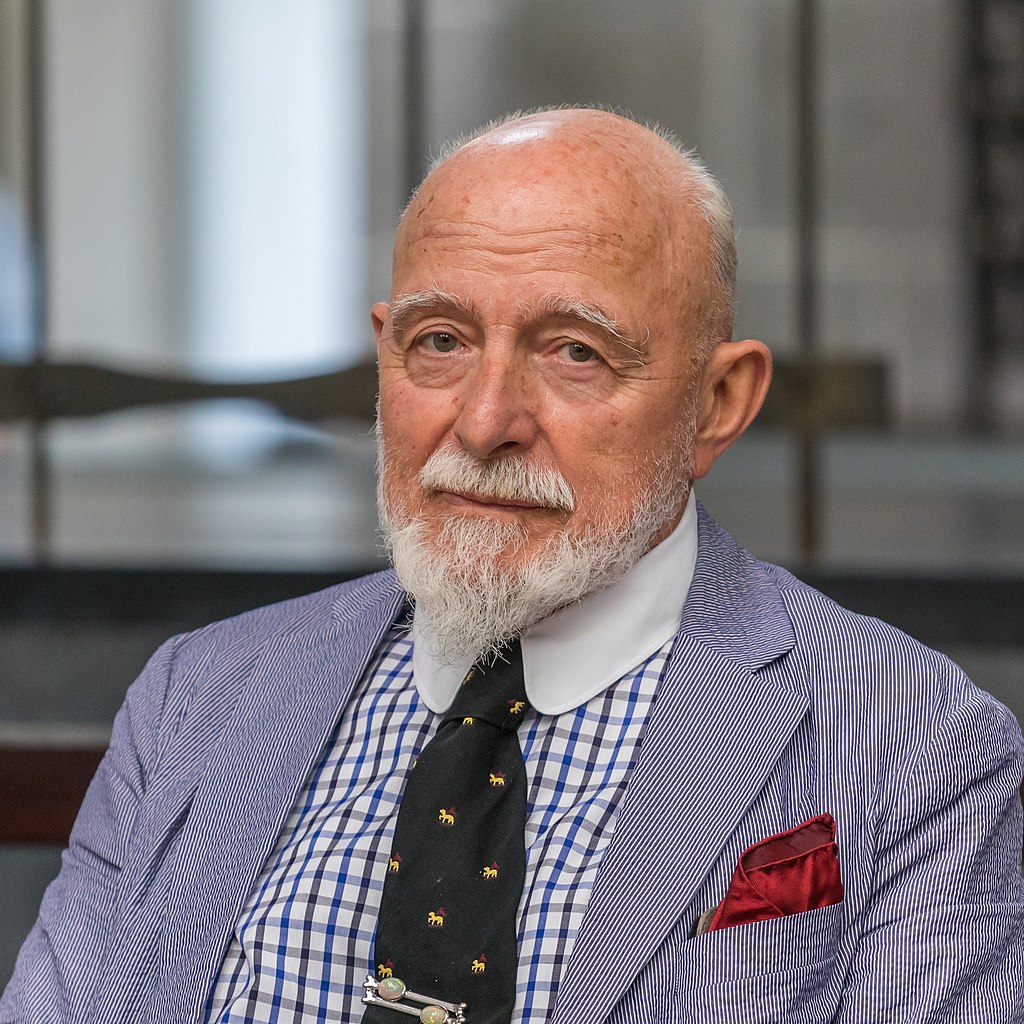
Markus Lüpertz is a German painter, sculptor, graphic artist, and writer. He also publishes a magazine, and plays jazz piano. He is one of the best-known German contemporary artists. His subjects are characterized by suggestive power and archaic monumentality. Lüpertz insists on capturing the object of representation with an archetypal statement of his existence. His art work is associated to neo-expressionism. Known for his eccentricity, German press has stylized him as a «painter prince».