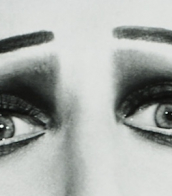
pigment print
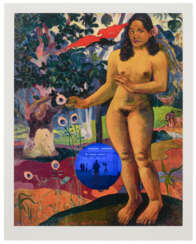

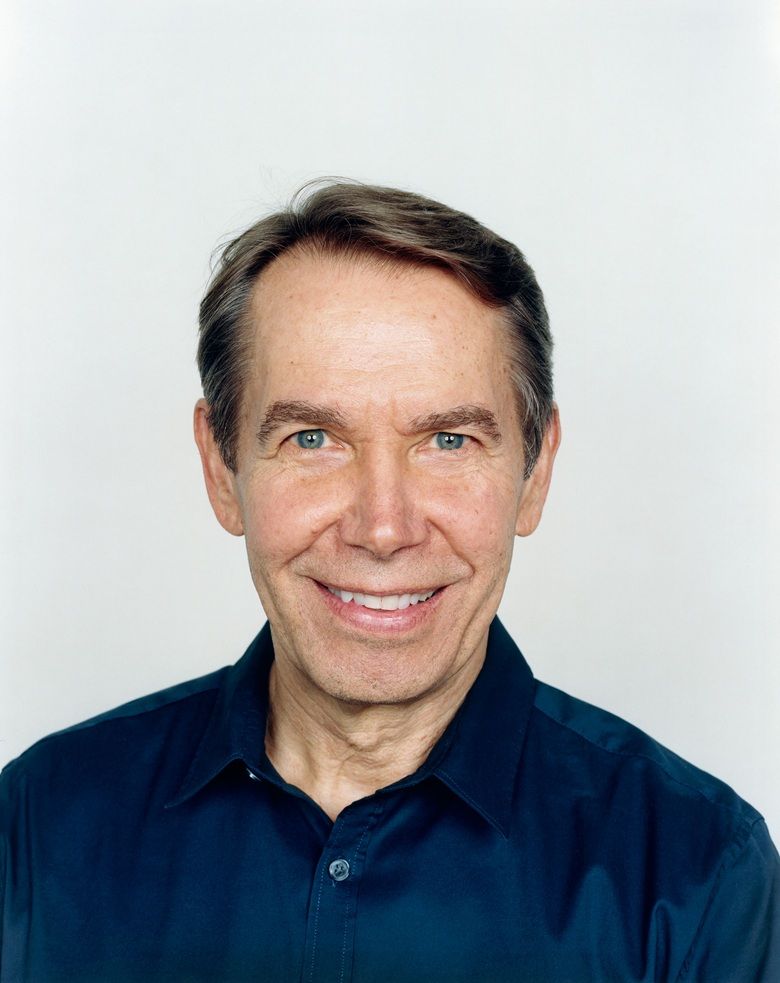
Jeffrey Lynn Koons is an American artist recognized for his work dealing with popular culture and his sculptures depicting everyday objects, including balloon animals produced in stainless steel with mirror-finish surfaces. He lives and works in both New York City and his hometown of York, Pennsylvania. His works have sold for substantial sums, including at least two record auction prices for a work by a living artist: US$58.4 million for Balloon Dog (Orange) in 2013 and US$91.1 million for Rabbit in 2019.
Critics are sharply divided in their views of Koons. Some view his work as pioneering and of major art-historical importance. Others dismiss his work as kitsch, crass, and based on cynical self-merchandising. Koons has stated that there are no hidden meanings and critiques in his works.
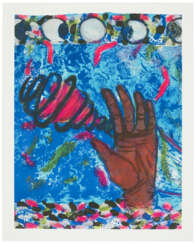

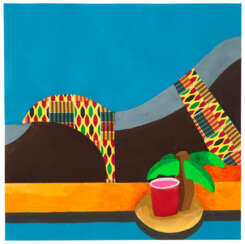



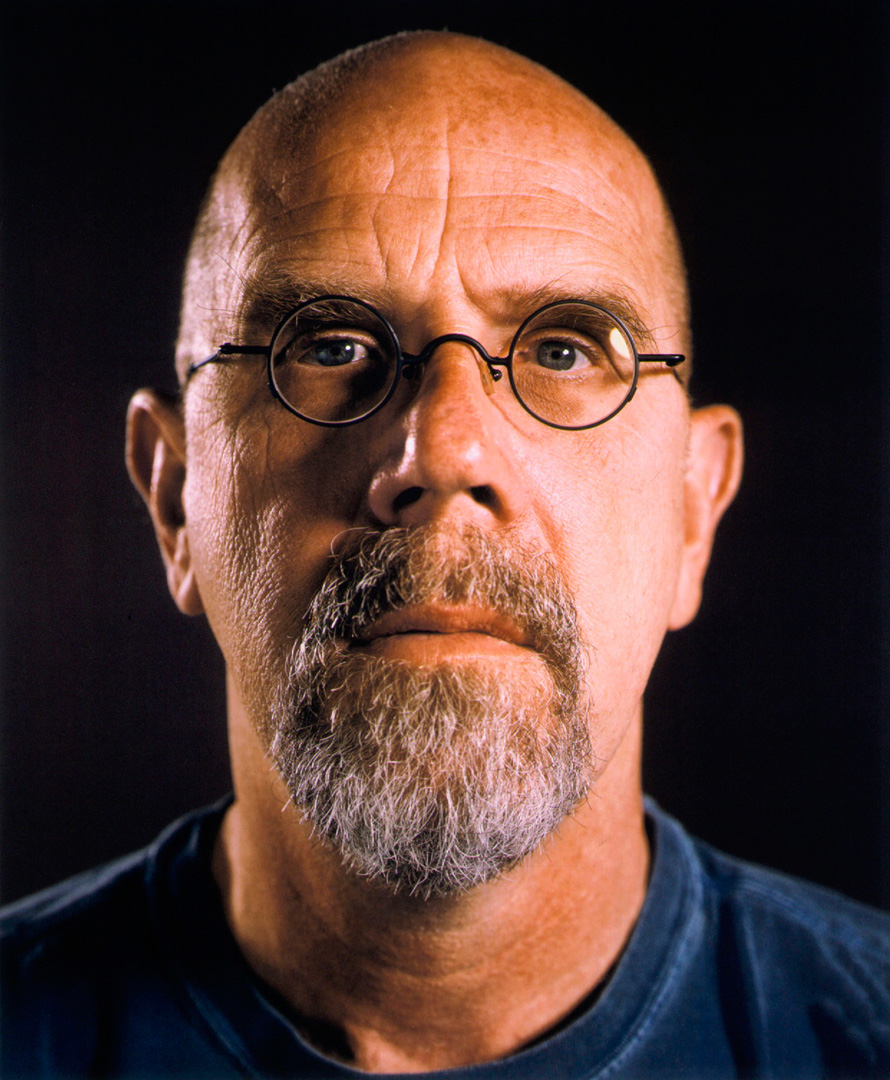
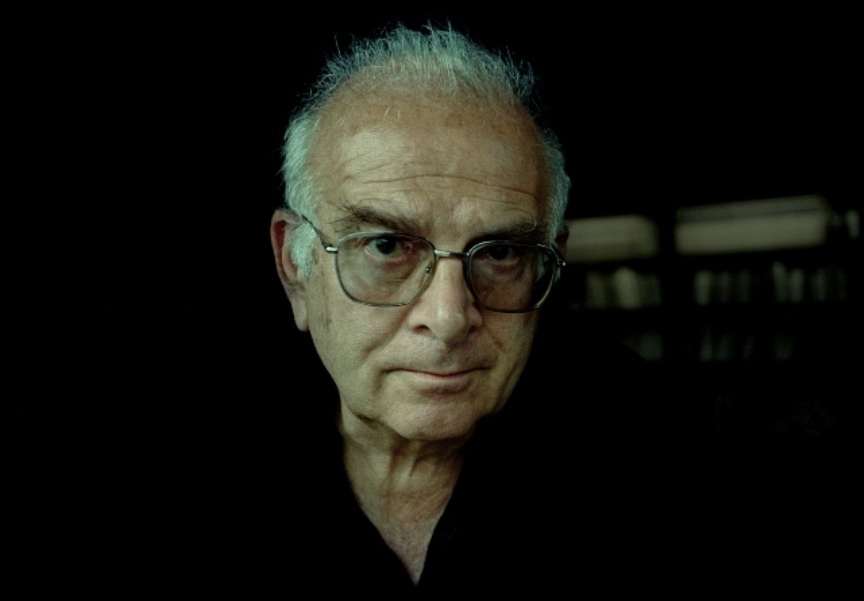
Chuck Close (real name Charles Thomas Close) was an American painter and one of the best-known photorealists in the USA.


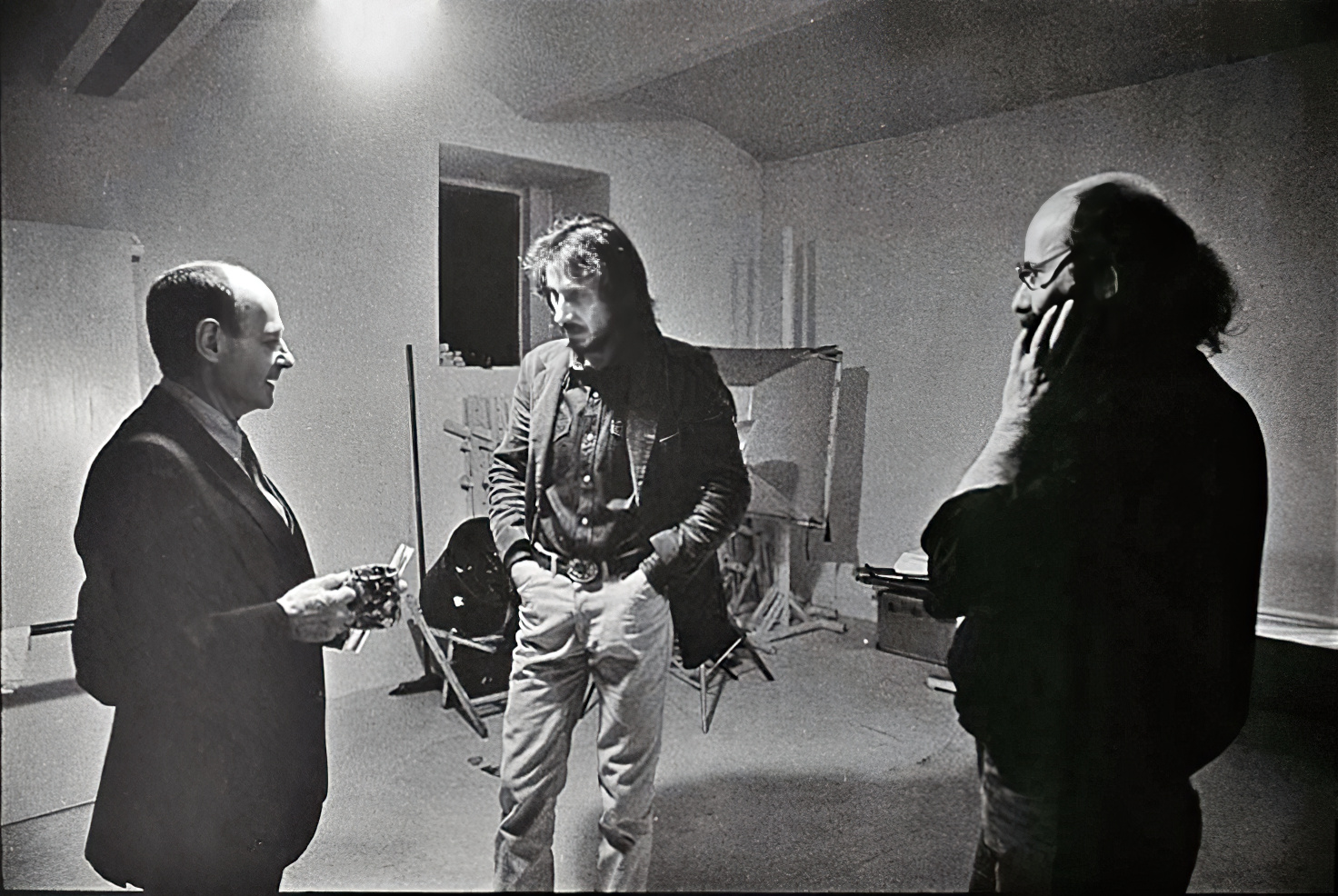
Irving Penn was an American photographer celebrated for his influential work in fashion photography, portraits, and still lifes. Penn's journey into photography began with a background in painting and design, studying at the Philadelphia Museum School of Industrial Art. He moved to New York and initially worked in design and illustration, which paved the way for his transition into photography. Notably, Penn's work at Vogue magazine for over six decades helped define the visual style of mid-20th-century fashion photography.
Irving Penn's mastery extended beyond the camera to the darkroom, where he experimented with various printing techniques, including the platinum-palladium process, which contributed to the depth and subtlety of his prints. His works, such as the "Cigarette" series and his still life compositions, are renowned for their minimalistic elegance and meticulous detail. Irving Penn's artistry was not confined to one genre; his "Earthly Bodies" nudes series and street material collection demonstrated his versatility and depth as an artist.
His contributions to photography are preserved and celebrated in numerous exhibitions and collections worldwide, including major museums like The Metropolitan Museum of Art, The Museum of Modern Art, and The Art Institute of Chicago. Irving Penn's legacy as a pioneering figure in photography continues to inspire artists and photographers today.
If you're a collector or an expert in art and antiques, staying updated on Irving Penn's works can be invaluable. To receive updates on new product sales and auction events related to Irving Penn, consider signing up for our newsletter. This way, you won't miss out on the opportunity to own a piece of photographic history.


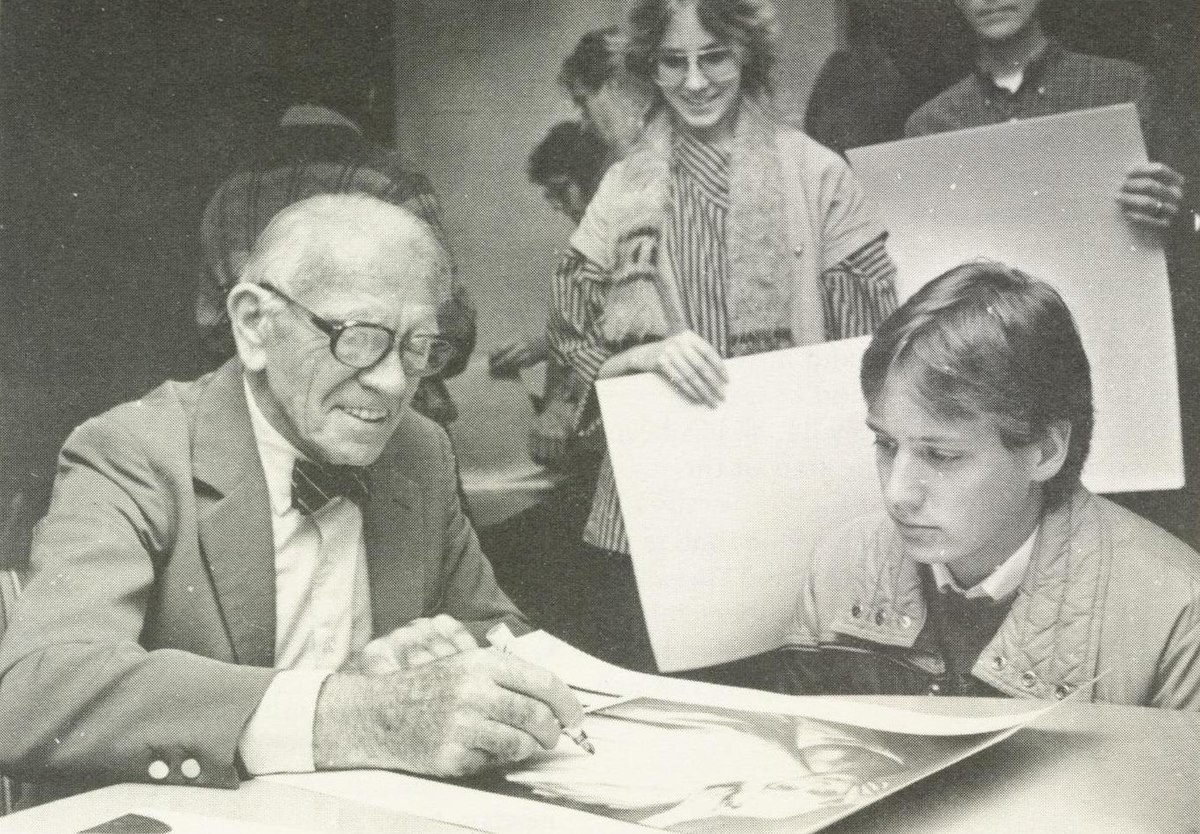
Horst P. Horst, a German-American fashion photographer, is renowned for his significant contributions to the art and fashion industry. Born in 1906, Horst's career spanned several decades, during which he became famous for his distinct style that skillfully blends elements of surrealism, classicism, and avant-garde artistry. His work, characterized by meticulous preparation and an innovative use of lighting, frequently avoided the use of filters and shadows, focusing instead on the subject with an almost architectural precision.
Horst P. Horst's legacy in fashion photography is underscored by his famous portraits, including the iconic 1942 image of Marlene Dietrich, and his exploration of the high society lifestyle through his collaborations with Vogue editor Diana Vreeland. These projects featured portraits of illustrious figures from the realms of royalty, art, fashion, and high society, such as Andy Warhol, Jacqueline Kennedy Onassis, and Yves Saint Laurent, showcasing Horst's ability to navigate the glamorous and intimate worlds of his subjects.
His work extended beyond portraiture to include interior design photography, as seen in his documentation of notable interiors for magazines like House & Garden and Vogue. Horst's photographs often served as a bridge, introducing the public to the works of contemporary artists and designers through his editorial and commercial assignments.
Throughout his career, Horst received critical acclaim, with major retrospectives of his work being held at prestigious venues such as the International Center of Photography in New York, the Louvre in Paris, and the National Gallery in London. These exhibitions highlighted his contributions to fashion, portraiture, and art photography, cementing his status as one of the most influential photographers of the 20th century.
For those interested in the evolution of fashion photography and the intersection of art and culture, Horst P. Horst's work remains a significant point of study and admiration. Collectors and experts in art and antiques are encouraged to explore his extensive portfolio, which continues to inspire and influence the fields of photography and fashion design.
If you wish to stay informed about upcoming sales and auction events related to Horst P. Horst, consider signing up for updates. This subscription will ensure you're at the forefront of the market for his enduring and captivating works.


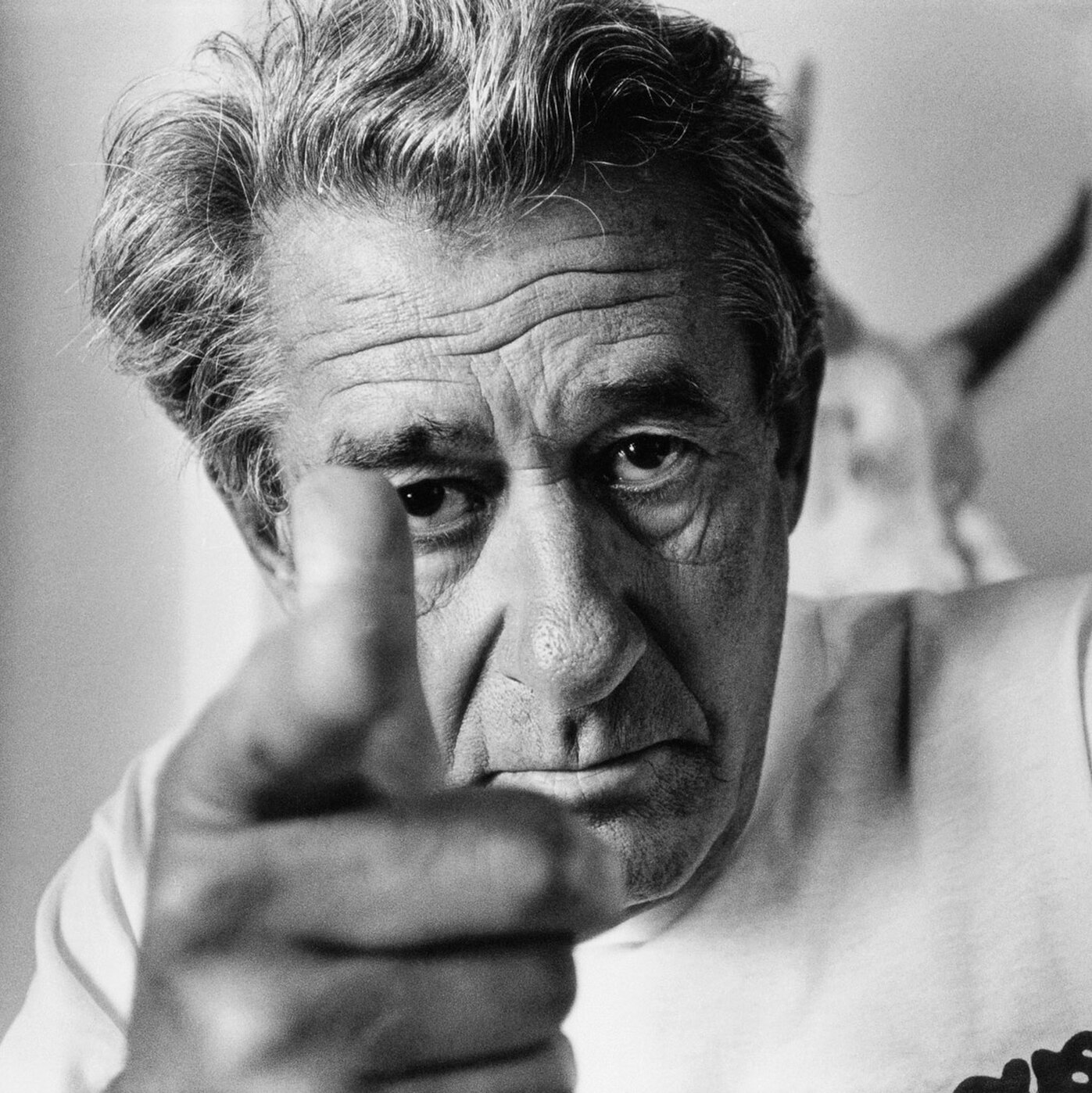
Helmut Newton (born Helmut Neustädter) was a German-Australian photographer. The New York Times described him as a "prolific, widely imitated fashion photographer whose provocative, erotically charged black-and-white photos were a mainstay of Vogue and other publications."


Bettina Rheims is a French photographer.
Rheims has also worked on advertising campaigns for fashion and big brands, such as Chanel and Lancôme, as well as taking portraits of famous women for international magazines.


Irving Penn was an American photographer celebrated for his influential work in fashion photography, portraits, and still lifes. Penn's journey into photography began with a background in painting and design, studying at the Philadelphia Museum School of Industrial Art. He moved to New York and initially worked in design and illustration, which paved the way for his transition into photography. Notably, Penn's work at Vogue magazine for over six decades helped define the visual style of mid-20th-century fashion photography.
Irving Penn's mastery extended beyond the camera to the darkroom, where he experimented with various printing techniques, including the platinum-palladium process, which contributed to the depth and subtlety of his prints. His works, such as the "Cigarette" series and his still life compositions, are renowned for their minimalistic elegance and meticulous detail. Irving Penn's artistry was not confined to one genre; his "Earthly Bodies" nudes series and street material collection demonstrated his versatility and depth as an artist.
His contributions to photography are preserved and celebrated in numerous exhibitions and collections worldwide, including major museums like The Metropolitan Museum of Art, The Museum of Modern Art, and The Art Institute of Chicago. Irving Penn's legacy as a pioneering figure in photography continues to inspire artists and photographers today.
If you're a collector or an expert in art and antiques, staying updated on Irving Penn's works can be invaluable. To receive updates on new product sales and auction events related to Irving Penn, consider signing up for our newsletter. This way, you won't miss out on the opportunity to own a piece of photographic history.
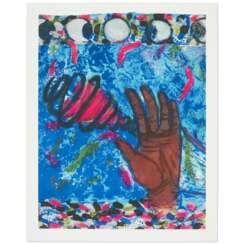




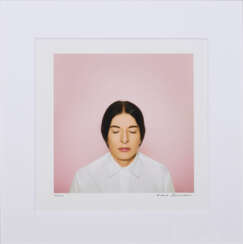

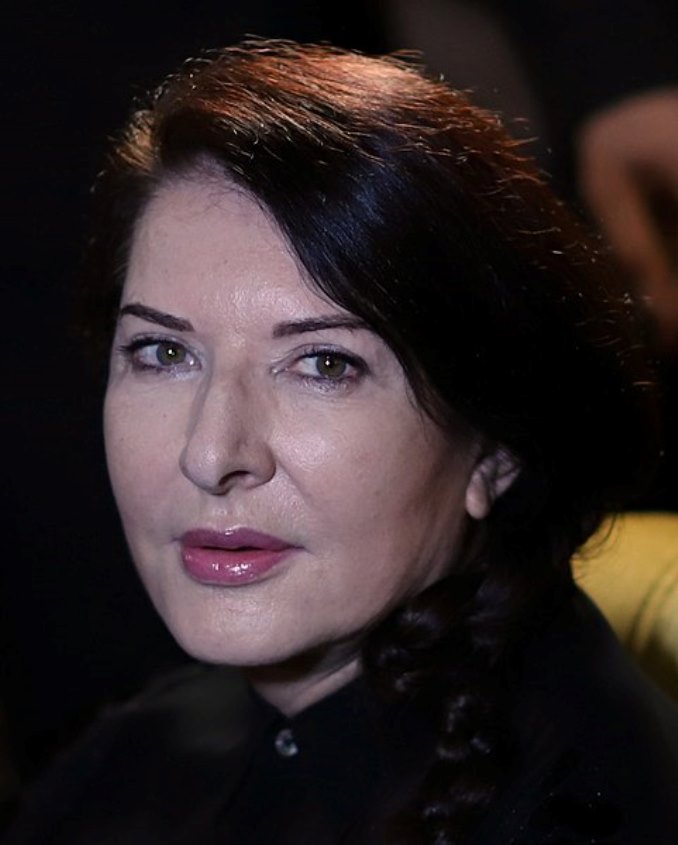
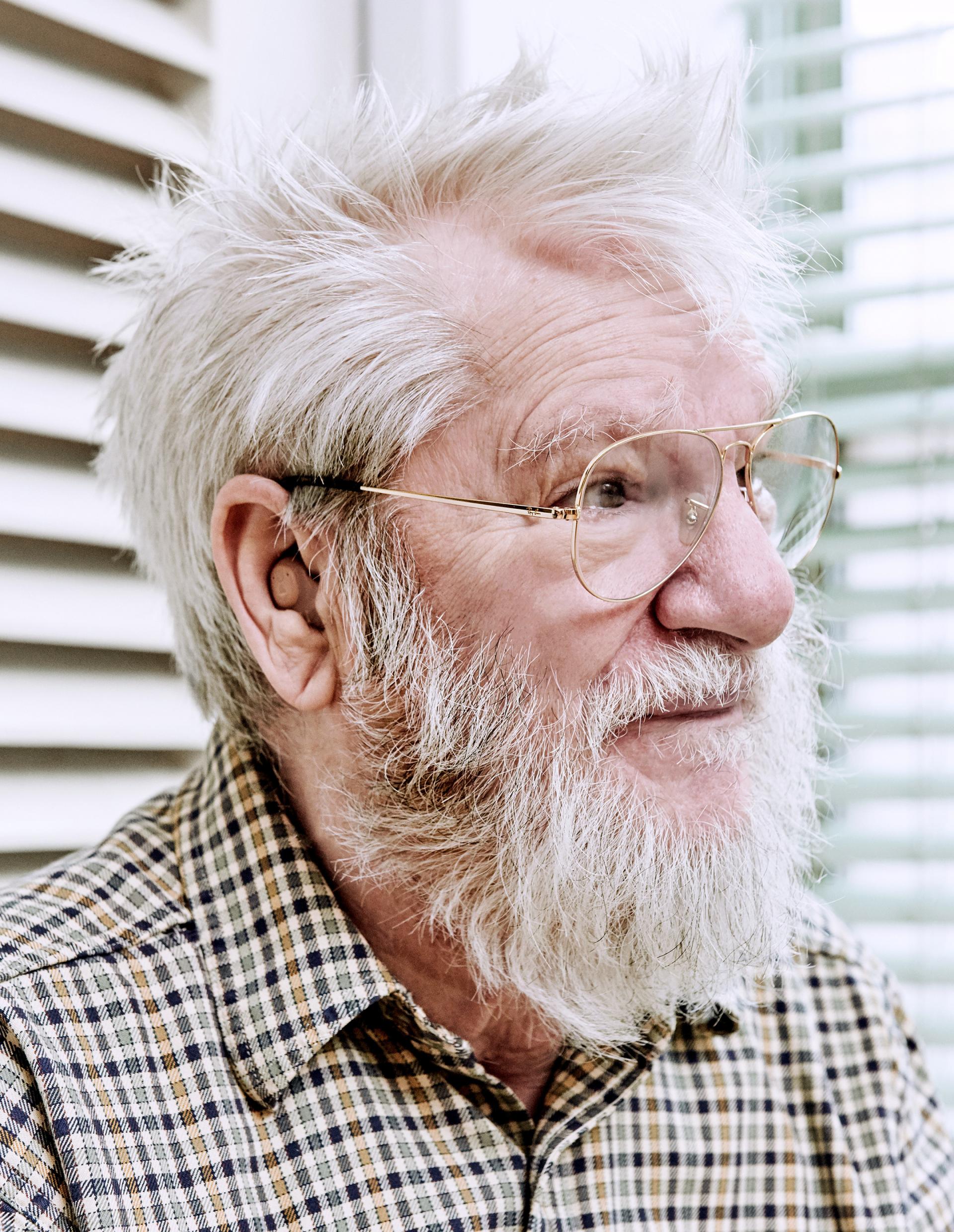
Marina Abramović is a Serbian conceptual and performance artist. Her work explores body art, endurance art, feminist art, the relationship between the performer and audience, the limits of the body, and the possibilities of the mind. Being active for over four decades, Abramović refers to herself as the "grandmother of performance art". She pioneered a new notion of identity by bringing in the participation of observers, focusing on "confronting pain, blood, and physical limits of the body". In 2007, she founded the Marina Abramović Institute (MAI), a non-profit foundation for performance art.








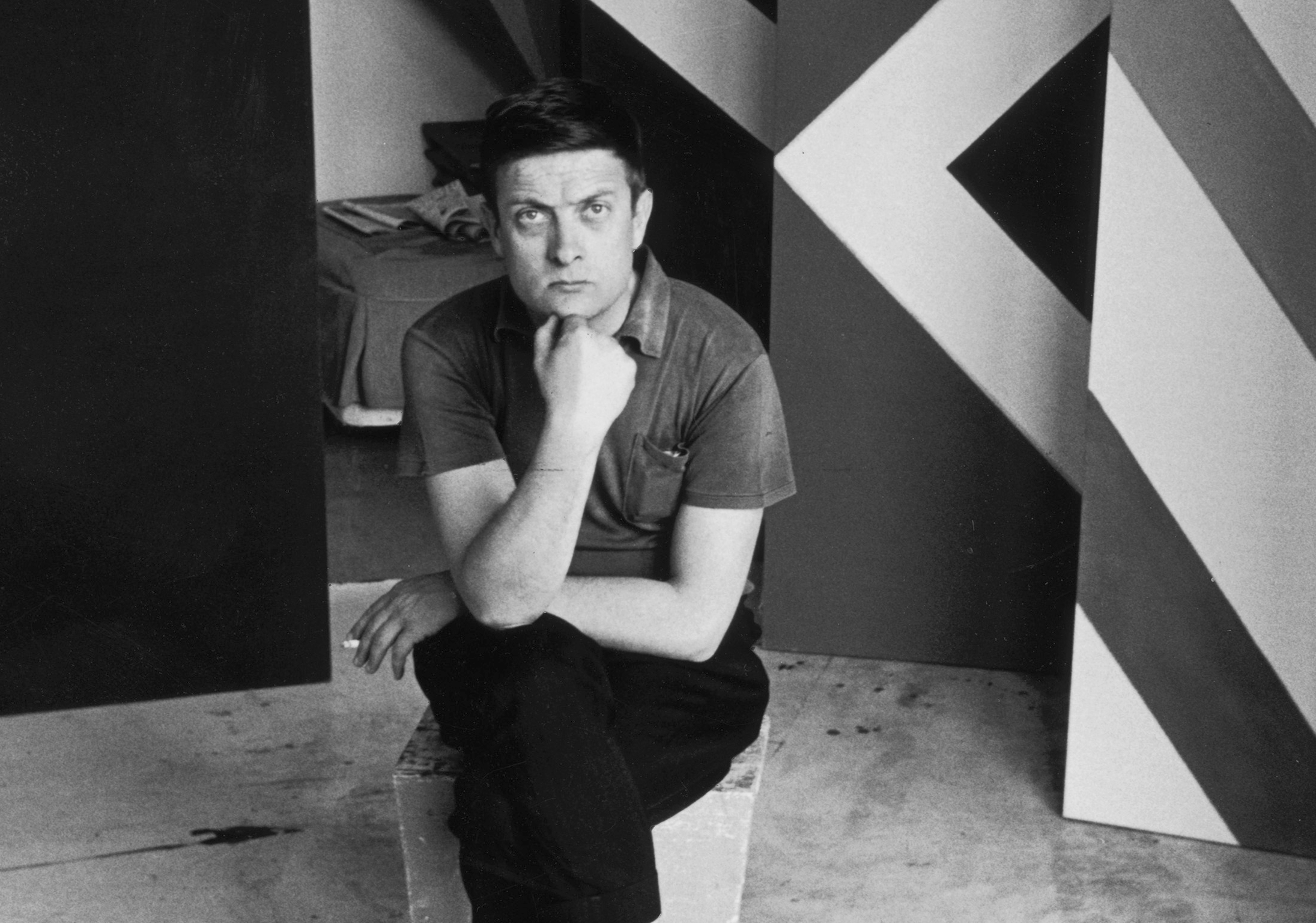
Kenneth Noland was an American painter, renowned for his pivotal role in the Color Field movement and his minimalist approach to art. Born in 1924, Noland's exploration of color and shape earned him a place among the most influential post-war American artists. His work is celebrated for its innovation in abstract painting, where he moved away from the gestural brushwork of Abstract Expressionism to a more structured, geometric form.
Noland's journey into the art world was nurtured by his "Sunday painter" father and propelled by his studies at Black Mountain College. There, luminaries like Josef Albers introduced him to the principles of color theory that became central to his practice. His iconic "Targets" series, featuring concentric circles on square canvases, showcased his fascination with the interaction of colors and their impact on the observer.
His pieces, often large-scale canvases, feature bold color blocks and striking patterns, which are housed in prestigious institutions worldwide, such as the Guggenheim Museum and the Tate. His chevron series, characterized by their V-like patterns, stand out as a testament to his minimalist yet powerful style, cementing his legacy in the realms of painting, art, and culture.
For collectors and art and antiques experts, Noland's works represent a transformative period in modern art, where simplicity and color spoke as loudly as the subject matter once did. His works are not just paintings; they are experiences crafted through the meticulous balance of form and hue.
If you're looking to stay informed on sales and auction events related to Kenneth Noland's transformative works, sign up for updates. Rest assured, our communications will focus solely on new product sales and auction events relevant to your interests.

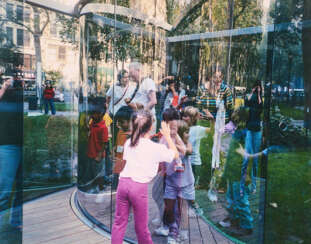

Daniel Graham was an American visual artist, writer, and curator in the writer-artist tradition. In addition to his visual works, he published a large array of critical and speculative writing that spanned the spectrum from heady art theory essays, reviews of rock music, Dwight D. Eisenhower's paintings, and Dean Martin's television show. His early magazine-based art predates, but is often associated with, conceptual art. His later work focused on cultural phenomena by incorporating photography, video, performance art, glass and mirror installation art structures, and closed-circuit television.
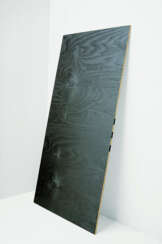

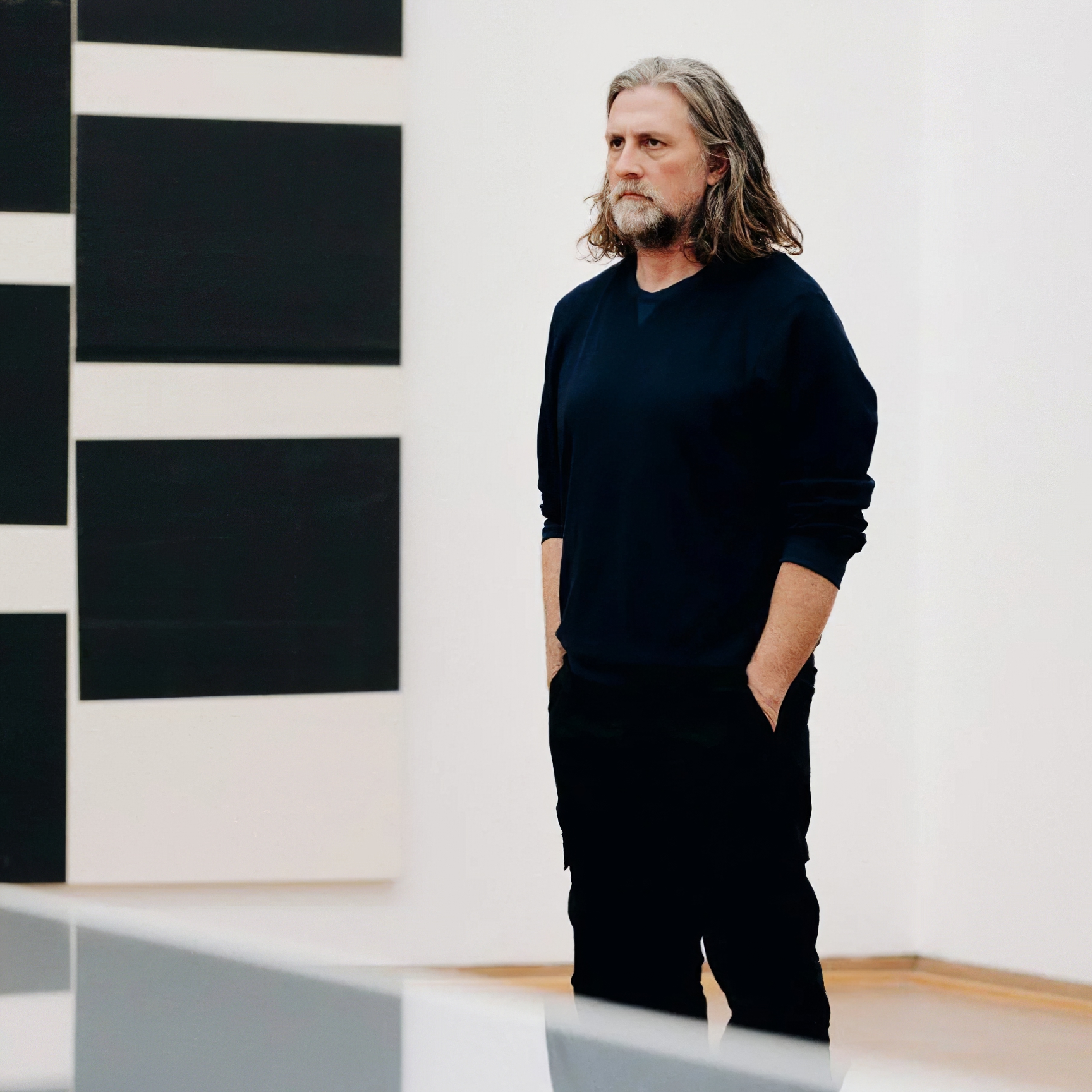
Wade Guyton is an American post-conceptual artist who among other things makes digital paintings on canvas using scanners and digital inkjet technology.
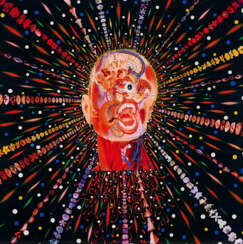

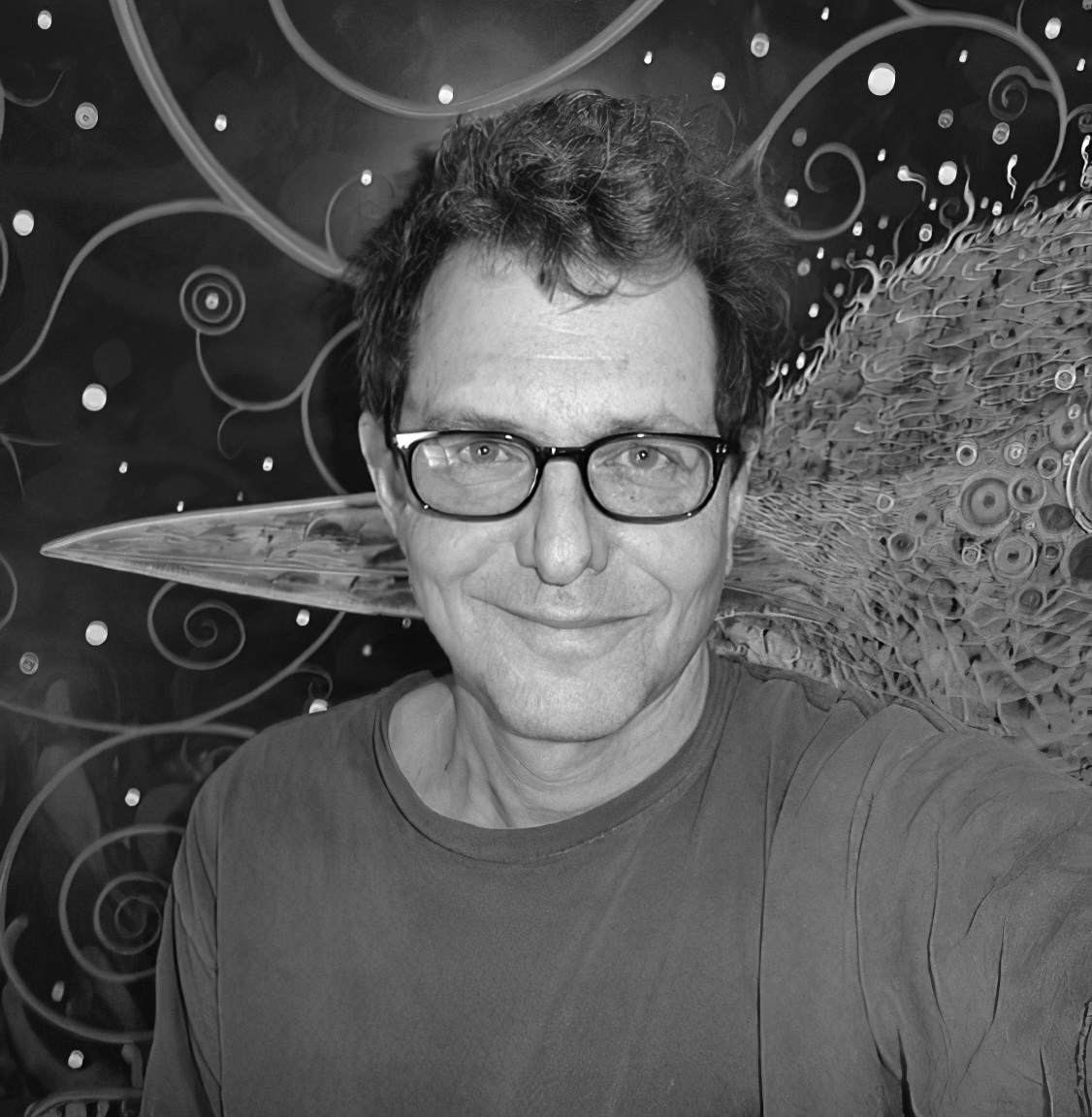
Fred Tomaselli is an American artist. He is best known for his highly detailed paintings on wood panels, combining an array of unorthodox materials suspended in a thick layer of clear, epoxy resin.
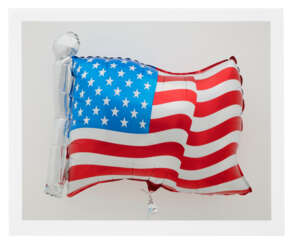

Jeffrey Lynn Koons is an American artist recognized for his work dealing with popular culture and his sculptures depicting everyday objects, including balloon animals produced in stainless steel with mirror-finish surfaces. He lives and works in both New York City and his hometown of York, Pennsylvania. His works have sold for substantial sums, including at least two record auction prices for a work by a living artist: US$58.4 million for Balloon Dog (Orange) in 2013 and US$91.1 million for Rabbit in 2019.
Critics are sharply divided in their views of Koons. Some view his work as pioneering and of major art-historical importance. Others dismiss his work as kitsch, crass, and based on cynical self-merchandising. Koons has stated that there are no hidden meanings and critiques in his works.
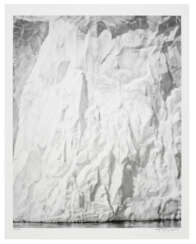

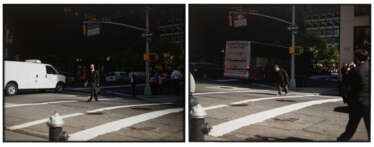
Robert Longo is an American artist, filmmaker, photographer and musician.
Longo became first well known in the 1980s for his Men in the Cities drawing and print series, which depict sharply dressed men and women writhing in contorted emotion. He lives in New York and East Hampton.

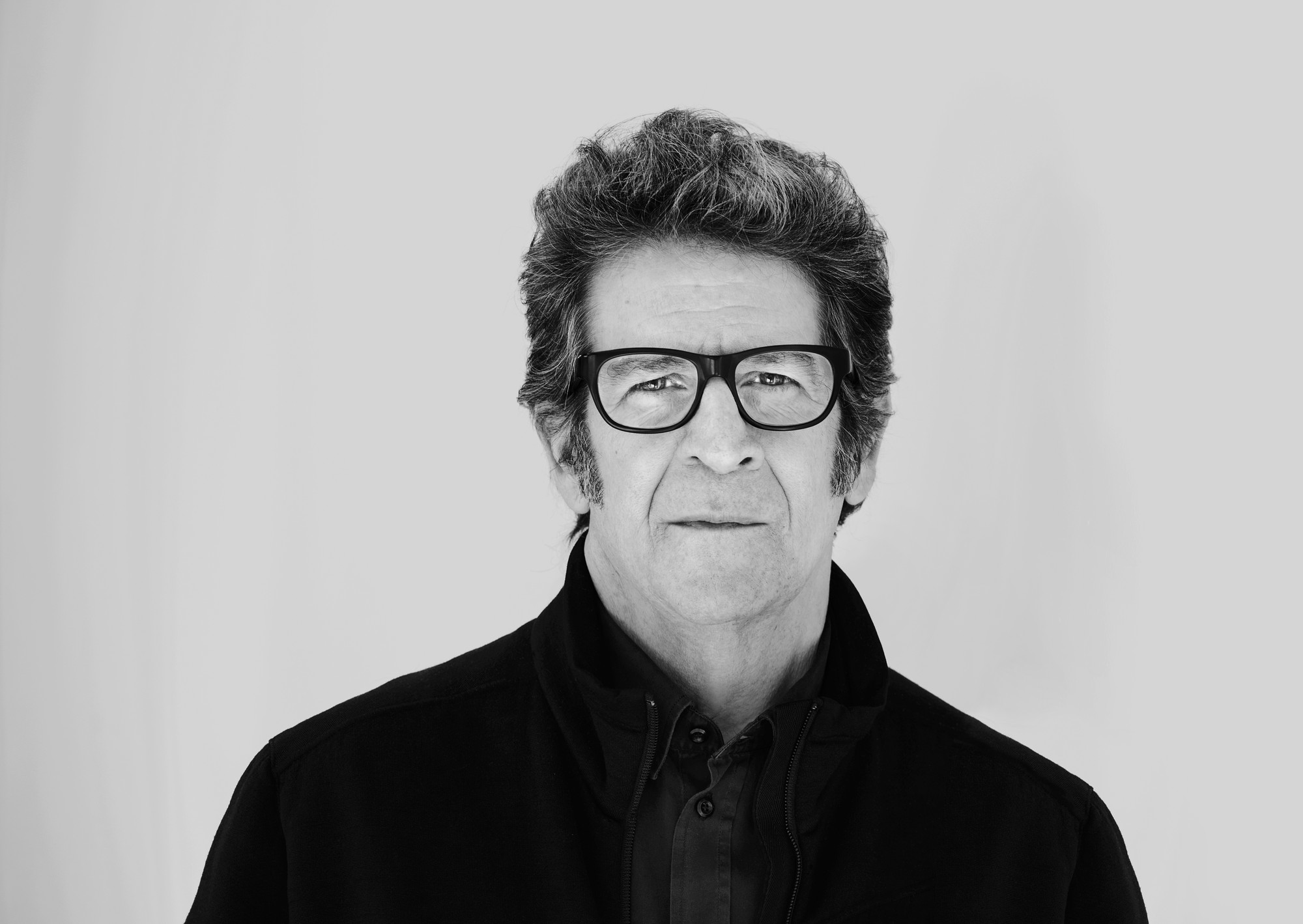
Robert Longo is an American artist, filmmaker, photographer and musician.
Longo became first well known in the 1980s for his Men in the Cities drawing and print series, which depict sharply dressed men and women writhing in contorted emotion. He lives in New York and East Hampton.
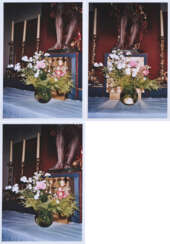


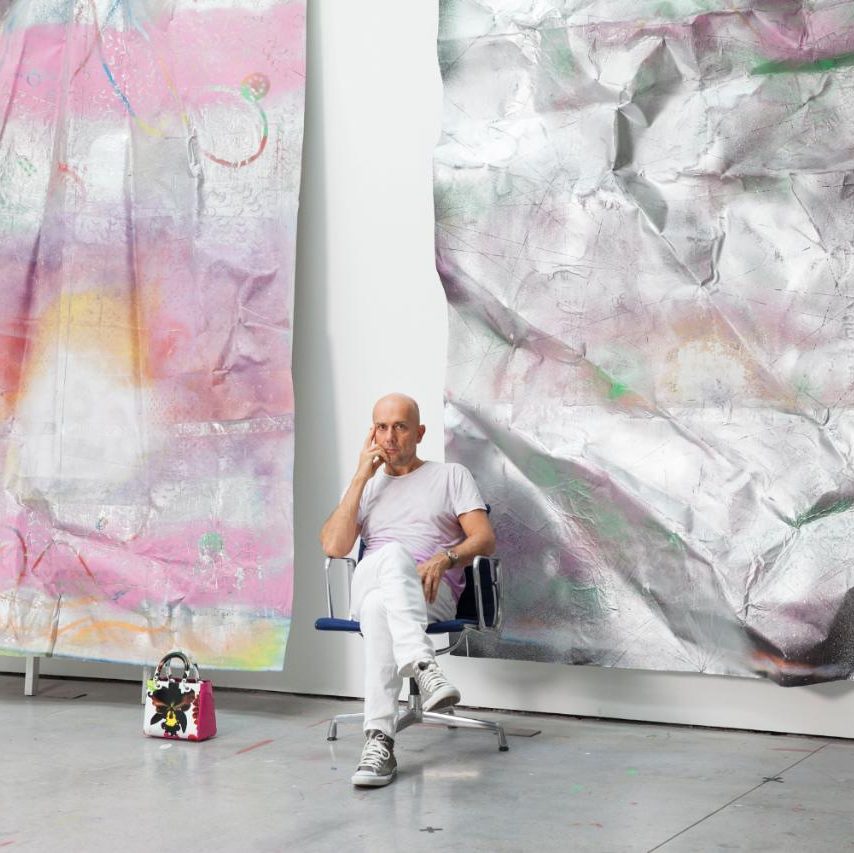
Marc Quinn is a contemporary English painter and sculptor, a member of the Young British Artists, a group that has dominated the art scene since the 1990s. He is known for his experimental approach to creativity and for incorporating shocking elements into his work.
Quinn declares to explore extreme aspects of the human body in his art. He experiments with a variety of materials including organic matter such as blood, bread and flowers, as well as marble, concrete and stainless steel. His portfolio includes sculptures, portraits, installations, graffiti and paintings