pin
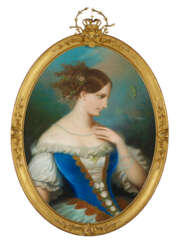







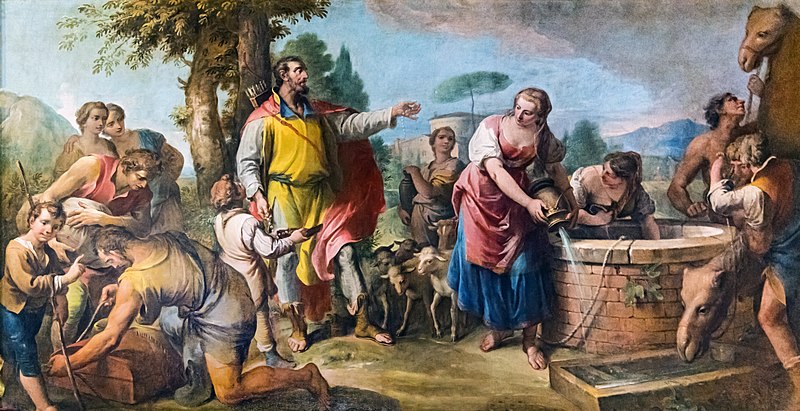
Gaetano Zompini, full name Gaetano Gherardo Zompini, was an Italian painter and printmaker.
Zompini is known for his many prints depicting everyday scenes of Italian life, particularly of workers in the lower classes of Venice. He also created scenes with religious themes and executed frescoes in the Palazzo Marin in Venice.
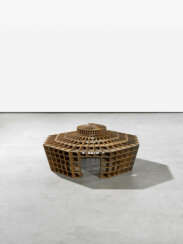

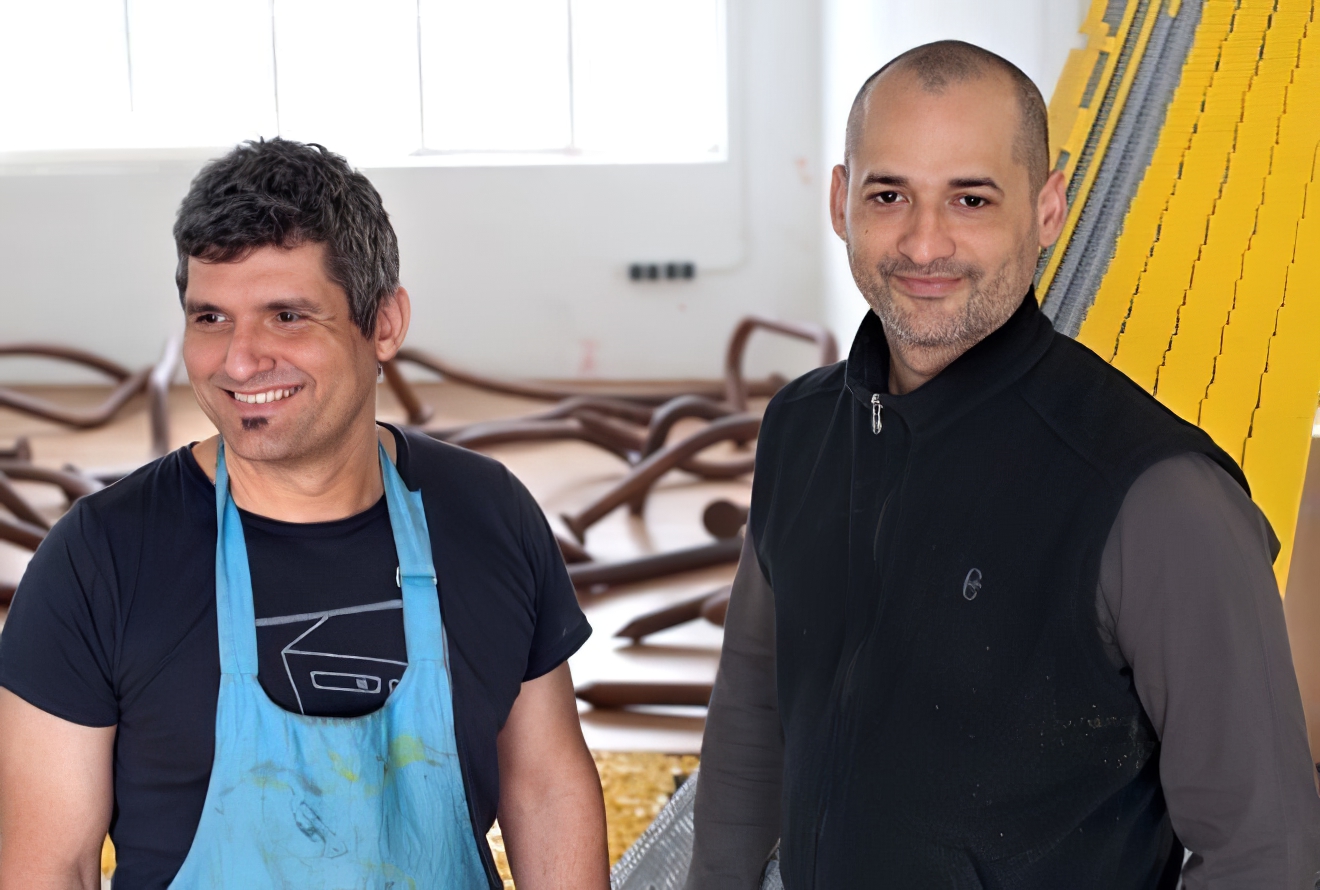
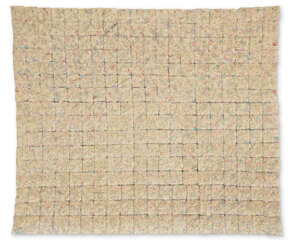
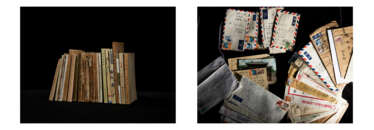
Los Carpinteros is a Cuban artist collective founded in Havana in 1992 by Marco Antonio Castillo Valdes, Dagoberto Rodriguez Sanchez, and Alexandre Arrechea (who left the group in 2003).
In their work the artists incorporate aspects of architecture, design and sculpture to create installations and drawings that “negotiate the space between the functional and the nonfunctional", where they derive their “inspiration from the physical world” and express their interest in the intersection of art and society in a humorous manner. Los Carpinteros create a response to places, spaces and objects, how they have been conceived, built, used and abandoned.
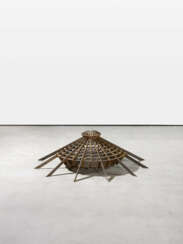

Los Carpinteros is a Cuban artist collective founded in Havana in 1992 by Marco Antonio Castillo Valdes, Dagoberto Rodriguez Sanchez, and Alexandre Arrechea (who left the group in 2003).
In their work the artists incorporate aspects of architecture, design and sculpture to create installations and drawings that “negotiate the space between the functional and the nonfunctional", where they derive their “inspiration from the physical world” and express their interest in the intersection of art and society in a humorous manner. Los Carpinteros create a response to places, spaces and objects, how they have been conceived, built, used and abandoned.


Los Carpinteros is a Cuban artist collective founded in Havana in 1992 by Marco Antonio Castillo Valdes, Dagoberto Rodriguez Sanchez, and Alexandre Arrechea (who left the group in 2003).
In their work the artists incorporate aspects of architecture, design and sculpture to create installations and drawings that “negotiate the space between the functional and the nonfunctional", where they derive their “inspiration from the physical world” and express their interest in the intersection of art and society in a humorous manner. Los Carpinteros create a response to places, spaces and objects, how they have been conceived, built, used and abandoned.





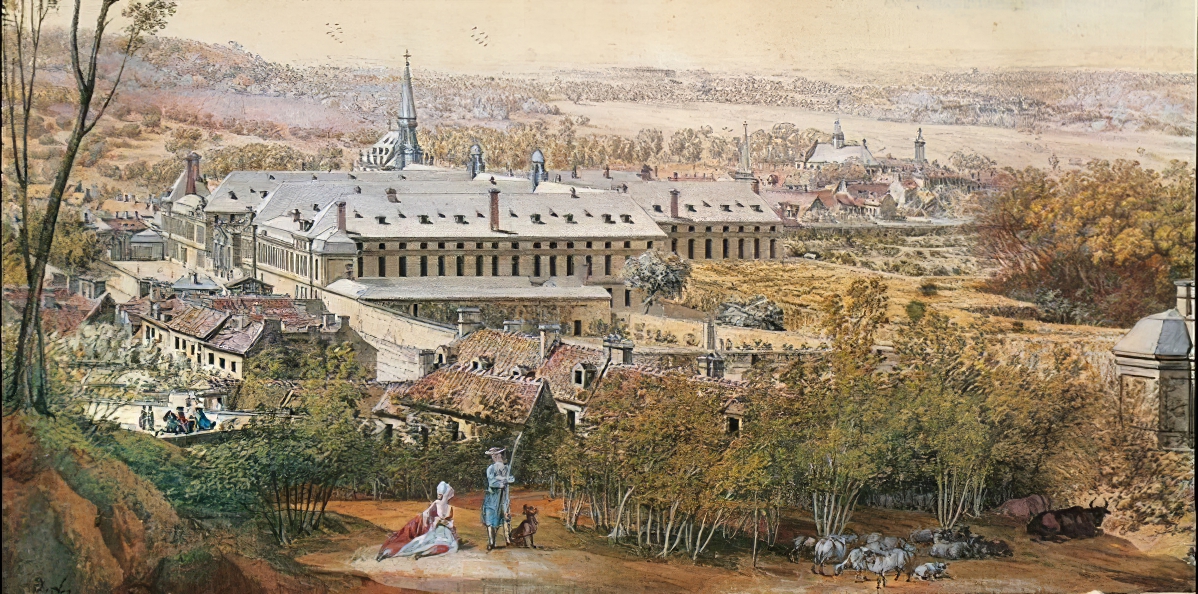
Louis-Nicolas de Lespinasse was a French illustrator and politician.
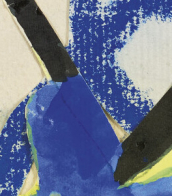
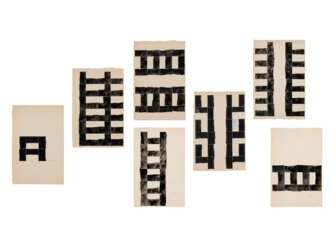

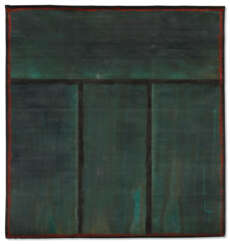





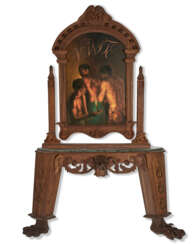

Los Carpinteros is a Cuban artist collective founded in Havana in 1992 by Marco Antonio Castillo Valdes, Dagoberto Rodriguez Sanchez, and Alexandre Arrechea (who left the group in 2003).
In their work the artists incorporate aspects of architecture, design and sculpture to create installations and drawings that “negotiate the space between the functional and the nonfunctional", where they derive their “inspiration from the physical world” and express their interest in the intersection of art and society in a humorous manner. Los Carpinteros create a response to places, spaces and objects, how they have been conceived, built, used and abandoned.


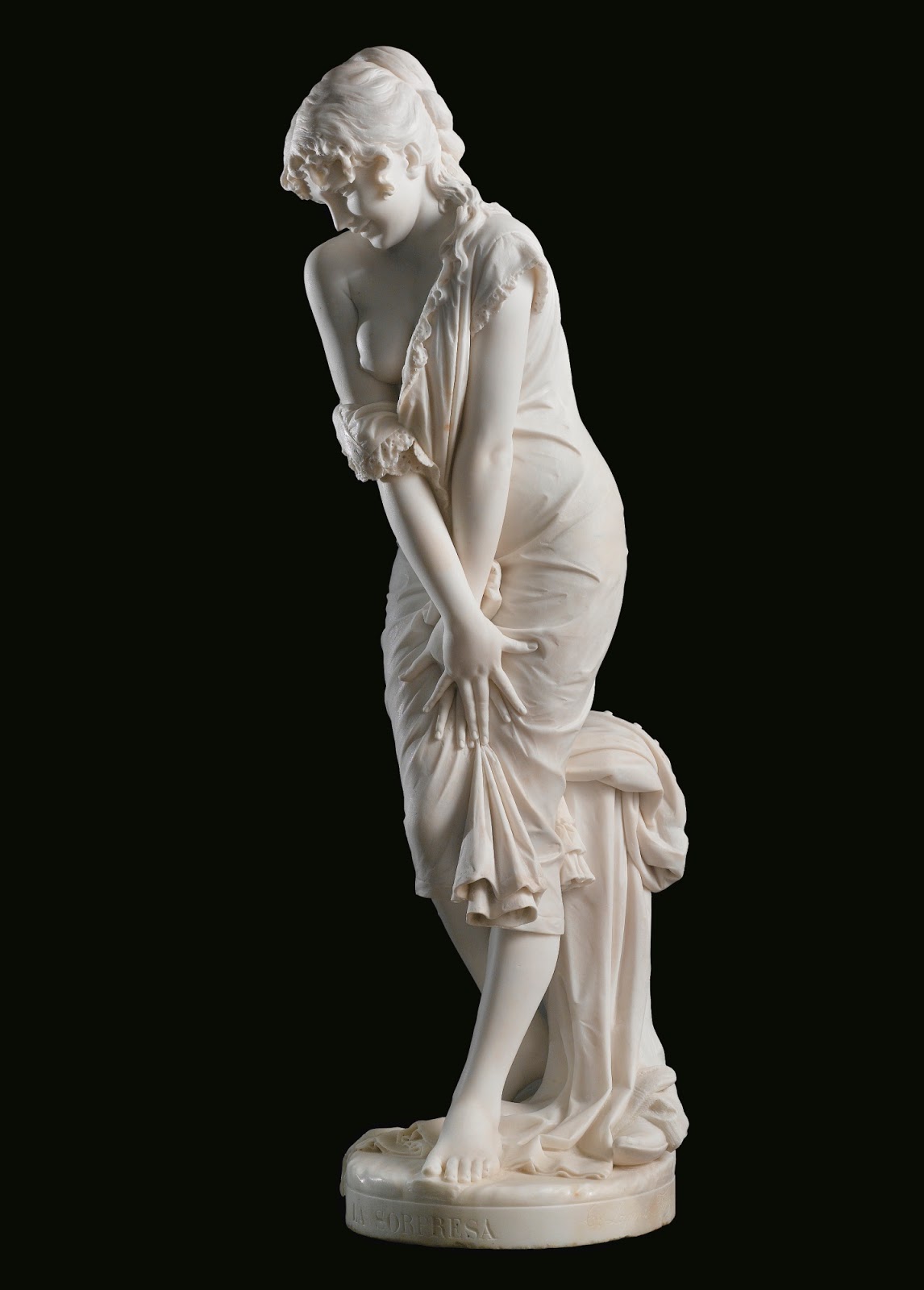
Cesare Lapini was an Italian sculptor, mainly active in Florence.
Lapini sculpted both small marbles and larger works. Many of his subjects were female.


Cesare Lapini was an Italian sculptor, mainly active in Florence.
Lapini sculpted both small marbles and larger works. Many of his subjects were female.
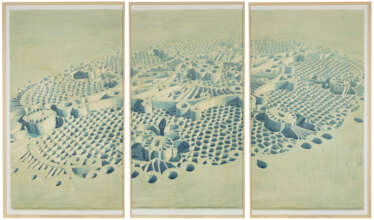

Los Carpinteros is a Cuban artist collective founded in Havana in 1992 by Marco Antonio Castillo Valdes, Dagoberto Rodriguez Sanchez, and Alexandre Arrechea (who left the group in 2003).
In their work the artists incorporate aspects of architecture, design and sculpture to create installations and drawings that “negotiate the space between the functional and the nonfunctional", where they derive their “inspiration from the physical world” and express their interest in the intersection of art and society in a humorous manner. Los Carpinteros create a response to places, spaces and objects, how they have been conceived, built, used and abandoned.


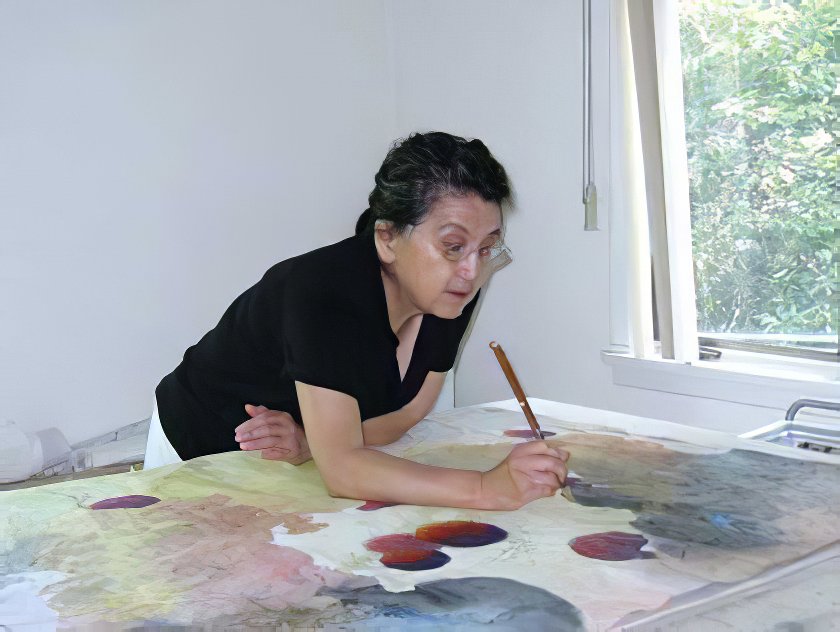


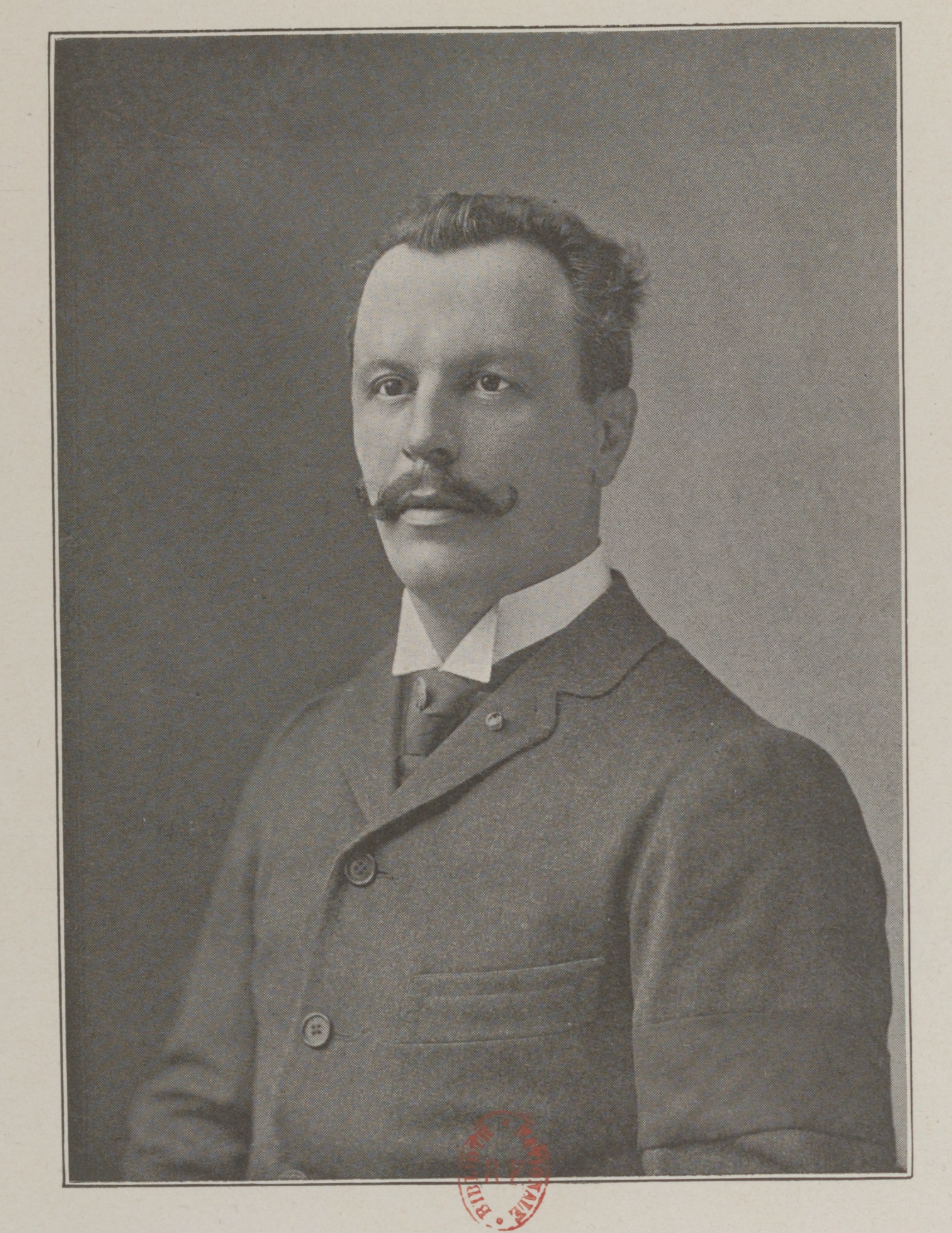
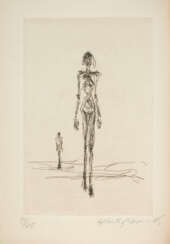

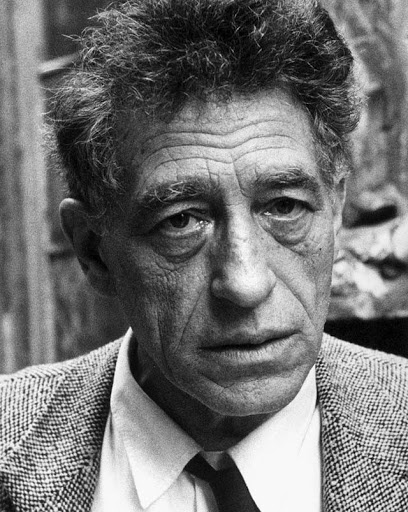
Alberto Giacometti was a Swiss sculptor, painter, draftsman, and printmaker, renowned for his distinctive elongated sculptures of solitary figures. Born in Borgonovo, Switzerland, in 1901, into a family of artists, Giacometti's talent was evident from an early age, encouraged by his father, Giovanni, a post-Impressionist painter, and his godfather, Cuno Amiet, a Fauvist painter. Moving to Paris in 1922 to study under the sculptor Antoine Bourdelle, Giacometti became a pivotal figure in Surrealism before focusing intensely on the human form, leading to his signature style of thin, elongated figures that evoke feelings of solitude and existential dread.
Giacometti's work spans several decades and various phases, including his early involvement with Surrealism and his later, more recognized existential and figurative sculptures. Notably, his sculptures, such as "Walking Man I" and "The Palace at 4 a.m.," reflect his unique view of reality and his relentless pursuit to capture the human essence. His approach was influenced by his associations with prominent figures of the art world, including Miró and Picasso, and intellectuals like Jean-Paul Sartre.
Despite facing challenges, including periods of self-doubt and the physical toll on his health, Giacometti's legacy as a master sculptor and artist remains influential. His works are celebrated worldwide and featured in major museums, such as the Museum of Modern Art in New York and the Tate Gallery in London, testament to his enduring impact on the art world.
Collectors and experts in art and antiques continue to revere Giacometti's work for its emotional depth and unique aesthetic. For those interested in the pioneering spirit of modern sculpture, Alberto Giacometti's oeuvre offers a profound exploration of the human condition and the artist's relentless pursuit of reality through art.
To stay updated on sales and auction events related to Alberto Giacometti's work, sign up for updates. This subscription is an excellent opportunity for collectors and enthusiasts to remain informed about new discoveries and opportunities related to Giacometti's enduring legacy.




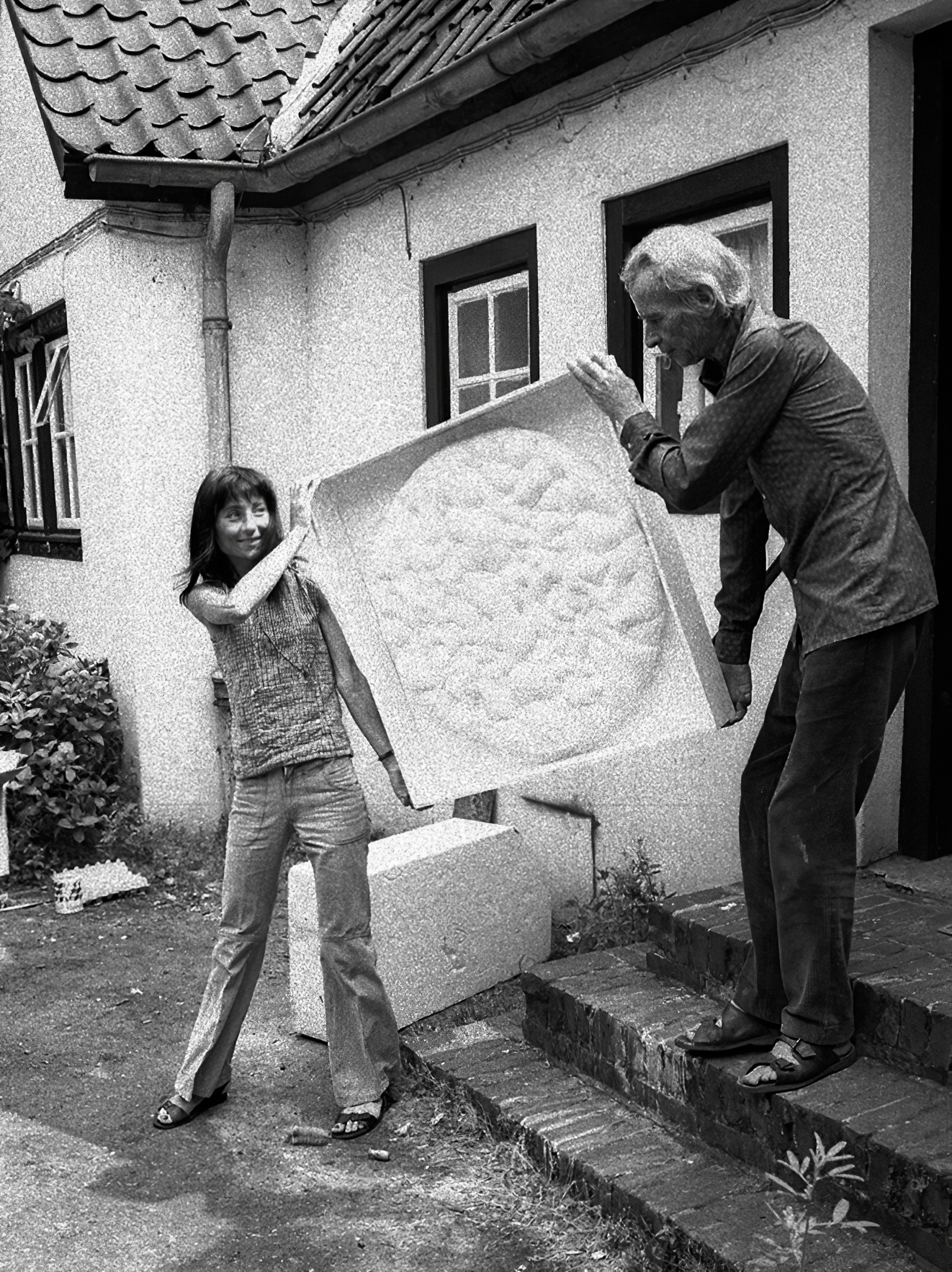
Ferdinand Spindel was a German artist who worked as a painter, sculptor and object artist, among other things.