porträts aus




















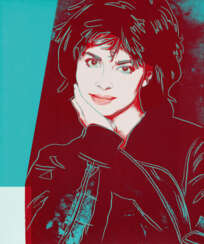

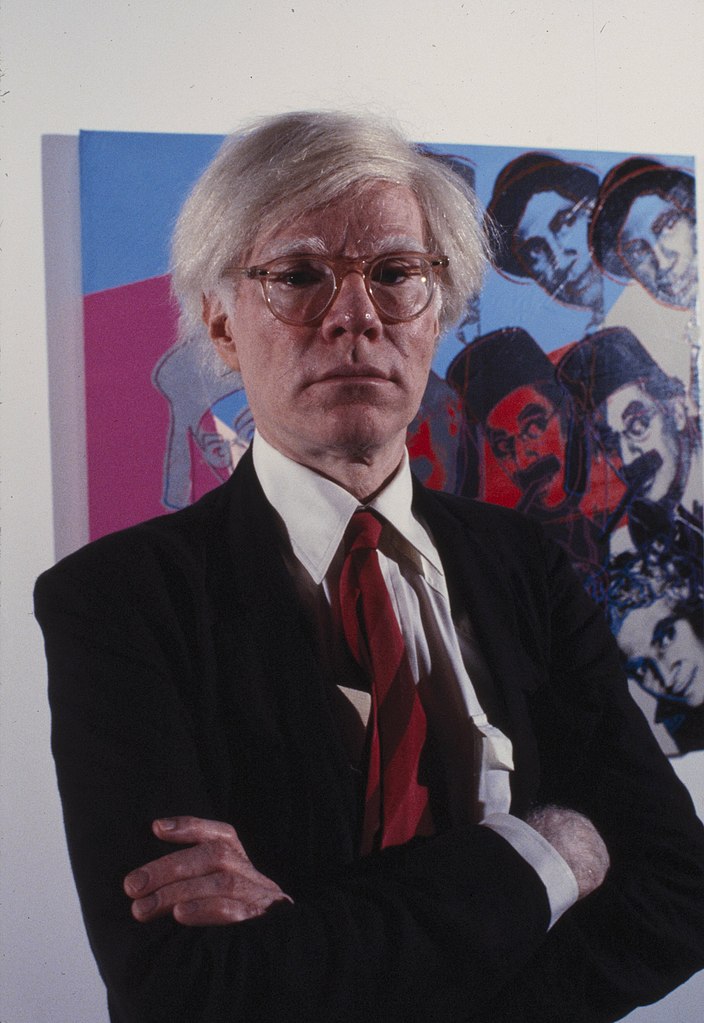
Andy Warhol, born as Andrew Warhola Jr., was an American visual artist, film director, and producer, who played a pivotal role in the development of the Pop Art movement. His art delved into the interplay between artistic expression, advertising, and celebrity culture, especially prevalent in the 1960s. Warhol was renowned for his diverse range of media, which included painting, silkscreening, photography, film, and sculpture.
Warhol's journey began in Pittsburgh, where he was born and raised, initially making a name for himself as a commercial illustrator. His New York studio, "The Factory," became a famous hub for intellectuals, celebrities, and various artistic minds. He was known for creating the notion of "Warhol superstars" and popularized the phrase "15 minutes of fame."
His contribution to the art world is significant, with notable works like "Campbell's Soup Cans" (1962) and "Marilyn Diptych" (1962), as well as his experimental films like "Empire" (1964) and "Chelsea Girls" (1966). These works not only define his career but also underscore the essence of the Pop Art movement.
Warhol's influence extended beyond his artwork. He managed and produced the experimental rock band The Velvet Underground, founded Interview magazine, and wrote several books, including "The Philosophy of Andy Warhol" and "Popism: The Warhol Sixties." Living openly as a gay man before the gay liberation movement, Warhol's personal life was as influential as his professional endeavors.
Tragically, Warhol's life was nearly cut short in 1968 when he was shot by radical feminist Valerie Solanas. He eventually passed away in 1987 due to cardiac arrhythmia following gallbladder surgery. His legacy continues, with The Andy Warhol Museum in Pittsburgh standing as the largest U.S. museum dedicated to a single artist.
Warhol's art remains highly collectible and valuable. His works, like the "Silver Car Crash (Double Disaster)" and "Shot Sage Blue Marilyn," have fetched staggering amounts at auctions, signifying his enduring impact on the art market.
For art collectors and experts, Andy Warhol's work represents a crucial intersection of pop culture and fine art, offering a unique perspective on consumerism and celebrity. His pieces are not just art; they are historical landmarks that capture a transformative era in both art and society.
To stay updated on new products, sales, and auction events related to Andy Warhol, sign up for our updates. This subscription will keep you informed about all things Warhol without overwhelming you with unnecessary information.






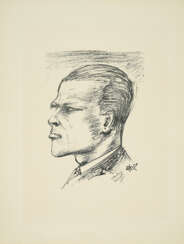

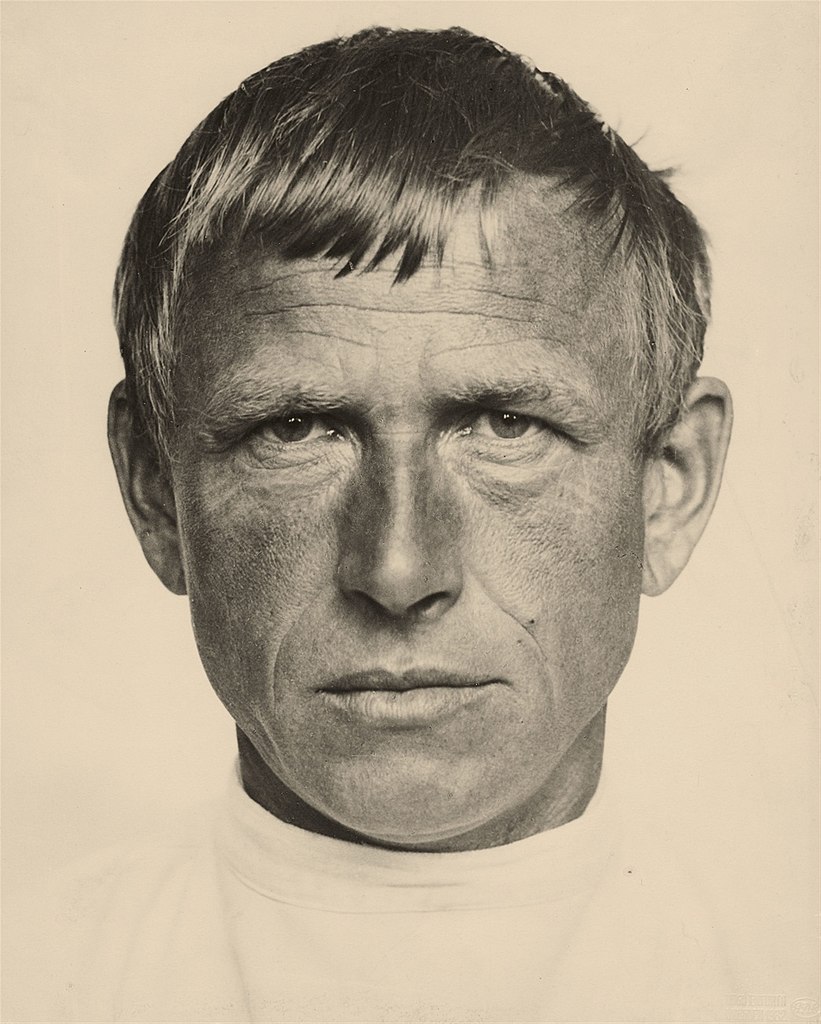
Wilhelm Heinrich Otto Dix was a German artist whose work stands as a stark, unyielding reflection of the societal tumult and trauma of the early 20th century. Born in 1891 in Untermhaus, Germany, Dix's early life was steeped in the arts, his ambition to become an artist nurtured by both familial influence and formal education in Dresden. His experiences as a soldier in World War I deeply influenced his artistic direction, leading him to vividly depict the horrors of war and the decay of the Weimar Republic with a brutal realism that became his signature style.
Dix's association with the Dada movement and the New Objectivity (Neue Sachlichkeit) further honed his critical, often cynical portrayal of post-war society. His works, such as "The Trench" and "War Cripples," expose the visceral aftermath of conflict, while his engagement with the Dadaists imbued his art with a disruptive, confrontational energy against societal norms and the art establishment.
Perhaps most notable is Dix's ability to capture the psychological depth and societal critiques through his portraits and landscapes, which ranged from the grotesque to the surreal. Paintings like "Portrait of the Journalist Sylvia von Harden" and the triptychs "Metropolis" and "War" are emblematic of his keen observation and stark depiction of the era's social and political unrest.
Despite facing significant adversity, including being labeled a degenerate artist by the Nazi regime and facing professional and personal setbacks, Dix's legacy as a painter and printmaker endures. His works are not only historical documents but also profound reflections on humanity, war, and society, resonating with collectors and art experts alike.
For enthusiasts of culture, art, and history, Dix's oeuvre offers an unflinching look into the human condition under the strain of societal and political upheaval. His contributions to painting and printmaking continue to be celebrated in museums and galleries worldwide, underscoring the enduring relevance of his work.
For those interested in exploring the profound depth and historical significance of Otto Dix's work, signing up for updates on new product sales and auction events related to his art can provide invaluable insights. This subscription is a gateway to staying informed about opportunities to engage with the tangible pieces of Dix's enduring legacy.


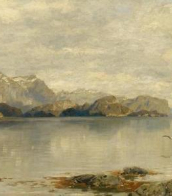
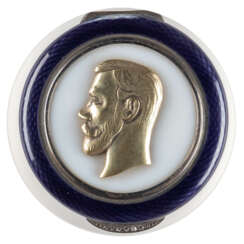

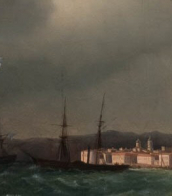
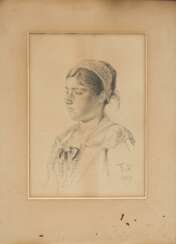

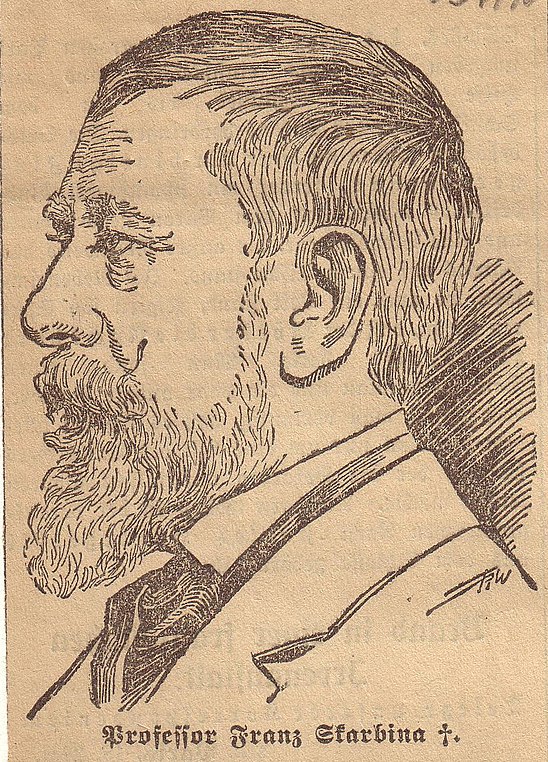
Franz Skarbina was a German painter of the last quarter of the nineteenth and early twentieth centuries. He is known as an Impressionist painter, draughtsman, graphic artist and etching artist.
Franz Scarbina came under the influence of the Impressionists early in his career, in this style he depicted city life, salons, and beach scenes. The artist worked as a teacher at the Berlin Academy of Arts, headed the anatomical drawing department at the school of the Museum of Applied Arts in Berlin. The most fruitful for the master were 1882-1886 years - he, living in Paris, created many works, visited Africa, Belgium and Holland.
Skarbina was one of the founders of the art group and a participant of the Berlin Secession. A street in Berlin is named after him.
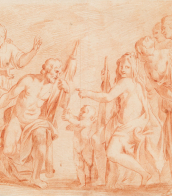
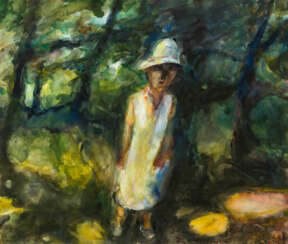

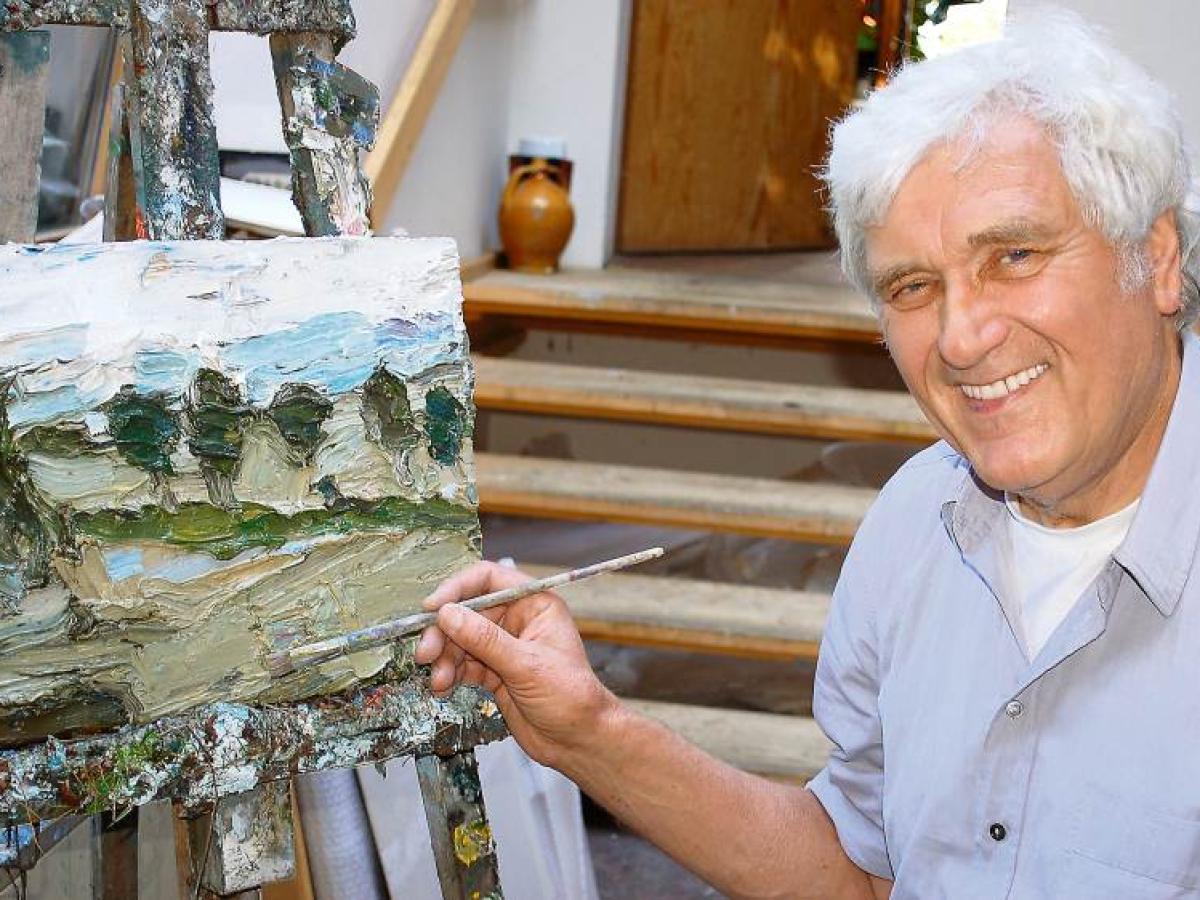
Klaus Fußmann is a contemporary German painter. He studied from 1957 to 1961 at the Folkwang University of the Arts in Essen and from 1962 to 1966 at the Berlin University of the Arts. From 1974 to 2005, he was a professor at the Berlin University of the Arts. His work has won several awards, such as the Villa Romana prize in 1972 and the Art Award of Darmstadt in 1979. Major presentations of his work include exhibitions at the Neue Nationalgalerie in Berlin, 1972; the Mathildenhöhe in Darmstadt, 1982; the Kunsthalle Emden, 1988; the Kunsthalle Bremen, 1992; and the Museum Ostwall in Dortmund, 2003. In 2005 Fußmann completed a monumental ceiling painting in the Mirror Hall of the Museum für Kunst und Gewerbe Hamburg.




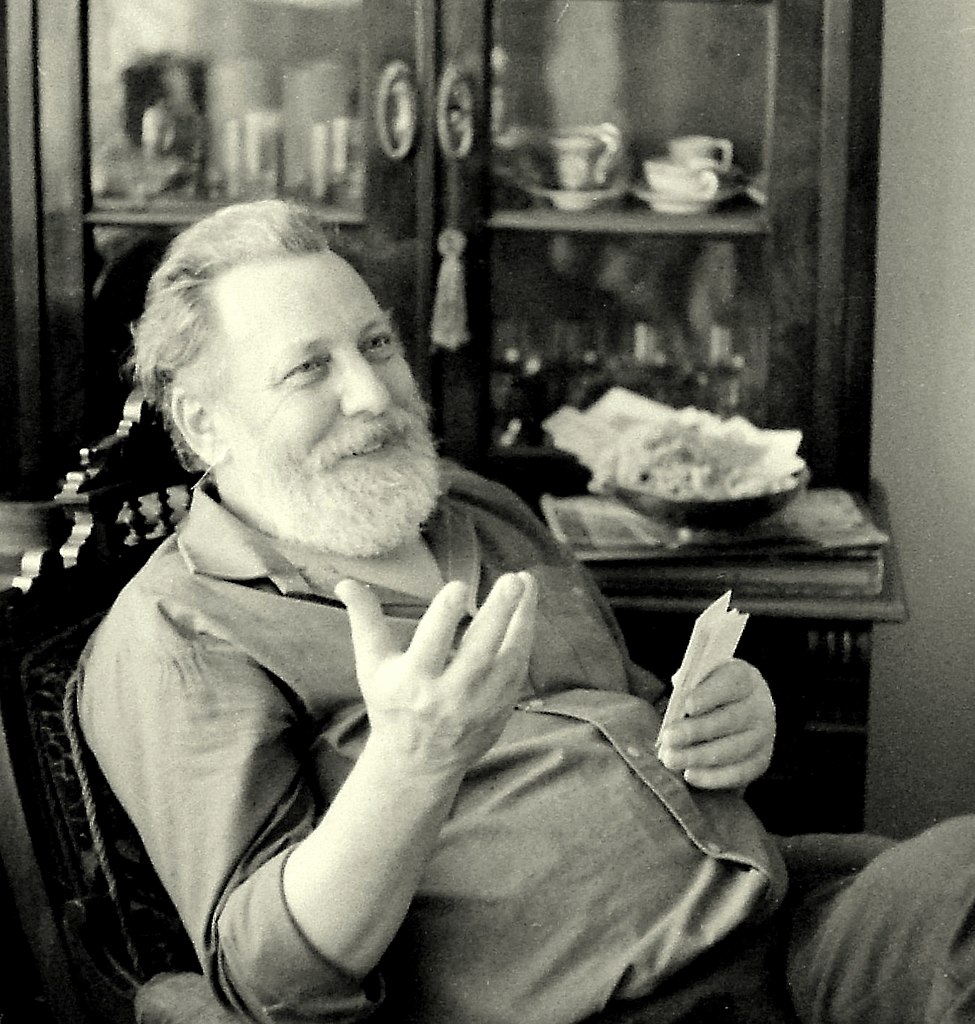
Kurt-Hermann Kühn is a German painter and graphic artist. He trained as a decorator and studied from 1946 to 1952 at the Academy of Graphic Arts and Printing in Leipzig and in Berlin at the Academy of Fine and Applied Arts.
Kurt-Hermann Kühn travelled to Syria and Egypt. These journeys are reflected in many of his paintings. In addition to his extensive painting and graphic work, he created many large-format murals, mainly frescoes. His portraits of women and erotic drawings have also attracted much critical attention.


Kurt-Hermann Kühn is a German painter and graphic artist. He trained as a decorator and studied from 1946 to 1952 at the Academy of Graphic Arts and Printing in Leipzig and in Berlin at the Academy of Fine and Applied Arts.
Kurt-Hermann Kühn travelled to Syria and Egypt. These journeys are reflected in many of his paintings. In addition to his extensive painting and graphic work, he created many large-format murals, mainly frescoes. His portraits of women and erotic drawings have also attracted much critical attention.

Kurt-Hermann Kühn is a German painter and graphic artist. He trained as a decorator and studied from 1946 to 1952 at the Academy of Graphic Arts and Printing in Leipzig and in Berlin at the Academy of Fine and Applied Arts.
Kurt-Hermann Kühn travelled to Syria and Egypt. These journeys are reflected in many of his paintings. In addition to his extensive painting and graphic work, he created many large-format murals, mainly frescoes. His portraits of women and erotic drawings have also attracted much critical attention.



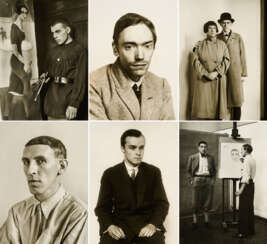

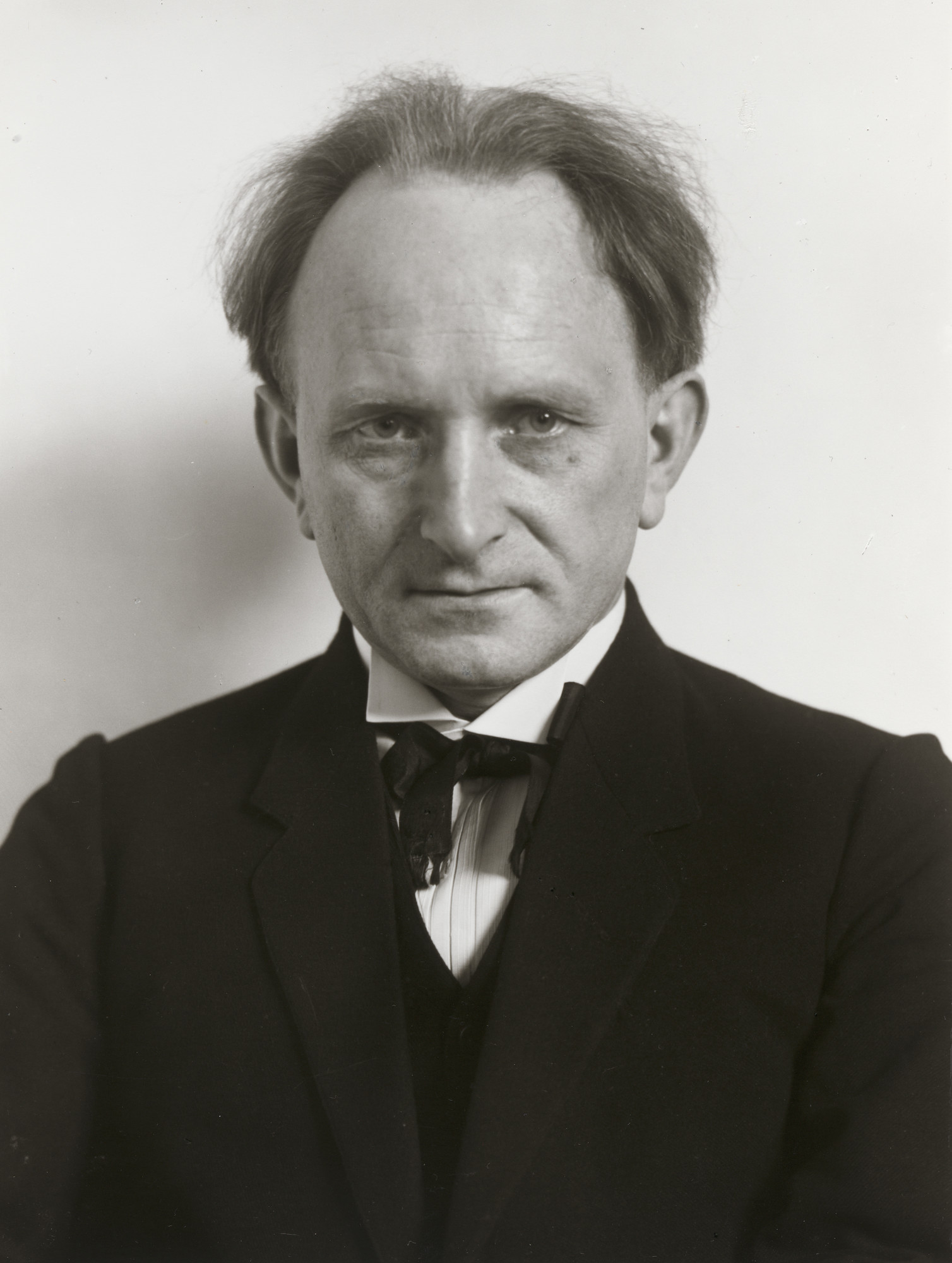
August Sander was a German portrait and documentary photographer. Sander's first book Face of our Time (German: Antlitz der Zeit) was published in 1929. Sander has been described as "the most important German portrait photographer of the early twentieth century".