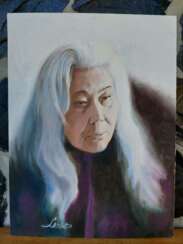
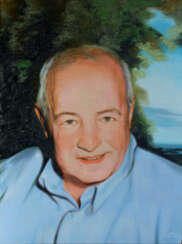
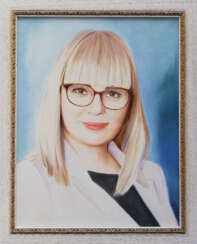
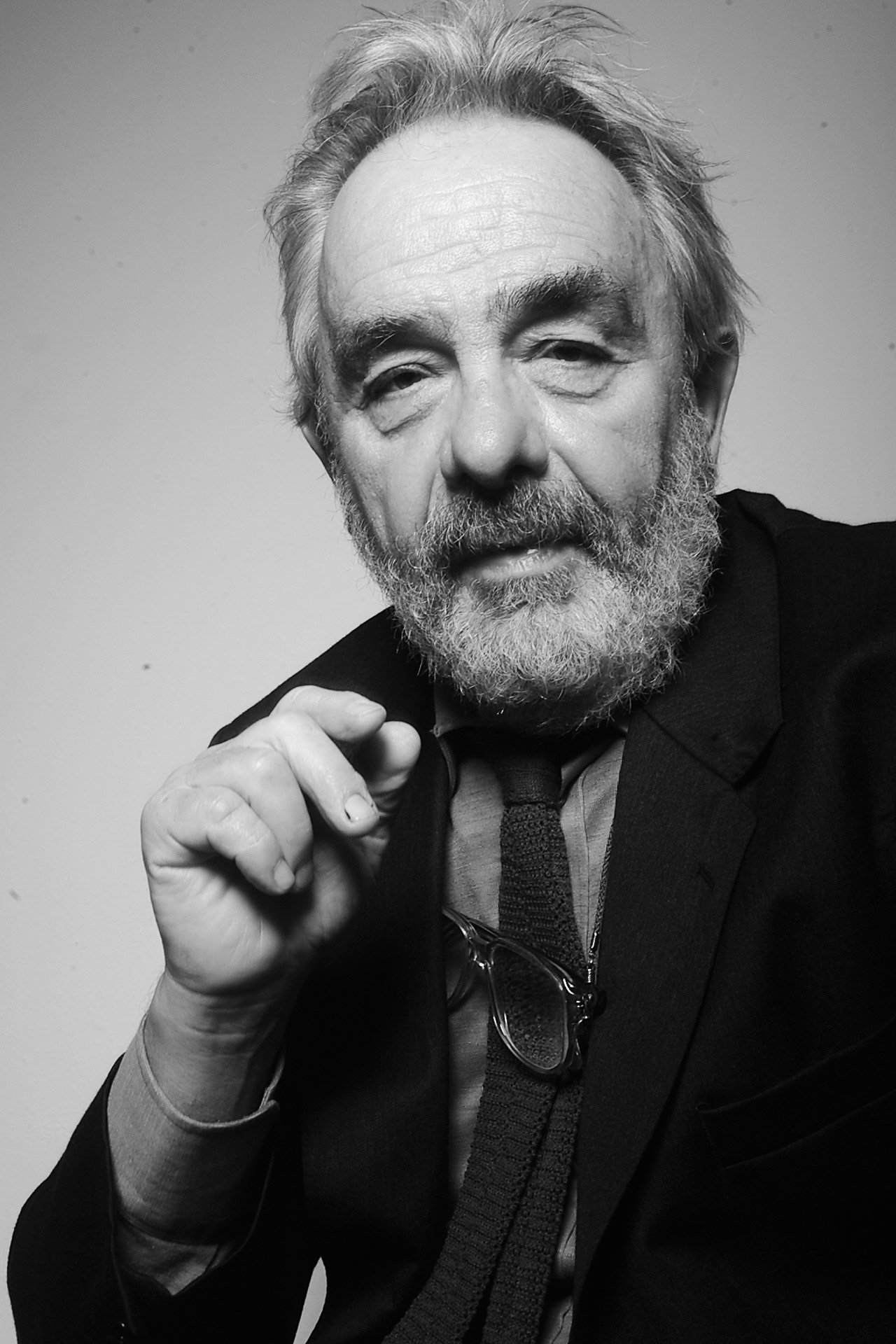
portrait by photo











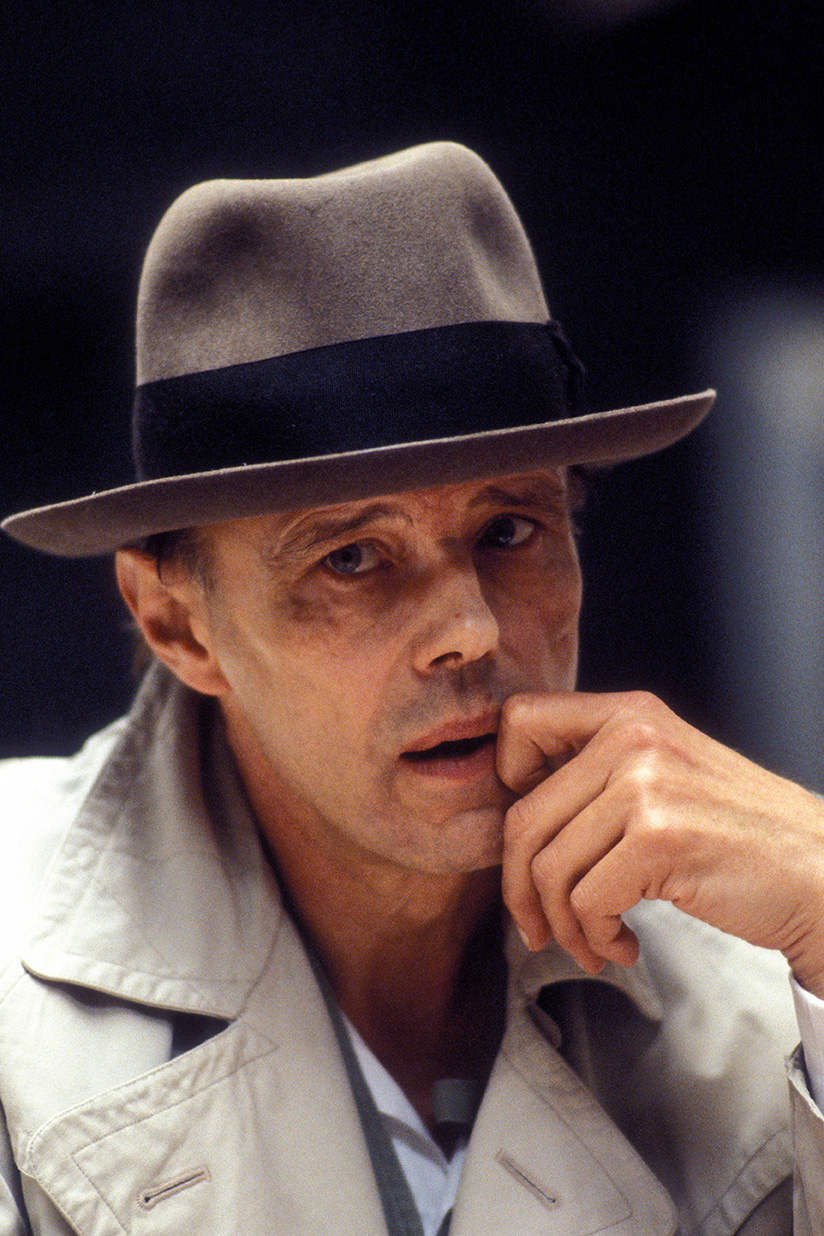
Joseph Heinrich Beuys was a German artist, renowned for his significant contributions to the realms of sculpture, painting, and installation art, which have left a lasting impact on the culture and art world. His work transcended traditional boundaries, merging art with social theory and politics, thus redefining the role of the artist in society. Beuys's unique approach to materials, incorporating substances like fat and felt, symbolized healing and insulation, reflecting his broader philosophical and ecological concerns.
Beuys's art was deeply influenced by his experiences during World War II and his academic background in natural sciences and sculpture. His concept of "social sculpture" proposed that art could transform society, emphasizing creativity as a fundamental component of human existence. This vision led him to use his performances, or "actions," as a medium to communicate his ideas, making him a pivotal figure in the Fluxus movement. Notable works such as "How to Explain Pictures to a Dead Hare" and "7000 Oaks" exemplify his innovative use of performance and environmental art to engage and challenge the public.
His legacy is preserved in major museums and galleries worldwide, including the Museum of Modern Art in New York and the Tate Modern in London. These institutions house key pieces that exemplify Beuys's diverse artistic output, from his early drawings and sculptures to his later installations and public interventions. His influence extends beyond the art world, impacting environmental activism and educational reform, underscoring his belief in the transformative power of art.
For collectors and experts in art and antiques, Joseph Heinrich Beuys remains a figure of immense interest, not only for his groundbreaking artworks but also for his profound impact on contemporary art theory and practice. To stay informed about new product sales and auction events related to Beuys, we invite you to sign up for updates. This subscription ensures you are always in the loop regarding opportunities to engage with the enduring legacy of one of the most influential artists of the 20th century.










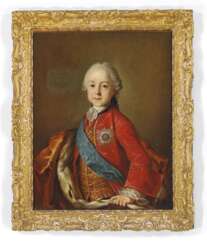

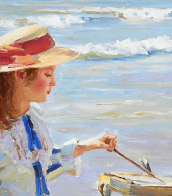
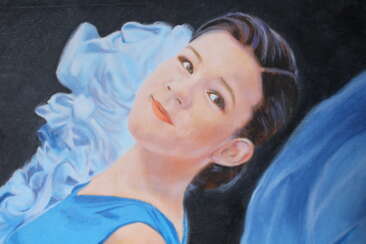

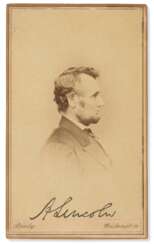



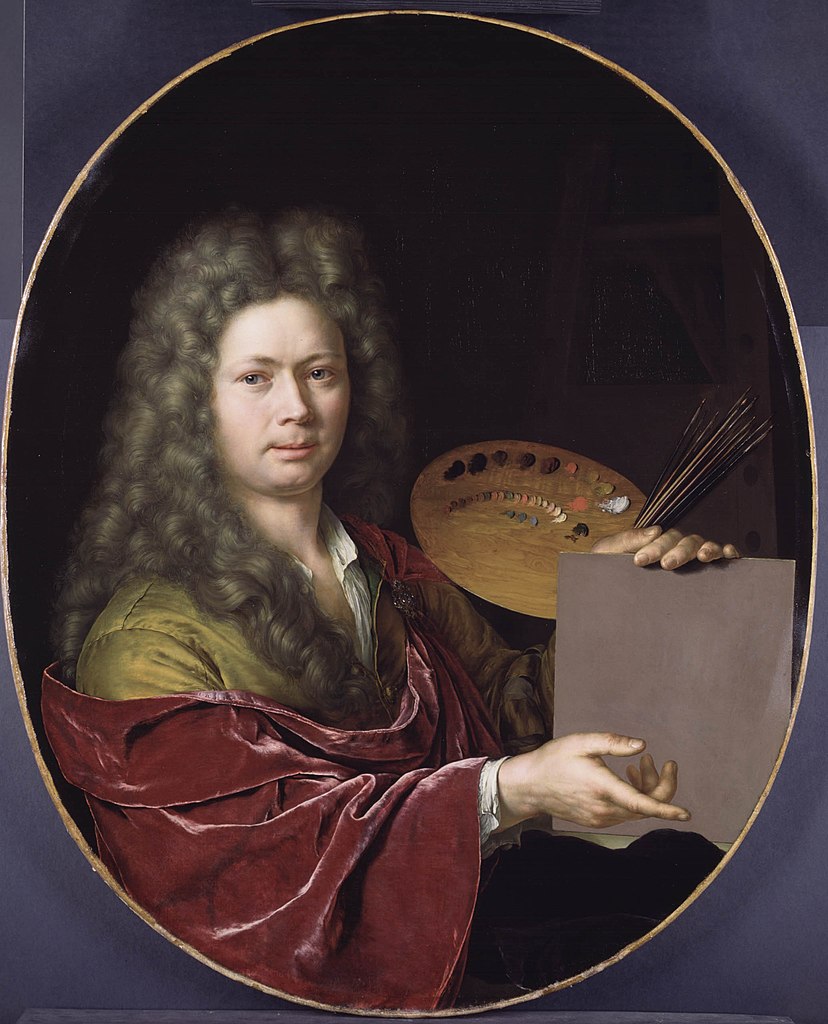
Willem van Mieris is a Dutch portrait painter who painted historical and genre scenes. He worked in the tradition of the Leiden art school founded by Gerard Dou.
Willem van Mieris became a member of Leiden's Guild of Artists of St. Luke's in 1683, after studying at his father's studio. In 1687, 1698, 1704 and 1708, he was the administrator of the Guild, and in 1699 he was elected its president.
In 1694, van Meeris, together with the painters Jacob Toorenvliet and Carel de Moor, founded the Leidse Tekenacademie, which existed in Leiden until 1736. Around this time Willem van Mieris became blind and stopped painting.








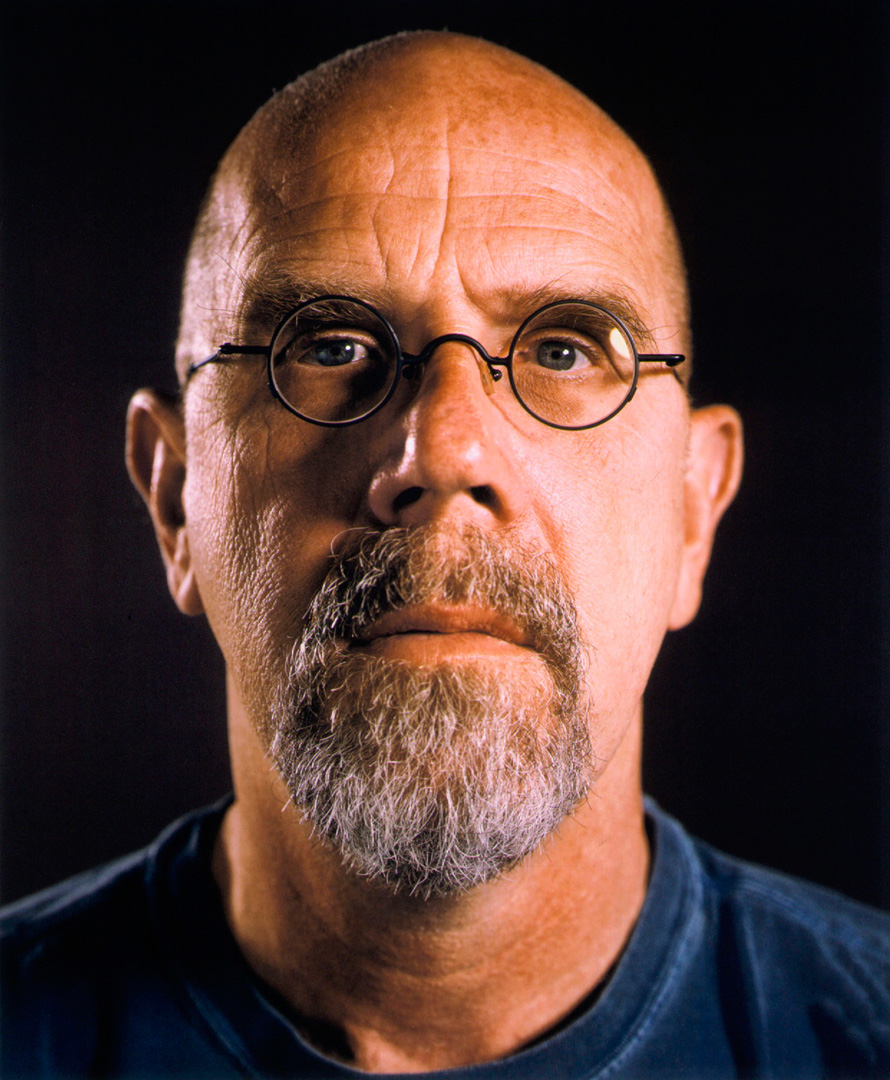
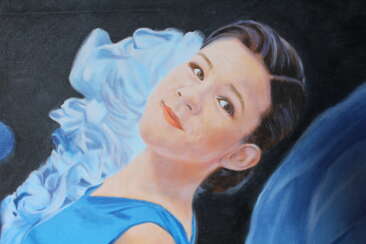
Chuck Close (real name Charles Thomas Close) was an American painter and one of the best-known photorealists in the USA.









Arnulf Rainer is an Austrian artist who painted in the genre of informal abstract art.
From his early works the artist was inspired by the ideas of Surrealism. He also created works of art where he applied paint over photographs and works of other artists.
In the 1950s, Rainer painted a series of blindfold paintings in the technique of Surrealist automatism. In 1978 he received the Austrian Grand National Prize. Rainer has exhibited in New York, London, Vienna, Paris, Berlin and Munich. His works are in the collections of the Albertina, the Pompidou Center, the Stedelijk Museum, the Metropolitan Museum of Art and the Museum of Modern Art.









Horst P. Horst, a German-American fashion photographer, is renowned for his significant contributions to the art and fashion industry. Born in 1906, Horst's career spanned several decades, during which he became famous for his distinct style that skillfully blends elements of surrealism, classicism, and avant-garde artistry. His work, characterized by meticulous preparation and an innovative use of lighting, frequently avoided the use of filters and shadows, focusing instead on the subject with an almost architectural precision.
Horst P. Horst's legacy in fashion photography is underscored by his famous portraits, including the iconic 1942 image of Marlene Dietrich, and his exploration of the high society lifestyle through his collaborations with Vogue editor Diana Vreeland. These projects featured portraits of illustrious figures from the realms of royalty, art, fashion, and high society, such as Andy Warhol, Jacqueline Kennedy Onassis, and Yves Saint Laurent, showcasing Horst's ability to navigate the glamorous and intimate worlds of his subjects.
His work extended beyond portraiture to include interior design photography, as seen in his documentation of notable interiors for magazines like House & Garden and Vogue. Horst's photographs often served as a bridge, introducing the public to the works of contemporary artists and designers through his editorial and commercial assignments.
Throughout his career, Horst received critical acclaim, with major retrospectives of his work being held at prestigious venues such as the International Center of Photography in New York, the Louvre in Paris, and the National Gallery in London. These exhibitions highlighted his contributions to fashion, portraiture, and art photography, cementing his status as one of the most influential photographers of the 20th century.
For those interested in the evolution of fashion photography and the intersection of art and culture, Horst P. Horst's work remains a significant point of study and admiration. Collectors and experts in art and antiques are encouraged to explore his extensive portfolio, which continues to inspire and influence the fields of photography and fashion design.
If you wish to stay informed about upcoming sales and auction events related to Horst P. Horst, consider signing up for updates. This subscription will ensure you're at the forefront of the market for his enduring and captivating works.