rahmen (133















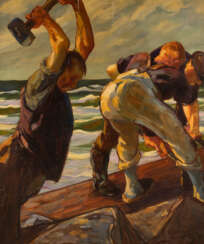
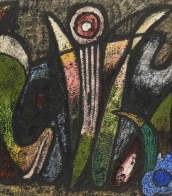
Adolf Hartmann was a German painter. On October 29, 1918, at the age of 18, he began his studies at the Academy of Fine Arts in Munich with Angelo Jank and later continued at the Academy of Fine Arts in Berlin with Gustav Boese. From 1924 Hartmann worked as a freelance artist. His exhibition activity began as early as 1919, when he took part in an exhibition in the Glass Palace in Munich, where he has exhibited regularly ever since. Adolf Hartmann was a professor at the Academy of Fine Arts in Berlin from 1948 to 1962. Hartmann was a member of numerous artist associations, e.g. of the New Group, of which he was also President for a time. Adolf Hartmann was a member of the Munich Secession and the jury-free as well as an honorary member of the Rhenish Secession.













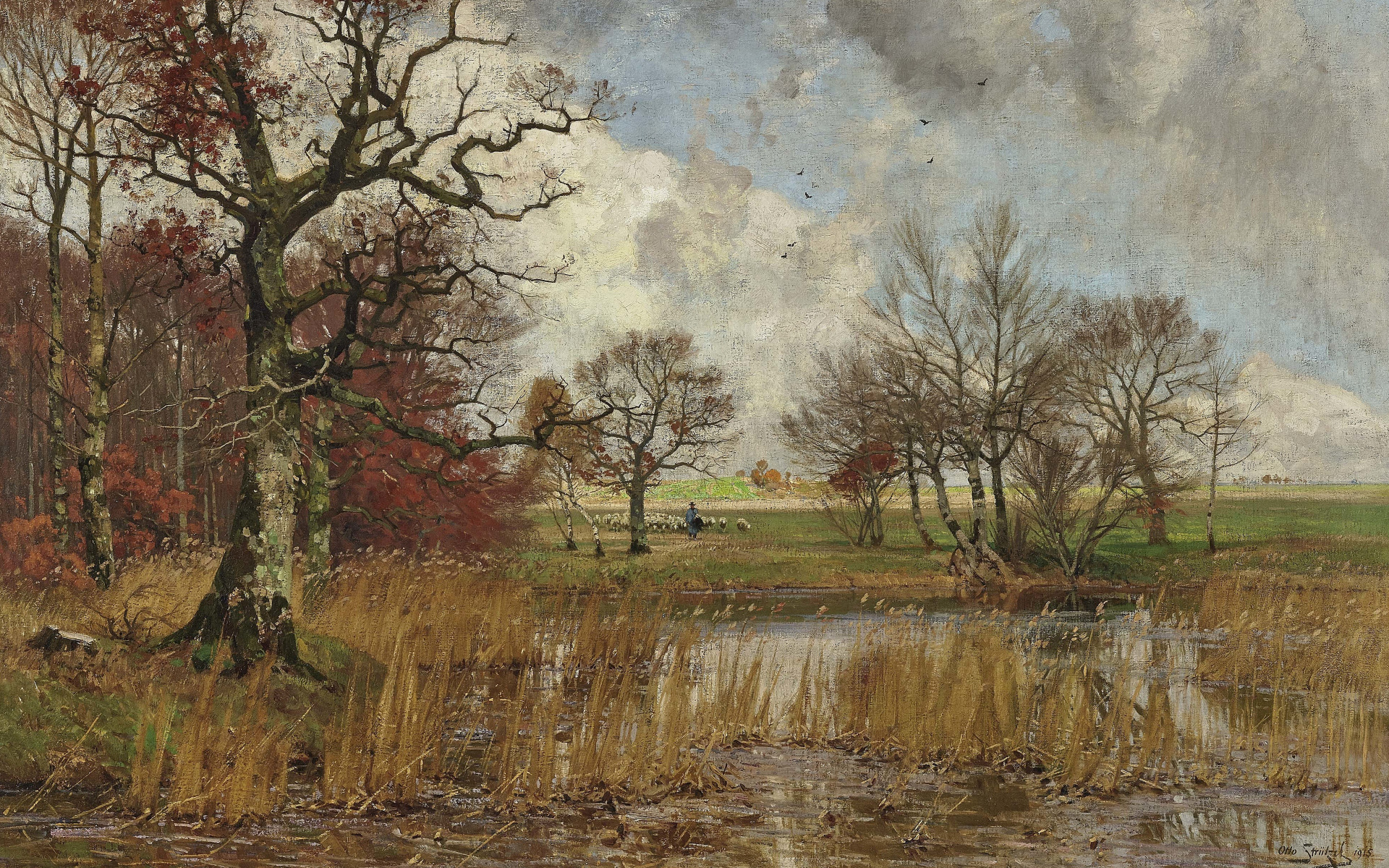
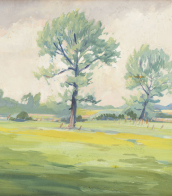
Leopold Otto Strützel was a German artist of the last third of the nineteenth and first third of the twentieth centuries. He is known as a landscape and animal painter, graphic artist and illustrator.
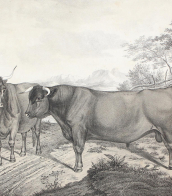
Strützel often depicted horses, bulls, peasants in the fields and shepherds with their flocks in his landscapes around Dachau, on the banks of the Isar River in Munich and elsewhere. He also created templates for greeting cards. Some of his works were lost in a fire in 1931. In total, he created about 773 works.




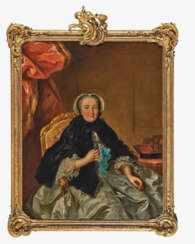

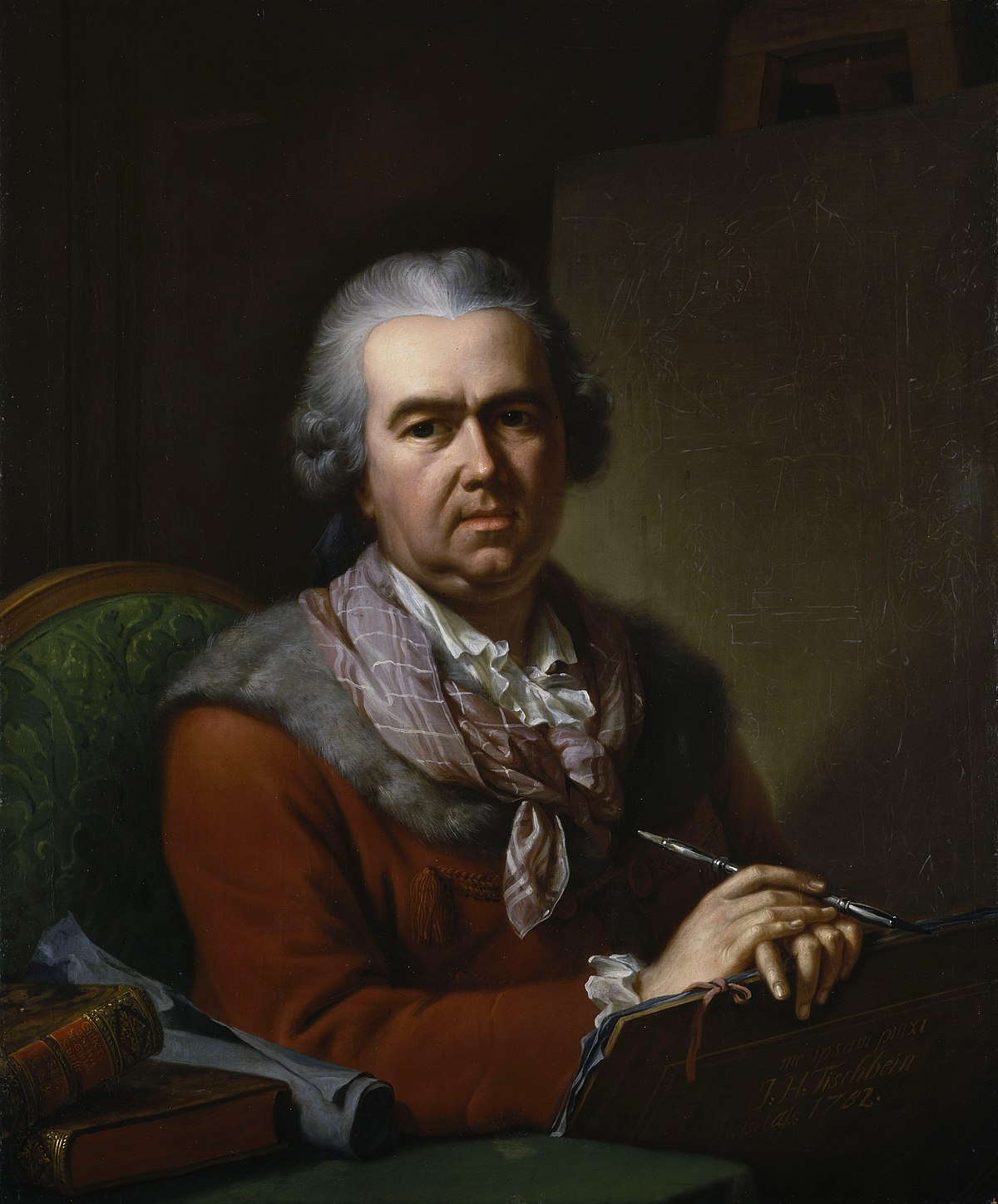
Johann Heinrich Tischbein the Elder, known as the Kasseler Tischbein, was one of the most respected European painters in the 18th century and an important member of the Tischbein family of German painters, which spanned three generations.
His work consisted primarily of portraits of the nobility, mythological scenes, and historical paintings. For his mythology paintings his models were mostly members of the upper nobility.