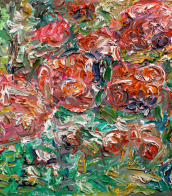
rahmen (33 x 43cm)
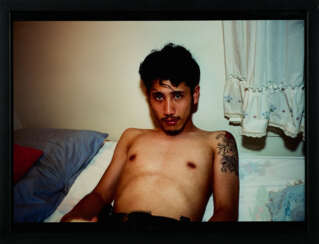

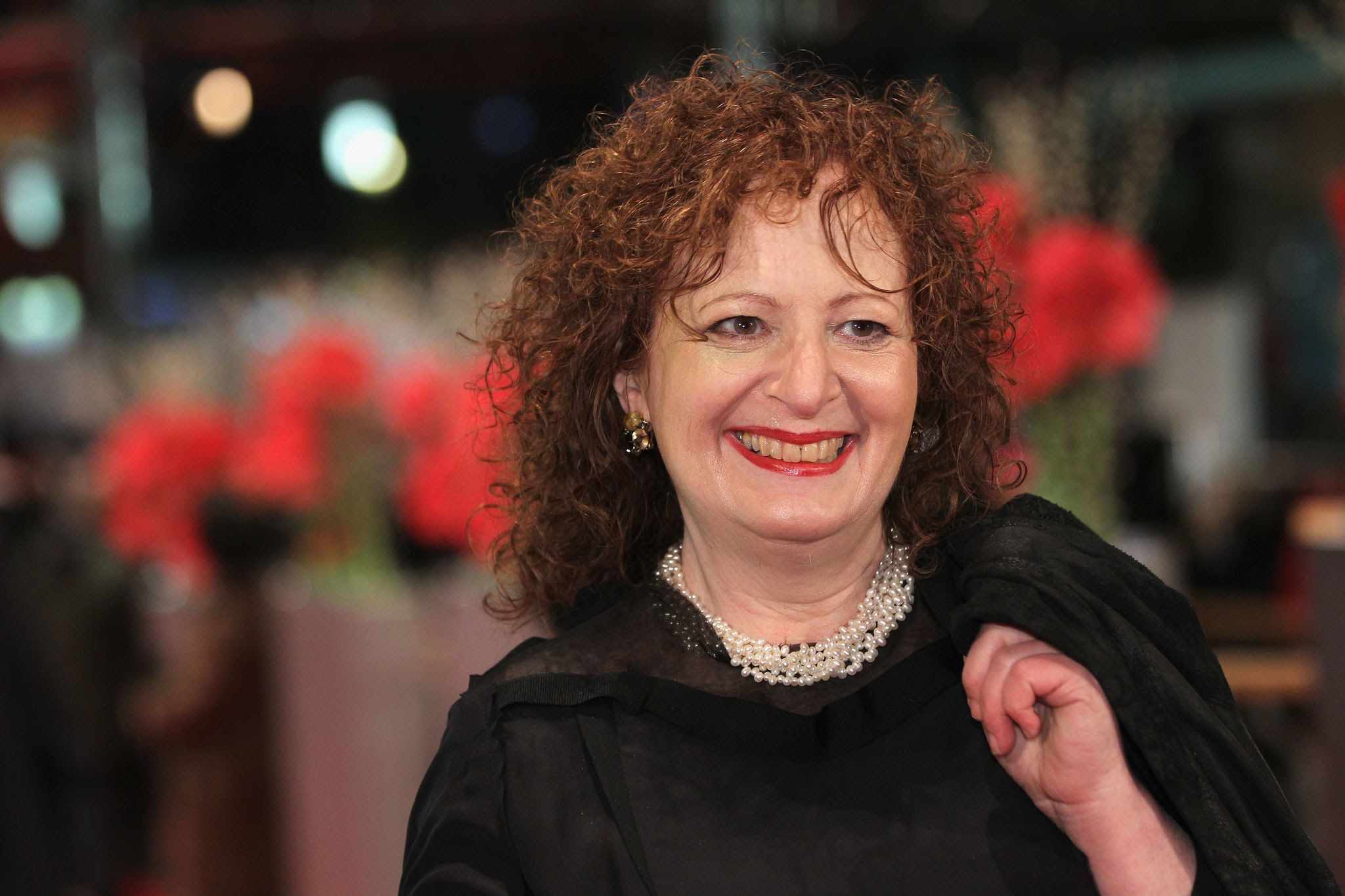
Nan Goldin is an acclaimed American photographer renowned for her profound visual narratives that delve into her personal world, marked by themes of addiction, sexuality, and intimate relationships. Born in Washington, D.C., in 1953, Goldin's journey into photography began in the early 1970s, capturing the lives of those around her, forming a "substitute family" amid a backdrop of drugs, sex, and violence.
One of Goldin's most celebrated works, "The Ballad of Sexual Dependency" (1986), is a raw and intimate portrayal of her "tribe," documenting their lives through the late 70s and early 80s in New York City. This work, initially presented as a slideshow, captures moments of love, sexuality, and domestic life, transcending into a poignant narrative of the era's challenges, particularly the AIDS crisis.
Throughout her career, Goldin's photography has continued to evolve, exploring various themes and mediums, including film. Her work, deeply personal and often autobiographical, challenges conventional perceptions of beauty, identity, and relationships, offering a window into the complexities of human connection and the essence of her subjects.
Goldin's influence extends beyond the art world, with her activism, particularly against the opioid crisis, marking another significant chapter in her journey. Her profound empathy and commitment to portraying the raw, unfiltered realities of life resonate through her extensive body of work, which continues to be celebrated in exhibitions and collections globally.
For art collectors and enthusiasts, Goldin's work offers not just aesthetic value but also deep emotional and historical resonance. To stay informed about Nan Goldin's works and related updates, signing up for newsletters from prominent galleries or her exhibitions could provide valuable insights and opportunities for engagement with her art.
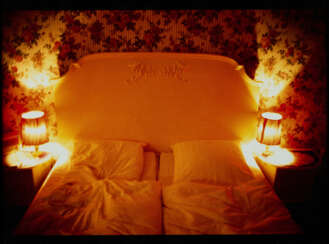

Nan Goldin is an acclaimed American photographer renowned for her profound visual narratives that delve into her personal world, marked by themes of addiction, sexuality, and intimate relationships. Born in Washington, D.C., in 1953, Goldin's journey into photography began in the early 1970s, capturing the lives of those around her, forming a "substitute family" amid a backdrop of drugs, sex, and violence.
One of Goldin's most celebrated works, "The Ballad of Sexual Dependency" (1986), is a raw and intimate portrayal of her "tribe," documenting their lives through the late 70s and early 80s in New York City. This work, initially presented as a slideshow, captures moments of love, sexuality, and domestic life, transcending into a poignant narrative of the era's challenges, particularly the AIDS crisis.
Throughout her career, Goldin's photography has continued to evolve, exploring various themes and mediums, including film. Her work, deeply personal and often autobiographical, challenges conventional perceptions of beauty, identity, and relationships, offering a window into the complexities of human connection and the essence of her subjects.
Goldin's influence extends beyond the art world, with her activism, particularly against the opioid crisis, marking another significant chapter in her journey. Her profound empathy and commitment to portraying the raw, unfiltered realities of life resonate through her extensive body of work, which continues to be celebrated in exhibitions and collections globally.
For art collectors and enthusiasts, Goldin's work offers not just aesthetic value but also deep emotional and historical resonance. To stay informed about Nan Goldin's works and related updates, signing up for newsletters from prominent galleries or her exhibitions could provide valuable insights and opportunities for engagement with her art.
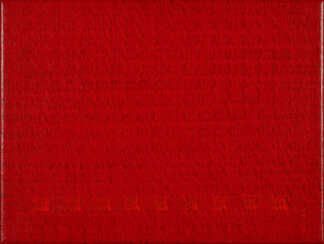

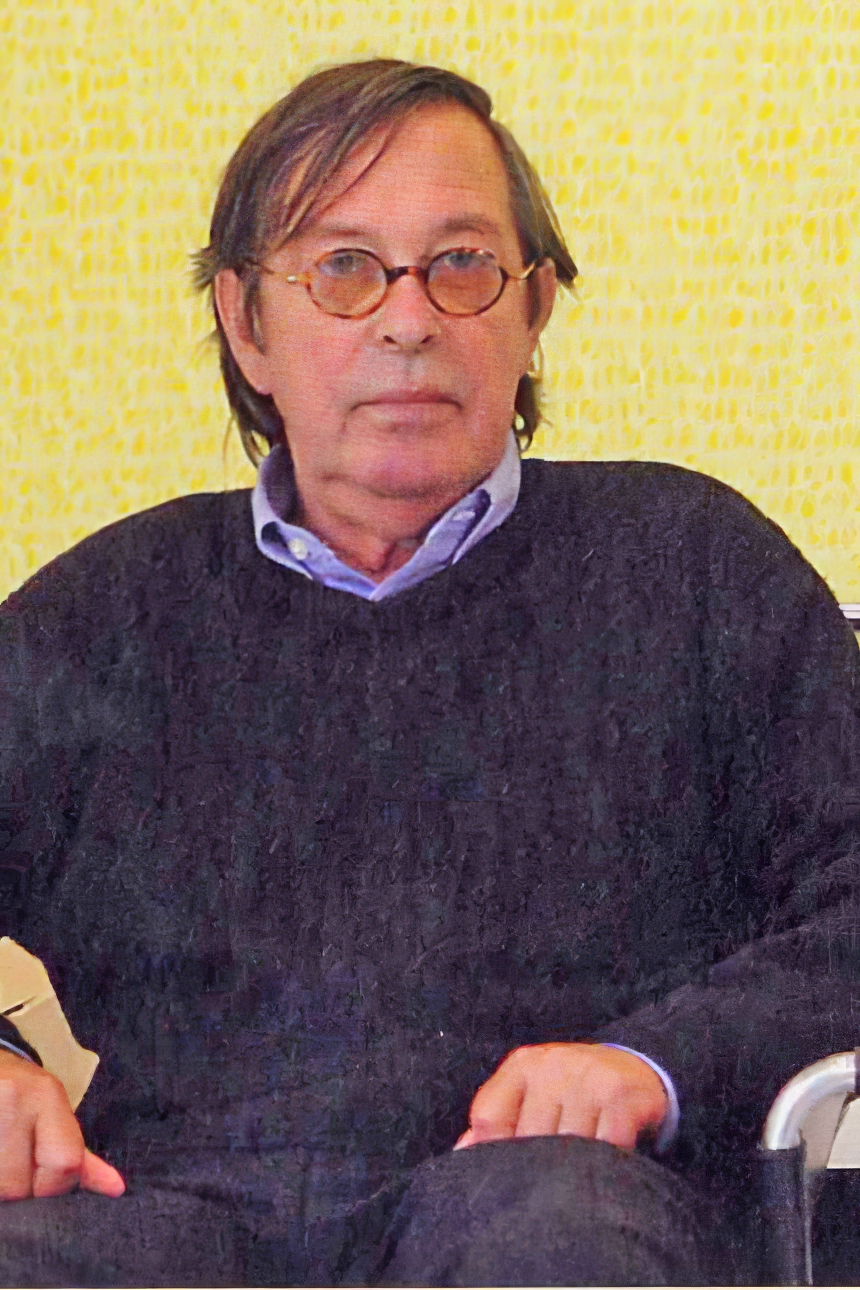
Rolf-Gunter Dienst was a German painter, art critic, book author and publicist.
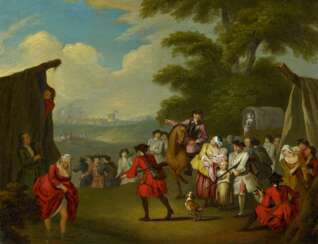

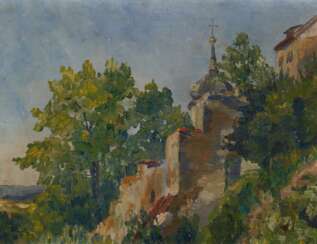

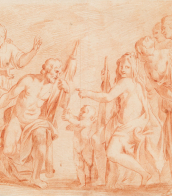


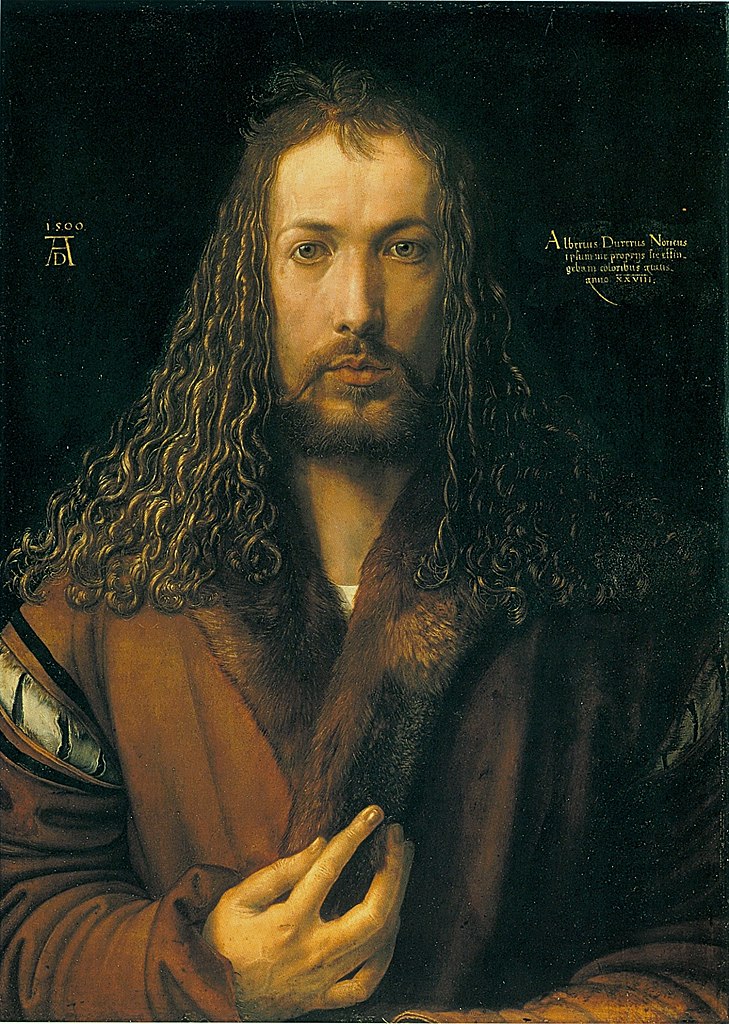
Albrecht Dürer, born on May 21, 1471 in Nuremberg, Germany, is widely regarded as the greatest German Renaissance painter. His contribution to painting and engraving is quite significant and has left a notable mark on the art world. Dürer's early life was spent in Nuremberg, a city that played a crucial role in his development as an artist and was also the site of his death on April 6, 1528. He was the son of the goldsmith Albrecht Dürer the Elder, from whom he initially learned the basics of drawing and metalworking.
Dürer's work is characterized by a combination of Gothic elements with the emerging Renaissance style, which is evident in his woodcuts and engravings. His oeuvre encompasses many themes, including religious works, altarpieces, portraits, and self-portraits. His outstanding prints, such as The Knight, Death and the Devil (1513), St. Jerome in his Study (1514) and Melencolia I (1514), are known for their intricate detail and artistic skill. Dürer was also one of the earliest European landscape painters, as evidenced by his watercolor paintings.
Equally significant are his theoretical writings on mathematics, perspective, and ideal proportions in art. Dürer was not only an artist but also a keen intellectual, his interests encompassing various aspects of culture and science. He served as court painter to Holy Roman Emperors Maximilian I and Charles V, completing several significant art projects for them. Dürer's keen mind and versatile interests brought him into contact with the most prominent figures of his time, including theologians and scientists of the Reformation era.
Dürer's self-portraits are particularly famous, demonstrating not only his artistic skill but also his self-awareness and personal style. These portraits attest to his growing success and confidence as an artist. Dürer's legacy is immense; he influenced not only the art of his time, but also left an indelible mark on the history of European art.
For those interested in the work and legacy of Albrecht Dürer, we recommend subscribing to our updates. Our subscription service is designed to provide information about new sales and auction events related to this remarkable artist. Join us to keep up to date on the latest art and antiques related to Albrecht Dürer.



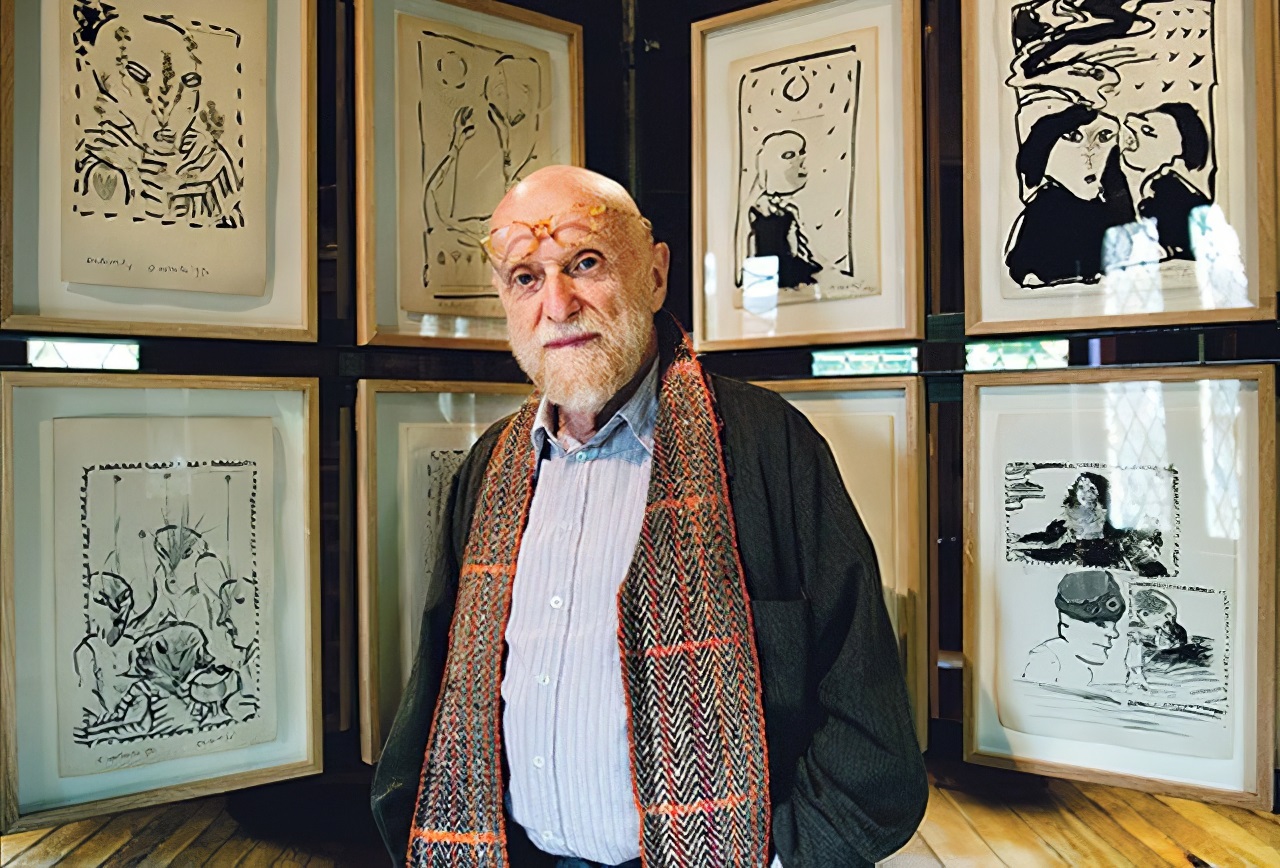
Pierre Alechinsky is a Belgian artist. He has lived and worked in France since 1951. His work is related to tachisme, abstract expressionism, and lyrical abstraction.