realize ad
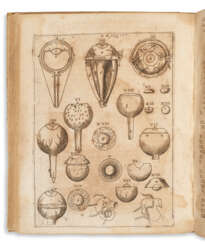

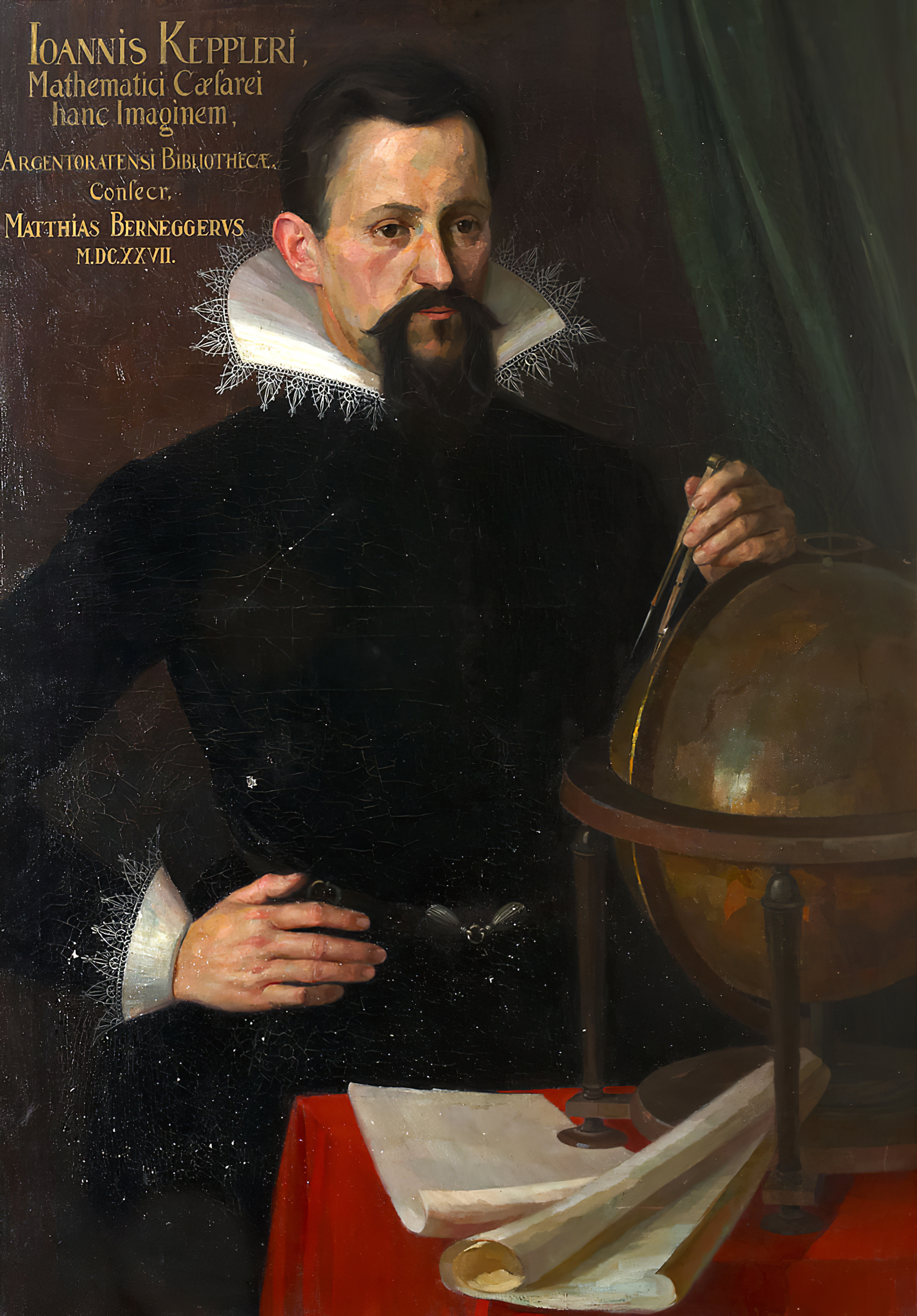
Johannes Kepler was a German mathematician and astronomer who discovered that the Earth and planets move around the Sun in elliptical orbits.
Kepler created the three fundamental laws of planetary motion. He also did seminal work in optics and geometry, calculated the most accurate astronomical tables, and made many inventions and discoveries in physics on which further scientific discoveries by advanced scientists were based.



Johannes Kepler was a German mathematician and astronomer who discovered that the Earth and planets move around the Sun in elliptical orbits.
Kepler created the three fundamental laws of planetary motion. He also did seminal work in optics and geometry, calculated the most accurate astronomical tables, and made many inventions and discoveries in physics on which further scientific discoveries by advanced scientists were based.


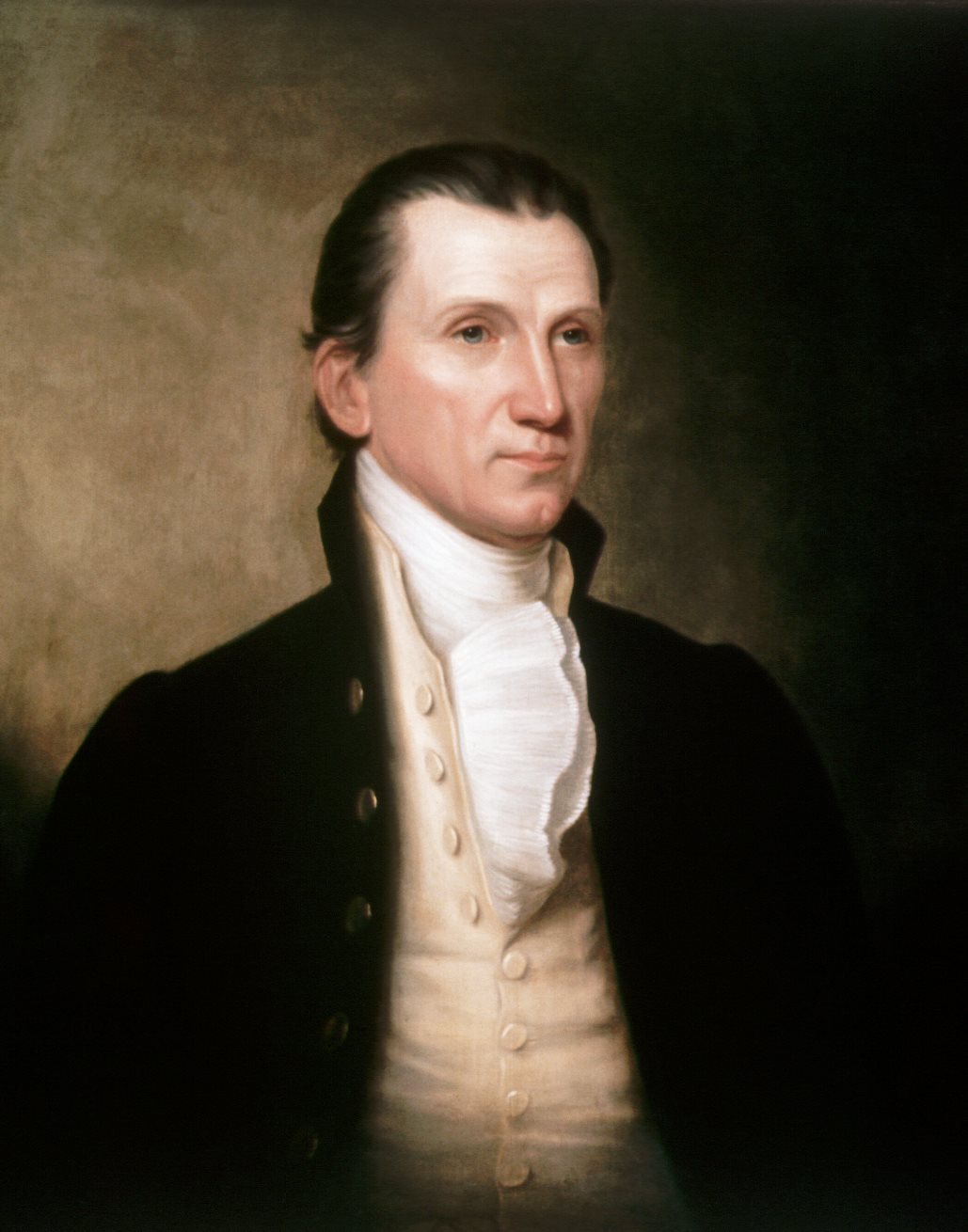




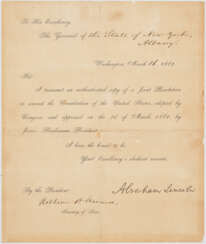

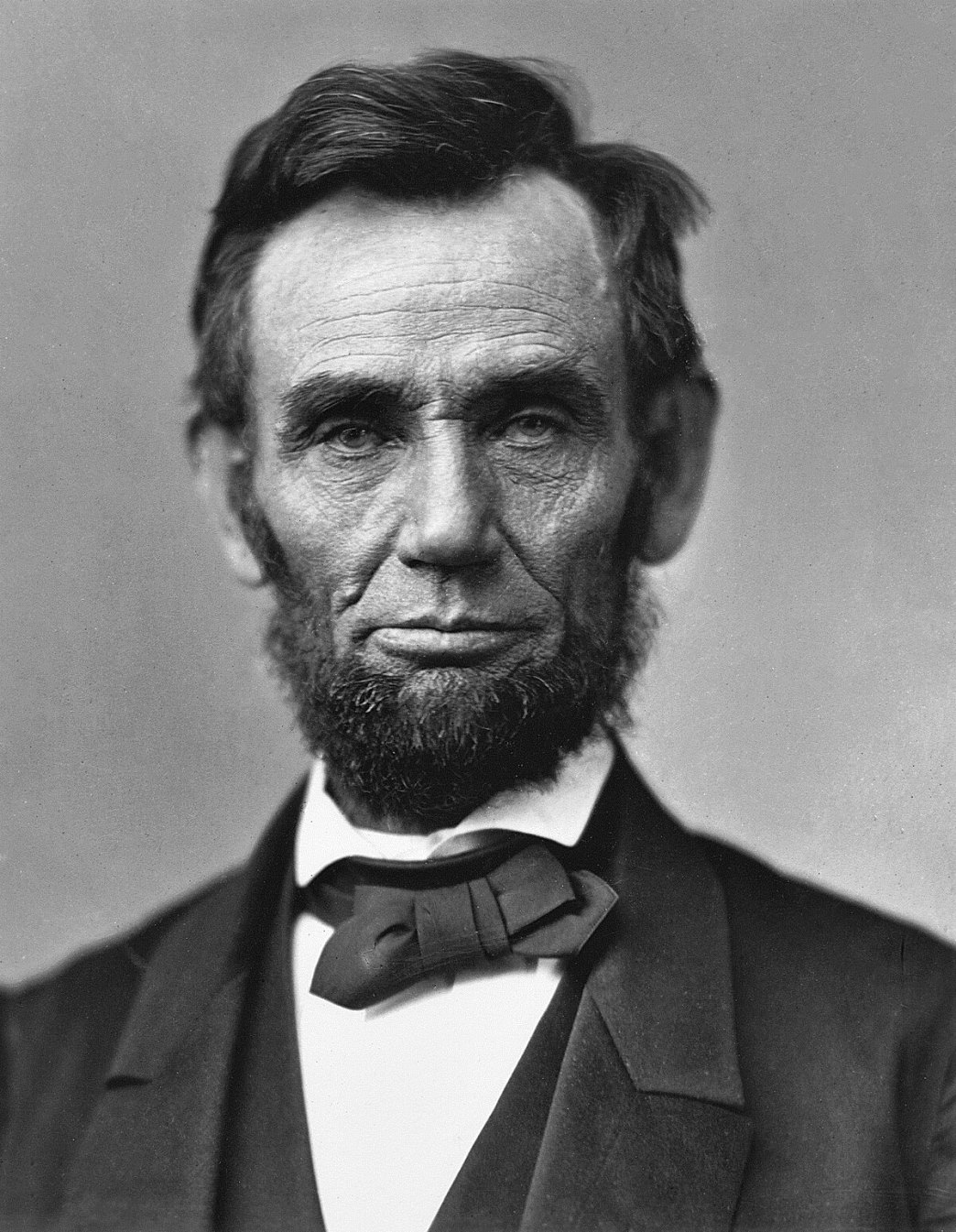
Abraham Lincoln was an American statesman and politician, the 16th President of the United States (March 4, 1861 - April 15, 1865).
The son of a frontiersman and a Kentucky farmer, Lincoln worked hard from an early age and struggled to learn. He was a militiaman in the Indian War, practiced law, and sat in the Illinois legislature for eight years. He was an opponent of slavery and gradually gained a national reputation that earned him victory in the 1860 presidential election.
After becoming the 16th president of the United States, Abraham Lincoln turned the Republican Party into a strong national organization. In addition, he drew most Northern Democrats to the Union side. On January 1, 1863, he issued the Emancipation Proclamation, which declared permanently free those slaves who were in Confederate territory. Lincoln considered secession illegal and was prepared to use force to defend federal law and the Union. Four more slave states joined the Confederacy, but four remained in the Union, and the Civil War of 1861-1865 began.
Lincoln personally directed the military action that led to victory over the Confederacy. Abraham Lincoln was reelected in 1864, and on April 14, 1865, he was fatally shot at Ford's Theatre in Washington, D.C. by actor John Wilkes Booth.
Abraham Lincoln is a national hero of the American people, he is considered one of the best and most famous presidents of the United States until today.



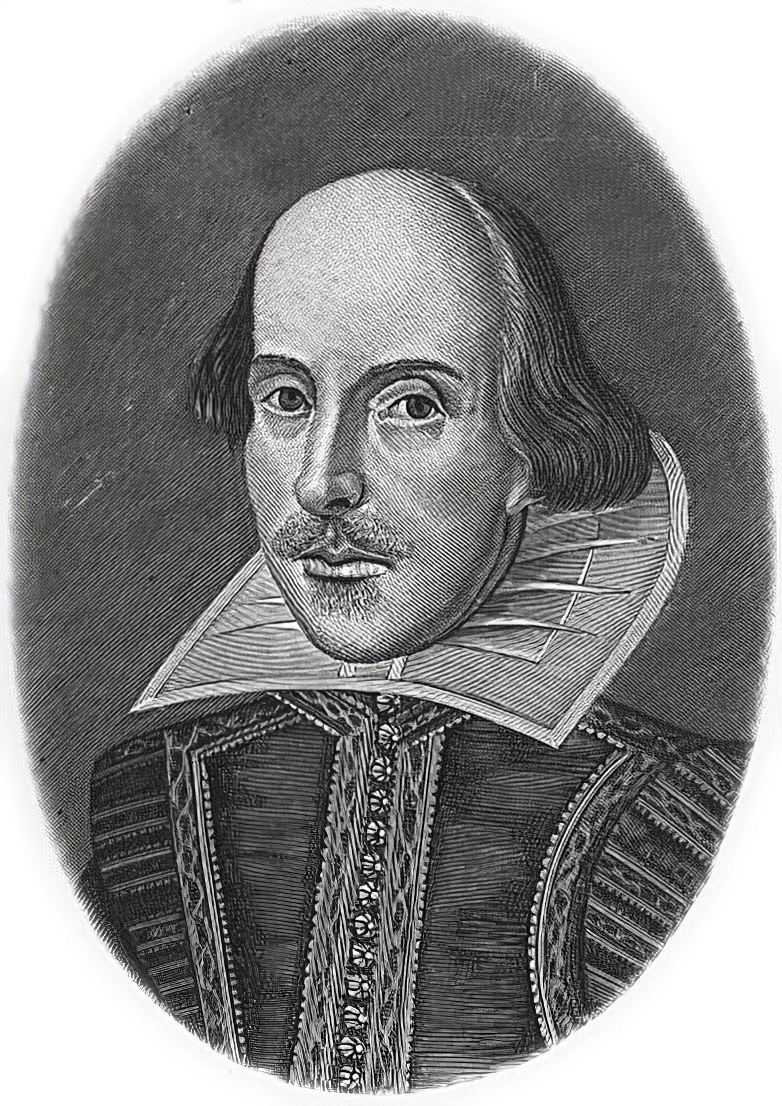
William Shakespeare was a British poet and playwright and writer.
William's father, John Shakespeare, was a merchant and official in Stratford. There are reports that he was a sailor for a time before joining a theater company in London. Beginning in the 1590s, Shakespeare began writing plays, and in 1593 he published a poem, Venus and Adonis, which became popular. He dedicated it to the Duke of Southampton, who was a philanthropist and patron of talent, and soon his business was booming.
From 1592 to 1600 Shakespeare wrote his dramas and romantic comedies "Richard III", "The Taming of the Shrew", "Romeo and Juliet", "A Midsummer Night's Dream" and "The Merchant of Venice", as well as the comedies "Much Ado About Nothing", "Twelfth Night" and the tragedy "Julius Caesar". The playwright's business was so successful that he even bought a large house in Stratford. In 1599, Shakespeare became one of the owners, playwright and actor of the new theater "Globe". In 1603 King James took Shakespeare's troupe under his direct patronage. In the mature period, the great playwright turned to tragedies, there were "Hamlet", "Othello", "King Lear", "Macbeth" and others.
Although in the 19th century researchers had some doubts about the authorship of many of these works, William Shakespeare is considered the greatest English playwright, one of the best playwrights in the world. His plays have been translated into all major languages and to this day form the basis of the world theatrical repertoire, most of them have been screened many times. According to the Guinness Book of Records, Shakespeare remains the world's best-selling playwright, and his plays and poems have sold more than 4 billion copies in the nearly 400 years since his death.




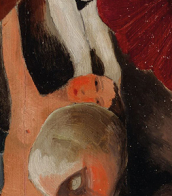
Danielle Orchard is a contemporary American artist living and working in Brooklyn, New York.





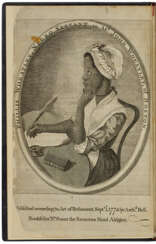

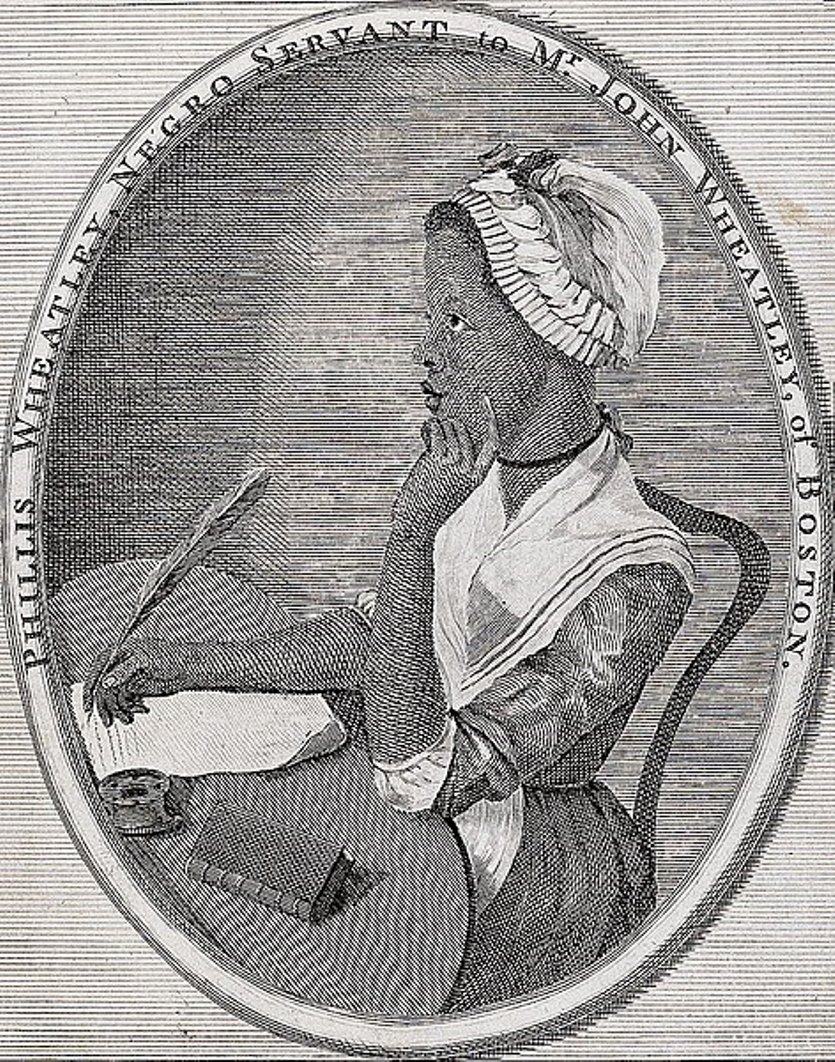
Phillis Wheatley or Phillis Wheatley Peters was an American poet born in Africa.
A native of West Africa, Phillis Wheatley was kidnapped as a young child and sold as a slave in 1761 to John and Susanna Wheatley in Boston. They chose the name Phyllis for her in honor of the ship on which the girl traveled the Middle Passage. The Wheatley family quickly recognized her intellectual abilities and encouraged her study of the classics. Phyllis began writing poems and verses, and some were even published when she was only 14 years old.
However, the 18th-century public had great difficulty accepting a black slave girl as a writer. In May 1773, Wheatley traveled to London with her master's son. There her first book, Poems on Miscellaneous Subjects, Religious and Moral, was published. Wheatley's literary talent and personal qualities contributed to her great social success in London. In the fall of 1773, Phyllis returned to the United States and Wheatley was granted her freedom. She married, but lived only 31 years.
Wheatley's most famous poem today, "On Being Brought from Africa to America" (1768), directly addresses the theme of slavery.

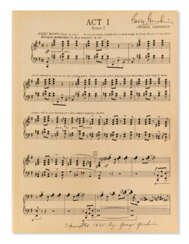

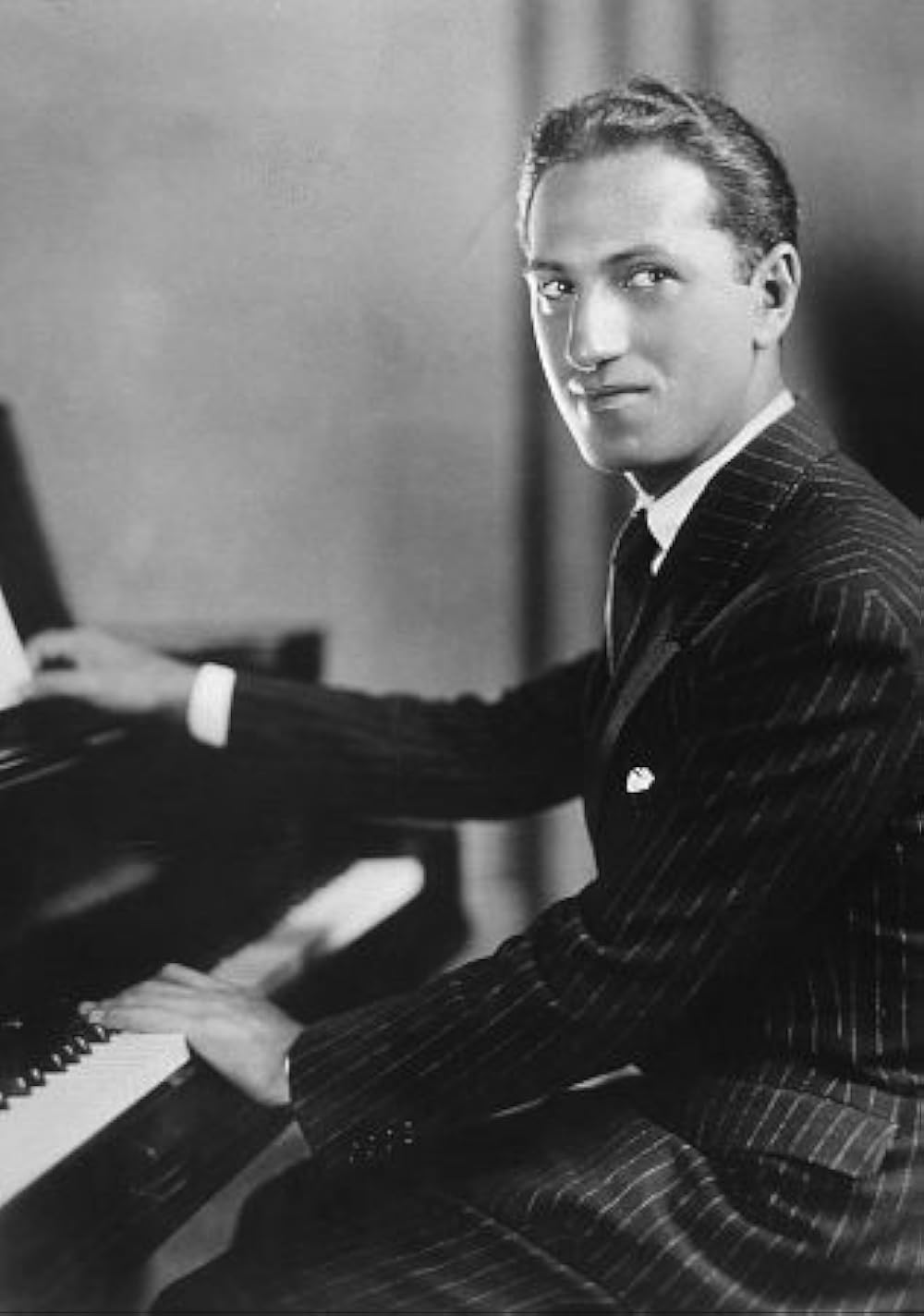
George Gershwin, born Jacob Gershwin, is an American composer and pianist.
George's parents emigrated from Russia to the United States in 1891, and he was about 12 years old at the piano, becoming virtually self-taught. Gershwin published his first song in 1916, but it was Swanee, written by a 20-year-old Gershwin in 1918, that made him famous. The income he received for it allowed Gershwin to concentrate on musical theater. In the 1920s, however, George, along with his older brother Ira, were major songwriters and hit songwriters on Broadway. The lyrics for all of Gershwin's films were written by Ira Gershwin, as were the lyrics for most of his musicals, although early in his career Gershwin worked with other lyric writers, including Irving Caesar and Buddy De Silva.
The Gershwin brothers' first Broadway hit was the song Lady Be Good in 1924. In his songs, Broadway shows, and movie scores, composer George Gershwin achieved unprecedented success with his masterful mastery of jazz, classical, and popular music styles. These include "Rhapsody in Blue" in 1924, "Concerto in F" in 1925, "An American in Paris" in 1928, and "Second Rhapsody" in 1931. Between 1919 and 1935. Gershwin wrote music for 31 musicals, one of which - Of Thee I Sing - in 1932 became the first musical to win the Pulitzer Prize for Dramaturgy. Gershwin's songs have also been used in numerous films and award-winning musicals over the years.
The opera Porgy and Bess, co-written with Dubose, Dorothy Hayward, and Ira Gershwin, was the Gershwin brothers' most ambitious project, combining memorable songs with drama. It was first performed in Boston in 1935 and was made into a movie in 1959.
In 1937, at the age of only 39, the brilliant composer died of a brain tumor. George Gershwin was at the height of his career, leaving a significant and lasting mark on the world of classical music. Today, his orchestral works are performed by most of the world's prestigious symphony orchestras. Ira Gershwin, who was two years older, lived 46 years after George's death.


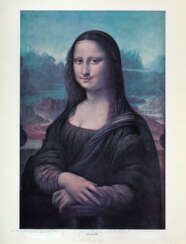

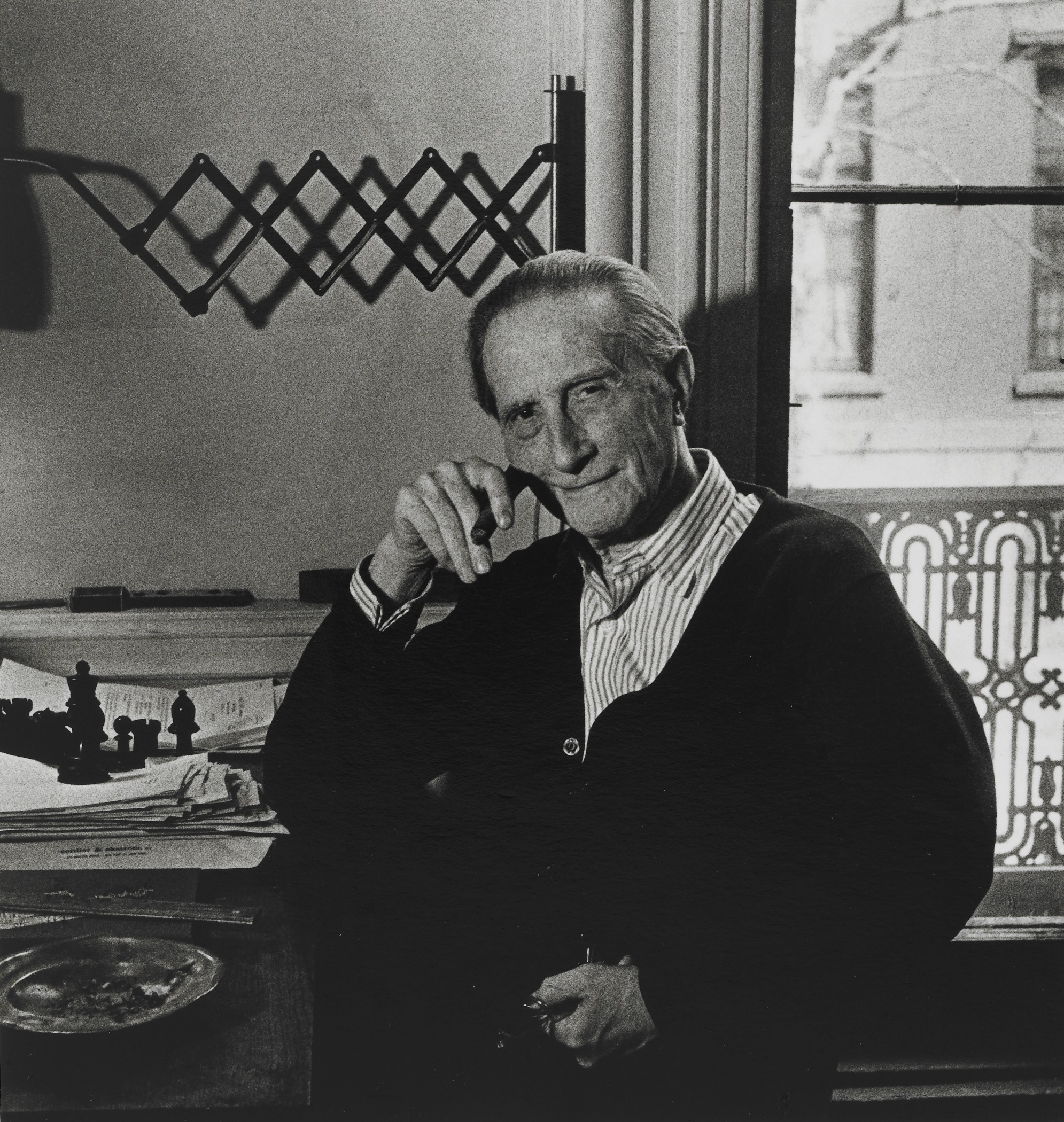
Henri-Robert-Marcel Duchamp, a pioneering French artist, is celebrated for his profound influence on 20th-century art and culture. Duchamp's work transcended traditional mediums, embracing painting, sculpture, and conceptual art, thereby redefining the very nature of artistic creation. His audacious approach to art, marked by intellectualism and wit, challenged conventional perceptions of beauty and utility, making him a central figure in the development of modern and postmodern art.
Duchamp's most notable contributions include his ready-mades—ordinary manufactured objects that he selected and presented as art. This innovative concept questioned the role of the artist and the creation process, exemplified by his famous piece, "Fountain," a porcelain urinal that radically altered the landscape of art by its mere presentation in 1917. His other significant works, like "Nude Descending a Staircase, No. 2," showcased his fascination with movement and mechanization, further cementing his legacy as a visionary.
Duchamp's influence extends beyond his creations, as he played a vital role in shaping the Dada movement and conceptual art. His ideas and artworks continue to inspire artists, collectors, and experts in the fields of art and antiques. Museums and galleries worldwide, including the Philadelphia Museum of Art and the Museum of Modern Art in New York, proudly house his works, attesting to his enduring relevance.
For those keen on exploring the intersections of art, culture, and history, Duchamp offers a rich tapestry of innovation and controversy. Collectors and art enthusiasts are invited to sign up for updates on new product sales and auction events related to Henri-Robert-Marcel Duchamp, ensuring they remain at the forefront of developments in this captivating domain.