

red top













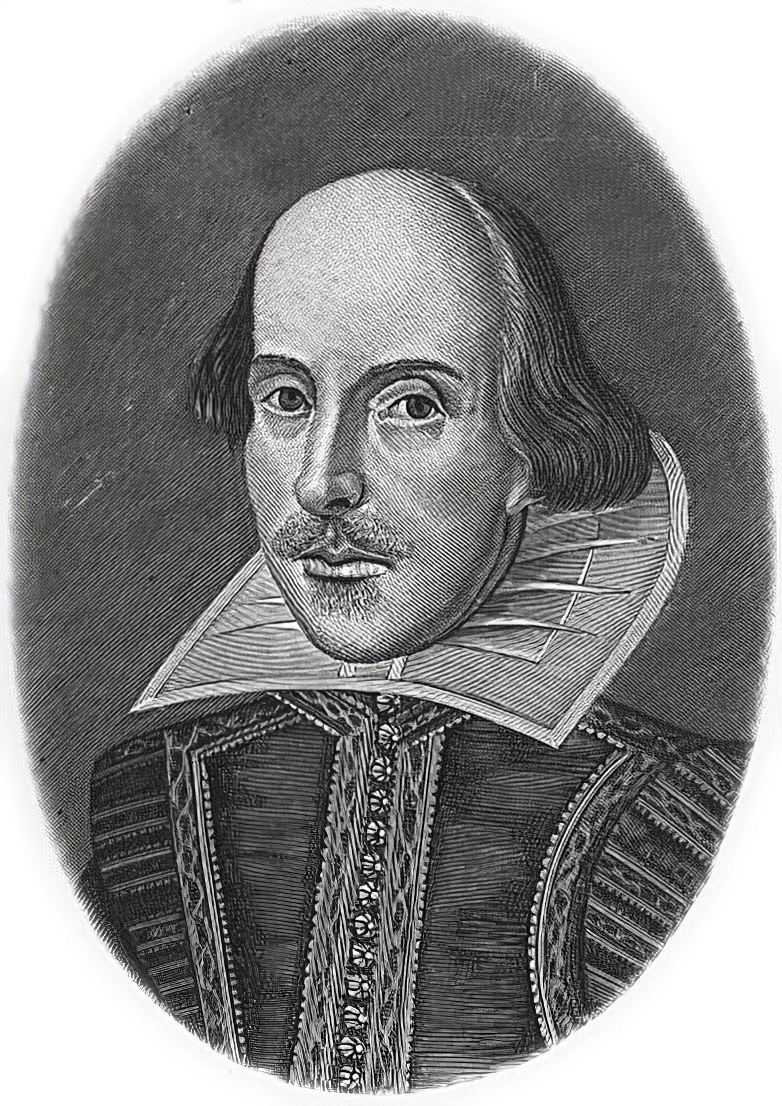
William Shakespeare was a British poet and playwright and writer.
William's father, John Shakespeare, was a merchant and official in Stratford. There are reports that he was a sailor for a time before joining a theater company in London. Beginning in the 1590s, Shakespeare began writing plays, and in 1593 he published a poem, Venus and Adonis, which became popular. He dedicated it to the Duke of Southampton, who was a philanthropist and patron of talent, and soon his business was booming.
From 1592 to 1600 Shakespeare wrote his dramas and romantic comedies "Richard III", "The Taming of the Shrew", "Romeo and Juliet", "A Midsummer Night's Dream" and "The Merchant of Venice", as well as the comedies "Much Ado About Nothing", "Twelfth Night" and the tragedy "Julius Caesar". The playwright's business was so successful that he even bought a large house in Stratford. In 1599, Shakespeare became one of the owners, playwright and actor of the new theater "Globe". In 1603 King James took Shakespeare's troupe under his direct patronage. In the mature period, the great playwright turned to tragedies, there were "Hamlet", "Othello", "King Lear", "Macbeth" and others.
Although in the 19th century researchers had some doubts about the authorship of many of these works, William Shakespeare is considered the greatest English playwright, one of the best playwrights in the world. His plays have been translated into all major languages and to this day form the basis of the world theatrical repertoire, most of them have been screened many times. According to the Guinness Book of Records, Shakespeare remains the world's best-selling playwright, and his plays and poems have sold more than 4 billion copies in the nearly 400 years since his death.



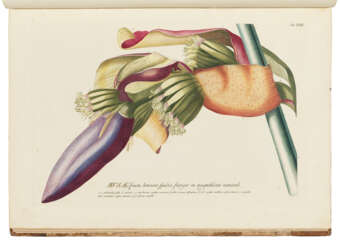

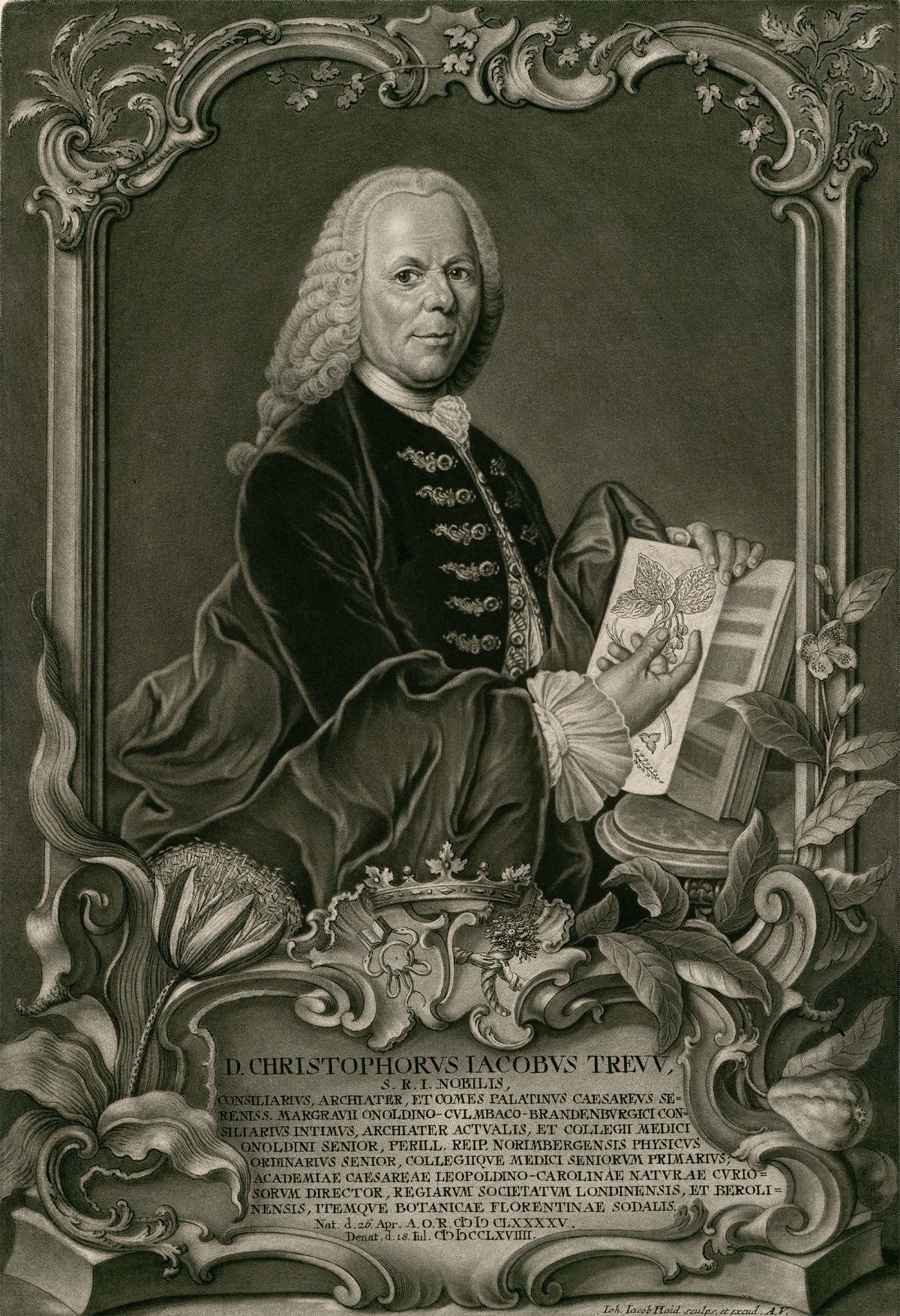
Christoph Jacob Trew was a German botanist.
He was originally a city solicitor, court physician, Count Palatine of the Holy Roman Empire, an advisor to the Margrave of Brandenburg-Ansbach. He also had an academic passion for botany. He was a member of the Royal Society of London, the Berlin Academy, and the Florentine Botanical Society. His interest in botany then led him to sponsor the publication of illustrated botanical books.


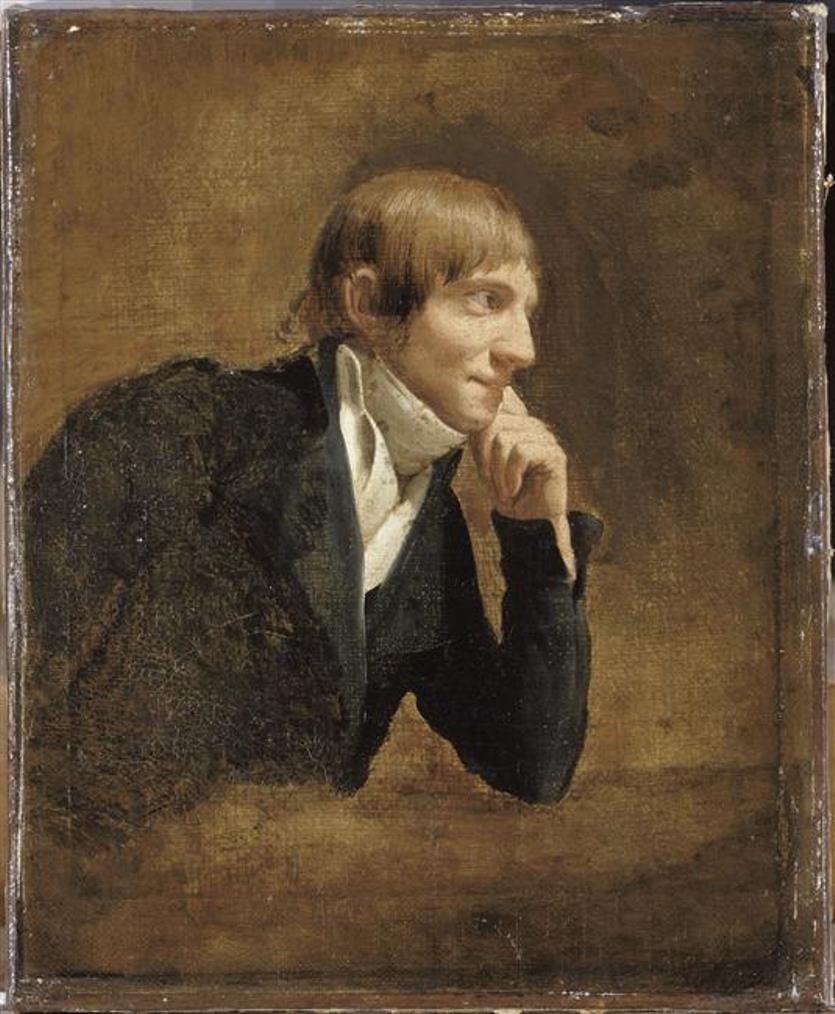
Pierre-Joseph Redouté was a French artist and botanist of Belgian origin, a royal painter and lithographer.
Redouté traveled extensively from his youth and carefully studied the pictorial art of various masters, but his main interest eventually became botanical illustration. He gained access to the Botanical Gardens in Paris and the botanical library. Over time, the talented Redouté became a very popular and successful painter of flowers and plants, publishing more and more albums.
In the 1790s, Redouté was internationally recognized as one of the most popular floral artists in the world. His depictions of plants are still as fresh as if they had just been painted. His album of watercolor illustrations, The Lilies, is one of the most expensive printed books in history.
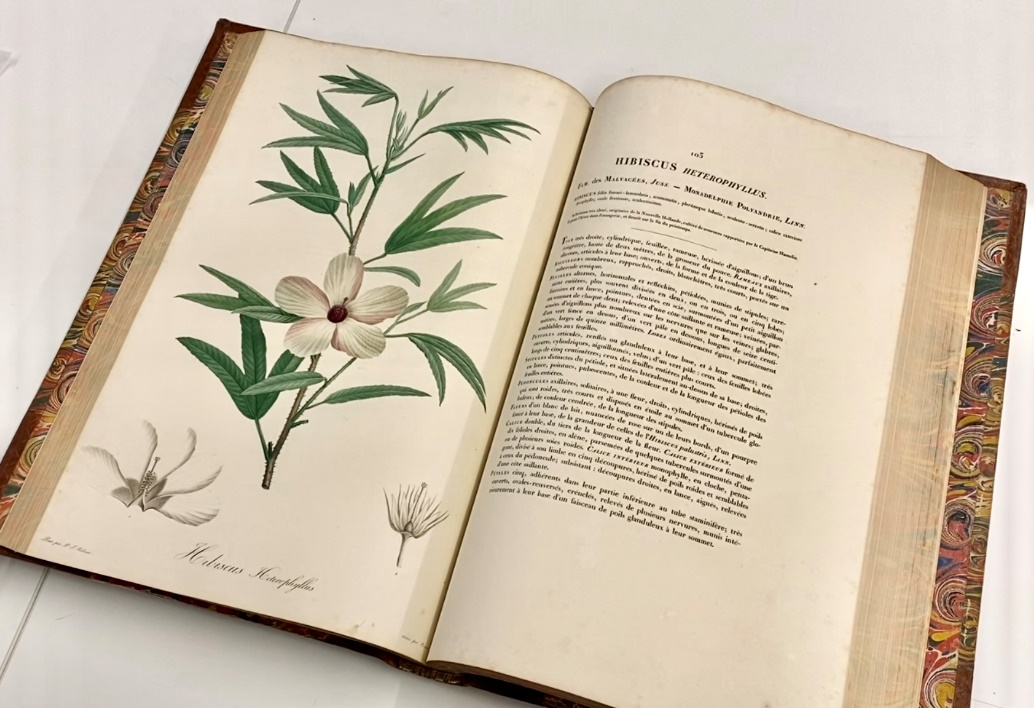
Etienne-Pierre Ventenat was a French botanist, mycologist and writer.
Etienne-Pierre Ventenat was one of the greatest botanists in France. Empress Josephine Bonaparte hired him to describe and catalog rare plants at her castle of Malmaison. Josephine enlisted eminent botanists such as Claes and Blaikie to collect plants on a grand scale. Ventenat was commissioned to write the text of the work on the Malmaison collection, and the illustrations were created by the talented artist Pierre-Joseph Redoute, nicknamed the "Raphael of Flowers." As a result, a sumptuous book entitled Jardin de la Malmaison (The Garden of Malmaison) was published in 1803.
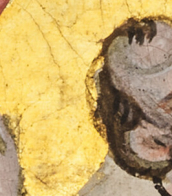




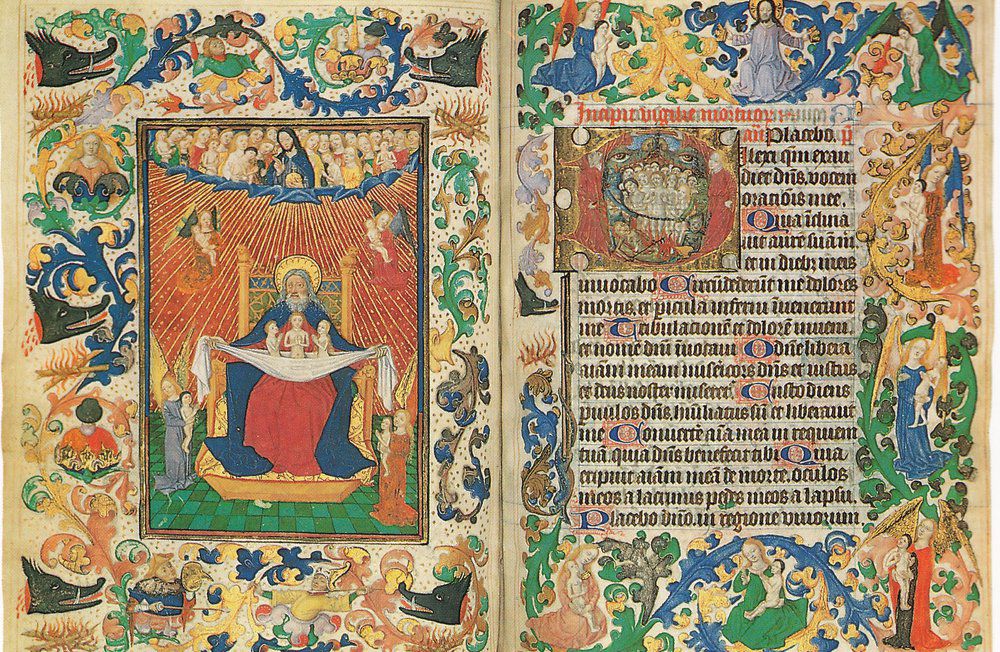
Master Gijsbrecht van Brederode was a Northern Dutch book illuminator who worked in Utrecht in the 3rd quarter of the 15th century.
The artist got his name from the book of hours, which he illuminated for Gijsbrecht van Brederode, dean of Utrecht Cathedral (died in 1475). It is known that between 1465 and 1470 this master created almost all the miniatures in this manuscript.
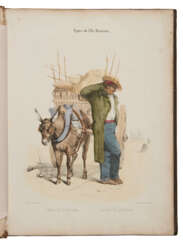

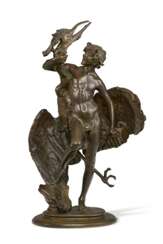

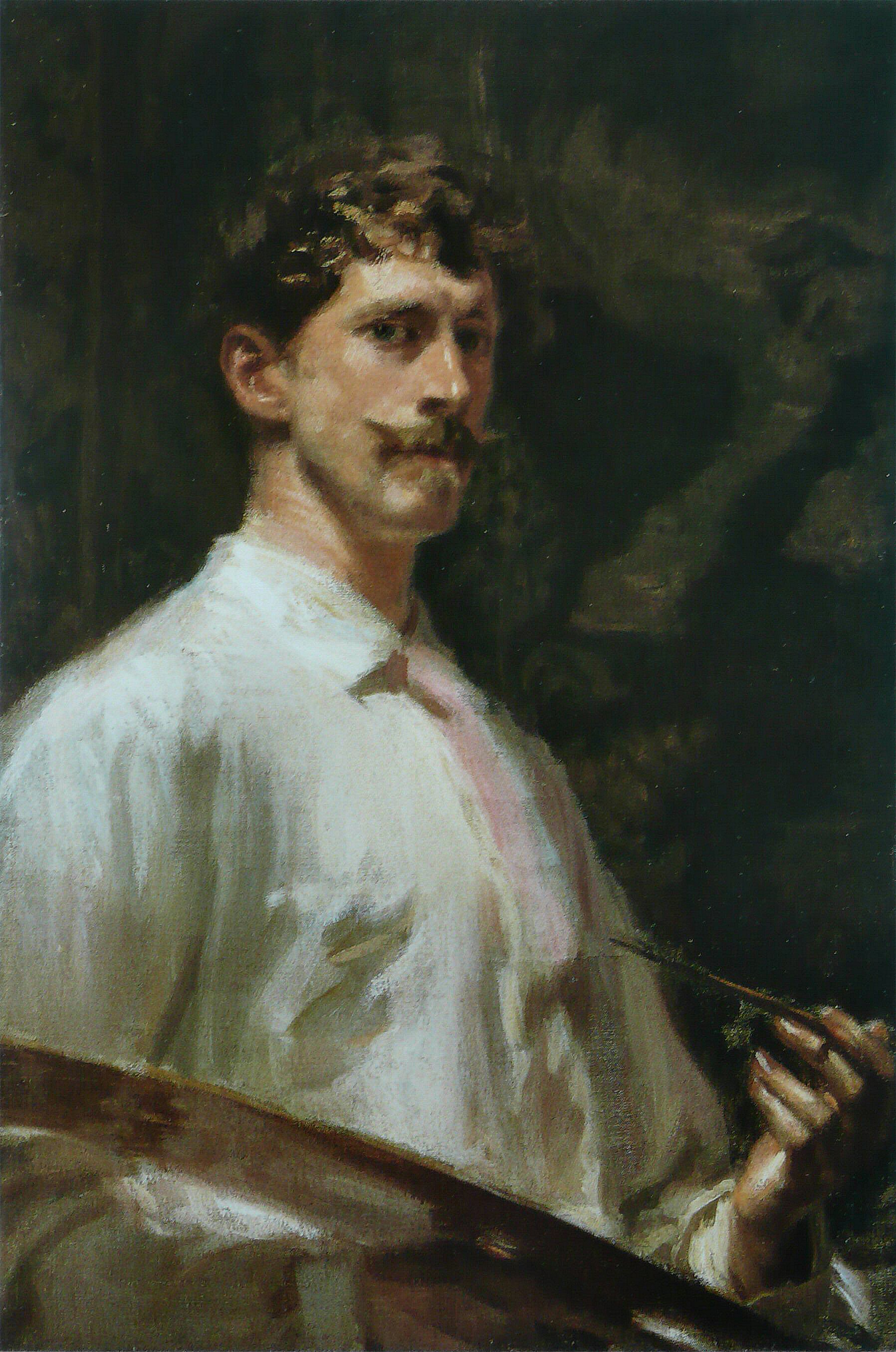
Frederick William MacMonnies was the best known expatriate American sculptor of the Beaux-Arts school, as successful and lauded in France as he was in the United States. He was also a highly accomplished painter and portraitist. He was born in Brooklyn Heights, Brooklyn, New York and died in New York City.
Three of MacMonnies' best-known sculptures are Nathan Hale, Bacchante and Infant Faun, and Diana.
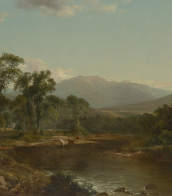

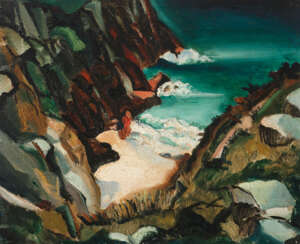

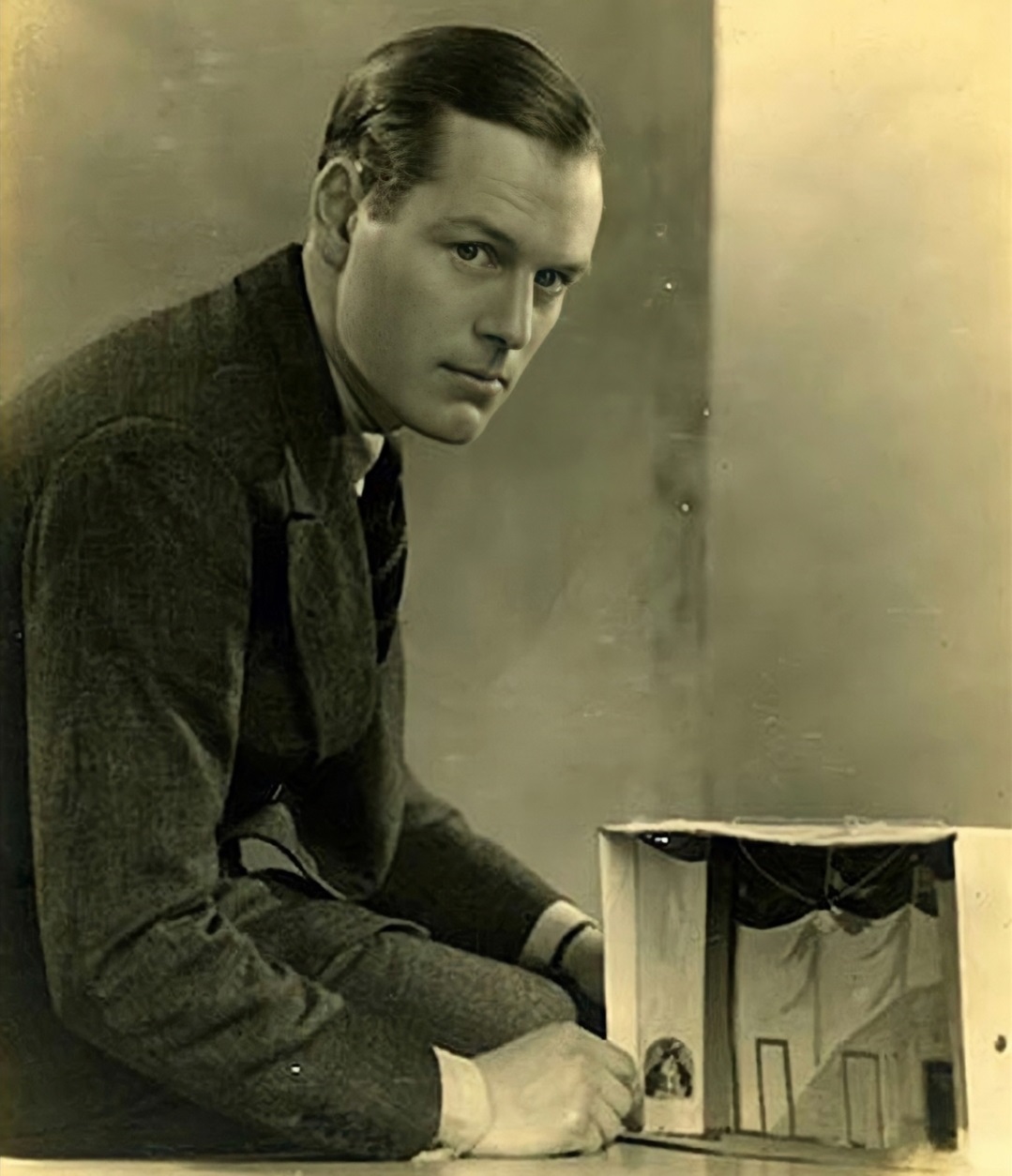
John Christopher Wood was an English painter.
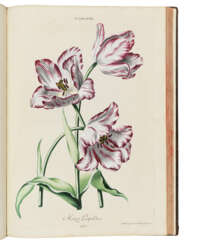

Christoph Jacob Trew was a German botanist.
He was originally a city solicitor, court physician, Count Palatine of the Holy Roman Empire, an advisor to the Margrave of Brandenburg-Ansbach. He also had an academic passion for botany. He was a member of the Royal Society of London, the Berlin Academy, and the Florentine Botanical Society. His interest in botany then led him to sponsor the publication of illustrated botanical books.
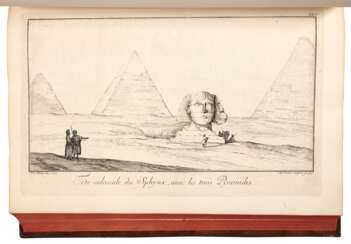

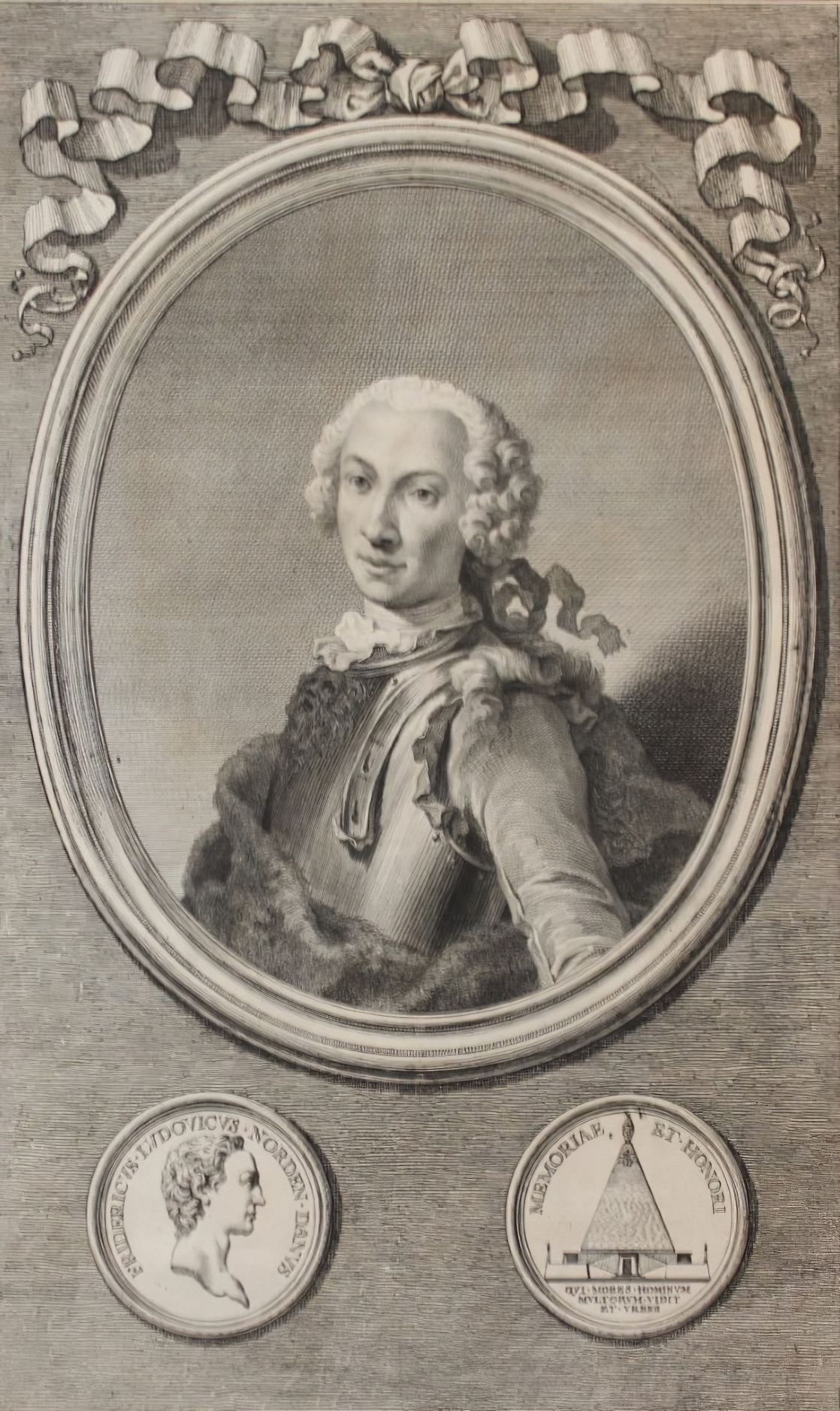
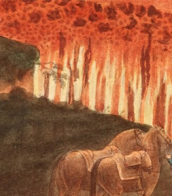
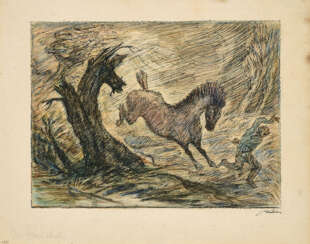

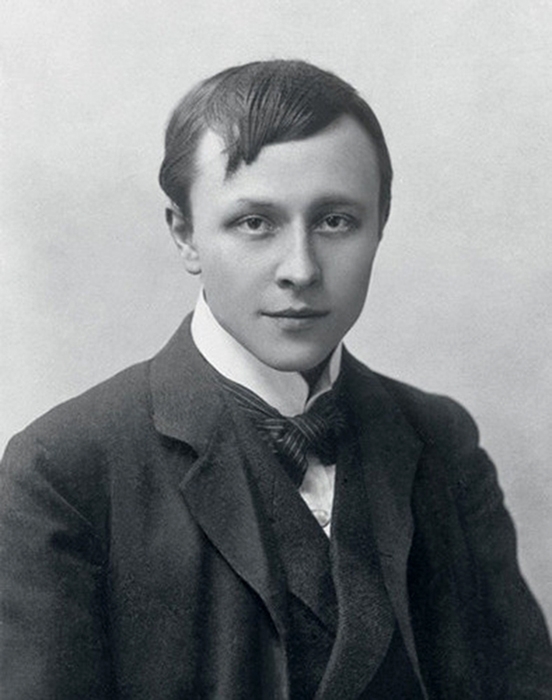
Alfred Kubin was an outstanding Austrian engraver, illustrator and writer, and a prominent representative of the Symbolic and Expressionist trends in the visual arts in the first half of the 20th century. Alfred Kubin's works are full of phantasmagoric and grotesque depictions of dreams, motifs of desolation and fear.
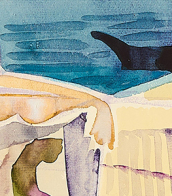


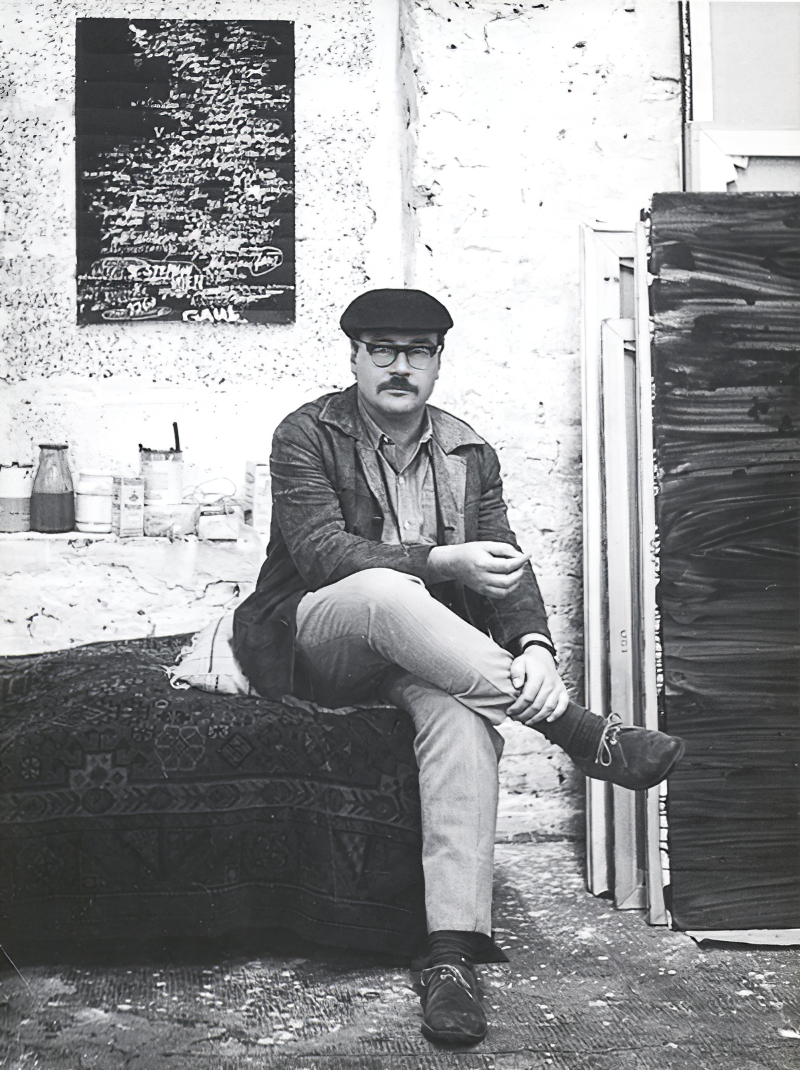
Winfred Gaul was a German artist of Informel and analytical painting.

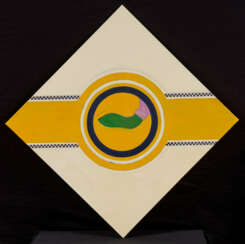

Winfred Gaul was a German artist of Informel and analytical painting.



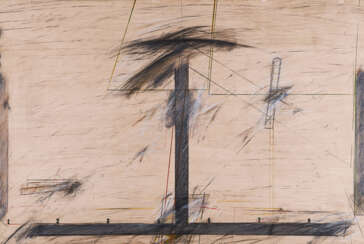

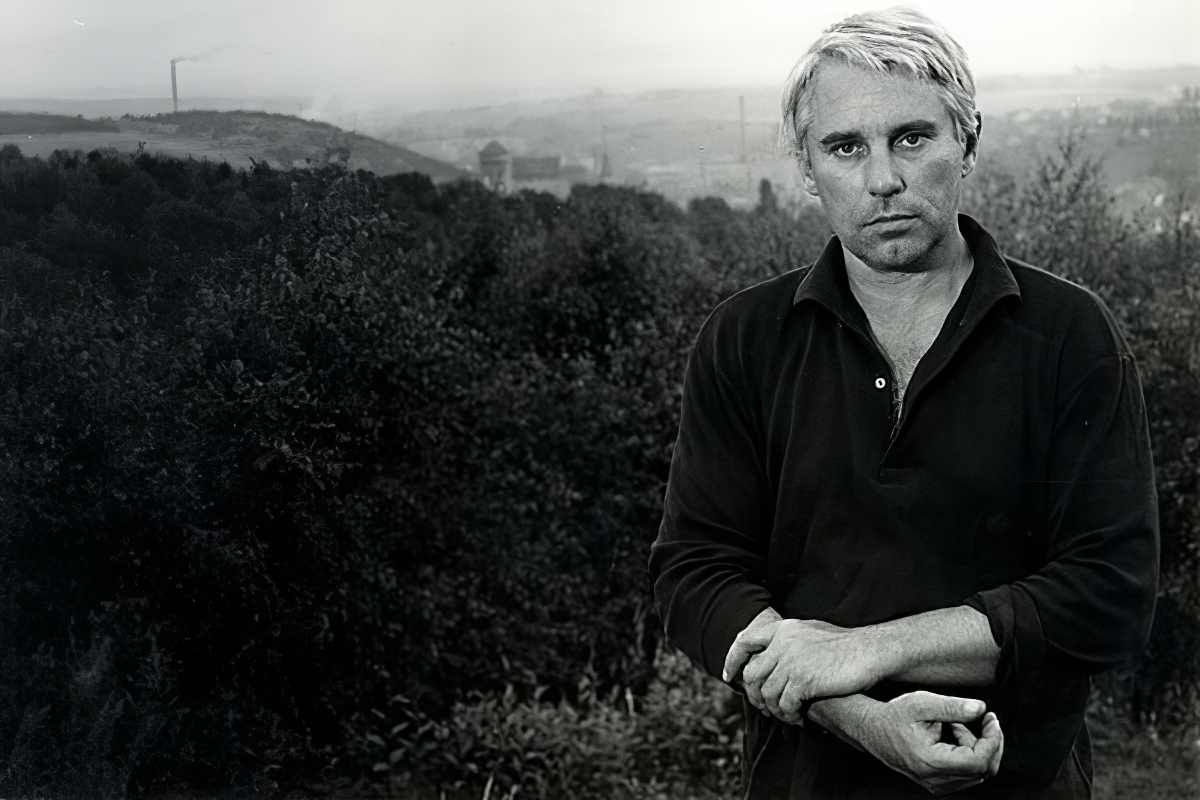
Karl Fred Dahmen is a German artist, one of the most important representatives of German post-war art and the Informel movement. In 1967 he took up the post of Professor of Fine Arts at the Munich Academy.
He painted expressive abstract pictures with a tectonic structure, and since the mid-1950s, relief paintings and collages on the damage to the local landscape caused by open-pit mining. Later in Dahmen's oeuvre, glazed object boxes appear, recounting the impressions of his daily working life.


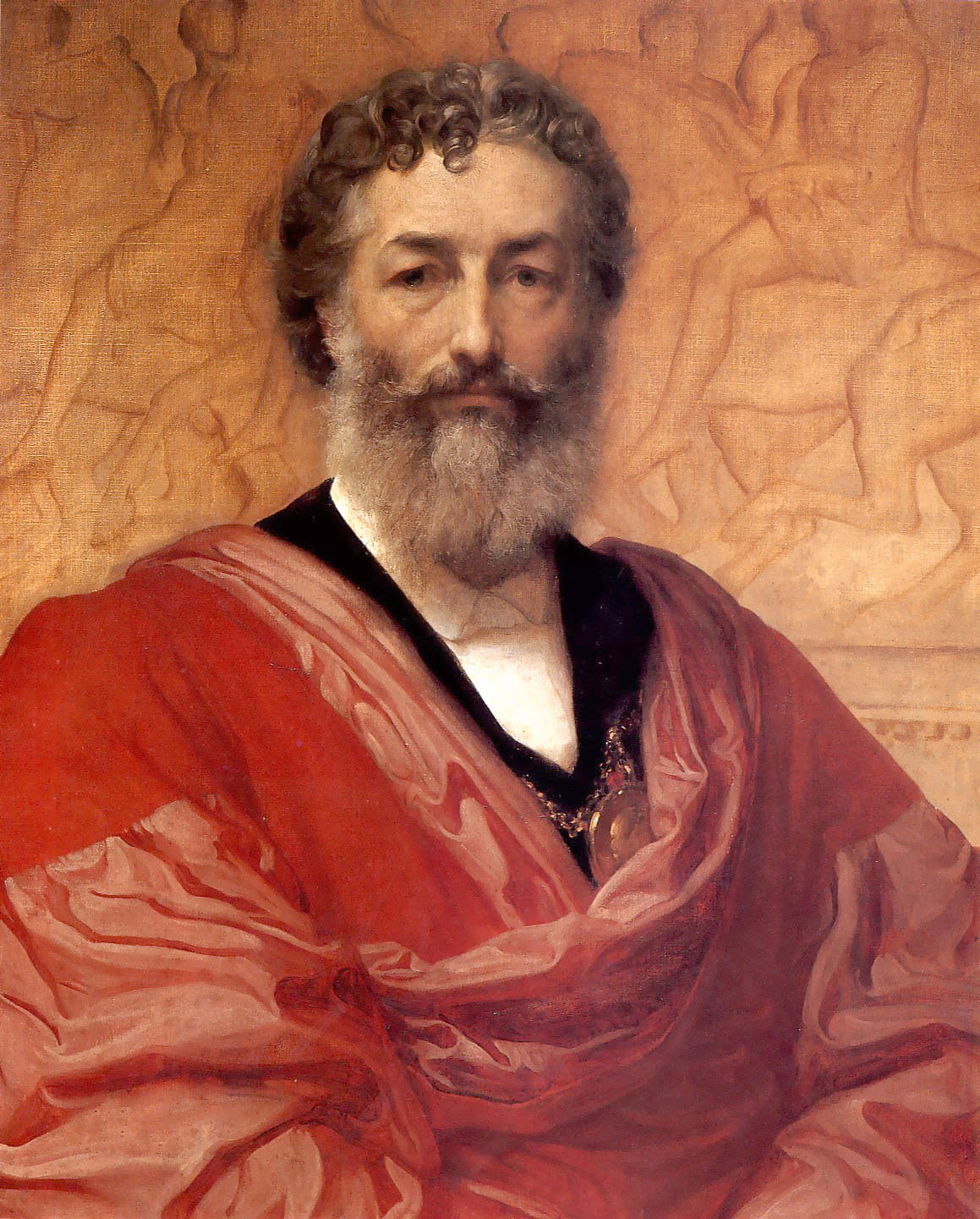
Frederic Leighton was a distinguished British artist renowned for his contributions to painting and sculpture during the Victorian era. His works, characterized by their classical themes and meticulous detail, have garnered appreciation from art collectors and historians alike. Notable for being the first painter to receive a peerage, Leighton's legacy in the art world is significant.
Frederic Leighton's art, particularly his paintings like "Flaming June" and "The Return of Persephone," showcases his mastery in depicting classical and mythological subjects with a unique blend of realism and idealism. His sculptures, such as "An Athlete Wrestling with a Python" and "The Sluggard," played a pivotal role in initiating the New Sculpture movement, emphasizing naturalism and dynamic forms.
Despite his illustrious career, Frederic Leighton's personal life remained private, with ongoing debates about his relationships and sexuality. His London home, now the Leighton House Museum, offers a glimpse into his artistic world, housing many of his works and collections that influenced his creations.
For art collectors and experts, Frederic Leighton's oeuvre represents a blend of academic tradition and innovative expression, making his works highly sought after in the realms of art and antiques. To stay informed about exhibitions and auction events featuring Frederic Leighton's art, subscribing to updates can be a valuable resource for enthusiasts eager to explore and acquire pieces from this influential Victorian artist.


Frederic Leighton was a distinguished British artist renowned for his contributions to painting and sculpture during the Victorian era. His works, characterized by their classical themes and meticulous detail, have garnered appreciation from art collectors and historians alike. Notable for being the first painter to receive a peerage, Leighton's legacy in the art world is significant.
Frederic Leighton's art, particularly his paintings like "Flaming June" and "The Return of Persephone," showcases his mastery in depicting classical and mythological subjects with a unique blend of realism and idealism. His sculptures, such as "An Athlete Wrestling with a Python" and "The Sluggard," played a pivotal role in initiating the New Sculpture movement, emphasizing naturalism and dynamic forms.
Despite his illustrious career, Frederic Leighton's personal life remained private, with ongoing debates about his relationships and sexuality. His London home, now the Leighton House Museum, offers a glimpse into his artistic world, housing many of his works and collections that influenced his creations.
For art collectors and experts, Frederic Leighton's oeuvre represents a blend of academic tradition and innovative expression, making his works highly sought after in the realms of art and antiques. To stay informed about exhibitions and auction events featuring Frederic Leighton's art, subscribing to updates can be a valuable resource for enthusiasts eager to explore and acquire pieces from this influential Victorian artist.