revues
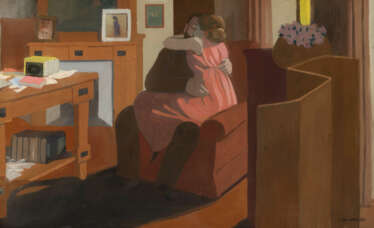

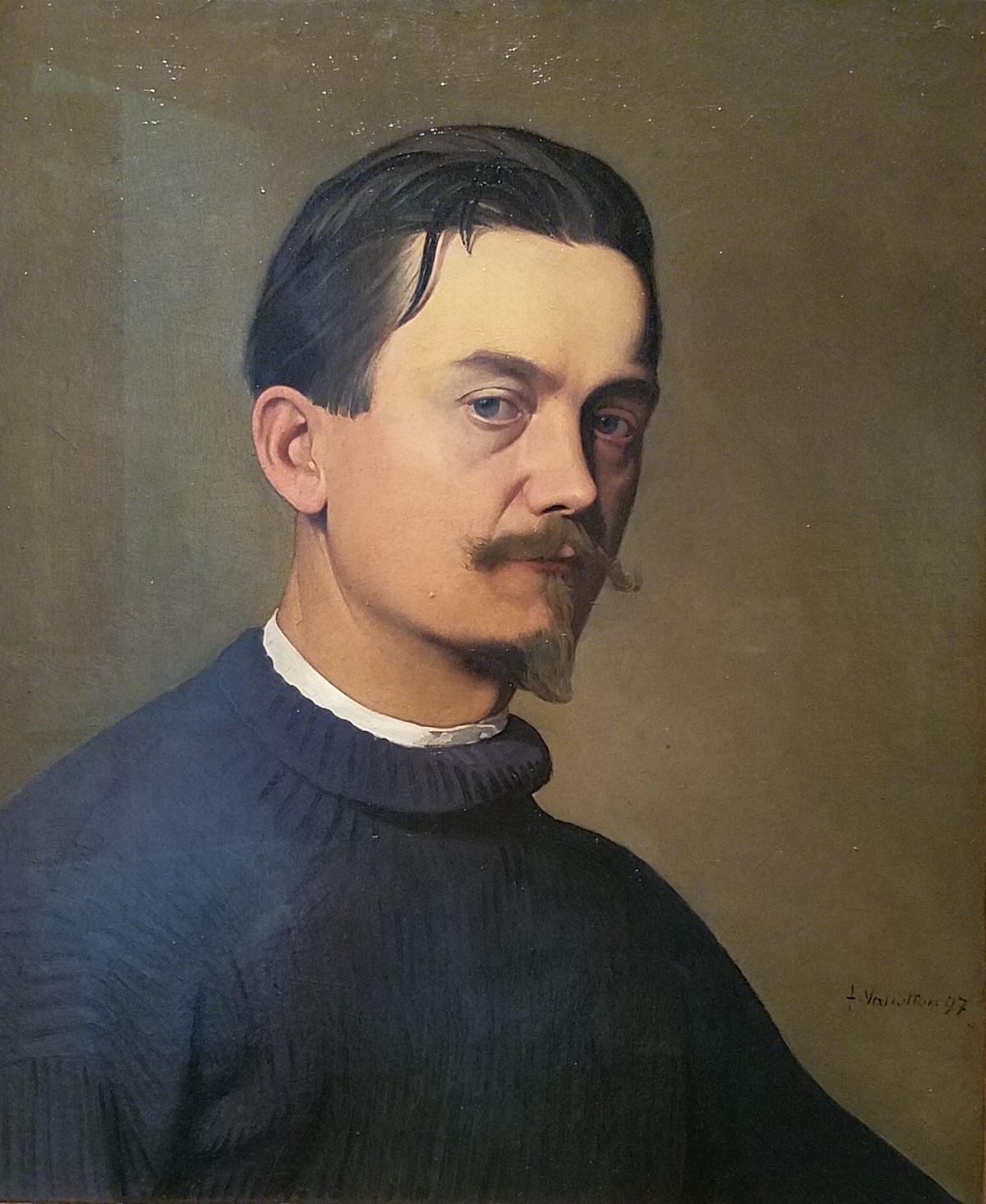
Félix Vallotton, a Swiss-born French graphic artist and painter, is recognized for his distinctive woodcuts and paintings of nudes and interiors. Vallotton's journey into art began in Paris, where he attended the Académie Julian, fostering a unique style that broke from traditional norms. His early works, characterized by extreme realism, were showcased at the Salon des Artistes Français and the Paris Universal Exposition of 1889. This period also marked Vallotton's encounter with Japanese prints, notably those by Hokusai, profoundly influencing his artistic direction.
In 1892, Vallotton joined Les Nabis, a group of avant-garde artists including Pierre Bonnard, Maurice Denis, and Édouard Vuillard, which led to a significant evolution in his style. His paintings from this era, such as "Bathers on a Summer Evening" and "Moonlight," exhibited at the Kunsthaus Zürich and the Musée d'Orsay respectively, reveal a departure from realism towards a more symbolic and abstract representation. The works from this period are characterized by flat areas of color, hard edges, and simplified details, mirroring the style he developed in his woodcuts.
Vallotton's woodcuts, like "Intimités" (Intimacies), a series published in 1898, showcased his mastery in capturing the nuances of human relationships, particularly the tensions between men and women. His graphic art, which included depictions of domestic scenes, bathing women, and street crowds, was not just celebrated in Europe but also influenced artists like Edvard Munch, Aubrey Beardsley, and Ernst Ludwig Kirchner.
Towards the end of his career, Vallotton continued to innovate, combining elements of realism and abstraction, evident in paintings like "La Malade" (The Sick Girl) and "Clair de lune" (Moonlight). His works remain a testament to his ability to merge technical precision with a poignant exploration of human emotions and societal themes.
For art collectors and experts, Vallotton's body of work offers a rich and diverse exploration of early 20th-century art movements, especially his role in the development of modern woodcut techniques and his contribution to the Nabis movement. His works are a study in the fusion of realism and symbolism, marked by a distinctive style that makes his art enduringly relevant and compelling.
For those interested in discovering more about Félix Vallotton and staying updated on related product sales and auction events, signing up for updates is a great opportunity. This subscription will exclusively alert you to new sales and events pertaining to Vallotton's works, ensuring you remain informed in the dynamic world of art and antiques.





Maurice Denis, a French painter and writer, was an influential figure in the transition from impressionism to modern art. Born on November 25, 1870, in Granville, France, Denis's artistic journey began at the Académie Julian in Paris. Here, he met future collaborators like Paul Sérusier and Pierre Bonnard, with whom he later formed the Nabis group, a collective deriving its name from the Hebrew word "Nabi," meaning "Prophet".
Denis's style evolved from neoimpressionism, influenced by artists like Seurat, to a more decorative and colorful approach under the influence of Gauguin. This shift is evident in works like "Taches du soleil sur la terrace" (1890). He famously stated, "Art is no longer a visual sensation... it is a creation of our spirit," highlighting his belief in art as an idealistic expression, transcending mere imitation of nature.
Denis was also impacted by Japanese art, which influenced his compositions and styles, contributing to his unique and recognizable approach. His philosophy on art, encapsulated in his 1890 essay published in "Art et Critique," emphasized the importance of color and form in creating emotional depth, a notion that laid the groundwork for modernism. He argued that a painting's essence lies in its colors and composition, rather than its subject matter.
Throughout his career, Denis's work evolved towards a more classical approach. His involvement with the Ateliers d'Art Sacré, founded in 1919, demonstrated his interest in religious art and decoration. His notable works include "The Legend of Saint Hubert" (1897) and "The History of Music" for the Théâtre des Champs Elysées (1912-1913).
Tragically, Maurice Denis's life ended on November 13, 1943, when he was struck by a truck during the German occupation of Paris. However, his legacy endures through his contributions to modern art and symbolism, his influence on fellow artists, and his works displayed in various museums and galleries.
For collectors and art experts, Denis's work offers a unique glimpse into the evolution of modern art. His blend of symbolism, color, and form marks a significant shift in art history. To stay updated on new sales and auction events related to Maurice Denis's work, sign up for our newsletter. This subscription will keep you informed about the latest developments in the world of this remarkable artist.
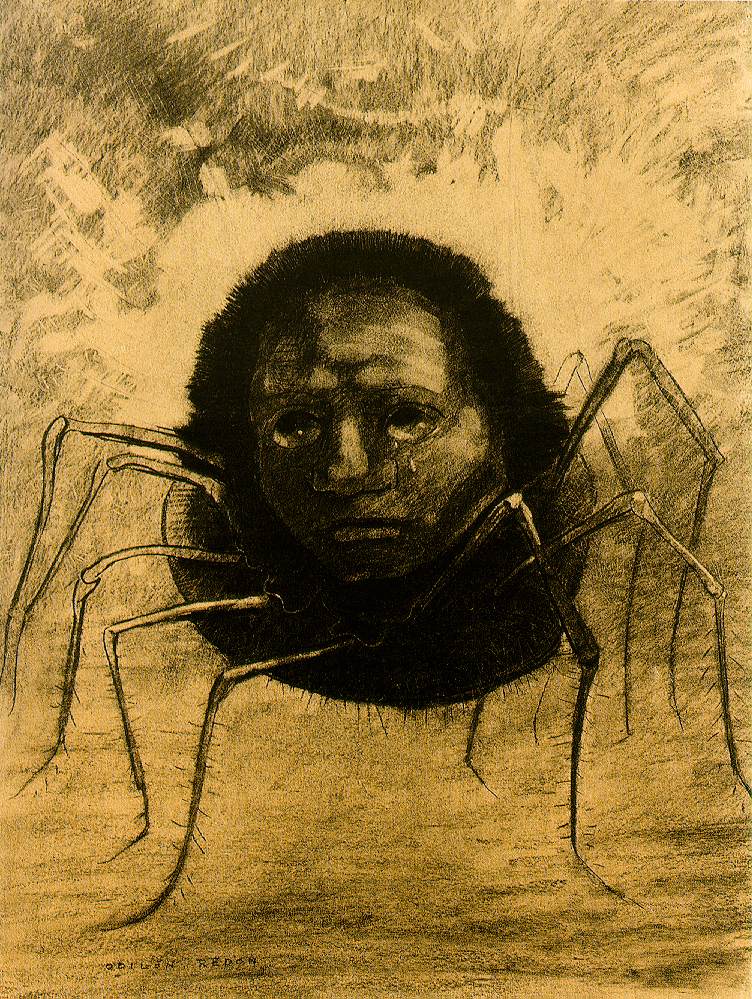
Odilon Redon was a prominent French artist, renowned for his unique contributions to the Symbolist movement. His artistic journey began with a focus on charcoal and lithography, creating works known as "noirs" that reflected a deep, dream-like quality. Redon's art evolved to incorporate vibrant colors and themes, often inspired by Buddhist and Hindu cultures. Notably, his paintings such as "The Death of Buddha" and "The Buddha," alongside others, displayed his fascination with Eastern philosophies and their integration into his art.
Redon's works are celebrated for their evocative, almost mystical qualities, blending elements of the natural world with fantastical, often surreal imagery. His attention to detail in portraying flowers, plants, and imaginary creatures reflected his interest in natural sciences and botany. This interplay between the real and the imagined is a hallmark of his work, making him a pivotal figure in the Symbolist movement.
His influence is evident in various collections and museums. For instance, the Musée d'Orsay in Paris houses some of his most significant works, including his decorative panels for the Château de Domecy-sur-le-Vault. These panels marked a transition in his style from ornamental to more abstract painting. Additionally, the Getty Museum in California and the Los Angeles County Museum of Art hold significant collections of Redon's works.
For art collectors and enthusiasts, Odilon Redon's work represents a blend of imagination, deep emotional resonance, and a unique interpretation of Symbolist ideas. His ability to capture the unseen and give it form on canvas or paper makes his work a valuable addition to any collection.
If you're interested in staying updated on sales and auction events featuring Odilon Redon's art, signing up for updates can be a great way to stay informed. This subscription is specifically tailored for new product sales and auction events related to Odilon Redon, offering a focused and business-like approach to your art collection interests.
.jfif)
Camille Pissarro, a Danish-French artist, was a linchpin of the Impressionist and Neo-Impressionist movements. Born in 1830 on the island of St. Thomas, Pissarro's Jewish-Portuguese heritage and upbringing in the Danish West Indies infused his work with a unique perspective. He is celebrated for his depictions of rural and urban French life, particularly his landscapes that eschew artifice, highlighting the simple beauty of the natural world and the dignity of common people.
Pissarro's influence on the art world was profound. Not only was he a central figure in the Impressionist movement, helping to organize the collective's exhibitions, but he also mentored future Post-Impressionist masters like Cézanne, Gauguin, and van Gogh. His colleagues revered him for his wisdom, balance, and warmhearted nature. Pissarro's dedication to the Impressionist ethos was unparalleled; he was the only artist to exhibit in all eight Paris Impressionist exhibitions from 1874 to 1886.
Among his notable works, Pissarro's 'Hay Harvest at Eragny' (1887) exemplifies his shift towards Neo-Impressionism. This piece, housed at the Van Gogh Museum in Amsterdam, showcases his exploration of tonal values and pointillism. Another poignant work, 'Jeanne Holding a Fan', captures the fragile beauty of his young daughter during her illness, and is a testament to his ability to convey deep personal emotion through art. This work is displayed at The Ashmolean Museum in Oxford.
For art collectors and enthusiasts, Pissarro's works remain a testament to the transformative power of Impressionism and its impact on modern art. His paintings, characterized by their revolutionary depictions of everyday life and nature, continue to be celebrated in major museums around the world.
To stay informed about upcoming sales and auction events featuring works by Camille Pissarro, sign up for our updates. This subscription is an opportunity for collectors and art experts to connect with the enduring legacy of one of Impressionism's pivotal figures.

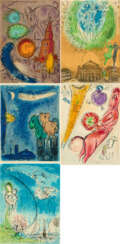

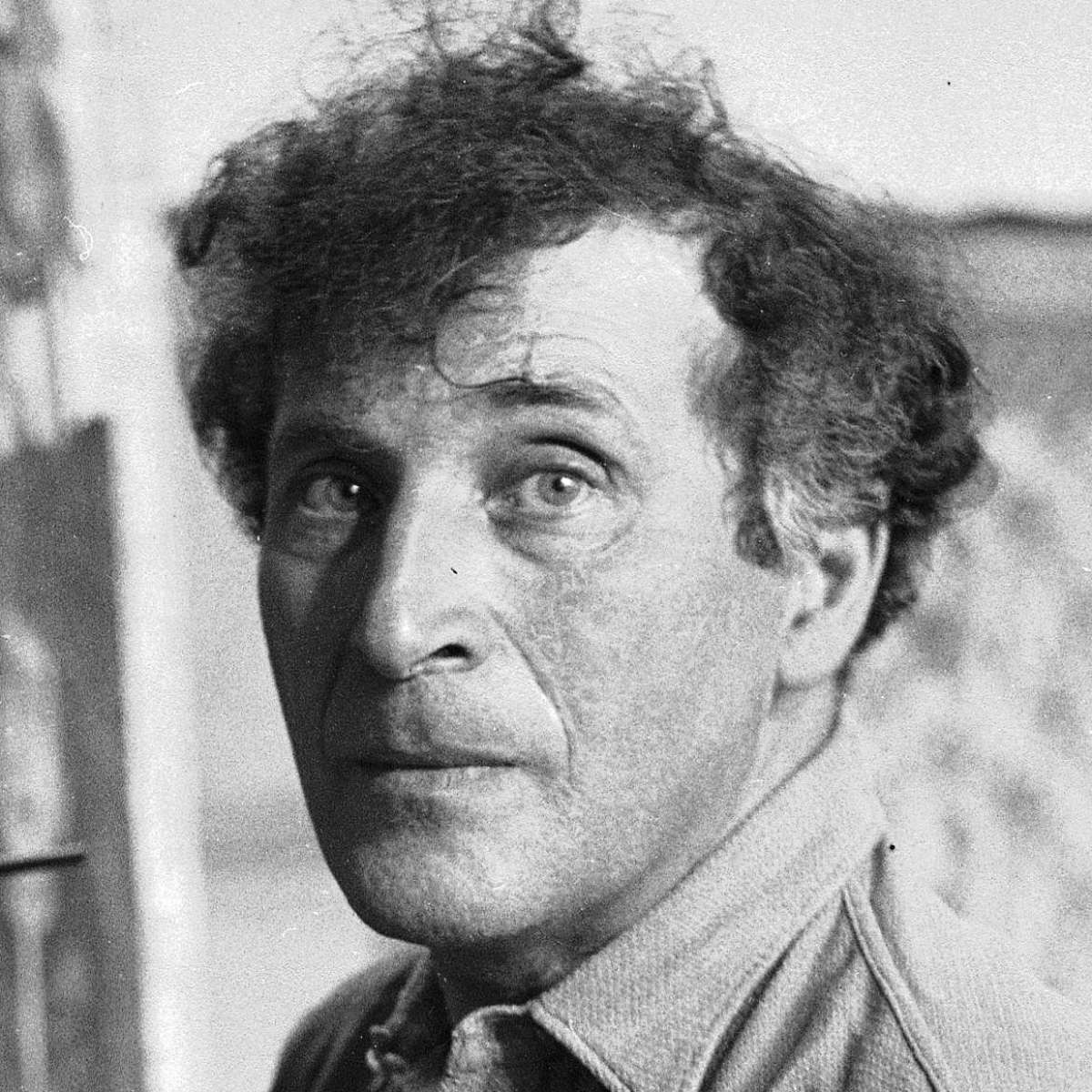
Marc Chagall (Russian: Марк Заха́рович Шага́л), born Moishe Shagal in 1887 near Vitebsk, Belarus (then part of the Russian Empire), was a Belarusian and French artist celebrated for his pivotal role in the avant-garde movement and his unique integration of Eastern European Jewish culture into modern art. His contributions spanned several artistic formats including painting, stained glass, stage sets, ceramics, tapestries, and fine art prints. Chagall's early modernist tendencies were enriched by his experiences across Saint Petersburg, Paris, and Berlin before World War I, leading to a distinctive style that melded Cubism, Symbolism, and Fauvism with his Jewish heritage.
Chagall's work is recognized for its emotional depth, often exploring themes of love, memory, and Jewish folklore through vibrant colors and dreamlike imagery. Notably, art critic Robert Hughes described him as "the quintessential Jewish artist of the twentieth century," a sentiment echoed by art historian Michael J. Lewis who regarded Chagall as a significant figure within European modernism and as the world's preeminent Jewish artist of his time.
Among Chagall's famed contributions are his stained-glass windows for the cathedrals of Reims and Metz, the UN, and the Jerusalem Windows in Israel. His monumental paintings include parts of the ceiling of the Paris Opéra and works that explore biblical themes, a hallmark of his oeuvre that underscores his enduring engagement with spiritual and religious motifs.
For art collectors and antiques experts, Chagall's works are notable not only for their artistic innovation but also for their rich cultural and historical significance. His art is housed in many prestigious museums worldwide, including the Marc Chagall National Museum in Nice, France, which focuses on his works inspired by religion and houses the series of paintings illustrating the biblical message.
For those interested in exploring Chagall's legacy and the vibrant intersection of culture, art, and history his work represents, signing up for updates on new product sales and auction events related to Marc Chagall can provide invaluable insights and opportunities. This is an invitation to engage more deeply with the world of art and culture that Chagall so uniquely encapsulated in his work.
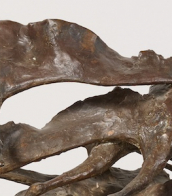






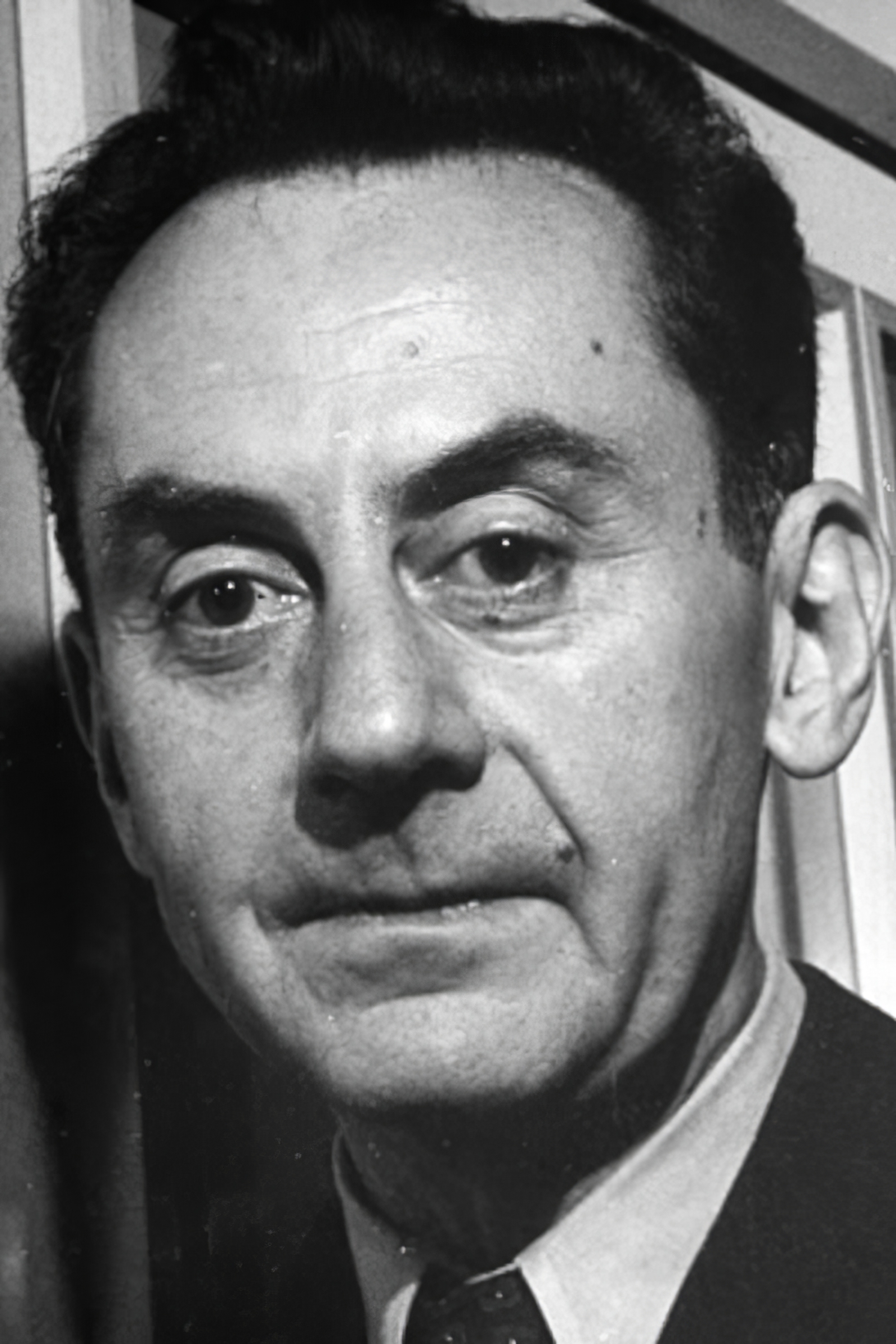
Man Ray, born Emmanuel Radnitzky, was an American visual artist who played a significant role in the Dada and Surrealist movements. His pioneering efforts in photography, alongside his work in painting and sculpture, have cemented his place as a major figure in modern art. Known for his innovative techniques and the ability to convey complex ideas through simple, striking visuals, Man Ray's contribution to the art world is profound.
Throughout his career, Man Ray was celebrated for his avant-garde approach and his ability to transcend traditional boundaries between different artistic mediums. His photography, characterized by experimental techniques such as solarization and rayographs (cameraless photographs), challenged conventional perceptions of photography as merely a means of representation. These artistic innovations made him a central figure in both Parisian and American art circles.
Man Ray's works are housed in some of the world's most prestigious museums and galleries, including the Museum of Modern Art in New York and the Centre Pompidou in Paris. His pieces, such as "Le Violon d'Ingres" and "Noire et Blanche," are iconic images that continue to influence artists today. His ability to blend the abstract with the realistic, and the humorous with the serious, has left a lasting legacy in the world of art.
For collectors and experts in art and antiques, the work of Man Ray offers a glimpse into the revolutionary changes that shaped the visual arts in the 20th century. His unique perspective and pioneering techniques continue to inspire and challenge those interested in the boundaries of creativity and expression.
If you're passionate about the avant-garde, or simply wish to explore the fascinating world of Man Ray further, sign up for our updates. You'll receive alerts on new product sales and auction events related to Man Ray, ensuring you never miss an opportunity to engage with the legacy of this extraordinary artist.










![COLLECTIF - [LUNACHARSKY, Anatoly]](/assets/image/picture_2013647/a8678/cimztczjgu7vyeulntu5o6uvkbexrc-0v-ju5faeuslhpzxqmccd4ty3qggbl1645272242jpg__fix_374_244.jpeg)
![COLLECTIF - [LUNACHARSKY, Anatoly]](https://veryimportantlot.com/assets/image/picture_2013647/a8678/cimztczjgu7vyeulntu5o6uvkbexrc-0v-ju5faeuslhpzxqmccd4ty3qggbl1645272242jpg__fix_374_244.jpeg)





Félix Vallotton, a Swiss-born French graphic artist and painter, is recognized for his distinctive woodcuts and paintings of nudes and interiors. Vallotton's journey into art began in Paris, where he attended the Académie Julian, fostering a unique style that broke from traditional norms. His early works, characterized by extreme realism, were showcased at the Salon des Artistes Français and the Paris Universal Exposition of 1889. This period also marked Vallotton's encounter with Japanese prints, notably those by Hokusai, profoundly influencing his artistic direction.
In 1892, Vallotton joined Les Nabis, a group of avant-garde artists including Pierre Bonnard, Maurice Denis, and Édouard Vuillard, which led to a significant evolution in his style. His paintings from this era, such as "Bathers on a Summer Evening" and "Moonlight," exhibited at the Kunsthaus Zürich and the Musée d'Orsay respectively, reveal a departure from realism towards a more symbolic and abstract representation. The works from this period are characterized by flat areas of color, hard edges, and simplified details, mirroring the style he developed in his woodcuts.
Vallotton's woodcuts, like "Intimités" (Intimacies), a series published in 1898, showcased his mastery in capturing the nuances of human relationships, particularly the tensions between men and women. His graphic art, which included depictions of domestic scenes, bathing women, and street crowds, was not just celebrated in Europe but also influenced artists like Edvard Munch, Aubrey Beardsley, and Ernst Ludwig Kirchner.
Towards the end of his career, Vallotton continued to innovate, combining elements of realism and abstraction, evident in paintings like "La Malade" (The Sick Girl) and "Clair de lune" (Moonlight). His works remain a testament to his ability to merge technical precision with a poignant exploration of human emotions and societal themes.
For art collectors and experts, Vallotton's body of work offers a rich and diverse exploration of early 20th-century art movements, especially his role in the development of modern woodcut techniques and his contribution to the Nabis movement. His works are a study in the fusion of realism and symbolism, marked by a distinctive style that makes his art enduringly relevant and compelling.
For those interested in discovering more about Félix Vallotton and staying updated on related product sales and auction events, signing up for updates is a great opportunity. This subscription will exclusively alert you to new sales and events pertaining to Vallotton's works, ensuring you remain informed in the dynamic world of art and antiques.
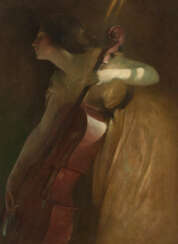

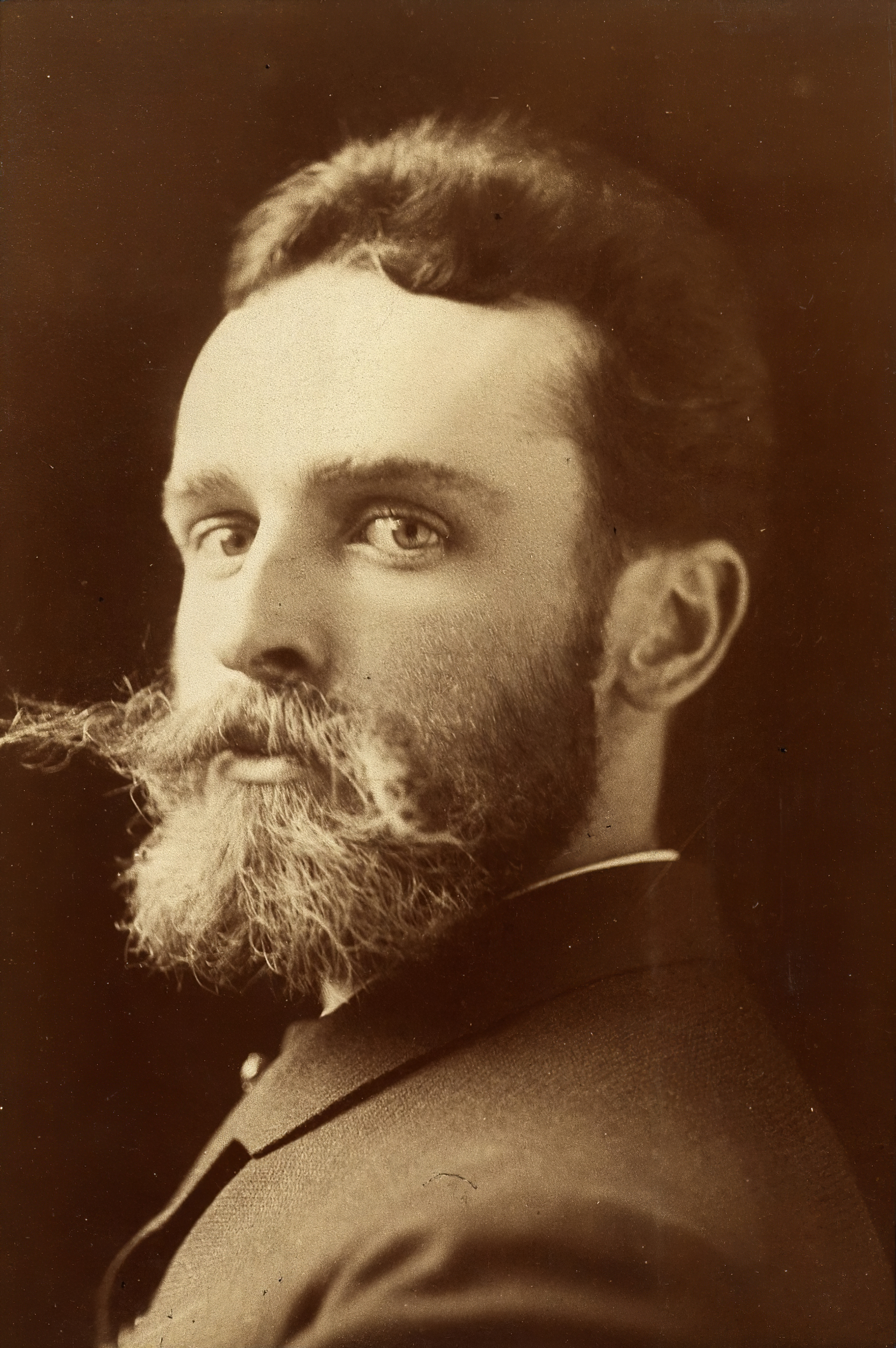
John White Alexander was an American portrait, figure, and decorative painter and illustrator.
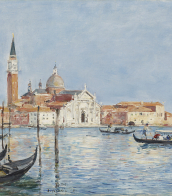
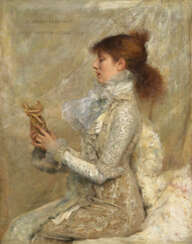

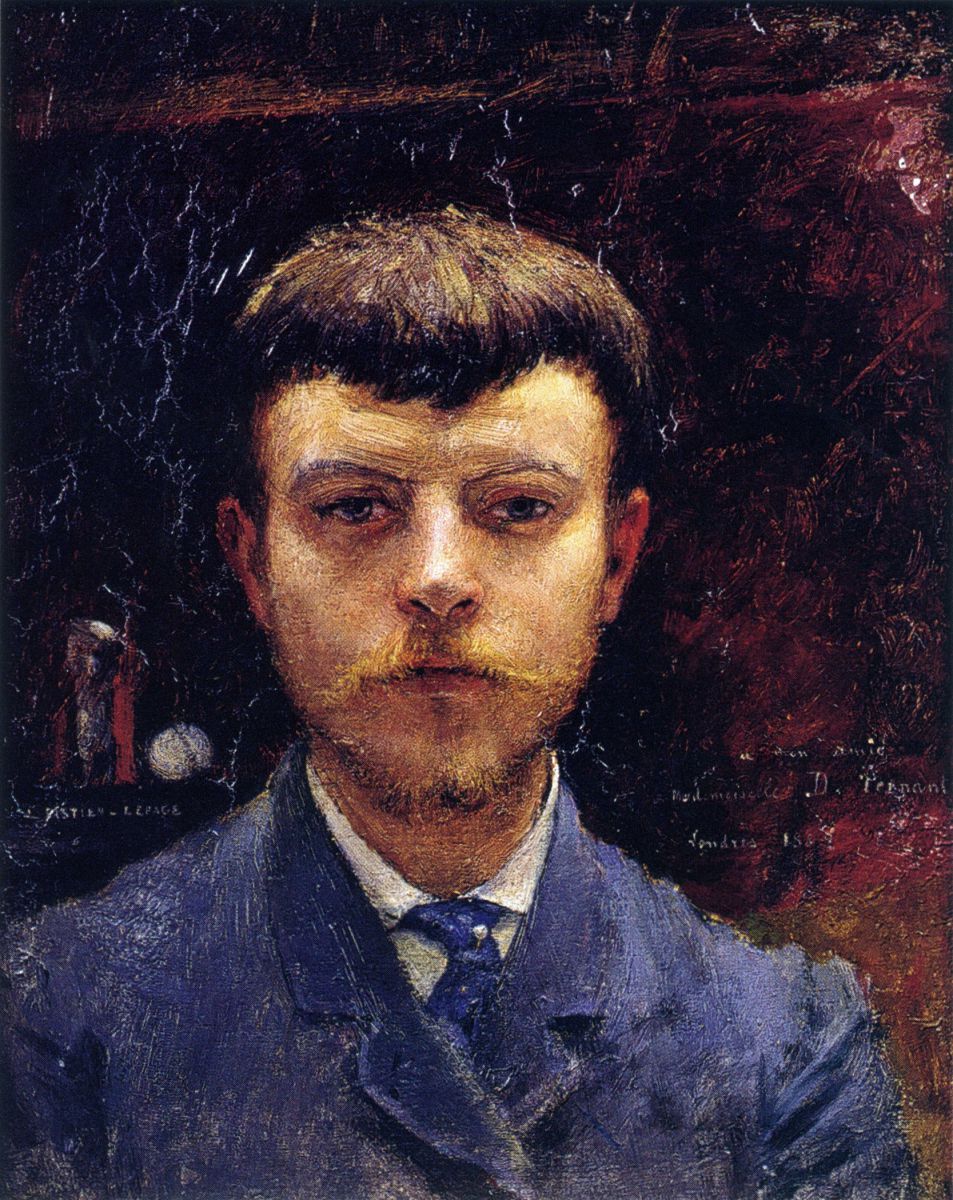
Jules Bastien-Lepage was a French painter closely associated with the beginning of naturalism, an artistic style that emerged from the later phase of the Realist movement.
His most famous work is his landscape-style portrait of Joan of Arc which currently resides at the Metropolitan Museum in New York City.
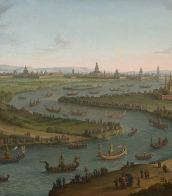
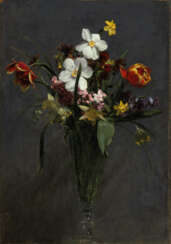

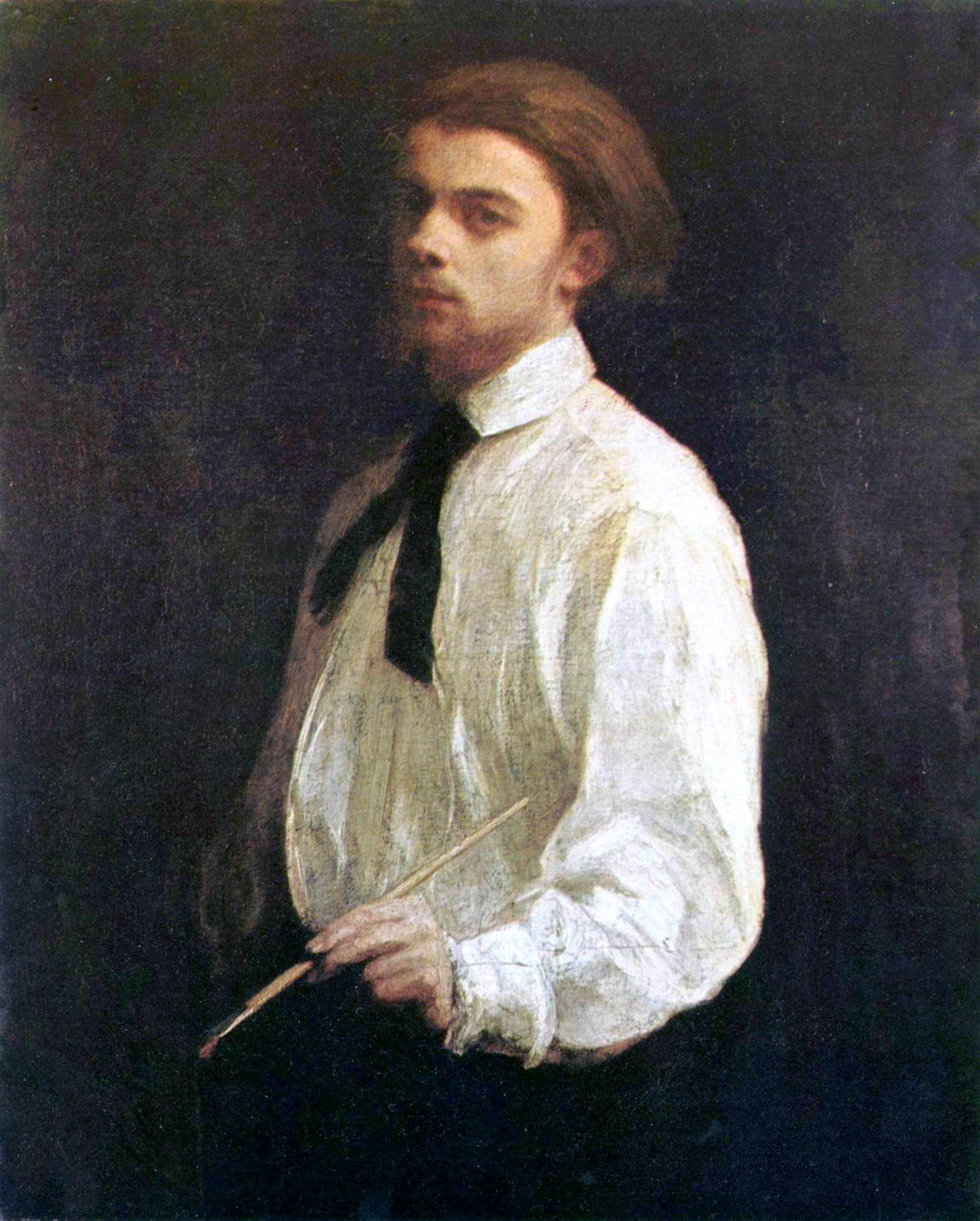
Henri Fantin-Latour was a French painter and lithographer renowned for his exquisite flower paintings and insightful group portraits of Parisian artists and writers. His artistic journey began in Grenoble, where he was born in 1836, but it flourished in Paris, where he moved at a young age to study art. Despite his associations with Impressionists like Édouard Manet and Claude Monet, Fantin-Latour carved his unique path, focusing on still life and portraiture rather than adopting the Impressionist style.
Henri Fantin-Latour's knack for capturing the essence of his subjects is evident in his group portraits, which were not just mere representations but insightful depictions of the artistic and literary circles of his time. His notable works like "A Studio at Les Batignolles" illustrate the camaraderie among artists like Manet, Renoir, and Monet, offering a window into the vibrant Parisian art scene of the 19th century. His still lifes, particularly his flower paintings, are celebrated for their realism and delicate precision, making them a favorite among collectors and art enthusiasts.
In addition to his painting, Henri Fantin-Latour's lithographs, inspired by classical music and imbued with a poetic and symbolic quality, reveal another dimension of his talent, showcasing his ability to transcend the boundaries of realism and delve into the realm of imagination.
For art collectors and experts, Henri Fantin-Latour's works offer a blend of technical mastery and a deep understanding of the interplay between art, music, and literature. His contributions to the art world are remembered and celebrated in museums around the globe, where his works continue to inspire and captivate audiences.
For those interested in exploring more about Henri Fantin-Latour's life and works, visiting exhibitions or keeping abreast of auctions featuring his art can provide valuable insights into his creative genius. To stay updated on related events and opportunities, consider subscribing to updates from art institutions or galleries specializing in 19th-century French art.
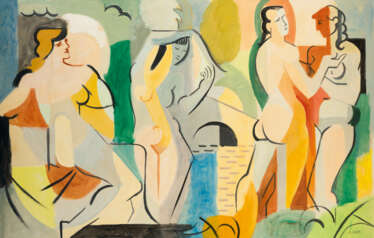

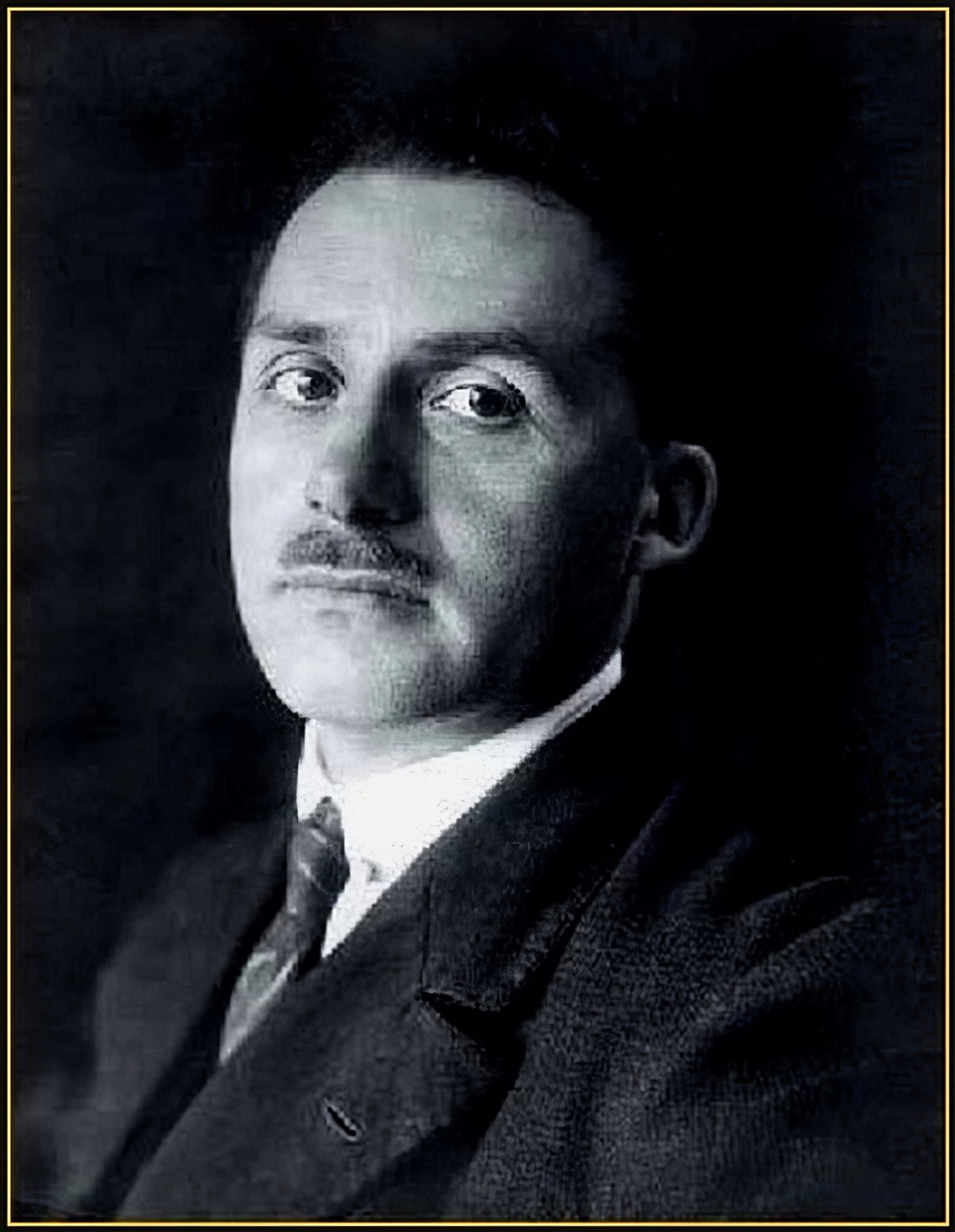
Andre Lhote, a French artist, was a pivotal figure in the Cubist movement, known for his contributions as a painter, theoretician, critic, and art teacher. His journey in the arts began at the École des Beaux-Arts in Bordeaux, focusing on decorative arts before shifting his full attention to painting after moving to Paris in 1906. Lhote's work initially drew influences from Paul Gauguin and Paul Cézanne, but by 1910, he was deeply entrenched in Cubism, aligning with artists like Fernand Léger and Jean Metzinger.
Andre Lhote's impact extended beyond his paintings; he was instrumental in developing Cubist theory through his writings and art criticism, notably contributing to La nouvelle revue française. In 1922, he founded the Académie André Lhote in Paris, shaping the future of many artists, including Henri Cartier-Bresson. His dedication to teaching and theoretical work earned him the Grand Prix National de Peinture in 1955 and a position as president of the UNESCO commission for sculpture's International Association of Painters, Engravers, and Sculptors.
For art collectors and experts, Andre Lhote's work represents a crucial chapter in the history of Cubism, offering insights into the movement's evolution and its theoretical underpinnings. To stay updated on exhibitions or sales featuring Andre Lhote's work, consider signing up for updates from reputable art institutions or galleries.
![[ARTISTES DIVERS : Paul CELAN, Yves BONNEFOY, Jean STAROBINSKY, Pierre-Alain TÂCHE, Henri MICHAUX...]](/assets/image/picture_2426250/3f5a2/d66775844ec9b200583cf1194dd8a02ajpg__fix_374_244.jpeg)
![[ARTISTES DIVERS : Paul CELAN, Yves BONNEFOY, Jean STAROBINSKY, Pierre-Alain TÂCHE, Henri MICHAUX...]](https://veryimportantlot.com/assets/image/picture_2426250/3f5a2/d66775844ec9b200583cf1194dd8a02ajpg__fix_374_244.jpeg)


![[DI DIO, François]](/assets/image/picture_2426561/094ae/5eaf36f9be87c6d7f5253e45d365e86ejpg__fix_374_244.jpeg)
![[DI DIO, François]](https://veryimportantlot.com/assets/image/picture_2426561/094ae/5eaf36f9be87c6d7f5253e45d365e86ejpg__fix_374_244.jpeg)