romney
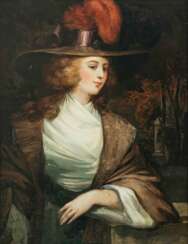

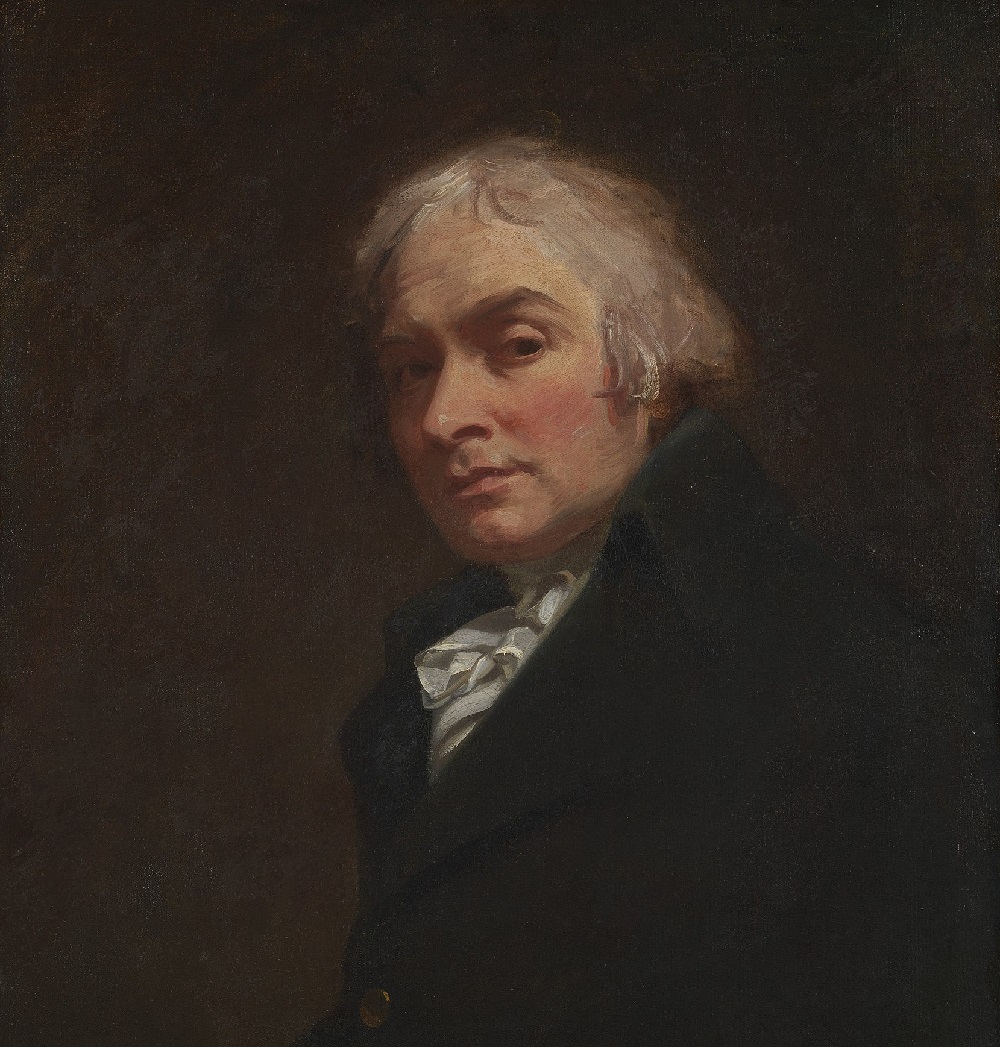
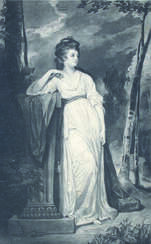
George Romney was an English portrait painter. He was the most fashionable artist of his day, painting many leading society figures – including his artistic muse, Emma Hamilton, mistress of Lord Nelson.
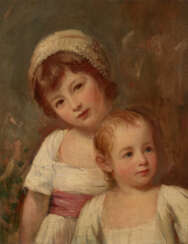

George Romney was an English portrait painter. He was the most fashionable artist of his day, painting many leading society figures – including his artistic muse, Emma Hamilton, mistress of Lord Nelson.
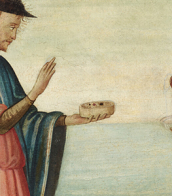
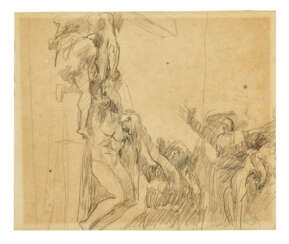

George Romney was an English portrait painter. He was the most fashionable artist of his day, painting many leading society figures – including his artistic muse, Emma Hamilton, mistress of Lord Nelson.
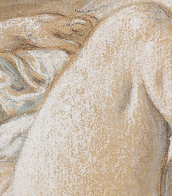


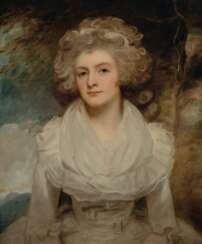

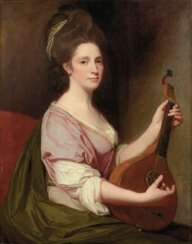

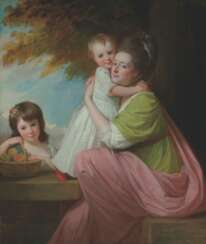

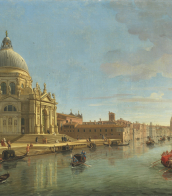
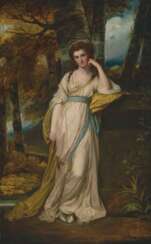



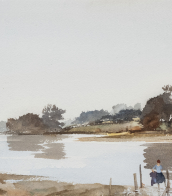











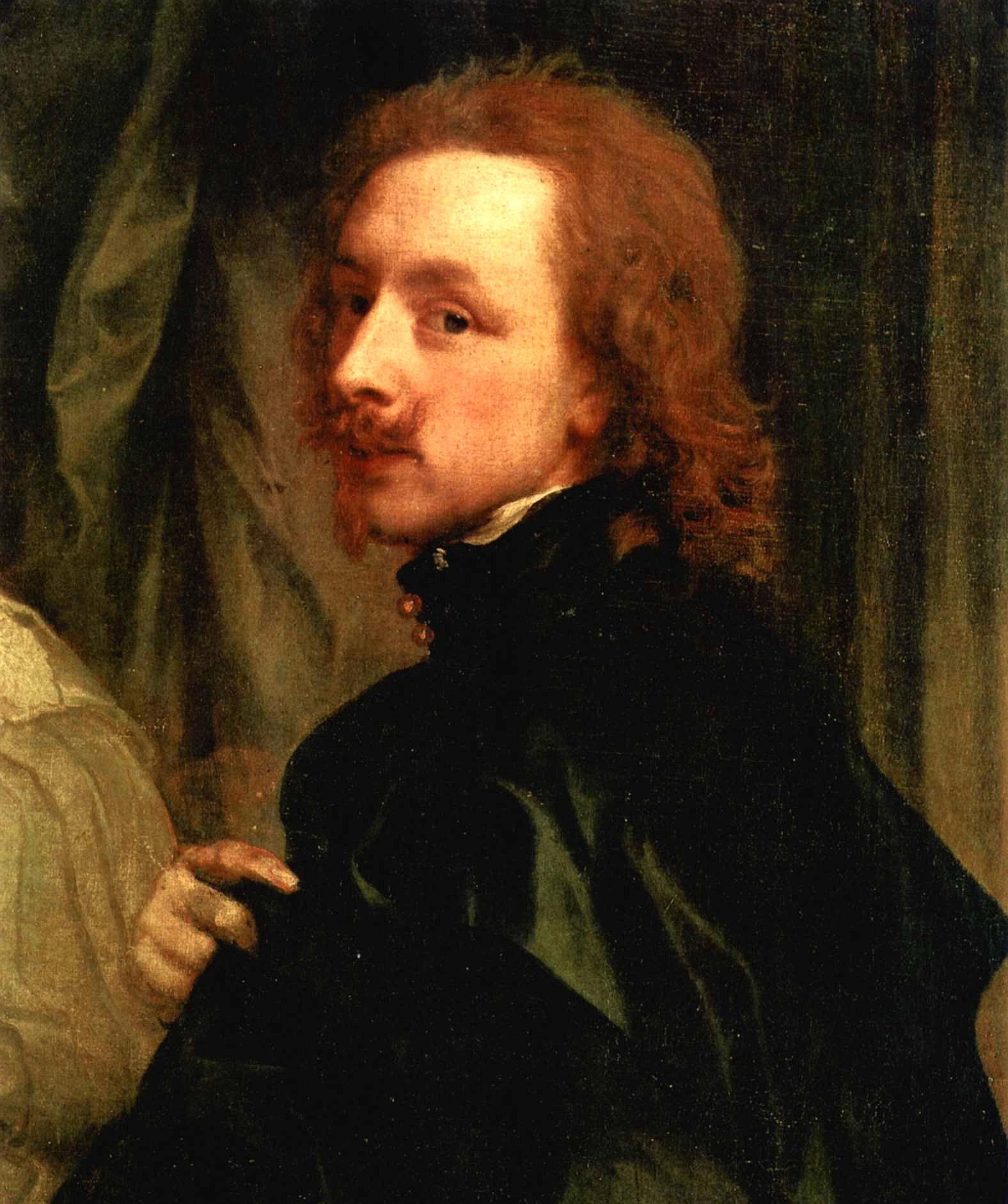
Anthony van Dyck, a Flemish painter born in 1599 in Antwerp and passed away in 1641 in London, is celebrated as one of the foremost Baroque painters of the 17th century. His notable contributions to the art world include his exceptional portraits of European aristocracy, as well as his religious and mythological paintings. Van Dyck's early exposure to art was influenced significantly by his apprenticeship with Hendrik van Balen and later, by the profound impact of working alongside Peter Paul Rubens. His mastery was recognized early on, leading him to set up his own workshop by the age of 15.
Van Dyck's journey to Italy in 1621 marked a pivotal phase in his career, allowing him to immerse himself in studying the Italian masters and commencing his successful stint as a portraitist. His style evolved under the influence of Titian, evident from his vibrant use of color and refined modeling of form. Van Dyck's Italian period not only honed his artistic skills but also established his reputation as a painter of consequence.
Upon returning to Antwerp, van Dyck's portraits became highly sought after, leading to commissions from notable figures such as Archduchess Isabella and Queen Mother Maria de' Medici. His role as a court painter further solidified in England under the patronage of King Charles I, where he was knighted and appointed as the principal painter, profoundly shaping the aristocratic character of Charles I's reign through his portraits.
Van Dyck's legacy extends beyond his death, having influenced English portrait painting for over a century. His innovative techniques in watercolour and etching, along with his sophisticated portrayal of subjects, continue to be admired. His art not only showcases his technical prowess but also reflects the cultural and social nuances of his era, making his work a significant study for collectors and art historians alike.
For enthusiasts eager to explore the intersections of art, history, and culture through the lens of Anthony van Dyck's work, staying informed about new discoveries and auction events is essential. Signing up for updates can provide exclusive insights into the world of one of the most influential figures in Flemish art. This subscription ensures that collectors and experts are well-informed of any developments related to van Dyck's oeuvre, enhancing their understanding and appreciation of his contributions to the art world.
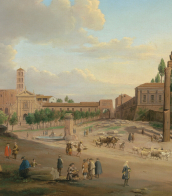
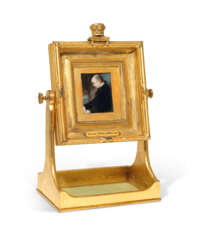

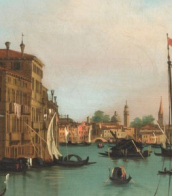
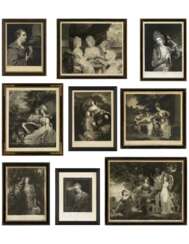

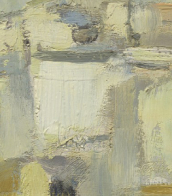








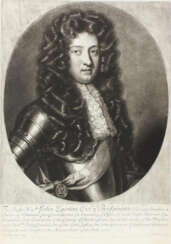

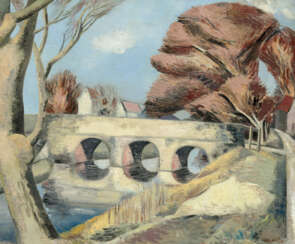

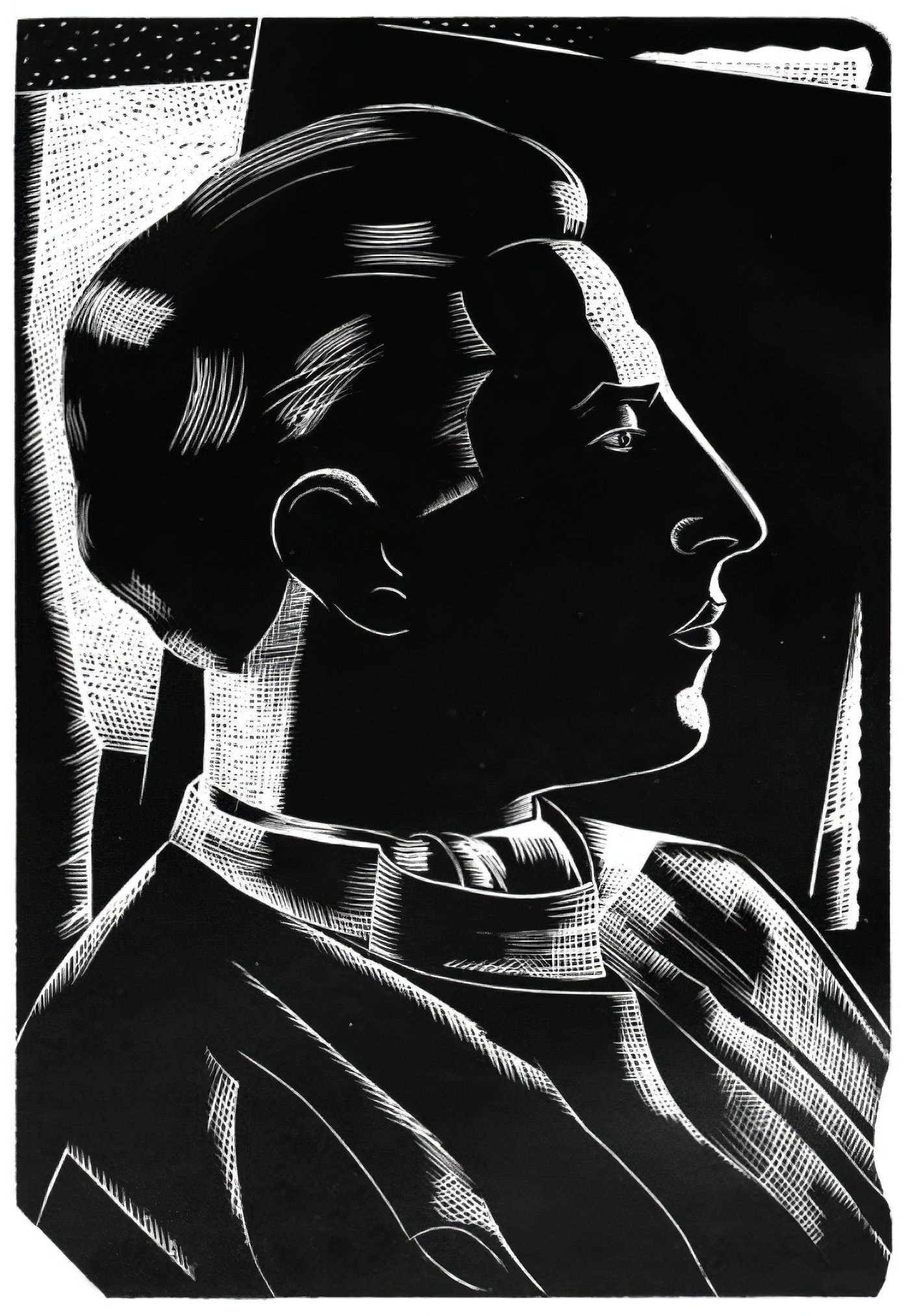
Paul Nash was a British surrealist painter and war artist, as well as a photographer, writer and designer of applied art. Nash was among the most important landscape artists of the first half of the twentieth century. He played a key role in the development of Modernism in English art.




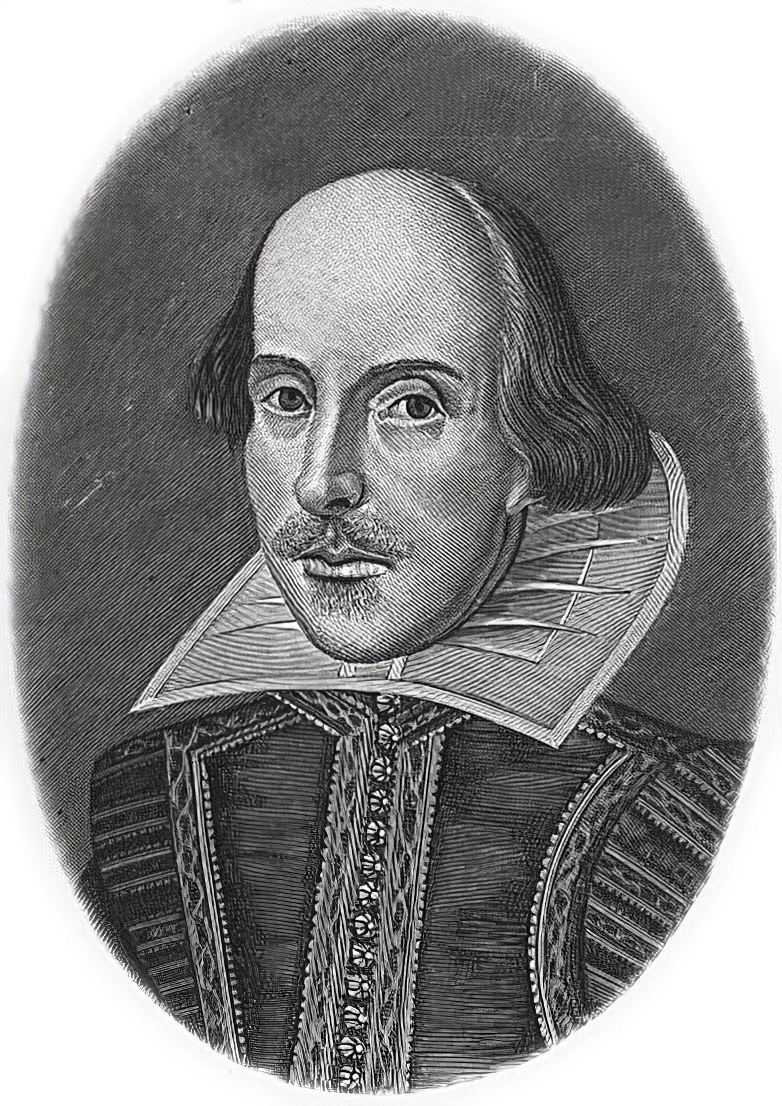
William Shakespeare was a British poet and playwright and writer.
William's father, John Shakespeare, was a merchant and official in Stratford. There are reports that he was a sailor for a time before joining a theater company in London. Beginning in the 1590s, Shakespeare began writing plays, and in 1593 he published a poem, Venus and Adonis, which became popular. He dedicated it to the Duke of Southampton, who was a philanthropist and patron of talent, and soon his business was booming.
From 1592 to 1600 Shakespeare wrote his dramas and romantic comedies "Richard III", "The Taming of the Shrew", "Romeo and Juliet", "A Midsummer Night's Dream" and "The Merchant of Venice", as well as the comedies "Much Ado About Nothing", "Twelfth Night" and the tragedy "Julius Caesar". The playwright's business was so successful that he even bought a large house in Stratford. In 1599, Shakespeare became one of the owners, playwright and actor of the new theater "Globe". In 1603 King James took Shakespeare's troupe under his direct patronage. In the mature period, the great playwright turned to tragedies, there were "Hamlet", "Othello", "King Lear", "Macbeth" and others.
Although in the 19th century researchers had some doubts about the authorship of many of these works, William Shakespeare is considered the greatest English playwright, one of the best playwrights in the world. His plays have been translated into all major languages and to this day form the basis of the world theatrical repertoire, most of them have been screened many times. According to the Guinness Book of Records, Shakespeare remains the world's best-selling playwright, and his plays and poems have sold more than 4 billion copies in the nearly 400 years since his death.
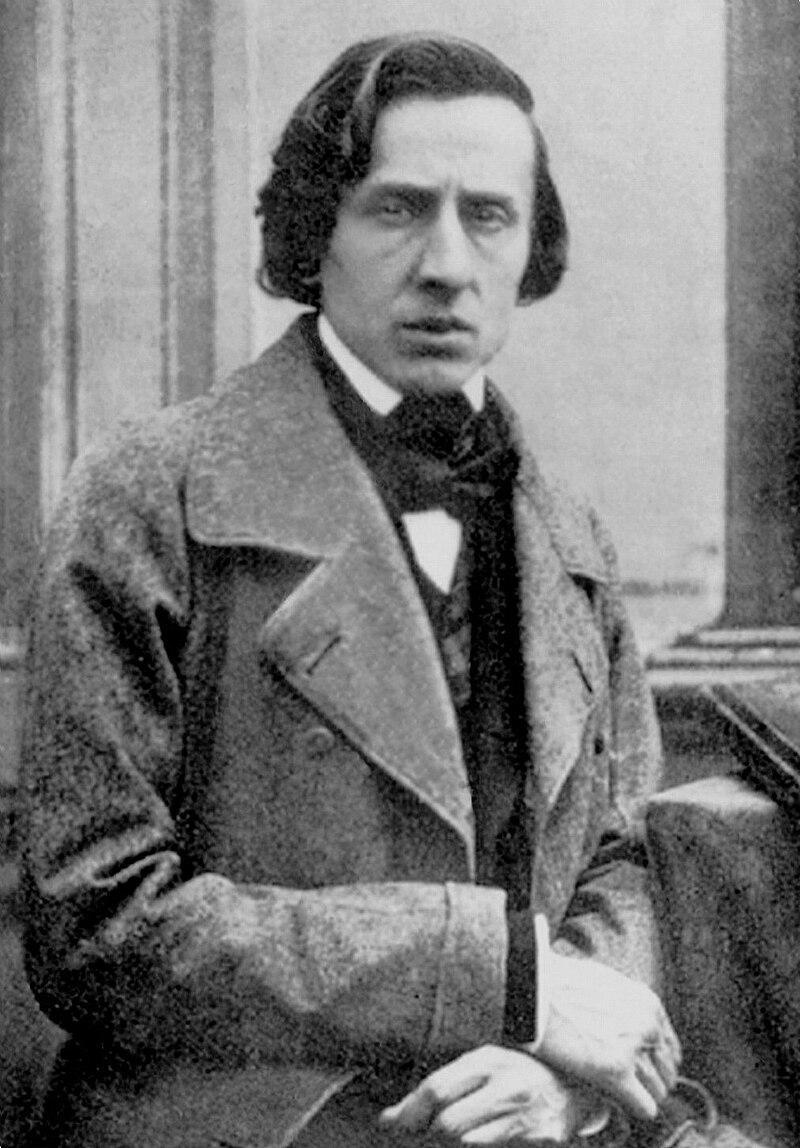
![CHOPIN, Frédéric (1810-1849) [et George SAND (1804-1876)]](/assets/image/picture_4259662/2e92e/pryubdxec22rash3hutkisg-t9nzulzo6llj3oynfeqys0fes5dqhrzflj8omqn1729410665jpg__fix_374_244.jpeg)
![CHOPIN, Frédéric (1810-1849) [et George SAND (1804-1876)]](https://veryimportantlot.com/assets/image/picture_4259662/2e92e/pryubdxec22rash3hutkisg-t9nzulzo6llj3oynfeqys0fes5dqhrzflj8omqn1729410665jpg__fix_374_244.jpeg)
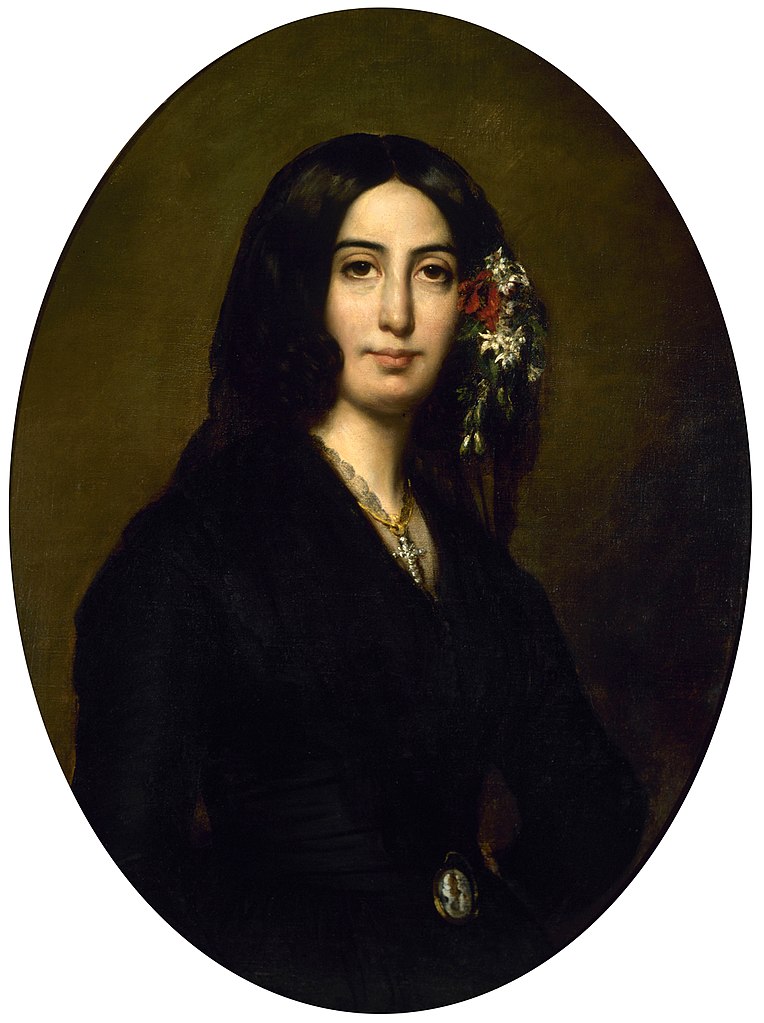
George Sand, born Amantine Aurore Lucile Dupin, was a French novelist, memoirist, and journalist, acclaimed as one of the most distinguished writers of the European Romantic era. Renowned more than Victor Hugo or Honoré de Balzac in her time, George Sand authored over 70 novels along with a wealth of other works, including plays and political texts. Her contributions were not limited to literature; she was a fervent advocate for women's rights, critiquing the institution of marriage and societal prejudices with a passion mirrored by her great-grandmother, Louise Dupin.
George Sand's upbringing in the village of Nohant under the care of her grandmother shaped her profound connection to the countryside, a theme recurrent in her rustic novels such as "La Mare au diable" and "La Petite Fadette." These works, celebrated for drawing inspiration from her love for the rural landscapes and empathy for the underprivileged, underscore her literary prowess and innovative exploration of pastoral themes.
Her life was marked by controversies, including her choice to wear male attire for practicality and statement, challenging societal norms. This defiance extended into her personal life, where she maintained numerous high-profile relationships, including a notable liaison with the composer Frédéric Chopin. Despite facing criticism for her unconventional lifestyle and progressive views, George Sand's work and personality captivated many of her contemporaries, earning her friendships with luminaries such as Franz Liszt and Gustave Flaubert.
In her later years, George Sand's home in Nohant became a haven for writers and artists, reflecting a mellowed phase of her life filled with writing, hosting friends, and engaging in botany. This period highlighted her enduring dedication to literature and her ability to foster intellectual and creative exchanges among the leading figures of her day.
For collectors and experts in art and antiques interested in the legacy of George Sand, staying informed about upcoming sales and auction events related to her works is essential. Signing up for updates ensures you won't miss the opportunity to own a piece of literary history that celebrates George Sand's remarkable contribution to literature and society.