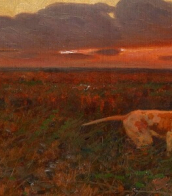
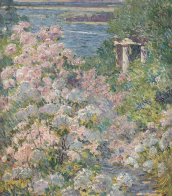
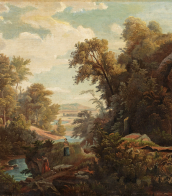
rural landscape

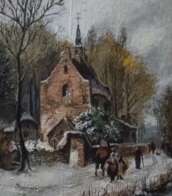


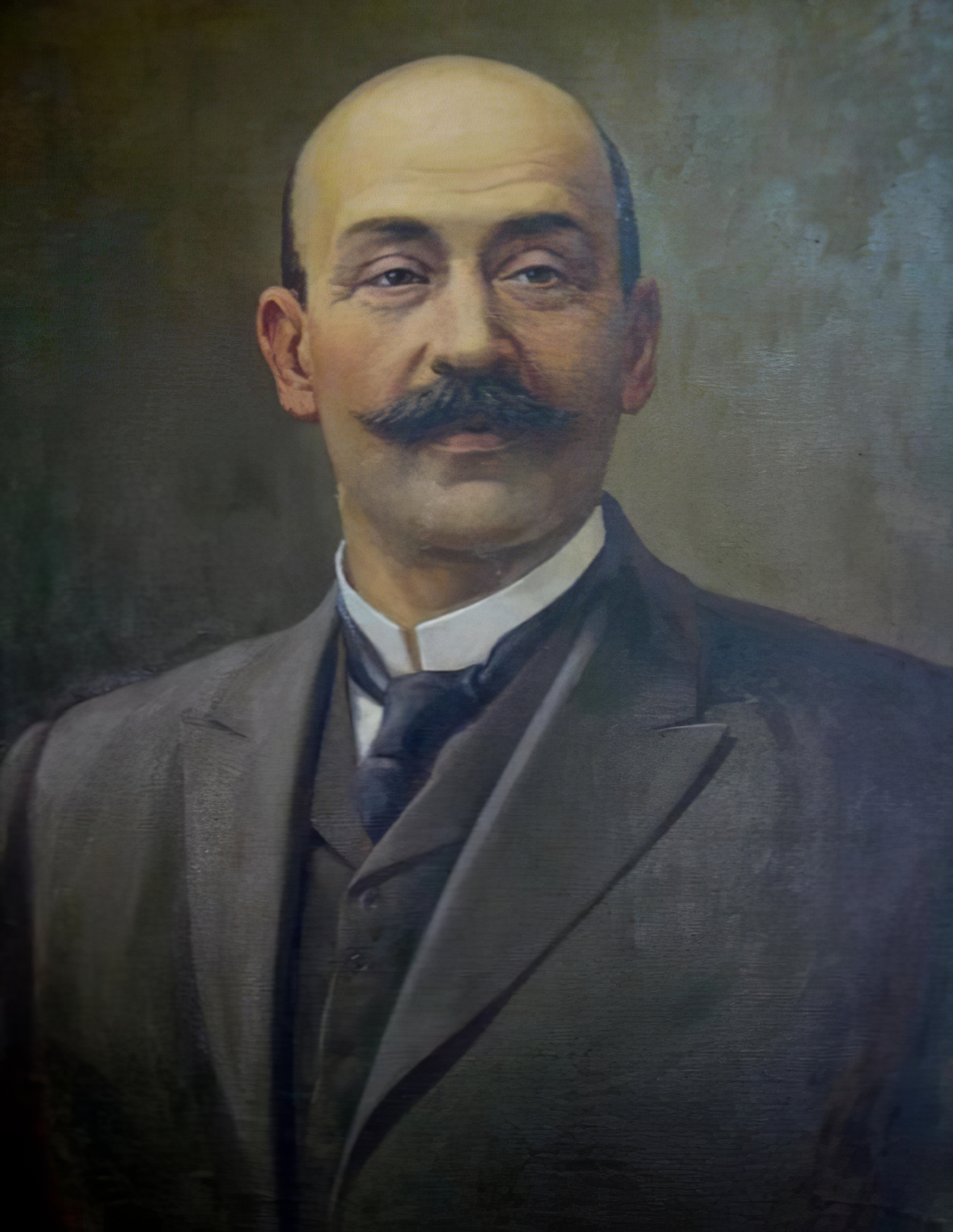
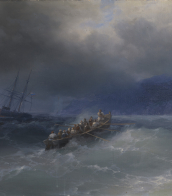
Franz Roubaud (Russian: Франц Алексеевич Рубо) was a Russian painter, known for his panoramic paintings and battle scenes. Born in Odessa in 1856, Roubaud studied at the Imperial Academy of Arts in St. Petersburg and furthered his education in Munich. His works are celebrated for their meticulous detail and dynamic composition.
One of his most famous works is the "Siege of Sevastopol," a monumental panorama depicting a key event from the Crimean War. This masterpiece is housed in the Panorama Museum in Sevastopol and stands as a testament to Roubaud's ability to convey historical grandeur and emotional intensity.
Roubaud's contributions to Russian art extend beyond his canvases, as he was also a respected professor at the Academy of Arts in St. Petersburg. His legacy continues to influence modern Russian painters, and his works are sought after by collectors and art enthusiasts worldwide.
Stay updated on new product sales and auction events related to Franz Roubaud (Rubo) by signing up for our newsletter. Don’t miss the chance to own a piece of history!










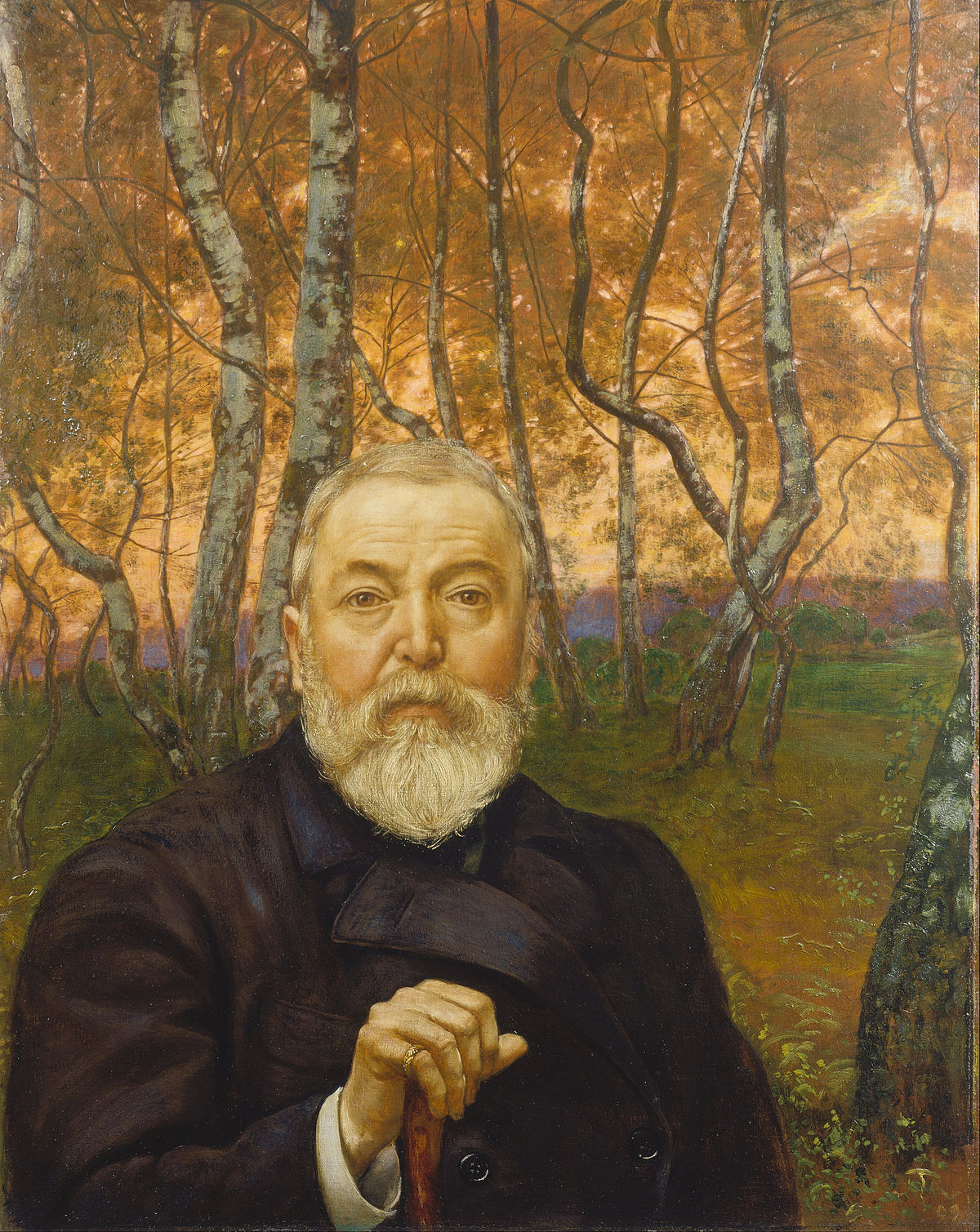
Hans Thoma was a German painter.
In spite of his studies under various masters, his art has little in common with modern ideas, and is formed partly by his early impressions of the simple idyllic life of his native district, partly by his sympathy with the early German masters, particularly with Albrecht Altdorfer and Lucas Cranach the Elder. In his love of the details of nature, in his precise drawing of outline, and in his predilection for local coloring, he has distinct affinities with the Pre-Raphaelites.


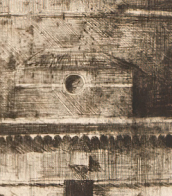







Jean-François Millet was a French artist and one of the founders of the Barbizon school in rural France. Millet is noted for his paintings of peasant farmers and can be categorized as part of the Realism art movement. Toward the end of his career, he became increasingly interested in painting pure landscapes. He is known best for his oil paintings but is also noted for his pastels, conte crayon drawings, and etchings.










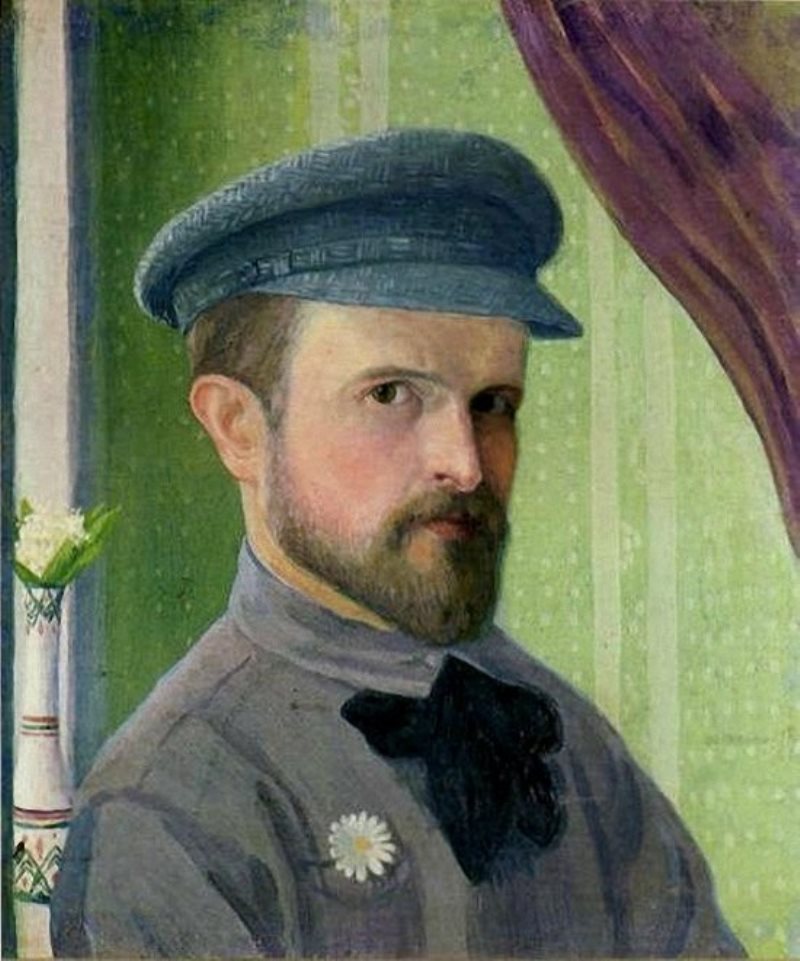
Ivan Vasilievich Kliun (Russian: Иван Васильевич Клюн) was a seminal figure in the Russian Avant-Garde movement, a painter, sculptor, and art theorist associated with Suprematism, a movement that sought to break down art into its basic geometric components. Born in Bolshiye Gorki, Kliun was deeply involved with the avant-garde circles that revolutionized Russian art in the early 20th century. His journey into the art world took him through studies in Kiev, Warsaw, and Moscow, culminating in a long-standing collaboration and friendship with Kazimir Malevich.
Kliun's artistic contributions were vast, ranging from his exploration of color theories to his pioneering Suprematist works that featured geometric shapes against stark backgrounds. Despite the changing tides of political and artistic favor in Soviet Russia, Kliun remained committed to his abstract and purist visions, even when abstraction fell out of favor with the Soviet authorities in the late 1920s.
His works, characterized by a unique integration of light and color to enhance the depth and intensity of the abstract forms, are significant for their experimental approach to Suprematism. Unlike many of his contemporaries who shifted towards Socialist Realism under state pressure, Kliun continued his abstract explorations discreetly. Today, his works are recognized for their innovation and contribution to the avant-garde movement, with pieces displayed in prestigious collections like the Costakis collection and international exhibitions.
For enthusiasts and collectors interested in the avant-garde movement and Kliun's groundbreaking work, staying updated on exhibitions and sales of his art is essential. Sign up for updates to stay informed about new product sales and auction events related to Ivan Vasilievich Kliun and explore the depths of Russian Avant-Garde art.